The global hospitality sector is currently witnessing a paradigm shift as the demand for "off-grid" travel experiences transitions from a niche subculture to a multi-billion-dollar industry. Travelers are increasingly prioritizing seclusion, sustainability, and architectural ingenuity over traditional luxury hotel standards. This trend, often characterized by solar-powered infrastructure and remote geographic positioning, reflects a broader societal movement toward intentional living and environmental stewardship. By examining a curated selection of properties from Belize to Morocco, one can observe how these remote getaways are redefining the luxury vacation market.
The Evolution of the Off-Grid Experience
The concept of the off-grid holiday has undergone a significant evolution over the last decade. Historically associated with primitive camping or rustic cabins, the modern iteration—often termed "eco-luxury"—integrates high-end design with complete autonomy from public utilities.
Data from the Sustainable Travel Index suggests that over 60% of modern luxury travelers now seek accommodations that demonstrate a commitment to low-carbon footprints. This has paved the way for architectural marvels like Valley Stream in Belize, a 5,000-square-foot sanctuary that demonstrates how extreme remoteness does not necessitate a compromise in comfort. Set within a 200-acre jungle preserve, the property utilizes solar energy to power a high-end experience that includes professional culinary services and private cliffside amenities. Such properties provide a blueprint for how remote environments can be monetized without degrading the natural landscape.
Architectural Innovation in Remote Landscapes
The intersection of sustainability and high architecture is perhaps best exemplified by projects like Caipira Modernista in Catuçaba, Brazil. As the country’s first fully off-grid sustainable house, this four-bedroom estate serves as a focal point for architectural researchers studying the viability of carbon-neutral residential design. By utilizing water sourced from local mountain springs and maintaining a 100-percent solar-powered grid, the home proves that luxury can be achieved through environmental integration rather than resource extraction.
This design philosophy extends to the "glamping" sector, where structures are intentionally small-scale to minimize environmental impact. The Birdbox in Norway, situated three hours north of Bergen, offers an example of "minimalist immersion." By positioning a single-bedroom unit in the direct sightline of the Blegja mountain range and the Førdefjord, the designers created a space where the architecture acts as a frame for the environment, effectively turning the room into an ever-changing landscape gallery. This strategy appeals to the growing segment of travelers seeking "digital detox" experiences.
Chronology of the Off-Grid Movement
The current popularity of these remote, high-end stays can be mapped against a timeline of changing global travel preferences:
- 2010–2015: The rise of the "glamping" phenomenon, where travelers first began seeking alternatives to traditional camping that included beds, electricity, and basic amenities.
- 2016–2019: Architectural focus shifts toward "eco-houses" and sustainable design. Projects like the Caipira Modernista begin to gain international acclaim, influencing developers to build homes that are entirely disconnected from municipal grids.
- 2020–2022: The global pandemic acts as an accelerant. Due to travel restrictions and health concerns, high-net-worth individuals seek isolated, private accommodations. This period solidifies the market for remote, self-contained luxury rentals.
- 2023–Present: The industry enters a phase of maturity where "off-grid" is no longer just a feature, but a primary marketing pillar. Properties like NeoNauta 23 in Spain demonstrate the integration of high-speed connectivity with off-grid power, catering to the burgeoning "digital nomad" demographic.
Regional Case Studies and Economic Impact
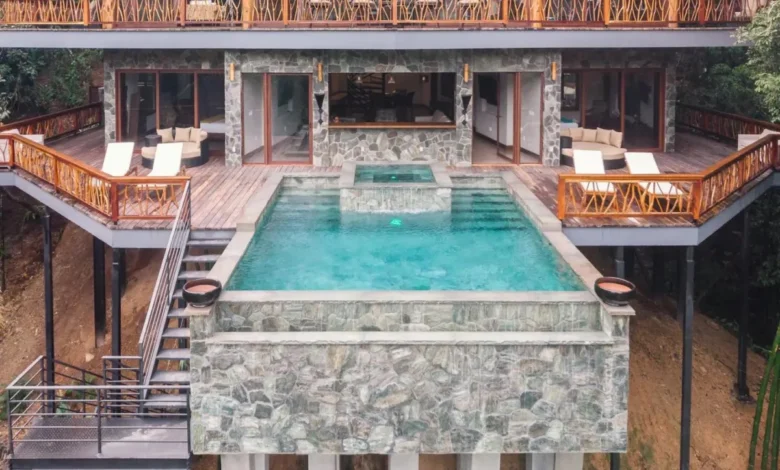
The economic implications for local communities are significant. In locations such as Montezuma, Costa Rica, properties like Casa Bell provide luxury experiences while remaining within a short distance of local village centers. This proximity fosters a symbiotic relationship between tourism operators and local economies, as guests are encouraged to frequent local markets and businesses.
Similarly, in Morocco, the "Loop" estate in the Marrakech countryside provides a model for how high-end, solar-powered properties can support local employment through the integration of personal chefs and service staff who are drawn from the surrounding rural communities. This provides a direct infusion of capital into rural areas that might otherwise struggle with economic stagnation.
Challenges and Regulatory Considerations
While the growth of off-grid luxury is a positive development for sustainable tourism, it is not without challenges. In regions like the Navajo Nation in Arizona, where the "Hogan by the River" accommodation is located, the experience is deeply rooted in cultural and historical context. Regulations in these territories—such as the prohibition of alcohol and drugs on certain properties—are essential to maintaining the integrity of the land and respecting indigenous customs. Travelers looking to enter this space are increasingly expected to adhere to strict codes of conduct that prioritize cultural sensitivity over the "hedonistic" expectations often associated with luxury travel.
Furthermore, the lack of infrastructure in remote areas requires a robust understanding of resource management. Properties must handle their own waste management, water purification, and energy storage. The professionalization of these systems is what allows a remote boat conversion in the United Kingdom to function as a cozy glamping getaway while maintaining a zero-impact profile on its forest surroundings.
Analysis of Broader Implications
The broader implication of this trend is the decentralization of luxury travel. As travelers move away from massive hotel chains and towards individual, high-design properties, the industry is seeing a move toward hyper-personalized experiences. The shift suggests that the future of travel will be defined by the quality of the connection between the traveler and the environment.
From a macroeconomic perspective, the rise of solar-powered, off-grid villas is pushing the construction industry toward greener materials and more efficient energy-storage solutions. Developers are finding that by investing in high-efficiency solar arrays and passive cooling designs, they can lower long-term operational costs while simultaneously increasing the market value of the property to a climate-conscious clientele.
Conclusion
The transition toward off-grid, sustainable luxury is a sophisticated response to the complexities of modern travel. Whether it is a historic boat conversion in the UK, a volcanic retreat in Spain, or a sprawling estate in Morocco, these properties offer a synthesis of comfort and conscience. As the market continues to expand, the success of these ventures will likely depend on their ability to maintain the delicate balance between providing world-class amenities and preserving the pristine, remote environments that make these destinations so attractive in the first place. For the modern traveler, the luxury of the future is no longer defined by opulence, but by the ability to exist in harmony with the natural world.