The resurgence of thermal tourism across the Arab world marks a significant shift in contemporary travel trends, as modern travelers increasingly seek out ancient, nature-based healing modalities. For centuries, the Middle East and North Africa (MENA) have utilized geothermal springs not merely as recreational sites, but as essential components of preventative healthcare. Today, these geological phenomena—ranging from the volcanic aquifers of Jordan to the limestone-filtered springs of the United Arab Emirates—are being integrated into high-end wellness hospitality, blending historical significance with modern infrastructure. As global wellness tourism is projected to reach a market value of over $1.2 trillion by 2027, the Arab world is uniquely positioned to capitalize on its vast, mineral-rich subterranean resources.
The Chronology of Thermal Healing in the Middle East
The utilization of thermal waters in the Arab world dates back to the dawn of civilization. Ancient societies, including the Nabataeans, Romans, and early Bedouin tribes, recognized the physiological benefits of mineral-rich waters. The Ma’in Hot Springs, for instance, were a documented destination for Herod the Great, who sought relief from his ailments in the therapeutic waters near the Dead Sea. During the Islamic Golden Age, thermal baths (hammams) became a cornerstone of urban design and public health, often built directly over natural springs to ensure a constant supply of heated, mineralized water.
In the 20th and 21st centuries, the focus shifted from communal utility to organized wellness tourism. The establishment of state-backed infrastructure around sites like Morocco’s Moulay Yacoub and Oman’s Nakhal springs has transformed these regions into focal points for international medical tourism. The current trend emphasizes the "re-wilding" of the luxury experience, where international visitors seek the raw, geothermal authenticity of the desert alongside the comfort of modern, sustainable lodging.
Analysis of Geological and Therapeutic Efficacy
The therapeutic efficacy of these springs is derived from the geological composition of the regions. Most springs in the MENA region are characterized by high concentrations of sulfur, magnesium, calcium, and sodium.
- Sulfur: Known for its antifungal and antibacterial properties, sulfur-rich waters are frequently used in dermatology to treat psoriasis, eczema, and other chronic skin conditions.
- Magnesium and Calcium: These minerals are essential for muscle recovery and bone density. Studies in balneology suggest that consistent immersion in these mineralized environments helps lower cortisol levels—the primary hormone associated with physical and mental stress—by up to 20% following prolonged exposure.
- Geothermal Heat: The hydrostatic pressure of the water combined with temperatures ranging from 100°F to 140°F (38°C–60°C) promotes vasodilation, which improves systemic blood circulation and accelerates the delivery of oxygen to damaged tissues.
Profile of the Top Nine Thermal Destinations
1. Khatt Hot Springs, United Arab Emirates
Located in the Hajar Mountains of Ras Al Khaimah, these springs are fed by deep-seated aquifers. The water, consistently maintained at 104°F, is channeled into both public pools and private spa facilities. The site serves as a vital case study for the UAE’s push toward non-coastal tourism, leveraging the emirate’s natural geology to attract year-round wellness seekers.
2. Moulay Yacoub Hot Springs, Morocco
Situated near the imperial city of Fez, this site is arguably the most medically focused thermal destination in North Africa. The water emerges from a depth of 1,500 meters at a temperature of 129°F. Moroccan health authorities have long recognized these springs for their efficacy in treating chronic ENT (Ear, Nose, and Throat) conditions and rheumatoid arthritis, leading to the development of a specialized medical spa complex that draws patients from across Europe and Africa.
3. Ma’in Hot Springs, Jordan
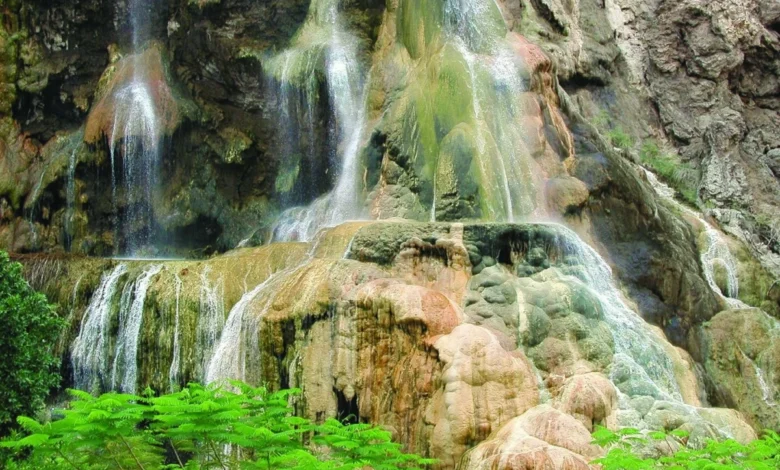
These springs represent a dramatic intersection of tectonic activity and tourism. The water originates from rainfall in the Jordanian highlands, which percolates through the earth, is heated by lava, and emerges as a series of thermal waterfalls. The site’s proximity to the Dead Sea allows for a "dual-therapy" itinerary, where visitors combine the mineral salts of the sea with the thermal energy of the mountain springs.
4. Cleopatra Spring, Egypt
Located in the Siwa Oasis, this stone-lined pool is a testament to the enduring appeal of the Sahara’s underground aquifers. Unlike volcanic springs, Siwa’s waters are derived from the Nubian Sandstone Aquifer System, one of the world’s largest fossil water reserves. The site remains a focal point for cultural preservation, managed to maintain the traditional aesthetic favored by generations of travelers.
5. Ad-Dal’a Hot Springs, Saudi Arabia
Located in the Al-Kharj region, this site offers a unique look at the Kingdom’s "Vision 2030" initiative to expand domestic tourism. The 98-foot-deep spring provides a profound glimpse into the underground hydrogeology of the Arabian Shield. Its integration into the local tourism circuit highlights a commitment to preserving natural landmarks while providing accessibility for modern travelers.
6. Korbous Hot Springs, Tunisia
Perched on the Cap Bon peninsula, Korbous is renowned for its cliffside location overlooking the Gulf of Tunis. The springs are classified into several distinct sources, each with varying mineral concentrations. The therapeutic reputation of Korbous is deeply ingrained in North African culture, with historical records indicating it has been a center for hydrotherapy since the Punic era.
7. Nakhal Hot Springs (Ain Al Thawarah), Oman
Flowing from the base of the Jebel Nakhal mountains, this spring is unique for its constant, high-volume flow rate. The surrounding palm groves provide a temperate microclimate, making it a critical site for regional biodiversity as well as wellness. The proximity to the 17th-century Nakhal Fort adds an architectural dimension to the wellness experience, linking the country’s history to its natural resources.
8. Al-Jubah Hot Springs, Saudi Arabia
Situated in the Wadi Ad-Dawasir, this site serves as a vital oasis in the heart of the desert. The development of modern facilities here has allowed for more precise control of water temperatures and hygiene, catering to the growing demand for "wellness retreats" within the Kingdom.
9. Hammam Meskoutine, Algeria
Though less frequently cited in western media, the Hammam Meskoutine springs are among the hottest in the world, with temperatures reaching up to 205°F. The water is so rich in calcium carbonate that it has formed massive, multi-colored rock cascades over the centuries. It represents the extreme end of thermal tourism, offering a stark reminder of the raw geological power present in the region.
The Broader Impact on Regional Tourism
The investment in these thermal sites has broader economic implications. By diversifying away from the "sun and sand" model of tourism, nations in the Arab world are creating sustainable, year-round employment in rural areas. Furthermore, the emphasis on wellness tourism aligns with the global health-conscious movement, appealing to a demographic that values longevity and holistic care.
According to industry analysts, the integration of these springs into the international travel market requires a delicate balance. Environmental experts emphasize that the sustainability of these aquifers is paramount; over-extraction of geothermal water can lead to a decline in pressure and temperature. Consequently, governments are increasingly adopting regulatory frameworks to ensure that the development of luxury resorts does not compromise the natural integrity of the springs.
Conclusion and Future Outlook
The Arab world’s network of natural hot springs serves as more than just a destination for relaxation—it is a repository of geological history and ancient medical wisdom. As travelers continue to prioritize mental and physical restoration, the region’s geothermal assets offer a compelling alternative to traditional spa resorts. Whether through the historic waters of Siwa or the modern, mountain-side facilities of the UAE, these springs offer a path toward healing that is rooted in the earth itself. The future of this sector will depend on the continued harmonization of ecological preservation and luxury hospitality, ensuring that these "breath-taking" landscapes remain sources of renewal for generations to come.