For the modern traveler, the intersection of cultural immersion and fiscal responsibility is increasingly found in emerging and established global hubs that offer high-value experiences at a fraction of the cost found in traditional tourism capitals. As global inflation fluctuates, a select group of cities continues to maintain a cost-of-living index that allows for extended stays without compromising on quality. Based on current travel expenditure data, these ten urban centers demonstrate that world-class dining, historical exploration, and vibrant arts scenes remain accessible to the budget-conscious visitor.
Economic Benchmarks in the Chinese Capital: Beijing
Beijing remains a paradox of economic growth and traveler affordability. Despite its status as a global financial powerhouse, the capital of China offers a remarkably stable cost profile for international visitors. Data indicates an average daily expenditure of approximately $78, supported by highly competitive lodging rates averaging $29 per night.
The city’s infrastructure, largely modernized for the 2008 Summer Olympics, continues to provide value. The Olympic Park, featuring the iconic National Stadium (Bird’s Nest), stands as a testament to China’s massive infrastructure investment. Beyond the sporting relics, Beijing’s historical preservation efforts, such as the maintenance of the city’s traditional hutongs—narrow alleys that offer a glimpse into pre-industrial life—remain free to the public. The National Museum of China, situated on the edge of Tiananmen Square, offers extensive collections of bronze work and imperial artifacts at no cost, reflecting a government-led initiative to promote domestic and international cultural literacy.
Central European Value: Warsaw, Poland
Warsaw distinguishes itself as the sole European representative among the world’s most cost-effective travel destinations. Maintaining an average daily cost of $78, the city leverages its position as a burgeoning cultural hub to attract tourism. The affordability is anchored by a food and beverage sector where daily sustenance costs less than $20.
The city’s post-war reconstruction has resulted in a unique urban tapestry that blends history with modernity. Public policy has played a significant role in accessibility; the Warsaw Rising Museum, a pivotal site for understanding the city’s endurance during World War II, provides free admission on Sundays, while the National Museum follows suit on Tuesdays. Furthermore, the revitalization of the Vistula River banks has transformed industrial waterfronts into seasonal recreational spaces, offering a "beach-town" aesthetic within a landlocked capital. Industry experts note that Poland’s competitive hospitality sector, with average hotel rates near $50 per night, provides a substantial buffer for travelers looking to extend their stay in the European Union.
South American Gastronomy and Cultural Heritage: Buenos Aires and Lima
The South American market continues to offer some of the highest value-for-money experiences globally, with Buenos Aires, Argentina, and Lima, Peru, leading the charge.
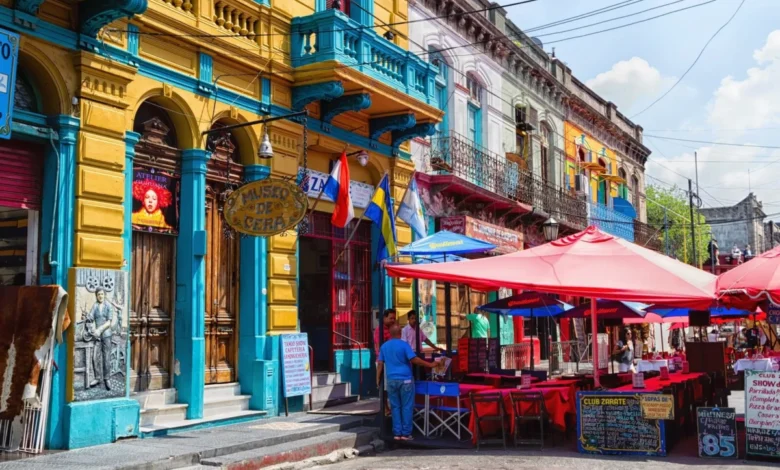
Buenos Aires, with an average daily cost of $50, has long been associated with high-quality beef production and a deep-rooted tango culture. Economists attribute the sustained affordability of the Argentine capital to the local purchasing power parity. Beyond its culinary reputation, where premium steak dinners remain significantly cheaper than international averages, the city provides free access to the National Museum of Fine Arts. The Feria de Mataderos serves as a living museum of gaucho culture, allowing for free engagement with traditional crafts and live performances.
In Lima, the culinary landscape is the primary driver of tourism. While the city hosts several establishments on the "World’s 50 Best Restaurants" list—which can command high prices—the street-level economy remains exceptionally accessible. Visitors can experience the city’s renowned ceviche for a fraction of fine-dining prices. Historical sites, including the Cathedral of Lima and the Church of San Francisco, remain accessible to the public, and the daily changing of the guard at the Palacio del Gobierno serves as a free cultural staple. Daily lodging costs in Lima average approximately $45 for shared occupancy, highlighting a robust mid-market hospitality sector.
The Intercontinental Bridge: Istanbul, Turkey
Istanbul presents a unique case study in historical and geographic synthesis. With an average daily cost of $45, the city offers a bridge between the East and West. The economic landscape is bolstered by extremely low lodging costs—averaging $22 per night—and a street-food culture that prioritizes fresh, locally sourced ingredients.
The Turkish government and local municipalities have heavily subsidized cultural heritage sites to encourage tourism. The Grand Bazaar, a 600-year-old commercial center, remains the heartbeat of the city’s economy. Beyond commercial interests, the city’s commitment to arts and wellness is evident in the affordability of its traditional bathhouses (hammams) and the free admission to specialized institutions like the Jewish Museum of Turkey and various contemporary art galleries.
The Southeast Asian Model: Kuala Lumpur and Bangkok
Southeast Asia remains the gold standard for low-cost, high-impact travel. Kuala Lumpur, Malaysia, operates with an average daily cost of $39, benefiting from a well-integrated public transportation system and a dense network of affordable street food. The city’s transition into a global financial center has not resulted in a corresponding surge in tourist prices, as the local government continues to promote free cultural engagement, such as the art classes provided at the Petronas Gallery.
Bangkok, Thailand, matches this affordability with an average daily cost of $38. The city’s hospitality sector, which averages $41 per night, caters to a diverse range of budgets. The preservation of historical and religious sites—specifically the city’s vast array of temples—is treated as a public utility. Recent initiatives have focused on repurposing institutional buildings, such as the transformation of former detention centers into the Corrections Museum, providing unique, low-cost historical context to visitors.
North African and South Asian Hubs: Marrakech and Delhi
Marrakech, Morocco, and Delhi, India, round out the list with daily averages of $38.
In Marrakech, the economy of the medina is built on open-market dynamics. The city’s primary attractions—its mosques, souks, and minarets—are integrated into the fabric of daily life, requiring no entrance fees. Haggling remains a standard, expected practice in the marketplace, which serves as both an economic and social mechanism for the city.
Delhi, conversely, provides a dense urban experience where the cost of daily life is minimized through high competition in the food and lodging sectors. Hotels often hover around $20 per night, and public spaces such as the Lodhi Gardens provide necessary ecological relief from the city’s density at no cost. Cultural institutions, including the Vadehra Art Gallery and various government-sponsored film screenings, provide a comprehensive look at India’s evolving art scene without the high price tags associated with Western capital cities.
Broader Implications of Budget Tourism
The sustained affordability of these cities has significant implications for global tourism patterns. As travelers become more discerning, cities that offer transparent, low-cost experiences are seeing higher rates of repeat visitation.
Economists suggest that this trend is partially driven by the rise of digital platforms that aggregate cost-of-living data, allowing travelers to bypass traditional, high-cost booking channels. Furthermore, the shift toward "experience-based" travel—where the focus is on street food, local art, and public spaces rather than expensive, gated attractions—has incentivized municipal governments to invest in public-facing infrastructure.
While these cities currently offer exceptional value, the long-term sustainability of these prices depends on a delicate balance. Infrastructure strain, environmental impact, and the potential for "over-tourism" are significant concerns for local authorities. However, for the present, these ten destinations serve as a vital reminder that global exploration remains an accessible endeavor for those willing to engage with the local economy on its own terms. By leveraging the existing public infrastructure and embracing the cultural norms of these regions, travelers can ensure that their global footprint remains both manageable and memorable.