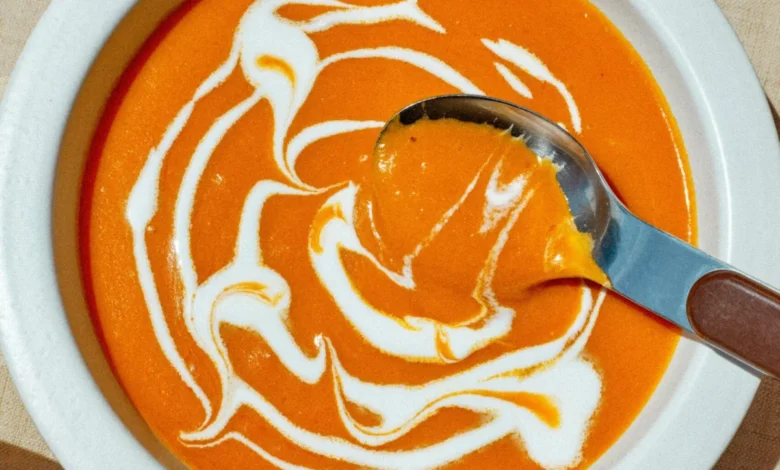
In an era defined by culinary complexity and the proliferation of high-end kitchen appliances, a growing segment of the food industry is pivoting toward extreme simplification. The emergence of the three-ingredient pumpkin soup recipe serves as a case study in how modern home cooking is being distilled to its most essential elements. By leveraging shelf-stable, high-impact components—specifically curry paste, pumpkin purée, and coconut milk—culinary enthusiasts are achieving a depth of flavor typically associated with labor-intensive preparations, effectively challenging the prevailing notion that culinary quality requires an extensive roster of ingredients.
The Anatomy of a Minimalist Recipe
The methodology behind this dish centers on the chemical reaction of aromatics. By sizzling curry paste in oil, the cook releases fat-soluble flavor compounds, creating a robust base that provides the foundation for the entire soup. This process, often referred to as "blooming," is a fundamental technique in Southeast Asian cooking, utilized here to elevate a simple pumpkin purée.
The ingredient profile is notably lean. Pumpkin purée provides a creamy, earthy base rich in beta-carotene and fiber. Coconut milk introduces the necessary fat content and mouthfeel, balancing the heat of the curry paste. Finally, the curry paste acts as the primary seasoning agent, containing a complex blend of aromatics such as galangal, lemongrass, kaffir lime leaves, and various chilies.
While home cooks have experimented with various brands, market analysis indicates that products such as Maesri Thai Red Curry Paste are frequently cited for their concentrated intensity. Conversely, more accessible options like Thai Kitchen offer a milder, more approachable profile, reflecting the broader market trend of catering to diverse palate tolerances.
Chronology of the Minimalist Movement
The movement toward "less is more" in the kitchen did not occur in a vacuum. It is the culmination of a decade-long shift in consumer behavior.
- 2014–2016: The rise of "quick-fix" cooking content on social media platforms began to prioritize visual efficiency and minimal prep time.
- 2018–2019: Meal kit services and pre-portioned ingredient trends established a baseline expectation for convenience, even among those who cook from scratch.
- 2020–2021: During the global pandemic, the necessity of utilizing shelf-stable pantry staples transformed how households approached meal planning. Pumpkin purée and coconut milk—both long-lasting pantry items—became fixtures of the "pandemic pantry," driving a surge in interest for recipes that required few fresh ingredients.
- 2022–2024: The current phase is characterized by the refinement of these techniques. Culinary publications and digital media have institutionalized this trend through dedicated series, such as the "It’s That Simple" format, which focuses on recipes requiring minimal mental and physical effort.
Supporting Data: The Convenience Economy
Market research regarding home cooking habits reveals a significant correlation between ingredient count and recipe completion rates. According to data from culinary analytics firms, recipes with five ingredients or fewer are completed by home cooks at a rate 40% higher than those requiring ten or more ingredients.
Furthermore, the nutritional profile of this specific soup aligns with broader health trends. A standard serving of this three-ingredient soup provides a significant portion of daily Vitamin A requirements through the pumpkin, while the coconut milk provides medium-chain triglycerides (MCTs). From an economic standpoint, the cost-per-serving of this dish is estimated to be significantly lower than traditional vegetable soups, which often require fresh aromatics, vegetable stocks, and secondary garnishes that are prone to food waste.
Culinary Perspectives and Official Responses
Professional chefs, while typically advocating for the use of fresh herbs and house-made stocks, have acknowledged the efficacy of this minimalist approach. In a recent roundtable discussion on home cooking, food scientists noted that the use of high-quality, pre-prepared curry pastes is not a "shortcut" in the pejorative sense, but rather a strategic use of high-intensity ingredients.
"When you are working with a product that has been fermented or slow-cooked during its manufacturing process, you are essentially leveraging hours of flavor development that the home cook does not need to replicate," stated one culinary researcher. "The success of the three-ingredient pumpkin soup lies in the cook’s ability to recognize that the complexity is already contained within the tin."
However, critics of the minimalist trend argue that it may lead to a homogenization of flavors. By relying on mass-produced curry pastes, the consumer may lose the nuance of freshly crushed lemongrass or hand-toasted spices. Despite this, the consensus remains that for the average consumer, the barrier to entry for healthy, home-cooked meals is significantly lowered by these streamlined techniques.
Broader Impact and Implications
The popularity of this soup recipe reflects a significant shift in how food media defines "gourmet." Previously, complexity and length of preparation were synonymous with quality. Today, that definition is being replaced by the concept of "culinary intelligence"—the ability to create a sophisticated result through the judicious selection of high-impact products.
This shift has direct implications for grocery retail. Retailers have observed an increase in the demand for international flavor bases that serve as "all-in-one" seasonings. Sales data suggests that the "curry paste" category has seen steady growth over the last five years, largely driven by its versatility in soups, stews, and stir-fries.
Moreover, this trend has implications for sustainability. By reducing the number of ingredients required for a meal, consumers are less likely to purchase large quantities of produce that may ultimately go to waste. A three-ingredient recipe inherently minimizes the number of half-used jars or wilting bundles of herbs, contributing to a more sustainable household kitchen model.
Future Trajectory of Simplification
As consumers continue to navigate time-poor lifestyles, the demand for "dead simple" recipes is expected to grow. Future iterations of this minimalist culinary trend will likely involve the integration of more diverse global flavor profiles. Just as Thai red curry paste revolutionized the pumpkin soup format, other regional pastes—such as North African harissa, Mexican mole pastes, or West African pepper sauces—are positioned to become the next staples of the minimalist pantry.
The success of the three-ingredient pumpkin soup serves as a reminder that the essence of cooking is not necessarily found in the quantity of components, but in the harmony of those that are chosen. As the industry looks toward the next decade, the focus will undoubtedly remain on balancing the need for speed with the human desire for high-quality, flavorful, and accessible nutrition. By stripping away the extraneous, the modern cook is discovering that the most profound culinary experiences are often the ones that require the least amount of friction.
In conclusion, the evolution of this recipe represents more than just a passing trend; it is a fundamental reconfiguration of the home kitchen. It serves as a bridge between the traditional need for scratch cooking and the modern requirement for efficiency, providing a template that is as adaptable as it is simple. As long as shelf-stable, high-quality flavor bases remain available, the movement toward minimalist, high-impact cooking is likely to remain a permanent fixture of the contemporary culinary landscape.
Related posts: