The Essential Guide to Selecting the Best Baby Beach Tents for Maximum UV Protection and Safety

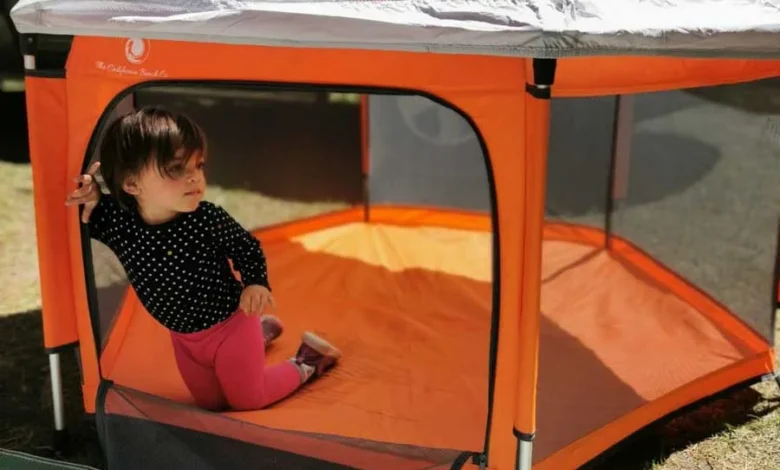
Taking an infant to the beach is a cornerstone of family summer traditions, yet it presents significant logistical challenges for parents, particularly regarding sun safety. While traditional beach umbrellas were once the standard for providing shade, their lack of stability in coastal winds and their tendency to be cumbersome have led many families to transition toward specialized, portable baby beach tents. These structures offer a more robust solution for creating a secure, shaded micro-environment for young children, effectively mitigating the risks associated with prolonged exposure to solar radiation.

The Critical Need for Pediatric Sun Protection
The necessity for dedicated sun shelters stems from the physiological vulnerability of infants. According to the American Academy of Dermatology (AAD), an infant’s skin is significantly thinner and contains less melanin than that of an adult, making it far more susceptible to UV-induced damage. The Skin Cancer Foundation underscores that even a single blistering sunburn during childhood can nearly double the lifetime risk of developing melanoma.

Pediatricians generally advise that infants under six months of age should be kept entirely out of direct sunlight. For older infants, the combination of shade, physical barriers like UV-protective clothing, and wide-brimmed sun hats is essential. The implementation of high-quality, UPF 50+ rated beach tents has become a recommended practice for families spending extended hours in high-UV environments, as these tents provide a consistent, localized area of protection that is difficult to achieve with sunscreens alone, particularly given that sunscreen application on very young babies requires strict medical consultation.

Evolution of Beach Shade Technology
Historically, families relied on heavy, metal-pole umbrellas or large, complex canopy structures. The shift toward modern "pop-up" beach tent technology began in the late 2010s as consumer demand grew for lightweight, portable, and user-friendly gear. Current market offerings have evolved to include advanced synthetic fabrics that block up to 99 percent of UVA and UVB rays.

The current generation of tents prioritizes the "set-up and pack-down" cycle. Many models now utilize internal spring-steel frames that expand automatically upon release and collapse into a compact, circular disc that can easily fit into standard luggage or large stroller baskets. This evolution has been driven by the need for parents to assemble shade while simultaneously managing a child—often with one hand.

Comparative Analysis of Leading Market Options
When evaluating the current landscape of baby beach shelters, several models stand out for their specific engineering features.

1. Premium Pop-Up Performance: The WolfWise AquaBreeze A10
The WolfWise A10 is currently recognized as a top-tier choice for families seeking a balance between durability and portability. It utilizes a rapid-deployment mechanism and is constructed with high-breathability mesh windows. Its design is notable for the inclusion of integrated sandbags and heavy-duty stakes, which are critical for maintaining structural integrity in the face of strong coastal gusts.

2. The Budget-Conscious Alternative: WhiteFang Pop-Up Tent
For families requiring a cost-effective solution, the WhiteFang series offers reliable UPF 50+ protection. While it lacks some of the premium internal storage features found in more expensive models, it maintains high marks for its extended floor design, which allows for cleaner, sand-free diaper changes and nursing, and its ability to withstand moderate wind conditions when properly anchored.

3. Integrated Aquatic Solutions: Monobeach and Babymoov
A significant innovation in the market is the integration of "splash pools" within the tent floor. The Monobeach and the Babymoov Aquani models allow parents to fill a small, waterproof section of the floor with water, providing a cooling mechanism for the child. This design allows infants to engage in water play while remaining strictly under the protective canopy of the UV-rated fabric, effectively bridging the gap between a playpen and a sun shelter.

4. Advanced Ventilation: Babymoov Anti-UV Pop-Up
For regions with high humidity and intense heat, the Babymoov Anti-UV tent is often cited for its superior ventilation architecture. By incorporating large, zip-accessible rear vents alongside mosquito netting, the tent prevents the "greenhouse effect" that can cause temperatures inside a closed shelter to spike, thereby reducing the risk of heat exhaustion.

Essential Criteria for Purchasing Decisions
Industry experts and safety advocates suggest that parents evaluate potential purchases based on a specific set of technical criteria rather than aesthetics alone.

- UPF 50+ Certification: This is the baseline requirement. UPF (Ultraviolet Protection Factor) indicates the fraction of ultraviolet rays that can penetrate the fabric. A rating of 50 means only 1/50th of the sun’s UV radiation can pass through the material.
- Structural Anchoring: A tent that lacks adequate stakes or sand-pocket capacity is a safety hazard. On a beach, wind shifts are sudden; a shelter that blows away can be dangerous to nearby families.
- Ventilation Capacity: High-quality tents should feature 360-degree ventilation options or, at a minimum, multiple mesh windows to ensure consistent airflow.
- Portability Metrics: Weight and collapsed dimensions are paramount for air travel or families utilizing public transit.
- Versatility: Many modern tents are designed to transition from beach use to backyard play or camping, increasing their value as a long-term investment.
Implications for Future Design
The market for these products is expected to grow as awareness of skin cancer prevention continues to rise. Future design iterations are likely to focus on sustainable, non-toxic materials and enhanced structural stability that requires less physical effort to secure. Furthermore, there is an increasing demand for "smart" fabrics that may eventually incorporate temperature-regulating technology to further enhance infant comfort.

Conclusion and Best Practices
The transition from traditional umbrellas to specialized, high-performance baby beach tents is a positive development in family safety. However, the purchase of a tent is merely one component of a broader sun-safety strategy. Parents are reminded that even within a tent, reflection from sand and water can increase UV exposure. Therefore, the use of wide-brimmed hats, polarized baby sunglasses, and UPF-rated swimwear remains a vital layer of protection.

Before heading to the coast, it is recommended that parents conduct a "dry run" at home. Mastering the "twist-and-fold" technique for collapsing these tents can save significant frustration under the pressure of a beach environment. By investing in the correct equipment and following established safety protocols, families can ensure that their time at the beach remains a healthy, memorable, and safe experience for their children.