
International travel to Europe has rebounded significantly following years of post-pandemic tourism surges, with millions of first-time visitors navigating historic capitals, complex transit networks, and crowded cultural landmarks annually. While the continent remains one of the world’s premier destinations for cultural enrichment and leisure, the sheer volume of global tourism has highlighted systemic vulnerabilities faced by unseasoned travelers. According to recent reports from European tourism boards and international consumer protection agencies, petty theft, digital fraud, and medical emergencies abroad disproportionately affect tourists unfamiliar with regional logistics. Industry experts and security analysts emphasize that mitigating these risks requires a structured, proactive approach rather than reactionary problem-solving. This report examines the essential protocols required to safeguard health, data, and personal identification during an initial European itinerary.
The Chronology of Preparation: Pre-Departure Risk Mitigation
Security professionals advise that comprehensive travel safety begins months before departure, ideally synchronized with the initial booking of flights and accommodations. The chronology of safe travel execution relies on sequential milestones:

- Immediate Post-Booking Phase: Procuring comprehensive travel insurance on the exact date of transportation reservation. Industry data from the U.S. Travel Insurance Association indicates that policies purchased within 14 days of initial trip deposits frequently unlock broader coverage, including pre-existing medical condition waivers and "Cancel for Any Reason" (CFAR) riders.
- Pre-Departure Document Redundancy: Generating encrypted digital backups of passports, visas, and itineraries stored securely in cloud infrastructure, alongside physical photocopies stored separately from original documents.
- Digital Hardening Phase: Installing reputable virtual private networks (VPNs), updating device operating systems, and enabling biometric authentication metrics two weeks prior to departure.
- On-Site Operational Phase: Implementing situational awareness frameworks, deploying concealment pouches for vital identification, and establishing secure communication channels upon arrival.
Financial and Medical Security: The Imperative of Comprehensive Insurance
Medical emergencies abroad present severe financial liabilities for international travelers. Public healthcare systems in European nations—such as the United Kingdom’s National Health Service (NHS) or France’s Sécurité Sociale—frequently operate under complex reciprocal billing structures or require upfront out-of-pocket payments for non-citizens, depending on the visitor’s country of origin.
Independent analysis by travel risk intelligence firms indicates that medical evacuation and emergency hospitalizations in Western Europe can easily exceed tens of thousands of dollars. Consequently, international risk analysts strongly advise against relying solely on domestic health insurance policies, which routinely exclude or severely limit coverage outside national borders.
When evaluating policies, risk management consultants recommend verifying specific thresholds:

- Emergency Medical and Evacuation Limits: Policies should ideally provide a minimum of $100,000 for medical coverage and $250,000 for emergency medical evacuation.
- Trip Interruption and Delay Clauses: Coverage that compensates for sudden logistical failures, missed connections, or carrier bankruptcies.
- Baggage and Personal Effects Protection: Adequate reimbursement caps for lost, stolen, or delayed luggage, ensuring immediate access to clothing and professional equipment upon arrival.
Cybersecurity in Transit: Defending Digital Infrastructure
Modern international travel is intrinsically linked to digital connectivity. Travelers routinely rely on smartphones and laptops for real-time navigation, digital transit passes, mobile banking, and reservations. However, reliance on public, unencrypted Wi-Fi networks in cafes, airports, and hotels exposes travelers to sophisticated cyber threats, including man-in-the-middle attacks and packet sniffing.
According to cybersecurity research from agencies like Europol’s European Cybercrime Centre (EC3), public Wi-Fi hotspots remain prime vectors for credential harvesting and unauthorized data interception. To counteract these vulnerabilities, digital security frameworks mandate the utilization of Virtual Private Networks (VPNs). By tunneling internet traffic through encrypted protocols, a VPN renders intercepted data unreadable to malicious actors operating on the same local network.
Furthermore, digital hygiene experts emphasize physical and logical device hardening:

- Multi-Factor Authentication (MFA): Enforcing hardware- or app-based MFA across all sensitive financial and email accounts.
- Biometric Lock Implementation: Utilizing facial recognition or fingerprint verification combined with alphanumeric passcodes rather than simple four-digit PINs.
- Data Minimization: Restricting offline storage of highly sensitive documents on mobile devices to prevent exposure in the event of hardware theft.
Document Preservation and On-Site Identity Management
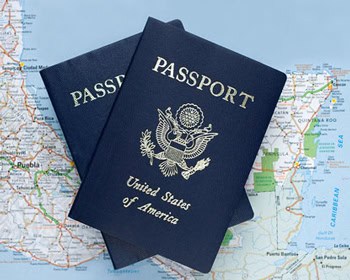
The physical passport functions as the ultimate anchor for any international traveler. Loss or theft of this document in a foreign jurisdiction initiates a complex, time-consuming administrative recovery process involving local law enforcement, national embassies or consulates, and emergency travel document issuance.
Consular affairs divisions across multiple embassies in Europe report thousands of passport loss cases annually during peak tourism seasons. To minimize disruption, security specialists advocate strict physical compartmentalization of identification materials:
- The Principle of Separation: Never carrying all primary identification documents, credit cards, and cash in a single repository, such as a traditional wallet or handbag.
- Concealment Gear: Utilizing neck pouches, deep-pocket waist belts, or specialized anti-theft undergarments worn beneath outer layers of clothing.
- Limited Daily Carry: Transporting only a secondary form of identification (such as a driver’s license or laminated copy) for daily excursions, while keeping original passports secured within hotel safes or secure accommodation lockers.
Situational Awareness and Urban Crime Countermeasures
Urban centers across Europe—including major transit hubs, historical monuments, and high-density shopping districts—frequently experience concentrated instances of opportunistic property crime, such as pickpocketing, distraction thefts, and luggage snatching. Law enforcement agencies in metropolitan areas emphasize that organized theft rings often employ collaborative tactics, where one individual intentionally distracts a target while an accomplice removes valuables from unzipped bags or unattended surfaces.
Urban security protocols suggest several behavioral adaptations for navigating high-density environments:
- Active Posture: Maintaining spatial awareness by avoiding prolonged, unobservant engagement with mobile navigation screens in high-traffic zones such as railway platforms and museum queues.
- Bag Positioning: Keeping backpacks and purses zippered, locked, and worn tightly across the front of the body rather than loosely over a single shoulder.
- Official Verification: Directing requests for assistance exclusively to uniformed personnel, official information kiosks, or established commercial establishments rather than unsolicited individuals offering street guidance.
Broader Economic and Societal Implications of Travel Security
The implementation of rigorous safety protocols by individual travelers extends beyond personal risk reduction; it contributes to broader macroeconomic stability within the global tourism sector. When travelers proactively manage medical, digital, and physical risks, they alleviate strain on local consular services, emergency medical systems, and law enforcement agencies in host countries.
Furthermore, as digital threats evolve alongside physical crime methodologies, the travel industry is experiencing a structural shift toward integrated security ecosystems. Travel insurance providers, telecommunications firms specializing in global eSIM technology, and cybersecurity platforms are increasingly collaborating to offer holistic safety bundles. These innovations reflect a growing consensus that modern travel preparedness is a multifaceted discipline requiring continuous adaptation, informed risk assessment, and disciplined personal execution.