The White Lotus Effect and the Changing Landscape of Luxury Travel on the French Riviera

Few television shows have fundamentally reshaped the trajectory of high-end tourism quite like HBO’s The White Lotus. Since its debut, the anthology series has transformed from a satirical critique of the leisure class into an unintended, yet immensely powerful, marketing engine for the global hospitality industry. Each season acts as a catalyst, driving a surge of "set-jetting"—the practice of traveling to destinations featured in film and television—that often turns secluded, tranquil retreats into viral bucket-list stops almost overnight. As this trend evolves from a peripheral pop-culture phenomenon into a defining force in luxury travel, industry insiders are beginning to grapple with a complex reality: the televised sanitization of destinations may be permanently altering the very essence of the luxury experience.
The evolution of set-jetting is no longer a matter of anecdotal evidence; it is a measurable economic shift. According to recent travel industry data, destinations highlighted in popular streaming series see a surge in search volume and booking inquiries that can last for years after a season concludes. However, the "celebritization" of these locations presents a paradox. Jaclyn Sienna India, founder and CEO of the luxury travel firm Sienna Charles, argues that the show’s footprint is a symptom of a deeper, more concerning trend. She posits that the series encourages a new generation of travelers to chase curated, hyped-up camera locations rather than seeking authentic cultural immersion. By turning storied, historic hotels into social media backdrops for the masses, the exclusivity that once defined these properties is systematically diluted. "Wealth has become a zoo," India remarks, reflecting the growing sentiment among elite travel advisors that the democratization of ultra-luxury spaces via screen exposure creates an identity crisis for the properties involved.
The Paradox of Televised Allure

Jonathan Alder, founder and CEO of Jonathan’s Travels, highlights the inherent irony of the show’s success. The White Lotus relies on a narrative structure that often depicts wealthy individuals engaged in moral ambiguity, professional vanity, and interpersonal conflict. Yet, despite the cynical nature of the plotlines, viewers are consistently captivated by the aesthetic surroundings. "It inspires travel through dilemma," Alder observes. "It shows horrible people frequently doing horrible things, and yet it makes people want to go to a place." This cognitive dissonance—desiring to inhabit the same space as characters one fundamentally dislikes—is the hallmark of the White Lotus effect.
This tension between televised fantasy and geographic reality will face its most significant test yet in the upcoming fourth season. Departing from its established formula of utilizing a single, self-contained resort bubble—and concluding its long-standing marketing partnership with the Four Seasons hotel group—the series is set to move to the French Riviera. This transition represents a shift in both setting and scale. The narrative arc for the upcoming season, as reported by industry outlets, moves away from the theme of guests attempting to unplug from their daily lives. Instead, it focuses on the high-pressure world of the Cannes Film Festival, tracking two rival film crews as they navigate the professional and personal fallout of an industry gathering.
The Production Shift: From Resorts to Urban Stakes
The production has already made its mark on the region, with crews spotted filming around the Palais des Festivals. The show will utilize the iconic Hôtel Martinez in Cannes as the "White Lotus Cannes," while the ultra-exclusive Airelles Château de la Messardière in Saint-Tropez will serve as the "White Lotus du Cap." The filming schedule, which also includes segments in Monaco and Paris, marks a departure from the isolated, resort-centric filming style of previous seasons.

Executive producer David Bernad has stated that the season explores "the life of an artist," examining the ways in which fame and the pursuit of success can warp personal identity. For the travel industry, this shift is critical. "They are turning this from a resort feeling to now arriving at a city for work," Alder notes. Unlike the previous seasons in Hawaii, Sicily, or Thailand, which emphasized the leisure-oriented, "passive" nature of a luxury vacation, the French Riviera setting is defined by professional anxiety, deal-making, and the frenetic energy of an international film festival.
Geographic Realities vs. Television Magic
One of the primary concerns for luxury travel experts is the "geographic illusion" created by the show. The narrative implies a proximity between the two main properties that does not exist in reality. Airelles Château de la Messardière is located roughly three hours by car from Cannes, perched above Saint-Tropez. For those familiar with the geography of the Côte d’Azur, the show’s editing will likely rely on cinematic sleight of hand to bridge this distance. As Alder notes, "Americans have no idea where these places are located. Most people are going to think Saint-Tropez is next to Cannes."
This geographical distortion is not new to the franchise. Season two, filmed in Sicily, notoriously led viewers to believe the San Domenico Palace in Taormina sat directly on a beach, when in fact the property is located on a cliffside, with the beach accessible only via a significant commute. While this creative license is standard in film production, it can lead to mismanaged expectations for travelers who arrive with a specific, screen-derived vision of a destination.

Economic Impact and the Future of Luxury Enclaves
Despite the risks to the "exclusive" nature of these properties, the exposure is undeniably lucrative. Stacy Fischer-Rosenthal, president of Fischer Travel and an advisor to the Four Seasons, suggests that independent luxury brands like Airelles stand to gain the most. With a smaller portfolio compared to global chains, the boost in brand recognition can be a game-changer. However, this comes with the challenge of infrastructure. Luxury travelers expect a seamless, quiet, and personalized experience; a sudden influx of "set-jetters" looking for the exact room or view featured on HBO can strain the resources of even the most well-staffed hotels.
The timing of this season is particularly notable for the region. As the Oetker Collection prepares to launch its first property in Saint-Tropez, the market is already primed for a shift in how these destinations are perceived. Some experts, such as Jaclyn Sienna India, are wary, suggesting that they would not recommend these specific properties to their high-net-worth clients once the season airs, citing the potential for the "tourist gaze" to ruin the serene atmosphere that originally attracted the ultra-wealthy.
Conversely, others see the barrier of entry as a natural stabilizer. Fischer-Rosenthal points out that with peak summer rates frequently exceeding 3,000 euros per night, the astronomical cost of a stay at properties like the Hôtel Martinez or Airelles acts as an effective filter. While the show may bring a spike in general interest and "lookie-loos," the high price point ensures that the clientele remains relatively consistent with the property’s existing demographic.

The Cultural Legacy of a Cinematic Destination
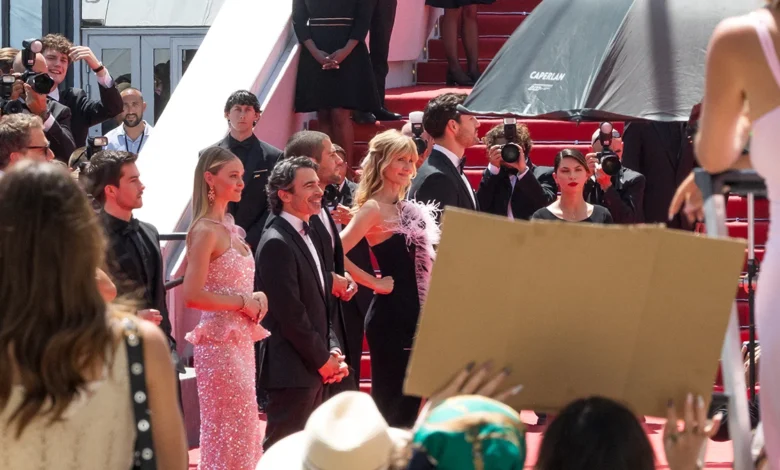
The broader implications of the show’s move to the French Riviera extend beyond hotel occupancy rates. The White Lotus is not merely showcasing the Côte d’Azur; it is actively manufacturing a cinematic version of it. By focusing on the Cannes Film Festival—a biennial event of high stakes, red-carpet appearances, and industry power dynamics—the show is tapping into a pre-existing mythos of glamour and excess.
As the series continues to influence the travel habits of millions, the question remains whether the destination itself can survive the intensity of the exposure. The French Riviera has long been a hub for the global elite, but the infusion of a serialized, high-voltage narrative may change the tourist profile of the region for years to come. Whether the result is a boost in local commerce or a erosion of the region’s storied, quiet luxury remains to be seen. What is certain, however, is that the line between fiction and reality is becoming increasingly blurred, and the map of the world is being rewritten by the lens of a camera. As production continues, the hospitality industry will be watching closely, waiting to see if the "White Lotus effect" will be a blessing for their bottom lines or a curse for their reputations.