Nestled in the Indian Ocean just southeast of the Indian subcontinent, the Democratic Socialist Republic of Sri Lanka—formerly known as Ceylon—presents travelers with a remarkable concentration of geographic and cultural diversity within a relatively compact territorial footprint of roughly 25,332 square miles. Boasting a rich tapestry that spans eight UNESCO World Heritage Sites, verdant central highlands, rolling mist-shrouded tea plantations, dense wildlife sanctuaries, and centuries-old Buddhist architecture, the island nation has increasingly positioned itself as a premier destination for both multi-generational family vacations and adults-only excursions.
To unpack the realities of modern travel on the island, Ciao Bambino recently spoke with Senior Travel Advisor Lynda Zuber following her inaugural exploration of the country. Zuber’s journey offers a comprehensive blueprint for navigating Sri Lanka’s distinct regional microclimates, logistical frameworks, and cultural landscapes.
Geographic Variety and the Modern Travel Landscape
For international travelers evaluating long-haul destinations in South Asia, Sri Lanka offers a unique value proposition. According to Zuber, the island functions as a rare destination capable of delivering extensive variety without requiring exhausting, cross-continental transit days.
"Sri Lanka is the rare island destination that offers endless variety in a compact country," Zuber explains. "It strikes a balance between the kind embrace of its people and the exotic adventures of the land. In addition to families, Sri Lanka is for couples, honeymooners, friend groups, and solo travelers. There is truly something for everyone."
When compared to more established regional tourism hubs—such as Bali, Thailand, Vietnam, and Cambodia—Sri Lanka presents a distinctly less commercialized atmosphere. Industry analysts often categorize the island as a hybrid destination: capturing the wellness culture associated with Bali, the wildlife density and temple architecture of Thailand and Cambodia, and the historical depth and picturesque landscapes characteristic of Vietnam and Laos. Yet, its distinct synthesis of British colonial architecture, deep-seated Buddhist heritage, and endemic wildlife gives it a standalone rhythm in the global tourism market.
A Blueprint for First-Time Itineraries: The Cultural Triangle and Beyond
For first-time visitors, Zuber outlines an itinerary trajectory that begins near the coastal zones and moves inland toward the Cultural Triangle—a central and north-central plain densely populated by ancient royal capitals and sacred Buddhist monuments.
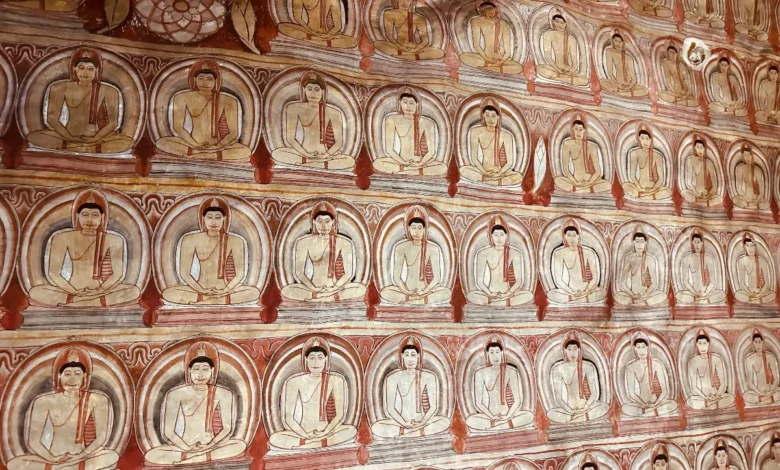
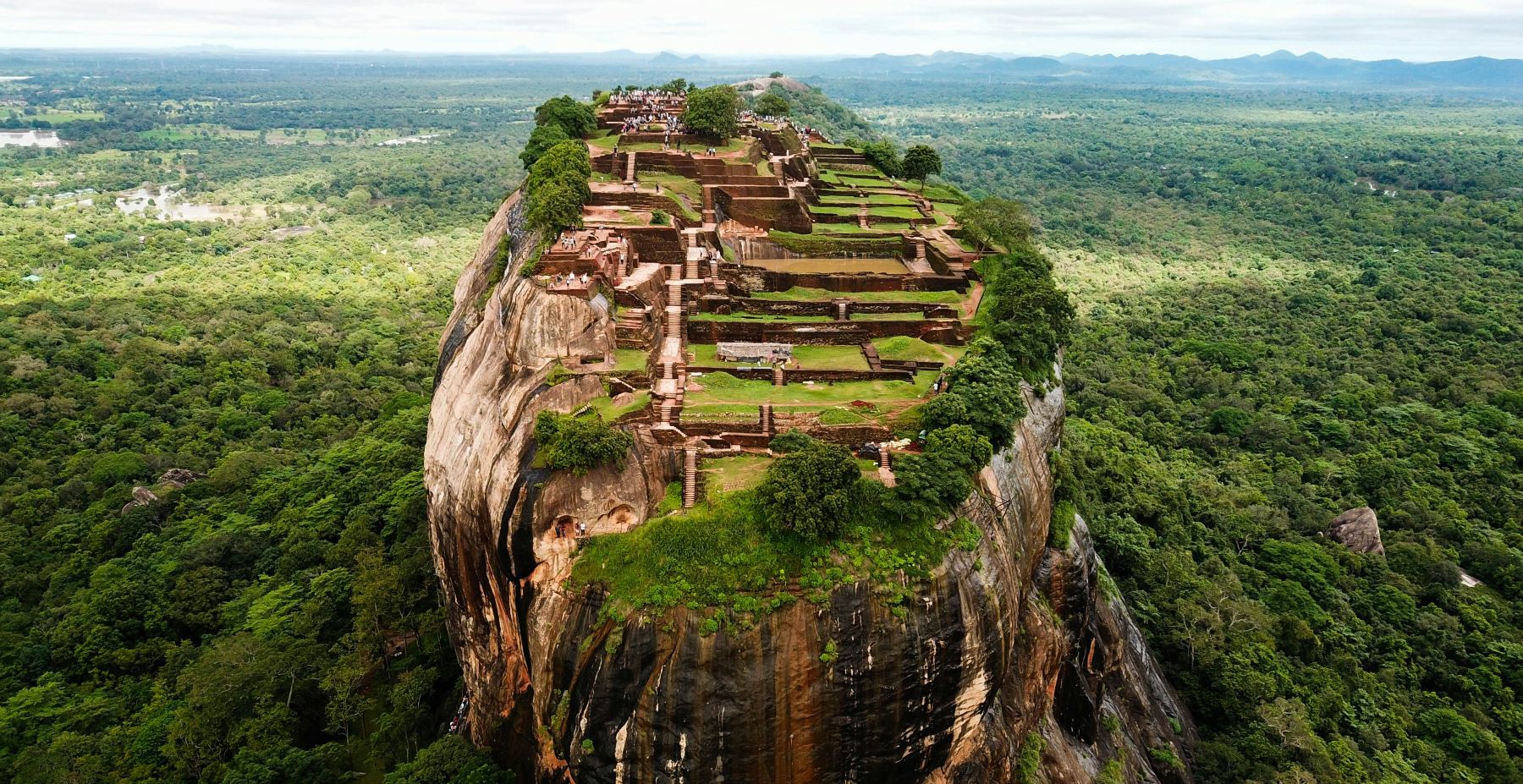
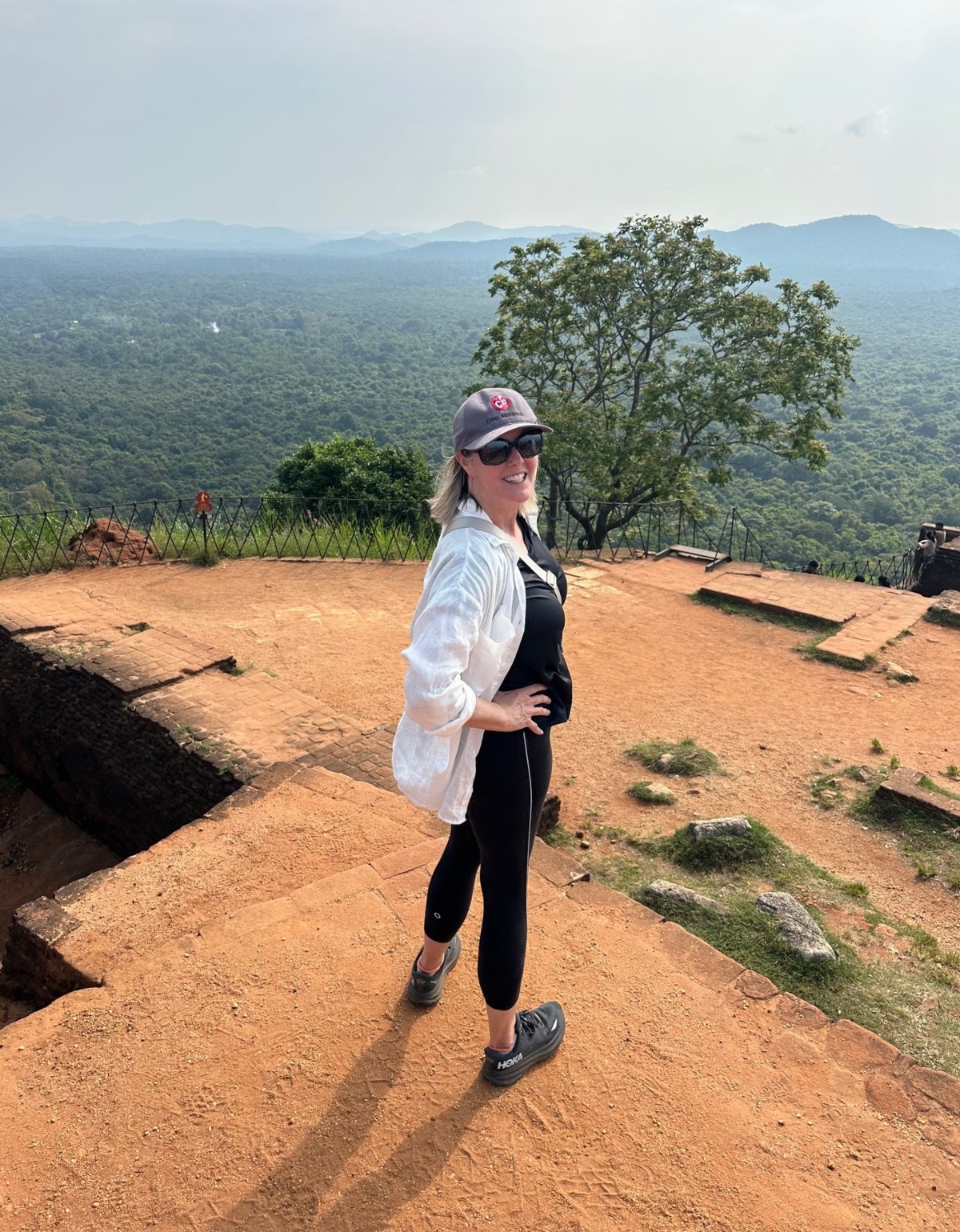
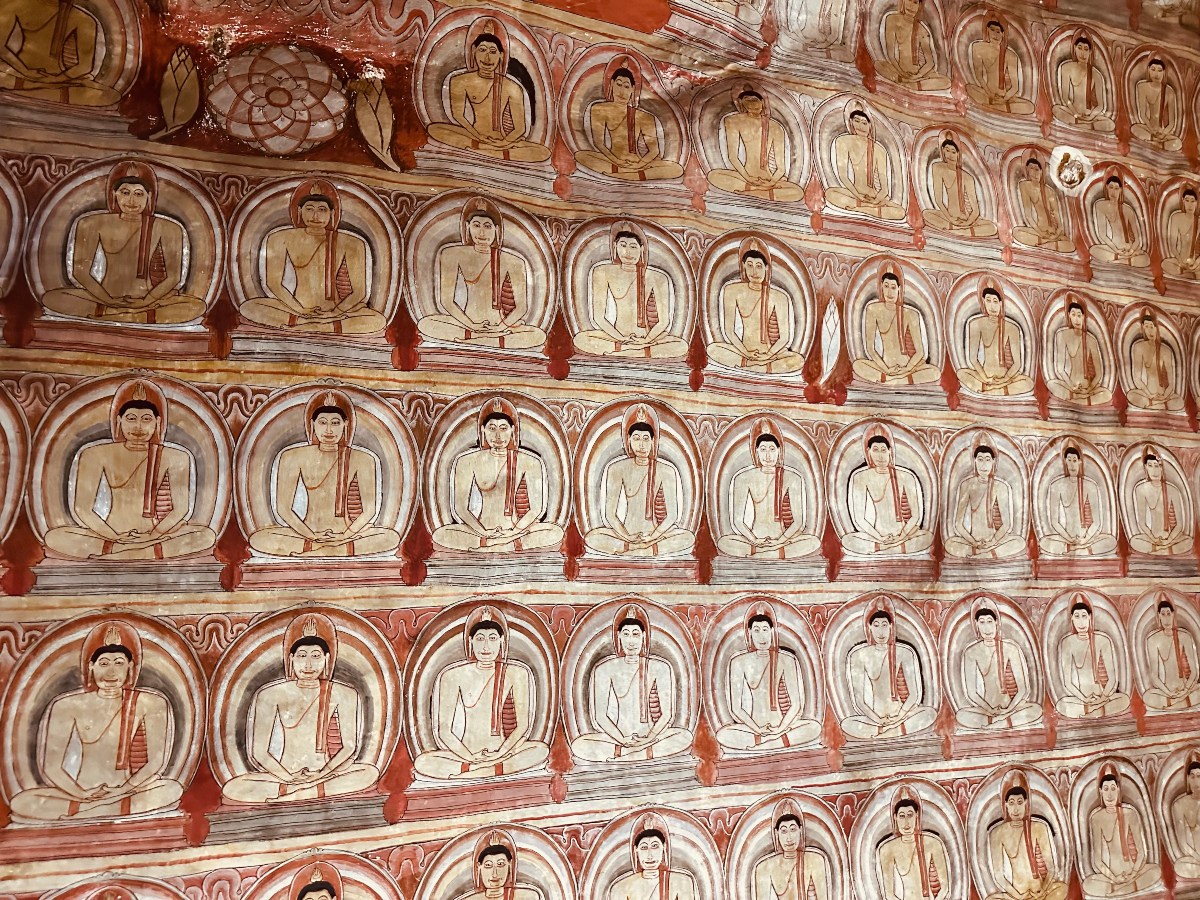
The core of the historical journey typically centers around Sigiriya, the ruins of a fifth-century royal palace and fortress perched atop a 600-foot-tall volcanic rock monolith. Climbing the approximately 1,200 steps to the summit offers travelers—including adventurous children—an immersive archaeological experience. Nearby, the Dambulla Royal Rock Temple complex houses hundreds of identical seated Buddha statues carved into cave ceilings and painted in ochre, lime, and black over ancient plaster.
From the Cultural Triangle, Zuber’s route proceeded to the wellness-oriented mountain environs surrounding Kandy, before transitioning south into the high-altitude tea estates of Hatton. The journey then shifted toward lowland wildlife tracking in Yala National Park before culminating on the southern coastline near colonial Galle and Tangalle.
Beyond domestic circuits, Sri Lanka’s geographical positioning makes it an effective launchpad for multi-destination holidays. Tourism boards and luxury operators frequently pair the island with the Maldives—located roughly an hour and a half away by air—to provide travelers with a high-end beach extension following an intensive cultural itinerary. Alternatively, combining Sri Lanka with mainland India allows for a comparative study of South Asian history and religious evolution.
Wildlife Conservation and Ethical Encounters
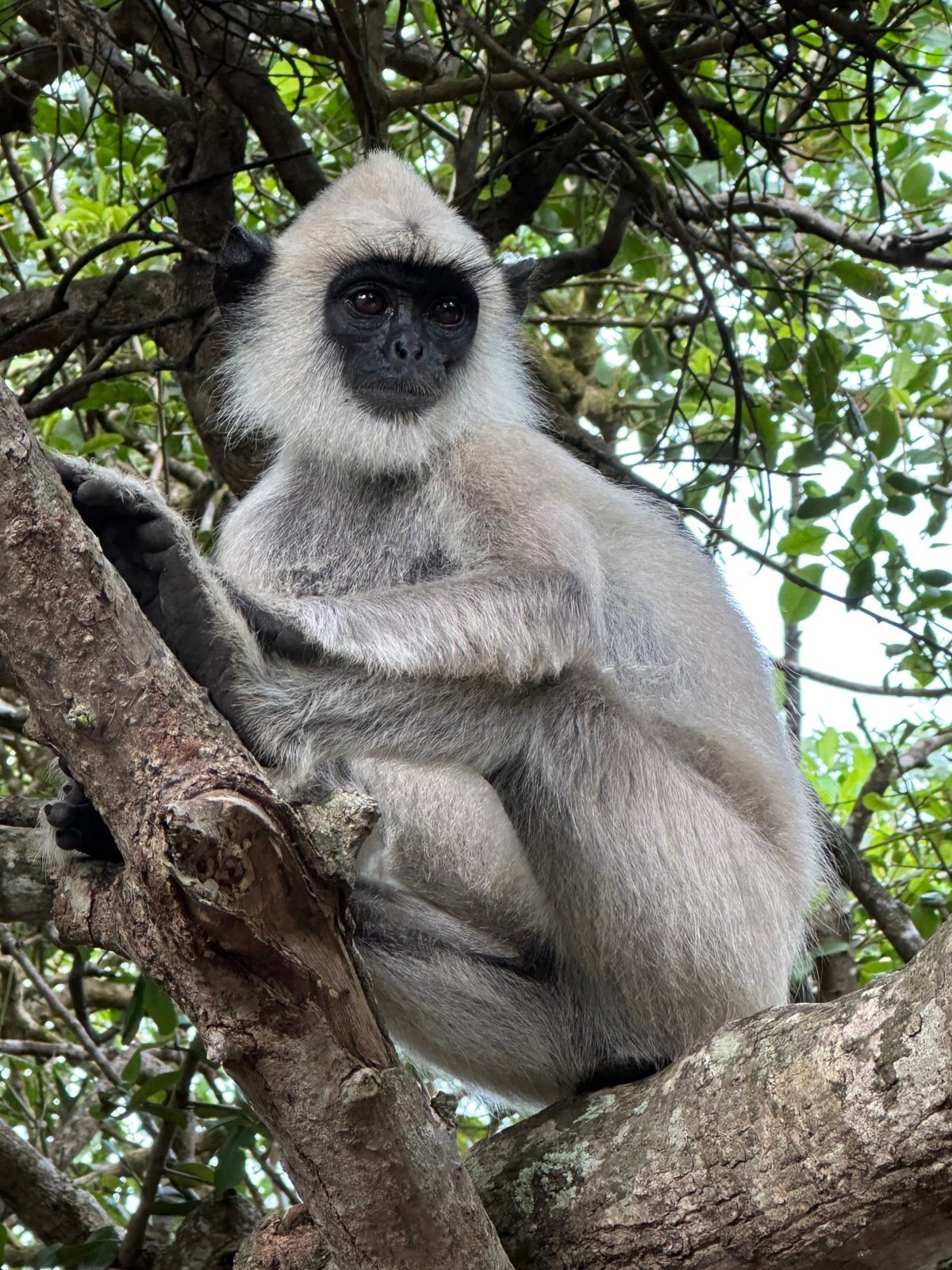
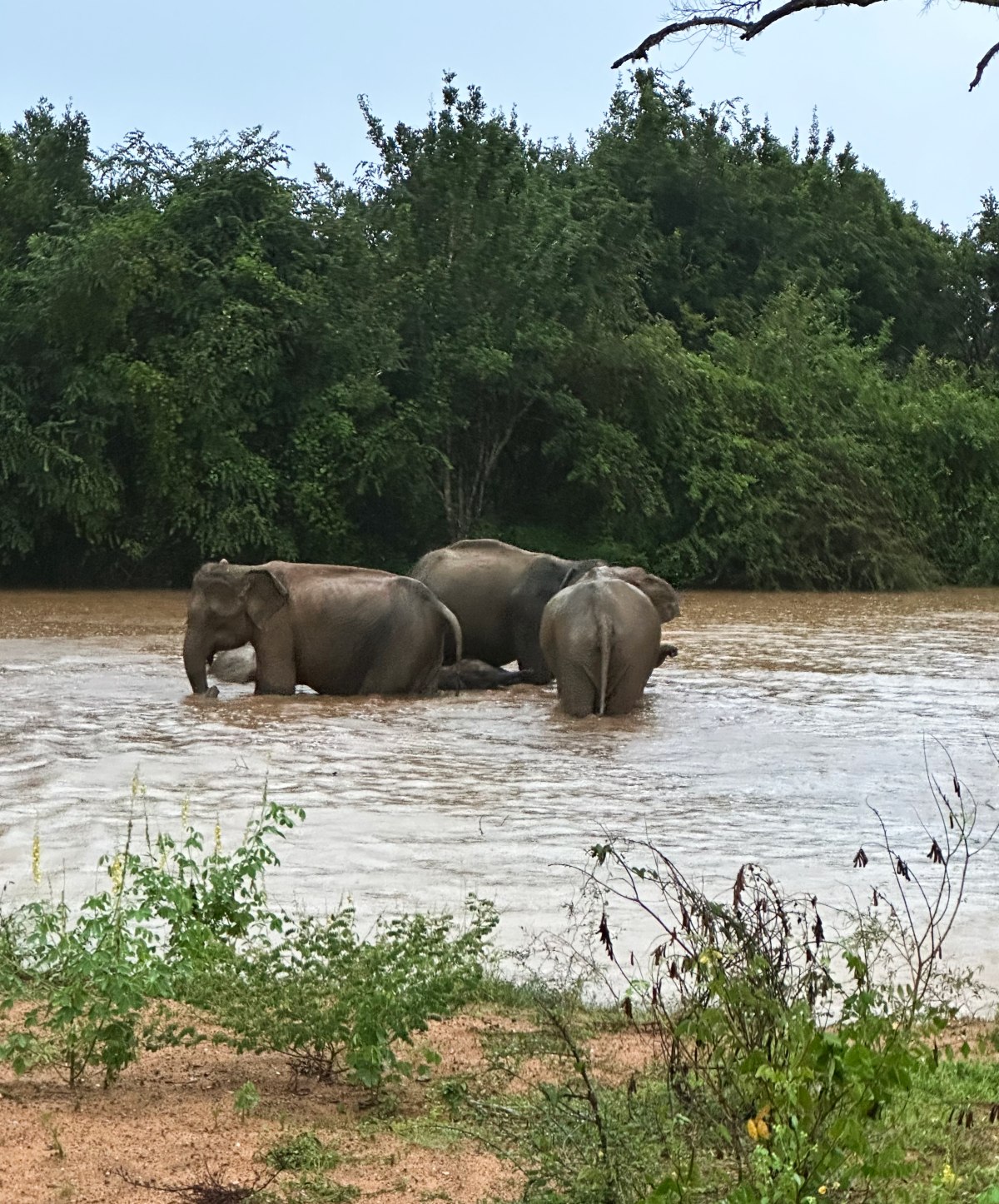
Wildlife tourism constitutes a primary economic and experiential driver for Sri Lanka. The island boasts some of the highest leopard densities in the world within Yala National Park, alongside significant populations of wild Asian elephants, sloth bears, wild water buffalo, crocodiles, and diverse primate species such as the tufted gray langur.
However, the rapid expansion of wildlife tourism has raised concerns regarding animal welfare. Zuber emphasizes the critical importance of adhering to ethical wildlife observation protocols.
"Sri Lanka offers Jeep safaris in a national park or the countryside, which keeps visitors at a nonintrusive distance," Zuber notes. "Any experience that includes riding, feeding, bathing, or any other unnatural interaction with elephants and all animals should be avoided."
Ethical sanctuaries and regulated national parks allow visitors to observe megafauna in their natural habitats. For instance, wildlife excursions near Nachchaduwa Lake and Nature Park afford travelers opportunities to witness wild elephants and water buffalo against the backdrop of rural rice paddies, far removed from mass-tourism enclosures.
Infrastructure, Logistics, and Internal Transport
Navigating Sri Lanka’s infrastructure requires careful advance planning. Tourism logistics experts consistently advise against self-drive holidays for international visitors. The island’s road networks, while undergoing gradual modernization, often feature narrow lanes, heavy local traffic, and extended transit times relative to physical distance.
For travelers, engaging a licensed private driver and guide is widely considered essential. A dedicated guide not only manages the complex navigation of 3-to-4-hour intercity drives but also provides real-time historical and cultural context that significantly enriches the travel experience.
To mitigate fatigue—particularly for families traveling with younger children—luxury operators increasingly utilize domestic aviation options. For example, a surface transfer from the mountainous tea country of Hatton to Yala National Park can span six hours by road. Utilizing private air taxis reduces transit time on this specific route to approximately 40 minutes, preserving valuable vacation hours.
Culinary Identity and Agritourism
Gastronomy serves as a defining element of the Sri Lankan travel experience. Heavily influenced by centuries of maritime trade, colonial history, and indigenous agricultural traditions, local cuisine relies centrally on rice, coconut, an extensive array of indigenous spices, and freshly caught seafood.
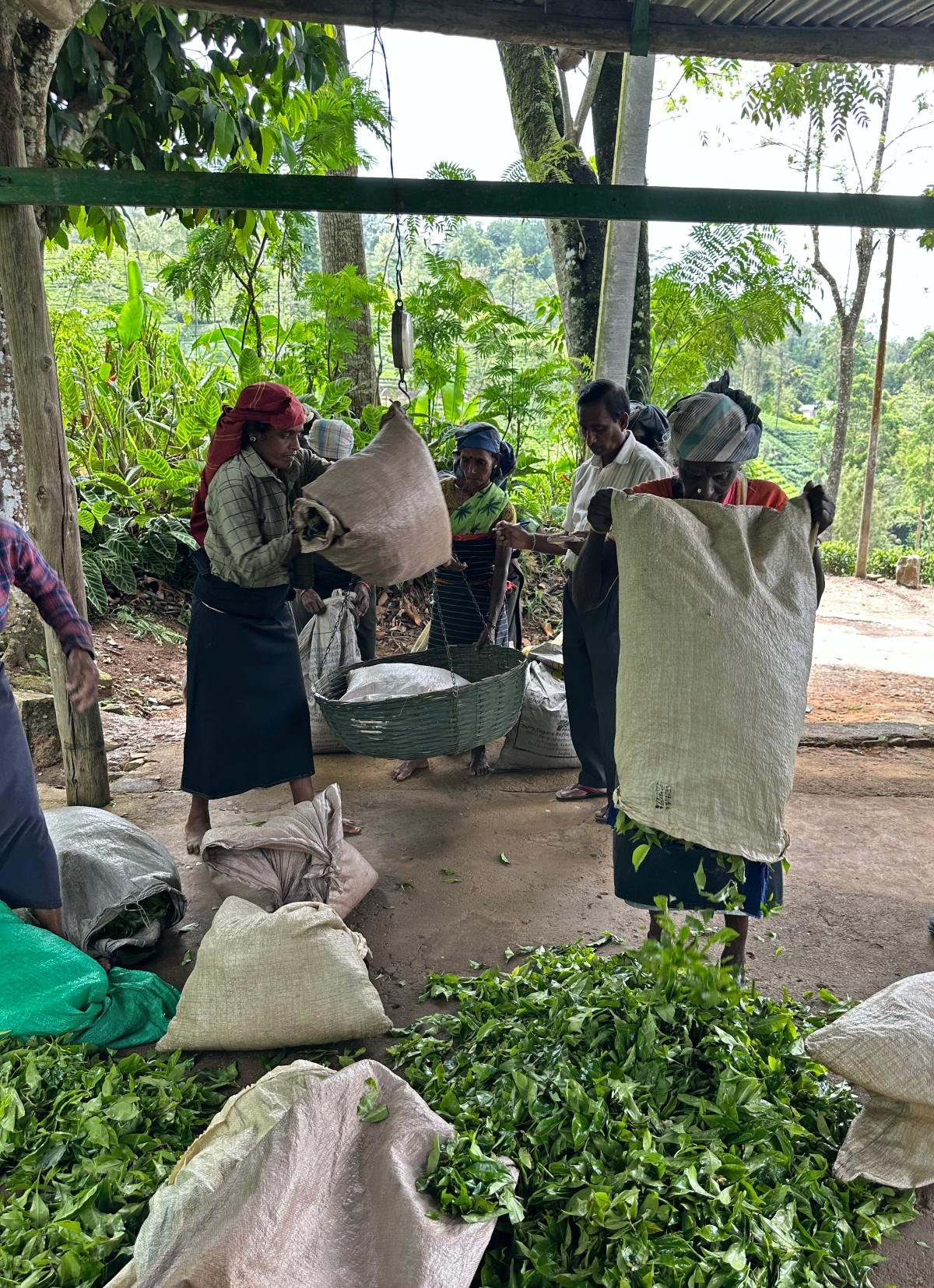
Dining on the island extends beyond traditional restaurants to encompass immersive agritourism experiences. In Hatton, visitors can tour active tea plantations, observe tea pluckers sorting leaves by hand, and participate in traditional afternoon tea services overlooking terraced hillsides. Similarly, traditional outdoor dining experiences, such as a Kamatha dinner served under the stars near agricultural fields, connect visitors directly to the rural traditions of the island’s agrarian economy.
Historical Parallels and Socio-Political Context
One of the less-touted intellectual dimensions of travel to Sri Lanka is its historical resonance with other ancient cradles of civilization. Observers note striking developmental parallels between Sri Lanka’s ancient kingdoms and contemporaneous societies in Egypt, despite the thousands of miles separating the two regions. Both civilizations engineered sophisticated irrigation networks, complex socio-religious hierarchies, and monumental stone architecture during overlapping historical windows.
From a socio-political perspective, Sri Lanka has undergone significant structural evolution since the conclusion of its 26-year civil war in 2009. According to travel advisors operating on the ground, the country’s modern tourism sector is characterized by a profound sense of national resilience. Local communities demonstrate an eagerness to share their cultural heritage, and the broader society exhibits a deeply ingrained hospitality toward international visitors, with families finding children warmly welcomed across all regions.

Practical Pre-Travel Recommendations
Industry professionals recommend adherence to several foundational guidelines for travelers planning a trip to Sri Lanka:
- Pacing: Avoid hyper-ambitious itineraries. Given slower transit speeds, incorporating rest days, pool time, and flexible mornings is vital, particularly when traveling with children.
- Cultural Etiquette: When visiting sacred Buddhist and Hindu sites, travelers must dress modestly—covering shoulders and knees—and remove footwear before entering temple grounds.
- Health and Safety: Comprehensive pre-travel consultations with travel medicine specialists are advised to secure routine vaccinations and preventative measures against mosquito-borne illnesses. Travelers should also monitor official government travel advisories regarding local economic and political developments.
- Seasonality: Because Sri Lanka experiences two distinct monsoon seasons affecting opposing sides of the island at different times of the year, itinerary timing must be aligned with regional weather patterns to ensure optimal beach and wildlife viewing conditions.
Related posts: