Sigma 20-60mm f/2.8-4 DG Contemporary Lens Review: A New Standard for Lightweight Versatility

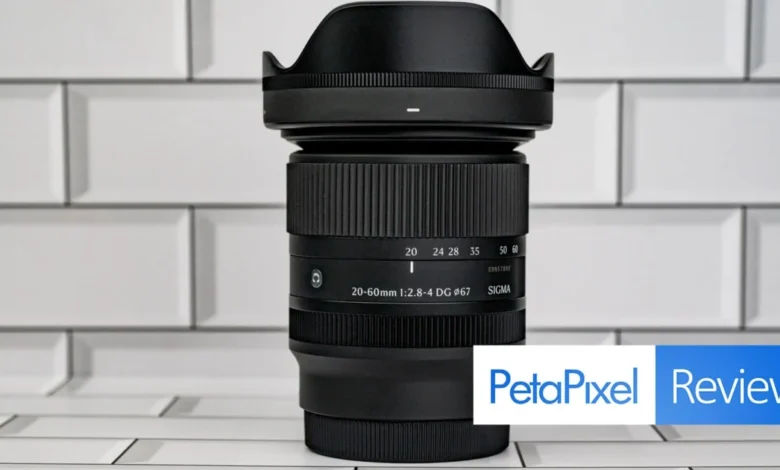
The release of the Sigma 20-60mm f/2.8-4 DG Contemporary lens marks a significant development in the optics market for full-frame mirrorless camera systems. Designed specifically for Sony E-mount and Leica L-mount users, this lens occupies a strategic position between specialized ultra-wide glass and standard workhorse zooms. By balancing a compact, lightweight form factor with an aperture range that provides superior light transmission compared to many of its competitors, Sigma is targeting the growing demographic of hybrid shooters who prioritize portability without compromising on the ability to capture wide-angle perspectives.

Technical Specifications and Design Philosophy
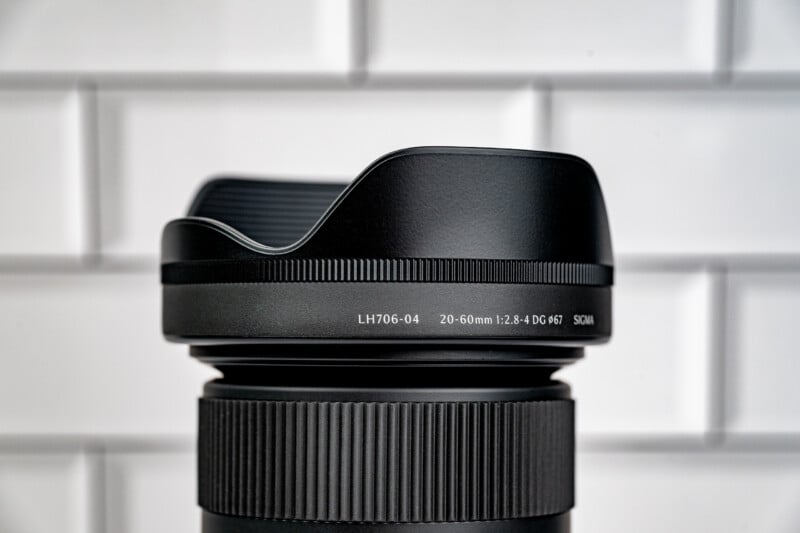
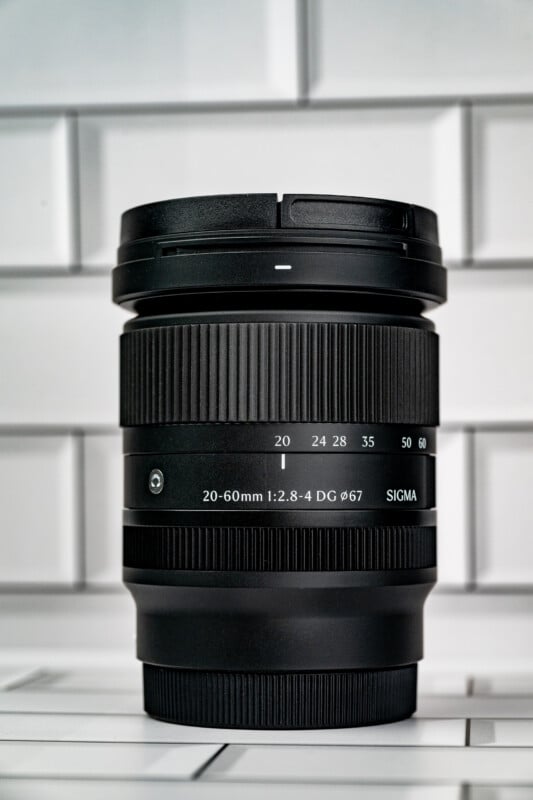
The Sigma 20-60mm f/2.8-4 DG Contemporary weighs just 375 grams (13.2 ounces), a design achievement that makes it one of the most portable lenses in its class. With a 67mm filter thread diameter, it is built to integrate seamlessly into a travel-ready kit, allowing photographers to utilize standard, affordable filters without the need for cumbersome adapter rings or oversized glass.
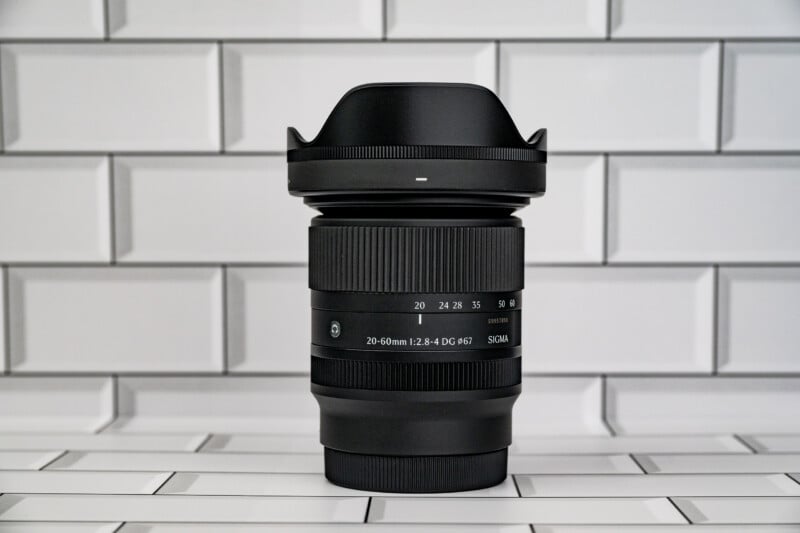
Under the hood, the lens features a high-speed linear motor that facilitates rapid autofocus performance, a critical requirement for both high-end photography and modern video production. The internal construction adheres to Sigma’s Contemporary line standards, which prioritize a balance between optical correction and physical footprint. The lens includes basic weather sealing and dust resistance, providing a layer of protection suitable for outdoor, run-and-gun, and travel environments.
Chronology and Market Context
The optics industry has seen a distinct shift toward "travel-zoom" versatility over the past five years. Following the introduction of the Panasonic 20-60mm f/3.5-5.6 and the Sony 20-70mm f/4 G, manufacturers identified a clear demand for lenses that begin at 20mm. The 20mm focal length is widely considered the "sweet spot" for landscape, architecture, and vlogging, as it offers a significantly wider field of view than the traditional 24mm starting point.

Sigma’s entry into this segment, priced at $849, arrives as a direct challenge to the incumbents. While the Sony 20-70mm f/4 offers a greater zoom range, it commands a higher price point (approximately $1,200). The Panasonic 20-60mm, while often bundled as an affordable kit lens, suffers from a variable aperture that is significantly slower at the long end. Sigma’s strategic decision to offer an f/2.8 aperture at the wide end provides a tangible advantage for low-light shooting and subject separation, positioning it as a premium-yet-accessible alternative.
Optical Performance and Testing Metrics
In laboratory and field testing, the Sigma 20-60mm f/2.8-4 demonstrates a refined approach to light management. Flare resistance, often a struggle for ultra-wide lenses, is well-mitigated by proprietary lens coatings that reduce ghosting and veiling flare even when shooting directly into the sun. While sunstars are produced, they remain subtle, favoring a neutral aesthetic rather than a stylized flare pattern.
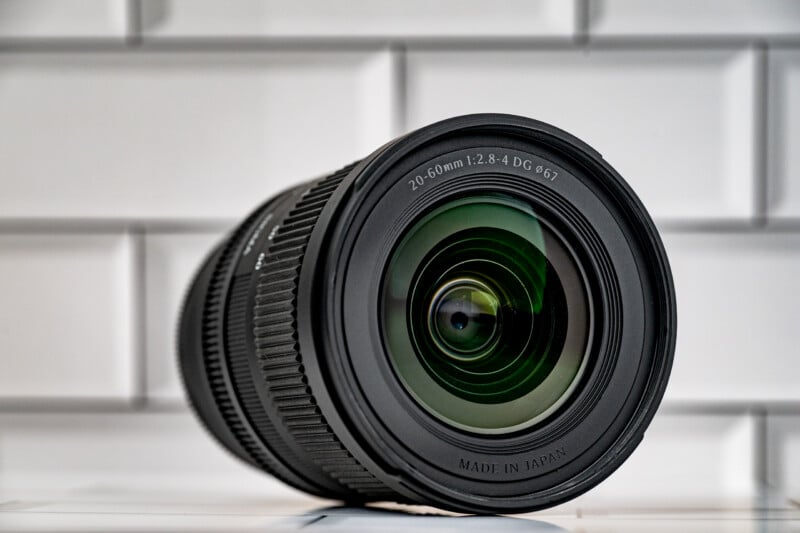
Regarding sharpness, the lens maintains high center-frame resolution at 20mm when shooting wide open at f/2.8. While edge-to-edge sharpness shows minor softness in the extreme corners at the widest setting, stopping down to f/5.6 significantly elevates the resolution, providing a crisp, consistent image. At the 60mm end, the lens performs admirably at f/4, with center sharpness that rivals more expensive professional-grade glass.
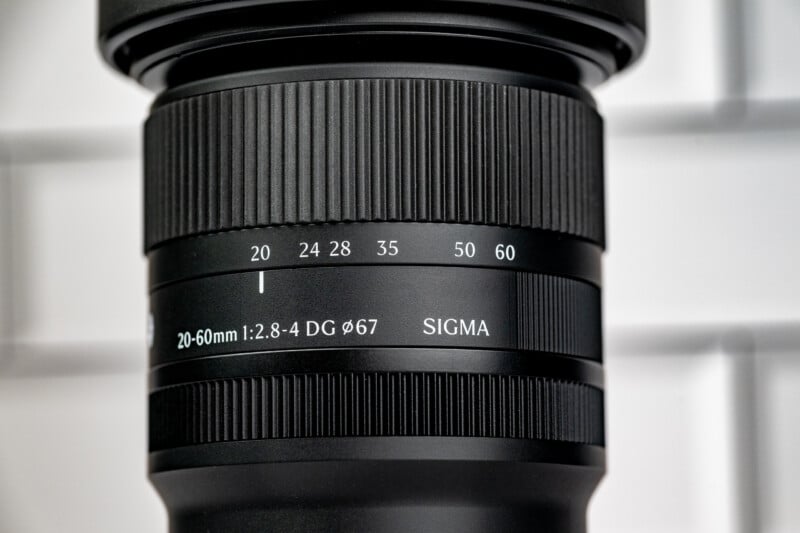
Chromatic aberration, specifically longitudinal chromatic aberration (LoCA), is present but limited, surfacing primarily at the 20mm f/2.8 mark. For most professional applications, this is easily corrected in post-processing. The bokeh, while not the primary focus of a lens in this category, displays the typical "onion-ring" artifacts often found in compact designs, though it remains soft enough to isolate subjects effectively in environmental portraits.

Specialized Utility: The Macro Factor
A standout feature of this lens is its close-focusing capability. The Sigma 20-60mm achieves a maximum magnification ratio of 1:2.3, specifically optimized at the 35mm focal length. This allows photographers to move beyond landscape and architecture into the realm of macro-adjacent detail work. In practice, this feature is highly effective for capturing textures, small flora, and intricate details that would normally require a dedicated prime lens. This utility adds significant value, effectively reducing the need for specialized macro equipment in a field bag.

Implications for Video Production and Gimbal Use
The rise of mirrorless video production has made lens weight and balance critical factors for gimbal operators. Because the physical dimensions of the Sigma 20-60mm remain consistent and the weight is distributed toward the mount, the center of gravity does not shift drastically when zooming. This minimizes the need for recalibrating gimbals during a shoot.

However, users should be aware of focus breathing—a phenomenon where the angle of view shifts slightly as the focus plane changes. While this is common in lenses of this class, it is a point of consideration for high-end cinematography. Nevertheless, the combination of a fast f/2.8 wide end and the 20mm field of view makes this an exceptional choice for vloggers and event videographers who require a wide perspective without the bulk of a heavy f/2.8 zoom.

Competitive Analysis and Market Impact
The competitive landscape for the E-mount and L-mount systems is currently defined by the trade-off between price, aperture, and reach.

- Sony 20-70mm f/4 G: Offers 10mm of additional reach on the long end, which is beneficial for portraiture. However, it is restricted by a constant f/4 aperture and a higher retail price.
- Panasonic 20-60mm f/3.5-5.6: The most budget-friendly option, but it lacks the light-gathering capabilities of the Sigma, particularly in the 20-30mm range.
- Sigma 20-60mm f/2.8-4: Offers the best of both worlds: a faster aperture than the Sony and better optical construction than the base-model Panasonic, all while maintaining a competitive price point.
The impact of this lens is clear: it democratizes the "wide-zoom" category. By offering a fast, sharp, and lightweight option, Sigma is forcing competitors to justify the premium prices of their own mid-range zooms. For the average enthusiast or working professional, the decision to purchase the Sigma is supported by the lens’s ability to replace two or three prime lenses in a kit, thereby reducing the total weight and cost of a camera setup.

Final Assessment: Who Should Invest?
The Sigma 20-60mm f/2.8-4 DG Contemporary is a highly recommended tool for three distinct groups: travel photographers, gimbal-based videographers, and street photographers.
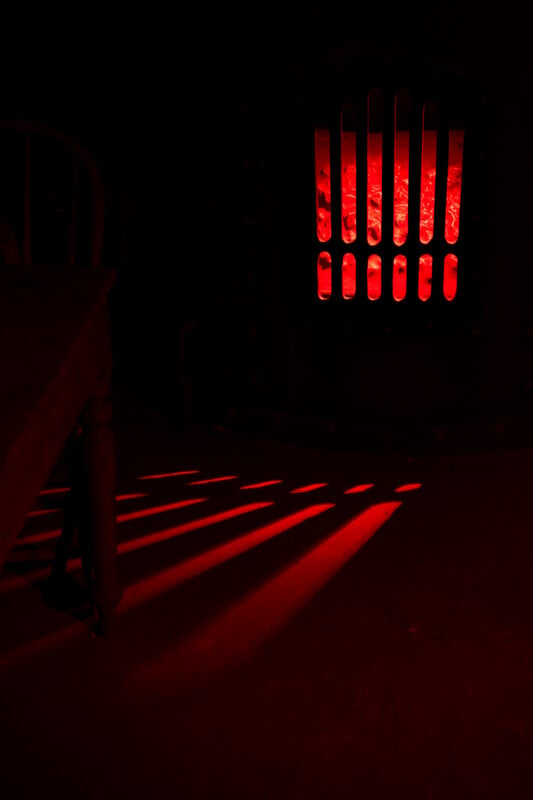
The lens’s primary strength lies in its versatility. By starting at 20mm, it provides an expansive view that is perfect for capturing architecture and interior spaces. By ending at 60mm, it remains long enough to provide a natural, slightly compressed view for street photography and candid portraiture.

While professional users who require the constant f/2.8 aperture of a "holy trinity" zoom (such as a 24-70mm f/2.8) might still find the variable aperture limiting for specific studio applications, the vast majority of users—from hobbyists to professional content creators—will find the performance-to-weight ratio to be an exceptional trade-off.

In summary, the Sigma 20-60mm f/2.8-4 is a compelling addition to the E-mount and L-mount ecosystems. It manages to provide a significant amount of light at the most important focal lengths, performs reliably in various environments, and maintains a price point that makes it an accessible upgrade for those looking to expand their creative toolkit. As the market for mirrorless cameras continues to evolve, lenses that prioritize this type of "intelligent versatility" will likely become the new standard for the modern photographer.