Elevated Island Escapes: Why the Reimagined Imperial Club Redefines the Atlantis Paradise Island Experience

The hospitality sector within the Caribbean continues to witness a distinct shift toward hyper-personalized, tiered luxury within large-scale resort properties. Nowhere is this evolution more pronounced than at Atlantis Paradise Island in the Bahamas, an expansive 141-acre destination resort that has long served as an anchor of regional tourism. Following a multi-million-dollar capital improvement initiative targeting its iconic accommodations, the resort introduced the reimagined Imperial Club, a hospitality-within-hospitality concept designed to introduce an exclusive layer of service, privacy, and curated amenities into a traditionally high-energy resort environment.
Industry analysts note that large-scale resorts increasingly adopt club-level tiers to cater to discerning travelers—particularly multi-generational families and luxury-seekers—who desire the comprehensive recreational infrastructure of a mega-resort combined with the tranquil sanctuary of a boutique hotel. The Imperial Club, situated within the iconic Royal Towers, addresses this operational balance by integrating dedicated infrastructure, priority guest services, and private lounge access into the heart of the resort’s high-traffic ecosystem.
Main Facts of the Imperial Club Offering
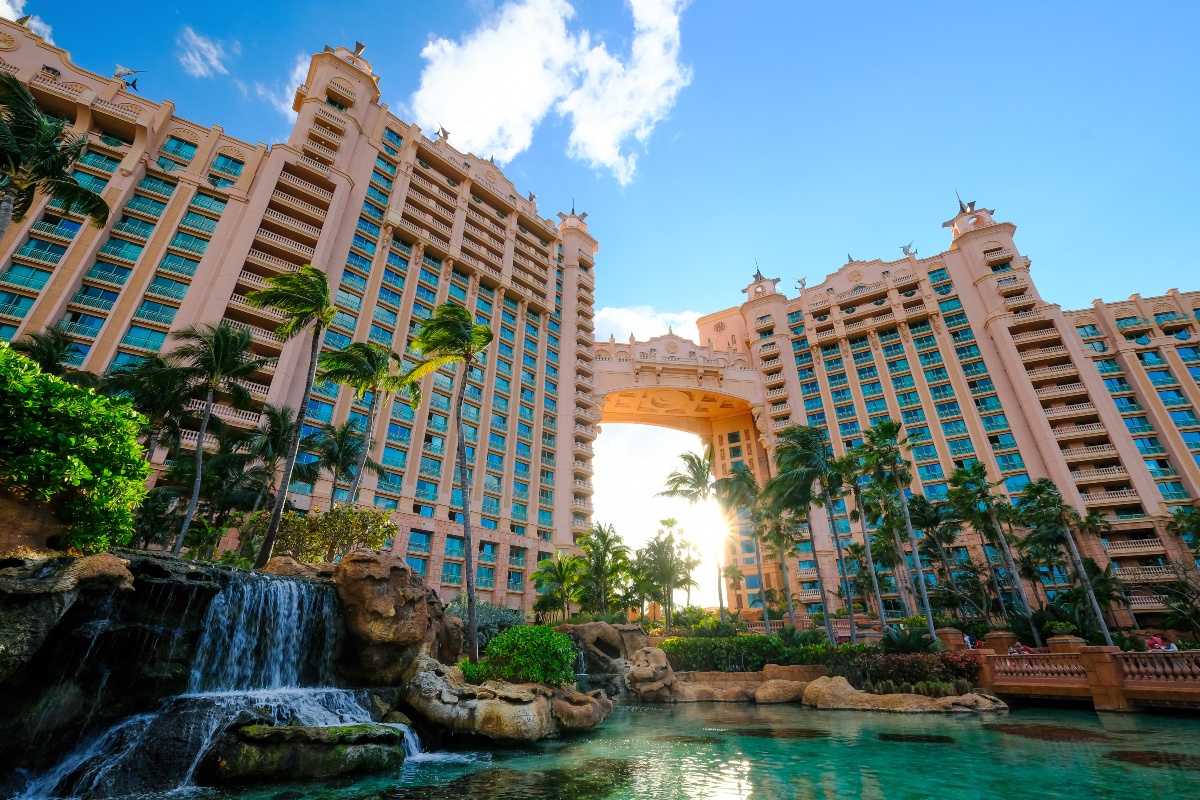
The Imperial Club operates as an exclusive enclave housed entirely within The Royal, the visual centerpiece of Atlantis Paradise Island defined by its twin pink-toned high-rise towers connected by an ornate, arching bridge. Positioned at the structural and geographic center of the property, The Royal grants guests immediate proximity to the resort’s primary marine habitats, the 141-acre Aquaventure waterpark, upscale retail promenades, and a diverse culinary portfolio comprising approximately 40 restaurants and lounges.
Unlike standard resort bookings, an Imperial Club reservation activates a distinct tier of VIP operational privileges. The core components of the experience include:
- Private, expedited check-in services located away from the high-volume main lobby.
- Exclusive, key-card-controlled high-speed elevators that bypass the public multi-story queues in The Royal.
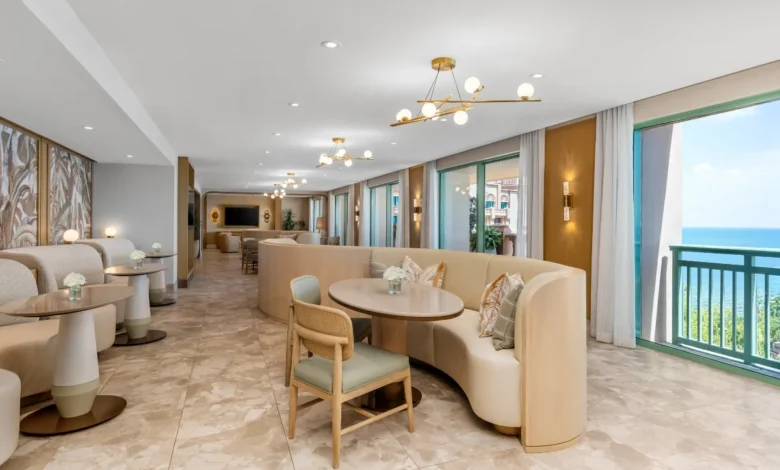
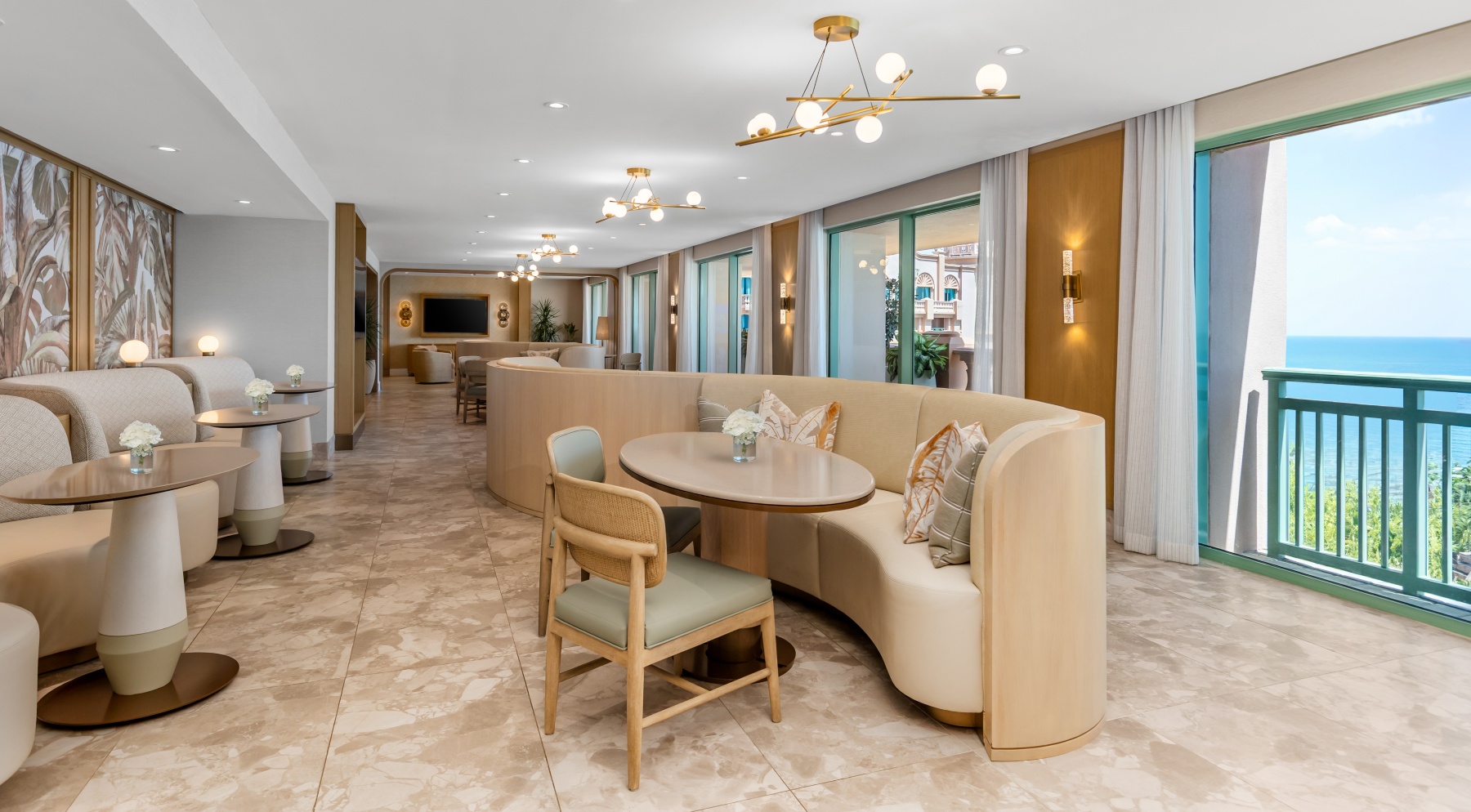
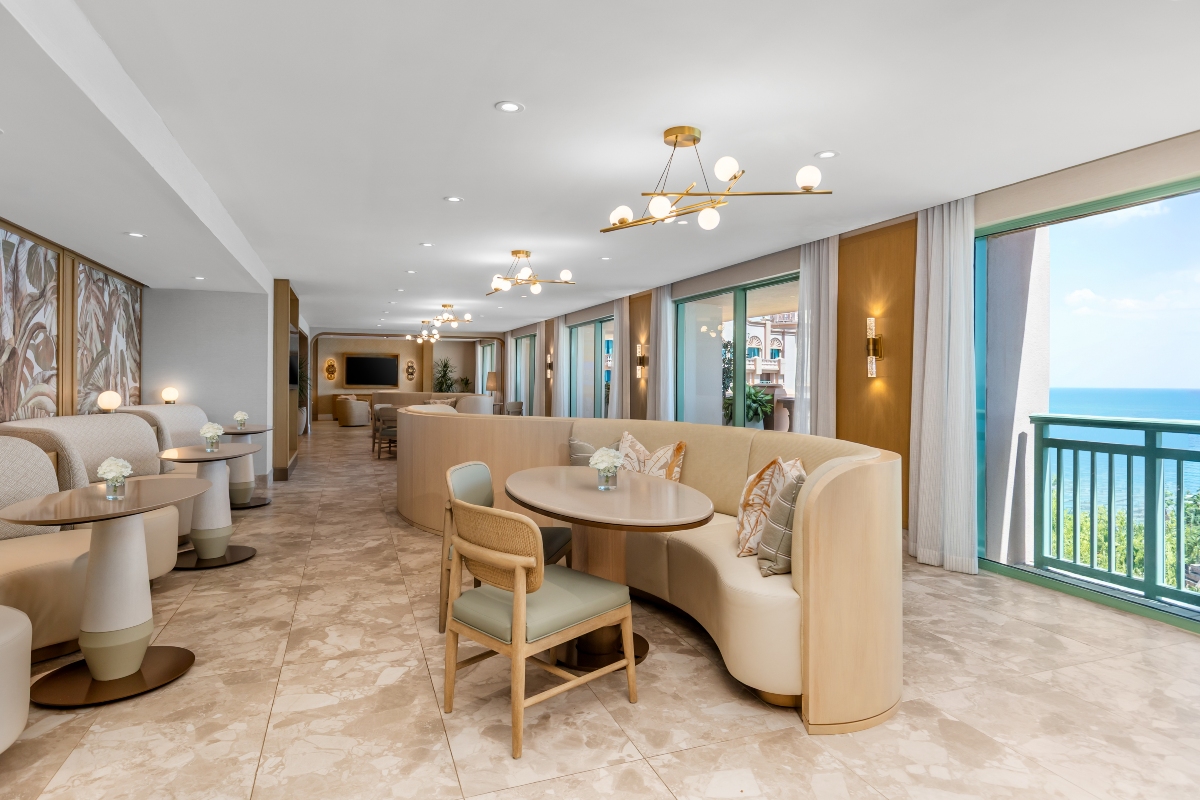
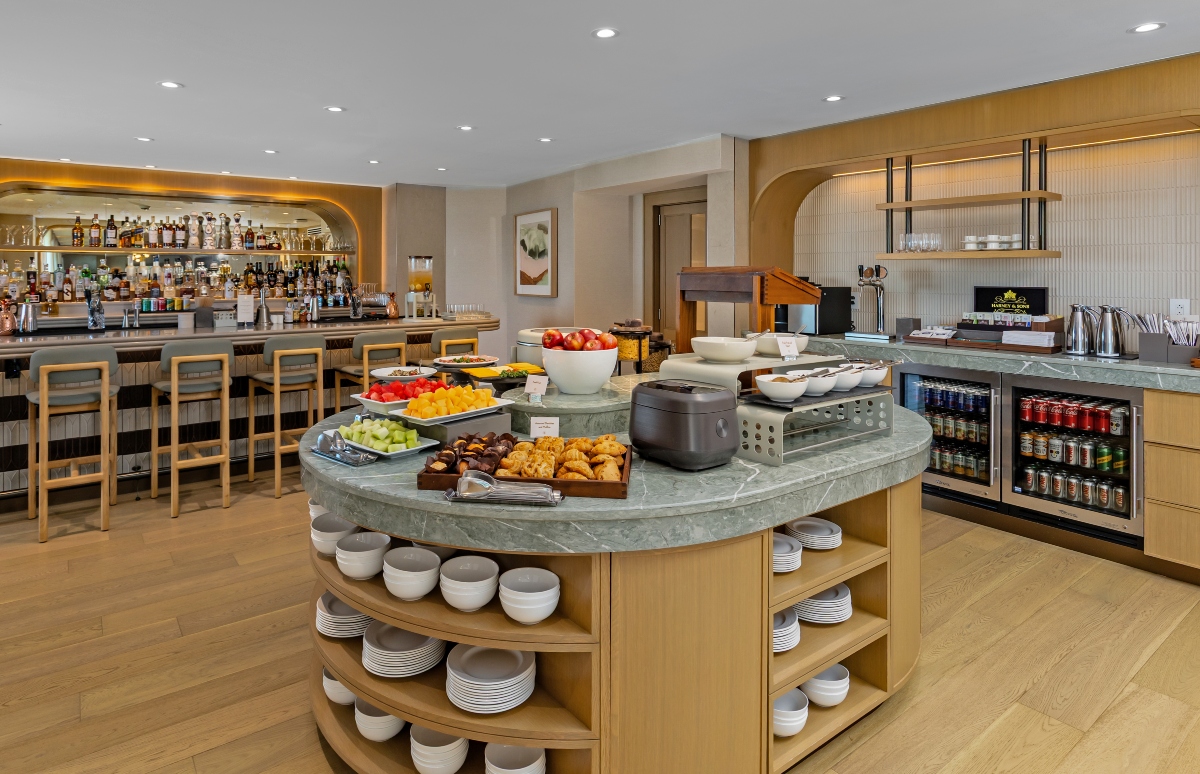
- Private 19th-floor lounge access featuring panoramic vistas of the property, daily complimentary culinary spreads, and evening cocktail hours.
- Dedicated concierge staffing stationed within the club enclave to facilitate custom itinerary planning, marine interactions, spa appointments, and private cabana rentals.
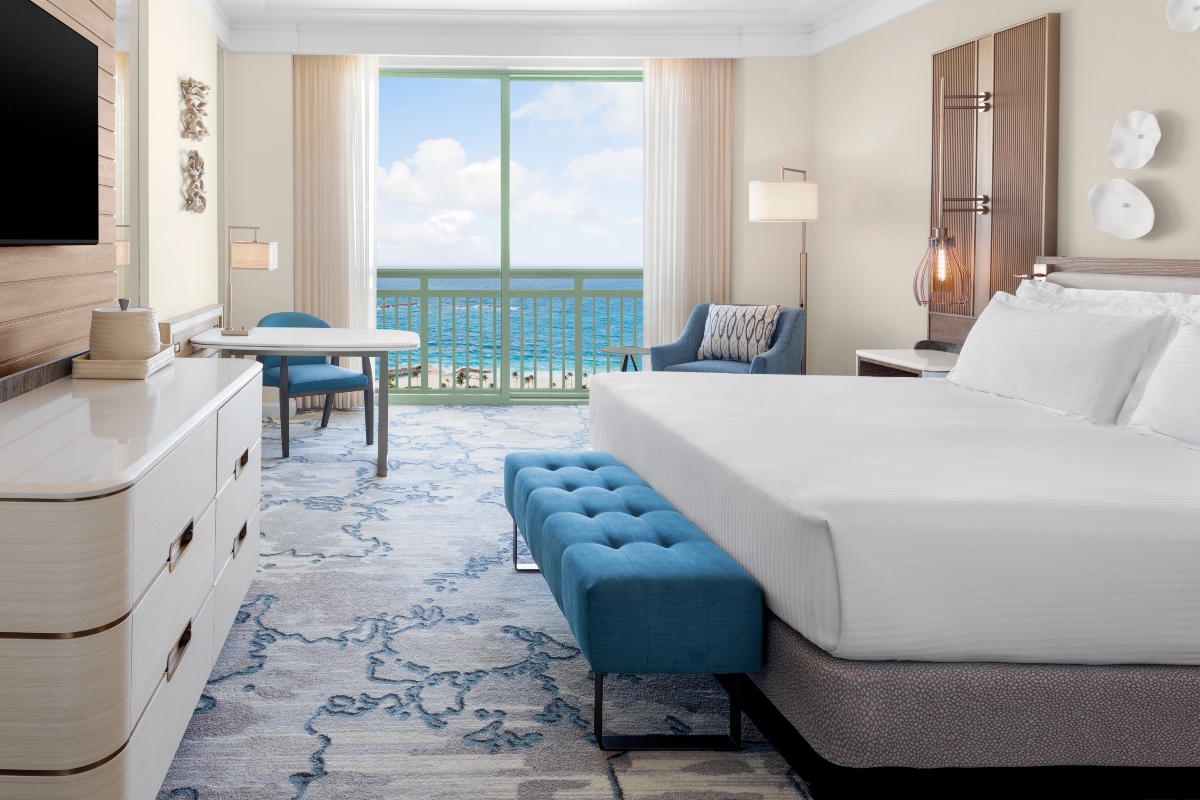
- Refreshed accommodations featuring contemporary aesthetic updates, flexible configurations for families of varying sizes, and premium ocean or waterpark views.
Historical Context and Chronology of Atlantis Paradise Island
The debut of the Imperial Club represents the latest chapter in the protracted evolution of Paradise Island, a destination with a storied history in Caribbean tourism. Originally known as Hog Island, the property was developed in the mid-20th century before pioneering developer Sol Kerzner acquired the land in the 1990s. Kerzner envisioned a mythical, marine-themed wonderland inspired by the lost city of Atlantis, opening the core resort in 1998 with the dramatic unveiling of The Royal towers.
Over the subsequent two decades, Atlantis expanded exponentially with the addition of the Coral Towers, The Cove, The Reef, and the massive Aquaventure waterpark, cementing its status as an economic engine for the Bahamian tourism economy. However, as luxury travel trends shifted toward exclusivity and bespoke service delivery, legacy mega-resorts faced the operational challenge of preventing guest fatigue stemming from massive crowds and long queue times, particularly during peak family travel windows such as summer and winter holidays.
To maintain its competitive edge against ultra-luxury competitors in the Caribbean, resort ownership initiated a phased revitalization program. The modernization of rooms within The Royal, paired with the structural rollout of the Imperial Club concept, marks a strategic effort to capture high-net-worth demographic segments who historically gravitated toward smaller boutique resorts but desired the peerless recreational amenities unique to Atlantis.
Supporting Data and Resort Economics
Analyzing the economic dynamics of Caribbean family travel underscores the value proposition of club-level tiers like the Imperial Club. Unlike many competing destinations in the region that operate on an all-inclusive pricing model, Atlantis Paradise Island utilizes an a la carte financial structure. Every meal, recreational excursion, and specialty beverage incurs an independent charge. For multi-generational parties and families traveling with teenagers, daily dining and incidental expenditures can escalate rapidly, adding substantial variance to a vacation budget.
The inclusion of a complimentary daily breakfast, midday snacks, non-alcoholic beverages, and evening cocktail hours within the Imperial Club lounge introduces a predictable baseline of value for travelers. Industry hospitality metrics indicate that club-level accommodations often yield a higher return on satisfaction scores for families, as the mitigation of minor friction points—such as waiting in breakfast queues, navigating crowded elevators, or managing ad-hoc snack requirements for children—measurably enhances the overall guest experience.
Furthermore, empirical data from hospitality surveys highlights that queue management remains the single largest operational pain point in high-capacity resorts. By implementing private check-in procedures and dedicated elevator banks, The Royal effectively eliminates the primary bottlenecks associated with a 20-story hotel tower housing thousands of daily transient guests.
Official Responses and Management Philosophy
While corporate leadership at Atlantis Paradise Island positions the Imperial Club as an organic enhancement to the resort’s existing luxury portfolio, hospitality experts have offered clear insight into the strategic implications of the rollout.
"The modern luxury traveler, particularly those traveling with extended families, no longer views scale as a compromise, provided that service delivery remains flawless and adaptable," notes a prominent hospitality consultant specializing in Caribbean resort operations. "Concepts like the Imperial Club allow properties to scale efficiently while carving out pockets of exclusivity that satisfy the demand for privacy."
Resort concierges and front-of-house management teams report that the dedicated lounge space on the 19th floor has achieved high utilization rates since its launch, functioning simultaneously as a family decompression zone during peak afternoon hours and a sophisticated sunset viewing venue for adult guests. The integration of continuous, on-site concierge staffing directly adjacent to the lounge ensures that high-value guests do not need to queue at central resort desks to secure bookings for high-demand experiences, such as dolphin interactions at Dolphin Cay or private cabana rentals along the miles of white-sand beach.
Broader Impact and Market Implications
The launch of the Imperial Club at Atlantis Paradise Island signals a broader trend across Caribbean mega-resorts: the hybridization of mass-market recreational scale with ultra-exclusive hospitality subdivisions. As travelers increasingly prioritize seamless logistics, predictable ancillary costs, and spatial relief from dense tourist crowds, properties that successfully compartmentalize luxury experiences within larger resort footprints are positioned to capture dominant market share.
For multi-generational travel planners, special-occasion groups, and loyal visitors seeking a renewed perspective on a classic Bahamian landmark, the Imperial Club demonstrates how legacy destinations can modernize without losing the distinctive identity that defined their original appeal. By bridging the gap between grand-scale entertainment and intimate, elevated service, the offering establishes a new benchmark for family-oriented luxury tourism in the wider Caribbean region.