The Hidden Price of Tourism: How Working Animal Abuse is Forcing Travelers to Rethink Global Destinations

The debate surrounding animal exploitation in global tourism is experiencing a critical inflection point. Across international borders, excursions and historical site tours once marketed as once-in-a-lifetime opportunities are increasingly drawing fierce scrutiny from animal welfare advocates, travel communities, and prospective visitors alike. From elephant riding excursions in Thailand and handling sea turtles in the Cayman Islands to walking with captive lions in South Africa, the hidden costs of wildlife and working animal tourism are being brought to light. While travelers are naturally drawn to authentic cultural experiences and iconic landmarks, the operational reality behind these curated itineraries often exacts a severe toll on wildlife, working animals, and local ecosystems.
The Evolution of Ethical Tourism and the Breaking Point for Travelers
For years, the tourism industry operated under a model where heritage site access superseded animal welfare concerns. However, the proliferation of digital travel forums, user-generated video content, and independent investigative journalism has shattered this veneer. Consumers are no longer willing to compartmentalize their vacation experiences from the welfare conditions of the animals utilized to facilitate them.
This shifting consciousness is exemplified by travelers like Michiko, a pseudonym for a tourist who spent years meticulously planning a comprehensive holiday to Egypt and Jordan. Like millions of travelers before them, Michiko viewed the journey as a profound cultural pilgrimage—an opportunity to witness some of the world’s most ancient and revered civilizations, anchored by globally recognized UNESCO World Heritage sites.
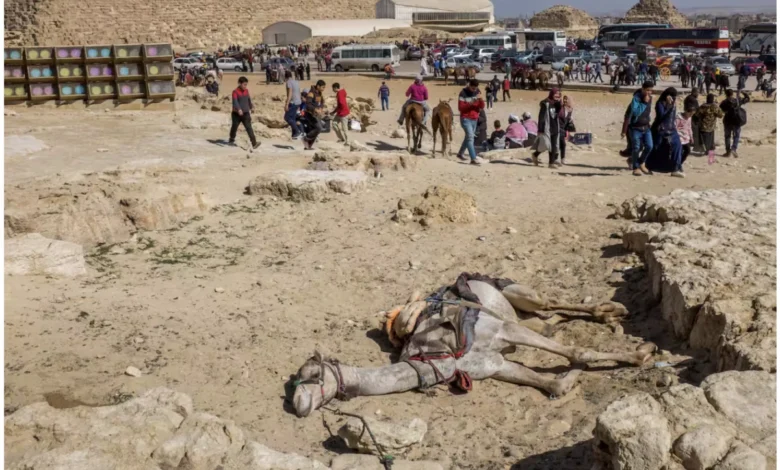
However, as Michiko finalized the itinerary and began deep research into local logistics, the dream unraveled. Traveler forums and investigative reports exposed a grim underbelly: breathtaking historical monuments overshadowed by the systemic mistreatment of horses, camels, and donkeys forced to haul tourists under punishing conditions. Photographic and testimonial evidence revealed working equines with mutilated and bleeding noses, animals suffering from extreme emaciation with visible rib cages beneath the scorching desert sun, and explicit signs of physical abuse. Furthermore, reports surfaced regarding exotic creatures kept in dark, cramped confinement for decades, alongside harrowing accounts of animal graveyards situated directly behind the Giza Pyramids—desolate zones where exhausted, injured, and spent animals are allegedly abandoned to die in the heat.
Local operators frequently frame these practices as traditional elements of heritage tourism, attempting to normalize the cruelty by attributing it to regional economic hardship. Yet, this rationalization has met robust pushback from ethical travel advocates. As Michiko articulated during the decision-making process, economic hardship does not serve as a valid absolution for abuse. Cruelty is not an inevitable symptom of poverty, just as benevolence is not a luxury reserved for the affluent; compassion remains an active choice independent of socioeconomic status.
A Growing Chronology of Exposure and International Backlash
The revelations surrounding Egypt and Jordan are not isolated incidents but part of a documented, long-standing pattern within specific tourism sectors. Over the past decade, international animal rights organizations, including People for the Ethical Treatment of Animals (PETA) and the Society for the Protection of Animal Rights in Egypt (SPARE), have released multiple investigative reports detailing systematic abuse at major tourist hubs, including Cairo, Luxor, and Aswan.
The chronology of public outcry highlights a steady escalation in traveler resistance:
- Mid-2010s to 2019: Independent reviews on platforms like TripAdvisor and Reddit begin accumulating granular complaints regarding emaciated horses, overworked carriages, and distressed captive wildlife at archaeological sites such as the Giza Pyramids and Nubian Villages.
- 2023–2024: Investigative exposes by major news outlets and animal rights groups capture widespread physical abuse of working horses and camels, triggering viral social media campaigns and petitions demanding international boycotts.
- September 2024: PETA releases a comprehensive investigation exposing severe cruelty in Cairo’s working animal industries, prompting renewed global scrutiny over the oversight of UNESCO-listed environments.
- April 2026: In a partial regulatory response to mounting international and domestic pressure, Egypt’s Chamber of Tourism Establishments and Restaurants issues a formal directive banning the use of domestic and wild animals in artistic and entertainment performances within hotel and tourism facilities.
Despite these policy adjustments, significant regulatory gaps remain regarding the day-to-day handling of working animals at open-air archaeological sites and historical monuments, keeping the issue firmly in the international spotlight.

Economic Implications and the Power of the Consumer Purse
The decision to cancel a vacation of a lifetime is rarely made lightly. Travel represents a major financial investment and an emotional pursuit of enrichment. Yet, for a growing segment of the global demographic, ethical alignment now supersedes leisure. Michiko’s ultimate choice—to cancel the trip entirely and submit formal grievance letters to the Egyptian Ministry of Tourism and Antiquities and the Egypt Tourism Promotion Authority—represents an escalating trend of consumer activism.
This economic withholding is supported by foundational principles of ethical travel. The modern tourist footprint is inherently political and financial; every dollar spent reinforces specific regional practices. When travelers knowingly or unknowingly fund abusive operators, they subsidize the continuation of harmful practices. Conversely, redirecting funds away from exploitative infrastructure sends a clear market signal to national tourism boards.
From an analytical standpoint, the presence of severe animal welfare violations within UNESCO World Heritage sites creates a distinct paradox for international governing bodies. While UNESCO status is conferred based on cultural and historical significance, the ongoing tolerance of systemic abuse tarnishes the global reputation of these destinations. Critics argue that international heritage designations should incorporate mandatory animal welfare and ethical labor standards as part of their evaluation criteria, bridging the gap between historical preservation and humane treatment.
Actionable Steps for the Conscious Traveler
For individuals who choose to travel, navigating the complex landscape of global tourism requires diligence and proactive research. Advocacy groups emphasize that ignorance of local conditions is no longer an acceptable shield for supporting cruelty.
Travelers seeking to minimize their impact are encouraged to adopt several practical measures:
- Extensive Prerelease Research: Consult independent travel forums, animal rights organization advisories, and ethical travel directories before booking itineraries that involve local fauna or working animals.
- Refusal of Exploitative Services: Strictly avoid engaging in carriage rides, camel or horse tours at archaeological sites, elephant rides, or visits to substandard roadside zoos and captive animal enclosures.
- Direct Engagement and Reporting: Utilize formal channels to notify local ministries of tourism and international oversight bodies when animal abuse is witnessed firsthand.
- Support Certified Sanctuaries: If wildlife viewing is desired, patronize accredited sanctuaries that prioritize rehabilitation and non-interference over human interaction and entertainment.
Furthermore, non-profit entities such as SPARE and PETA provide accessible resources, including template letters and active petitions, empowering tourists to demand legislative and operational reforms directly from regional authorities.
Shifting Horizons: The Rise of Ethical Destinations
The broader travel landscape is rapidly adapting to these consumer demands, offering alternative pathways that harmonize adventure with ethical integrity. Rather than participating in exploitative systems, the global tourism market is witnessing an elevation of destinations that prioritize ecological sustainability, human rights, and social welfare.
Organizations such as Ethical Traveler evaluate approximately 150 developing nations annually, releasing metrics on environmental preservation, social welfare, and human rights to compile the world’s leading ethical destinations. These rankings demonstrate that it is entirely possible to explore diverse cultures, breathtaking landscapes, and rich histories without compromising ethical standards.
Ultimately, the choice to walk away from a destination marred by animal exploitation is a powerful reminder of consumer leverage. As travelers continue to vote with their itineraries, the tourism industry faces an inescapable ultimatum: modernize operations to meet humane, ethical standards, or risk losing the economic foundation upon which global tourism relies.