The Caribbean continues to dominate the global cruise tourism sector, serving as the premier destination for millions of vacationers seeking tropical itineraries divided across Eastern, Western, and Southern regional routes. According to the Cruise Lines International Association (CLIA), Caribbean voyages account for more than 40% of all worldwide cruise deployments, driven by steady infrastructure investments, predictable weather patterns, and an expanding network of specialized ports of call and private islands. As cruise lines introduce larger vessels equipped with increasingly sophisticated onboard amenities, port destinations across the region have similarly upgraded their shoreside facilities to accommodate high-volume passenger traffic while managing local economic impacts.
Evolution of Caribbean Cruise Itineraries and Regional Dynamics
Historically, Caribbean cruising was broadly categorized into standard Eastern and Western loops, supplemented by brief Bahamas getaways originating from Florida homeports such as Miami, Fort Lauderdale, and Port Canaveral. Over the past decade, however, the landscape has evolved significantly. Cruise operators have forged deeper partnerships with sovereign governments and private developers to diversify passenger experiences, leading to the rapid proliferation of dedicated private island destinations and modernized mega-ports.

This operational shift addresses both consumer demand for curated, seamless shore excursions and the commercial imperative for cruise lines to capture ancillary spending. Ports of call now function as sophisticated tourism hubs featuring integrated retail districts, controlled environmental attractions, and high-capacity transportation links to regional landmarks. Consequently, navigating a Caribbean itinerary requires careful planning regarding docking logistics, tender operations, and regional regulatory environments.
Bahamas and Private Island Destinations: The Gateway Ports
The Bahamas remains the most heavily trafficked maritime corridor in the Caribbean, anchored by major hubs such as Nassau and Freeport, alongside an array of exclusive, cruise-line-owned private islands.
Nassau, situated on New Providence Island, has undergone extensive multimillion-dollar revitalizations to its historic port district to alleviate pedestrian congestion and enhance retail capacity. Despite its heavy traffic—often hosting multiple mega-ships simultaneously—Nassau serves as a primary transit point for excursions to massive resort complexes such as Atlantis and Baha Mar. Municipal authorities emphasize that structured shore excursions remain the most reliable method for travelers to navigate transportation logistics during peak congestion days.

Complementing traditional municipal ports are private island destinations developed by major operators including Royal Caribbean (Perfect Day at CocoCay), Disney Cruise Line (Castaway Cay), and MSC Cruises (Ocean Cay Marine Reserve). These controlled environments offer predictable, resort-style beach experiences with pre-booked amenities, mitigating the logistical challenges often associated with independent foreign port exploration.
Similarly, the island of Bimini, located approximately 50 miles off the coast of Miami, functions as a boutique port of call. Accommodating strictly one cruise vessel at a time, Bimini centers much of its cruise tourism around the Resorts World complex and the Beach Club at Bimini. Access models vary by carrier; lines such as Virgin Voyages integrate beach club admission into standard fare structures, whereas passengers on other lines must secure day passes independently, highlighting the varying financial models governing contemporary shore access.
Western Caribbean Hubs: Mexico and the Cayman Islands
Western Caribbean itineraries predominantly feature stops along the Yucatan Peninsula of Mexico and the Cayman Islands, blending ecological exploration with archaeological tourism.

Cozumel, anchored off the eastern coast of the Yucatan Peninsula, stands as one of the most operationally mature cruise ports in the world. Boasting multiple multi-ship piers—including Punta Langosta, San Miguel, and International Pier—Cozumel handles immense passenger volumes daily. The island’s tourism infrastructure extends far beyond the immediate dock areas, offering regulated excursions to ancient Mayan ruins such as San Gervasio and El Cedral, ecological parks like Chankanaab, and limited-capacity private beach clubs such as Nachi Cocom, which regulate daily attendance to preserve environmental integrity.
Approximately 40 miles south of Cozumel lies Costa Maya, a purpose-built mainland port established to capture the overflow of Western Caribbean traffic. Unlike insular Cozumel, Costa Maya is situated directly on the Mexican mainland within the state of Quintana Roo. The port complex functions as a self-contained tourism zone, housing an on-site aviary, culinary centers, and retail districts that allow passengers to experience regional culture without venturing deep into the mainland interior.
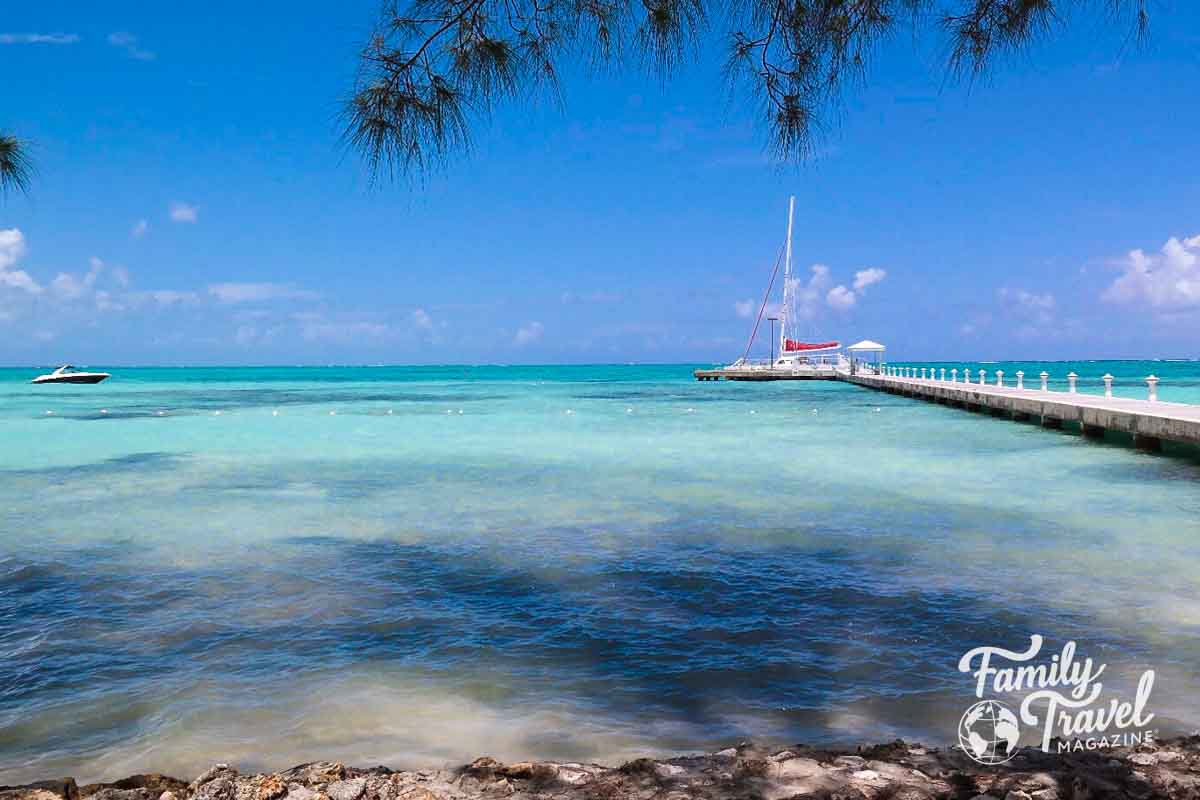
Further south, Grand Cayman presents distinct operational considerations as a premier tender port. Because local environmental regulations and coral reef preservation efforts prevent the construction of deep-water piers capable of accommodating modern cruise liners, vessels must anchor offshore, ferrying passengers to terminals via tender boats. Maritime authorities consistently advise passengers visiting tender ports to build substantial time buffers into their schedules, particularly when booking independent excursions, to account for maritime transit delays and queue times. Grand Cayman remains renowned for marine conservation sites such as Stingray City and Rum Point, which operate under strict environmental oversight to protect native marine life.

Eastern Caribbean and Regional Outposts: Puerto Rico, Dominican Republic, and the USVI
Eastern Caribbean itineraries emphasize historic preservation, U.S. territorial convenience, and expansive natural coastlines.
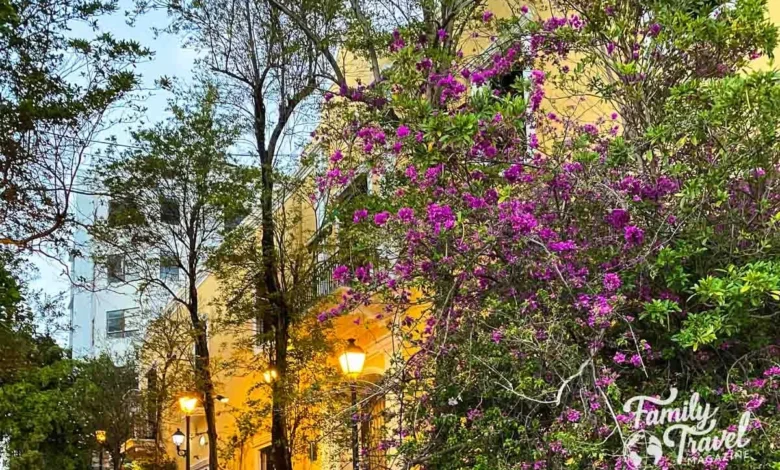
San Juan, Puerto Rico, functions as both a major homeport and a prominent port of call. As a United States territory, San Juan offers distinct operational advantages for American travelers, including seamless domestic cellular roaming and the use of U.S. currency. Shore excursions frequently center on the historic architecture of Old San Juan, featuring sixteenth-century fortifications such as Castillo San Felipe del Morro, alongside culinary tourism highlighting indigenous Puerto Rican gastronomy.
In the Dominican Republic, the modern Taino Bay port facility in Puerto Plata has transformed the northern coast into a high-capacity cruise destination. Opened to revitalize local tourism, the port infrastructure includes an internal lazy river, native aviaries, and dedicated retail zones, providing immediate recreational access for disembarking passengers. Beyond the secure port perimeter, municipal initiatives promote cultural tourism through pedestrian corridors such as Umbrella Street and Paseo Dona Blanca, encouraging economic distribution into local commercial districts.
St. Thomas, in the United States Virgin Islands (USVI), represents a cornerstone of Eastern Caribbean cruising. Like Puerto Rico, its status as a U.S. jurisdiction simplifies logistical communication for many travelers. Shore excursions in St. Thomas frequently focus on coastal geography, most notably Magens Bay Beach, widely cited in international travel indices for its pristine shoreline. Structured excursion packages typically bundle round-trip transit and beach equipment rentals, ensuring reliable return windows for passengers before all-aboard deadlines.
Finally, Grand Turk in the Turks and Caicos Islands offers specialized maritime excursions centered on barrier reef exploration, wall diving, and aquatic sports. Operating independently of the more populated island of Providenciales, the Grand Turk cruise center provides immediate access to turquoise waters and marine sanctuaries, reinforcing the region’s appeal for ecotourism and water-based recreation.
Economic Implications and Industry Outlook
The continuous expansion of Caribbean cruise infrastructure underscores the immense economic interdependence between cruise corporations and destination nations. According to economic impact studies published by the Florida-Caribbean Cruise Association (FCCA), the cruise sector generates billions of dollars in direct expenditures, employment wages, and port taxes across the region. However, this growth has prompted increased scrutiny from regional governments and environmental watchdogs regarding sustainable tourism practices, visitor carrying capacities, and the equitable distribution of economic benefits to local communities.

Port authorities throughout the Caribbean are increasingly investing in sustainable infrastructure—such as shore-power capabilities, wastewater management facilities, and coral reef protection zones—to mitigate the environmental footprint of modern mega-ships. Industry analysts project that adherence to strict environmental standards and the diversification of authentic local excursions will remain primary determinants of destination longevity as the global cruise market continues its post-pandemic expansion trajectory.
Related posts: