Rhodes Town: A Comprehensive Guide to the Cultural and Historical Epicenter of the Dodecanese

Rhodes, the largest of the Dodecanese islands, serves as a primary gateway for tourism in the Eastern Mediterranean. While the island is renowned for its expansive coastline and high-end hospitality sector, the capital, Rhodes Town, remains its most significant cultural and historical asset. Administratively and architecturally, the capital is divided into two distinct sectors: the modern urban center, known as Neohori, and the UNESCO-designated Old Town, a sprawling medieval complex that stands as one of the best-preserved fortified cities in Europe.
Historical Context and UNESCO Recognition
The significance of Rhodes Town is rooted in its strategic position, which has made it a focal point for successive empires, including the ancient Greeks, the Knights Hospitaller, the Ottomans, and the Italians. The Old Town was inscribed as a UNESCO World Heritage site in 1988. UNESCO characterizes the city as a "living" ensemble where the medieval structure remains integrated with contemporary urban life.
The city’s defensive architecture is primarily a legacy of the Knights of St. John, who held the island from 1309 to 1522. Their construction of the Palace of the Grand Master and the fortification walls created a template for defense that influenced military architecture across the Mediterranean. The transition from these medieval structures to the modern Neohori district illustrates the city’s evolution from a fortified stronghold into a modern administrative and commercial hub.

Chronology of Architectural Development
The historical trajectory of Rhodes Town can be segmented into several key epochs:
- Classical Period (c. 408 BCE): The formal founding of the city of Rhodes occurred with the unification of three ancient cities: Ialysos, Kamiros, and Lindos.
- The Colossus Era (292–280 BCE): The construction of the Colossus of Rhodes, a statue of the sun god Helios, established the port as a global maritime hub. The structure collapsed during the 226 BCE earthquake.
- Knights Hospitaller Period (1309–1522): The Knights transformed the city into a bastion against the Ottoman Empire, constructing the Palace of the Grand Master and the Hospital of the Knights.
- Ottoman Era (1522–1912): The city underwent significant demographic and architectural shifts, with the conversion of various churches into mosques and the expansion of the residential districts.
- Italian Occupation (1912–1948): The Italian administration heavily influenced the modern district, introducing Art Deco and rationalist architectural styles, including the current design of the Rhodes Aquarium and the Mandraki administrative buildings.
Economic and Logistical Framework
Rhodes Town serves as the economic engine for the island, hosting the primary port facilities that accommodate both commercial shipping and the cruise industry. According to data from the South Aegean Region, the island attracts over 2.5 million visitors annually, with a significant percentage passing through the port at Mandraki.

For travelers and researchers, the logistical management of the city involves navigating two distinct urban planning models. Neohori follows a structured, grid-based layout typical of 20th-century development, while the Old Town retains its labyrinthine, medieval street network. Transportation is supported by a municipal bus network connecting the capital to coastal resorts, supplemented by a regulated taxi system. Authorities maintain fixed-price structures for popular transit routes to prevent price volatility during peak travel months.
Strategic Observations and Travel Considerations
Modern visitors to Rhodes Town are advised to account for seasonal fluctuations. The "shoulder season"—specifically late April to early June and mid-September to October—is recommended by tourism boards to mitigate the effects of overcrowding and extreme heat.

Data regarding climate conditions confirms that summer temperatures in Rhodes frequently exceed 35°C (95°F). Official health advisories from local authorities consistently emphasize hydration and the necessity of sun protection, particularly for those traversing the stone-heavy environment of the Old Town, which absorbs and retains solar radiation.
Regarding financial logistics, the proximity of Rhodes to the Turkish coastline results in frequent cross-border movement. Tourists are reminded that while Greece operates under the Eurozone, the use of Turkish Lira is not standard in the Dodecanese, and currency exchange should be managed prior to travel between the two jurisdictions.

Key Cultural Landmarks and Archaeological Assets
The structural integrity of the Old Town offers an unparalleled study in historical urbanism. Key sites include:
- The Palace of the Grand Master: While the interior underwent significant reconstruction during the 20th century under Italian supervision, the exterior remains a pinnacle of Gothic architectural survival in Greece. It functions today as a museum housing mosaics and artifacts from the Hellenistic and Roman periods.
- The Street of the Knights (Ippoton): This thoroughfare is perhaps the most intact medieval street in Europe, once serving as the central axis for the various "tongues" (nationalities) of the Knights Hospitaller.
- The Acropolis of Rhodes: Located on Monte Smith, this site contains the ruins of the Temple of Apollo, a stadium, and a theater, providing a window into the classical city that predates the medieval fortifications.
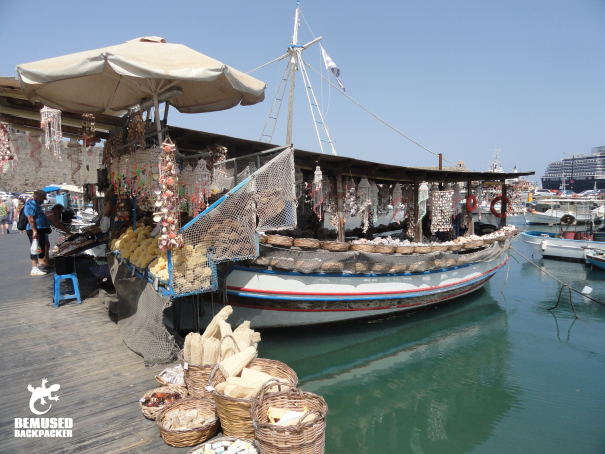
- Mandraki Harbour: Beyond its modern function as a yacht marina, the harbor remains a focal point for maritime archaeology. The entrance to the harbor is the hypothesized location of the Colossus. The two bronze deer statues, Elefos and Elafina, now stand on the pedestals where the statue’s feet are traditionally believed to have been situated.
Regulatory and Safety Protocols
While the local government maintains that the city is generally safe for international visitors, security officials have historically identified the presence of "touts" in high-traffic areas such as Mandraki Harbour. These individuals often employ psychological pressure tactics, such as offering unsolicited items—flowers or bracelets—to initiate a financial transaction. Visitors are encouraged to maintain a professional distance and decline these gestures to avoid forced payment scenarios.

Socio-Economic Implications of Heritage Preservation
The balance between preserving a medieval structure and maintaining a functional modern city remains a central challenge for local governance. The UNESCO status necessitates strict building codes, which can complicate modern infrastructure improvements. However, the economic reliance on tourism provides the necessary capital for ongoing restoration projects.
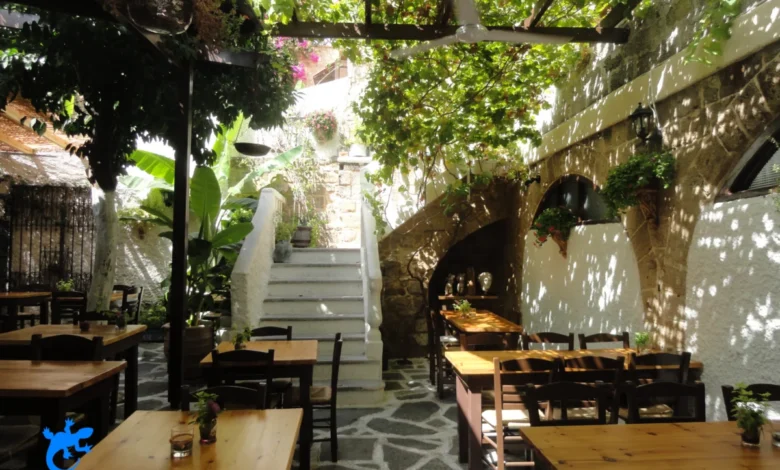
Local business owners and residents often operate within the tension of these regulations. The thriving hospitality sector within the Old Town—comprised of tavernas, boutique hotels, and artisan shops—demonstrates a successful, if occasionally strained, integration of modern commerce into a heritage environment. The presence of the Modern Greek Art Museum and the Rhodes Aquarium in the newer sector serves to diversify the city’s cultural appeal, preventing the urban core from becoming solely reliant on historical tourism.

Conclusion
Rhodes Town represents a complex synthesis of disparate historical influences. Its ability to maintain a functional, modern identity while preserving the physical manifestations of centuries of geopolitical shifts makes it a unique case study in Mediterranean urban development. For the visitor, it offers a dual experience: the modern, functional, and commercial environment of the Neohori, and the immersive, historic, and protected landscape of the medieval Old Town. As the island continues to navigate the demands of global tourism, the preservation of these layers—classical, medieval, and modern—remains the primary objective for both the local community and international preservation agencies.