Beyond the Rim: A Comprehensive Guide to Navigating the Grand Canyon’s Inner Wilderness


Only 5% of the approximately 4.5 million annual visitors to Grand Canyon National Park venture below the rim, yet this small fraction of travelers experiences the true geological and ecological majesty of one of the world’s most iconic landscapes. While the panoramic vistas from the South and North Rims offer an unparalleled overview of the canyon’s scale, the interior tells a more intimate, ancient story. Descending into the gorge is not merely a physical challenge; it is a chronological journey through nearly two billion years of Earth’s history, requiring significant logistical preparation, physical conditioning, and an adherence to rigorous safety protocols.

Geological Significance and the Chronology of the Canyon
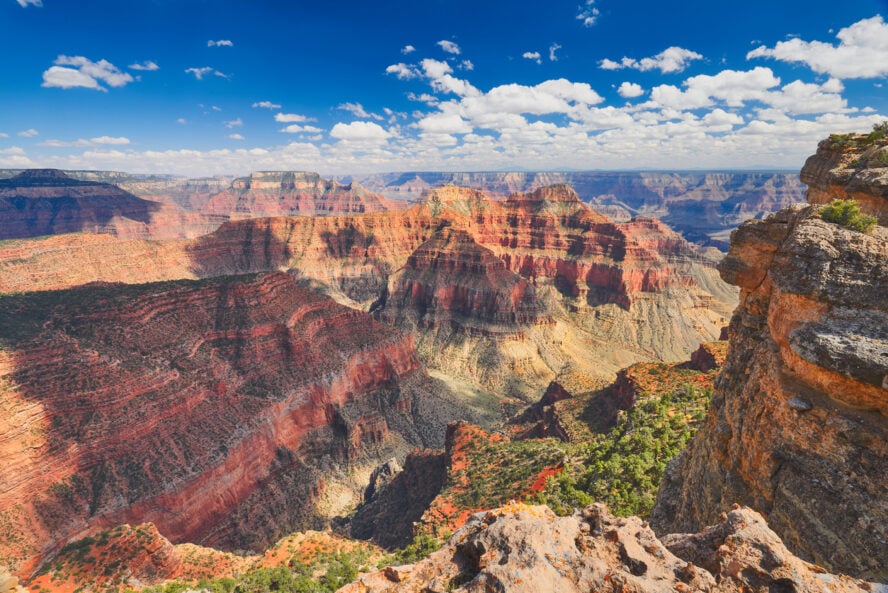
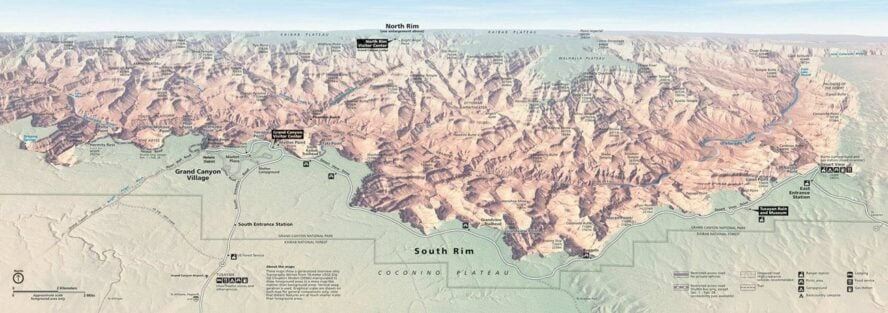
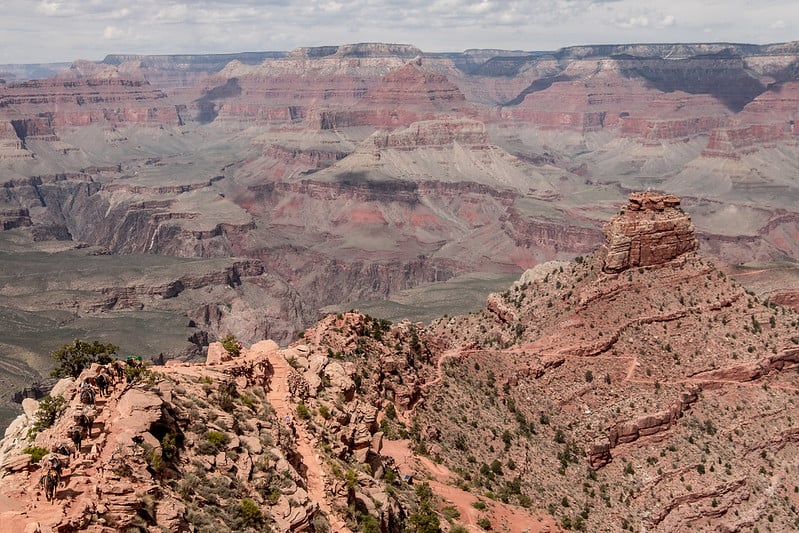
The Grand Canyon is a profound geological archive. Its creation, driven primarily by the erosive power of the Colorado River, began approximately six million years ago, though the rocks exposed within the canyon walls date back much further. The canyon reaches depths of 6,093 feet, spanning 277 miles in length and up to 18 miles in width.
Geologists categorize the layers found in the canyon into three distinct sequences. The uppermost layers consist of Paleozoic strata, such as the white Coconino Sandstone, which exhibits ripple marks indicative of ancient, vast sand dunes. Beneath these lie the Precambrian Grand Canyon Supergroup, composed of sandstone and mudstone. At the very base are the metamorphic basement rocks, some of the oldest exposed geologic materials on the planet. For hikers, the descent acts as a visual timeline, with every switchback revealing shifts in the Earth’s composition, from marine fossils in the Bright Angel Shale to the redbeds of the Supai Group, which suggest a past defined by shallow seas.
Ecological Diversity and Cultural Heritage
The immense vertical range of the canyon creates a complex tapestry of ecosystems. As a hiker descends from the rim to the river, they transition through a variety of life zones, including ponderosa pine forests, pinyon-juniper woodlands, and arid desert landscapes. This verticality supports thousands of plant species, some of which are endemic to the canyon.
Wildlife, too, is stratified by elevation. High above, the rare California condor and the golden eagle navigate the thermals, while the canyon floor is home to species such as the leathery chuckwalla lizard and the canyon wren. Beyond the natural history, the canyon is a repository of human history. Archeological evidence, such as the pictograph panels in Mallery’s Grotto and the structures within Havasupai Gardens, demonstrates that Ancestral Puebloan people and the Havasupai tribe have maintained a presence in these lands for millennia, utilizing the resources provided by the canyon’s hidden springs and fertile terraces.
The Challenges of Inner Canyon Hiking
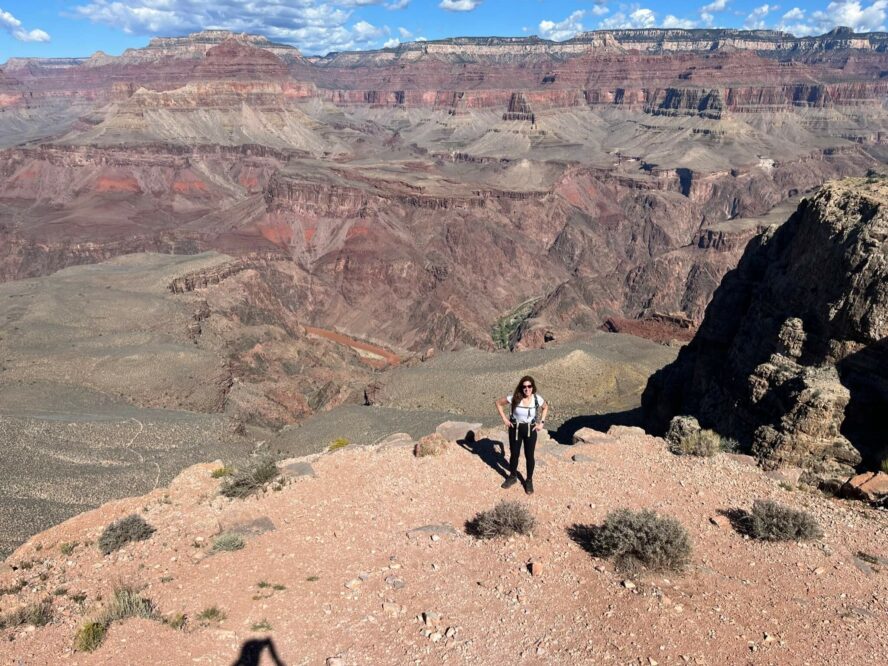
Despite the allure of the interior, the National Park Service (NPS) frequently warns that the Grand Canyon is not a typical park experience. The most significant obstacle for visitors is the environmental extreme of the inner canyon. While the rims remain at high elevations—7,000 feet at the South Rim and 8,000 feet at the North Rim—the floor is subject to intense, often lethal, heat.
Adiabatic heating, a process where air is compressed as it descends into the lower elevations of the canyon, causes temperatures on the floor to soar significantly higher than those at the rim. In summer months, it is common for temperatures at the river to exceed 120°F, even when the rim remains a manageable 85°F. The NPS strongly advises against attempting a rim-to-river hike in a single day, particularly during the months of May through September, due to the high probability of heat-related illness.
Statistical Reality: Risks and Rescue Operations
The dangers inherent in the terrain are reflected in the park’s rescue statistics. With over 250 rescues performed annually, the Grand Canyon remains one of the most hazardous environments for recreational hiking in the United States. Since 2010, the park has recorded a significant number of fatalities, often attributed to dehydration, hyponatremia (a dangerous dilution of electrolytes due to overhydration), and falls.
Medical emergencies are most common between 10:00 a.m. and 4:00 p.m., the peak hours of solar radiation. The lack of shade on many trails, combined with the extreme physical exertion required for the steep, multi-mile ascent back to the rim, creates a high-risk scenario for those who are underprepared. Communication is another critical factor; cell service is virtually non-existent below the rim, and emergency evacuations by helicopter or mule train are resource-intensive, complex, and potentially costly for the individual involved.
Strategic Planning and Trail Management
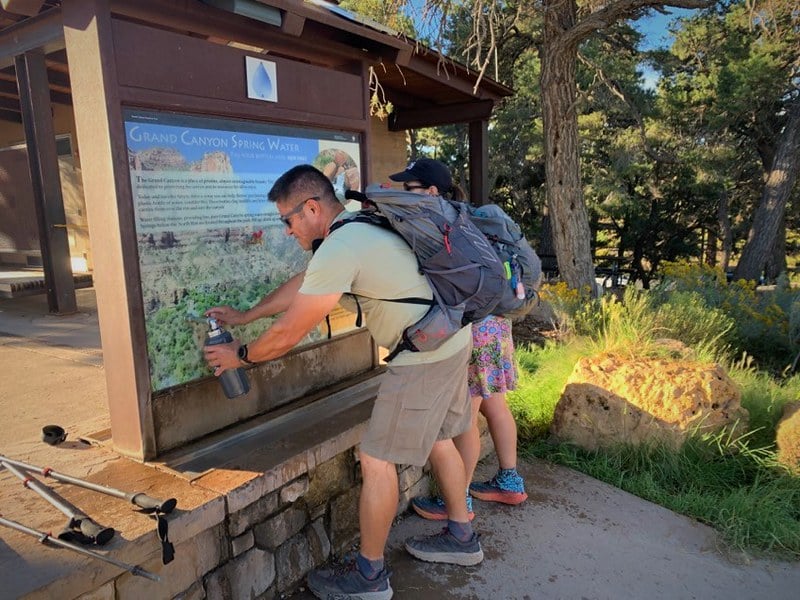
For those who choose to hike below the rim, safety is predicated on rigorous preparation. The two most utilized routes, the Bright Angel Trail and the South Kaibab Trail, serve as the primary conduits for hikers. However, they are fundamentally different in their infrastructure. The Bright Angel Trail is the only path offering consistent water-filling stations, whereas the South Kaibab Trail provides no such resources.
The National Park Service emphasizes a "hike smart" policy, which includes:
- Gradual acclimation: Testing physical limits by hiking only a few miles before committing to deeper descents.
- Electrolyte management: Avoiding the "force-feeding" of water, which can lead to hyponatremia, and instead balancing fluid intake with electrolytes and caloric replenishment.
- Early starts: Commencing hikes in the pre-dawn hours to avoid the intense afternoon sun.
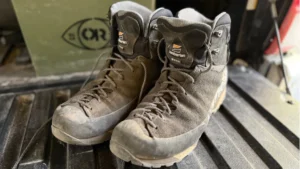
- Equipment: Utilizing protective clothing, such as sun-shirts and hats, to minimize skin exposure to UV radiation.
The Imperative of Leave No Trace
The surge in outdoor recreation following the COVID-19 pandemic has put unprecedented pressure on the Grand Canyon’s fragile environment. The Park Service reports an increase in litter, including micro-waste like tissue paper and food wrappers, which take years to decompose in the arid climate.
The "Leave No Trace" protocol is not merely a suggestion but a necessity for the preservation of the canyon. Rangers and professional guides stress the importance of packing out all waste, including human waste, for which "Wag Bags" are now standard equipment for serious hikers. Furthermore, the improper disposal of food scraps can alter wildlife behavior, leading to habituation and conflict with humans. The management of these areas is limited by the rugged, inaccessible nature of the terrain, making the responsibility of the individual hiker the primary defense against the degradation of the wilderness.
Professional Guidance and Organized Tourism
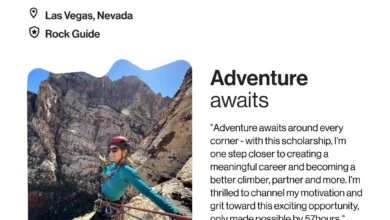
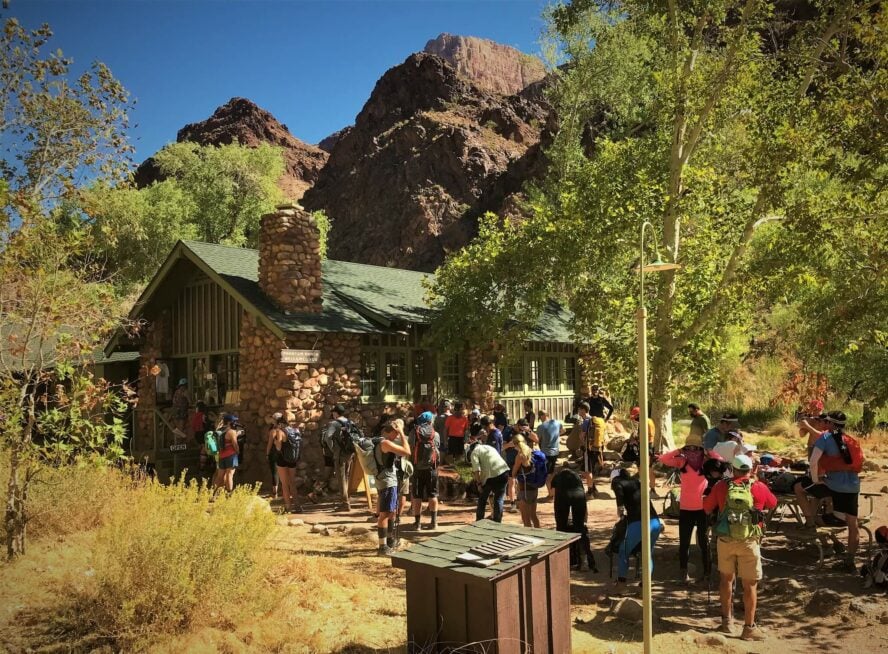
For visitors who find the logistical demands of the canyon overwhelming, professional guiding services offer a structured approach to exploration. These services often manage the complex permitting process required for overnight stays in the backcountry—permits that are highly competitive and must often be secured months, if not a year, in advance.
Professional guides provide not only safety and first-aid expertise but also interpretive education regarding the geology and ecology of the region. As noted by industry experts, the primary advantage of a guided tour is the reduction of human error. By following a seasoned lead, hikers are less likely to fall victim to the common pitfalls of heat exhaustion, route navigation, and emergency mismanagement.
Broader Implications for Park Management
The Grand Canyon serves as a microcosm for the larger challenges facing the National Park Service: how to balance public access with the protection of natural resources. The decision to limit certain areas through permit systems is a direct response to the ecological impact of over-tourism. As climate change continues to alter weather patterns, the extreme heat events in the canyon are expected to become more frequent and more severe, potentially forcing the NPS to revise its accessibility guidelines for the inner canyon.
The canyon remains a place of profound beauty and immense danger. It demands a level of respect that requires visitors to move beyond the superficial "drive-through" experience. By understanding the geological timeline beneath their feet, the biological sensitivity of the surrounding desert, and the harsh physical reality of the descent, hikers can ensure that their journey contributes to the preservation of this natural wonder rather than its depletion. Whether through a self-planned trek or a guided expedition, the key to the Grand Canyon is not just the descent, but the foresight to return safely.