The Psychology of Small-Group Travel: Examining Bruce Tuckman’s Five Stages of Team Dynamics on an Icelandic Expedition

The phenomenon of small-group travel has long been recognized for its capacity to foster unique interpersonal relationships among strangers. When individuals from diverse geographic backgrounds converge on a structured itinerary, they undergo a predictable psychological progression. This social evolution mirrors the small-group development model established in 1965 by educational psychologist Bruce Tuckman. By applying Tuckman’s framework—forming, storming, norming, performing, and adjourning—behavioral analysts and sociologists can better understand how cooperative bonds are forged in high-immersion environments like expedition tourism.
To evaluate these dynamics in a real-world setting, researchers and travel industry analysts frequently observe cohort behavior during intensive excursions, such as small-group tours through Iceland’s Golden Circle. These itineraries typically span five days, compressing social adaptation phases that might otherwise take weeks in a traditional workplace or community setting.
Main Facts and Context of Small-Group Expeditions
Small-group travel models, popularized by operators such as Intrepid Travel, rely on intimate cohorts—usually ranging from 10 to 12 participants—led by a local guide. These tours are designed to maximize cultural immersion while navigating challenging geographical and climatic landscapes. However, the operational success of these trips depends heavily on group cohesion.
According to market research from the adventure travel sector, over 65% of solo travelers book small-group tours specifically to combat social isolation, yet more than 40% report acute pre-trip anxiety regarding social integration. This baseline apprehension forms the departure point for Tuckman’s developmental sequence.
Chronology of Group Bonding: The Five Stages in Action
The progression of social cohesion during an intensive regional tour follows a distinct chronological timeline, moving from initial politeness to high-level collaboration and eventual separation.
Phase 1: The Forming Stage (Arrival and Initial Orientation)
The initial phase begins prior to departure and culminates at the official welcome briefing. In the case of cohorts arriving in Reykjavik, participants exhibit behaviors characteristic of the forming stage: heightened politeness, adherence to social norms, and cautious information-gathering.
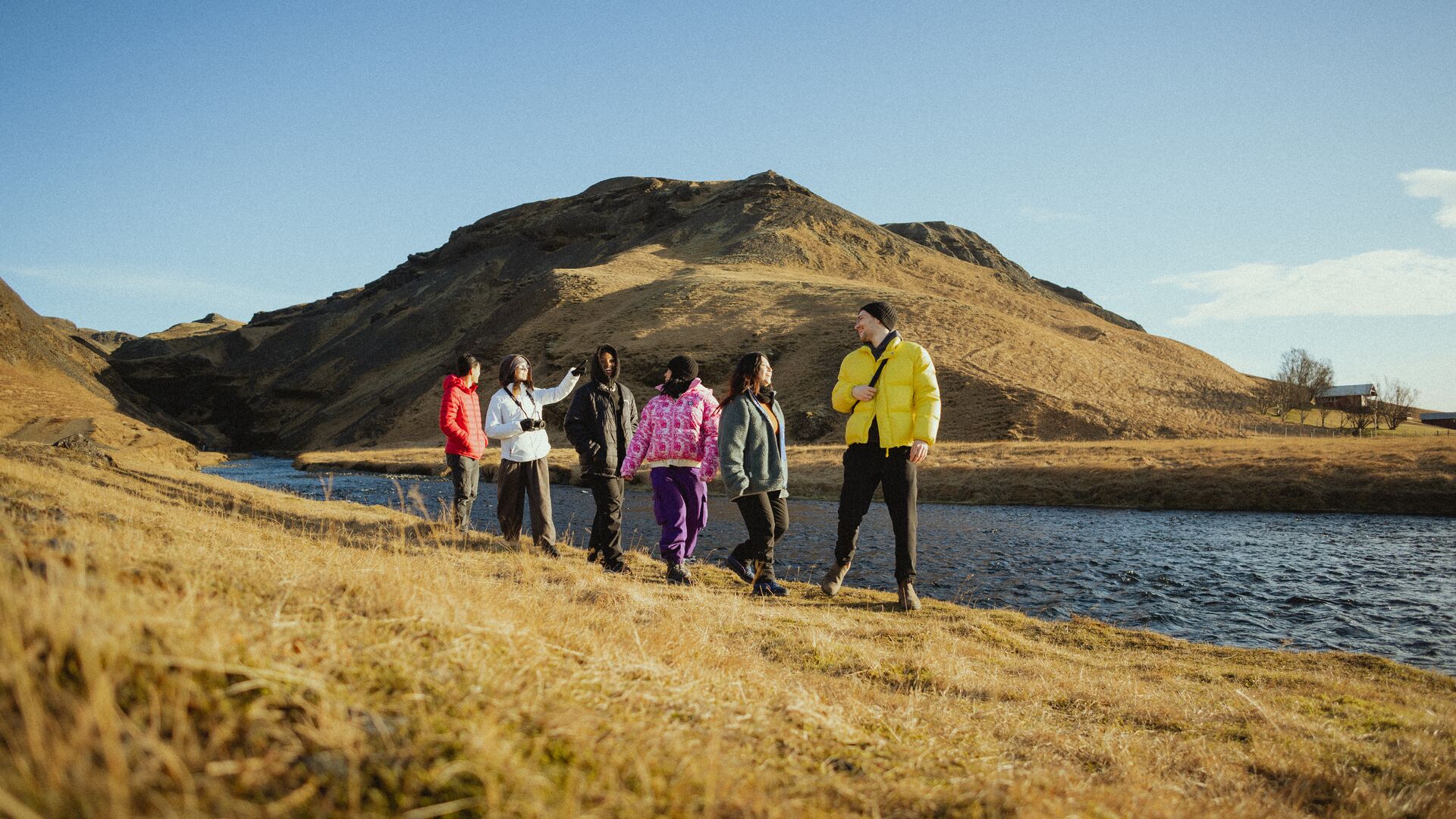
During this period, travelers unify around a primary objective—navigating the logistical and cultural landscape of the destination. Local guides play a pivotal structural role here, establishing group norms, mitigating initial anxieties, and breaking the ice through shared culinary experiences. Behavioral observations indicate that adrenaline and novelty suppress early interpersonal friction during this 24-hour window.
Phase 2: The Storming Stage (Emergence of Friction and Hierarchy)
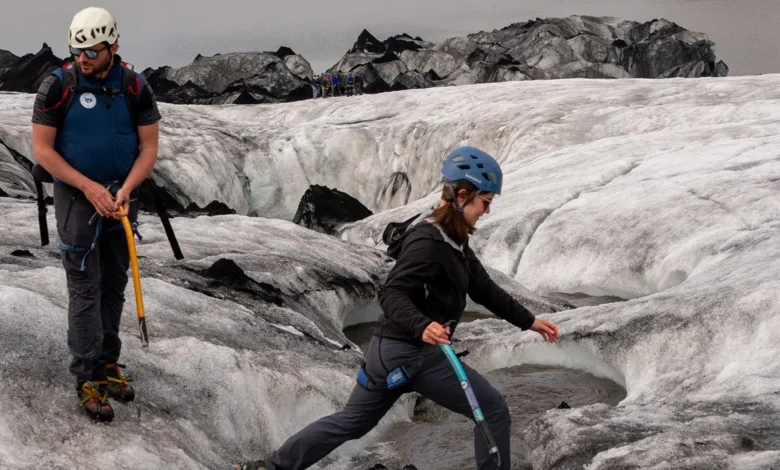
As the novelty of the destination weds with physical fatigue, groups frequently enter the storming phase. This typically manifests on the second or third day of an itinerary, often coinciding with demanding physical transit or exposure to austere environments—such as the volatile volcanic landscapes of the Reykjanes Peninsula.
In this stage, individual personalities, communication styles, and social hierarchies begin to assert themselves. Stilted conversations, communication bottlenecks, and minor interpersonal irritations are common. Psychologists note that while these tensions rarely escalate to hostile conflict in recreational travel cohorts, they represent a necessary adjustment period as members negotiate their respective roles within the temporary micro-society.
Phase 3: The Norming Stage (Cooperation and Integration)
Following the resolution or subsiding of initial friction, groups transition into the norming stage. This phase is characterized by stabilized communication patterns, the fading of minor grievances, and the emergence of genuine cooperation.
During an Icelandic itinerary, this stage often coincides with visits to secondary natural landmarks, such as the Geysir geothermal field or regional waterfalls. Structurally, subgroup formations loosen. Participants begin engaging across social divides—such as introverted travelers connecting with more dominant personalities outside the main social cluster. Quirks and individual behaviors are accepted, and the group establishes an informal behavioral baseline.
Phase 4: The Performing Stage (Synergy and Shared Vulnerability)
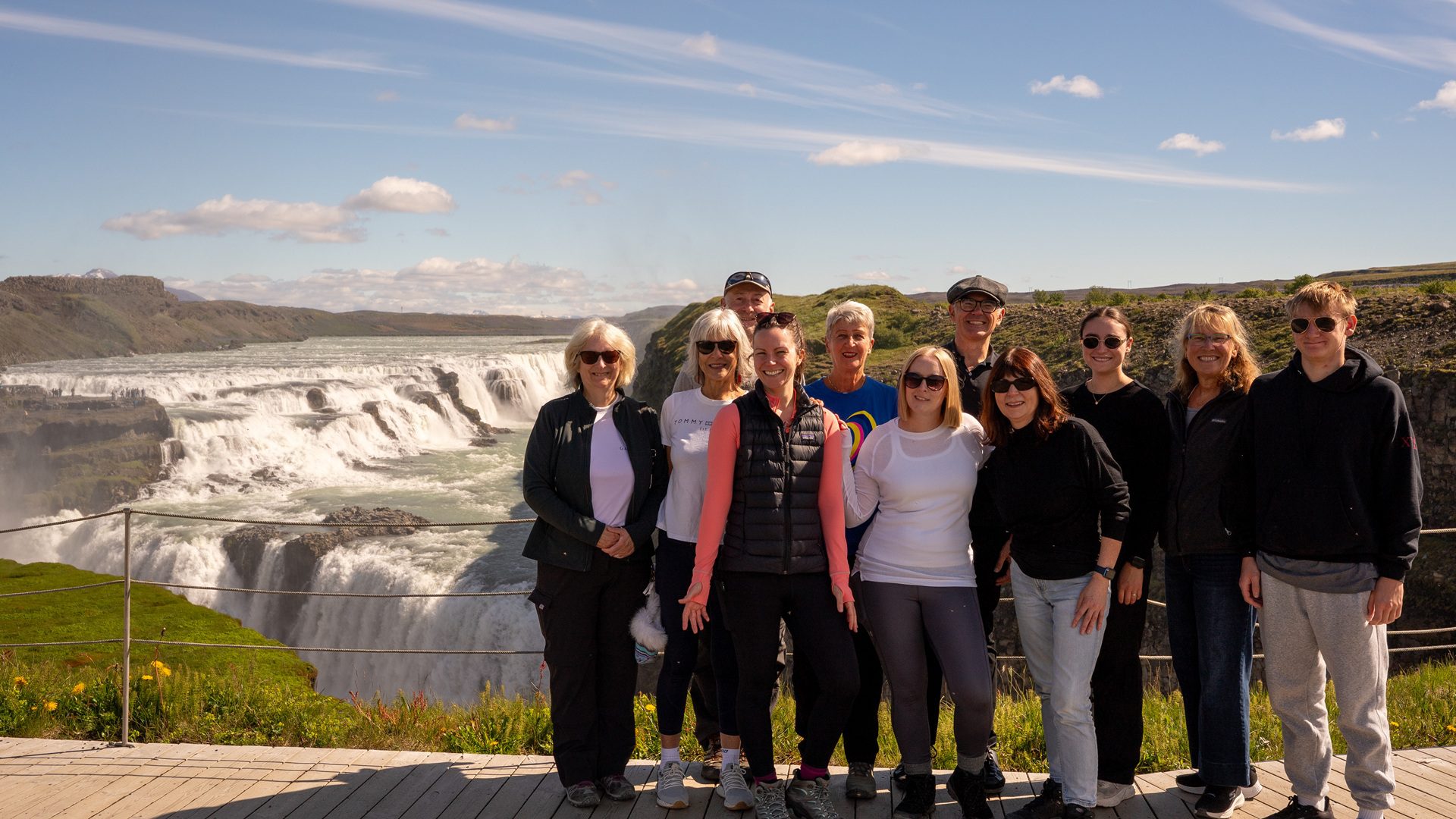
By the fourth phase, the cohort reaches peak operational and social synergy. In adventure tourism, this is frequently catalyzed by shared physical or cultural challenges that require vulnerability, such as communal bathing customs in geothermal lagoons or enduring extreme weather conditions together.
In the performing stage, group communication mirrors that of long-standing social networks. Teasing, shared humor, and mutual support systems operate fluidly. Productivity, punctuality, and collaborative problem-solving within the group reach their highest efficiency, maximizing the collective enjoyment of the travel experience.
Phase 5: The Adjourning Stage (Dissolution and Reflection)
The final phase of Tuckman’s model, originally termed adjourning or mourning, occurs at the conclusion of the itinerary. As cohorts return to urban centers like Reykjavik for final debriefings and historical overviews, participants confront the impending dissolution of the group.
Emotional responses during this stage range from reflective nostalgia to acute separation anxiety. The final acts of the cohort involve the exchange of contact information, digital network connections, and open invitations for future engagements.
Supporting Data and Behavioral Analysis
The application of psychological frameworks to tourism highlights the therapeutic and social value of structured group travel. Data from sociological studies on temporary social systems indicate that intense, short-duration cohorts accelerate intimacy through a mechanism known as "swift trust."
Unlike traditional organizational environments where trust accumulates over extended periods, temporary travel groups must establish mutual reliance rapidly to ensure safety and comfort. The compressed nature of a five-day itinerary forces individuals to bypass protracted defensive behaviors, leading to rapid cycling through Tuckman’s first four stages.
Furthermore, economic analyses of the adventure tourism sector suggest that group cohesion significantly influences customer satisfaction and retention. Travelers who successfully navigate the storming and norming phases report a 35% higher likelihood of booking subsequent group expeditions compared to those who experience prolonged interpersonal friction.
Broader Implications for Industry and Travelers
Understanding the mechanics of group bonding offers practical benefits for both tour operators and individual participants. For operators, recognizing the inevitability of the storming phase allows guides to implement proactive conflict-resolution strategies and design group-building activities that accelerate the transition to norming and performing.
For the traveler, framing pre-trip anxiety and mid-trip irritation as objective psychological milestones rather than personal social failures reduces stress. Recognizing that friction is a standardized component of team development enables participants to navigate social challenges with greater resilience.
Ultimately, while the primary motivation for engaging in regional expeditions remains destination exploration, the secondary sociological outcome—the formation of temporary, high-trust micro-communities—serves as a powerful driver of human connection. The transition from apprehensive strangers navigating unfamiliar urban streets to integrated cohorts sharing profound cultural and physical experiences demonstrates the enduring relevance of classical group dynamics in modern travel.
Related posts: