Pacific Crest Trail Northern Terminus Finally Reopens Following Months of Wildfire Closures


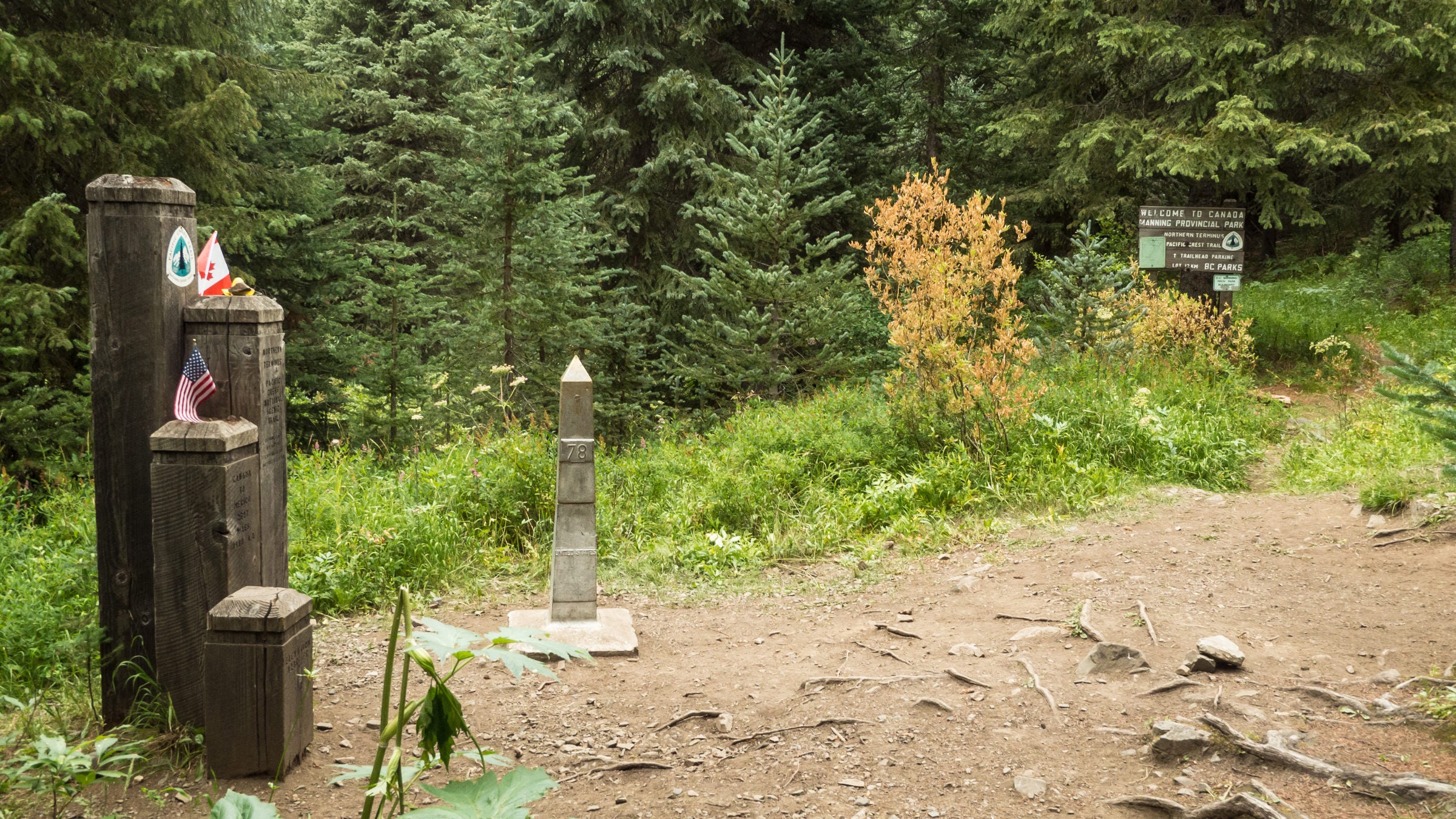
The iconic northern terminus of the 2,650-mile Pacific Crest Trail (PCT) has officially reopened to the public, bringing a dramatic conclusion to a tumultuous summer hiking season defined by severe wildfire activity in Washington State. The announcement, issued on September 9, 2026, lifts a closure order that had blocked access to the final 50-mile stretch of the trail from Hart’s Pass to the Canadian border since late July. While the reopening restores the traditional route to Monument 78 for straggling northbound (NOBO) thru-hikers, the timing has sparked mixed reactions within the long-distance hiking community, many of whom were forced to alter their routes, build makeshift finish lines, or abandon hope of touching the legendary wooden obelisk altogether.
The closure, which had been enforced since July 31 due to the aggressive expansion and containment challenges of the Ptarmigan Fire, upended the final weeks of months-long journeys for hundreds of adventurers. For a community that typically measures success by continuous footsteps from the Mexican border at Campo to the Canadian border at Manning Park, the inability to legally cross the finish line represented a heartbreaking disruption. Nevertheless, the lifting of the restriction by the United States Forest Service marks a major milestone in regional firefighting efforts and brings a sense of formal closure to an exceptionally difficult wildfire season in the Pacific Northwest.
Chronology of a Summer Closure and the Ptarmigan Fire
The genesis of the late-season trail disruption dates back to mid-summer, when dry conditions, high temperatures, and lightning strikes ignited a series of blazes across the rugged North Cascades. Among them, the Ptarmigan Fire quickly escalated into a significant threat to public safety, prompting land management agencies to take swift defensive action. On July 31, officials from the Okanogan-Wenatchee National Forest enacted a sweeping closure order encompassing the northernmost 50 miles of the Pacific Crest Trail, stretching from the remote outpost of Hart’s Pass straight north to the international boundary.
As August progressed, the fire behavior fluctuated, keeping the region under a shroud of smoke and uncertainty. Thru-hikers approaching the Washington border—having already traversed the scorching deserts of California and the high-alpine passes of Oregon—found their paths abruptly halted. Faced with impassable trail conditions and the threat of hefty fines or dangerous entrapment, hikers were forced to improvise.
By late July, the resourcefulness of the hiking community came to the forefront. A group of six stranded NOBO hikers constructed a makeshift northern terminus monument out of natural materials at Rainy Pass, situated just south of the restricted zone, to serve as a symbolic end point for their journey. Meanwhile, other enterprising backpackers sought alternative routes to the international boundary by navigating west toward the Mount Baker Wilderness. There, they converged upon a lesser-known obelisk at the Canadian border, turning an administrative roadblock into an unexpected detour of discovery. Despite steady containment progress on the Ptarmigan Fire throughout August, official estimates from land managers suggested that public access would remain restricted through the end of the season, prompting many final finishers to alter their itineraries permanently.
Official Responses and Gratitude from the Pacific Crest Trail Association
The reopening of the Hart’s Pass-to-border corridor was met with immense relief by the Pacific Crest Trail Association (PCTA), the nonprofit organization that helps manage and maintain the historic footpath in cooperation with federal agencies. Speaking on behalf of the organization, Chris Rylee, Director of Marketing and Communication for the PCTA, emphasized the cultural and psychological significance of the northern terminus for the long-distance hiking community.
"We’re overjoyed to know that the PCT up to the Northern Terminus is open again, as it is such an iconic and symbolic portion of the trail," Rylee stated. He extended profound appreciation on behalf of the organization to the boots-on-the-ground personnel who made the reopening possible. "Appreciation and gratitude go out to the Methow Valley Ranger District of Okanogan Wenatchee National Forest and all of the other partners, responders, and firefighters who coordinated massive efforts to keep PCT hikers and communities safe."
Despite the good news regarding the trail itself, the PCTA issued cautionary notes to remaining travelers. In official communications, including updates shared across social media platforms, the association reminded the public that while the linear footpath of the PCT is once again open, adjacent lands both east and west of the trail remain strictly closed to entry. These localized closures are necessary to facilitate ongoing firefighting mop-up operations, infrastructure repairs, and post-fire hazard assessments by forest service crews.
Timing, Statistics, and the Hiker Experience
The reopening on September 9 arrives at a precarious juncture in the annual hiking calendar. According to historical data and comprehensive longitudinal metrics compiled by the annual Halfway Anywhere PCT Hiker Survey, the average completion date for northbound thru-hikers attempting the full trail is September 12. This means the vast majority of the 2026 cohort had already completed their journeys, bypassed the closed section, or abandoned their hikes weeks before the restrictions were lifted.
For hikers who lingered or adopted slow-and-steady paces, the sudden announcement elicited a mixture of logistical frustration and philosophical acceptance. Reed "Steezy" Patricelli, a thru-hiker hailing from Portland, Oregon, reached the international boundary on September 6—just three days shy of the official reopening date. Operating under the firm belief, cultivated over the previous month, that the northern terminus would remain shuttered for the remainder of the year, Patricelli had deliberately altered his plans to skip the Hart’s Pass section and route east toward Monument 90.
"For me it’s tough because all last month I’ve heard that there’s no possible chance they’d open to the terminus, despite the Ptarmigan fire being more and more contained," Patricelli reflected. "Because of this I changed my plans to skip that section and go east to the other monument."
However, Patricelli noted that the forced diversion provided its own unique rewards that outweighed the initial disappointment of missing the traditional wooden post at Monument 78. During his trek along the alternative border route, he encountered diverse Pacific Northwest wildlife, spotting three black bears and a dozen mountain goats. "As much as it’s a bit annoying, to me it’s also not a huge deal," Patricelli added. "I firmly believe that the trail is a different journey for everyone, and if the end of my journey had to be a different terminus, so be it!"
For the handful of endurance athletes and delayed hikers still churning their way through the final miles of Washington’s rugged terrain, the news provides a welcome chance to experience the finish line precisely as generations of backpackers before them have envisioned it. Traversing the final ridge lines under crisp September skies, these hikers will experience a rare window of open access before autumn weather systems and early winter snowfalls render the high-elevation sections of the North Cascades impassable.
Broader Implications for Long-Distance Trails in an Era of Megafires
The late-season reopening of the PCT northern terminus underscores a growing structural challenge for long-distance footpaths across North America: the lengthening and intensification of wildfire seasons. In recent years, climate shifts, prolonged drought conditions, and accumulation of forest fuels have transformed seasonal fire activity into year-round management challenges. For the Pacific Crest Trail, closures driven by smoke, active flame, and post-fire hazards like flash floods and debris flows have shifted from rare anomalies to routine disruptions.
These recurring environmental pressures are fundamentally altering the thru-hiking experience. Where completing a "continuous footpath" from border to border was once the gold standard of long-distance hiking culture, trail communities are increasingly forced to embrace flexibility. Rerouting around active fire zones, utilizing road walks, skipping hundreds of miles of trail, and inventing alternative destination markers have become standard survival and completion strategies for modern backpackers.
Furthermore, these closures place a significant economic and logistical strain on gateway communities—small towns like Stehekin, Mazama, and Winthrop that rely heavily on the influx of hungry, gear-weary hikers during the late summer months. When sections close prematurely, local businesses experience a sudden drop in seasonal revenue, highlighting the delicate economic interdependence between wilderness recreation and rural economies in Washington State.
As the 2026 Pacific Crest Trail season draws to its natural close, the reopening of Monument 78 offers a symbolic bookend to a summer characterized by adversity and resilience. While the Ptarmigan Fire and subsequent closures forced hikers to rewrite their maps, the episode serves as a testament to the adaptability of the outdoor community and the tireless dedication of the firefighters and public land managers who guard America’s wild landscapes.