Exploring the 2026 Global Travel Landscape: From the Culinary Corridors of Southern France to the Silk Road Frontiers of Central Asia

The global tourism sector in early 2026 has demonstrated a marked shift toward experiential travel, characterized by a fusion of high-end gastronomy, regional exploration, and a growing interest in the emerging markets of Central Asia. As travelers seek to move beyond traditional "over-tourism" hubs, secondary European cities and the historical Silk Road are becoming focal points for seasoned explorers and industry professionals alike. This trend is exemplified by recent movements through the Occitanie and Provence-Alpes-Côte d’Azur regions of France, the professional networking circuits of Germany, and the strategic planning of solo expeditions into Kazakhstan and Uzbekistan.
Regional Revitalization and Gastronomic Tourism in Southern France
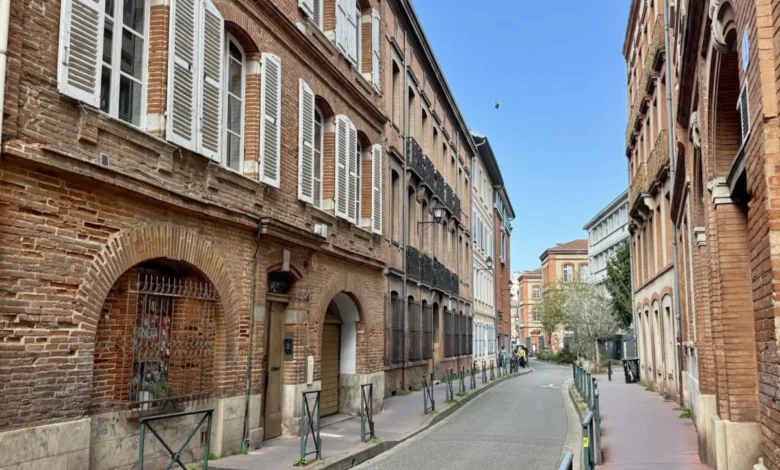
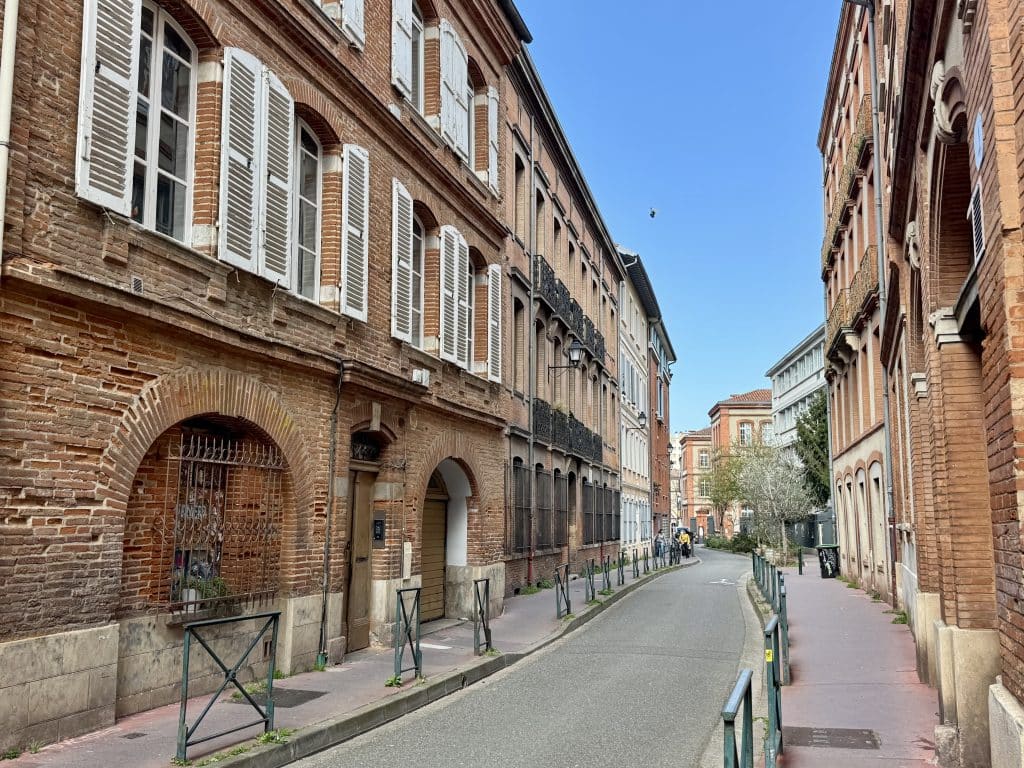
The first quarter of 2026 saw a surge in interest in the South of France, specifically targeting cities that offer a distinct cultural identity separate from the Parisian norm. Toulouse, often referred to as "La Ville Rose" (The Pink City) due to its unique terra cotta architecture, has emerged as a primary alternative for travelers seeking a metropolitan experience with a more relaxed tempo. With a population exceeding one million, Toulouse’s urban planning and boutique-heavy retail environment have positioned it as a leader in regional French tourism.
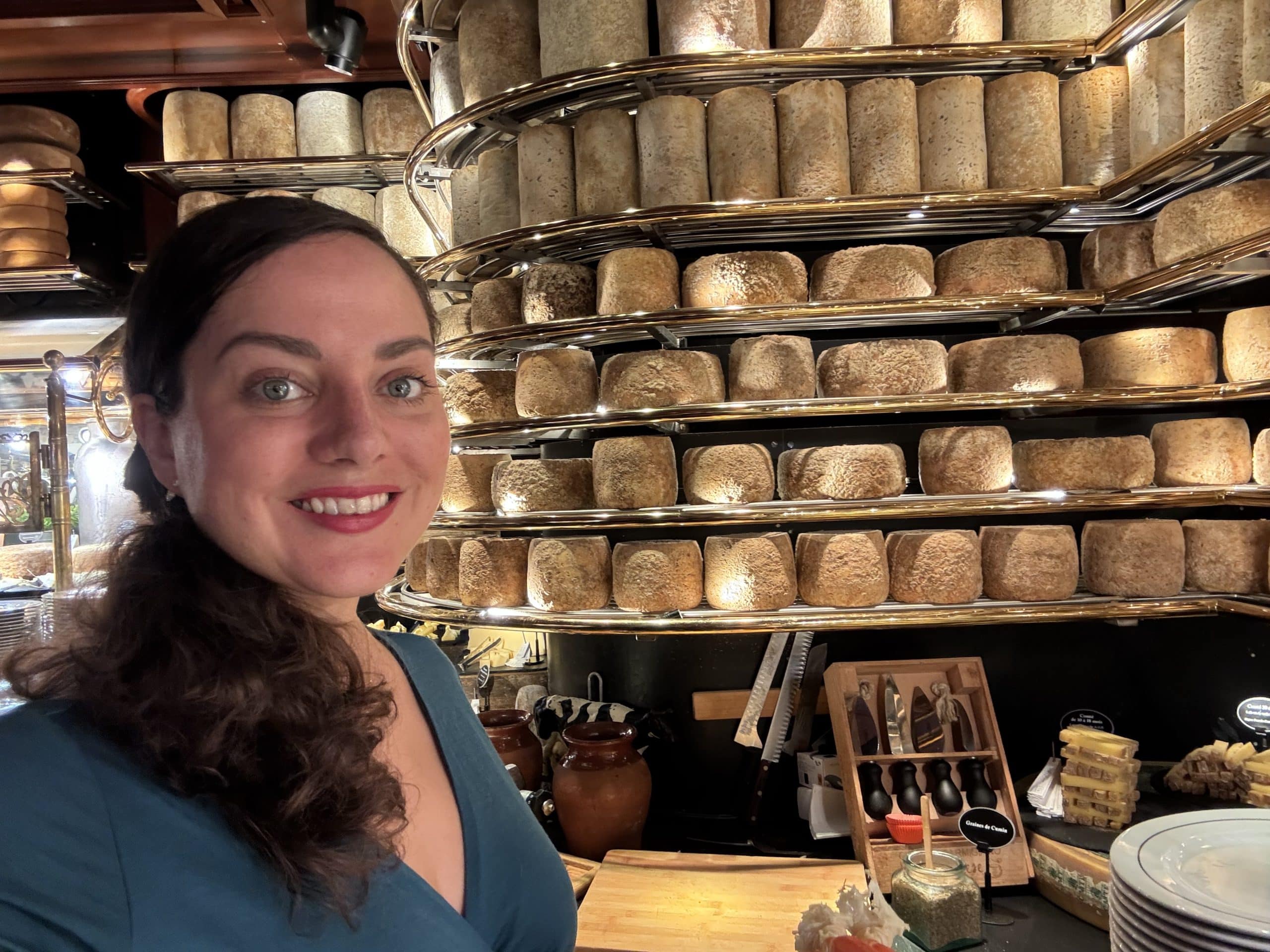
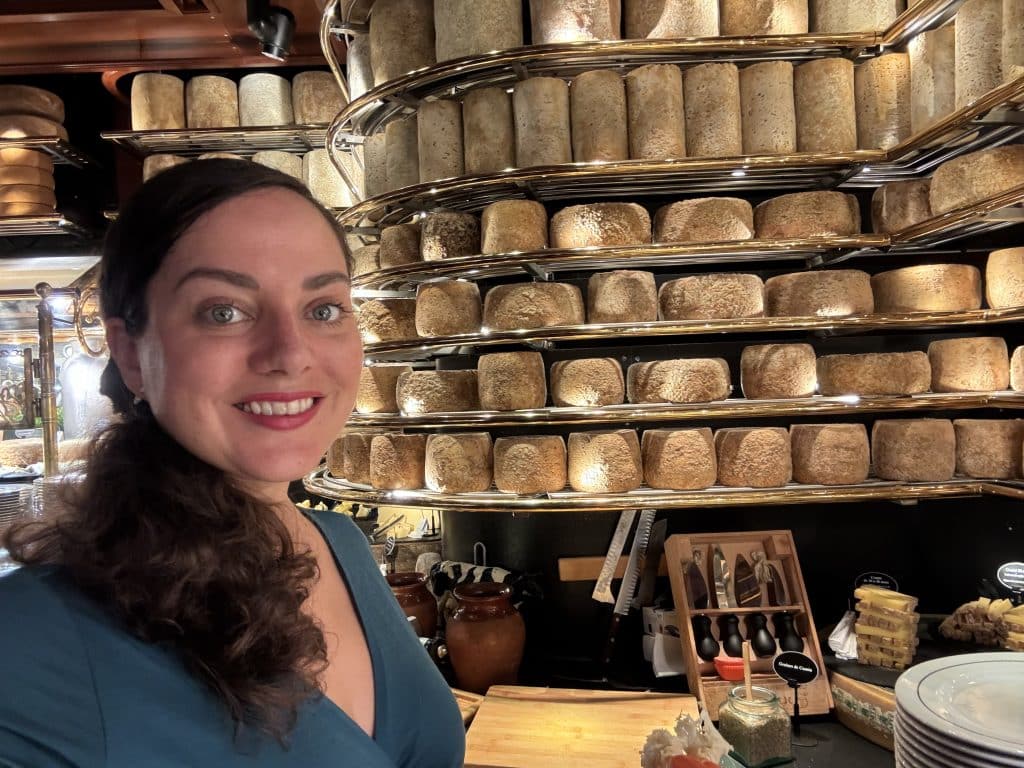
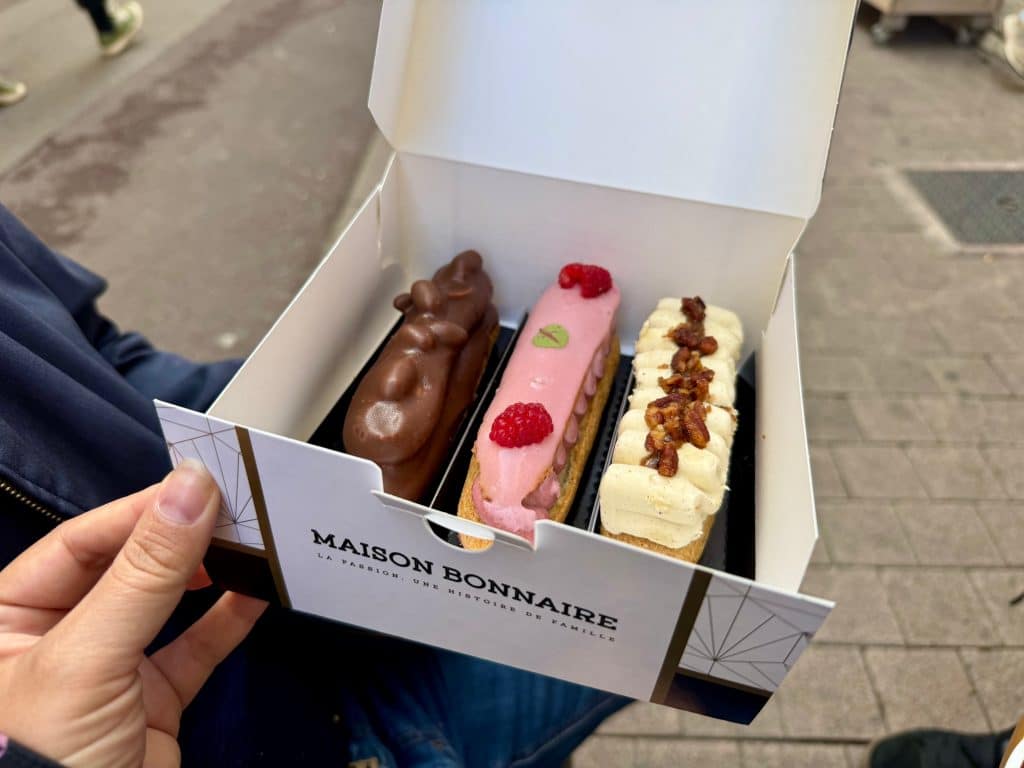
A significant driver of tourism in the Occitanie region is the culinary landmark Les Grands Buffets in Narbonne. This establishment has gained international notoriety for its commitment to traditional French "service à la française," offering an expansive array of classical dishes and holding the Guinness World Record for the largest selection of cheeses in a restaurant. At a fixed price of 65.90 euros, the buffet represents a high-value proposition in a global economy where fine dining costs continue to escalate. Market analysts suggest that "destination dining"—where a single restaurant serves as the primary catalyst for a multi-city itinerary—is a growing segment of the travel industry.
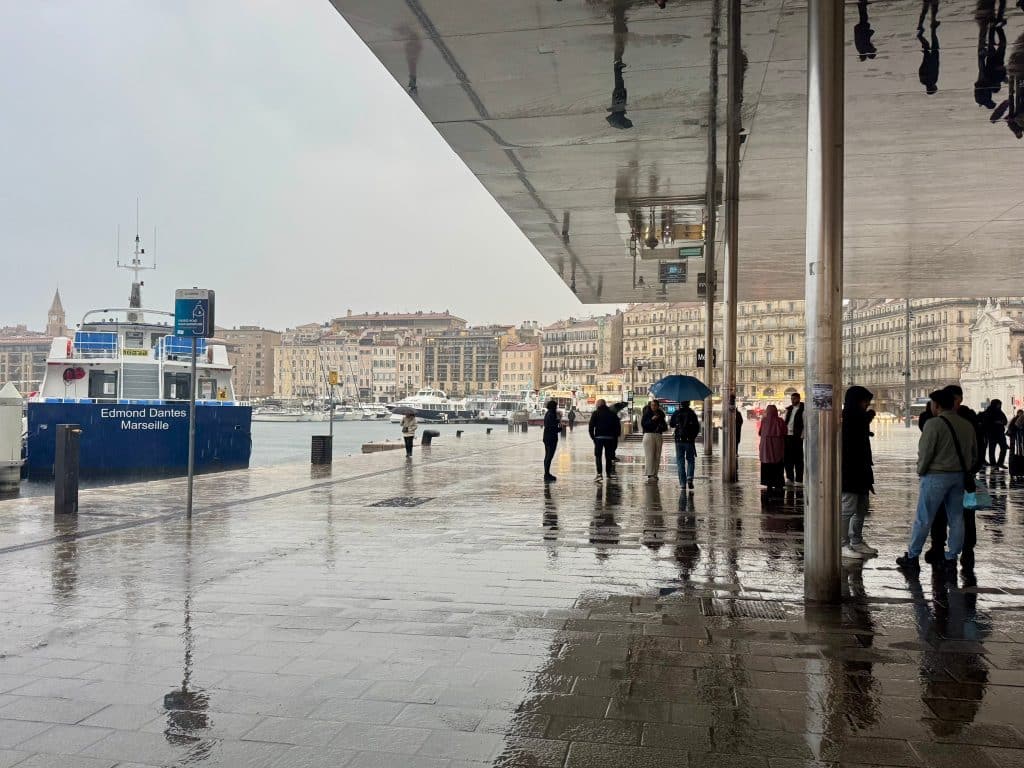
However, the trip also highlighted the logistical challenges of off-season travel in the Mediterranean. Transitions between Montpellier and Marseille during the winter and early spring months often face infrastructure hurdles. For instance, the reliance on regional bus services during Sundays, when rail options are limited, underscores the need for continued investment in inter-city connectivity. Furthermore, the "Marseille Experience" in March 2026 served as a case study for the climate-related volatility of off-season tourism, where unseasonable rain and inadequate indoor heating in coastal cities can dampen the economic output of the local hospitality sector.
ITB Berlin 2026: The Pulse of the Global Travel Industry
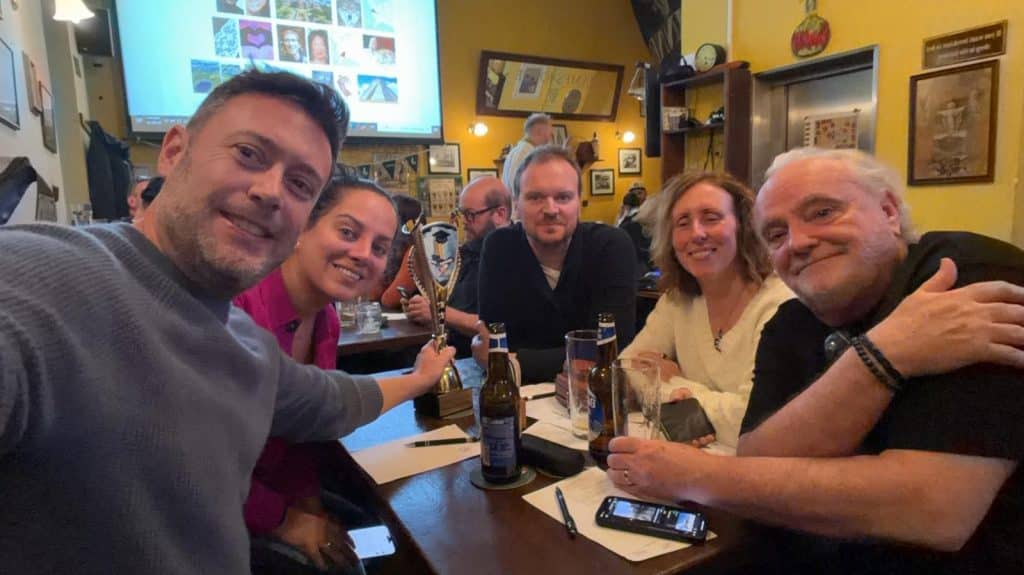
In March 2026, the international travel community converged on Berlin for ITB Berlin, the world’s leading travel trade show. The 2026 iteration of the event focused heavily on the recovery of long-haul travel and the integration of sustainable practices within the B2B sector. For content creators and industry stakeholders, the event remains the premier venue for networking and establishing partnerships that dictate the following year’s travel trends.
Beyond the convention halls, the cultural landscape of Berlin continues to influence travel sentiment. The presence of long-standing musical acts, such as the Scottish indie-pop band Belle and Sebastian at the Metropol, highlights the city’s role as a hub for "cultural pilgrimage." This intersection of professional networking and cultural consumption is a hallmark of the modern digital nomad and travel professional lifestyle.
The Geopolitics of Travel: Stability and Safety in Central Asia
As the second quarter of 2026 approaches, industry attention is shifting toward Central Asia, a region that has successfully navigated global geopolitical tensions to emerge as a safe and attractive destination for solo travelers. Kazakhstan and Uzbekistan, in particular, have invested heavily in tourism infrastructure, including high-speed rail links and simplified visa processes, to attract Western markets.

Kazakhstan: The Almaty Hub and Natural Wonders
Almaty remains the primary gateway for international visitors. The 2026 travel forecast for Kazakhstan emphasizes eco-tourism and adventure travel. Key destinations such as Charyn Canyon and Lake Kaindy are being marketed as world-class natural sites that offer a more secluded experience compared to the national parks of North America or Western Europe.
Uzbekistan: The Cultural Heart of the Silk Road
Uzbekistan’s strategy focuses on its UNESCO World Heritage sites in Samarkand, Bukhara, and Khiva. The country has seen a 25% increase in solo female travelers over the past two years, a trend attributed to the high levels of perceived and actual safety within its borders. The focus on traditional crafts—such as silk production, pottery, and wood carving—appeals to the "slow travel" movement, which prioritizes deep cultural immersion over rapid sightseeing.
Safety Analysis and Geopolitical Context
Travel analysts have noted that despite fluctuations in Middle Eastern stability, Central Asian nations have maintained a neutral and secure environment. For 2026, flight itineraries are increasingly avoiding Gulf hubs in favor of direct European connections (such as Frankfurt or Istanbul) to mitigate potential disruptions. This logistical shift is crucial for maintaining the momentum of tourism growth in the region.
The Role of Media and Literature in Shaping Travel Narratives
The motivations for travel in 2026 are increasingly influenced by retrospective media analysis and contemporary literature. The release of documentaries such as Reality Check: Inside America’s Next Top Model has sparked a broader conversation about the ethics of the fashion and entertainment industries, which in turn influences the types of cultural experiences travelers seek.

In the literary world, the enduring popularity of works like Andy Weir’s Project Hail Mary (2021) and the subsequent cinematic adaptations have fueled a niche market for "science-tourism" and visits to observatories or space-themed exhibits. Similarly, personal narratives in travel literature, such as those by Lindy West, continue to drive discourse on the intersection of solo travel, personal autonomy, and relationship dynamics. These media touchpoints serve as the psychological backdrop for many modern travelers, shaping their expectations and the "lens" through which they view new environments.
Chronology of Travel Trends: Q1 2026
- January – February: Continued dominance of domestic and regional travel in Europe; focus on "winter escapes" and city breaks.
- March: Peak of the travel trade season with ITB Berlin; high interest in Southern French gastronomy and regional architecture.
- Late March: Transition to spring tourism; emergence of Central Asia as a top-tier destination for adventurous solo travelers.
- April (Projected): Significant increase in Silk Road expeditions; focus on the intersection of natural beauty and ancient history in Kazakhstan and Uzbekistan.
Supporting Data and Economic Implications
Data from the European Travel Commission (ETC) indicates that while inflation has impacted the cost of airfare, the demand for "experience-first" travel remains inelastic. Travelers are willing to reallocate budgets from luxury accommodation to high-value gastronomic experiences, such as the 60+ euro buffets of Narbonne.
In Central Asia, the Uzbek Ministry of Tourism reported that the introduction of the "Silk Road Visa" and the expansion of the Afrosiyob high-speed train network have contributed to a 15% year-on-year growth in tourism revenue. These figures suggest that the region is no longer a "niche" market but a significant player in the global tourism economy.
Broader Impact and Future Outlook
The travel patterns observed in early 2026 suggest a more discerning global traveler. There is a moving away from the "checklist" style of tourism toward a model that values community engagement, historical context, and personal safety. The success of solo female travel in regions previously considered "off the beaten path" is a testament to the power of digital information and the resilience of the global travel community.
As the year progresses, the industry will likely see a continued emphasis on "secondary city" exploration and the rise of Central Asian "Stans" as the new frontier of global tourism. For the professional travel sector, the challenge will be to maintain this growth while ensuring that the infrastructure—both physical and digital—can support a more diverse and demanding demographic of explorers. The integration of local culture, such as the Easter markets in Prague or the textile traditions of Bukhara, into the mainstream travel narrative will be essential for the long-term sustainability of these destinations.