A Comprehensive Guide to European Train Travel: Navigating the Continent’s Iconic Rail Networks

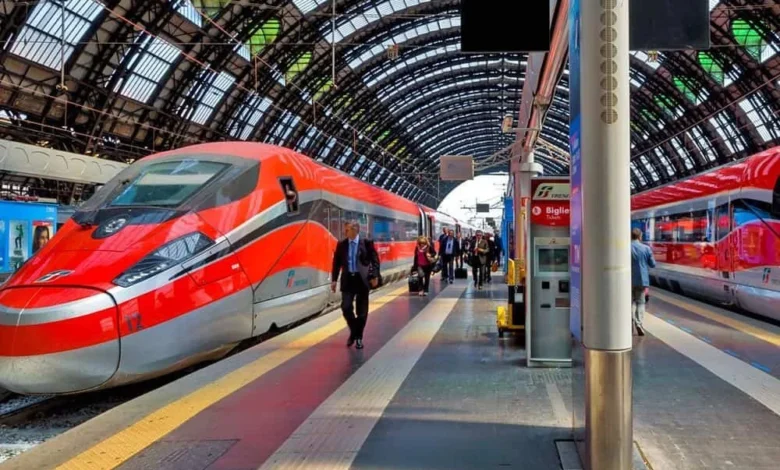
Traveling by train remains a quintessential and increasingly popular mode of exploration across Europe, embodying a blend of romance, efficiency, and comfort that distinguishes it from other forms of transit. For many, particularly those accustomed to less developed rail infrastructures, the European train system can appear both sophisticated and, at times, enigmatic. This comprehensive guide aims to demystify European rail travel, providing an in-depth look at everything from itinerary planning and ticket acquisition to station navigation and onboard experiences, ultimately equipping travelers with the knowledge to traverse the continent like seasoned experts.
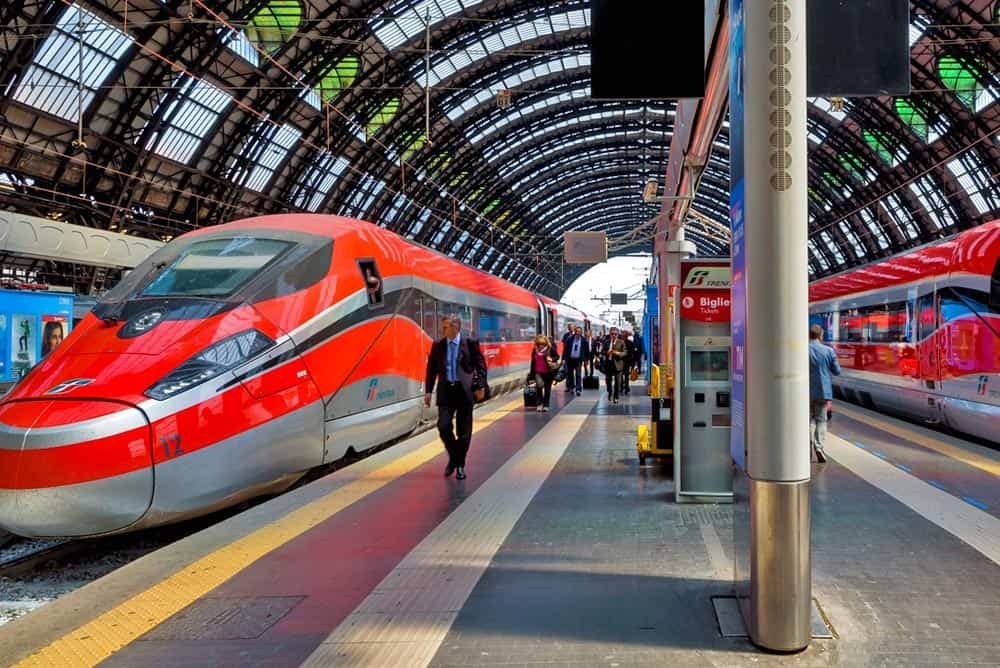
The Enduring Appeal and Evolution of European Rail
Europe’s extensive rail network is a cornerstone of its transportation infrastructure, celebrated for its ability to connect city centers, offer scenic journeys, and provide a low-stress travel experience. The appeal is multi-faceted: the comfort of spacious seating, the convenience of avoiding airport security lines, and the unique vantage point from which to observe the diverse landscapes unfolding outside the window. Historically, European railways played a pivotal role in industrialization and continental integration. Today, with the European Union’s strong emphasis on sustainable transport, rail travel is experiencing a renaissance, driven by investments in high-speed lines and enhanced cross-border cooperation. The European Commission declared 2021 the "European Year of Rail," underscoring its commitment to boosting rail’s share of passenger and freight transport to meet climate objectives. This focus translates into ongoing modernization efforts, including digital ticketing solutions and improved connectivity.
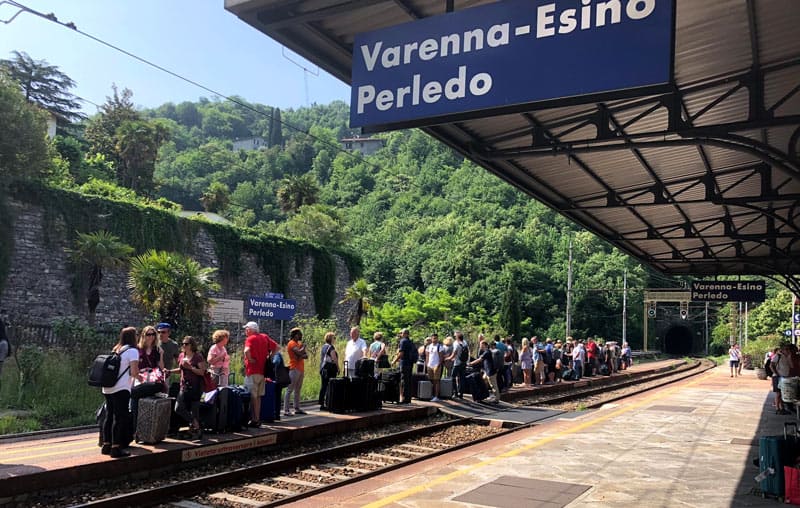
Strategic Advantages and Practical Considerations of European Train Travel
An objective assessment of train travel in Europe reveals numerous advantages that often outweigh its drawbacks, making it a preferred choice for millions of travelers annually.
Advantages of Train Travel:
- Environmental Sustainability: Trains boast a significantly lower carbon footprint per passenger-kilometer compared to air travel or private cars. This aligns with a growing global awareness of environmental responsibility, positioning rail as a greener travel option.
- Efficiency and Connectivity: Trains frequently link city centers, eliminating the need for lengthy transfers to and from airports located on urban peripheries. This often results in shorter overall travel times, especially for journeys between major cities up to 800 kilometers.
- Comfort and Amenities: European trains, particularly high-speed services, offer comfortable seating, ample legroom, and amenities such as dining cars, power outlets, and often Wi-Fi access. The ability to move freely within the train enhances the travel experience.
- Scenic Routes: Many European train lines traverse breathtaking landscapes, from the Swiss Alps to the Italian coastline, offering panoramic views that are inaccessible by air or often by road.
- Simplified Procedures: Travelers avoid the extensive security checks and baggage restrictions common in air travel. Boarding procedures are typically swift, requiring arrival only minutes before departure.
- Luggage Flexibility: Trains generally offer more generous luggage allowances than airlines, allowing travelers to carry larger bags without incurring additional fees.
Disadvantages of Train Travel:
- Cost for High-Speed and Last-Minute Tickets: While regional trains often have fixed, affordable fares, high-speed international routes operate on a dynamic pricing model. Last-minute bookings for these services can be significantly more expensive, sometimes rivaling or exceeding budget airline fares.
- Reservation Requirements: Many high-speed and overnight trains mandate seat reservations, even for Eurail pass holders, which incur additional fees and can complicate spontaneous travel plans.
- Complexity of Network: Europe’s rail network is operated by numerous national and private companies, each with its own ticketing systems and rules, which can initially be confusing for international travelers.
- Potential for Delays and Strikes: Like any transportation system, trains are subject to delays due to technical issues, weather, or industrial action (strikes), which can disrupt itineraries. While less frequent in some countries, strikes can be impactful when they occur.
- Limited Direct Routes to Remote Areas: While excellent for connecting major cities, reaching very remote or rural destinations might still require supplementary bus or car travel.
Planning Your European Rail Journey: Essential Tools and Resources
Effective pre-trip planning is crucial for a smooth train journey across Europe. Several digital platforms have emerged as indispensable tools for researching routes, comparing modes of transport, and securing tickets.
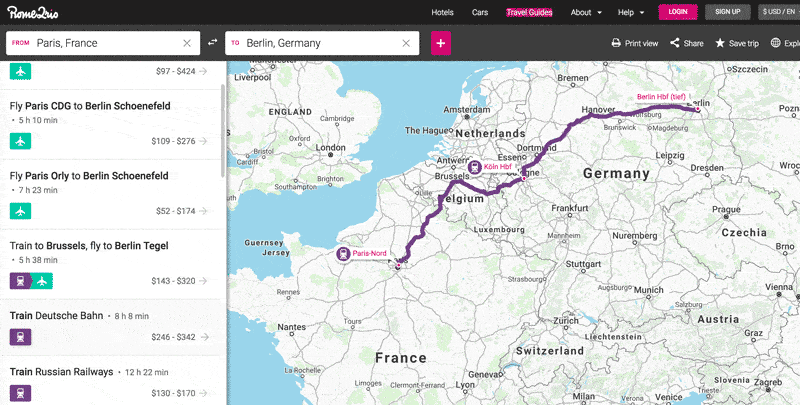
- Rome2Rio: This platform serves as an excellent starting point for broad travel planning. By inputting origin and destination, it generates comprehensive options for trains, planes, buses, and cars, complete with estimated costs and travel durations. This allows travelers to make informed decisions about the most suitable mode for their specific journey.
- Omio and Trainline: For direct train ticket bookings, Omio and Trainline are highly recommended. These third-party aggregators simplify the purchasing process by consolidating schedules and fares from multiple European rail operators into a single, user-friendly interface. They often support multiple languages and currencies, making cross-border bookings straightforward.
- Bahn.de (German Railways): While primarily for booking German train tickets, the Deutsche Bahn website (Bahn.de) is renowned for displaying schedules for virtually every train across Europe. It is an invaluable resource for planning complex itineraries, checking connections, and identifying trains that require reservations, even if the final booking is made elsewhere.
- Country-Specific Guides: For in-depth information on the unique aspects of individual national rail networks, consulting country-specific train guides is advisable. These resources can shed light on local ticketing quirks, specific discounts, and regional train types.
Understanding and Acquiring European Train Tickets
The process of purchasing European train tickets varies depending on the type of service and the operator. Understanding the underlying pricing models is key to securing the best fares.
Train Ticket Pricing Models:
- Variable-Price Fares: Predominant on high-speed and international services, these fares fluctuate based on demand, booking lead time, time of day, and season. Early booking is paramount for securing cheaper "saver" or "promo" fares, which are often non-refundable and non-exchangeable. Prices can increase dramatically as the departure date approaches and capacity diminishes.
- Fixed-Price Fares: Common on regional, local, and some slower intercity trains, these fares are determined solely by the distance traveled and do not change regardless of when the ticket is purchased. This offers flexibility as last-minute purchases carry no penalty. Examples include many domestic routes in countries like Belgium, Switzerland, and the Netherlands.
Where to Purchase Tickets:
- Third-Party Booking Sites (Omio, Trainline): These platforms are generally the most convenient for international travelers. They offer a consolidated view of schedules and prices across multiple operators, support various payment methods, and provide e-tickets, simplifying the entire booking experience. Their user-friendly interfaces often surpass those of national operators.
- National Booking Sites: While sometimes less intuitive for non-native speakers, direct booking through national railway websites (e.g., SNCF for France, Trenitalia for Italy) can occasionally yield exclusive promotional fares not available elsewhere. It is often worth checking these sites for significant long-distance or international journeys.
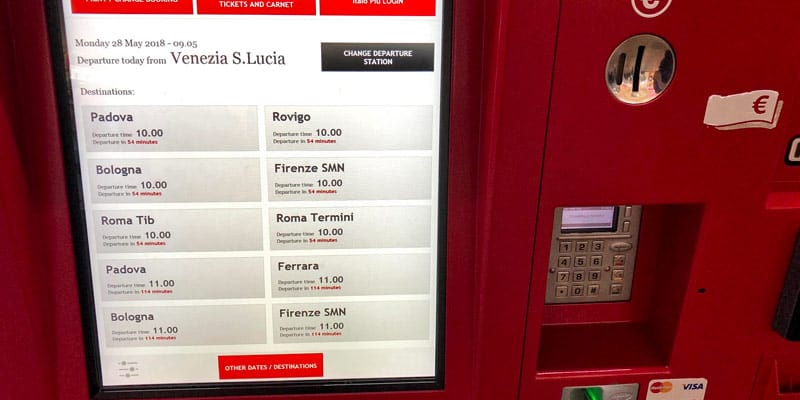
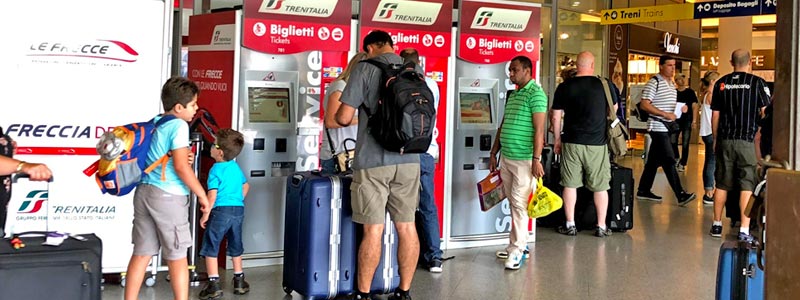
- At the Station: Tickets can be purchased directly at train stations from automated ticket machines (which usually offer English language options) or manned ticket windows. This is ideal for fixed-price regional tickets or when dealing with complex last-minute changes, though queues at ticket windows can be long.
- Eastern European Nuances: In some Eastern European countries, online booking infrastructure may be less developed, making in-person purchase at the station or through a local travel agent the primary method for acquiring tickets.
Booking Strategy and Ticket Delivery:
For high-speed trains, booking 60-90 days in advance is generally recommended to access the most competitive fares. As an illustration, a high-speed journey from Paris to Amsterdam might cost €35-€50 if booked several weeks ahead, but could easily escalate to €100-€150 or more for a last-minute purchase. This strategy, however, necessitates a less flexible itinerary.
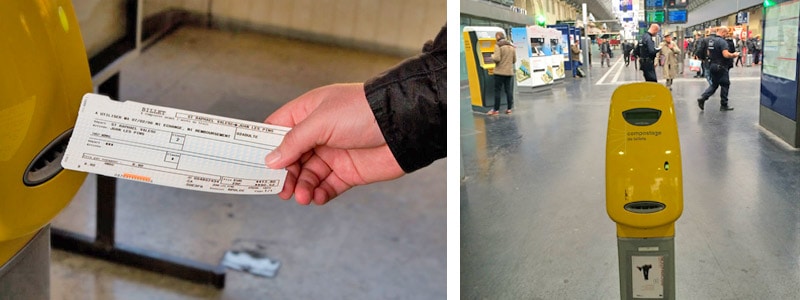
Most train tickets are now delivered electronically via email as PDFs or directly to mobile apps, which can be presented on a smartphone. Some operators still offer print-at-home options or require physical ticket collection from station machines, particularly for certain domestic routes or special passes. Validation of physical tickets (stamping them with the date and time at small machines near platform entrances) is crucial to avoid fines, though e-tickets are typically pre-validated for a specific departure time.
The Role of Rail Passes: Flexibility vs. Cost Efficiency
For travelers planning extensive multi-country itineraries, rail passes like the Eurail Pass (for non-European residents) or Interrail Pass (for European residents) offer a compelling alternative to individual tickets.
Types of Rail Passes:
- Global Pass: Allows travel across multiple countries within a specified period.
- One Country Pass: Restricted to travel within a single nation.
- Flexi Pass: Offers a set number of travel days within a longer validity period, providing flexibility.
- Continuous Pass: Allows unlimited travel for a continuous duration (e.g., 15 days, 1 month).
Advantages of Rail Passes:
- Unparalleled Flexibility: The primary benefit is the freedom to travel spontaneously without booking individual tickets in advance, allowing for itinerary changes on the fly.
- Simplicity: A single pass covers multiple journeys, streamlining the ticketing process.
- Cost Savings (for extensive travel): For travelers undertaking frequent long-distance journeys, especially high-speed routes, a pass can offer significant savings compared to purchasing numerous individual variable-price tickets.
- Bonus Benefits: Many passes come with additional perks, such as discounts on ferries, buses, or accommodation.
Disadvantages of Rail Passes:
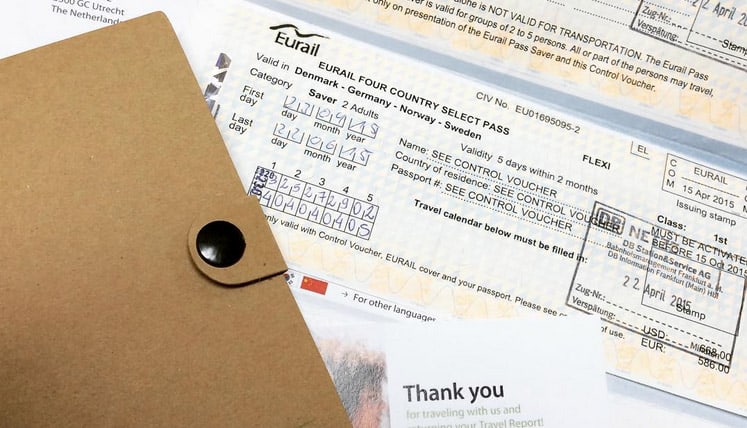
- Reservation Fees: Crucially, a rail pass does not exempt travelers from mandatory seat reservation fees on high-speed, overnight, or popular scenic trains. These fees, which can range from €5 to €35 per journey, can accumulate and diminish the pass’s overall value.
- Not Always Cost-Effective: For short trips, travel within a single country with fixed-price fares, or if planned well in advance, individual point-to-point tickets might be cheaper than a pass.
- Activation and Daily Logging: Passes require activation and careful logging of travel days, which can be a minor administrative burden.
Navigating European Train Stations: A Practical Handbook
European train stations are bustling hubs, often serving as architectural landmarks and commercial centers within cities. Their size and complexity can initially be daunting, but a systematic approach ensures smooth transit.
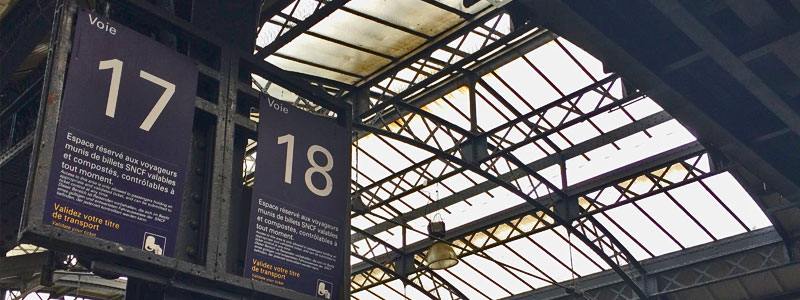
- Station Identification: Many major European cities have multiple train stations (e.g., Paris has six, Brussels has three key stations). Travelers must verify the correct departure or arrival station to avoid confusion.
- Layout and Amenities: Stations range from grand historic terminals to modern, sleek complexes. Most offer a full range of services including ticket machines, information desks, restrooms (sometimes requiring a small fee), luggage lockers, cafes, restaurants, and retail outlets. Signage is typically multilingual, often including English.
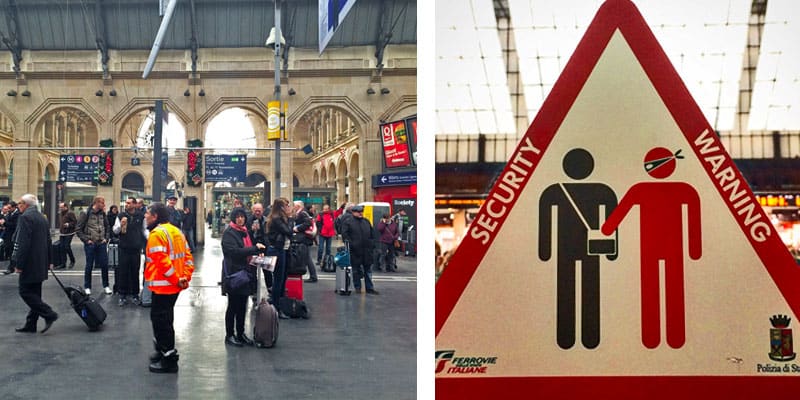
- Safety and Security: Due to their busy nature and concentration of tourists, train stations are common targets for pickpockets and petty scammers. Travelers should maintain vigilance over their belongings and be wary of overly "helpful" strangers offering assistance with ticket machines or luggage.
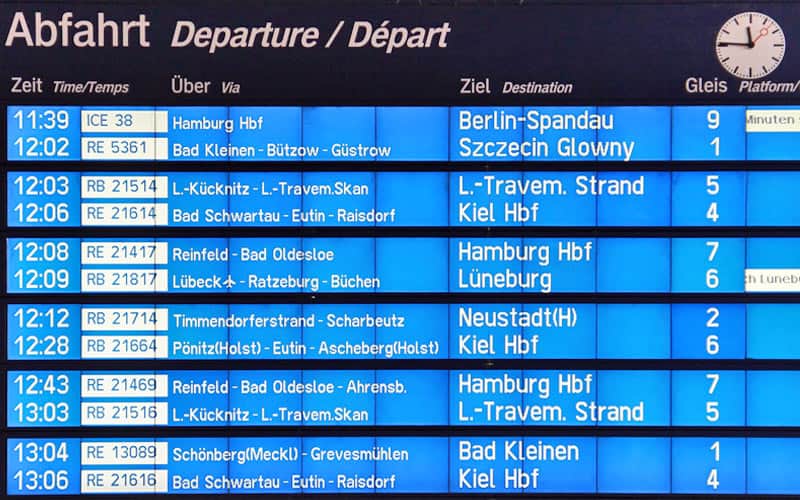
- Departure Boards: The central departure board is the traveler’s most important resource. It displays train numbers, departure times, destinations, and crucially, platform numbers. It is common for platform information to be displayed only 10-15 minutes before departure, necessitating close attention to these dynamic displays.
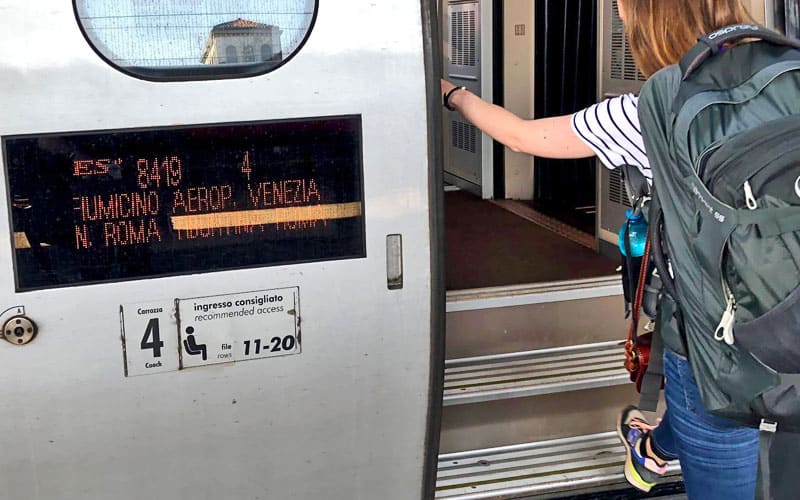
- Platform Identification and Boarding: Once the platform is announced, travelers should proceed promptly. European trains operate on tight schedules, often pausing for only a few minutes. Car numbers are typically displayed on the side of each train carriage, allowing passengers with assigned seats to board directly into their designated car, simplifying the process.
The Onboard Experience: Comfort and Customs

Once on board, the European train experience unfolds with a characteristic blend of comfort and routine.
- Seating and Luggage Storage: Travelers with assigned seats should locate their designated carriage and seat number, usually indicated on the ticket and above the seats. On open-seating regional trains, any available seat can be taken. Luggage racks above seats accommodate smaller items, while larger suitcases are typically stored in dedicated areas at the end of each carriage.
- Ticket Checks and Border Controls: Conductors typically check tickets shortly after departure. On international routes, especially those crossing external Schengen borders, border patrol officers may board to check passports, though this is less common within the Schengen Area.
- Onboard Amenities: Many trains offer catering services, ranging from snack carts to full dining cars. Wi-Fi availability varies by operator and train type, and its reliability can be inconsistent. The relaxed atmosphere often permits picnicking and enjoying alcoholic beverages purchased beforehand.
- Disembarkation: Identifying the correct stop can sometimes be challenging due to similar station names (e.g., "Brussels Nord" before "Brussels Centrale"). Announcements are made, but checking a map or a train schedule application can help ensure travelers alight at their intended destination.
The Broader Landscape: Policy, Sustainability, and Future Outlook

The European rail network is not static; it is a dynamic system continuously shaped by policy, technological advancements, and shifting environmental priorities. The European Union’s "Green Deal" initiative places rail at the forefront of efforts to decarbonize transport, aiming for a significant modal shift from air and road to rail. This commitment translates into substantial investments in infrastructure, including the expansion of high-speed networks and the modernization of existing lines.
National rail operators, in conjunction with the EU, are working to improve cross-border ticketing and information systems to make international train travel even more seamless. Initiatives like the proposed "Digital European Railway" aim to enhance interoperability and efficiency. Challenges remain, including the need for continued investment to upgrade older infrastructure, addressing capacity constraints on popular routes, and fostering greater competition to drive down fares where possible.

Ultimately, train travel in Europe offers a compelling, efficient, and culturally rich way to explore the continent. Its blend of practical advantages, scenic beauty, and increasing alignment with sustainable travel goals ensures its enduring prominence as a preferred mode of transport for millions of global travelers.