Navigating Fiordland’s Great Walks: A Three-Day Guided Immersion from the Heart of Te Anau

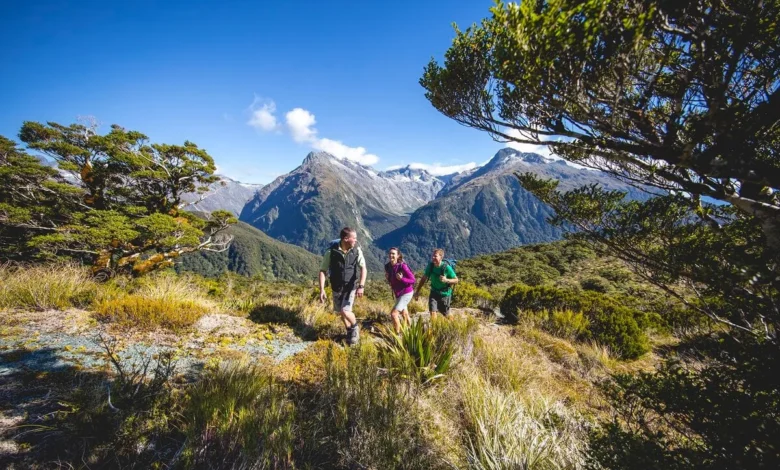
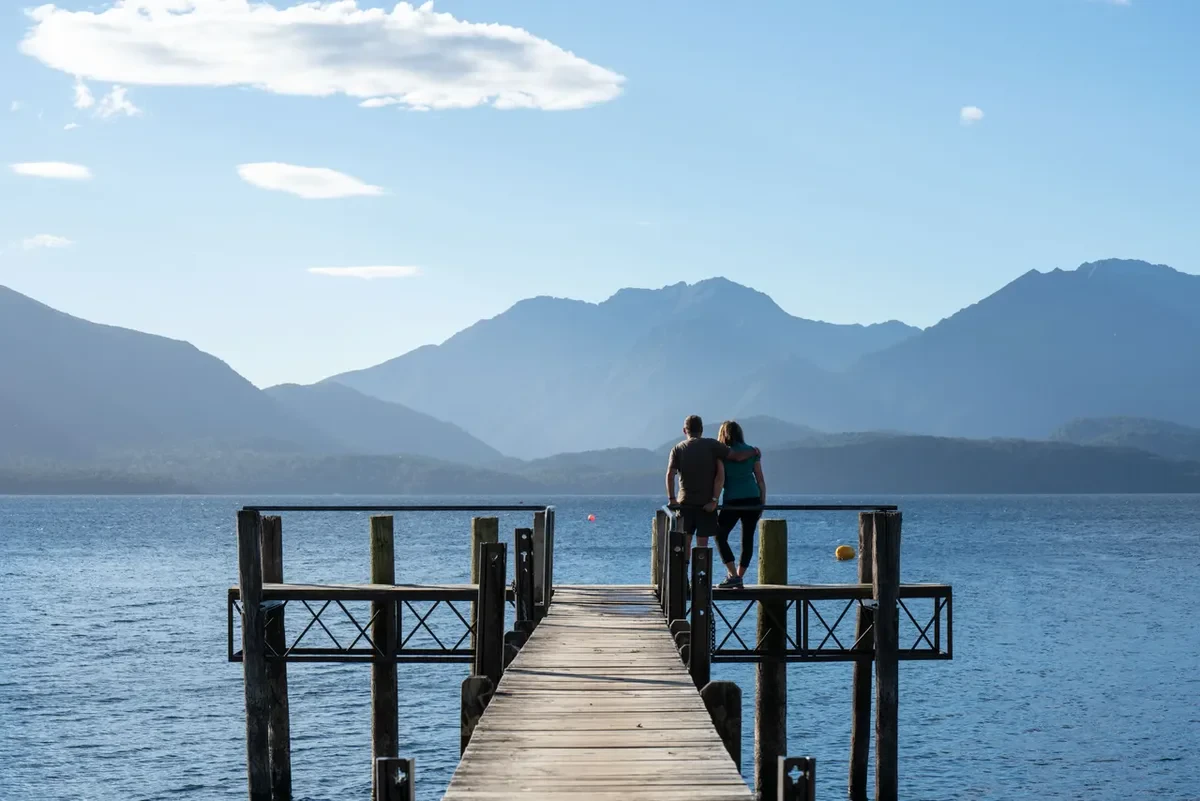
The journey into Fiordland National Park is heralded not by a specific landmark, but by an palpable shift in the environment itself. As one approaches Te Anau, the air cools, the vast southern landscape begins to fold into imposing mountains, and the expansive, deep waters of Lake Te Anau appear, stretching like a liquid mirror beside the road. This transition marks the gateway to Te Wāhipounamu – South West New Zealand, a UNESCO World Heritage Area renowned for its spectacular fjords, pristine rainforests, and glacial-carved valleys. Within this dramatic setting, a three-day guided expedition offers an expertly curated experience of three of New Zealand’s most celebrated Great Walks: the Kepler, Milford, and Routeburn Tracks, all anchored by the tranquil lakeside town of Te Anau. This structured yet deeply immersive itinerary is designed to allow visitors to fully engage with the rhythms of the landscape, returning each evening to the comfort of a local community rather than traversing a demanding backcountry schedule.
Fiordland National Park: A World Heritage Tapestry
Fiordland National Park, encompassing over 1.2 million hectares, is the largest national park in New Zealand and a cornerstone of the Te Wāhipounamu World Heritage Site. This region is a testament to the immense power of glaciation, featuring fourteen fjords, ancient beech forests, and a unique array of flora and fauna, many of which are endemic. The park receives an exceptionally high annual rainfall, contributing to its lush, verdant character and the countless temporary waterfalls that cascade down steep cliffs, creating a dynamic and ever-changing landscape. The Department of Conservation (DOC) manages the Great Walks, which are New Zealand’s premier multi-day hiking trails, known for their well-maintained paths, stunning scenery, and network of huts. This guided three-day experience provides a unique opportunity to access highlights of these iconic trails without the logistical complexities and physical demands of undertaking the full multi-day hikes independently, catering to a broader range of visitors seeking an authentic wilderness encounter.
Te Anau: The Strategic Gateway to Fiordland’s Wilderness
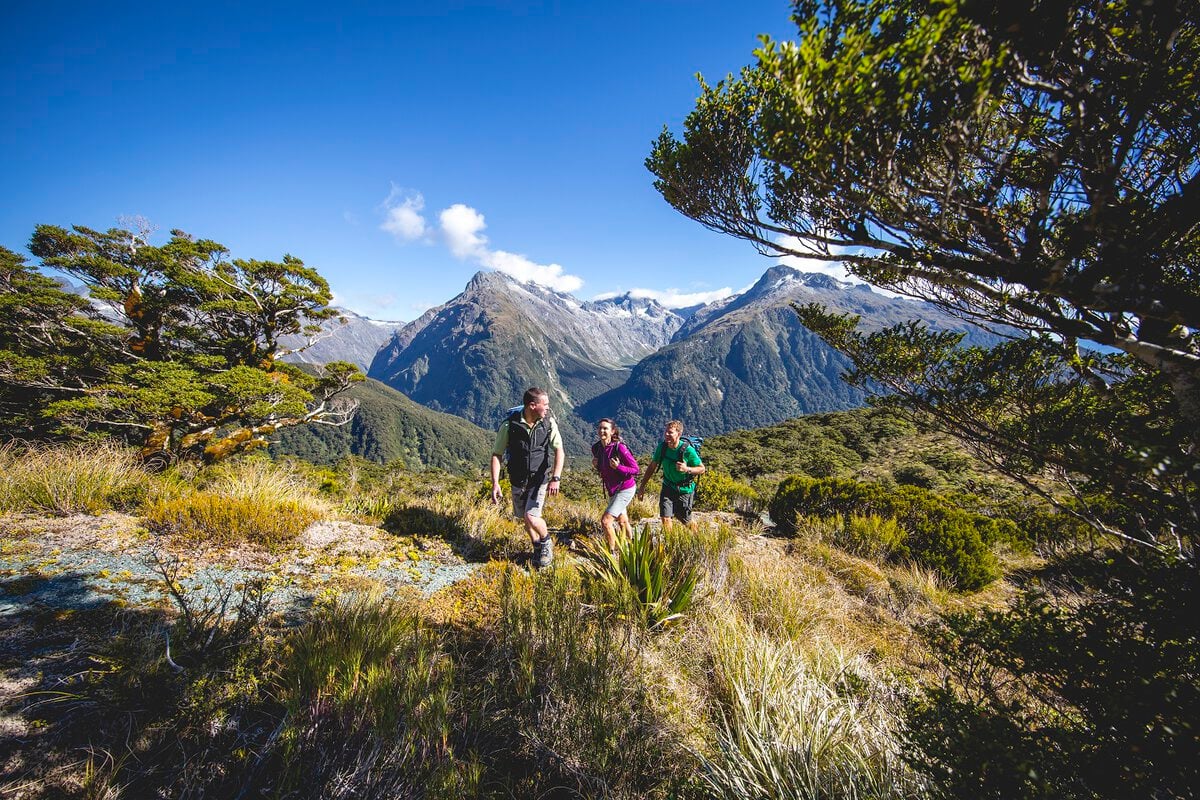
While Queenstown often serves as a primary hub for South Island tourism, Te Anau distinguishes itself as the optimal base for an in-depth exploration of Fiordland’s Great Walks. Situated directly on the eastern edge of the national park, Te Anau significantly reduces travel times to trailheads, allowing for earlier starts and more extensive exploration each day. This proximity is crucial for maximizing time on the tracks and minimizing transit fatigue. Beyond its geographical advantage, Te Anau offers a more intimate, local atmosphere compared to the bustling, larger tourist centers. Its relaxed pace and genuine community feel foster a deeper connection to the wilderness, allowing visitors to maintain the reflective mood of the mountains throughout their evenings.
Economically, basing an adventure in Te Anau directs visitor spending directly into a smaller, local economy, supporting the families and businesses that form the backbone of the region. This economic support is intrinsically linked to the ongoing conservation efforts that preserve Fiordland’s natural integrity. Local operators, deeply invested in the health of their environment, often contribute directly or indirectly to initiatives aimed at protecting the park’s fragile ecosystems and endangered species. This direct investment in the local community ensures that tourism benefits those who are stewards of the land, reinforcing a sustainable model for experiencing one of the world’s most precious natural environments.
The Immersive Itinerary: A Three-Day Journey into Nature’s Grandeur
This meticulously planned itinerary unfolds over three distinct days, each offering a unique facet of Fiordland’s diverse beauty, while ensuring a return to Te Anau each evening for comfort and rejuvenation.
Day 1: The Kepler Track’s Alpine Majesty
The first day introduces the Kepler Track, one of New Zealand’s most spectacular loop trails, designed specifically as a Great Walk. This day offers a choice between two distinct experiences, both designed to reveal Fiordland’s beauty progressively. One option involves a thrilling jet boat ride across Lake Te Anau to Brod Bay, followed by a hike through ancient beech forests. The alternative, and more dramatic, is a scenic helicopter flight over the Hidden Lakes and verdant forests, culminating in a landing at Luxmore Hut. From this vantage point, hikers have the option to ascend further towards Mt Luxmore for unparalleled alpine panoramas before beginning a descent through the Kepler Track’s rich forest to Brod Bay, where a water taxi awaits for the return to Te Anau.
Regardless of the chosen approach, the day is characterized by a gradual unveiling of Fiordland’s raw beauty. The soft light filtering through the dense canopy of beech trees, the serene lake edges, and the sweeping mountain vistas from higher altitudes provide a profound sense of scale and natural artistry. Local guides are instrumental on this day, interpreting the complex ecology of the region, sharing insights into its geological formation, and recounting historical narratives. They point out subtle details that an independent hiker might overlook – a rare bird, a unique plant, or evidence of past glacial activity – enriching the journey with context and deeper understanding. The hike from Luxmore Hut, largely downhill, spans over 8km and requires a medium-high fitness level, making it suitable for active individuals.
Day 2: Milford Sound’s Verdant Wilderness and Fiord Cruise
Day two is dedicated to the world-renowned Milford Sound and a section of the legendary Milford Track, often described as the "finest walk in the world." The adventure begins early, with a scenic coach journey along the iconic Milford Road, a route celebrated for its dramatic landscapes of towering mountains, U-shaped valleys, and countless waterfalls. This journey itself is an integral part of the experience, offering stops at picturesque locations such as Gertrude Valley, Lake Gunn, and Marian Gantry, allowing for short, interpretative walks with a local guide.
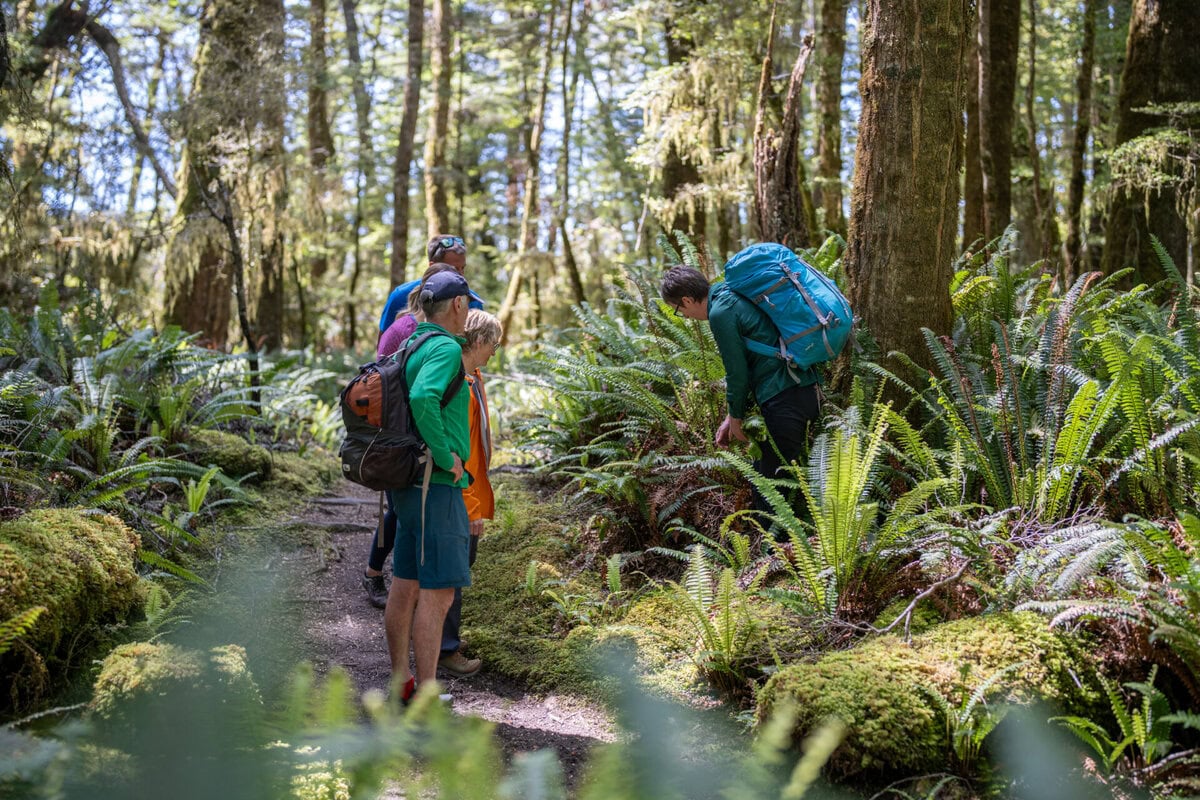
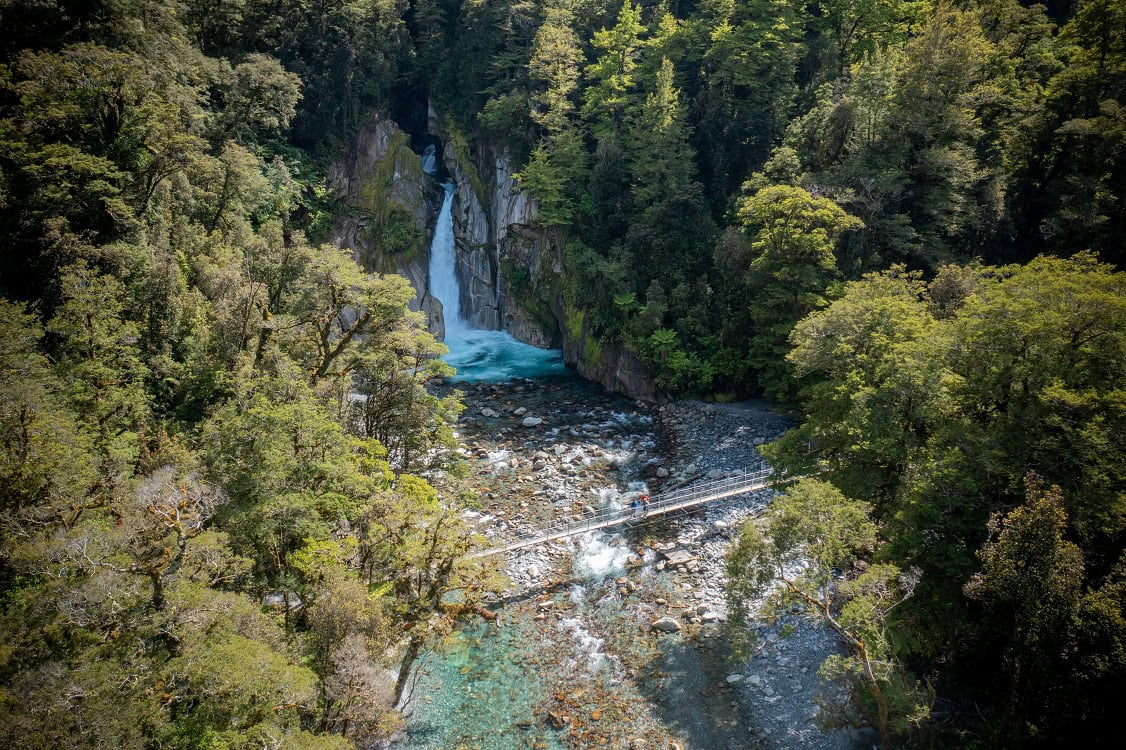
The walking component on the Milford Track is a half-day immersion into a world of lush rainforest, where moss-covered trees, giant ferns, and crystal-clear rivers dominate the sensory experience. Water is a constant companion here – falling from overhead canopies, flowing in vibrant streams alongside the track, and cascading down the steep mountain faces. Fiordland’s high rainfall is not merely a weather condition but a defining characteristic of its ecosystem, nourishing the vibrant green world and creating spectacular, ephemeral waterfalls that enhance the dramatic scenery. The air is alive with birdsong, and the forest resonates with its own unique symphony, particularly when rain adds a deeper, more mystical quality to the surroundings. After the walk, a two-hour small boat cruise on Milford Sound provides a well-earned respite. From the comfort of both indoor seating and open-air decks, guests can marvel at the sheer cliffs, permanent and temporary waterfalls, and the dense rainforest stretching down to the water’s edge, all while cruising out towards the Tasman Sea. This combination of land and sea exploration offers a comprehensive perspective on Fiordland’s most famous fjord.
Day 3: The Routeburn Track’s Panoramic Peaks
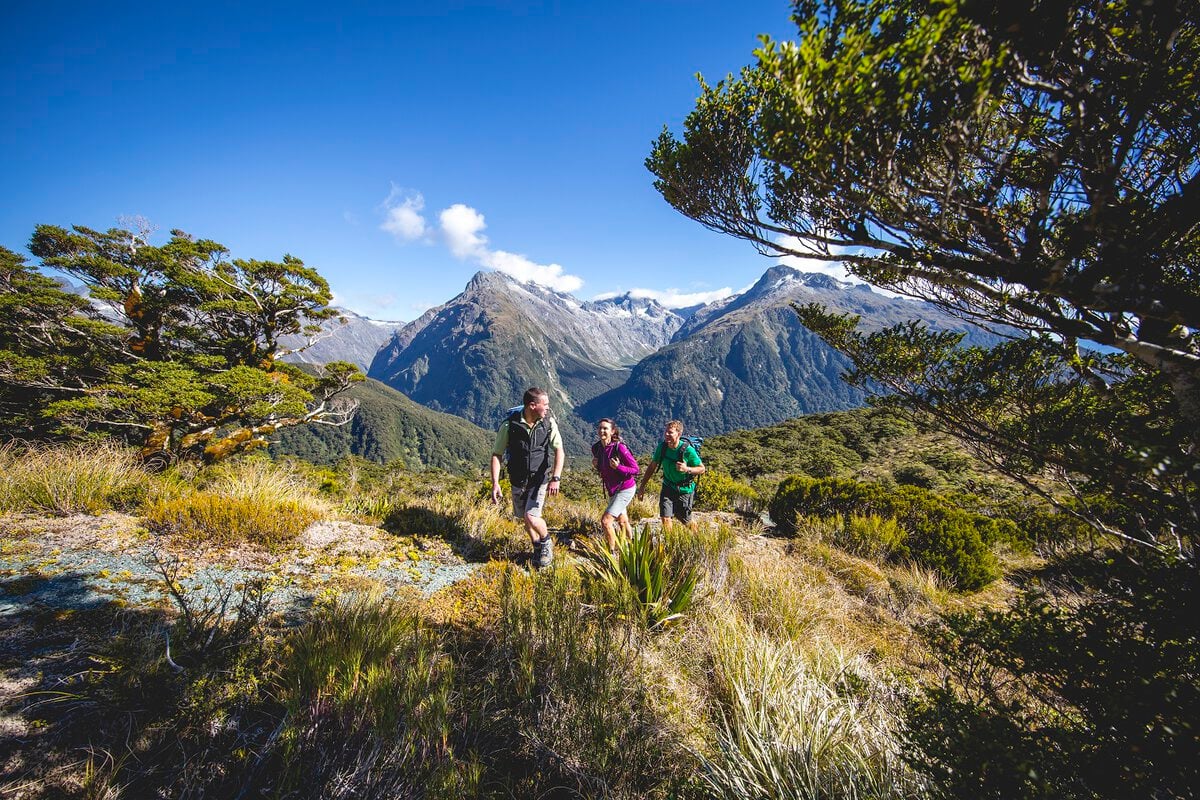
The final day delivers a powerful climax to the expedition with an exploration of the Routeburn Track, another of New Zealand’s Great Walks known for its alpine grandeur. Starting from the Divide Shelter, the track initially winds through dense rainforest, providing a challenging but steady ascent. As the trail climbs, the forest canopy gradually gives way, and the track opens out into a breathtaking alpine environment. Here, the mountains are revealed in their full, unadorned majesty – wide, immediate, and utterly spectacular, with no visual clutter to diminish their impact.
The ascent, involving a 400m climb over an 8km return journey, is described as "steady, honest work" but is profoundly rewarding. It leads to alpine tarns (small mountain lakes) and panoramic views of Fiordland’s mountain divide. It is at this point that many visitors experience a profound connection with the landscape, the physical effort receding as the sheer scale and beauty of the surroundings take over. The experience often elicits a sense of quiet awe, a testament to the transformative power of such pristine wilderness. Small groups, typically no more than 12, are led by experienced guides, ensuring a personalized and safe experience, often enjoying lunch on the summit on clear days. Good fitness is required for this day, and it is not recommended for children under eight.
The Human Element: Expert Local Guiding and Manaakitanga
The seamless execution of such an ambitious itinerary hinges on the expertise of local guides. Beyond navigating track conditions, monitoring weather, and ensuring safety, these guides manage the intricate logistics that allow visitors to fully immerse themselves in the experience. They transform a challenging wilderness journey into an accessible and enriching adventure, freeing guests from the practicalities of planning and transport.
Operators like Fiordland Trips & Tramps embody the spirit of local guiding. Guides like Olivia Norris, who grew up in Te Anau with Fiordland as her backyard, bring a genuine passion and intimate knowledge of the region. Their guiding style is characterized by a deep curiosity, an evident love for the environment, and a warm, approachable demeanor. This approach aligns with the Māori concept of manaakitanga – hospitality, kindness, and profound care for others. Guests are not merely participants in a tour; they are welcomed into a place that the guides call home, sharing stories, history, and ecological insights that bring the landscape to life in a unique and personal way. This infectious enthusiasm fosters a sense of shared discovery and camaraderie among the group, often leading to lasting connections.
Sustainable Tourism and Community Impact
This guided experience exemplifies a model of sustainable tourism that benefits both visitors and the local community. By operating out of Te Anau and utilizing local guides and services, the economic footprint is concentrated within the region that directly stewards the park. This supports local employment, infrastructure, and conservation initiatives. The emphasis on small group sizes and guided exploration also promotes responsible tourism practices, minimizing environmental impact and fostering a deeper appreciation for the delicate ecosystems of Fiordland. For many, the journey extends beyond three days of hiking; it opens a new chapter in their understanding of their own capabilities and a deeper connection to the natural world, often inspiring future independent explorations of New Zealand’s vast wilderness.
Practical Considerations for Aspiring Adventurers
For those contemplating this remarkable journey, several practical aspects warrant attention:
Getting There: Te Anau serves as the exclusive starting point for the three-day experience. It is approximately a two-and-a-half-hour drive from Queenstown via State Highway 94. For those without personal transport, various shuttle services operate daily between Queenstown and Te Anau, ensuring convenient access.
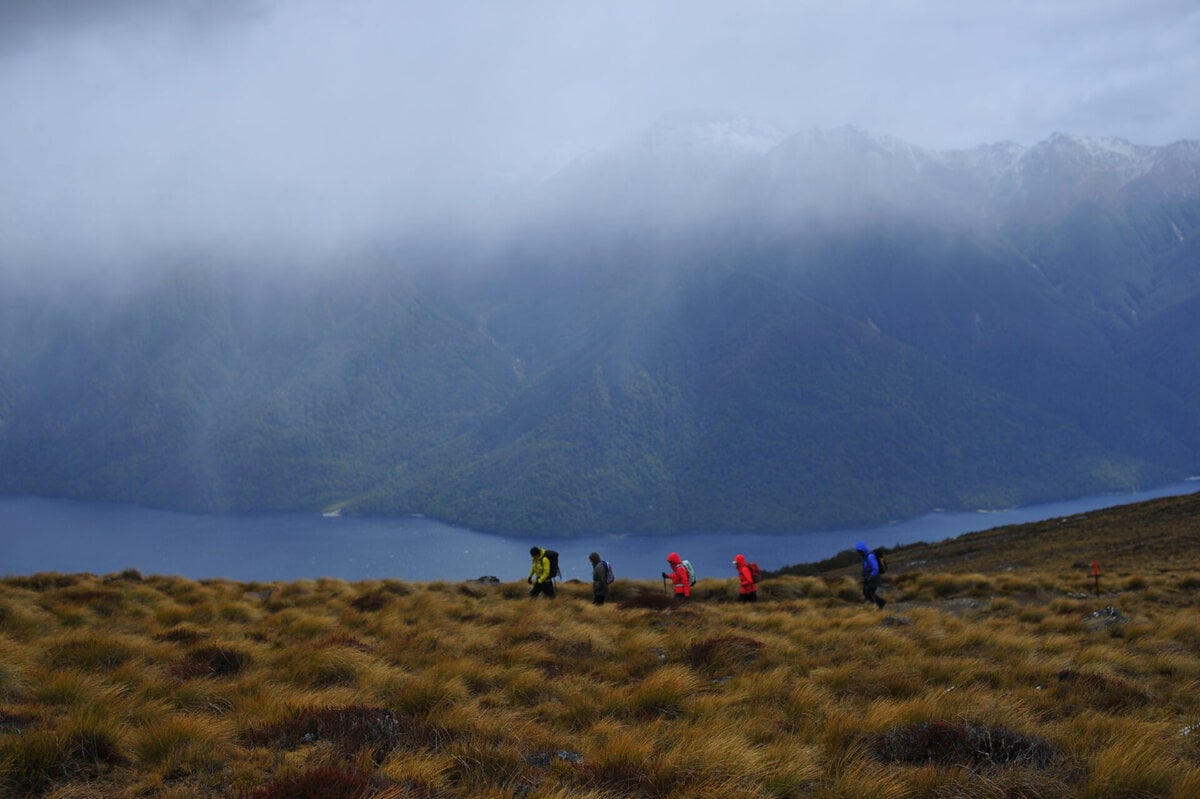
Fitness and Preparation: The trip is designed for active recreational walkers, not necessarily seasoned mountaineers. Participants should be comfortable walking for several hours each day on uneven terrain, which may include hills and steps, and be prepared for changeable weather conditions. While not requiring extreme athleticism, a good baseline of physical fitness will significantly enhance enjoyment. The guided pace is deliberately steady, allowing ample time for photography, rest, and absorbing the scenery. A willingness to embrace Fiordland’s notoriously dynamic weather is key to a fulfilling experience.
What to Bring: Fiordland’s weather is famously unpredictable across all seasons, necessitating versatile packing. A high-quality waterproof jacket and trousers are essential, along with multiple warm layers that can be added or removed. Comfortable, well-broken-in walking boots with excellent grip are crucial for navigating potentially slippery or uneven sections of the tracks. A day pack, water bottle, snacks, sun protection (even on cloudy days), and any necessary personal medications should be included. A comprehensive packing list is provided to all guests prior to departure, simplifying preparation.
When to Go: The Fiordland Great Walk Package operates from November through April. Summer (December-February) offers longer daylight hours and a lively atmosphere. Autumn (March-April) is often considered ideal, with cooler, more settled weather, vibrant autumnal colours in some areas, and fewer crowds on the trails. Rainfall is a constant possibility throughout the year and is an intrinsic part of the Fiordland experience, contributing to its dramatic waterfalls and lush landscapes. As locals often say, "a wet day in Fiordland can still be a very good day in Fiordland."
Accommodation and Evenings: A significant advantage of this guided trip is the return to comfortable accommodation in Te Anau each evening. This eliminates the need for backcountry hut stays and the associated logistics, making the experience accessible to a wider demographic. Te Anau’s relaxed ambiance, combined with its range of dining options, provides the perfect environment for unwinding after a day on the trails, with the mountains often visible from various points around the town.
Frequently Asked Questions:
- Do I need previous Great Walk experience? No. The walks are suitable for fit recreational walkers. Guides adjust the pace and manage conditions, so prior Great Walk experience is not a prerequisite. Comfort with multi-hour walks on varied terrain is the most important factor.
- What happens if the weather is bad? Fiordland’s weather is renowned for its changeability. Guides are experienced in making real-time decisions, and routes can be adjusted for safety. Rain often enhances the dramatic beauty of the waterfalls and rainforests, providing a unique sensory experience.
- Is this suitable for solo travelers? Absolutely. Solo travelers frequently join these tours and find the small group dynamic fosters easy connections and a shared sense of accomplishment.
- How is this different from independent Great Walks? This guided trip offers a curated taste of three Great Walks without requiring a full multi-day commitment. All planning, transport, timing, and safety aspects are managed, allowing participants to focus solely on the experience. Local guides provide invaluable insights into the ecology, history, and culture that a trail map cannot convey.
- Can couples do this trip without it feeling like a large group tour? Yes. Group sizes are intentionally kept small to ensure a personal, rather than mass-market, experience. Couples will find ample space to enjoy their own journey within the supportive group setting.
- What should I do the day before? Arriving in Te Anau the day before allows time to settle in, organize gear, and acclimatize. An evening stroll along the lakefront, an early dinner, and a good night’s rest are highly recommended to prepare for the adventure ahead.
The three-day guided immersion from Te Anau offers more than just walks; it provides a profound engagement with one of the planet’s most magnificent natural landscapes, expertly facilitated by those who call it home. It is an experience that often leaves participants not just with tired legs and stunning memories, but with a newfound appreciation for their own capabilities and an enduring connection to the wild heart of New Zealand.