Uzbekistan, a pivotal crossroads of the ancient Silk Road, is rapidly emerging as a compelling destination for global travelers, offering a rich tapestry of history, breathtaking Islamic architecture, and vibrant cultural experiences. This detailed guide provides crucial insights and practical advice for visitors planning to explore this Central Asian gem, covering everything from logistics and cultural etiquette to itinerary planning and financial considerations, ensuring a well-prepared and enriching adventure.
Uzbekistan’s Growing Appeal and Accessibility
Contrary to lingering misconceptions, Uzbekistan is increasingly recognized as an accessible and welcoming destination, challenging outdated perceptions that often associate "Stan" countries with difficulty or danger. The nation has made significant strides in enhancing its tourism infrastructure and promoting a safe, hospitable environment for international visitors. Travel experts and official government advisories consistently highlight Uzbekistan as a low-risk country, characterized by minimal violent crime and a notably low incidence of street harassment. This robust safety profile, combined with affordable travel costs, makes it an attractive option even for less seasoned travelers.
The affordability of travel in Uzbekistan is a significant draw. Accommodation options, ranging from boutique guesthouses to international hotels, are available at competitive prices, with an average hotel night costing approximately $50. Local transportation via ride-hailing services like Yandex Go is remarkably inexpensive, typically between $2-3 for an intra-city journey. Dining out also remains budget-friendly, with a substantial dinner often costing $6-8. These favorable economics allow travelers greater flexibility in their choices, whether opting for more luxurious stays or premium train classes, without significantly impacting overall trip expenses. The growing presence of large senior tour groups from various Western countries—including Britain, America, France, and Italy—underscores the country’s perceived ease and safety, challenging the notion that it is exclusively for expert adventurers. This broad appeal reflects the smooth and well-managed travel experiences reported by a diverse range of visitors.
Navigating Transportation: Essential Preparations
Efficient inter-city travel is paramount for experiencing Uzbekistan’s dispersed historical sites, and the national rail network stands out as the most recommended mode of transport. High-speed Afrosiyab trains connect major cities like Tashkent, Samarkand, and Bukhara, offering a comfortable, fast, and economical journey. However, the popularity of these routes means that tickets, particularly for the high-speed services, sell out rapidly, often on the day they become available, typically 45-60 days in advance of the travel date.
Travelers are strongly advised to book train tickets well in advance. While direct booking through the official railway.uz website is possible, many international travelers opt to use Uzbek travel agencies like Orex CA, which, despite a markup (e.g., $40 for a ticket that might cost $17 directly), offer peace of mind by securing tickets promptly. For sold-out routes, agencies may sometimes hold blocks of tickets that are released closer to the departure date, making it worthwhile to maintain communication. Alternatives such as long-distance buses exist, but they are significantly slower; a two-hour high-speed train journey might translate into a five to seven-hour bus ride, depending on traffic. This disparity underscores the importance of securing train tickets for optimal travel efficiency.
Beyond inter-city transport, reliable local mobility is crucial. The Yandex Go application is the dominant ride-hailing service in Uzbekistan and other former Soviet republics, effectively replacing international services like Uber. Downloading and setting up Yandex Go prior to arrival is essential, as it requires a local or confirmed phone number for activation. This app facilitates inexpensive taxi rides, food delivery, and even parcel services. Even during early morning hours (e.g., 3:30 AM departures), Yandex drivers are readily available, typically arriving within minutes, except for brief delays immediately following train arrivals at stations due to high demand and intermittent phone signal.
A critical aspect of modern travel in Uzbekistan is ensuring continuous connectivity. The use of an eSIM (embedded SIM) is highly recommended for uninterrupted mobile data access. Providers like Holafly offer reliable service across major cities such as Tashkent, Samarkand, Bukhara, and Khiva. An active eSIM is invaluable for ordering Yandex taxis, navigating with Google Maps, translating local menus, and communicating via messaging apps like WhatsApp. Unlike many Western countries, free public Wi-Fi is not universally available or may require a local phone number for access, making a personal data plan indispensable. Holafly, for instance, offers a 1GB emergency data benefit in over 70 destinations, providing a safety net for unexpected travel disruptions.
Cultural Immersion and Respectful Travel
Understanding and adhering to local cultural norms, particularly regarding dress, is fundamental for a respectful and comfortable travel experience in Uzbekistan, a predominantly Muslim country. While headscarves are generally only required for women when visiting active mosques, a modest dress code is widely observed and appreciated in public. Uzbek women often dress stylishly but conservatively, favoring long, loose dresses, blazers, or wide-leg jeans, with shoulders, knees, and cleavage typically covered. Some also wear the hijab, while others adopt a Western style without hair covering, yet still maintain modesty.
Travelers are advised to pack clothing that covers the knees, shoulders, and décolletage. For women, knee-length dresses worn over leggings with a jacket or t-shirts with jeans are appropriate. In more modern cities like Tashkent, sleeveless dresses over cropped leggings might be acceptable, but generally, covering shoulders is preferred. Men are encouraged to wear long pants and avoid shorts or tank tops, and shirtless jogging is considered highly inappropriate. While some tourists might be observed dressing more revealingly, such attire can make them stand out negatively and may be perceived as disrespectful by locals.
Language can also present a barrier, as English is not as widely spoken as in many other global tourist destinations. Russian is often the prevalent second language, particularly among older generations or in rural areas, reflecting Uzbekistan’s historical ties to the Soviet Union. Locals may default to Russian, using terms like "spasibo" (thank you) instead of the Uzbek "rahmat." Learning a few basic Russian or Uzbek phrases—such as "yes," "no," "hello," "thank you," and numbers—can significantly enhance interactions and ease communication. In some cases, mutually intelligible languages like Farsi and Tajik can facilitate communication with local guides or fellow travelers from neighboring regions.
A peculiar aspect of local transport involves seatbelts. In many Yandex taxis, rear seatbelts may be inaccessible or covered, and some drivers may perceive a passenger’s use of a seatbelt as an insult to their driving skills. For solo travelers, sitting in the front seat, where working seatbelts are more consistently available, is a practical solution. For those prioritizing rear seatbelts, hiring a professional car service, while more expensive than Yandex, ensures adherence to safety standards and allows for explicit confirmation of functional seatbelts.
Deepening the Experience: Beyond Sightseeing
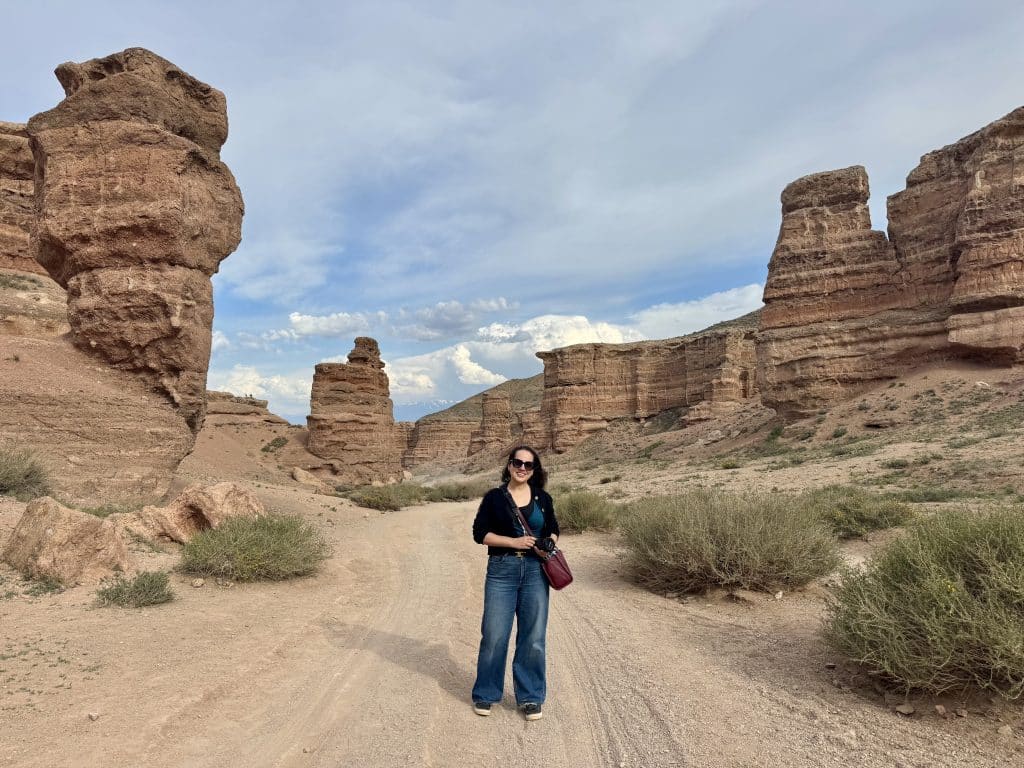
Uzbekistan offers more than just iconic architectural marvels; it provides profound opportunities for cultural immersion through traditional crafts and culinary exploration. Engaging in workshops allows travelers to connect deeply with the country’s artistic heritage and local artisans. CraftnCulture Uzbekistan, for instance, offers a wide array of workshops in Tashkent, Samarkand, and Bukhara, covering activities from plov-cooking and bread-making to pottery painting, mosaic creation, knife-crafting, and wood-carving.
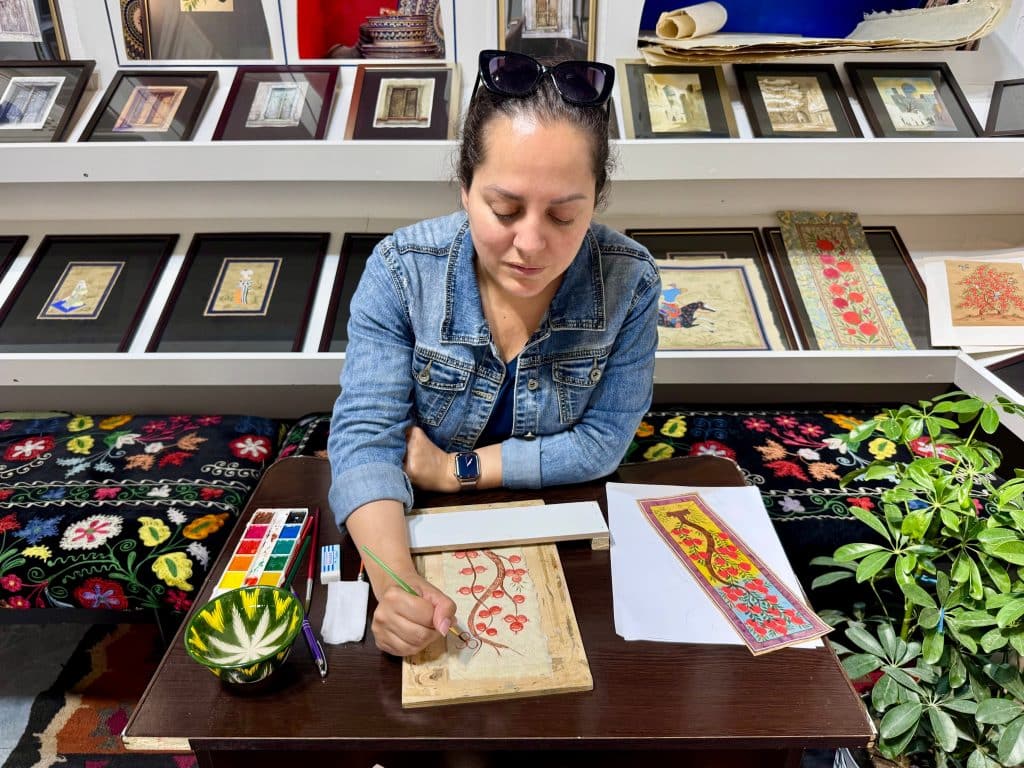
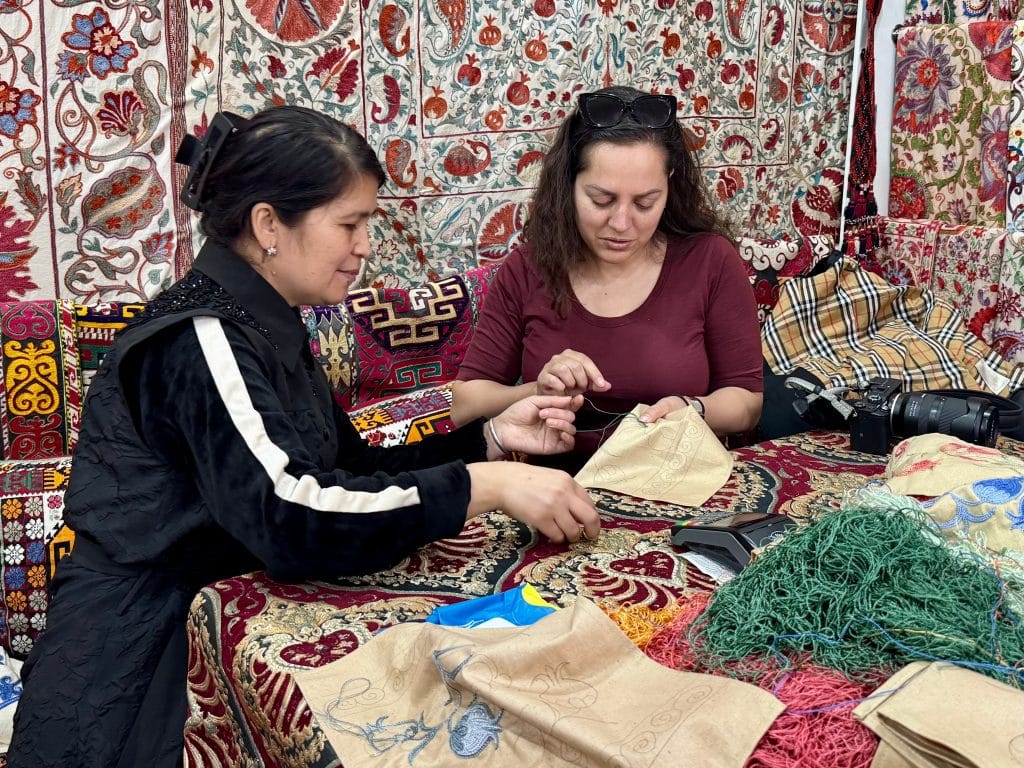
Participating in a Persian miniature painting workshop, guided by acclaimed artists like Rafael Toshev in Bukhara, offers a hands-on experience in a centuries-old art form. Learning to paint intricate designs with watercolors on delicate silk paper not only provides a unique souvenir but also fosters a personal connection with local artistic traditions. Similarly, a suzani embroidery workshop in Samarkand, led by master embroiderers like Feruza, introduces travelers to the detailed art of Uzbek stitching. These experiences highlight the importance of crafts in Uzbek culture, often passed down through generations, including to younger family members regardless of gender.
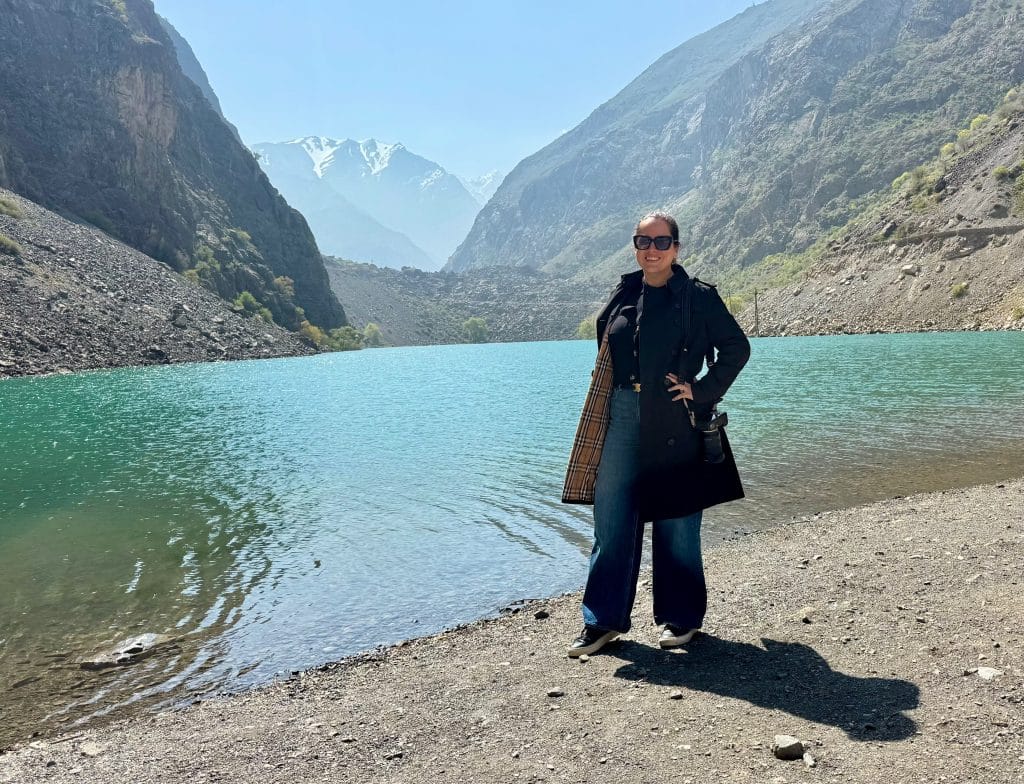
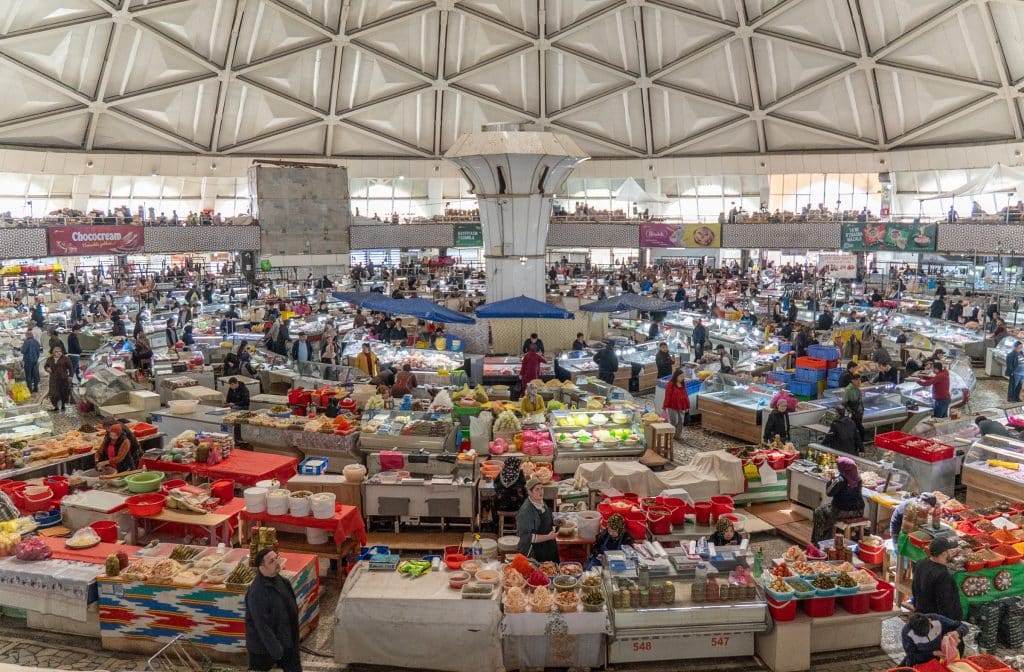
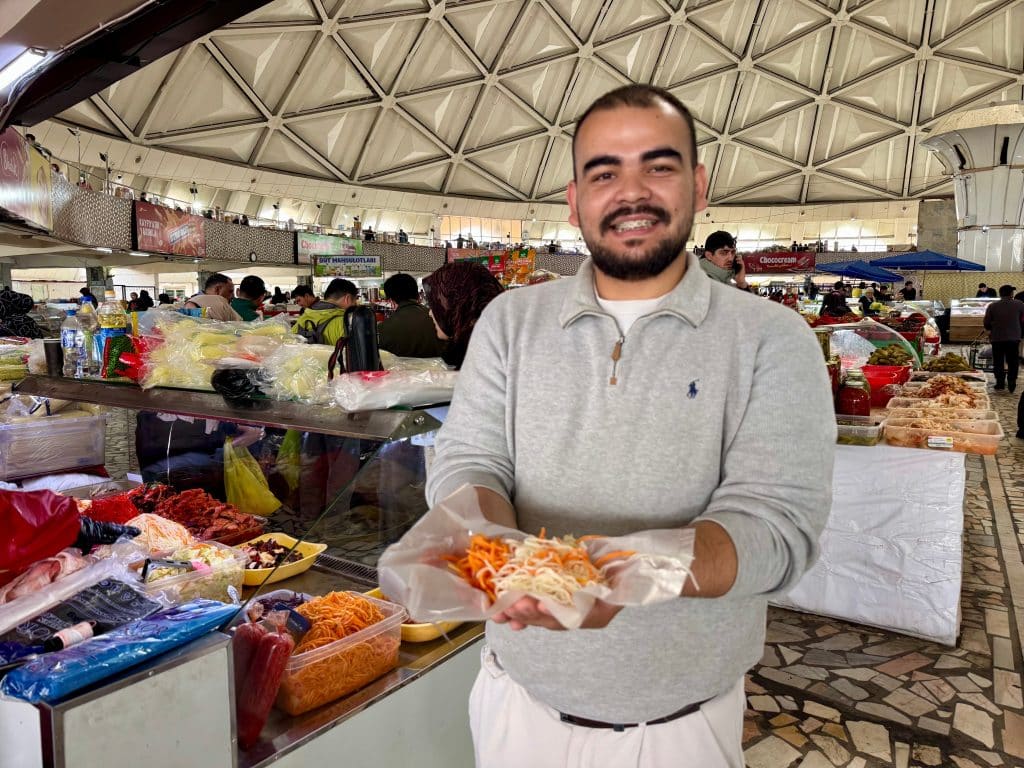
Culinary exploration extends beyond the ubiquitous and delicious plov, a rice dish with regional variations featuring meat, onions, carrots, and sometimes raisins or chickpeas. While plov is a must-try, the Uzbek culinary landscape is diverse. Shashlik, grilled meat kebabs, are a popular alternative, often served with a selection of meats and vegetables. Laghman, a noodle dish influenced by the Uyghur culture of western China, features thick, hand-pulled noodles typically served in a savory soup with meat. In Khiva, a local specialty is Shivit Oshi, dill-infused green noodles topped with beef and potatoes. For quick snacks, samsa, filled pastries often with meat, pumpkin, or potato and onion, are readily available and highly recommended. Food tours, such as those offered in Tashkent’s Chorsu Bazaar, provide an excellent introduction to local produce, regional specialties, and dining etiquette, like the traditional tea-serving custom.
Strategic Itinerary Planning: Cities and Regions
When planning an itinerary, it is crucial to consider the unique character and logistical demands of Uzbekistan’s primary cities.
Tashkent, the Capital Gateway: Often overlooked by tourists eager to reach the historical Silk Road cities, Tashkent, the capital, serves as an ideal entry point and cultural primer. A food and metro tour offers an unparalleled introduction, showcasing the city’s vibrant Chorsu Bazaar with its array of local foods and the stunning, artfully decorated metro stations, each a unique architectural marvel. Tashkent also provides modern amenities, green parks, and burgeoning coffee shop culture, offering a comfortable transition into Uzbek life. Skipping Tashkent would mean missing an important facet of modern Uzbekistan and its historical depth.
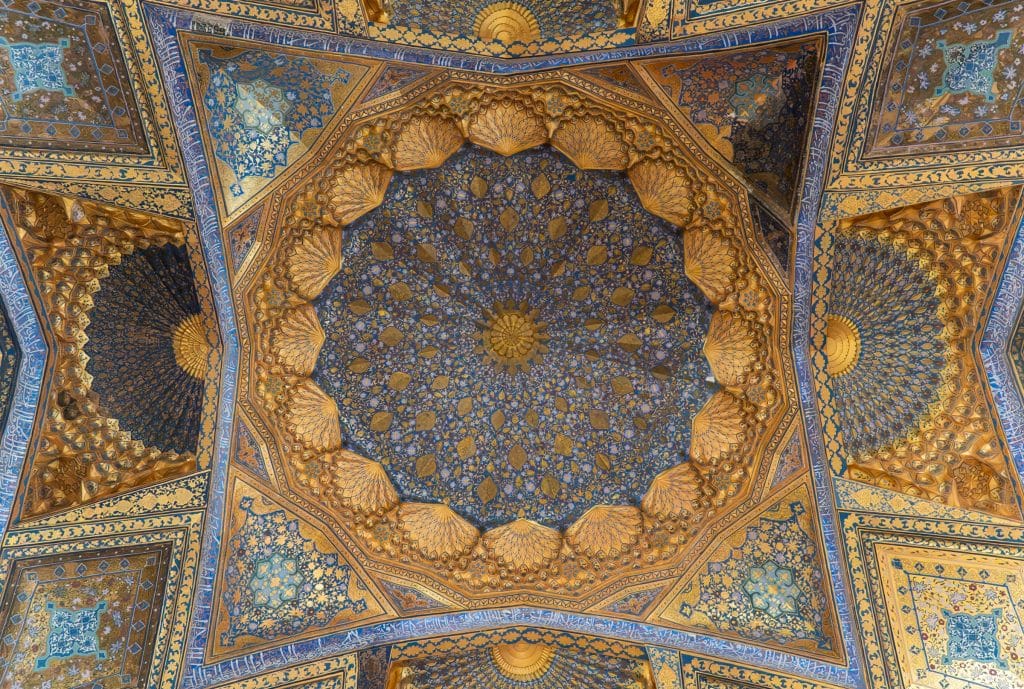
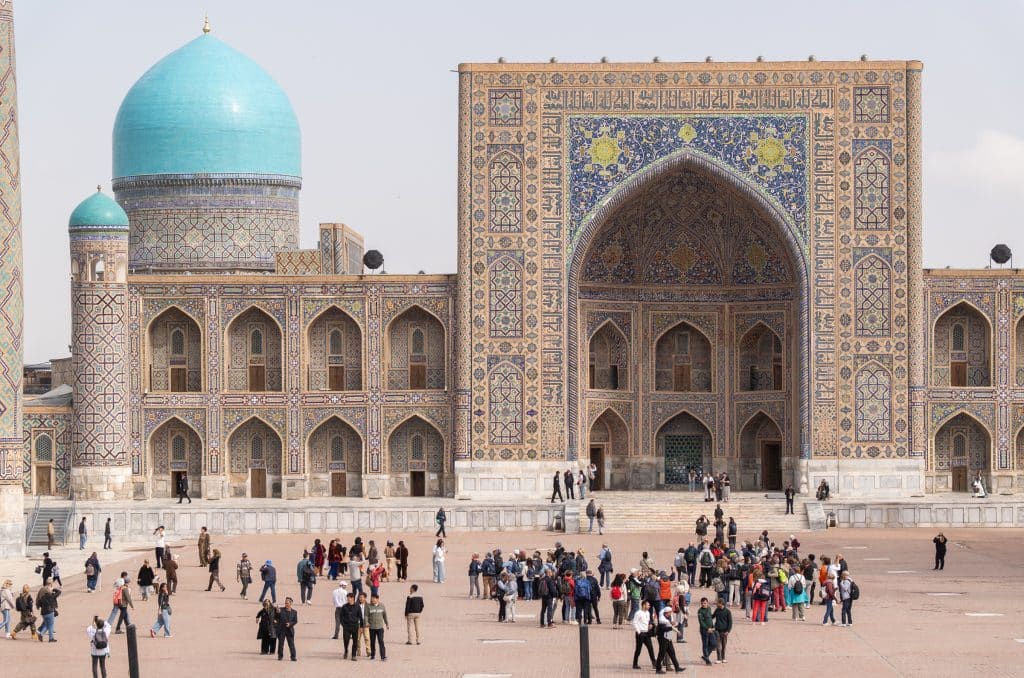
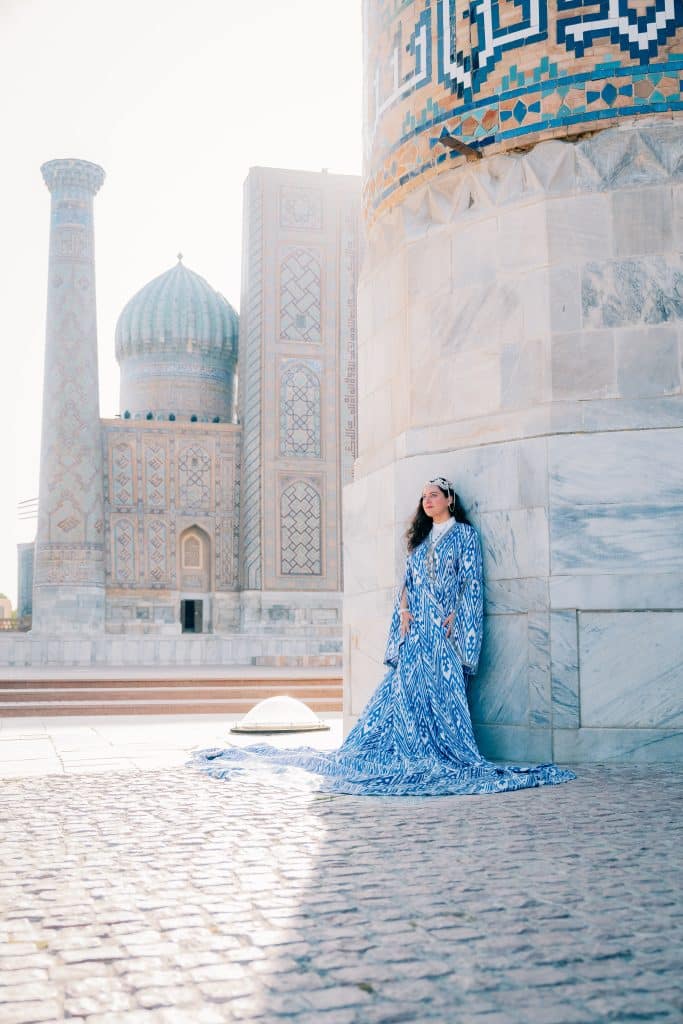
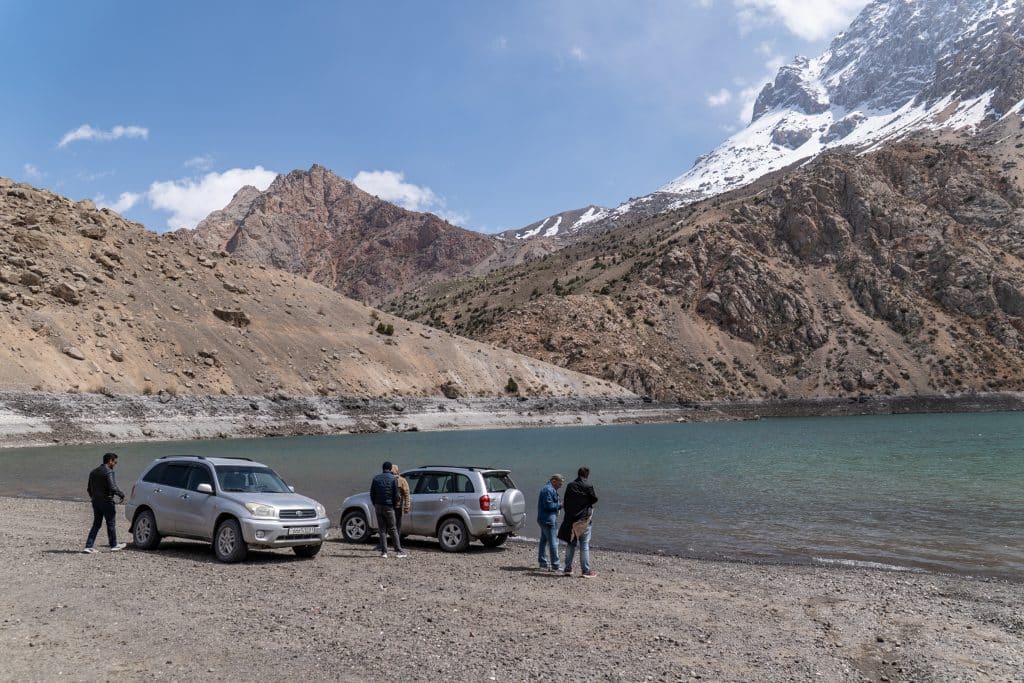
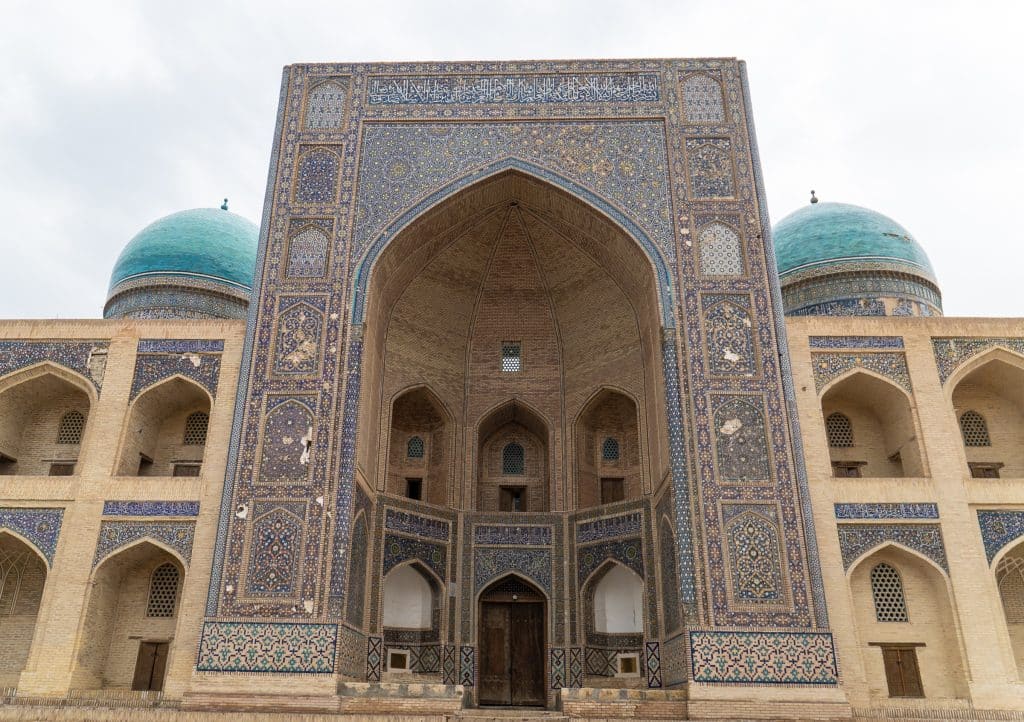
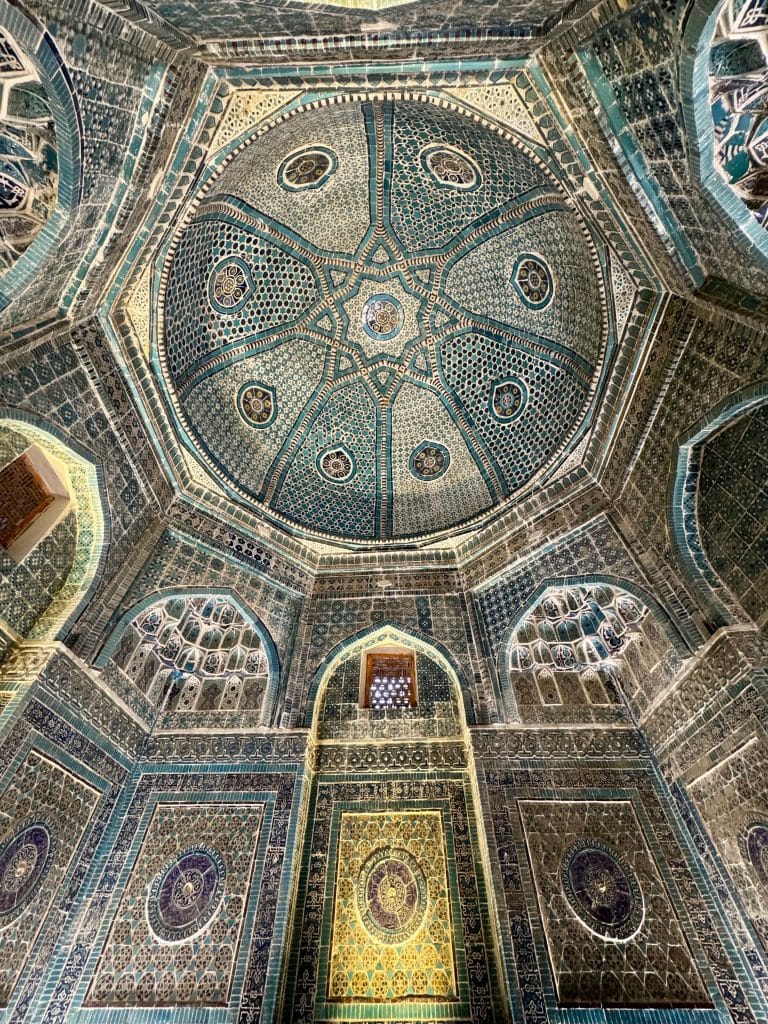
Samarkand, the Architectural Jewel: Samarkand is undeniably a highlight, boasting architectural masterpieces like the Registan Square and the Shah-i-Zinda Mausoleum complex, which captivate visitors with their turquoise mosaics and intricate tilework. These sites are essential viewing and represent the zenith of Timurid architecture. However, Samarkand is also highly touristy, often compared to Florence in its popularity, attracting both international and domestic visitors. This popularity can lead to crowds and a somewhat "theme park-like" atmosphere in the main historical zones. The city’s urban energy can also be intense, with considerable traffic and occasionally challenging dining options outside the main tourist circuits. A three-day visit, potentially including a day trip to nearby sites like Shahrisabz or a cross-border excursion to Tajikistan’s Seven Lakes and Sarazm ruins, is generally sufficient to experience Samarkand’s wonders without feeling overwhelmed by its bustling environment. Over-allocating time here at the expense of other cities might lead to a less balanced experience.
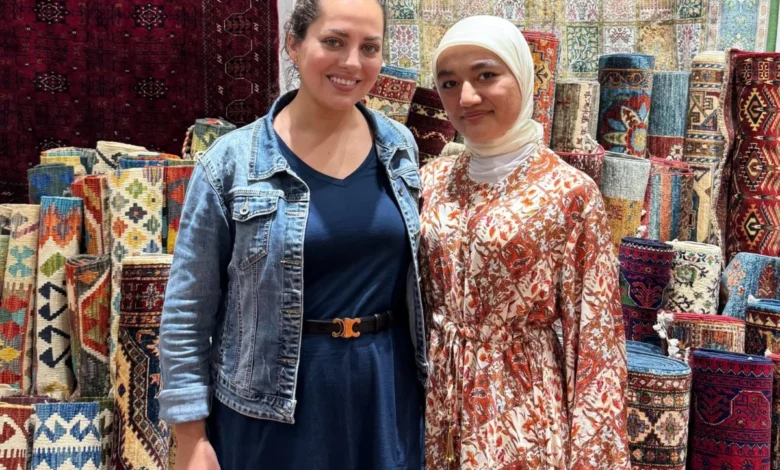
Bukhara, the Artisan Hub: Bukhara offers a distinctly different, more intimate atmosphere. It is renowned for its well-preserved old city, a UNESCO World Heritage site, and is arguably the best city for souvenir shopping. The quality of traditional crafts—including ikat silks, suzani embroidery, patterned pottery, miniature paintings, bread stamps, and even handcrafted knives—is exceptional. The city’s three historic trading domes, remnants of the ancient Silk Road bazaars, remain active marketplaces today, offering a unique shopping experience. Travelers are advised to save the majority of their souvenir budget for Bukhara, as it provides the widest selection and highest quality.
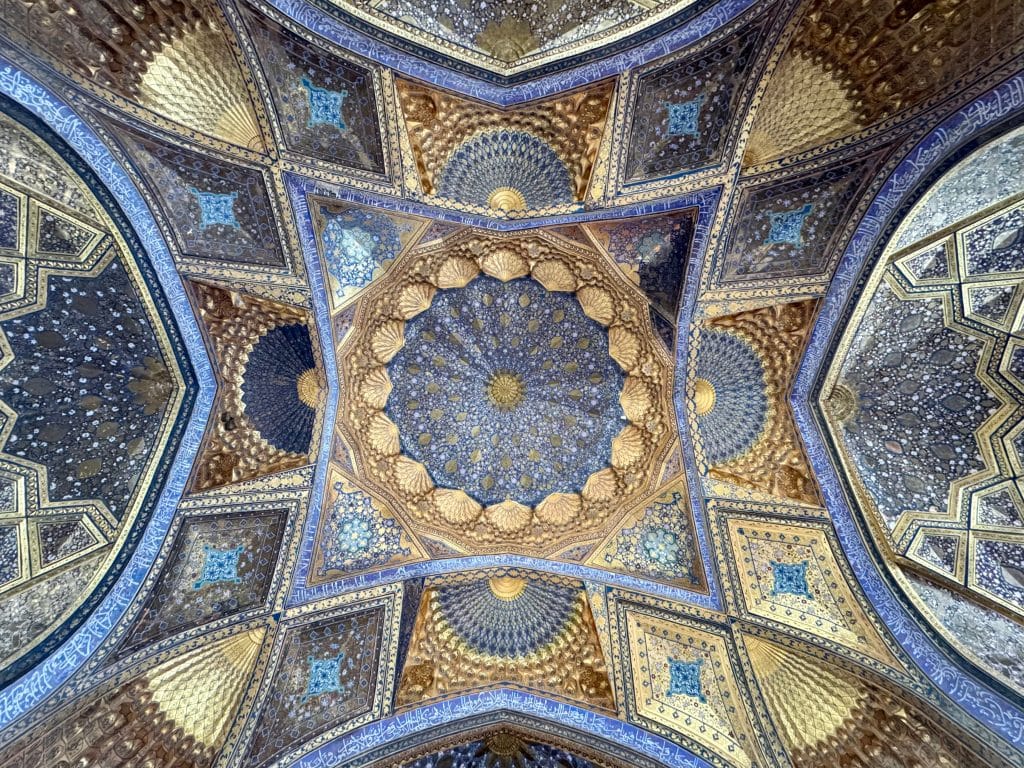
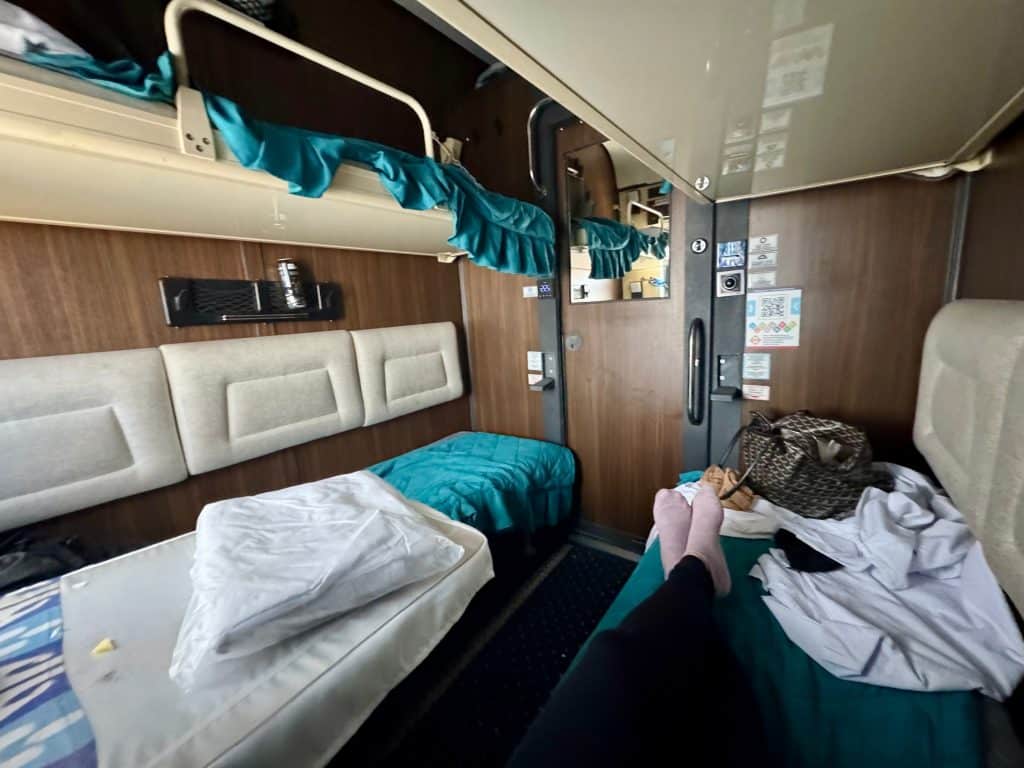
Khiva, the Desert Oasis: Though geographically more remote, Khiva is an unmissable destination. This stunning walled city, the Ichan Kala, truly evokes the feeling of an ancient Silk Road oasis in the heart of the desert. While a six-hour train ride from Bukhara or an 80-minute flight from Tashkent (to Urgench Airport, then a short transfer) may seem daunting, the journey is well worth it. Sleeper trains, offering comfort and scenic views across the desert, make the longer travel enjoyable. It’s important to acknowledge that the Ichan Kala is primarily geared towards tourism, so venturing beyond the walls is necessary to experience local life. Its unique visual appeal and UNESCO status distinguish it from other Uzbek cities. For the adventurous, onward travel to Nukus to explore the former Aral Sea region and its ship graveyards offers a stark, impactful experience.
Financial Considerations and Practicalities
While credit cards are widely accepted in many parts of the world, Uzbekistan remains largely a cash-based economy. Travelers should always carry a sufficient amount of local currency (Uzbek Som) for daily expenses, as even some hotels may require cash payments. ATMs, particularly those of Kapitalbank (distinguished by their yellow and black branding), are generally accessible and dispense local currency. However, it’s important to note that some ATMs are exclusively for Uzbek bank accounts. Due to the denomination of the Som, travelers may find themselves with a large volume of banknotes, similar to carrying a substantial sum in small dollar bills.
For international flights, especially when booking with Uzbekistan Airways, travelers may encounter difficulties using non-Uzbek credit cards directly. Many international cards, including American and European ones, are often not accepted through the airline’s direct booking portal. In such cases, booking through reputable online travel agencies (OTAs) like Expedia is a viable workaround, despite the general recommendation to book directly with airlines for greater flexibility in case of cancellations or changes. This strategy proved effective for domestic flights within Uzbekistan, such as from Urgench to Tashkent.
Optimal Travel Season and Regional Variations
The timing of a visit significantly impacts the travel experience in Uzbekistan. Spring (April-May) and Fall (September-October) are widely considered the ideal seasons. During these months, temperatures are pleasant, making sightseeing comfortable. The author’s April trip to Uzbekistan and Kazakhstan found generally lovely days, although Khiva, due to its desert location, already experienced midday temperatures of up to 90°F (32°C), necessitating indoor breaks during peak afternoon hours. Tashkent also recorded warm temperatures during this period.
Summers (June-August) can be intensely hot, particularly in the desert regions, potentially limiting outdoor activities to early mornings and late afternoons. Winters (November-March), while less crowded, can be cold and bleak, with some attractions possibly having reduced hours or accessibility. Therefore, avoiding summer travel is generally recommended unless it is the only feasible option, in which case a slower pace and strategic scheduling are advisable. It is also important to note that while this advice holds for Uzbekistan’s historical cities, high-altitude regions in neighboring Central Asian countries like Kyrgyzstan or Tajikistan (e.g., the Pamir Highway) are best visited during the summer months when they are most accessible.
Concluding Thoughts on a Rewarding Journey
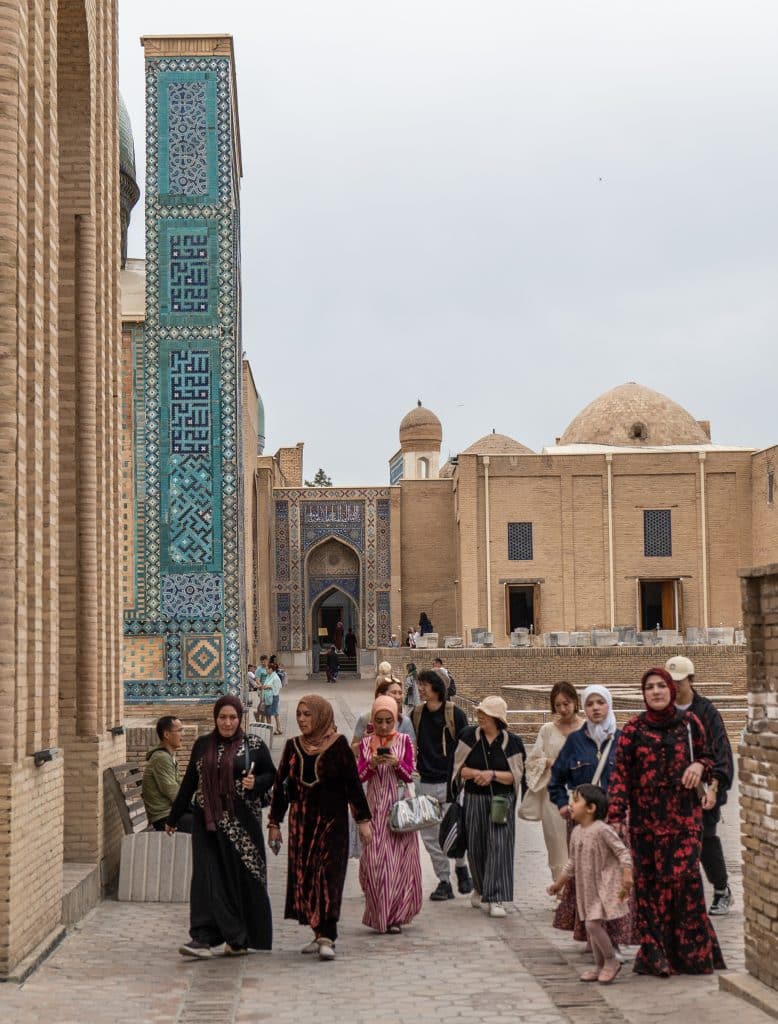
Uzbekistan presents an exceptionally rewarding travel experience for those who approach it with adequate preparation and an open mind. From navigating its efficient rail system and modern ride-hailing services to engaging with its rich cultural heritage through craft workshops and diverse cuisine, the country offers a blend of historical grandeur and contemporary convenience. By understanding and respecting local customs, planning transportation diligently, diversifying culinary choices, and strategically structuring itineraries, travelers can unlock the full potential of this captivating Central Asian nation. The country’s commitment to developing its tourism sector, evidenced by improved infrastructure and welcoming policies, positions Uzbekistan as a significant and increasingly popular destination on the global travel map.