Montana Nurse Displays Extraordinary Fortitude in Self-Rescue After Treacherous Trekking Pole Impalement on Granite Peak

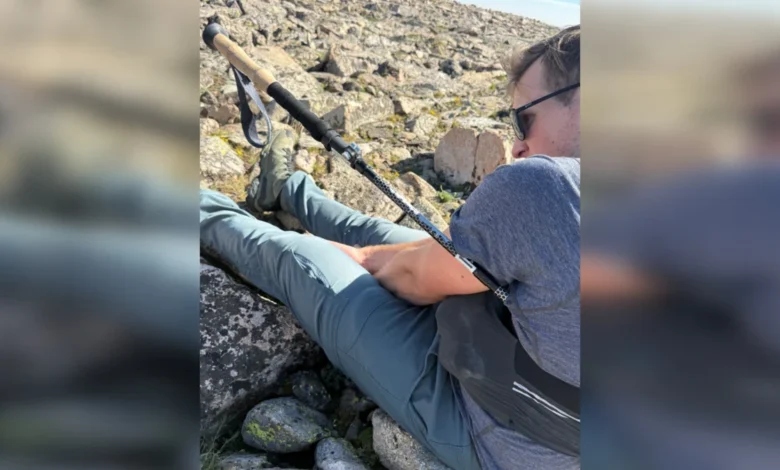
On July 20, 2026, David Cifaldi, a 32-year-old nurse from Billings, Montana, demonstrated remarkable resilience and professional acumen when he suffered a severe impalement injury from his own trekking pole while ascending Montana’s formidable Granite Peak. Approximately two miles shy of the 12,799-foot summit, a slip on a rock led to the catastrophic accident, driving a section of his trekking pole through his torso. Despite the gruesome nature of his injury, Cifaldi, supported by his hiking companions, embarked on an arduous 10-mile, six-hour self-rescue descent, ultimately reaching medical care and setting an extraordinary example of wilderness survival and calm under pressure.
The Incident: A Slip on Montana’s Highest Peak
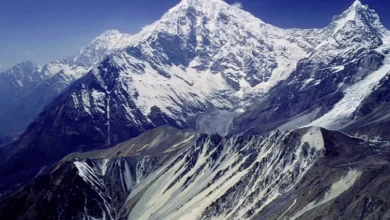
Granite Peak, the highest point in Montana, is renowned for its challenging terrain, unpredictable weather, and remote location within the Absaroka-Beartooth Wilderness. Its most popular route typically involves a demanding 24-mile out-and-back journey with nearly 8,000 feet of elevation gain, often requiring an overnight stay. However, Cifaldi and his friends, keen to capitalize on a brief weather window, had opted for an ambitious single-day attempt on July 20. The decision, while common among experienced peak baggers, significantly compressed the timeline for a climb notorious for its Class 3 and 4 scrambling, exposed sections, and vast boulder fields.
The accident occurred at an elevation of approximately 11,800 feet, where Cifaldi, navigating the rugged upper reaches of the mountain, lost his footing. "I just slipped on a rock," Cifaldi recounted, a simple misstep with profound consequences. In the immediate aftermath of the fall, as Cifaldi rolled over, he observed one of his trekking poles lying on the ground. It was then he realized the horrifying truth: the other pole was lodged firmly through his side. The shock of the realization was quickly tempered by his extensive medical training. "I think my nurse brain kicked on pretty quick," he explained, noting his ability to physically feel the pole beneath his skin, initiating an immediate, if rudimentary, self-assessment of the injury.
Immediate Response and Self-Assessment
Cifaldi’s background as an emergency room nurse, and currently in a wound care clinic, proved invaluable in the critical moments following the impalement. Rather than succumbing to panic, he took several deep breaths, systematically evaluating his condition. His primary concern was to ascertain whether the pole had penetrated his chest cavity or punctured a lung, injuries that would have far more immediate and life-threatening implications. Through careful self-palpation and observation, aided by his friends who swiftly photographed the wound for a clearer view, Cifaldi concluded with reasonable confidence that the injury was primarily to soft tissue. "I was pretty confident that it was a soft tissue injury," he stated, a crucial determination that informed his subsequent actions.
The decision of whether to attempt self-evacuation or await Search and Rescue (SAR) is paramount in such remote and dangerous environments. Cifaldi’s friends, acting promptly, utilized a Garmin GPS device to establish contact with SAR, relaying the details of the accident and Cifaldi’s condition. However, Cifaldi, having assessed his stability – he was able to stand, move around without dizziness or lightheadedness – was adamant about initiating a self-rescue. His confidence stemmed from his physical condition and his belief in his ability to continue moving. "At that point I was up moving around, walking a little bit, and I was pretty confident that I could keep moving," he explained. This determination, while bold, underscored his profound understanding of his own body and the logistical challenges of a high-altitude helicopter rescue, which could be complicated by weather or terrain.
The Perilous Descent: A Test of Endurance and Resolve
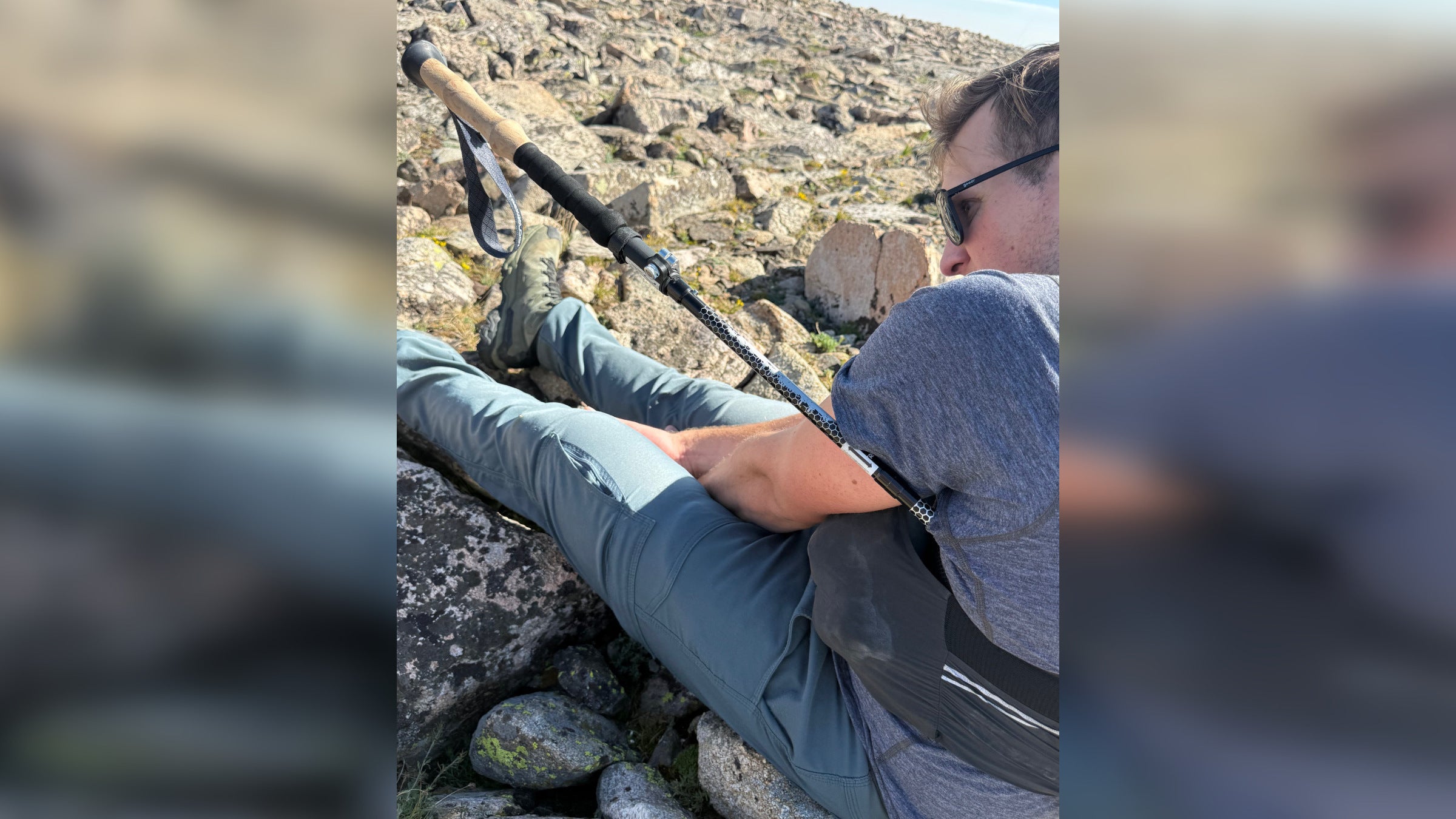
With the impaling trekking pole left in place – a critical first aid principle to prevent further internal damage and control bleeding – Cifaldi devised a makeshift sling using his running vest chest strap to stabilize the object. This improvised solution prevented the pole from shifting and exacerbating the injury during the arduous descent. His friends assumed strategic positions: one hiking ahead to scout the path and provide encouragement, the other behind, diligently monitoring Cifaldi for any signs of increased bleeding or deterioration. This coordinated effort transformed a dire situation into a calculated, albeit incredibly risky, extraction.
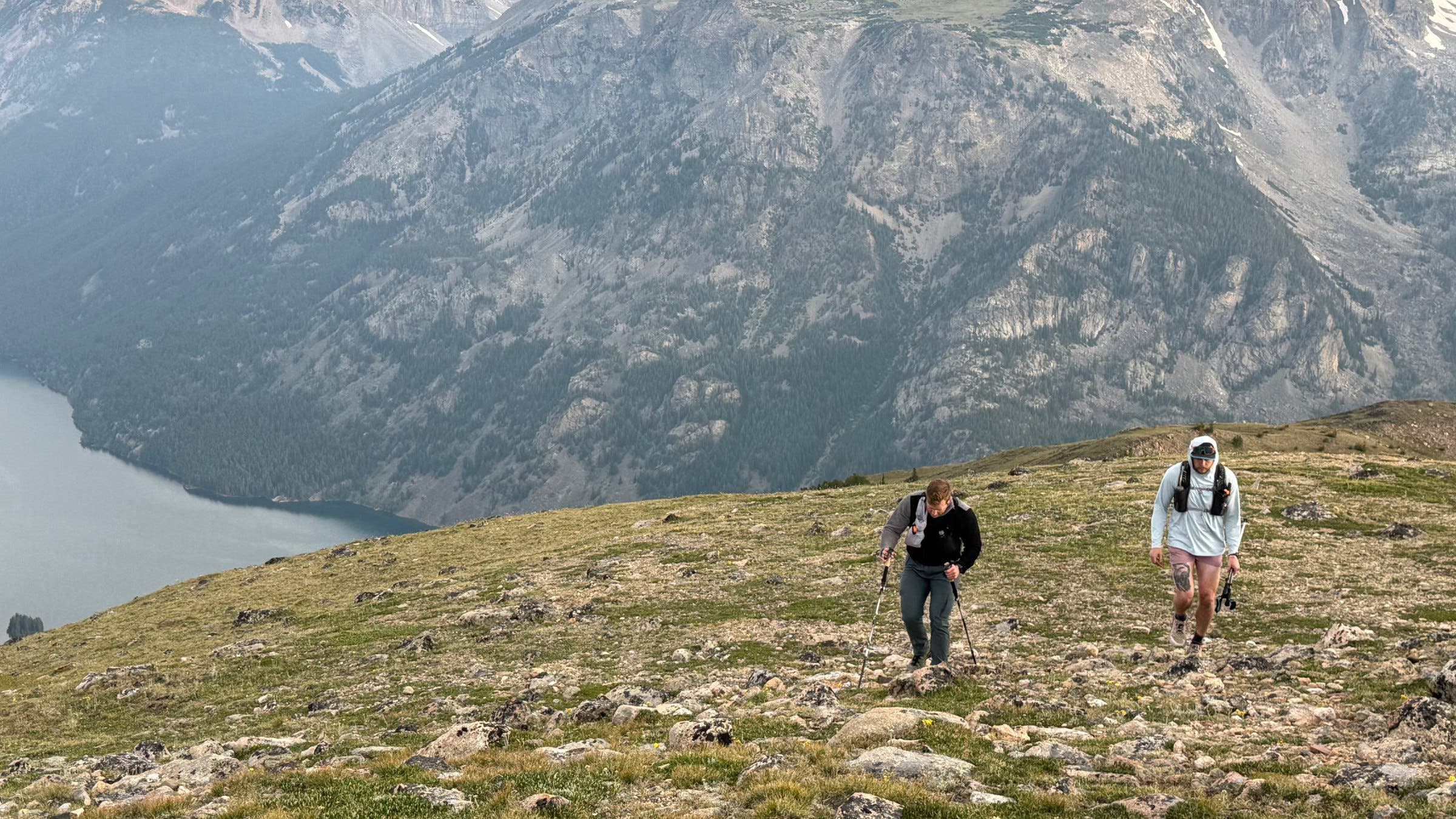
The journey back to the trailhead spanned ten miles and took approximately six grueling hours. The descent from Granite Peak is almost as challenging as the ascent, featuring a diverse array of difficult terrain. The trio navigated extensive snowfields, where careful foot placement was crucial to avoid further slips, and vast, unstable boulder fields that demanded constant vigilance. They also had to traverse a notorious section of the trail characterized by 36 switchbacks, a relentless series of turns designed to mitigate the steep gradient but exhausting even under normal circumstances. Each step was a testament to Cifaldi’s fortitude and his friends’ unwavering support.
Hours into their descent, as they neared the four-mile mark from the trailhead, the group paused to refuel. It was at this point, with the worst of the technical terrain behind them and the immediate threat seemingly contained, that the inherent human capacity for dark humor emerged. "At that point we kind of started making kebab jokes," Cifaldi recalled, a poignant moment of shared gallows humor that signaled a turning point in their collective morale. "I think at that point we all kind of knew we were gonna make it." This psychological release, even in the face of such a severe injury, highlighted their resilience and the strong bond within the group.
The Role of Medical Expertise and Mental Fortitude
Cifaldi explicitly credited his calm demeanor throughout the ordeal to his extensive healthcare background. His years spent as an emergency room nurse, dealing with high-stress situations and traumatic injuries, had instilled in him a critical ability to remain level-headed and make rational decisions under extreme pressure. "I spent a lot of time in the ER as a nurse," he explained, emphasizing that even though he now works in a wound care clinic, the foundational skills of emergency assessment and crisis management remain ingrained. This professional training enabled him to objectify his own injury, minimizing panic and maximizing his chances of survival and successful self-rescue.
His experience underscored a vital lesson for all outdoor enthusiasts: the importance of wilderness first aid training. While not every hiker possesses the advanced medical knowledge of a registered nurse, basic wilderness first aid principles, such as not removing an impaling object, stabilizing it, and monitoring for signs of shock or deterioration, can be life-saving. Cifaldi’s ability to accurately assess his injury prevented potentially fatal mistakes and allowed him to make informed decisions about his evacuation.
Search and Rescue Coordination and Hospital Care
Despite Cifaldi’s decision to self-rescue, the initial contact with Search and Rescue (SAR) via the Garmin GPS device was crucial. SAR teams, typically composed of highly trained volunteers, play an indispensable role in remote wilderness emergencies. Upon receiving the distress call and Cifaldi’s condition report, SAR personnel were able to coordinate with local hospitals, warning them of the impending arrival of a patient with a severe impalement injury. This advance notice allowed the medical facility to prepare its surgical team and necessary equipment, ensuring a seamless transition from wilderness to emergency care. Furthermore, SAR maintained contact with Cifaldi and his group throughout their descent, monitoring his status and ready to intervene if his condition worsened or if the self-rescue became untenable. This communication link provides a vital safety net for adventurers in the backcountry.
Upon finally reaching the trailhead and subsequent transfer to the hospital, Cifaldi received the specialized care required for such a complex injury. Medical professionals were able to safely remove the trekking pole, thoroughly clean and assess the wound, and implement necessary surgical interventions, including the placement of a drain to manage internal fluids. On Friday morning, days after the incident, Cifaldi’s surgery team removed the drain, marking a significant milestone in his recovery. Despite experiencing several days of pain, his prognosis is excellent, a testament to his immediate actions and the subsequent medical care.
Broader Implications and Lessons for the Hiking Community
Cifaldi’s harrowing experience on Granite Peak offers profound lessons for the broader hiking and mountaineering community. His biggest takeaway emphasizes the paramount importance of ensuring reliable access to emergency services, even in the most remote areas. Devices like the Garmin GPS, capable of satellite communication, are no longer mere conveniences but essential safety tools for anyone venturing beyond cellular service. The ability to contact SAR, even if a full-scale rescue is not immediately deployed, allows for crucial coordination and preparedness, potentially saving precious time in life-or-death situations.
The incident also highlights the dual nature of trekking poles. While widely lauded for improving balance, reducing joint stress, and aiding propulsion on varied terrain, they also present a potential hazard in certain fall scenarios. Their rigid, pointed structure, when combined with a slip, can become a weapon against the user, as tragically demonstrated by Cifaldi’s experience. This prompts discussions within the hiking community about design considerations, such as blunt tips or breakaway sections, though current designs prioritize functionality in varied terrain. Hikers are reminded to consider how they use and carry their poles, especially in highly technical or exposed areas.
Furthermore, Cifaldi’s story underscores the value of experience, both in the wilderness and in medical contexts. His "nurse brain" allowed him to maintain objectivity and make rational decisions that significantly contributed to his survival. While not everyone is a medical professional, investing in wilderness first aid courses can empower hikers with fundamental skills to manage emergencies effectively. These courses teach critical concepts such as wound care, shock management, and improvisation, which can be invaluable when professional medical help is hours or days away.
Despite the trauma of being impaled by a trekking pole and the intense recovery process, Cifaldi’s spirit remains unbroken. He has expressed profound gratitude for the care he received, stating, "I couldn’t have asked for a better situation once we got off the mountain and got to help. It was as smooth as you could ask for." His resilience is further evidenced by his unwavering commitment to returning to the mountains. Remarkably, he plans to revisit Granite Peak next year, determined to claim the summit that his injury denied him, a powerful symbol of his enduring love for the wilderness and his personal triumph over adversity.
For readers moved by Cifaldi’s incredible story and wishing to support his recovery efforts, a GoFundMe campaign has been established. This outpouring of community support reflects the camaraderie often found among outdoor enthusiasts and the collective desire to aid those who face unexpected hardships in their pursuit of adventure. David Cifaldi’s journey from a life-threatening accident on Montana’s highest peak to a determined recovery stands as a compelling narrative of human strength, preparedness, and the unbreakable spirit of exploration.