Visitors to Acadia National Park, renowned for its dramatic granite peaks, rugged coastline, and pristine forests, face a remarkably common and often debilitating hazard known informally as "Acadia Ankle." This colloquial term refers to the high incidence of broken, sprained, or otherwise injured ankles suffered by hikers navigating the park’s challenging terrain. While ankle injuries are a universal risk for outdoor enthusiasts, the unique geological and meteorological conditions within Acadia create a particularly treacherous environment, making this specific injury a pervasive concern for both park visitors and the emergency services tasked with their rescue.
The Phenomenon of "Acadia Ankle": A Deep Dive into a Pervasive Problem
"Acadia Ankle" isn’t merely a catchy phrase; it represents a statistically significant challenge within one of America’s most beloved national parks. The informal moniker has emerged from years of anecdotal evidence and, more recently, compelling data that underscores the frequency of these injuries. Unlike many hiking ailments that might be attributed to extreme conditions or advanced routes, Acadia Ankle can strike on seemingly moderate trails, transforming a scenic outing into an emergency. The suddenness with which these injuries occur—a misplaced step on a wet rock, a slip on a steep incline, or a stumble over an obscured root—is a testament to the unforgiving nature of the park’s landscape, particularly when combined with inclement weather. The widespread recognition of this specific injury highlights a critical need for visitor awareness and proactive safety measures.
Statistical Validation: The Data Behind the Nickname
To ascertain whether the nickname "Acadia Ankle" is indeed justified, an examination of incident data from local search-and-rescue (SAR) organizations provides clear validation. Mount Desert Island Search and Rescue (MDI SAR), a volunteer-led organization critical to emergency response within the park, meticulously documents its missions. Data from 2022 and 2023 reveals a consistent pattern: out of 15 incidents in 2022 and 19 in 2023, approximately 27% in both years specifically cited an "ankle" injury. This proportion is strikingly high, positioning ankle-related trauma as a leading cause of SAR callouts, often surpassing other common hiking misfortunes such as general falls or knee injuries.
The implications of these statistics are profound. They indicate that ankle injuries are not just frequent but also severe enough to necessitate professional intervention, often requiring specialized equipment and trained personnel to extract injured individuals from remote or difficult-to-access locations. SAR operations, by their very nature, are resource-intensive, involving significant volunteer hours, logistical coordination, and sometimes expensive equipment like medical stretchers or even helicopter assistance in extreme cases. The consistent demand placed on MDI SAR by ankle injuries underscores the financial and human resource burden on these critical services, emphasizing the importance of prevention. These figures, while specific to a localized SAR group, serve as a potent indicator of a broader safety concern that impacts hundreds, if not thousands, of visitors annually, many of whom might suffer less severe, unreported ankle sprains that still curtail their park experience.
Geological Predicaments and Climatic Factors: The Perfect Storm
The root cause of Acadia Ankle lies in a unique confluence of geology and climate. Acadia National Park is predominantly characterized by its ancient granite formations. Millennia ago, powerful glaciers scoured and polished these granite surfaces, leaving behind smooth, often convex rock faces. While stunning to behold, this polished granite presents a significant hazard. Even when dry, its inherent lack of texture offers minimal friction, making it deceptively slippery.
The danger escalates dramatically with the introduction of moisture. When rain falls on these polished granite surfaces, the friction coefficient plummets to near zero. What might appear as a stable foothold can instantly become an ice rink, leading to sudden and uncontrolled slips and falls. This phenomenon is exacerbated by the fact that many trails traverse exposed rock slabs, requiring hikers to navigate these slick surfaces directly.
Maine’s weather patterns contribute significantly to this hazard. While the peak tourist season from June through September is not the absolute rainiest time of the year, Acadia National Park can still experience an average of over 3 inches of rain and more than 9 rainy days per month during this period. These frequent, moderate rain events are often sufficient to render the granite treacherous. An MDI SAR incident report from a recent year explicitly cited "very wet and slippery" conditions as a direct contributing factor to a hiker sustaining an ankle injury, providing a real-world example of this dangerous combination. Furthermore, the coastal proximity of Acadia means that fog and dew can also create moisture on trails even on otherwise dry days, presenting unforeseen slippery conditions. The constant interplay between the park’s ancient geology and its dynamic weather creates an environment where vigilance and proper preparation are paramount.

Challenging Topography: Trails Prone to Injury
Several trails within Acadia National Park are particularly notorious for their role in contributing to Acadia Ankle, often due to their steep grades, rocky composition, and exposure to the elements. These trails challenge hikers with unique combinations of technical difficulty and slippery surfaces.
One such example is the Cadillac Cliffs Trail. Despite being a relatively short hike, only 0.3 miles round trip, MDI SAR has been called to this trail multiple times for ankle injuries. Its brevity belies its demanding nature, as several sections require traversing granite ledges and large, unstable rocks, with a peak grade that can reach a formidable 40%. The perception that short trails equate to easy hikes is a dangerous misconception here; the intensity of the terrain, rather than the distance, dictates the risk.
Similarly, the Cadillac North Ridge Trail, leading to the summit of Cadillac Mountain, Acadia’s highest peak, is another frequent site for ankle injuries. The National Park Service (NPS) officially rates this 4.3-mile hike as "moderate." However, this classification comes with a crucial caveat: the NPS explicitly warns visitors that footing on certain sections can be "tricky." The trail involves significant elevation gain over uneven, rocky terrain, and the exposed nature of the ridge means that wet conditions can persist or develop rapidly. The NPS further clarifies that "steep climbs [that] can also make for dangerous situations if unprepared" are characteristic of the routes ascending Acadia’s mountains. These warnings are not mere advisories but vital information for hikers to assess their capabilities and equipment before embarking. The presence of iron rungs and ladders on some of Acadia’s more challenging "rung-and-ladder" trails, while providing aid, also indicates the extreme verticality and rockiness that can lead to falls if not navigated carefully.
Preventative Measures: Safeguarding Your Hike
Preventing Acadia Ankle requires a multifaceted approach, combining appropriate gear, meticulous planning, and a deep respect for the park’s challenging environment.
1. Footwear: The First Line of Defense
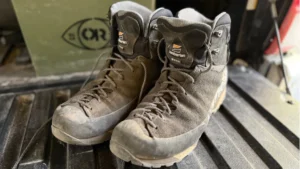
The choice of footwear is arguably the most critical factor in preventing ankle injuries in Acadia. The NPS strongly recommends sturdy hiking shoes. While modern trail runners have gained popularity for their lightweight comfort and agility, often displacing traditional over-the-ankle hiking boots for many hikers, Acadia presents a compelling case for re-evaluating this trend. For the polished, wet granite and uneven terrain of Acadia, a slightly heavier, over-the-ankle hiking boot with robust ankle support offers superior protection against twists and rolls. These boots provide crucial stability, especially when navigating loose rocks or slipping on wet surfaces, mitigating the rotational forces that lead to sprains. Furthermore, a boot with a highly aggressive, multi-directional lug pattern on its sole, made from a sticky rubber compound, can offer enhanced traction on slick rock. Hikers should avoid open-toed sandals or minimalist footwear like Chacos, which offer no ankle support or protection, making them entirely unsuitable for the majority of Acadia’s trails.
2. Essential Gear: Enhancing Stability and Safety
Beyond footwear, specific gear can significantly reduce the risk of injury.
- Trekking Poles: These are "highly encouraged" by the NPS, especially during spring, fall, or winter when ice and wet conditions are more prevalent. Trekking poles provide two additional points of contact with the ground, dramatically improving balance and stability on uneven or slippery terrain. They help distribute weight, reduce strain on knees during descents, and allow hikers to test unstable ground before committing their full weight. On steep, wet granite, poles can be the difference between a controlled descent and a dangerous slide.
- First-Aid Kit: A well-stocked first-aid kit is non-negotiable. For Acadia, it should specifically include supplies for ankle injuries: elastic bandages, athletic tape, and potentially instant cold packs. Knowing how to properly tape or wrap a sprained ankle can provide temporary support, allowing for a safer, albeit slower, exit from the backcountry.
- Emergency Communication Device: Cell service can be unreliable in many parts of Acadia, particularly in valleys or dense forest. Carrying a satellite messenger or personal locator beacon (PLB) is crucial for summoning help in an emergency, especially if an injury renders a hiker immobile.
3. Planning and Awareness: Knowledge as a Safety Tool
Information is indeed power when it comes to safe hiking.
- Research Trails Thoroughly: Organizations like Friends of Acadia (FOA) emphasize the importance of researching a hike beforehand. This includes understanding not just the distance but, more importantly, the terrain, elevation profile, and any specific hazards. Pay attention to NPS warnings about "tricky footing" or "steep climbs."
- Monitor Weather Conditions: A rainy day, or even recent rainfall, should prompt a re-evaluation of hiking plans, especially for trails known to be slippery. Opt for more relaxed, flat hikes around Acadia’s numerous lakes or carriage roads during damp conditions, reserving summit attempts for clear, dry days.
- Communicate Itinerary: Always inform someone reliable about your hiking plans, including your chosen trail, expected return time, and who is in your party. This ensures that if you fail to check in, a search can be initiated promptly.
- Pace Yourself: Rushing on trails, especially those with challenging terrain, increases the risk of missteps. Take your time, focus on foot placement, and take breaks as needed. Fatigue can significantly impair judgment and coordination, making falls more likely.
The Role of Park Services and Support Organizations
The persistent challenge of Acadia Ankle necessitates a collaborative effort from various entities dedicated to visitor safety and park preservation.

1. National Park Service (NPS) Guidance: The NPS plays a pivotal role in educating visitors and managing trail safety. This includes clear signage at trailheads, detailed information on park maps and websites, and direct communication from rangers. Their advisories on footwear, trail difficulty, and weather precautions are based on extensive experience and data. The NPS also undertakes ongoing trail maintenance, which includes reinforcing unstable sections, improving drainage to reduce slick spots, and sometimes even re-routing trails to safer paths where feasible. However, given the park’s vastness and natural character, it’s impossible to eliminate all risks.
2. MDI SAR Operations: A Vital Lifeline: MDI SAR, composed primarily of dedicated volunteers, represents the frontline response to emergencies, including ankle injuries. Their work involves rigorous training in wilderness medicine, technical rope rescue, and navigation, often conducted in challenging conditions. The resources required for a single rescue can be substantial, involving multiple personnel, specialized medical equipment, and hours of coordinated effort. The high incidence of ankle injuries directly impacts the operational tempo and resource allocation for MDI SAR, underscoring the importance of preventative measures to ease the burden on these critical volunteer services. The volunteers often work in adverse weather, carrying heavy gear over difficult terrain, sometimes for hours, to reach and safely extract an injured person.
3. Friends of Acadia (FOA): Supporting Safety and Education: As a non-profit partner to Acadia National Park, Friends of Acadia contributes significantly to visitor safety through various initiatives. They support trail maintenance projects, fund educational programs, and advocate for responsible recreation. FOA’s "Take Action" campaigns often include safety tips and emphasize preparedness, working to instill a culture of awareness among park visitors. Their efforts help bridge gaps in funding and resources, ensuring that the park can maintain high safety standards and provide necessary information to the public.
Broader Implications for Park Management and Visitors
The prevalence of Acadia Ankle extends beyond individual misfortune, carrying broader implications for park management, visitor experience, and even local economies.
1. Strain on Emergency Services: As highlighted by MDI SAR’s data, frequent ankle injuries place a continuous strain on search-and-rescue teams, who are often volunteers. This diverts resources and personnel that might otherwise be used for training, preventative patrols, or other emergency responses. There are also potential costs associated with medical transport and treatment, which can be significant for the injured individual.
2. Impact on Visitor Experience and Tourism: An injury, especially one requiring rescue, can transform a cherished vacation into a traumatic experience, leading to physical discomfort, medical bills, and lost time. Beyond the immediate impact on the injured, negative experiences can affect overall visitor satisfaction and potentially deter future visits, though Acadia’s allure typically outweighs such concerns. For those with less severe injuries, it still means a curtailment of their planned activities, limiting their ability to fully explore and enjoy the park.
3. Economic Considerations: While difficult to quantify precisely, repeated injuries can have indirect economic effects. Medical costs, potential lost wages for the injured, and the cost of SAR operations (even if volunteer-driven, there are equipment and training costs) represent a societal burden. Investing in preventative education and trail maintenance, therefore, is an investment in both public safety and the sustainable enjoyment of the park.
4. Reputation and Education: The very existence of a nickname like "Acadia Ankle" shapes the park’s reputation. While it adds a quirky local flavor, it also serves as a potent reminder of the inherent risks. This necessitates ongoing and robust educational campaigns from the NPS and its partners to ensure visitors arrive prepared and understand the unique challenges of Acadia’s terrain. Emphasizing personal responsibility and informed decision-making is crucial.
In conclusion, Acadia National Park offers an unparalleled natural experience, drawing millions of visitors each year to its majestic landscapes. However, the unique geological composition of polished granite combined with Maine’s variable weather creates an environment where ankle injuries are an unusually common occurrence, so much so that they have earned their own distinct moniker: "Acadia Ankle." The data from MDI SAR unequivocally supports the reality behind this nickname, demonstrating a consistent demand on emergency services due to these preventable injuries. By understanding the underlying causes—slippery granite, frequent rainfall, and challenging trail topography—and by implementing diligent preventative measures such as wearing appropriate, supportive footwear, utilizing trekking poles, carrying emergency communication devices, and meticulously planning hikes based on current conditions, visitors can significantly reduce their risk. Embracing a culture of preparedness and responsible recreation ensures that the breathtaking beauty of Acadia National Park can be enjoyed safely, preserving both the visitor experience and the vital resources of the park and its dedicated emergency responders.