Machu Picchu Beyond the Classic Inca Trail: A Comprehensive Guide to Alternative Treks

While the iconic Inca Trail remains a coveted pilgrimage for many adventurers, its stringent permit system and high demand mean it is not the only, nor always the most suitable, path to the ancient citadel of Machu Picchu. A variety of alternative treks have emerged, offering diverse experiences that cater to different fitness levels, time constraints, and preferences for cultural immersion or high-altitude wilderness. These routes, including the Salkantay and Inca Trail Fusion, the Lares and Inca Trail Express Combination, and the concise Inca Trail Express, provide unique perspectives on the Andean landscape and Inca heritage, culminating in the breathtaking arrival at the Sun Gate overlooking Machu Picchu. Comparing these options side-by-side reveals their distinct characteristics, allowing travelers to choose an itinerary that perfectly aligns with their expectations for altitude, distance, cold nights, and overall adventure.
Contextualizing the Journey to Machu Picchu
Machu Picchu, a UNESCO World Heritage site, stands as a testament to the advanced engineering and cosmological understanding of the Inca Empire. Perched high in the Andes Mountains of Peru, its rediscovery in 1911 captivated the world, transforming it into one of the planet’s most sought-after destinations. Access to the citadel has evolved significantly over the decades. The classic Inca Trail, a 4-day, 3-night trek, traces ancient Inca pathways, offering an immersive historical journey. However, to preserve the trail and the surrounding ecosystem, the Peruvian Ministry of Culture implemented strict regulations in 2001, limiting daily permits to 500 people, including porters and guides. This limitation, coupled with increasing global interest, has made securing a permit for the classic route a competitive endeavor, often requiring bookings a year in advance. This regulatory framework spurred the development and popularization of alternative treks, which offer comparable awe-inspiring views and cultural experiences without the same permit restrictions, while still often incorporating sections of the historic Inca Trail.
Beyond the Classic: The Rise of Alternative Treks
The growing demand for Machu Picchu experiences has led tour operators, such as Bamba Travel, to innovate, crafting itineraries that offer varied approaches to the "Lost City of the Incas." These alternatives not only alleviate pressure on the classic route but also open up new regions of the Andes to tourism, benefiting local communities and showcasing different facets of Peruvian geography and culture. Each route presents a distinct set of challenges and rewards, from traversing glaciated peaks to exploring remote Quechua villages, ensuring that every traveler can find a trek tailored to their spirit of adventure.
Deep Dive into the Trekking Options
The Salkantay and Inca Trail Fusion: A Mountainous Odyssey (4 Days, 3 Nights)
The Salkantay and Inca Trail Fusion, often referred to as the "Incachiriasqa route," offers a rigorous yet incredibly rewarding journey through some of Peru’s most dramatic high-altitude landscapes. This 4-day, 3-night trek typically covers a distance of approximately 70-75 kilometers, reaching elevations of up to 4,630 meters at the Salkantay Pass. It’s designed for adventurers seeking a challenging mountain experience, combining the raw beauty of the Salkantay range with the historical significance of the final stretch of the Inca Trail, culminating in an arrival at Machu Picchu through the iconic Sun Gate.
-
Day 1: Cusco to Soraypampa | Scenic Drive, High Pass, and Mountain Camp
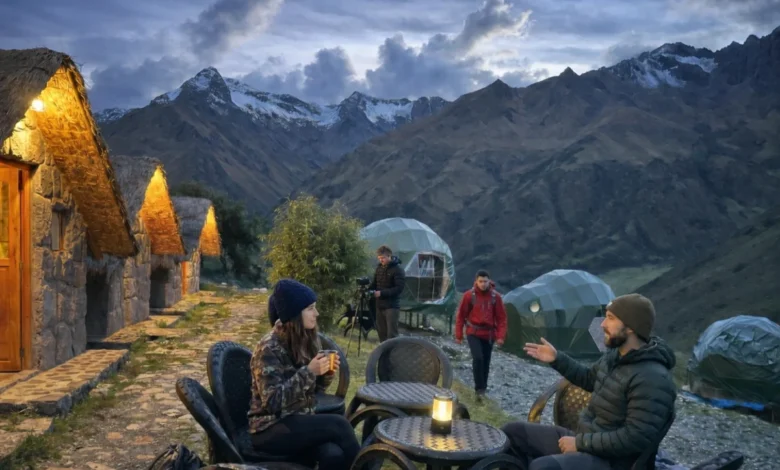
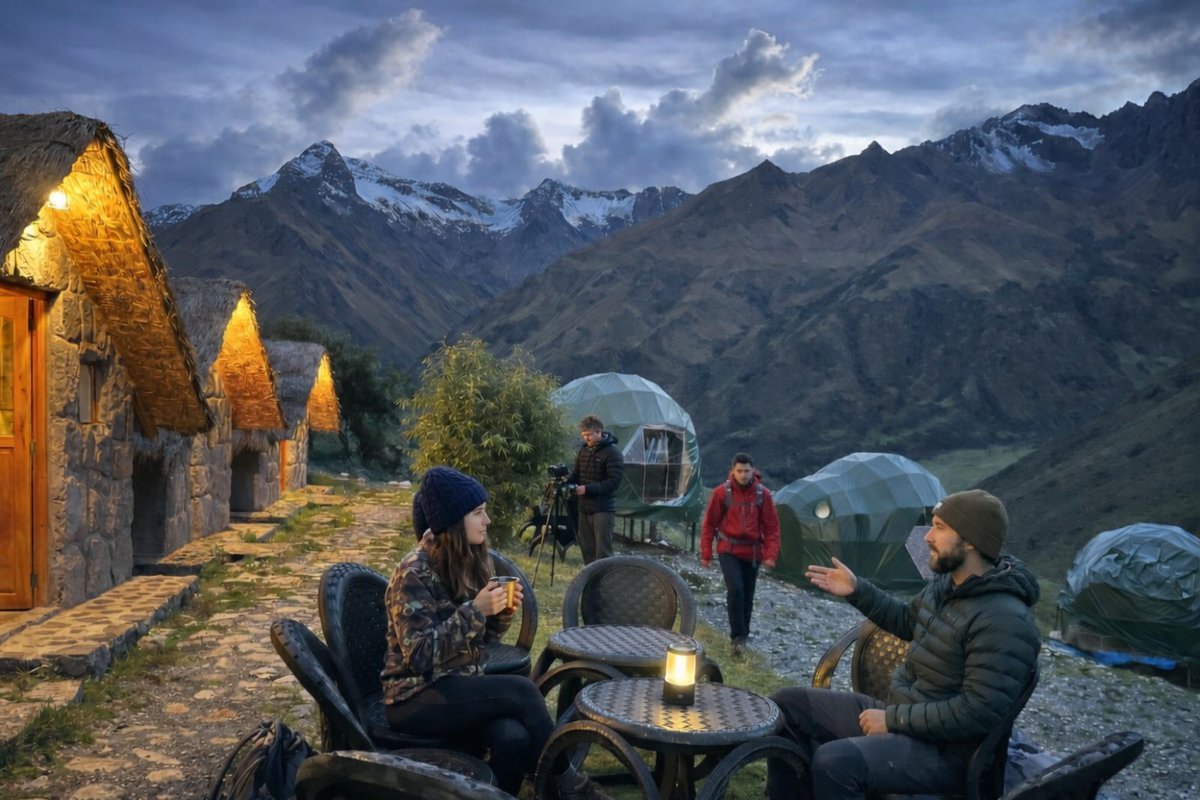
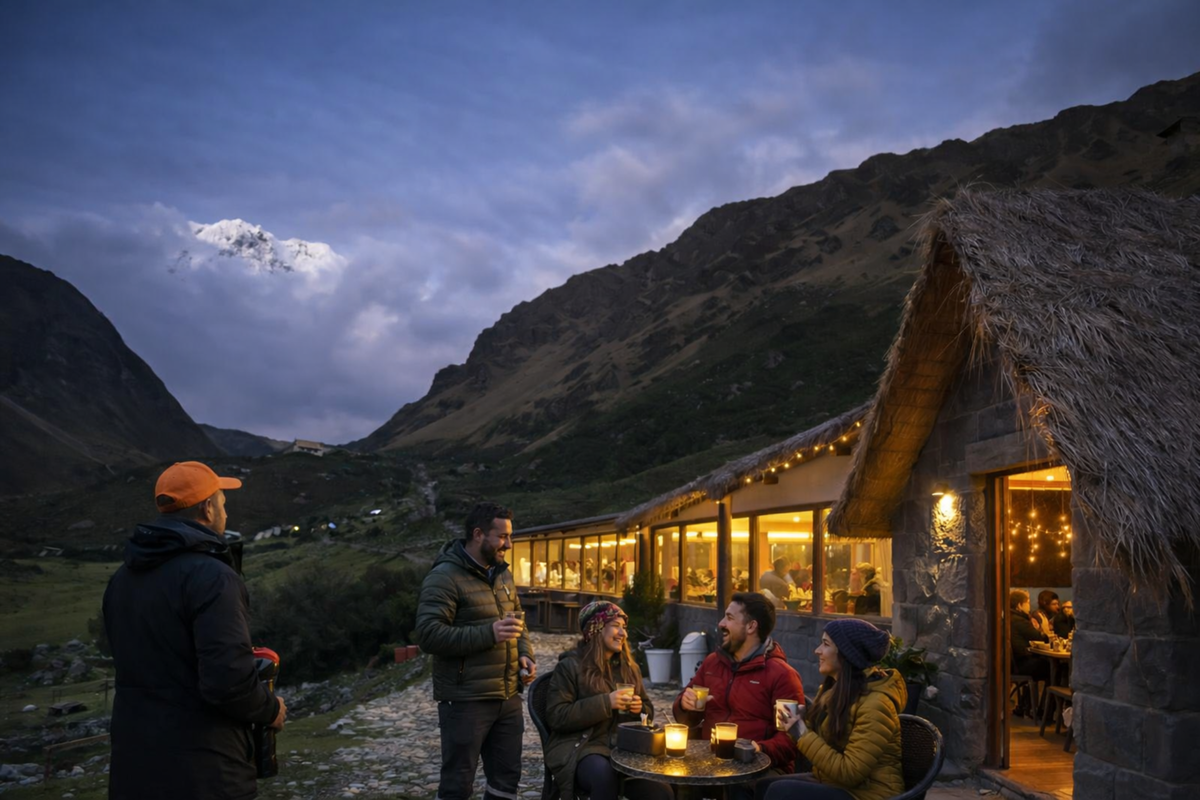
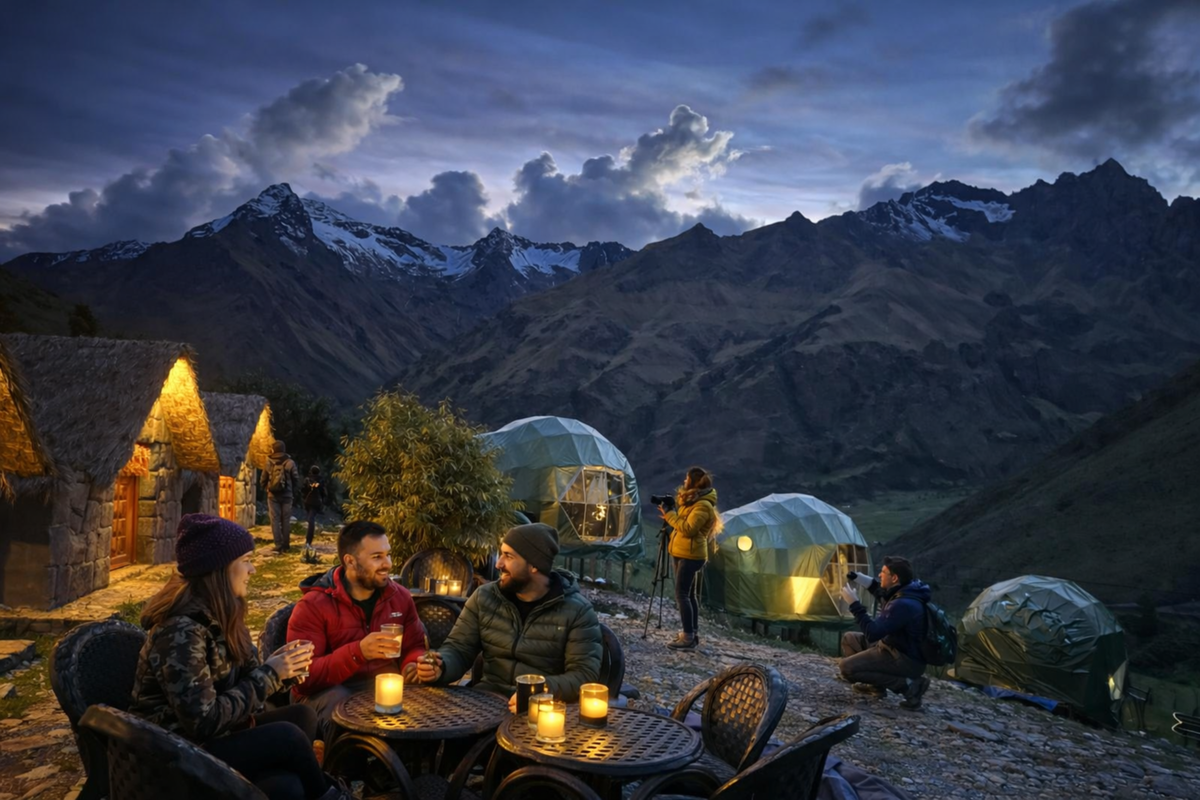
The expedition begins with an early morning drive from Cusco, ascending into the Andes towards the majestic Salkantay Mountain. The trek officially commences as participants venture through the Aobamba mountain range, a region renowned for its high-altitude wildlife and stark beauty. The highlight of the day is often the first glimpse of the vibrant turquoise waters of the Incachiriasqa Lagoon. The day concludes at approximately 3,900 meters above sea level at the Inca House Camp in Soraypampa. Here, trekkers spend the night in custom-built glamping domes or stone houses, designed to provide comfort amidst the freezing, crystal-clear mountain air, offering unparalleled opportunities for stargazing and astrophotography. This initial altitude makes proper acclimatization in Cusco prior to the trek essential.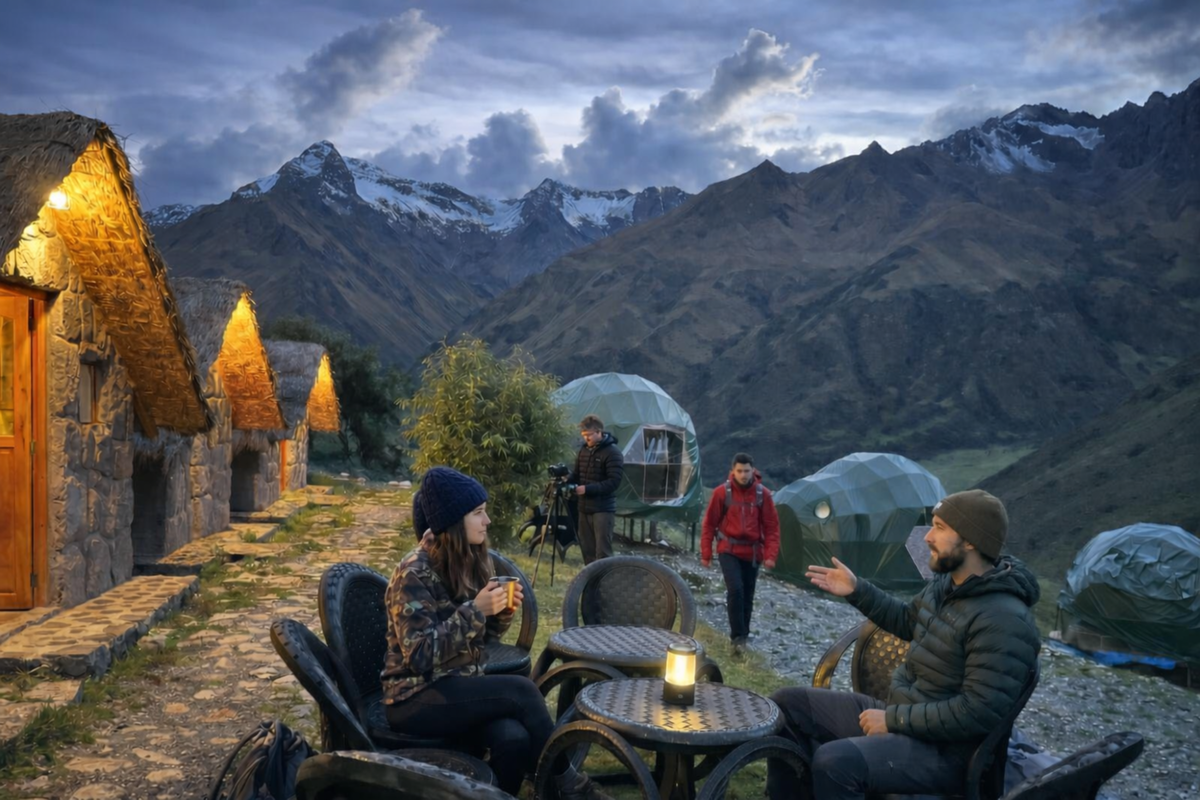
-
Day 2: Soraypampa to Ollantaytambo | Humantay Lagoon, Mountain Trek, and Valley Transfer
Day two starts with a demanding ascent to the breathtaking Humantay Lagoon, famous for its mesmerizing icy, turquoise glacial waters fed by the surrounding jagged peaks. After soaking in the stunning views, the descent begins, transitioning from the rugged mountain air to the warmer, denser atmosphere of the Sacred Valley. A scenic drive then takes the group to the historic town of Ollantaytambo. This ancient Inca stronghold offers a chance to explore its well-preserved Inca stone streets and archeological sites, providing a cultural interlude and much-needed rest for weary leg muscles. Accommodation is typically in a comfortable hotel, a welcome change after the high-altitude camp. -
Day 3: Ollantaytambo to Aguas Calientes | Inca Trail Trek and Sun Gate Arrival
The trek transitions to the legendary Inca Trail on day three. From Ollantaytambo, travelers take a train to Kilometer 104, the starting point for the "Inca Trail Express" section. The environment dramatically shifts from stark alpine landscapes to lush cloud forest, teeming with diverse flora and fauna. The trail passes several fascinating archaeological sites, including Chachabamba and Wiñay Wayna, an impressive Inca ruin often considered a miniature Machu Picchu. The anticipation builds with every step until the treeline finally breaks at Inti Punku, the Sun Gate. From here, trekkers are rewarded with the first panoramic, awe-inspiring views of Machu Picchu sprawling across the ridge below. The day concludes with a descent into the bustling jungle town of Aguas Calientes, nestled at the base of Machu Picchu, where a relaxing overnight stay in a hotel awaits. -
Day 4: Machu Picchu to Cusco | Guided Citadel Tour and Return Transfer
The final day is dedicated to an immersive, guided tour of the iconic Machu Picchu citadel. Starting early, often before sunrise, allows trekkers to experience the magical dawn over the ruins, a truly unforgettable moment. Expert guides provide deep insights into Incan history, cosmology, and the mind-blowing architecture of the empire. After exploring the ancient ruins, some travelers opt for an additional hike up Huayna Picchu or Machu Picchu Mountain (requiring separate permits booked well in advance). The journey then winds down with a train ride from Aguas Calientes back to Ollantaytambo, followed by a final return transfer to Cusco.
The Lares and Inca Trail Express Combination: Cultural Immersion and Scenic Beauty (4 Days, 3 Nights)
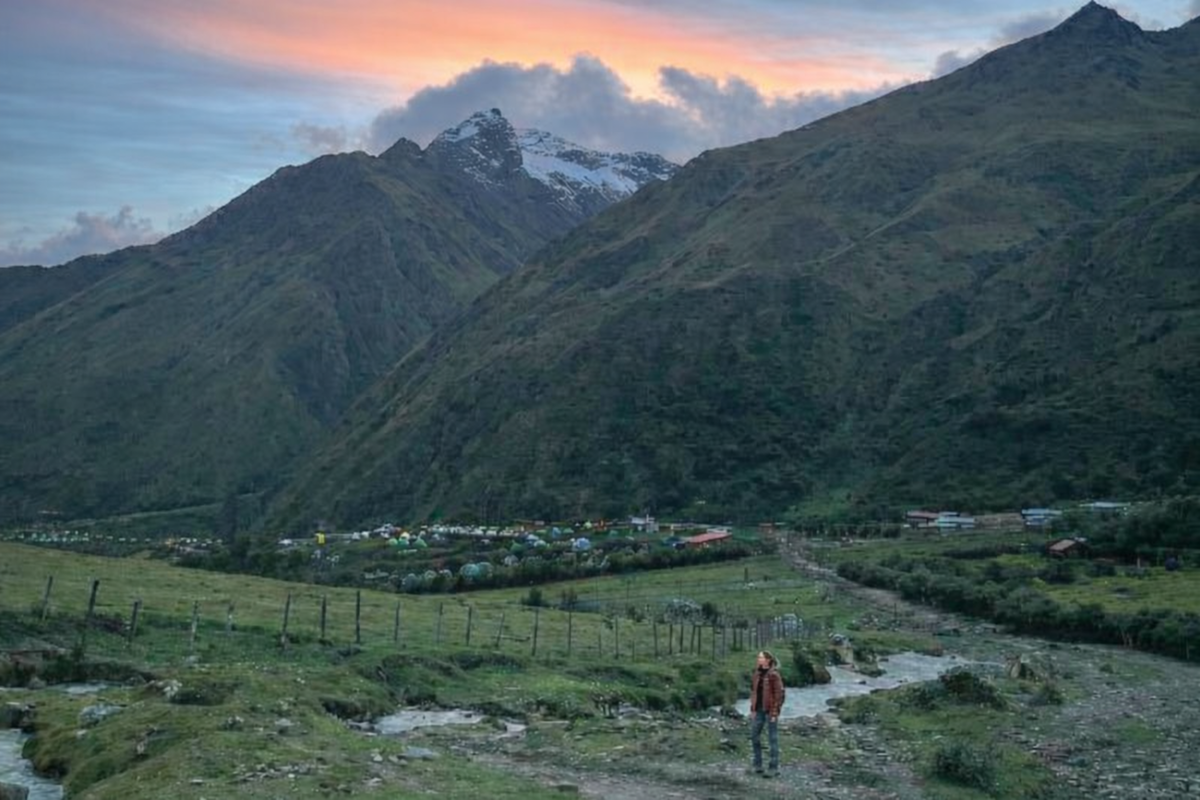
The Lares and Inca Trail Express Combination offers a distinct alternative, focusing less on extreme high-altitude trekking and more on cultural immersion within remote Quechua communities, combined with stunning natural hot springs and a scenic approach to Machu Picchu. This 4-day, 3-night trek typically covers a distance of approximately 40-50 kilometers and reaches an average high point of around 4,500 meters at the Ipsy Qocha Pass. It provides a unique glimpse into traditional Andean life before joining a section of the Inca Trail for the final leg.
-
Day 1: Cusco to Huacawasi | Calca Market, Hot Springs, and Highland Trek
The adventure begins with a departure from Cusco, heading towards the Sacred Valley. The first stop is often the vibrant market at Calca, where travelers can witness local commerce and cultural exchange. From there, the journey continues to the natural hot springs of Lares, offering a chance to relax and rejuvenate amidst the Andean scenery before the trek truly begins. The afternoon involves trekking through breathtaking highlands, interacting with local Quechua communities known for their weaving traditions. The night is spent camping in heavy-duty tents at a high-altitude campsite like Huacawasi (around 3,850 meters), providing an authentic connection to the rugged Andes. -
Day 2: Huacawasi to Ollantaytambo | Ipsy Qocha Pass, Lagoon Descent, and Festive Dinner
Day two is marked by an adventurous trek to the highest point of the Ipsy Qocha Pass, offering panoramic views of the surrounding Andean peaks and potential sightings of high-altitude wildlife such as llamas and alpacas. The descent leads past a mesmerizing lagoon, with a rewarding lunch enjoyed at Patacancha, another traditional Quechua village. The day concludes with a transfer to the historical town of Ollantaytambo. Here, trekkers can enjoy a festive dinner and a comfortable overnight stay in a hotel, resting their muscles under the starry Andean sky. -
Day 3: Ollantaytambo to Aguas Calientes | Royal Inca Trail, Scenic Picnic, and Sun Gate Arrival
Similar to the Salkantay fusion, day three involves taking a train from Ollantaytambo to Kilometer 104, the starting point for the Inca Trail Express. This section of the "Royal Inca Trail" leads through diverse ecosystems, from dry mountainsides to lush cloud forests. Trekkers pass through the archaeological site of Chachabamba before reaching the impressive Inca complex of Wiñay Wayna. A scenic picnic lunch is often enjoyed amidst this rich scenery. The climax of the day is the final push to Inti Punku, the Sun Gate, where the first breathtaking view of Machu Picchu awaits. The day ends with a tranquil descent into Aguas Calientes for a relaxing overnight hotel stay. -
Day 4: Aguas Calientes to Cusco | Sunrise at Machu Picchu, Architectural Wonders, and Return Journey
The final day starts early, offering the magical experience of witnessing the sunrise over Machu Picchu. A comprehensive guided tour delves into the architectural wonders, intricate urban planning, and profound Inca secrets of the citadel. Travelers have free time to explore further, perhaps opting for the challenging hike up Huayna Picchu or Machu Picchu Mountain if permits were secured. Before the return journey, some might choose to unwind in Aguas Calientes’ natural hot springs. The adventure concludes with a scenic train ride back to Ollantaytambo, followed by a bus transfer to Cusco.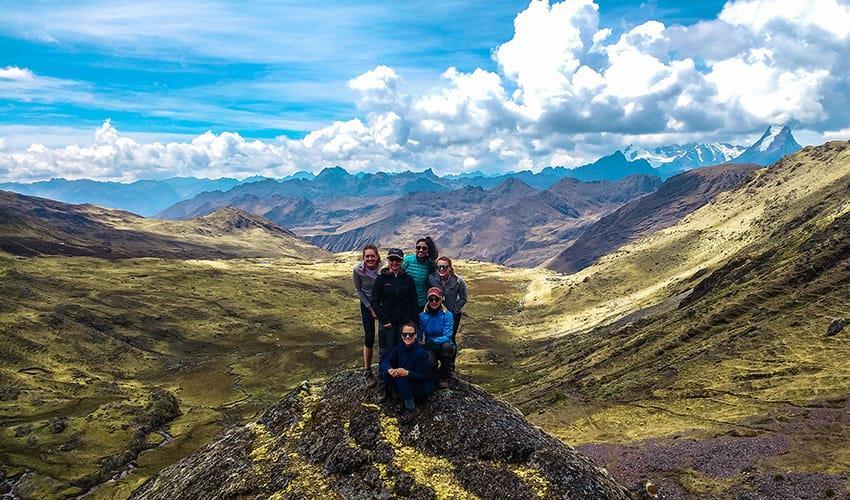
The Inca Trail Express: Efficiency and Iconic Views (2 Days, 1 Night)
For travelers with limited time who still wish to experience a segment of the historic Inca Trail on foot, the Inca Trail Express (also known as the Short Inca Trail) is the ideal choice. This 2-day, 1-night trek is the fastest way to walk into Machu Picchu rather than arriving by bus or train alone. It compresses the essence of the Inca Trail experience, including arrival at the Sun Gate, into a more manageable timeframe, though it demands a significant uphill effort on the first day. This trek typically covers a distance of approximately 12-15 kilometers.
-
Day 1: Cusco to Aguas Calientes, Peru | Train, Trek, and Sunset Views
The journey begins with an early morning train ride from Cusco (or Ollantaytambo) to Kilometer 104, the starting point of the trek. This scenic train ride offers glimpses of the Sacred Valley and the Urubamba River. Upon disembarking, trekkers embark on a challenging uphill climb, passing the ancient Inca ruins of Chachabamba. The trail continues through the cloud forest, leading to the magnificent Wiñay Wayna archaeological site, a terraced farming complex with stunning views. The highlight of the day is the arrival at Inti Punku (the Sun Gate), offering the first awe-inspiring views of Machu Picchu, often bathed in the soft light of the late afternoon. This provides a unique perspective of the citadel as the crowds from the full-day tours begin to disperse. The day concludes with a descent into the bustling town of Aguas Calientes, where a comfortable 3-star hotel awaits, offering a hot shower and a restful night after the strenuous trek. -
Day 2: Aguas Calientes to Machu Picchu to Cusco, Peru | Citadel Tour and Return Journey
Day two is dedicated to exploring the iconic Machu Picchu citadel. An early start ensures trekkers arrive at the site to witness the magical sunrise, a truly memorable experience. A comprehensive guided tour provides deep insights into the history, purpose, and architectural marvels of this ancient Inca city. After the guided tour, visitors have free time to explore independently, soak in the atmosphere, or perhaps attempt the challenging ascent of Huayna Picchu or Machu Picchu Mountain (if permits were pre-booked). Before returning, there’s an opportunity for last-minute souvenir shopping in Aguas Calientes. The journey concludes with a scenic train ride back to Ollantaytambo, followed by a comfortable transfer to Cusco.
Key Considerations for Trekkers
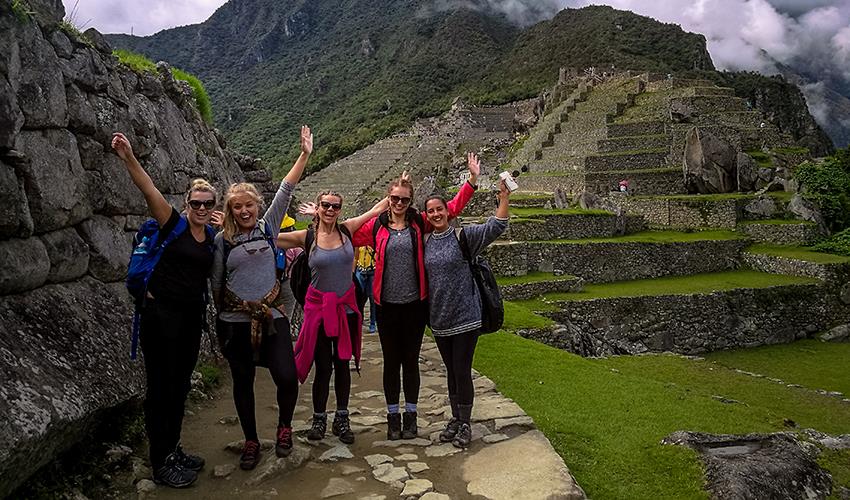
Regardless of the chosen route, several factors are paramount for a safe, enjoyable, and memorable trekking experience to Machu Picchu.
Altitude Acclimatization: A Non-Negotiable Step
All three treks involve significant time at high altitudes, with overnight stays at 3,850 meters or higher for the Salkantay and Lares routes, and strenuous climbs on all. The most crucial preparation is altitude acclimatization. Standard advice recommends spending at least two to three full days in Cusco (elevation 3,400 meters) before embarking on any trek. This allows the body to gradually adjust to the reduced oxygen levels, significantly mitigating the risks of acute mountain sickness (AMS). Symptoms of AMS can range from headaches and nausea to more severe conditions, underscoring the importance of a slow and steady ascent and adequate rest.
Accommodation: From Glamping Domes to Cozy Hotels
The type of accommodation significantly varies across the routes, matching the overall trekking experience:
- Salkantay and Inca Trail Fusion: This route offers a blend of rugged adventure and unique comfort. Nights at high-altitude camps like Soraypampa are spent in custom-built, Inca-inspired stone houses or panoramic glamping domes. These structures provide protection from the freezing elements while offering unobstructed views of the dramatic mountain range, perfect for stargazing.
- Lares and Inca Trail Express Combination: The Lares route embraces a more traditional expedition style. High-altitude campsites, such as Huacawasi (3,850 meters), involve heavy-duty tents. Trekkers experience an authentic connection to the Andes, often sharing hot meals prepared by local trekking chefs under the vast Peruvian sky. Hotel stays in Ollantaytambo and Aguas Calientes provide comfort on other nights.
- Inca Trail Express: Designed for efficiency, this route largely skips the freezing mountain nights. After the challenging uphill push on Day 1, the descent ends in the jungle town of Aguas Calientes, where trekkers trade sleeping bags for the luxury of a hot shower and a comfortable bed in a 3-star hotel.
Optimal Timing: Navigating Seasons and Closures
The timing of your trek can significantly impact the experience, affecting trail conditions, visibility, and crowd levels.
- Dry Season (May through September): Generally considered the best time to visit, offering the clearest skies, stable weather, and optimal conditions for photography. However, this is also peak tourist season, meaning more crowded trails and higher demand for permits and accommodations.
- Shoulder Months (April and October): These months offer a good compromise. The valleys are still lush and green from the rainy season, the skies are mostly clear, and the trails see fewer people compared to the peak dry season. This can mean a more tranquil trekking experience and less bottlenecking on the Inca Trail sections.
- Rainy Season (November through March): Characterized by frequent rainfall, especially from January to March. Trails can be muddy and slippery, and cloud cover may obscure views of Machu Picchu. However, this season also brings fewer tourists and a vibrant, green landscape.
- February Closure: The classic Inca Trail (the 4-day route) closes for the entire month of February annually for scheduled maintenance and conservation efforts, a closure confirmed by the Peruvian Ministry of Culture through at least 2026. Travelers planning to visit during this window must opt for alternative routes like Salkantay or Lares, which remain open.
Preparation and Packing Essentials
Regardless of the chosen route, proper preparation is key. A layered clothing system is essential to adapt to the significant temperature swings from cold mountain nights to warm jungle days. Sturdy, broken-in hiking boots, a reliable backpack, rain gear, sun protection (hat, sunglasses, high-SPF sunscreen), a headlamp, and a water purification system are crucial. For high-altitude treks, warm sleeping bags (often provided by tour operators, but check), thermal wear, and appropriate cold-weather accessories are vital. Spare camera batteries should be kept close to body heat to preserve their charge in cold conditions.
Permit System and Booking
While the alternative treks do not have the same strict permit limitations as the classic 4-day Inca Trail, sections that utilize the Inca Trail (like the Salkantay Fusion, Lares Combination, and Inca Trail Express from Km 104) still require special permits. These permits are typically included in the tour package but must be secured well in advance by your tour operator, especially for peak season travel. All treks to Machu Picchu must be undertaken with a licensed tour operator and certified guides, ensuring safety and compliance with local regulations.
Impact and Sustainability
The growth of alternative treks carries broader implications for both environmental conservation and local communities. By diversifying routes, these treks help distribute tourist impact, reducing wear and tear on the most popular paths. Many operators prioritize sustainable tourism practices, including proper waste management, supporting local economies through employment of porters and chefs from Andean villages, and purchasing local goods. Travelers choosing these routes contribute directly to the livelihoods of these communities, fostering a sense of stewardship for the environment and cultural heritage. The Peruvian Ministry of Culture continues to monitor tourist flows and trail conditions, adapting regulations to ensure the long-term preservation of Machu Picchu and its surrounding natural and historical sites.
Conclusion
The journey to Machu Picchu is a profound experience, regardless of the path taken. While the classic Inca Trail holds a timeless allure, the Salkantay and Inca Trail Fusion, the Lares and Inca Trail Express Combination, and the Inca Trail Express offer equally captivating, and often more tailored, adventures. Whether one seeks the solitude of glaciated peaks, the rich tapestry of Andean village life, or an efficient yet iconic historical walk, the options are plentiful. The ultimate choice hinges on individual fitness, time availability, and tolerance for high-altitude conditions, ensuring that every traveler can discover their perfect pilgrimage to the heart of the Inca Empire.
Frequently Asked Questions
What are the key differences between these three treks to Machu Picchu?
All three treks culminate in an unforgettable arrival at Machu Picchu via the Sun Gate, but the preceding days vary significantly. The Salkantay and Inca Trail Fusion emphasizes challenging high-altitude trekking through dramatic mountain scenery, glacial lagoons, and unique glamping experiences. The Lares and Inca Trail Express Combination focuses on cultural immersion, traversing remote Quechua villages, enjoying natural hot springs, and experiencing traditional Andean life. The Inca Trail Express is a shorter, 2-day option designed for efficiency, involving a strenuous uphill climb on day one and an overnight stay in a comfortable hotel in Aguas Calientes, ideal for those with limited time.
Can I still hike to Machu Picchu if I’m traveling in February?
The traditional 4-day Classic Inca Trail is closed annually for the entire month of February for maintenance and conservation. However, the Salkantay and Lares routes, as well as the 2-day Inca Trail Express, remain open during February. These serve as excellent alternatives for travelers whose plans fall within this period, offering equally rewarding experiences without the specific closure restrictions of the classic route.
How much altitude adjustment do these treks require?
All three treks involve significant time at high altitudes. The Salkantay route features an overnight stay at Soraypampa (3,900 meters) and crosses the Salkantay Pass (4,630 meters). The Lares route includes an overnight camp at Huacawasi (3,850 meters) and crosses the Ipsy Qocha Pass (around 4,500 meters). Even the shorter Inca Trail Express involves a considerable uphill trek to the Sun Gate at approximately 2,720 meters, starting from Km 104 at around 2,000 meters. For all routes, it is strongly recommended to spend at least two to three full days in Cusco (3,400 meters) prior to the trek to allow for proper acclimatization, regardless of your fitness level. This helps prevent acute mountain sickness.
Which route is best for someone who has never done a multi-day trek?
For individuals new to multi-day trekking, the Inca Trail Express (2-day, 1-night) is generally the most suitable option. It offers a shorter commitment, with only one long and challenging day of hiking, followed by a comfortable hotel stay. While it still demands good physical fitness for the initial climb, it is less strenuous and requires less endurance than the four-day routes, which involve more sustained effort and colder nights at high-altitude camps.
What should I actually pack for the temperature swings?
Packing effectively for the dramatic temperature swings in the Andes is crucial. The key is layering. This includes:
- Base layers: Moisture-wicking thermal tops and bottoms for warmth and dryness.
- Mid-layers: Fleece jackets or insulated sweaters for insulation.
- Outer layer: A waterproof and windproof jacket (and pants) for protection against rain, wind, and cold, especially at higher elevations and during evenings.
- Footwear: Sturdy, comfortable, waterproof hiking boots with good ankle support.
- Accessories: A warm hat, gloves, scarf, sun hat, sunglasses, and high-SPF sunscreen are essential.
- Sleeping gear: While some tour operators provide sleeping bags, it’s wise to ensure yours is rated for temperatures below freezing, especially for the Salkantay and Lares routes.
- Hydration: A reusable water bottle and water purification tablets or a filter.
- Other essentials: Headlamp with extra batteries, personal first-aid kit, insect repellent, and spare camera batteries (keep them close to your body to prolong their life in cold).