The Essential Guide to Efficient Packing for Backpacking Europe: Navigating the Continent Lightly and Safely

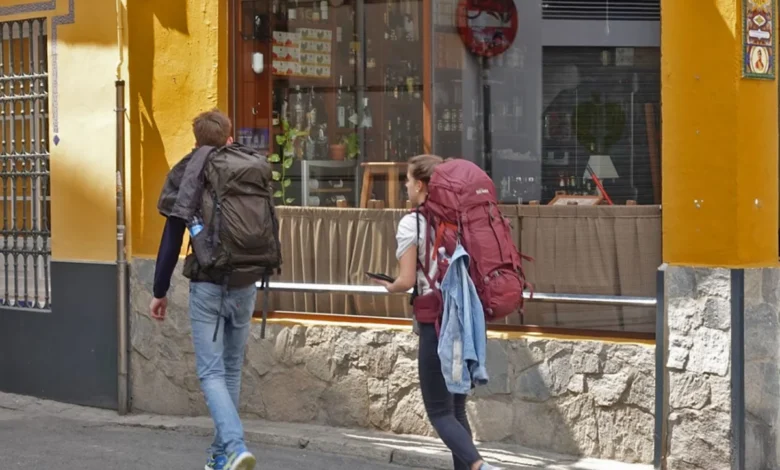
Preparing for a backpacking adventure across Europe requires meticulous planning, with packing often proving to be one of the most challenging aspects, particularly for novice travelers. The common pitfall of overpacking can significantly hinder mobility, transform travel between destinations into a cumbersome ordeal, and even heighten vulnerability to theft as managing numerous belongings becomes difficult. This comprehensive guide aims to streamline the packing process for European exploration, offering strategic advice on clothing, gear, and essential accessories, all while emphasizing the paramount importance of traveling light.
The Imperative of Smart Packing: Weight, Mobility, and Security

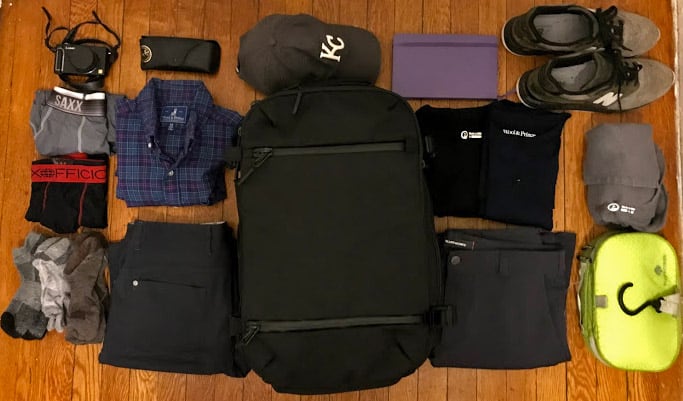
At the core of a successful European backpacking experience is the principle of minimalist packing. Seasoned travelers frequently advise limiting total gear weight, including the backpack itself, to approximately 20-22 pounds (around 9-10 kilograms). This recommendation is not arbitrary; it directly addresses the carry-on weight restrictions imposed by many budget airlines prevalent across Europe. Exceeding these limits can result in unexpected and costly baggage fees, undermining a budget-conscious journey. Beyond financial implications, a lighter load dramatically enhances physical comfort and mobility, allowing for easier navigation through bustling train stations, cobblestone streets, and multiple hostel staircases. Furthermore, fewer belongings are inherently easier to monitor, reducing the risk of items being lost or targeted by opportunistic thieves.
While the desire to maintain a fashionable appearance while traveling is understandable, it often conflicts with the goal of packing light. However, strategic choices can bridge this gap. Selecting versatile, timeless pieces and understanding local fashion sensibilities can prevent travelers from inadvertently appearing as stereotypical tourists, which can sometimes draw unwanted attention.
Strategic Clothing Selection: Maximizing Versatility and Minimizing Bulk
Clothing constitutes a significant portion of a backpack’s weight. The key to efficient apparel packing lies in selecting multi-functional items that can be layered and worn multiple times. The duration of a trip, whether two weeks or two months, surprisingly has little bearing on the quantity of clothing required, thanks to the accessibility of laundry facilities throughout Europe.

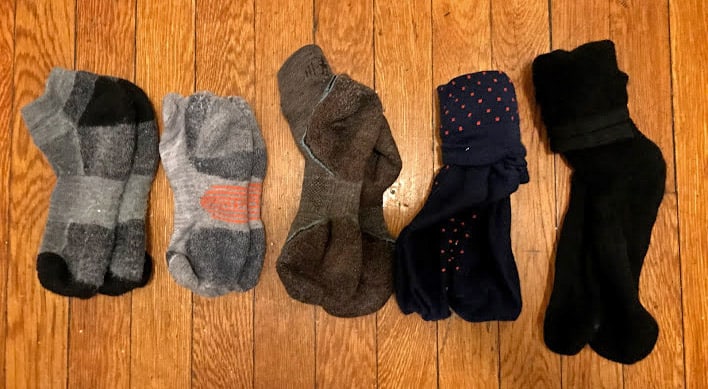
- Travel Socks (5-8 Pairs): The importance of high-quality socks cannot be overstated for travelers who spend extensive hours on their feet. Investing in premium socks, particularly those made from merino wool or wool/synthetic blends, is a unanimous recommendation from experienced backpackers. Merino wool is celebrated for its natural moisture-wicking, odor-resistant, and temperature-regulating properties, keeping feet cool and dry in summer and warm in winter. While an initial investment, quality socks prevent blisters and discomfort. Many high-performance socks can be worn for two days before requiring a wash, especially if rotated. Brands such as Darn Tough, Smartwool, Balega, and Stance are highly regarded for their durability and comfort.
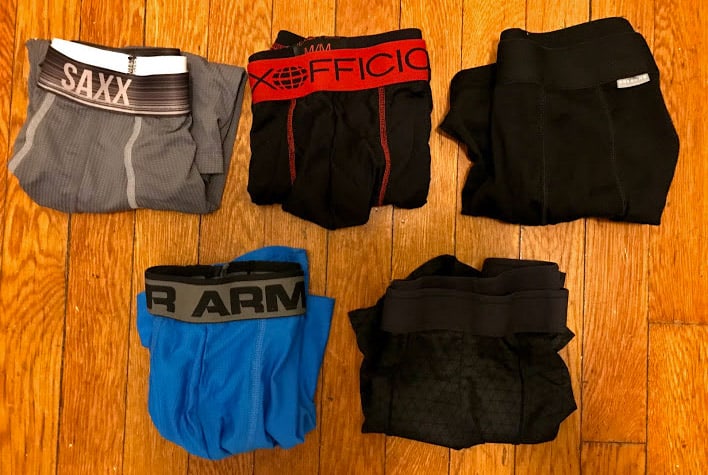
- Underwear (5-9 Pairs): Similar to socks, quick-drying, breathable, and odor-resistant underwear made from synthetic materials or merino wool is preferred. Packing five to seven pairs is standard, with a few extra not adding significant bulk. ExOfficio, Smartwool, Icebreaker, and Patagonia are popular choices known for their performance characteristics suitable for active travel.
- Shirts and Tops (5-8 Total): A curated selection of shirts allows for diverse outfits without excessive volume.
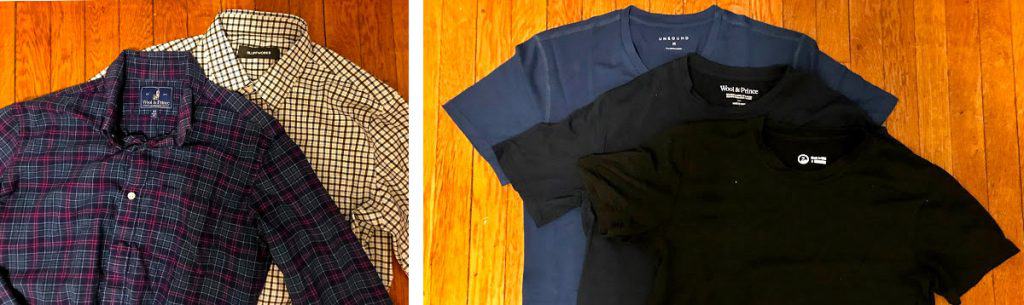
- Casual Button-Up Shirts (2-4): Long-sleeve button-ups offer versatility, allowing sleeves to be rolled up for a casual look or kept long for cooler evenings or more formal settings. Short-sleeve options are excellent for summer travel. Prioritize shirts made from quick-drying, wrinkle-resistant, and odor-resistant fabrics like merino wool, Tencel, or blends. Brands like Bluffworks, Western Rise, and Uniqlo offer stylish yet functional options.
- T-Shirts (3-4): Solid-colored t-shirts, either 100% cotton for breathability in warm climates or merino wool for its performance benefits, are foundational. They can be worn alone or as a base layer under button-ups or sweaters.
- Sweaters/Sweatshirts (1-2): A lightweight sweater provides warmth and an opportunity to dress up an outfit. Opt for pieces that complement other items for layering. In warmer months, a sweater might be deemed unnecessary to conserve space.
- Pants (2 Pairs): Limiting pants to two pairs is a practical approach. Dark-wash jeans offer immense versatility, transitioning from casual daywear to evening attire, and are a common sight in European wardrobes. While heavier and slower to dry than specialized travel pants, their durability and widespread acceptance make them a popular choice. Complementing jeans with a pair of well-fitting neutral-colored chinos provides an alternative for slightly dressier occasions. While dedicated "travel pants" offer benefits like quick-drying fabric and hidden pockets, they are often a luxury rather than a necessity. Options include Bluffworks, Outlier, and Lululemon.
- Shorts (1-2 Pairs): While traditionally less common among European adults, shorts are increasingly seen, especially in Southern Europe during summer. Avoiding overly casual athletic shorts or bulky cargo shorts is advisable to blend in more seamlessly. Well-fitting chino shorts or stylish denim shorts are suitable alternatives.
- Jackets and Rainwear (1-2 Pieces): The type of outerwear depends heavily on the travel season and region.
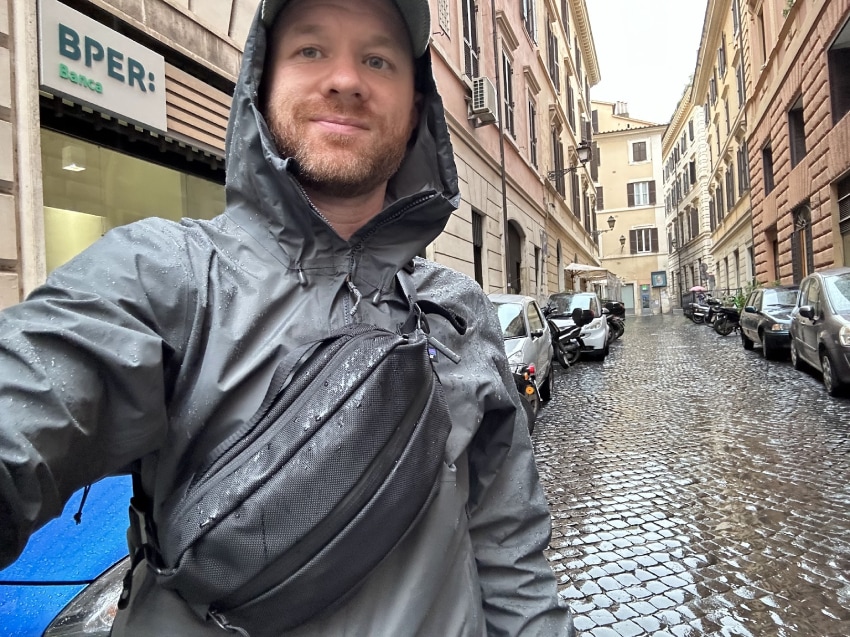
- Rain Jacket: A lightweight, packable rain jacket is crucial for unexpected downpours. Look for waterproof and breathable options.
- Insulated Jacket: For colder climates or shoulder seasons, a packable down or synthetic insulated jacket provides significant warmth without bulk. Layering a rain jacket over an insulated jacket offers a highly effective defense against cold and wet weather.
Footwear Essentials: Comfort and Practicality
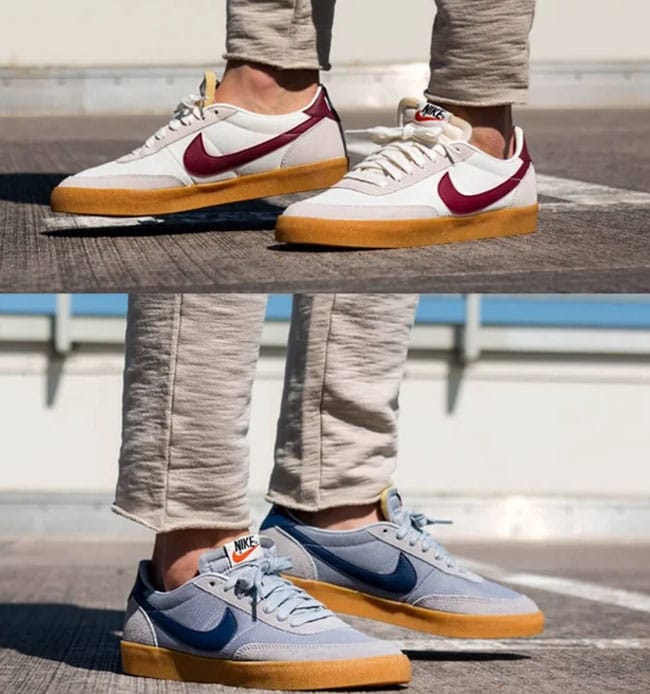
Footwear is another critical area for minimalist packing. While some travelers might be tempted to bring multiple pairs, limiting oneself to two pairs is ideal for light travel. Given the extensive walking involved in European sightseeing, a sturdy, comfortable pair of shoes is non-negotiable.
Supportive and stylish sneakers, such as those from New Balance, Nike, or Adidas, offer comfort for long days and can be smart enough for casual evenings. For travel during rainy seasons, waterproof "hiking" shoes, while not always the most fashionable, provide excellent protection and traction. True hiking boots are generally unnecessary unless specific strenuous winter hiking is planned. A crucial addition for hostel stays is a cheap pair of rubber flip-flop sandals for shared showers – a simple measure for hygiene and comfort. Dress shoes are typically superfluous for budget backpackers, as stylish sneakers usually suffice for most establishments.
Personal Care & Hygiene: The Art of Miniaturization
Toiletries are notorious for adding unexpected weight due to liquids, gels, and creams. The strategy here is strict minimization:
- Travel-Sized Essentials: Opt for travel-sized versions of shampoo, conditioner, body wash, toothpaste, and lotion. Refillable silicone bottles are an eco-friendly and practical choice.
- Solid Alternatives: Consider solid shampoo bars, soap bars, and toothpaste tablets to eliminate liquid weight and reduce plastic waste.
- Basic Items: Toothbrush, deodorant, a small amount of sunscreen, and any necessary medications are typically all that’s needed.
- Purchase as You Go: Europe’s well-stocked pharmacies and supermarkets mean most items can be easily purchased upon arrival, reducing initial packing burden.
Essential Travel Accessories: Enhancing Organization and Convenience
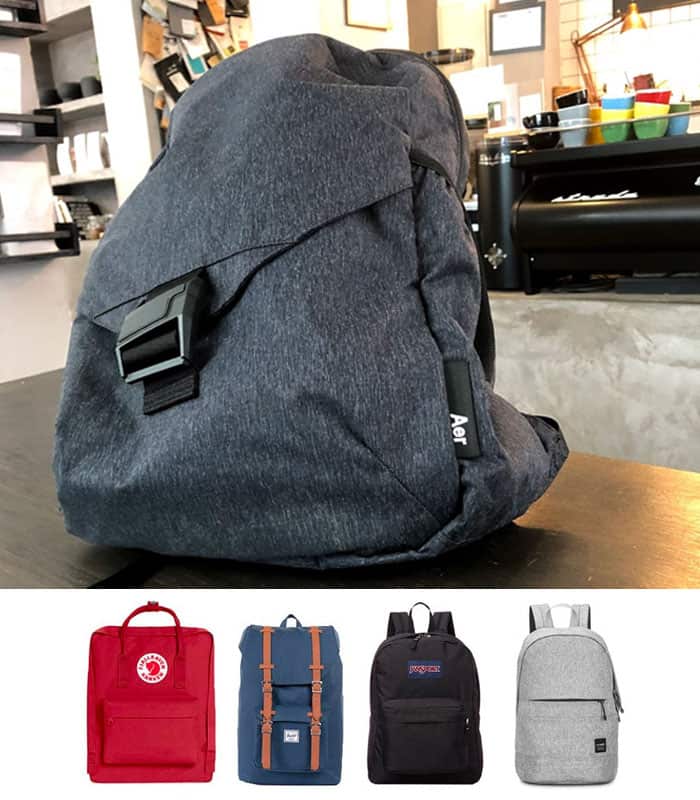
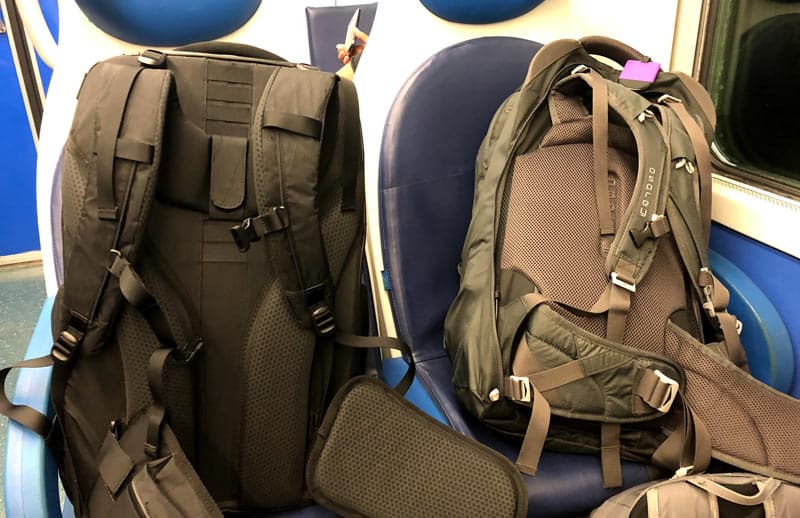
- Travel Backpack: The foundation of any backpacking trip. A quality carry-on-sized backpack (typically 40-50 liters) is recommended. Key features include comfortable straps, a supportive hip belt, and durable materials. Top choices include Osprey Farpoint/Fairview, Tortuga Outbreaker, and Nomatic Travel Bag.
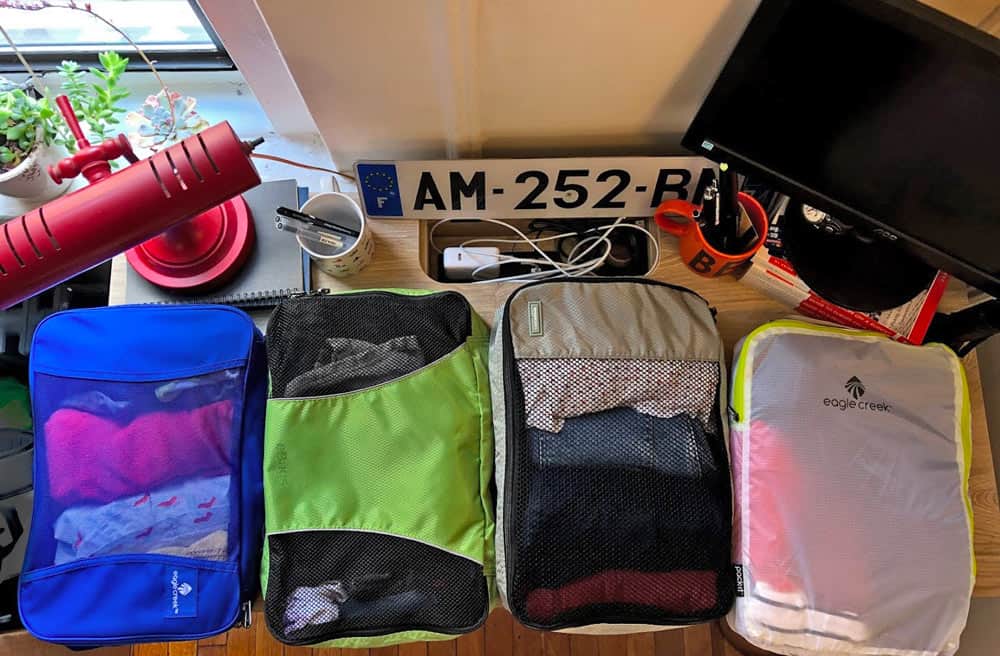
- Packing Cubes: These lightweight fabric organizers are indispensable for maintaining order within a backpack. They compartmentalize clothes, making items easy to find, reducing wrinkles, and often compressing garments to save space. Eagle Creek, Peak Design, and Amazon Basics offer reliable options.
- Travel Daypack: A small, compressible backpack (15-25 liters) is ideal for daily excursions, carrying water, a camera, snacks, and a light jacket. It should easily fold into the main backpack on travel days. Brands like Osprey, Matador, and Cotopaxi provide excellent packable daypacks.
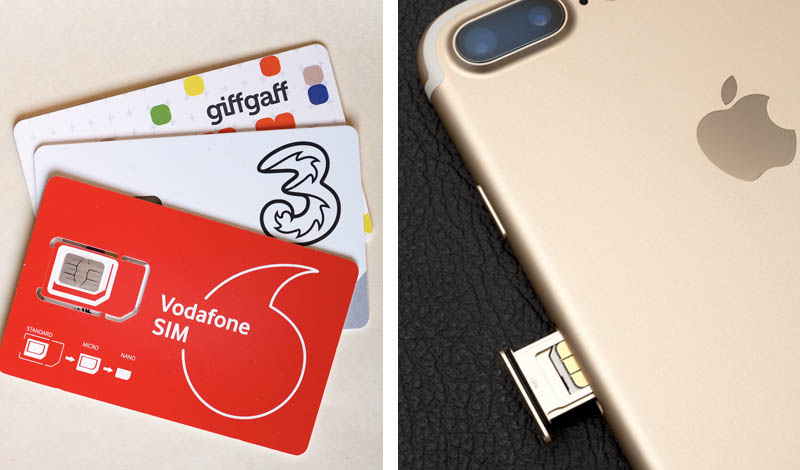
- eSIM Data Plan: Staying connected is vital for navigation, communication, and emergencies. European eSIMs or local SIM cards offer significantly cheaper mobile data compared to international roaming plans from home carriers, often costing around $3/day versus $10-$15/day. Providers like SimOptions.com and Holafly are popular choices for convenient and affordable connectivity.
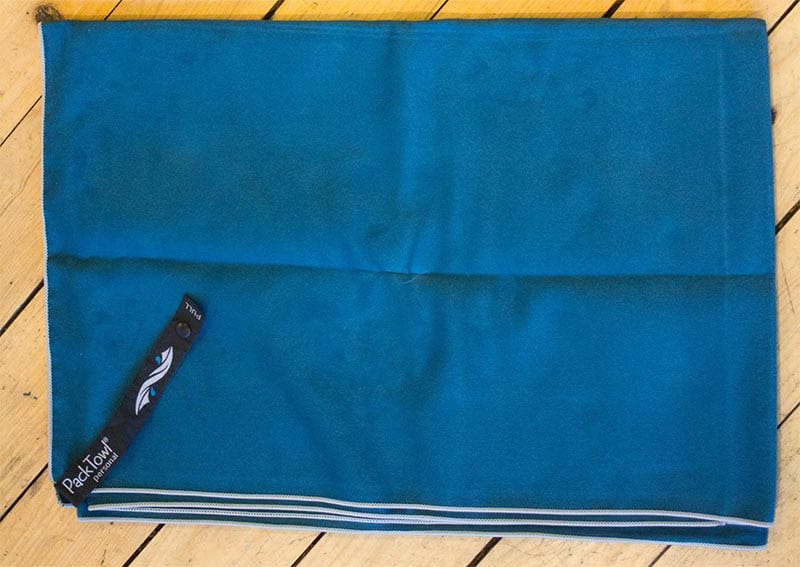
- Quick-Drying Travel Towel: A microfiber travel towel is a practical necessity, especially for hostel stays. Unlike traditional towels, they absorb a large amount of liquid and air dry within a few hours, preventing musty smells and excess weight in a backpack. Popular brands include PackTowl and Sea to Summit.
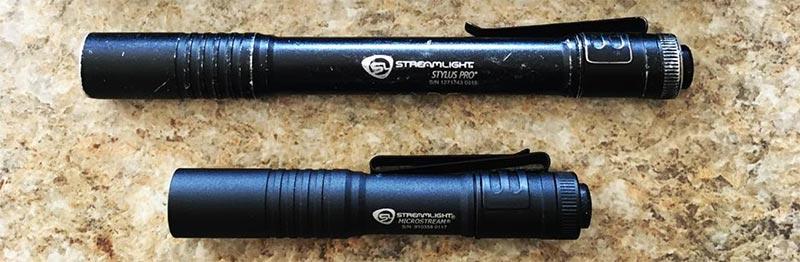
- Small Flashlight/Headlamp: A compact keychain flashlight or a lightweight headlamp is useful for navigating dark hostel dorms without disturbing others, or for dimly lit streets. Streamlight offers durable and powerful miniature flashlights.
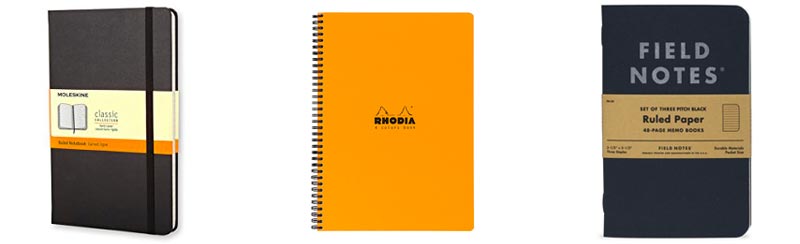
- Notebooks: Jotting down addresses, directions, travel notes, or daily expenses in a small notebook (e.g., Moleskine, Field Notes, Rhodia) serves as a practical record and a tangible souvenir.
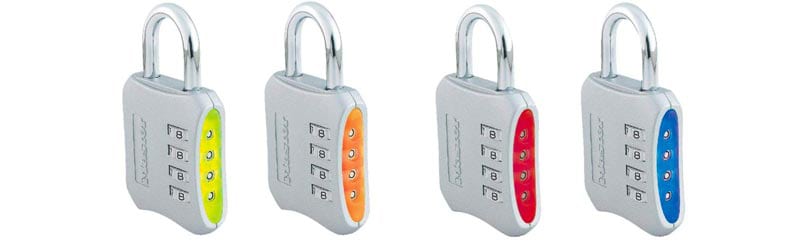
- Padlock & Retractable Cable Lock: Essential for securing belongings in hostel lockers or attaching a bag to a bunk or luggage rack, providing peace of mind against theft. Combination padlocks are convenient as they eliminate the need for keys.
- Travel Sleep Sheet/Sleep Sack: For travelers concerned about hostel linen cleanliness, a lightweight cotton or silk sleep sheet offers an extra layer of personal hygiene. Silk versions are lighter and more compact.
- Earplugs & Eye Mask: Crucial for improving sleep quality in noisy hostels, on trains, planes, or buses. Silicone earplugs and a comfortable eye mask can make a significant difference.
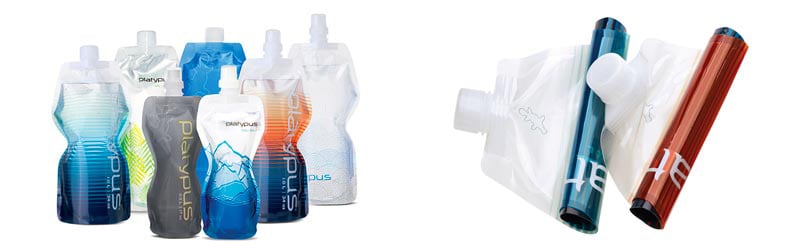
- Water Bottle: A reusable water bottle helps save money and reduce plastic waste. Flexible bottles, like the Platypus Soft Bottle, are excellent for saving space when empty.
- Travel Utensils: A compact set of reusable plastic or titanium utensils is handy for picnics and meals bought from grocery stores, where disposable options might not be provided.
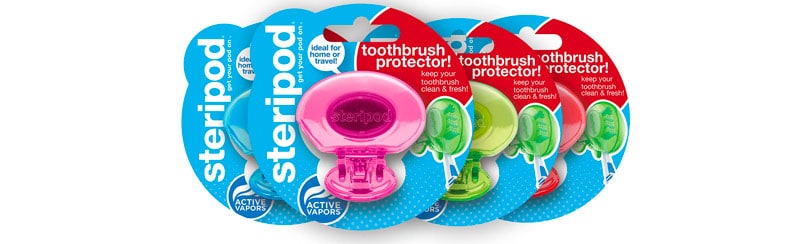
- Toothbrush Cover: A simple toothbrush cover or a Steripod sanitizer helps maintain hygiene while packed.
- Digital Luggage Scale: A small, portable luggage scale can prevent expensive overweight baggage fees, especially when dealing with strict budget airline policies.
- Photocopies of Important Documents: Digital and physical copies of passports, visas, and other critical documents should be stored separately from the originals. Cloud storage services like Google Docs are ideal for digital copies.
- Ziploc Bags (Multiple Sizes): Indispensable for organizing, separating dirty/wet clothes, protecting liquids from leaks, and storing snacks.
- Money Belt: While not universally adopted, a money belt worn under clothing provides an extra layer of security for cash, credit cards, and passports, making travelers less vulnerable to pickpockets.
- Collapsible Umbrella: A compact travel umbrella is a sensible addition for protection against unexpected rain showers.
- Laundry Supplies: A small amount of concentrated travel detergent, a universal sink stopper, and a lightweight travel clothesline enable hand-washing clothes on the go, reducing the need for extensive packing.
- Lint Roller: A mini lint roller can help maintain a tidy appearance, especially when re-wearing clothes.
- Guidebooks and Phrasebooks: While digital resources are abundant, a compact physical guidebook (e.g., Lonely Planet, Rick Steves, Rough Guides) can be valuable for offline information. A small phrasebook aids in basic communication and shows respect for local cultures.
Navigating Connectivity and Electronics:
Modern travel is deeply intertwined with technology. However, understanding European voltage differences (230V vs. North American 120V) is crucial. High-end electronics like laptops, phones, and cameras are generally dual-voltage and only require a plug adapter. Lower-power devices like hair dryers or curling irons may require a voltage converter in addition to an adapter, though it’s often simpler to purchase such items locally.
- Outlet Plug Adapters: Continental Europe primarily uses Type C and F plugs, while the UK uses Type G. A universal travel adapter or a set of specific adapters is necessary. Many modern adapters also include USB ports, simplifying charging for multiple devices.
- Travel Power Strip: Hostels and older hotels often have limited power outlets. A compact travel power strip with USB ports is a worthwhile investment, allowing multiple devices to charge simultaneously from a single adapter.
- Portable Phone Charger (Power Bank): Smartphone batteries can deplete quickly with constant use of navigation apps, cameras, and social media. A reliable power bank (e.g., Anker PowerCore) ensures devices stay charged throughout the day.
- Tablet or Laptop: While some prefer to travel with a laptop for productivity, a lightweight tablet often suffices for entertainment and basic communication, reducing bulk and weight.
- E-Readers: For avid readers, an e-reader like an Amazon Kindle is superior to physical books, offering access to countless titles, including travel guidebooks, in a compact device.
- Headphones: Wireless earbuds (like Apple AirPods) offer convenience, while a cheap pair of wired headphones serves as a backup for in-flight entertainment or when wireless charging isn’t an option.
Travel Insurance: An Essential Safety Net
While not a physical packing item, travel insurance is an indispensable component of any European backpacking trip. It provides financial protection against unforeseen circumstances such as lost luggage, trip cancellations, medical emergencies, and other travel disruptions. Companies like World Nomads are popular among backpackers for their comprehensive coverage options. Investing in travel insurance offers peace of mind, allowing travelers to focus on their adventure with a safety net in place.
Debunking Packing Myths: What to Leave Behind
Several items commonly considered for travel are often unnecessary for a European backpacking trip, adding only superfluous weight and bulk:
- Excessive Clothing: More than a week’s worth of clothes is rarely needed, as laundry facilities are readily available.
- Full-Sized Toiletries: Travel-sized versions or purchasing locally are more efficient.
- Multiple Pairs of Shoes: Two versatile pairs are usually sufficient.
- Jewelry and Valuables: Minimize precious items to avoid loss or theft.
- Too Many Books: An e-reader is a lighter alternative.
- Hair Dryer/Straightener (unless dual voltage): High-power appliances are often incompatible with European voltage without a heavy converter, or can be found at accommodations.
- Large First-Aid Kits: A small, basic kit is enough; pharmacies are common for minor ailments.
- Expensive "Travel Gadgets" (e.g., travel pillow, special travel blanket): Many can be improvised or are simply unnecessary for minimalist travel.
- Hiking Boots (unless specific hiking planned): Bulky and heavy, not ideal for urban exploration.
- Dress Clothes: Smart casual attire usually suffices for most European establishments.
Maximizing Travel Resources and Final Tips:

When acquiring travel gear, various retailers cater to different needs and budgets. Online giants like Amazon, REI, and Backcountry offer a vast selection of backpacks, clothing, and accessories. Specialized travel stores such as Osprey, Patagonia, and Cotopaxi provide high-quality, durable goods. Budget-friendly options can be found at Uniqlo for versatile clothing or Decathlon for outdoor gear. Thrift stores and second-hand shops can also yield unexpected treasures.
Efficient packing is more than just fitting items into a bag; it’s about curating a collection of essentials that enhance the travel experience, minimize stress, and facilitate seamless movement across diverse European landscapes. By embracing the principles of minimalism, versatility, and practicality, travelers can embark on their European adventure equipped for comfort, safety, and unforgettable exploration.
Related posts: