Unlocking Alaska’s Wilderness: Accessible Wildlife Encounters on Standard Cruises

Alaska, a vast expanse covering 586,000 square miles of land, boasts an unparalleled natural grandeur, characterized by over a dozen national parks and preserves, and an exceptionally low human population, fewer than 750,000 residents. This unique demographic landscape ensures that visitors, regardless of their chosen mode of exploration, are almost guaranteed encounters with landscapes predominantly inhabited by an abundant array of wildlife. While niche expedition cruises often market exclusive, intimate wildlife experiences at premium price points, typically upwards of $15,000 per person, a standard cruise ship sailing offers a remarkably similar, if not equally profound, immersion into Alaska’s wild heart for a significantly lower investment. This accessibility to breathtaking natural phenomena and diverse species, from marine mammals to majestic birds, forms a compelling narrative for travelers seeking authentic Alaskan adventures without the prohibitive cost. The recent opening of the Alaska cruise season in May underscored this point, revealing a vibrant ecosystem teeming with life, readily observable from the decks of conventional vessels.
The Alaskan Wilderness: An Overview of Untamed Grandeur
Alaska’s sheer scale and ecological diversity are foundational to understanding its appeal. The state’s landmass is larger than Texas, California, and Montana combined, yet its population density averages just over one person per square mile, starkly contrasting with the lower 48 states. This vastness contributes to the preservation of pristine habitats, supporting a rich biodiversity that includes iconic species like grizzly bears, moose, caribou, and a spectacular array of marine life. The Inside Passage, a network of sheltered waterways stretching from northern Washington state through Southeast Alaska, serves as a primary route for cruise ships and is particularly renowned for its ecological richness and stunning fjords, islands, and glaciers. This region acts as a migratory highway and feeding ground for numerous species, making it a prime location for wildlife observation. The economic impact of tourism, particularly cruise tourism, is substantial for Alaska, contributing billions annually and supporting thousands of jobs. In 2023, Alaska welcomed over 1.6 million cruise passengers, a testament to the growing demand for experiences in this unique wilderness.
A Journey Through Seasons: Shifting Wildlife Encounters
The timing of an Alaskan cruise profoundly influences the specific wildlife sightings one might encounter. A previous voyage in late September, at the tail end of the cruising season, offered distinct observations compared to a recent trip in May, marking the season’s commencement. While both periods presented characteristic Alaskan weather – often chilly and rainy – the dominant species differed significantly. The fall of 2022 witnessed thousands of sea otters and bald eagles, whereas the spring of 2026 yielded an abundance of orcas, humpback whales, and, surprisingly, Rufous hummingbirds. These seasonal variations are directly linked to migration patterns, breeding cycles, and food availability. For instance, humpback whales migrate from their warmer breeding grounds in Hawaii, Mexico, and Japan to the nutrient-rich Alaskan waters in early spring to feed, remaining through summer and fall. Similarly, salmon runs, which peak in late summer and early fall, attract large numbers of predators like eagles and bears. Essential tools for maximizing these sightings, as consistently noted by experienced travelers, include a high-quality pair of binoculars and a camera, allowing for detailed observation from a respectful distance.
Icy Strait Point: A Hub for Marine Giants and Indigenous Culture
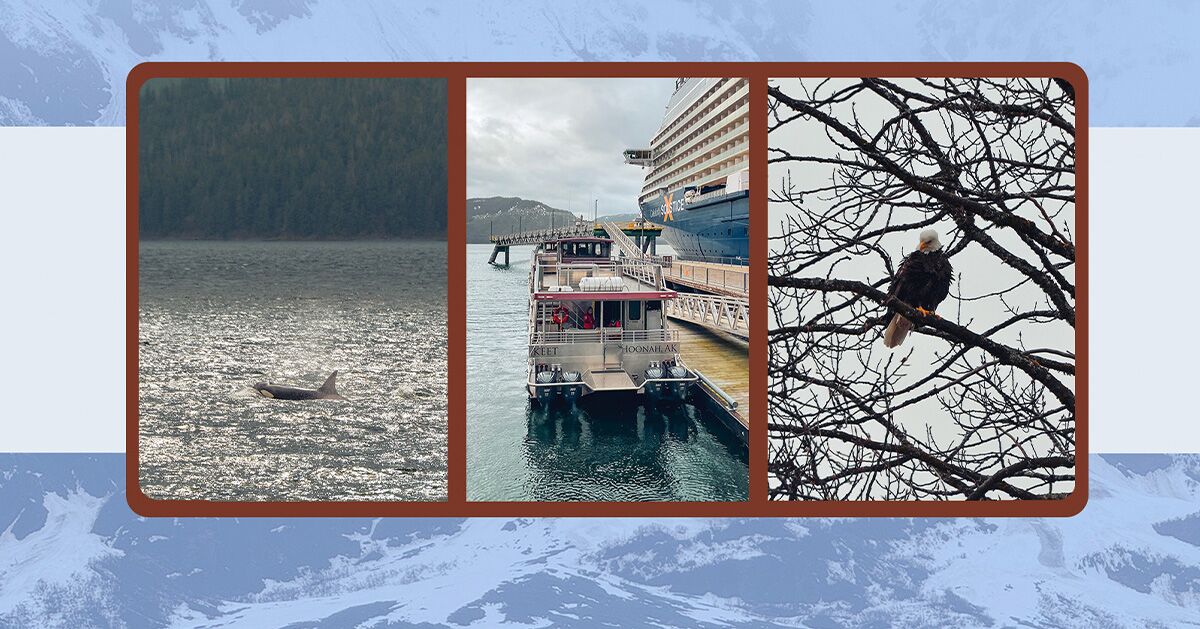
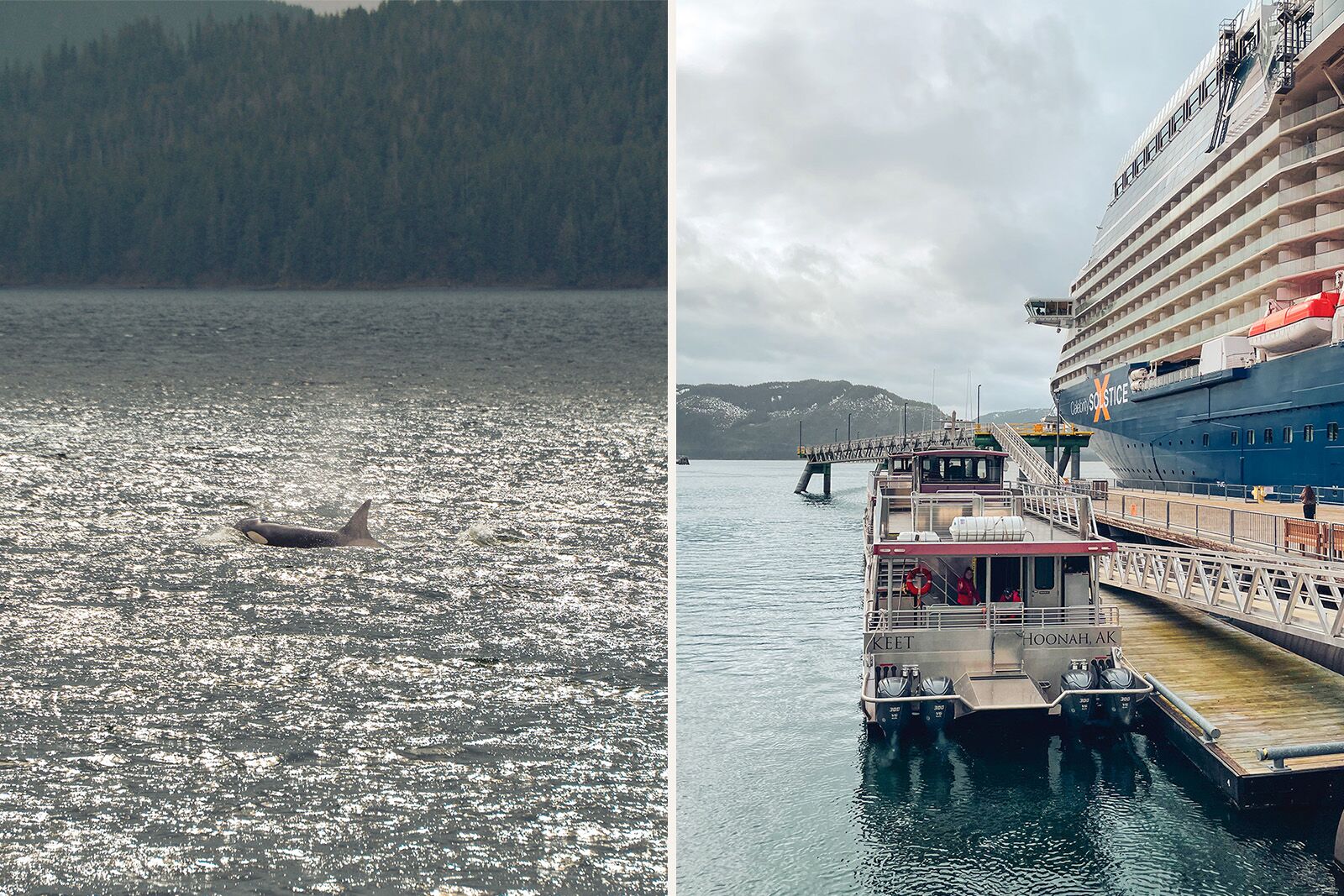
One of the most captivating wildlife encounters occurred at Icy Strait Point, an Indigenous-owned cruise ship destination located in Hoonah, Alaska. Beyond activities such as hiking, ziplining, and cable car rides, a 2.5-hour whale and marine mammals cruise proved to be a highlight. While whale-watching tours increasingly offer sighting guarantees, the unpredictable nature of wild animals means close encounters are never truly assured. However, the captain and naturalists aboard the vessel, aptly named Keet (the Tlingit word for orca), expressed optimism, having noted recent orca activity in the area.
Within ten minutes of navigating Port Frederick Fjord, known as Komtok Hon in the Tlingit language, a small transient pod of orcas was sighted. The pod consisted of an adult male, an adult female, and a juvenile, identifiable by the distinctive size and shape of their dorsal fins. Male orcas possess striking triangular fins that can reach up to six feet in height, while those of females and juveniles are noticeably smaller and more curved. It is a common misconception that orcas are whales; in fact, they are the largest members of the dolphin family, often referred to as "killer whales" due to their predatory prowess. For two hours, the vessel maintained a respectful distance, allowing passengers to observe these magnificent creatures, renowned for their grace and smooth, powerful bodies, in their natural habitat. This encounter highlights the critical role of knowledgeable guides and adherence to marine wildlife viewing guidelines, which typically mandate a minimum distance of 100 yards from marine mammals to prevent disturbance. The Tlingit people, who have inhabited this region for thousands of years, hold deep cultural connections to the orca, viewing it as a powerful spiritual symbol and clan animal.
Hubbard Glacier: A Symphony of Ice and Life
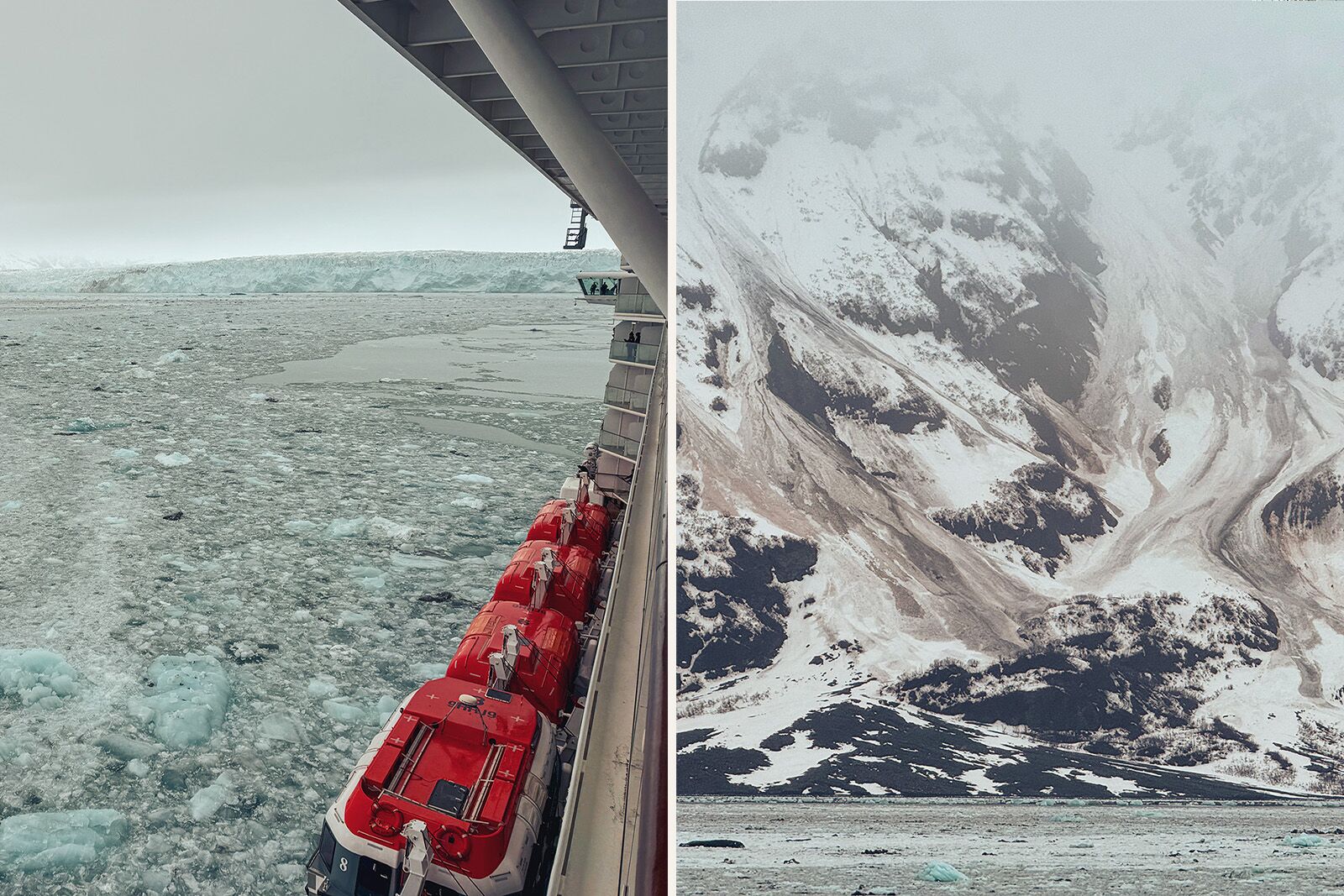
The journey towards Hubbard Glacier, North America’s largest tidewater glacier, located within Wrangell-St. Elias National Park and Preserve, offers another dimension of Alaska’s wild beauty. Despite being one of the least visited national parks in the US due to its remote, roadless interior, its coastal access makes it a popular destination for cruise ships. The approach to Hubbard Glacier through Yakutat Bay often presents challenging weather conditions—heavy rain, dense fog, and low temperatures are common. However, with appropriate gear such as parkas, woolen hats, and thick mittens, and the added comfort of a covered balcony cabin, the experience remains profoundly impactful.
The glacier itself is the undisputed star, a dynamic landscape of ice in myriad shapes and colors. The air reverberates with the sounds of cracking and groaning ice as the ship navigates closer. Patient observers are often rewarded with the dramatic spectacle of large ice floes calving, flipping with thunderous roars into the bay. This raw display of geological power is capable of eclipsing any discomfort from the elements.
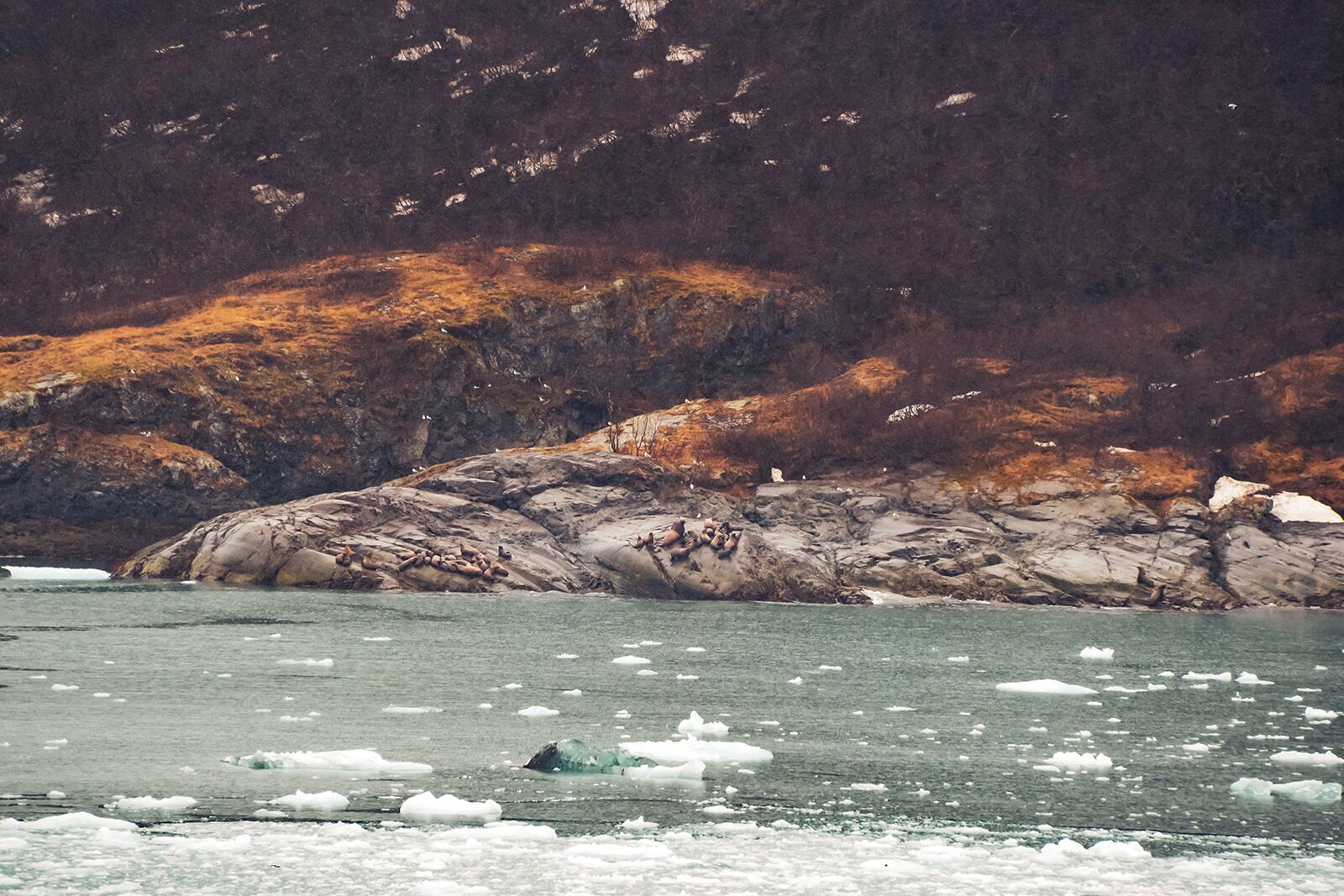
Wildlife observation at Hubbard Glacier demands keen eyes and binoculars. During the visit, several harbor seals were spotted, along with a sea otter and a surprisingly resilient Rufous hummingbird, its vibrant red throat a stark contrast against the gray skies. The most significant sighting, however, was dozens of Steller sea lions resting on a rocky peninsula. Their characteristic loud barks signaled their presence, though their coloring often blended seamlessly with the rugged landscape, making them difficult to spot without optical aid. Once located, distinguishing the males was straightforward; they can be nearly three times larger than females, with broad chests and prominent roars. Steller sea lions are a species of conservation concern; the Western Steller sea lion population is listed as endangered under the IUCN Red List, while the Eastern population is considered near threatened, underscoring the ecological fragility of these environments. Efforts to protect their habitats and minimize human disturbance are ongoing, often involving collaboration between government agencies, local communities, and conservation groups.
Ketchikan: Eagles, Totems, and Terrestrial Wonders
Ketchikan, known as the "Salmon Capital of the World," offers a blend of cultural richness and abundant wildlife, particularly bald eagles. With over 70,000 bald eagles estimated to reside in Alaska, more than any other U.S. state, coastal areas are prime viewing locations due to the birds’ primary diet of fish. Southeast Alaska, and Ketchikan specifically during the salmon run (May through September), provides exceptional opportunities to observe these majestic raptors in large numbers. Even outside of Ketchikan, such as in Icy Strait Point, individual eagles and their massive nests—which can measure up to eight feet across, the largest of any North American bird—are frequently observed.
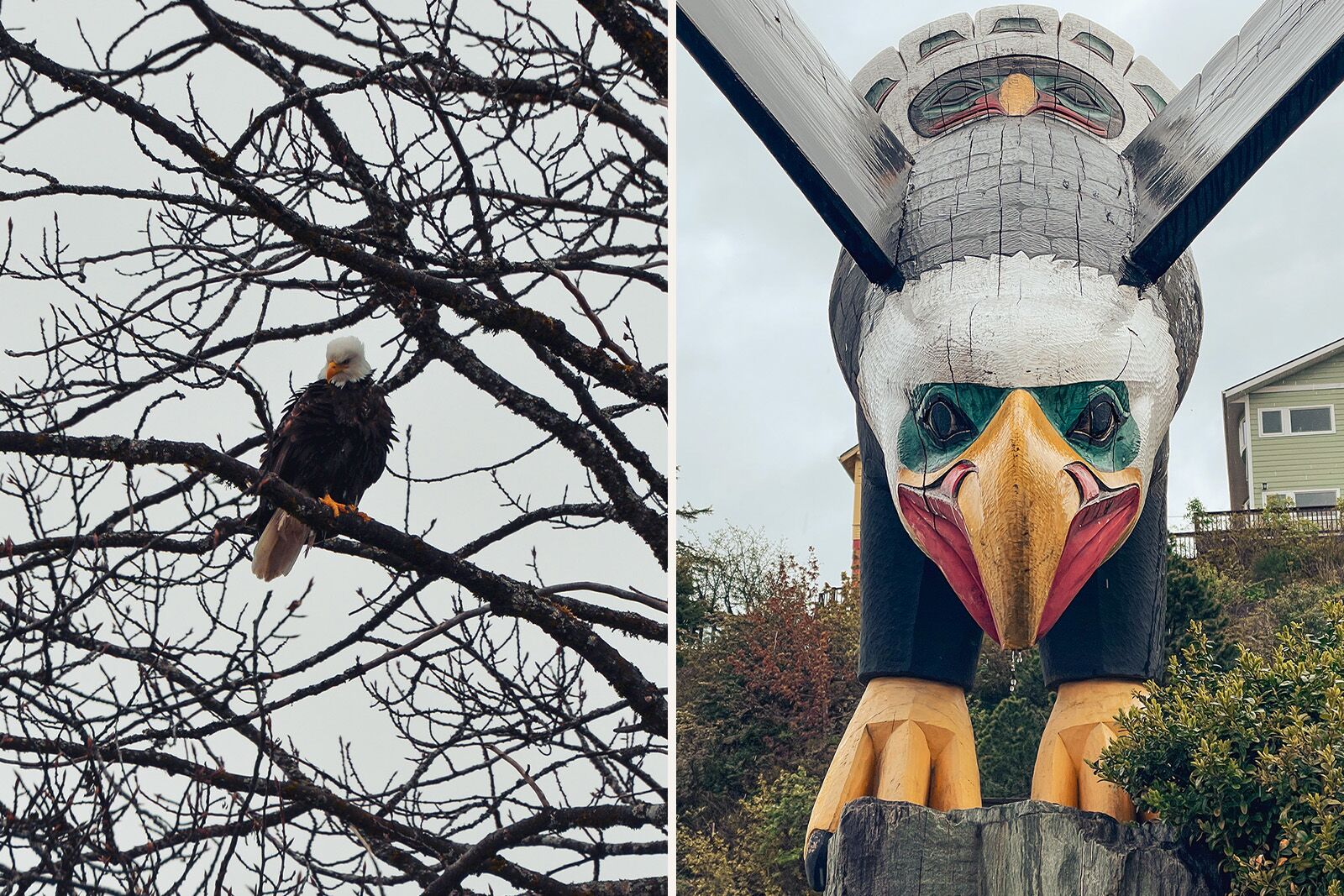
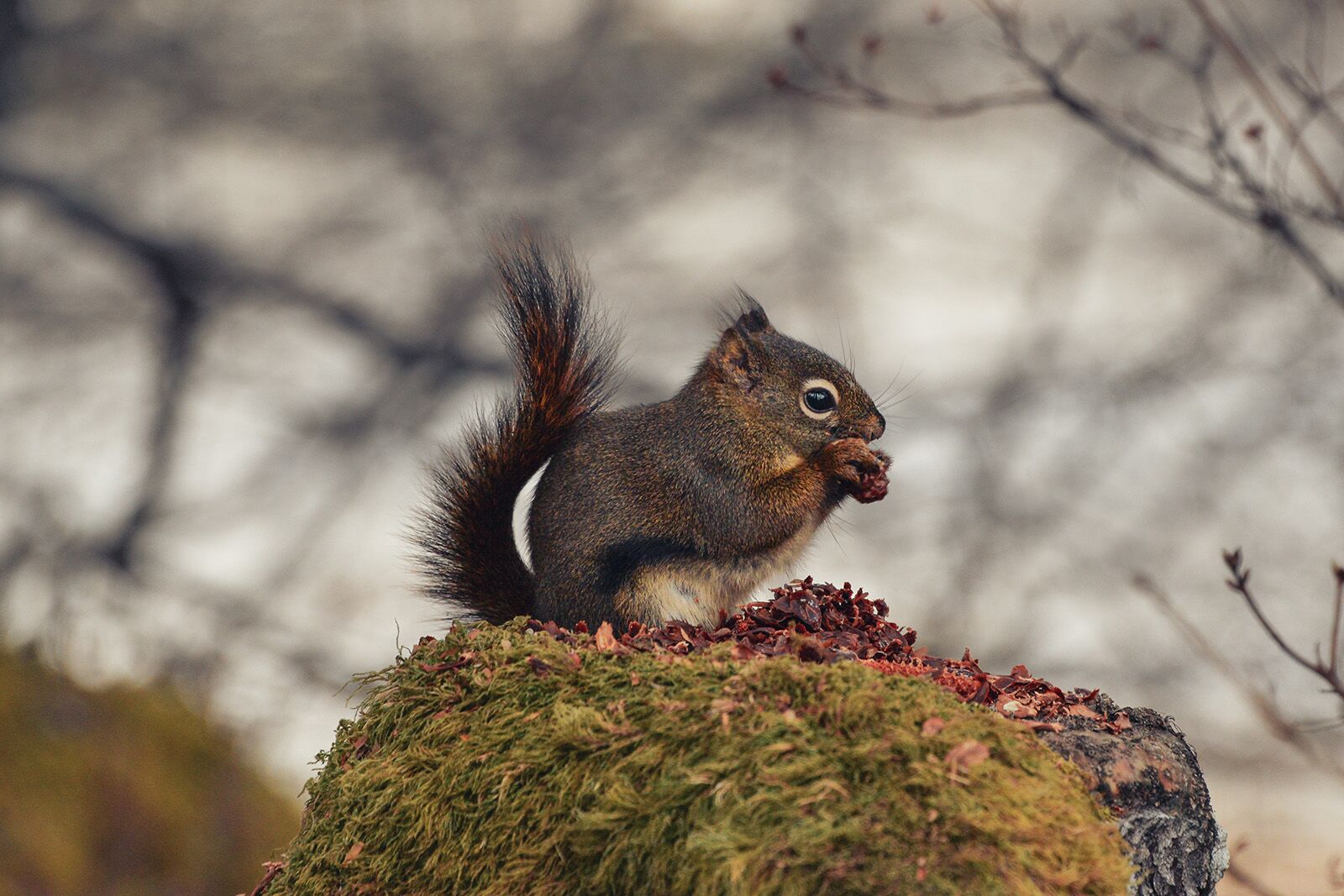
Bald eagles hold profound cultural significance for the Indigenous Tlingit people, featuring prominently in their art, folklore, and spiritual traditions. The Totem Heritage Center in Ketchikan is an invaluable resource for understanding this cultural connection, showcasing traditional carvings of eagles and other important figures by Tlingit artists. Beyond the grandeur of eagles, Alaska’s forests harbor smaller, yet equally captivating, creatures. A forest hike revealed a red squirrel meticulously processing a pine cone on a tree stump, a common behavior. The accumulation of pine cone cuttings around the stump indicated it served as a regular "dining table" for the industrious rodent. Red squirrels are ubiquitous across much of Alaska, demonstrating the pervasive presence of wildlife, from the smallest to the largest, across the Alaskan landscape.
Concluding Encounters: Brown Bears and Humpback Whales
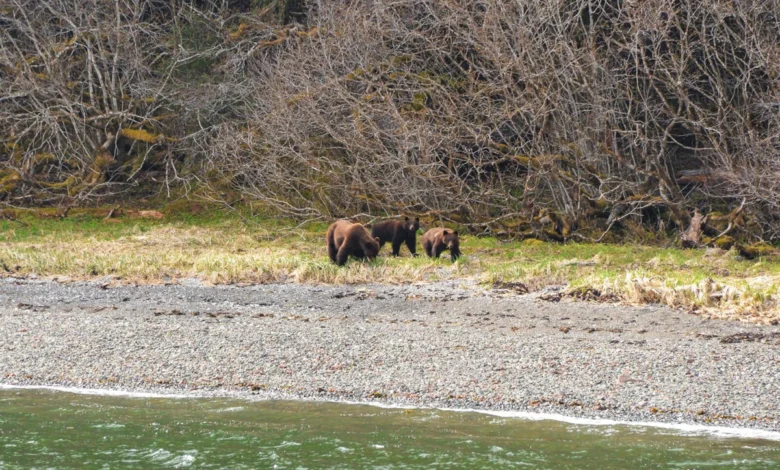
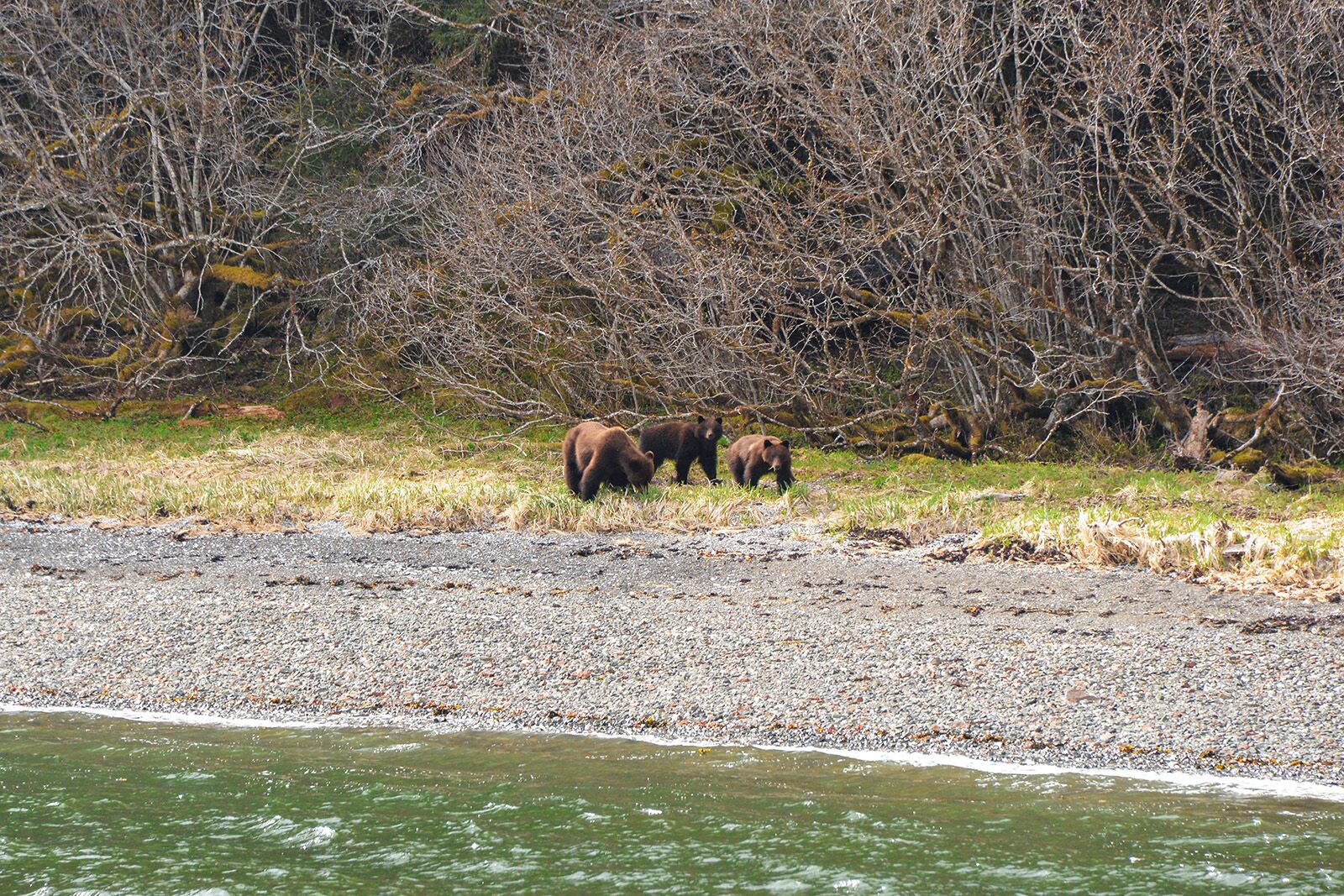
The return journey from the whale and marine mammals tour in Icy Strait Point provided a final, memorable encounter: three coastal brown bears—a mother and two cubs—grazing peacefully along the beach. The boat maintained a safe and respectful distance to avoid disturbing the animals. Coastal brown bears are physically similar to grizzlies, characterized by their large size and distinctive shoulder hump. The primary distinction lies in their diet and habitat; coastal brown bears rely heavily on marine food sources such as salmon and clams, while grizzlies typically consume more inland resources like berries and terrestrial meat. This sighting served as a powerful reminder of Alaska’s rich terrestrial wildlife, often found remarkably close to its marine environments.
The waters of Alaska are also vital summer feeding grounds for humpback whales, which migrate north from their breeding grounds in Hawaii, Mexico, and Japan in early spring. These magnificent creatures, much like human cruisers, spend the spring, summer, and fall seasons around Alaska. Humpbacks are relatively easy to spot, even from afar, due to the distinctive plumes of water they exhale at the surface. Another reliable indicator is the "fluke"—the dramatic raising of their massive tails out of the water before a deep dive. Hundreds of humpbacks were observed throughout the seven-day journey, some at a distance, others closer, each sighting a source of wonder. The Inside Passage, known for its high concentration of marine life, is particularly favored by humpback whales, making it an essential route for cruises focused on whale watching.
Harbor seals, with their round heads, long, thick whiskers, and sleek, torpedo-shaped bodies, are among the most endearing species encountered in Alaska. Their inherent curiosity often brings them close to human activity, increasing the odds of sightings. One particular harbor seal near Ketchikan’s Creek Street, seemingly accustomed to human presence, delighted tourists by swimming and frequently popping its head out of the water to observe the crowds. These consistent and varied wildlife encounters underscore the unparalleled accessibility of Alaska’s natural wonders through standard cruise itineraries.
Conservation and Responsible Tourism: Sustaining Alaska’s Future
The increasing popularity of Alaskan cruises raises important considerations regarding environmental impact and sustainable tourism. While cruises offer an accessible way for many to experience this pristine wilderness, concerns about waste management, air and water pollution, and noise disturbance to marine life persist. Cruise lines and regulatory bodies have implemented various measures to mitigate these impacts, including advanced wastewater treatment systems, reduced emissions, and adherence to strict wildlife viewing guidelines. Organizations like the Alaska Cruise Association work with local communities and environmental groups to promote responsible tourism practices and support conservation efforts.
The observations from this cruise highlight the resilience and abundance of Alaska’s wildlife, but also the need for continued vigilance in protecting these fragile ecosystems. The opportunity to witness orcas, humpback whales, Steller sea lions, bald eagles, and brown bears in their natural habitats from a standard cruise ship demonstrates that profound connections with the wild are within reach for a broader audience. By choosing responsible operators and adhering to ethical viewing practices, visitors can contribute to the preservation of Alaska’s untamed grandeur for generations to come, ensuring that the magic of its wilderness remains accessible and vibrant. The enduring allure of Alaska lies not just in its breathtaking landscapes, but in the vibrant, interconnected web of life that thrives within them, inviting awe and inspiring stewardship.