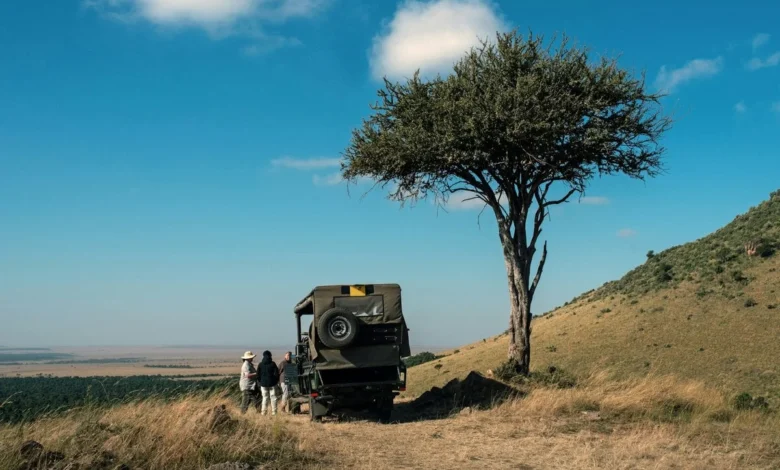
A safari in East Africa stands as one of the planet’s most iconic and sought-after travel experiences, drawing millions annually to its vast plains, towering peaks, and pristine coastlines. From the legendary wildlife spectacles of the Serengeti and Masai Mara to the lush national parks of Uganda, renowned for gorilla trekking, and the idyllic beaches of Zanzibar, the region offers an unparalleled scale of biodiversity, breathtaking landscapes, and profound cultural depth that many conventional itineraries often merely scratch the surface of. This extraordinary allure, however, comes with a distinct set of considerations, particularly concerning traveler health and safety. Unlike a typical city break or beach holiday, safari travel often involves navigating rural, remote areas, undertaking extensive road transfers between lodges, and venturing into regions where certain travel-related health risks are more prevalent. This reality does not necessitate worry but underscores the critical importance of meticulous preparation to ensure a safe, healthy, and ultimately unforgettable journey.
Before embarking on an adventure to Kenya, Tanzania, Uganda, Zanzibar, or any of the myriad captivating safari destinations in East Africa, prospective travelers are strongly advised to plan their health needs with the same diligence and detail as their travel itinerary. Neglecting this crucial aspect can transform a dream vacation into a challenging ordeal, impacting not only personal well-being but also the overall enjoyment of the trip.
The Unique Landscape of East African Safari Health Risks
East Africa’s diverse environments, while stunning, present a unique combination of potential health challenges. The continent’s vastness means that travelers might experience significant variations in climate, altitude, and epidemiological profiles within a single trip. Moving from humid lowlands to cooler highlands, or from bustling urban centers to secluded wilderness camps, exposes visitors to different vectors and conditions. For instance, while malaria risk is typically lower at higher altitudes, other environmental factors like extreme sun exposure, dust, and dehydration become more pronounced. Long travel days, often on unpaved roads, can also exacerbate minor health issues or lead to fatigue, making travelers more susceptible to illness.
Early Health Consultation: The Cornerstone of Preparation
The optimal time to commence health preparations for an East African safari is several weeks, ideally two to three months, prior to the intended departure date. This crucial lead time allows for the effective administration of necessary vaccinations, some of which require multiple doses spaced weeks apart to achieve full immunity. Furthermore, certain malaria prevention medications must be initiated before arrival in a risk area and continued for a period after departure, making early planning indispensable.
Consulting a specialized travel medicine doctor or visiting a dedicated travel clinic is paramount. These professionals possess the expertise to provide tailored advice based on a traveler’s precise itinerary, individual health history, the prevailing season, and the specific nature of the trip. A short urban stay in Nairobi, for example, demands different health precautions than an extended stay at a remote safari lodge in the Maasai Mara, or a beach extension in Zanzibar, or the physically demanding gorilla trekking in Uganda’s Bwindi Impenetrable Forest.
To facilitate the most relevant and accurate medical advice, travelers should bring a detailed itinerary to their appointment, including:
- Specific countries and regions to be visited.
- Planned activities (e.g., game drives, hiking, water sports, cultural visits, mountain climbing).
- Types of accommodation (e.g., luxury lodges, tented camps, budget hotels).
- Duration of stay in each location.
- Details of any transit stops or previous international travel.
- A comprehensive medical history, including existing conditions, allergies, and current medications.
- Vaccination records.
This comprehensive information empowers the clinician to offer highly personalized recommendations, ensuring maximum protection. Organizations like the World Health Organization (WHO) and the U.S. Centers for Disease Control and Prevention (CDC) consistently emphasize the importance of pre-travel medical consultations for complex itineraries like East African safaris.
Checking Routine and Travel-Specific Vaccinations
Before any international journey, particularly to a region like East Africa, it is essential to confirm that all routine vaccinations are current. These typically include measles, mumps, and rubella (MMR), tetanus, diphtheria, pertussis (Tdap), polio, and influenza. Depending on age and home country recommendations, others might be advised. Ensuring these foundational immunizations are up-to-date provides a baseline layer of protection against common diseases.
For East Africa, a travel health doctor will also discuss a range of travel-specific vaccines, with recommendations varying based on the itinerary and individual risk profile:
- Hepatitis A and Typhoid: Both are transmitted through contaminated food and water, making them highly relevant for travelers to regions where sanitation standards may differ.
- Yellow Fever: This vaccine is particularly critical for East Africa. Entry requirements are complex and depend not only on the destination country but also on the traveler’s country of origin, any connecting countries, and previous travel history within specific yellow fever risk zones. An International Certificate of Vaccination or Prophylaxis (ICVP), often referred to as a "yellow card," is proof of vaccination and is often required for entry or transit. Failure to produce this certificate can lead to denial of entry, quarantine, or mandatory vaccination at the border. It is imperative to check official government entry requirements for every country on the itinerary well in advance.
- Hepatitis B: Recommended for travelers who may have close contact with local populations, participate in medical tourism, or engage in activities that could lead to exposure to blood or bodily fluids.
- Rabies: Advisable for those engaging in prolonged outdoor activities, working with animals, or visiting very remote areas where medical care is delayed. While direct contact with wild animals is discouraged on safari, accidental exposure can occur.
- Meningitis (Meningococcal disease): May be recommended for travelers visiting specific areas or during certain seasons, particularly those expecting close contact with local populations.
- Cholera: Primarily a water-borne disease, the vaccine may be considered for those with extensive travel to areas with limited access to safe water and sanitation, or for humanitarian workers.
The timing of these vaccinations is crucial. Some require more than one dose spaced weeks apart, while others, like the yellow fever vaccine, may only be administered at approved clinics. This underscores the necessity of the early consultation.
Understanding and Mitigating Malaria Risk
Malaria remains one of the most significant health considerations for travelers to many safari destinations in East Africa. This mosquito-borne parasitic disease can be life-threatening if not properly prevented and treated. The risk of malaria varies considerably by country, specific region, altitude (higher altitudes generally have lower risk), season (risk often increases during and immediately after rainy seasons), and the exact itinerary. Therefore, generic advice is insufficient; a personalized assessment is vital.
A travel health professional will assess these factors and may recommend malaria prevention tablets (prophylaxis). The choice of medication depends on several factors, including the specific resistance patterns of malaria parasites in the areas to be visited, the traveler’s medical history, other medications being taken, potential side effects, pregnancy status, and the duration of the trip. It is critical to adhere strictly to the prescribed schedule for malaria medication, which often involves starting the medication days or weeks before arrival in a malaria-risk area and continuing it for a period after leaving. For example, Malarone (atovaquone/proguanil) is typically started 1-2 days before, taken daily during, and continued for 7 days after leaving the risk area, while Doxycycline is started 1-2 days before and continued for 4 weeks after.
Crucially, medication is only one facet of malaria prevention. Equally important is rigorously avoiding mosquito bites, as no medication offers 100% protection.
Comprehensive Mosquito Protection Strategies
Mosquito-borne illnesses extend beyond malaria to include diseases like Dengue fever, Chikungunya, and sometimes Zika virus (though less prevalent in East African safari areas compared to other tropical regions). Consistent and diligent mosquito protection is paramount throughout the safari. Travelers should pack appropriate gear and use it religiously, especially during peak mosquito activity times: around dawn, dusk, and throughout the evening.
Essential items for mosquito protection include:
- High-strength insect repellent: Containing active ingredients like DEET (30-50%), Picaridin (20%), or Oil of Lemon Eucalyptus (OLE).
- Permethrin-treated clothing: Or clothing that can be treated with permethrin, an insecticide that repels and kills mosquitoes on contact. This is particularly effective for safari wear.
- Long-sleeved shirts and long trousers: Made of light-colored, breathable fabric, to be worn especially during dawn, dusk, and evening hours when mosquitoes are most active.
- Mosquito nets: While many reputable safari lodges provide treated mosquito nets over beds, bringing a portable, permethrin-treated net might be advisable for budget travelers or those venturing into more rustic accommodations.
- Room sprays or coils: To be used in accommodation before sleeping.
- Plug-in mosquito repellent devices: For use in rooms without air conditioning or screens.
Many established safari lodges are well-equipped to manage mosquitoes, often featuring screened windows, air conditioning, and treated nets. However, bringing one’s own essentials provides an additional layer of security and peace of mind.
Assembling a Safari Travel Health Kit
Safari itineraries frequently involve travel through remote areas where access to pharmacies or medical clinics may be severely limited or non-existent. A thoughtfully prepared personal travel health kit can be invaluable for managing minor ailments, preventing them from escalating, and avoiding disruptions to the trip.
Consider packing the following:
- Prescription medications: Enough for the entire trip, plus a few extra days, carried in their original packaging with a copy of the prescription and a doctor’s letter explaining the medical condition and necessity of the medication.
- Over-the-counter medications:
- Pain relievers (e.g., ibuprofen, acetaminophen).
- Anti-diarrhea medication (e.g., loperamide).
- Antihistamines for allergies or insect bites.
- Antacids for indigestion.
- Motion sickness medication, especially for long, bumpy drives or small plane transfers.
- First-aid supplies:
- Antiseptic wipes or hand sanitizer.
- Assorted bandages, sterile gauze, and adhesive tape.
- Topical antiseptic cream or ointment.
- Hydrocortisone cream for skin irritations or insect bites.
- Blister treatment.
- Tweezers.
- Hydration and sun protection:
- Oral rehydration salts (ORS) for severe diarrhea or dehydration.
- High-SPF sunscreen and lip balm with SPF.
- After-sun lotion.
- Other useful items:
- Insect repellent (as discussed above).
- Water purification tablets or a portable filter for emergencies.
- Eye drops for dust irritation.
- Small thermometer.
Travelers with chronic health conditions such as allergies, asthma, diabetes, or heart conditions must consult their doctor well before travel. Carrying a written medical summary detailing diagnoses, medications, and emergency contacts is crucial. The International Society of Travel Medicine (ISTM) advises that this document be kept easily accessible.
Food and Water Safety: A Prudent Approach
Stomach issues are a common complaint among travelers, and experiencing gastrointestinal distress during a safari, especially during long drives or in remote locations, can be particularly uncomfortable and disruptive. Adhering to strict food and water safety practices is paramount.
To significantly reduce the risk of food and water-borne illnesses:
- Drink only bottled water: Ensure the seal is unbroken. Avoid tap water, even for brushing teeth, unless explicitly confirmed as safe by a reliable source.
- Avoid ice cubes: Unless made from purified water.
- Be cautious with fresh juices: Especially those sold by street vendors, as they may be diluted with unsafe water or contain unwashed fruit.
- Eat only thoroughly cooked food: Avoid raw or undercooked meats, fish, and eggs.
- "Boil it, cook it, peel it, or forget it": A golden rule for fruits and vegetables. Avoid salads or fruits that cannot be peeled.
- Practice rigorous hand hygiene: Wash hands frequently with soap and water, or use an alcohol-based hand sanitizer, especially before eating and after using the restroom.
- Avoid street food: Unless it is freshly cooked in front of you and served hot by a vendor with a clear reputation for hygiene.
While most reputable safari lodges and tour operators maintain high standards of food safety, travelers should still exercise common sense and remain vigilant.
Planning for Environmental Factors: Heat, Sun, Dust, and Long Drives
Safari travel can be physically demanding, even for the fit. Early morning starts, extensive transfers across varied terrain, often on bumpy unpaved roads, intense heat, pervasive dust, and changing altitudes can all take a toll on a traveler’s well-being.
To mitigate these environmental challenges and stay well:
- Prioritize hydration: Drink plenty of bottled water throughout the day, even if you don’t feel thirsty. Dehydration is a common issue in hot climates.
- Protect from the sun: Wear wide-brimmed hats, sunglasses, and use high-SPF sunscreen generously. Seek shade during the hottest parts of the day, typically midday.
- Manage dust: Use a scarf or bandana to cover your mouth and nose during dusty drives. Eye drops can alleviate irritation.
- Dress appropriately: Wear light-colored, loose-fitting, breathable clothing to reflect heat and provide sun protection.
- Pace yourself: Build in adequate rest time, especially during multi-day itineraries. Avoid overexertion.
- Be aware of altitude: While most East African safaris operate at moderate altitudes, some areas (like Ngorongoro Crater or parts of Kenya’s highlands) can be higher. Travelers planning treks to Mount Kilimanjaro or Mount Kenya require specific acclimatization protocols.
- Comfort on drives: Bring a neck pillow, snacks, and entertainment for long transfers.
If traveling with young children, older adults, or individuals with pre-existing medical conditions, it is particularly important to build extra rest days and flexibility into the itinerary.
Emergency Preparedness and Access to Medical Help
Despite the best preparations, unforeseen medical issues can arise. It is crucial to understand the emergency procedures in place before departure. Inquire with your tour operator about:

- The proximity and nature of the nearest medical clinic or hospital to your lodges.
- Emergency communication methods (e.g., radio, satellite phone).
- Protocols for medical emergencies, including initial response and transportation.
- Availability of medical evacuation services.
Travel Insurance with Medical Evacuation: This is non-negotiable for an East African safari. Standard travel insurance may not cover the high costs associated with medical evacuation from remote areas, which can run into tens of thousands of dollars. Ensure your policy includes comprehensive medical coverage, emergency medical evacuation, and repatriation. Many reputable tour operators will require proof of such insurance.
For non-emergency medical issues or advice, digital healthcare platforms have emerged as a valuable resource. For instance, services like Air Doctor connect travelers to a vetted network of local doctors abroad, offering options for clinic visits, home visits, or video consultations. These platforms can be particularly useful for obtaining advice, understanding local healthcare options, or getting prescriptions refilled, often with multilingual support.
Post-Travel Health Vigilance
Medical vigilance should extend beyond the duration of the trip. A fever developing during the safari or anytime within a year after returning home warrants immediate medical attention. It is crucial to inform the healthcare provider about recent travel to a malaria-risk area, even if antimalarial prophylaxis was taken. Malaria symptoms can be non-specific and mimic other illnesses, making prompt diagnosis and treatment vital.
Other concerning symptoms that should not be ignored include: severe headache, confusion, difficulty breathing, persistent vomiting, severe diarrhea, or signs of dehydration. These require immediate medical evaluation.
Final Safari Health Checklist
Before embarking on your extraordinary East African safari, ensure you have addressed the following critical points:
- Consulted a travel health professional well in advance (2-3 months prior).
- Received all recommended routine and travel-specific vaccinations, including Yellow Fever if required by your itinerary.
- Obtained and started any prescribed malaria prevention medication according to schedule.
- Packed comprehensive mosquito protection, including repellent and appropriate clothing.
- Assembled a well-stocked personal travel health kit, including all necessary prescription medications.
- Understood and committed to food and water safety practices.
- Prepared for environmental challenges like heat, sun, dust, and potential long drives.
- Secured comprehensive travel insurance that explicitly covers emergency medical evacuation and treatment in remote areas.
- Familiarized yourself with emergency procedures through your tour operator.
- Communicated any chronic health conditions and carried a medical summary.
- Planned for post-travel health vigilance, especially regarding fever.
An East African safari promises an extraordinary journey into the heart of the wild, offering once-in-a-lifetime encounters with magnificent wildlife and breathtaking landscapes. While the allure of the adventure is undeniable, it is the meticulous and proactive health preparation that truly enables travelers to fully immerse themselves in these moments without concern. By consulting with travel health professionals, adhering to vaccination and malaria prevention guidelines, and packing wisely, visitors can ensure their focus remains squarely on the wonders of East Africa, creating memories that will last a lifetime, unmarred by preventable health challenges.