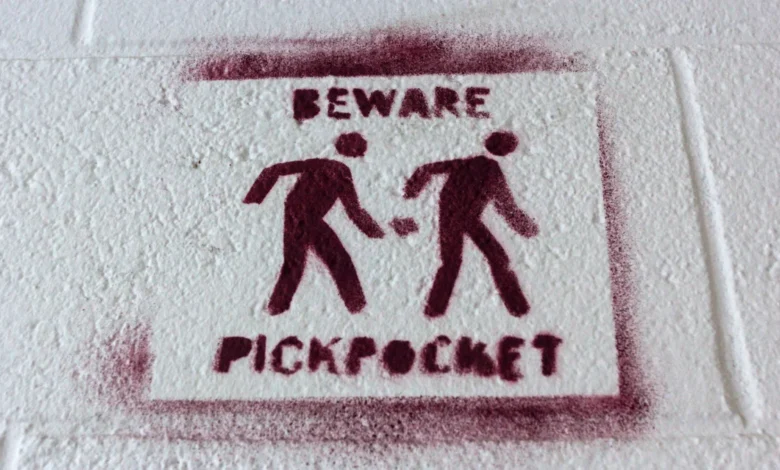
The Evolution of Street Crime: From Wallets to Digital Identities
Historically, pickpocketing was a crime of opportunity focused on liquid assets. Travelers were cautioned to hide cash in money belts and avoid flashing large denominations in public. However, as society has transitioned toward a cashless economy, the "loot" has changed. Today, a smartphone is not merely a communication device; it is a consolidated hub containing banking applications, travel documents, biometric data, and primary credit cards through digital wallets.
The theft of a phone often results in a "cascading failure" of personal security. Law enforcement agencies in major metropolitan areas report that once a device is stolen, the immediate goal for organized criminal groups is often to gain access to the device’s passcode. This is frequently achieved through "shoulder surfing," where thieves observe a victim entering their PIN before snatching the device. With the passcode and the hardware, criminals can change Apple ID or Google account passwords, lock the rightful owner out of their cloud storage, and drain bank accounts via mobile apps before the victim even finds a landline to report the crime.
Statistical Analysis of Global Theft Trends
The scale of the problem is reflected in recent crime data from the world’s most visited cities. In London, the Metropolitan Police reported a staggering surge in mobile phone thefts, with figures indicating that a phone is stolen approximately every six minutes in the UK capital. Projections for the mid-2020s suggest that nearly 80,000 devices are targeted annually in London alone. Similar trends are observed in Paris, Barcelona, and Rome, where "snatch-and-grab" incidents—often involving thieves on electric scooters or bicycles—have become the primary method of operation.
In North America, cities like Toronto and New York have also noted a rise in cell phone-related crimes. Beyond the resale value of the hardware, which can fetch hundreds of dollars on the secondary market for parts or overseas export, the "data value" of a device is increasingly lucrative. Cyber-intelligence firms note that a single unlocked phone with access to a primary email account can be used to reset passwords for a dozen other services, making it a cornerstone for identity theft.
The Anatomy of a Modern Pickpocketing Operation
To protect oneself, it is essential to understand the chronology of a typical modern theft. Most incidents are not random but follow a specific sequence of observation and execution.
Phase 1: The Mark
Thieves look for "soft targets"—travelers who appear distracted, disoriented, or overly reliant on their devices. A person standing on a street corner staring at a map on their phone, or someone with a phone loosely held in their hand while boarding a crowded train, is a primary candidate.
Phase 2: The Distraction or Observation
In "high-skill" operations, one member of a team will distract the victim. This could be the classic "mustard trick" (where an accomplice spills something on the victim and offers to clean it) or the "petition trick" (where the victim is asked to sign a document, blocking their line of sight to their waist or bags). Simultaneously, another member may be "shoulder surfing" to observe the victim’s phone passcode if they are using their device.
Phase 3: The Snatch
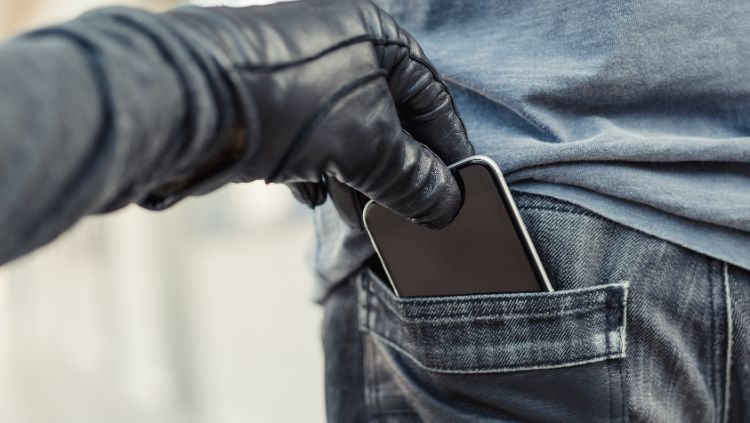
The actual theft occurs rapidly. In many European cities, this involves a "run-by" or a "ride-by," where the device is snatched from the hand while the victim is mid-call or navigating. In crowded transit systems, it is often a silent extraction from a pocket or an unzipped bag during the "push" of boarding or exiting a carriage.
Phase 4: The Lockdown
Within minutes of the theft, professional syndicates will attempt to put the phone into "Airplane Mode" to prevent remote tracking via "Find My iPhone" or similar services. If they have the passcode, they will immediately navigate to security settings to decouple the device from the owner’s accounts.
Advanced Physical Protection Strategies
In response to these evolving risks, security experts and seasoned travelers have developed a multi-layered approach to physical security.
- The End of the Phone Wallet: While convenient, phone-case wallets that hold credit cards and ID are now considered a high-risk liability. Losing the phone means losing all forms of payment and identification simultaneously. Travelers are advised to keep these items physically separate.
- Tethering and Hardware Security: The use of phone leashes or tethers—coiled cords that attach the device to a belt loop or the interior of a bag—has seen a resurgence. These make "snatch-and-grab" thefts significantly more difficult.
- Strategic Storage: High-value items should never be kept in back pockets or the outer compartments of backpacks. Front pockets are better, but dedicated "slash-proof" travel bags with locking zippers are the gold standard.
- The Dummy Wallet Technique: In areas known for aggressive pickpocketing, some travelers carry a "dummy wallet" containing a small amount of local currency and expired cards. This can be surrendered in a confrontation or serve as the "easy target" for a pickpocket, leaving the actual valuables safe in a hidden money belt.
Digital Safeguards and Technological Redundancy
Physical vigilance must be paired with digital hardening. As software developers recognize the rise in device-targeted crime, new features have been introduced to mitigate the damage.

- Stolen Device Protection: Modern operating systems now offer features that require biometric authentication (FaceID or TouchID) to change critical security settings, even if the thief knows the passcode. Enabling these features is a prerequisite for safe travel.
- The Power of eSIMs: Unlike physical SIM cards, which a thief can easily remove and discard to prevent tracking, an eSIM is embedded in the hardware. This makes it harder for a thief to take the phone offline permanently and increases the window for remote tracking.
- Cloud Redundancy: Before departing, travelers should ensure a full backup of their device is stored in the cloud. Furthermore, critical information (passport copies, insurance details, emergency contacts) should be stored in a secondary, encrypted location accessible from any web browser.
- Two-Factor Authentication (2FA) Adjustments: Many people use their phone as their primary 2FA device. If the phone is stolen, the owner may be locked out of their accounts because they cannot receive the 2FA code. Travelers should set up "recovery codes" or use a secondary 2FA method (like a physical security key or a tablet left in the hotel safe).
Official Responses and the Role of Local Authorities
Law enforcement agencies in tourism-heavy cities have begun to implement more aggressive "anti-theft" squads. In London, the Metropolitan Police have deployed undercover officers in "hotspots" like Covent Garden and Soho to intercept snatch-thieves. In Barcelona, the Mossos d’Esquadra (regional police) have increased their presence in the Metro system, specifically targeting known repeat offenders.
However, officials admit that recovery rates for stolen phones remain low. Most devices are quickly dismantled for parts or shipped to international markets where "blacklisted" IMEIs (International Mobile Equipment Identities) are not tracked. Consequently, the official stance from most consulates and police departments is one of prevention rather than recovery. They urge travelers to report thefts immediately, not necessarily in the hope of getting the device back, but to obtain a police report for insurance purposes and to help authorities track crime patterns.
Broader Implications for the Travel Industry
The rise in sophisticated pickpocketing has broader implications for the travel industry, particularly for solo travelers. Security concerns can influence destination choices and impact the local economy of cities perceived as "unsafe." To combat this, many hotels and tour operators are now providing "safety briefings" as part of their check-in process, advising guests on specific local scams.
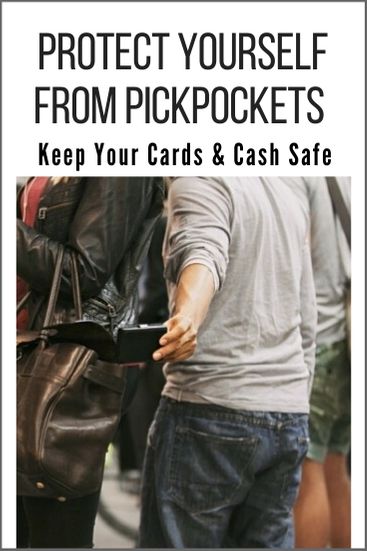
Furthermore, the insurance industry is adapting. Traditional travel insurance policies often have low caps on "electronic equipment" that may not cover the full cost of a modern flagship smartphone. This has led to a surge in specialized "gadget insurance" and a shift in how travelers perceive the "cost of safety."
Ultimately, protecting oneself from pickpockets in the modern era requires a blend of old-school street smarts and new-age digital hygiene. By recognizing that the smartphone is the primary target and taking steps to decouple their digital life from their physical hardware, travelers can significantly reduce their risk. The goal is no longer just to keep your pockets closed, but to ensure that even if a thief succeeds in the "snatch," they fail in the "breach." Awareness remains the most effective tool in a traveler’s arsenal; staying present in the moment and cognizant of one’s surroundings is the best way to ensure that a trip is remembered for its sights and experiences rather than a visit to a local police station.