Navigating Ancient Wonders: A Comprehensive Guide to the Enduring Appeal of Nile River Cruises

Imagine watching the timeless landscape of Egypt pass by as you sip fragrant tea from the deck of your ship, a journey that cuts through the very cradle of civilization. This experience, traversing the world’s longest river, the Nile, is not merely a vacation but an immersive historical odyssey, a quintessential addition to any traveler’s bucket list when planning a tour of Egypt. This guide delves into the multifaceted aspects of a Nile cruise vacation, providing an in-depth look at what to expect from this unparalleled cultural and luxurious adventure.
The Nile: Egypt’s Lifeline and a Historical Artery
For millennia, the Nile River has been the lifeblood of Egypt, nurturing its ancient civilization and shaping its destiny. Stretching approximately 6,650 kilometers (4,132 miles), it is the longest river in the world, flowing northwards from Lake Victoria to the Mediterranean Sea. The fertile lands along its banks gave rise to pharaohs, pyramids, and a civilization that continues to awe and inspire. Today, the river remains central to Egyptian identity, not only supporting agriculture and daily life but also serving as the primary conduit for exploring the nation’s most iconic archaeological treasures. A Nile cruise offers a unique perspective, allowing travelers to trace the footsteps of ancient Egyptians while enjoying modern comforts.
Floating Sanctuaries: The Diverse World of Nile Cruise Vessels

Modern river cruises on the Nile are far removed from simple transport; they are akin to moving boutique resorts, designed to offer upscale comfort and amenities amidst an ancient backdrop. These "floating hotels" come in a range of categories, from classic standard vessels to opulent ultra-luxury liners, each promising a distinctive experience.
The standard cruise ships are multi-deck motor vessels capable of accommodating between 50 and 150 passengers. They typically feature a comprehensive array of facilities, including swimming pools, sundecks with shaded lounges, spas, fitness centers, multiple dining rooms, and various entertainment areas. Cabins are generally well-appointed, offering private bathrooms and often large windows or balconies to take in the unfolding scenery. These larger ships provide a vibrant, social atmosphere, with opportunities to interact with fellow travelers from around the globe.
In contrast, a more intimate and traditional option exists in the form of the Dahabiya. These smaller, twin-masted wooden sailing boats represent a bygone era of Nile travel. Relying primarily on wind power, they offer a tranquil and unhurried journey, often capable of docking at more remote, pristine locations inaccessible to larger vessels. With a capacity typically limited to 8 to 10 guests in spacious cabins, Dahabiyas provide an exclusive, personalized experience, appealing to those seeking quiet luxury and a deeper connection with the river’s rhythm. Unlike the larger cruise ships, Dahabiyas sometimes permit swimming in the Nile when anchored near calm, clean banks, offering a truly unique interaction with the historic waterway.
Journey Through Time: Classic Itineraries and Unmissable Sites
The classic sailing route for Nile River cruises primarily runs between the historic cities of Luxor and Aswan, a stretch rich in monumental ancient Egyptian sites. Travelers typically choose between 3-night, 4-night, or 7-night voyages, each carefully crafted to maximize exposure to the region’s historical grandeur.

A typical itinerary, whether northbound from Aswan to Luxor or southbound from Luxor to Aswan, is meticulously planned to balance sightseeing with periods of relaxation. Daily excursions are a cornerstone of the experience, guided by expert Egyptologists who bring the ancient world to life with their profound knowledge and storytelling.
- Luxor: Often dubbed the "world’s greatest open-air museum," Luxor is a primary starting or ending point. Here, travelers explore the colossal Karnak Temple Complex, a sprawling city of temples, chapels, pylons, and obelisks dedicated to the Theban triad. Nearby, the elegant Luxor Temple is particularly stunning when illuminated at night. On the West Bank, the Valley of the Kings reveals the tombs of pharaohs, including Tutankhamun, while the mortuary temple of Hatshepsut stands as a magnificent example of New Kingdom architecture. The majestic Colossi of Memnon, two massive stone statues of Pharaoh Amenhotep III, guard the entrance to what was once his mortuary temple.
- Edfu: Mid-route, cruises typically stop at Edfu to visit the remarkably preserved Temple of Horus, one of the largest and best-preserved cult temples in Egypt. Its intricate hieroglyphs and towering pylons offer an unparalleled glimpse into ancient Egyptian religious practices.
- Kom Ombo: Further south, the unique Temple of Kom Ombo stands picturesquely on a high dune overlooking the Nile. This double temple is dedicated to two deities: Sobek, the crocodile god of fertility, and Haroeris, the falcon-headed god. The temple’s symmetrical design and its well-preserved nilometer provide fascinating insights into ancient engineering and belief systems.
- Aswan: The southernmost major city on the cruise route, Aswan offers a different flavor of Egyptian charm. Here, excursions include a visit to the Aswan High Dam, a modern engineering marvel, and the Unfinished Obelisk, which offers clues about ancient quarrying techniques. The enchanting Philae Temple, dedicated to the goddess Isis, was famously relocated block by block to Agilkia Island to save it from the rising waters of Lake Nasser. A highlight in Aswan is often a traditional felucca ride, a serene sail on a traditional wooden sailboat, offering peaceful views of the Elephantine Island and the Aga Khan Mausoleum.
These daily adventures provide a perfect mix of active exploration and deep relaxation, ensuring that passengers absorb the historical significance of each site with expert guidance.
A Tapestry of Tastes: The Expansive Culinary Journey
One of the biggest highlights of a Nile cruise is its expansive culinary offering, which ranges from varieties of international favorites to authentic local flavors. Onboard chefs pride themselves on delivering a diverse gastronomic experience, catering to a wide array of palates.
Breakfasts typically feature lavish buffets with both Western and Middle Eastern options, including fresh fruits, pastries, eggs, cheeses, and local delights like foul medames (stewed fava beans). Lunches often consist of varied buffets, offering salads, grilled meats, pasta, and a selection of hot dishes. Dinners are usually a more formal affair, with options ranging from themed buffets showcasing different cuisines to elegant à la carte dining.
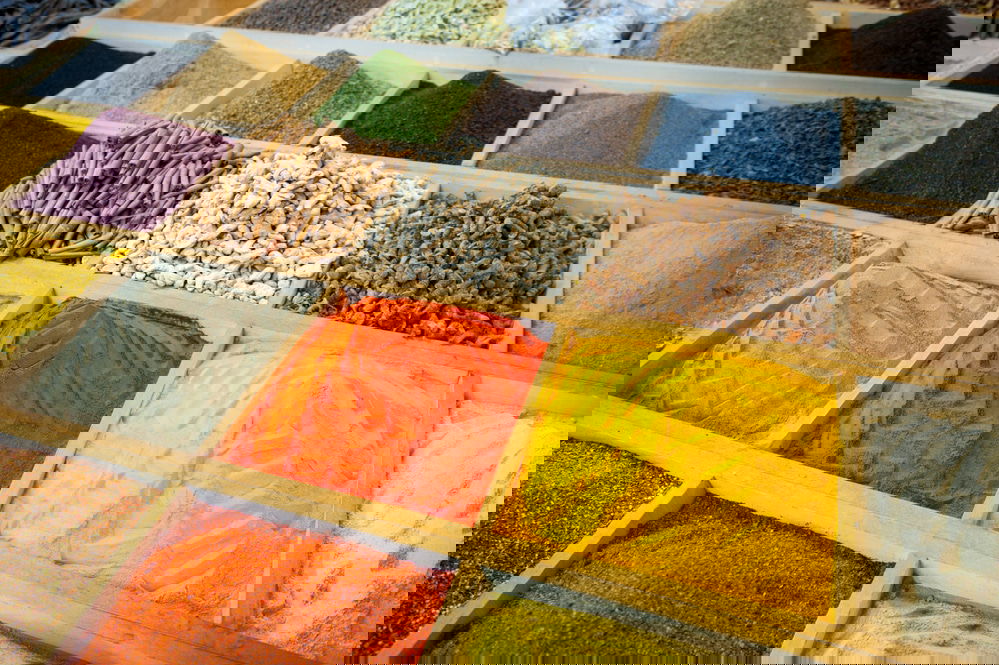
The culinary journey is incomplete without savoring authentic Egyptian dishes. Passengers can expect to find local specialties such as koshary (a hearty mix of rice, pasta, lentils, chickpeas, and tomato sauce), tagines (slow-cooked stews), grilled kebabs, falafel, and a variety of fresh seafood, particularly fish caught from the Nile itself. The use of aromatic spices, fresh herbs, and locally sourced ingredients elevates every meal. Refreshing beverages, including traditional hibiscus tea (karkadeh) and freshly squeezed juices, are also readily available. Most cruise lines are adept at accommodating various dietary restrictions and preferences, from vegetarian and vegan to gluten-free, provided they are informed in advance.
Cultural Immersion and Evening Entertainment
The fun and experiences do not end with excursions to the ancient sites. As passengers return to the ship in the evening, they can expect a lively atmosphere filled with curated entertainment designed to immerse them further in Egyptian culture. These cultural evenings are a significant part of the onboard experience, fostering a deeper appreciation for the country’s traditions.
Typical entertainment includes captivating belly dancing shows, mesmerizing whirling dervish performances, and traditional music concerts featuring local instruments. One of the most popular events is often a "Galabeya Party," where guests are encouraged to dress in traditional Egyptian garments (galabeyas) and enjoy an evening of dancing and festivities. Beyond performances, some cruises offer cooking demonstrations of Egyptian cuisine, Arabic calligraphy lessons, or informative lectures by Egyptologists, delving deeper into the history and mythology of the sites visited. These activities provide a rich and engaging way to unwind after a day of exploration, creating lasting memories and fostering camaraderie among passengers.
Logistics and Practicalities for a Seamless Journey

Planning a Nile cruise involves several practical considerations to ensure a smooth and enjoyable trip.
- Best Time to Travel: The ideal time for a Nile cruise is during the cooler months, from October to April, when temperatures are pleasant for sightseeing. Summers (May to September) can be intensely hot, though some travelers prefer this period for fewer crowds and potentially lower prices.
- Booking and Operators: It is crucial to book with reputable tour operators and cruise lines known for their safety standards, quality of service, and experienced guides.
- Motion Sickness: A common concern for cruise novices, motion sickness is rarely an issue on the Nile. Unlike the harsh, strong currents of ocean liners, the Nile River is generally calm, with flat waters and no sudden swells or waves. The sailing pace is incredibly slow and steady, meaning motion sickness is far less likely to occur on these routes.
- Tipping (Baksheesh): Tipping, or baksheesh, is an expected custom in Egypt and an integral part of the local economy. For Nile cruises, many lines streamline this by collecting a lump sum, typically around $5 to $10 USD per person, per night, at the end of the journey. This sum is then distributed among the ship’s crew. Separately, it is customary to tip tour guides and drivers for their services, usually at the end of each excursion or at the conclusion of their guiding duties.
- Sailing Schedule: It is rare for river ships to sail through the night. For safety and to navigate river currents smoothly, these vessels typically sail only during the day and early evening, then dock at designated ports overnight. This allows for peaceful sleep and ensures that passengers wake up ready for new adventures.
- Swimming in the Nile: For safety reasons, standard cruise ships strictly prohibit swimming in the Nile due to heavy boat traffic and strong river currents. However, as mentioned, with boutique Dahabiya cruises, when the vessel anchors near calm, clean banks, swimming is often permitted under the guidance of the crew, offering a unique opportunity to experience the river directly.
Economic and Cultural Impact of Nile Tourism
Nile River cruises are a significant pillar of Egypt’s tourism industry, contributing substantially to the national economy. The influx of international travelers generates considerable revenue, supporting a vast network of related businesses, from local markets and craft shops to hotels, restaurants, and transportation services. The industry creates numerous job opportunities for Egyptians, including cruise ship staff, tour guides, drivers, and artisans, providing vital livelihoods for countless families.
Beyond the economic benefits, tourism plays a crucial role in the preservation and maintenance of Egypt’s unparalleled archaeological heritage. The revenue generated helps fund ongoing excavation projects, restoration efforts, and the protection of ancient sites from environmental degradation and human impact. This symbiotic relationship ensures that future generations can continue to marvel at the wonders of ancient Egypt. However, it also highlights the importance of sustainable tourism practices to minimize the environmental footprint and ensure that the cultural integrity of the sites and local communities is respected.
In conclusion, a Nile River cruise offers an unparalleled blend of luxury, history, and cultural immersion. From the moment one steps aboard a meticulously appointed vessel to the final farewell, every aspect of the journey is designed to provide unique experiences of a lifetime. With expert guidance, sumptuous cuisine, engaging entertainment, and the breathtaking backdrop of ancient monuments, a Nile cruise remains a truly transformative and unforgettable way to explore the heart of Egypt.