The High Cost of Ancient Wonders: Animal Exploitation and the Rise of Ethical Tourism in Egypt and Jordan

The global tourism industry is currently facing a profound reckoning as the veil is lifted on the systemic exploitation of animals at some of the world’s most iconic landmarks. For decades, experiences such as riding elephants in Thailand, swimming with captive dolphins in the Caribbean, or "walking with lions" in South Africa were marketed as essential, once-in-a-lifetime opportunities for the intrepid traveler. However, as global awareness regarding animal welfare and sentient rights matures, these once-revered attractions are increasingly coming under intense scrutiny. Behind the carefully curated social media imagery and the grandeur of ancient monuments lies a reality that many travelers find impossible to reconcile with their personal ethics.
This shift in consumer consciousness is perhaps most visible in the Middle East, particularly in Egypt and Jordan. These nations, home to UNESCO World Heritage sites like the Giza Pyramids and Petra, have long relied on working animals—horses, camels, and donkeys—to transport tourists across rugged terrain. Yet, a growing movement of ethical travelers is sounding the alarm, choosing to boycott these destinations entirely rather than contribute to a cycle of abuse.
The Michiko Case: From Dream Itinerary to Ethical Boycott
The tension between tourism and animal welfare is exemplified by the story of a traveler named Michiko, whose experience highlights the power of the modern, informed consumer. Having spent years planning a comprehensive journey through Egypt and Jordan, Michiko viewed the trip as a pinnacle of cultural exploration. The goal was to witness the remnants of ancient civilizations that have shaped human history. However, as the finalization of the itinerary drew near, Michiko’s research led to a harrowing discovery.
Online traveler forums, including Tripadvisor and Reddit, are increasingly populated with accounts that contradict the glossy brochures of travel agencies. Michiko encountered thousands of testimonials describing a "nightmare" reality: horses and camels with bleeding, mutilated noses; emaciated donkeys with visible ribs working under the relentless desert sun; and evidence of severe physical abuse used to keep exhausted animals moving.
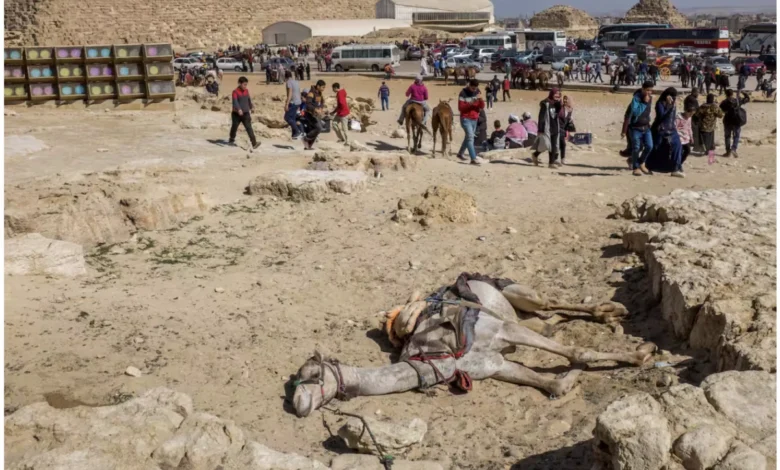
Most distressing were the reports of "animal graveyards" located behind the Great Pyramids of Giza. These sites are allegedly where loyal working animals, once they are no longer deemed "useful" or are too exhausted to continue, are abandoned to die in the heat. For Michiko, this was the breaking point. The decision was made to cancel the entire trip, citing a refusal to spend a single dollar in an industry that "mutilates and discards sentient beings." This individual act of protest was followed by formal letters of concern sent to the Egyptian Ministry of Tourism and Antiquities and the Egypt Tourism Promotion Authority, signaling that animal welfare is now a primary factor in destination selection for the global market.
Documenting the Crisis: Evidence of Systemic Neglect
The allegations raised by travelers like Michiko are supported by a wealth of digital evidence and investigations by international animal rights organizations. Organizations such as People for the Ethical Treatment of Animals (PETA) have conducted undercover investigations in Cairo and Luxor, documenting the routine beating of camels and horses.
In many instances, animals are forced to carry heavy loads or pull carriages in temperatures exceeding 40 degrees Celsius (104 degrees Fahrenheit) without adequate access to shade, water, or veterinary care. The physical toll is evident in the form of open sores from ill-fitting harnesses and the "bleeding noses" frequently mentioned in tourist reviews. Furthermore, the issue extends beyond working equines. In Egypt’s Nubian villages and on "Banana Island" in Luxor, exotic creatures like crocodiles are often kept in cramped, dark, and unsanitary conditions for decades, serving as mere props for tourist photographs.
The digital footprint of these abuses is vast. On platforms like Tripadvisor, the Pyramids of Giza and the ancient city of Petra have seen a surge in "one-star" reviews specifically targeting animal cruelty. Travelers describe a sense of "visceral horror" that overshadows the historical significance of the sites. This grassroots documentation is creating a reputational crisis for tourism boards that have traditionally relied on these animals as a core part of the "authentic" experience.
The Economic Hardship Argument vs. Ethical Responsibility
A common defense for the state of animal welfare in developing tourism markets is the role of economic hardship. Proponents of this view argue that the owners of these animals are often impoverished and lack the resources to provide high-quality care. They suggest that the "tradition" of animal-led transport is a vital source of income for local communities.
However, ethical travel advocates and many travelers argue that poverty is not a justification for cruelty. The sentiment expressed by Michiko—that "kindness is not a luxury reserved for the rich"—resonates with a growing demographic of tourists. They posit that cruelty is a choice and that systemic exploitation for profit cannot be excused by the economic status of the perpetrator.

Furthermore, from a pragmatic perspective, the mistreatment of animals is increasingly recognized as a "poverty trap." When animals are overworked and underfed, they become less productive, die younger, and require earlier replacement, which places a greater financial burden on the owners. Conversely, healthy, well-treated animals can work more efficiently and for more years, while also appealing to the high-spending demographic of ethical tourists who currently avoid these sites.
Regulatory Progress and the 2026 Directive
In response to mounting international pressure and the tangible loss of tourism revenue, the Egyptian government has begun to take incremental steps toward reform. One of the most significant developments occurred in April 2026, when Egypt’s Chamber of Tourism Establishments and Restaurants issued a directive banning the use of all animals—both domestic and wild—in artistic and entertainment performances within hotel and tourism facilities.
While this directive is a landmark victory for animal rights advocates, critics note that it primarily targets performances and "entertainment" rather than the broader issue of working animals used for transport at archaeological sites. The ban does not yet extend to the horse-drawn carriages (calèches) in Edfu or the camel rides at Giza.
Nonetheless, the 2026 directive signals a shift in the government’s stance, acknowledging that the nation’s "brand" is being tarnished by reports of cruelty. There are ongoing discussions regarding the introduction of electric carriages and motorized vehicles to replace animal transport at major sites, a move that PETA and other NGOs have offered to help fund and implement.
The Role of UNESCO and Global Heritage Standards
The coexistence of UNESCO World Heritage status with prolific animal welfare concerns raises complex questions about the responsibilities of international bodies. UNESCO designations are awarded based on "Outstanding Universal Value" to humanity, focusing on cultural and natural preservation. However, there is a growing call for UNESCO to incorporate ethical management and animal welfare into its monitoring of heritage sites.
If a site’s management relies on the systemic abuse of animals, critics argue that it undermines the "universal value" the designation is meant to uphold. There is a precedent for UNESCO intervening in the management of sites due to environmental or developmental concerns; advocates are now pushing for "ethical sustainability" to be added to the list of criteria for maintaining heritage status.
Implications for the Future of Global Tourism
The trend toward ethical travel is not a passing fad but a structural shift in the industry. The World’s Ten Best Ethical Destinations 2025 report, published by Ethical Traveler, highlights how nations are now being assessed on their commitment to human rights, environmental protection, and social welfare. Countries in the developing world that prioritize these values are seeing a "reputation dividend," attracting a new generation of travelers who prioritize impact over aesthetics.
For countries like Egypt and Jordan, the choice is clear: modernize and regulate animal welfare or face a continued decline in interest from the ethical travel market. The economic weight of consumer choice is a powerful tool for change. When travelers choose to spend their money in destinations that protect their environment and sentient beings, they create a financial incentive for other nations to follow suit.
Conclusion: A Call for Conscious Exploration
The transition to ethical tourism requires a multi-faceted approach involving government regulation, NGO advocacy, and, most importantly, traveler awareness. For those who still wish to visit ancient wonders like the Pyramids or Petra, there are ways to minimize harm:
- Refuse Animal Transport: Opt for walking or use motorized transport where available.
- Report Abuse: Use platforms like Tripadvisor and social media to document and report specific instances of cruelty, as this data is used by NGOs to pressure governments.
- Support Local Conservation: Direct your spending toward local businesses and NGOs that are working to improve animal welfare and provide sustainable alternatives for animal owners.
The decision to cancel a "trip of a lifetime" is never easy, but as the case of Michiko demonstrates, it is a powerful statement of principle. The ultimate goal of travel is to expand one’s horizons and connect with the world; this connection is hollow if it is built upon the suffering of others. As the industry moves toward 2030, the true mark of a "world-class" destination will not just be its ancient ruins, but the kindness and compassion with which it treats all its inhabitants.