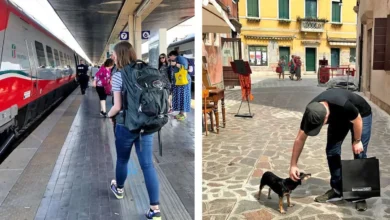
For a long time, becoming a digital nomad almost automatically meant becoming a freelancer. The allure of traveling, working from anywhere, and crafting a life free from the traditional 9-5 office routine invariably pointed to a single path: offering services online as an independent contractor. This model fostered a vibrant ecosystem of remote professionals specializing in a wide array of skills, from freelance writing, website design, social media management, and virtual assistance to coaching, consulting, marketing, SEO, and video editing. The list was extensive, encompassing virtually any expertise that could be packaged and delivered digitally. Individuals like the authors, who embarked on their online work journey in 2012, exemplify this pioneering era, building income streams through travel blogging, brand collaborations, and diverse online ventures derived from their acquired skills. This lifestyle, characterized by working from beach towns, mountain villages, bustling cafes, and countless countries, offered an unparalleled degree of freedom. However, after more than a decade of observing and participating in this evolving landscape, a critical shift has emerged that often goes undiscussed within the digital nomad community: freelancing is no longer the sole, nor necessarily the optimal, pathway to an internationally mobile career.
The Traditional Digital Nomad Path: Foundations and Inherent Challenges

The archetypal digital nomad narrative typically unfolded as a straightforward sequence: quit your conventional job, transition to freelancing, secure a few clients, book a one-way ticket, and then work from any desired location. On paper, this vision holds immense appeal, promising liberation and autonomy. Indeed, for many, it delivered precisely that. The ability to dictate one’s hours, choose clients, and set personal rates fostered a sense of entrepreneurial empowerment. Yet, beneath the surface of this idyllic freedom lay a less glamorous reality, often discovered only after committing to the freelance path.
Freelancers are not merely responsible for executing their specialized work; they are also the architects of their entire business infrastructure. This entails a relentless cycle of pitching for new projects, engaging in sales efforts, managing client relationships, sending invoices, diligently following up on payments, navigating contract negotiations, and constantly seeking new clients to replace those who inevitably move on or conclude projects. This administrative burden, coupled with the inherent instability of fluctuating workloads and income, frequently leads to a "feast-or-famine" cycle. Some months bring abundant opportunities and financial security, while others are fraught with stress and uncertainty. The sudden departure of a major client can abruptly transform the "freedom lifestyle" into a precarious struggle, a scenario many long-term freelancers, including the authors, have experienced repeatedly. While freelancing undeniably offers an incredible avenue for building location-independent income and personal brand equity, it is crucial to acknowledge its comprehensive demands. It requires individuals to simultaneously operate as their own marketing department, sales force, finance team, administrative support, and delivery unit. This multifaceted responsibility, while empowering for some, can be overwhelming for others.
The Evolution of Remote Work: A Post-Pandemic Catalyst
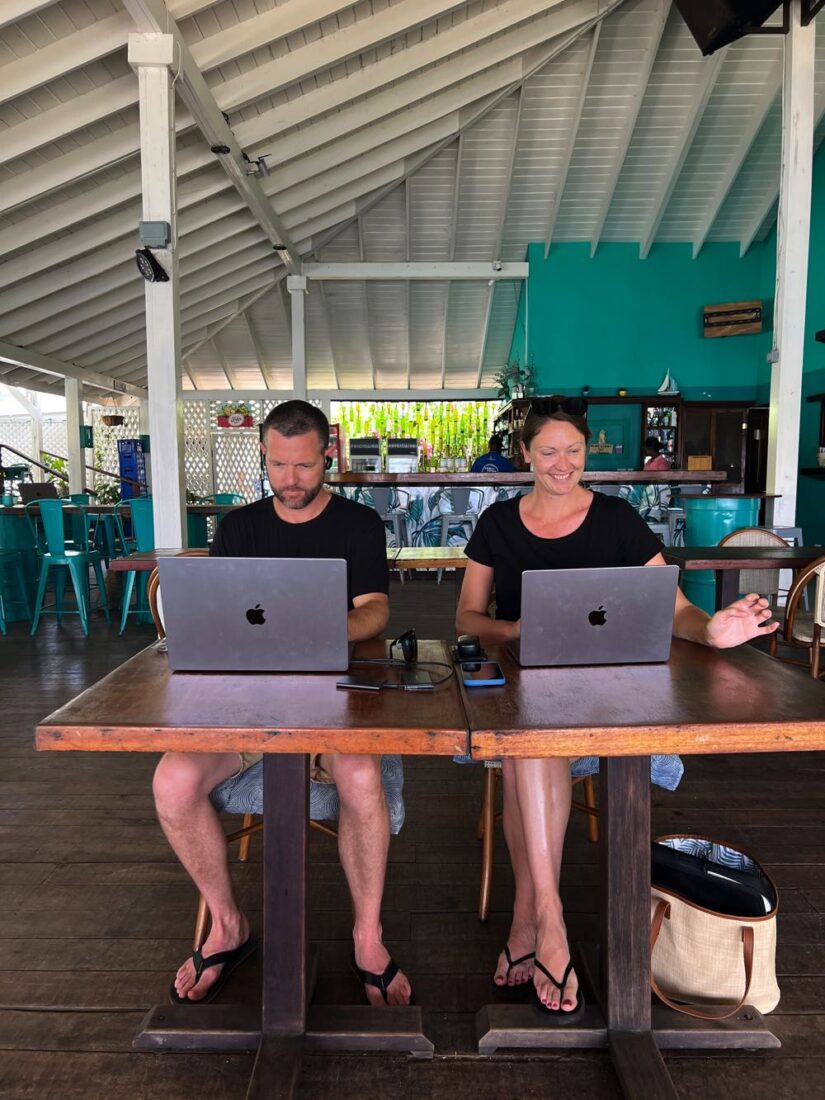
The landscape of work, particularly remote work, has undergone a seismic transformation, dramatically altering the possibilities for digital nomads. Prior to the COVID-19 pandemic, remote work, while growing, was often viewed with skepticism by many established organizations. It was frequently seen as a perk rather than a fundamental operational model, limited largely to specific industries or roles. The global health crisis, however, forced an unprecedented and rapid adoption of remote work practices across virtually all sectors. Companies worldwide were compelled to pivot, investing in technology and developing new protocols to support distributed teams.
This forced experiment proved remarkably successful for many, demonstrating that productivity could be maintained, and in some cases even enhanced, outside traditional office environments. Post-pandemic, a significant portion of the workforce expressed a desire to retain remote or hybrid work options. According to a 2023 Gallup poll, 59% of remote-capable employees prefer a hybrid arrangement, while 32% prefer to be entirely remote. Only 9% expressed a desire to return to the office full-time. This societal shift has fundamentally reshaped corporate hiring strategies. More international companies are now actively embracing remote-first or globally distributed models, recognizing that the best talent may reside anywhere in the world, irrespective of geographical boundaries. This newfound openness creates an unprecedented opportunity for digital nomads: the ability to maintain location independence without necessarily shouldering the full entrepreneurial burden of freelancing.
The Rise of Global Employment: A New Era for Digital Nomads
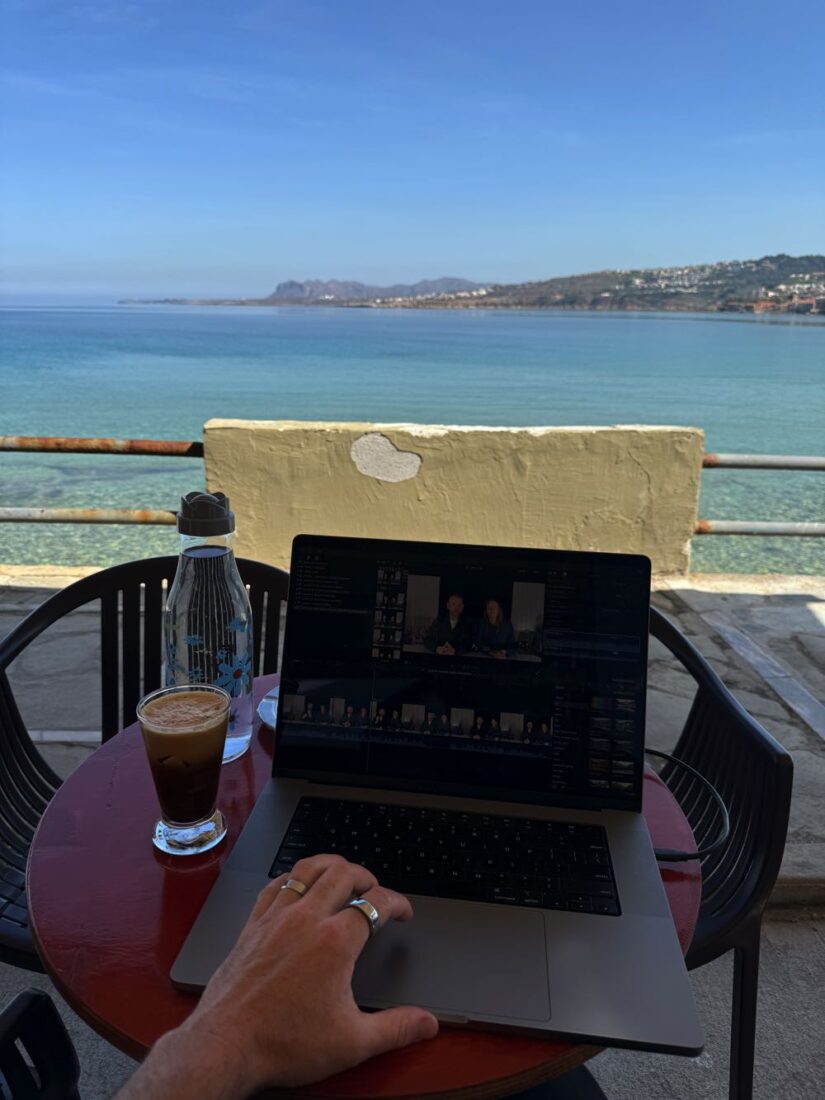
This evolving paradigm introduces a compelling third option beyond traditional office-bound jobs or independent freelancing. Digital nomads can now be hired as full-time employees by international companies while living and working abroad. This model offers the coveted stability of employment, the structure of a defined role, and often, access to comprehensive payroll, benefits packages (health insurance, retirement plans), and local labor protections. For many aspiring and current digital nomads, this represents an ideal scenario.
Not everyone possesses the inclination or desire to build and manage their own agency, develop and sell coaching programs, or constantly pursue new freelance clients. A significant segment of the digital nomad population comprises highly skilled professionals who excel at their craft and would thrive within a structured corporate environment, provided it allows them the freedom to live internationally. This model facilitates scenarios such as a Canadian marketer working for a Dutch technology firm while residing in Portugal, a British software developer contributing to a US startup from Thailand, or a South African customer success manager serving a German company while spending part of the year in Spain. Designers, operations managers, copywriters, sales representatives, accountants, project managers, product specialists, and software engineers from various nationalities are increasingly finding opportunities with companies that prioritize their skills and contributions over their physical location.
Employer of Record (EOR) Solutions: Bridging the Legal Gap

The legal complexities of international employment have historically been a significant barrier for companies wishing to hire talent across borders. Navigating diverse labor laws, tax regulations, social security contributions, and compliance requirements in multiple countries is an arduous and expensive undertaking. This is precisely where an Employer of Record (EOR) service becomes indispensable. An EOR acts as the legal employer for a company’s international workforce in countries where the company does not have its own registered legal entity.
For instance, a company like Rivermate, mentioned in the original context, facilitates this process. Instead of the hiring company needing to establish a local branch, register a business, master the intricacies of a foreign employment system, and manage country-specific payroll and compliance, the EOR assumes these legal responsibilities. The EOR handles all aspects of local employment, including generating compliant employment contracts, processing payroll, ensuring tax compliance, managing social security contributions, administering benefits, and adhering to local labor laws and workers’ compensation requirements. Crucially, while the EOR is the legal employer, the hiring company retains full control over the employee’s day-to-day work, responsibilities, team integration, and reporting structure. This innovative solution significantly de-risks and simplifies international hiring for companies, making global employment a far more realistic and accessible option for digital nomads seeking stability and career progression. The EOR market has seen substantial growth, projected to reach over $5.5 billion by 2027, underscoring the increasing demand for compliant global hiring solutions.
Navigating the Transition: From Local Remote to Global Employee

For individuals currently holding remote positions within their home countries but aspiring to live abroad, the path to international employment can present unique challenges. A common misconception is that a "remote" job automatically translates to "work-from-anywhere." This is often not the case. A company may be perfectly comfortable with an employee working from their home within the same country, but extending that arrangement to an international location introduces a complex web of legal and compliance considerations.
If an employee relocates to another country, their employer may suddenly face obligations related to that country’s local employment laws, payroll taxes, social security contributions, benefits mandates, and insurance requirements. Furthermore, the employee’s presence could potentially create a "permanent establishment" for the business, triggering corporate tax liabilities in the new country. These intricate compliance issues, rather than a lack of trust in the employee, are frequently the primary reasons companies decline international remote work requests. This is another critical area where an EOR can provide a solution. By partnering with an EOR, the original employer can legally retain their employee in the new country without having to establish a local entity or navigate unfamiliar legal frameworks themselves. This mechanism allows for greater flexibility and mobility for existing employees.
Positioning for Success in the Global Job Market
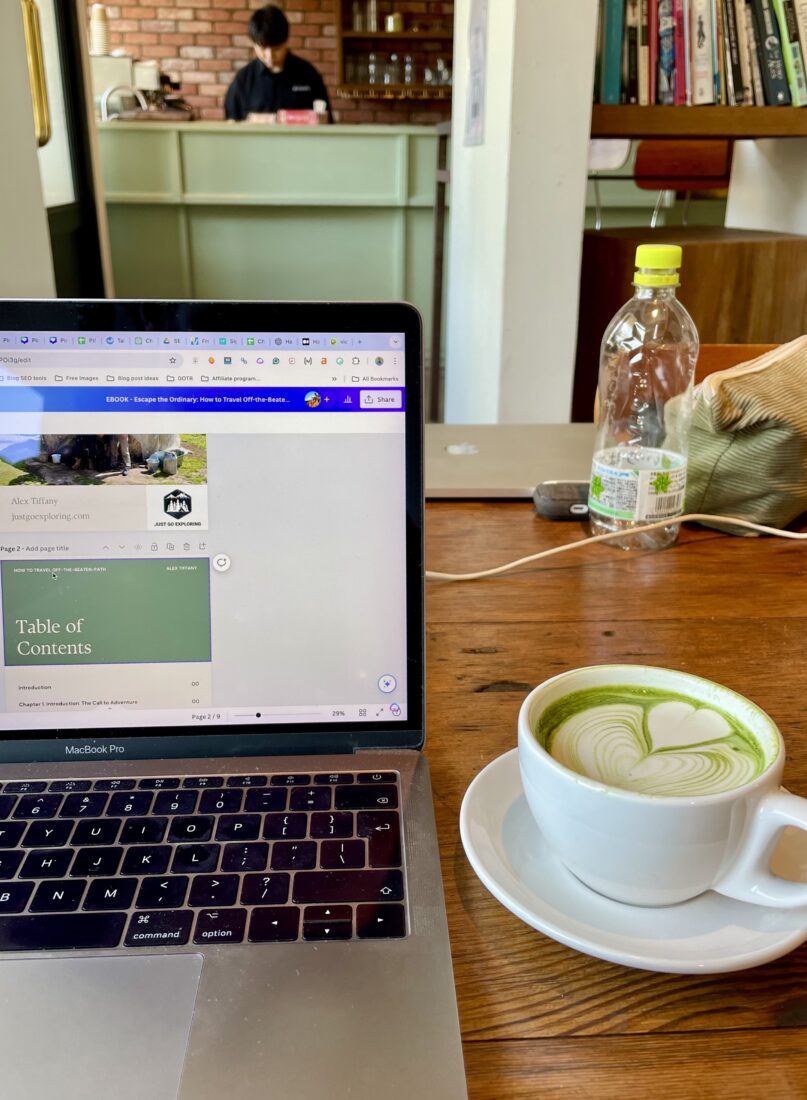
For digital nomads aspiring to secure employment with an international company, a strategic shift in self-presentation is paramount. The focus must move beyond simply emphasizing "remote" work to demonstrating the ability to deliver clear business outcomes from any location. Companies are not hiring individuals because they dream of living in Lisbon, Chiang Mai, Mexico City, Bansko, or Bali; they are hiring to solve problems and drive value. Therefore, applications, professional profiles, and interviews must prominently showcase skills, experience, and quantifiable achievements.
Several key strategies can enhance a digital nomad’s prospects for global employment:
- Target Remote-First and Globally Distributed Companies: Actively seek out organizations that have already embraced a distributed workforce model. Look for job descriptions containing phrases such as "remote-first," "globally distributed team," "work from anywhere," "international hiring," "EOR-supported employment," or "hiring globally." Examining a company’s "About Us" or "Team" pages can also reveal if employees are spread across different countries and if there’s a strong remote work culture. These companies are more likely to possess the infrastructure and mindset to support international hires.
- Communicate Location Clearly and Professionally: Vagueness about one’s location can be a red flag for employers. While "I’m flexible" or "I travel around" might resonate with other nomads, it signals potential instability and complexity to a hiring manager. Companies require clarity regarding an employee’s legal residency, primary working location, stable time zone, and any potential compliance implications. A professional approach would be: "I am currently based in Bulgaria and plan to maintain tax residency here for the foreseeable future. While I travel occasionally, my main working location and time zone are stable." This conveys reliability and minimizes perceived logistical hurdles.
- Ask the Right Questions Pre-Acceptance: Before accepting an international remote role, it is crucial to thoroughly understand the employment setup. Pertinent questions include: "What is the legal entity employing me?" "Will I be hired directly or through an EOR?" "What benefits (health, retirement, paid time off) are offered in my country of residence?" "What are the expectations regarding time zone alignment?" "Are there any restrictions on travel or temporary relocations?" "Does the company assist with visa or work permit requirements?" "What is the company’s policy on changes in residency?" Understanding these details upfront can prevent future complications.
- Prioritize Professionalism Over Lifestyle Hype: While a digital nomad lifestyle can be a point of personal pride, it should not overshadow one’s professional identity during the hiring process. The most successful international remote employees instill confidence in their employers through consistent communication, reliability, punctuality (especially across time zones), and strong independent work ethic. They demonstrate an understanding of data security, cross-cultural communication, and effective schedule management. The narrative should be: "I am a highly capable professional who happens to work remotely and internationally, and I bring significant value, reliability, and cultural awareness to your team."
The Future Landscape of Digital Nomadism is More Professional

The nascent digital nomad movement was intrinsically linked to entrepreneurship, blogging, freelancing, and building online businesses. While this entrepreneurial spirit continues to thrive, it no longer represents the singular definition of the lifestyle. The next iteration of digital nomadism is distinctly more professionalized, structured, and integrated with global employment opportunities. This evolution reflects a growing desire among individuals for both freedom and stability, for the ability to travel while maintaining a regular paycheck, and for location independence without necessarily the exhaustive demands of running a business.
Concurrently, companies are increasingly driven to access the broadest possible talent pool, but they require legally compliant and administratively streamlined methods to hire this global talent. This convergence creates a significant opportunity. A digital nomad no longer has to be a freelancer. They can be a full-time employee, working for an international company with a stable role, receiving compliant payroll and benefits, and building a serious career while living abroad.
The shift is not merely anecdotal but reflects broader economic and technological trends. The maturation of remote work tools, the expansion of high-speed internet infrastructure globally, and the proliferation of EOR services have collectively professionalized the pathway to location independence. This means more diverse career paths for digital nomads, enhanced talent acquisition for companies, and a global workforce that is more adaptable and resilient.
Final Thoughts
After years of immersion in online work and international living, the profound value of location independence in designing a life of greater freedom remains undeniable. However, the conversation surrounding this lifestyle must evolve. It is no longer solely about impulsively quitting a job and "figuring it out," nor is it exclusively about the demanding hustle of freelancing from a laptop. And it certainly isn’t just about idyllic images of working on a beach with a coconut, which often mask the inherent complexities of running a business from the road.
For some, freelancing will indeed remain the ideal path, offering ultimate autonomy and the potential for exponential growth. For others, building and scaling their own online business will be the ultimate dream. But for a growing number of digital nomads, the optimal route lies in securing stable employment with an international company, leveraging the professional infrastructure that now exists. This balanced approach offers both the desired freedom to explore the world and the financial and professional security to build a sustainable, fulfilling career. With the advent of global hiring practices, the proliferation of remote-first companies, and the enabling power of Employer of Record solutions, the possibilities for achieving this blend of freedom and stability are more expansive than ever before. The digital nomad landscape is maturing, offering a more robust and professional future for those who seek to redefine their work and their lives on a global scale.