Wat Phu Tok: Thailand’s Thrilling Cliffside Temple Offers Spiritual Ascent and Adrenaline Rush

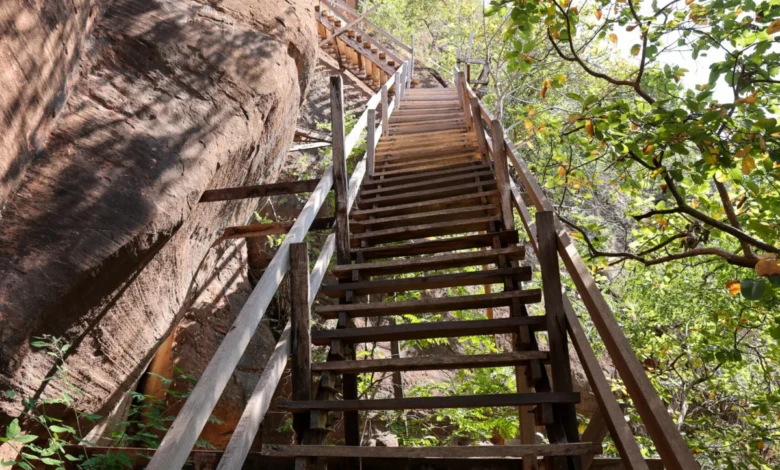
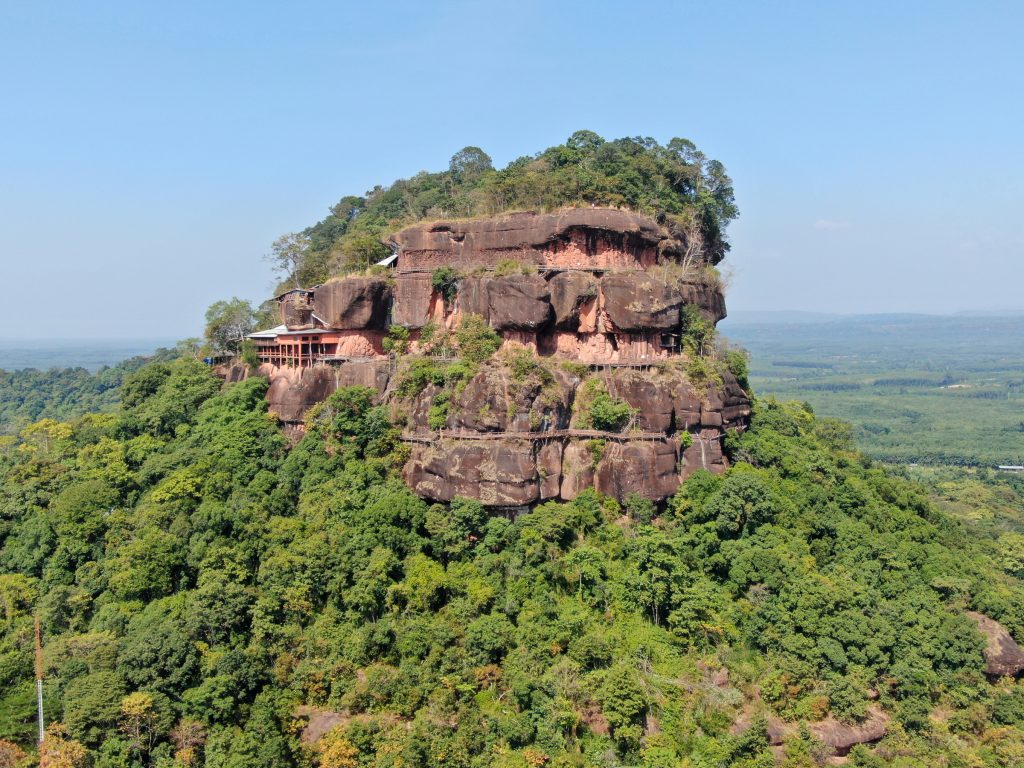
Far from the bustling tourist hubs of Thailand, nestled within the tranquil expanse of Bueng Kan province in the northeastern Isan region, lies Wat Phu Tok, a temple that defies conventional expectations and promises an unforgettable spiritual and adventurous journey. This unique religious site, officially known as Wat Jetiyakhiri, has earned its reputation as one of Thailand’s most daring and spectacular attractions, drawing visitors seeking peace, nature, and an exhilarating off-the-beaten-path experience. The temple’s defining feature is its series of intricately constructed wooden walkways, staircases, and ladders that ascend the imposing Phu Tok mountain, a geological marvel that translates to "lonely mountain" in the local Isan dialect.
The ascent through the seven levels of Wat Phu Tok is not merely a physical climb but a symbolic representation of the seven stages of Buddhist meditation, offering pilgrims and travelers alike a profound connection to their spiritual journey. While the lower levels present a more conventional temple experience with a large base temple, a serene lake, and expansive park grounds, the true allure of Wat Phu Tok unfolds as visitors venture higher. The initial stages of the climb, characterized by sturdy wooden stairs, gradually give way to steeper inclines and narrow pathways, building anticipation for the more challenging and breathtaking sections.
A significant highlight for many visitors is the 5th level, where the landscape transitions from mere ascent to a more immersive exploration of the mountain’s spiritual heart. Here, a multitude of temples, shrines, and halls are scattered, with much of the trail traversing natural ground rather than precarious cliff edges. This level is also home to what is believed to be the largest ordination hall, serving as a central point for religious activities. However, a particularly memorable detour on this level leads to a secluded rock temple, accessible via an elevated rock walkway and a small wooden bridge. This hidden sanctuary, perched precariously on the mountainside, offers a sense of discovery and an intimate communion with the natural and spiritual elements of the site.

The true test of nerve and a pinnacle of the Wat Phu Tok experience awaits on the 6th level. This section is renowned for its dramatic wooden plank walkways, meticulously anchored into the sheer rock face of the cliff. Approximately half of the circumference of this level is composed of these awe-inspiring structures, offering panoramic vistas that are as exhilarating as they are potentially unnerving. Visitors, even those with a fear of heights, often find the construction surprisingly stable and well-maintained, a testament to the dedication and skill of its builders. The sensation of walking along these cliff-hanging pathways, with the vast Mekong River basin and the lush green landscape of Bueng Kan stretching out below, is an experience that lingers long after the descent. The breathtaking views, coupled with the refreshing mountain breeze, make this level the undisputed highlight for many, embodying the temple’s adventurous spirit.
The journey culminates at the 7th level, the summit of Phu Tok mountain. This final ascent is often described with a note of caution, as it is traditionally associated with venomous snakes, a reflection of the mountain’s wild and untamed nature. While there are no elaborate structures or walkways on the uppermost level, the reward for reaching the peak is the unparalleled 360-degree view. For those who brave the climb, the summit offers a serene vantage point, a place for quiet contemplation amidst the grandeur of the natural landscape. However, the consensus among visitors is that the 6th level, with its unique architectural marvels and thrilling walkways, truly encapsulates the essence of Wat Phu Tok’s singular appeal.

Historical Context and Foundation
The genesis of Wat Phu Tok can be traced back to the vision of Monk Luang Pu Juan, a devoted Buddhist monk who recognized the spiritual potential of the remote and rugged Phu Tok mountain. In its natural state, the mountain was a habitat for wildlife, including venomous snakes, a factor that contributed to its isolation and its appeal as a sanctuary for deep meditation. Luang Pu Juan embarked on the ambitious project of transforming this challenging terrain into a sacred pilgrimage site.

His endeavor involved the painstaking construction of a network of wooden staircases, ladders, and walkways, designed to connect various shrines and meditation spots across the mountain. The ultimate goal was to establish seven distinct levels, each symbolizing a crucial stage in the Buddhist path to enlightenment. This monumental undertaking required immense dedication, ingenuity, and a profound understanding of both spiritual principles and practical engineering.
Tragically, Luang Pu Juan’s life was cut short in an airplane accident, a somber event that marked a significant turning point in the temple’s history. Despite this profound loss, the legacy of his work endures. The temple has continued to be meticulously maintained and expanded upon by subsequent monks and devotees, preserving its unique character and ensuring its accessibility for future generations. The ongoing efforts to preserve and enhance the wooden structures are a testament to the community’s commitment to this extraordinary site.

Navigating the Ascent: A Visitor’s Guide
For travelers planning a visit to Wat Phu Tok, the journey typically begins from Bueng Kan city, with the temple located approximately a 30-minute drive away. The site is easily accessible, offering ample parking facilities at the base, where a large temple complex, a picturesque lake, and a spacious park area welcome visitors.

The entrance to the ascent is clearly marked, leading visitors towards the imposing mountain. The initial stages of the trail quickly transition into the iconic wooden staircases. While the stairs begin with a manageable gradient, they progressively become steeper, sometimes resembling ladders as they wind their way up the mountainside. The construction, though appearing rustic, is designed for safety and stability. The wooden planks, even when angled or showing a slight flex underfoot, are generally secure, providing a sense of confidence for those navigating the climb.
The first few levels offer glimpses of smaller shrines, but the true spiritual and architectural revelations lie in the higher reaches. It is recommended that visitors focus on continuing their ascent to fully appreciate the temple’s unique design and spiritual significance.

Broader Implications and Tourism Impact
Wat Phu Tok stands as a compelling example of how religious devotion and architectural innovation can create profoundly impactful destinations. Its remote location in Bueng Kan province also plays a crucial role in promoting regional tourism, offering an alternative to the more heavily frequented tourist circuits in Thailand. Provinces like Bueng Kan, often overlooked, possess a unique charm characterized by their natural beauty, peaceful ambiance, and authentic cultural experiences.

The temple’s adventurous nature appeals to a growing segment of travelers seeking authentic and immersive experiences that go beyond the typical tourist trail. The "off-the-beaten-path" appeal of Bueng Kan, coupled with the singular allure of Wat Phu Tok, has the potential to foster sustainable tourism development in the region, benefiting local communities and preserving the unique cultural and natural heritage of the area.
The visual spectacle of the cliff-hanging walkways, often shared through social media and travel blogs, has contributed significantly to Wat Phu Tok’s growing international recognition. This increasing visibility underscores the importance of responsible tourism practices, ensuring that the site’s delicate ecosystem and spiritual sanctity are preserved for future generations to experience.

Conclusion
Wat Phu Tok is more than just a temple; it is a pilgrimage of courage, faith, and an extraordinary architectural feat. The arduous yet rewarding climb, the breathtaking vistas, and the profound spiritual atmosphere combine to create an experience that is both thrilling and deeply meaningful. For those venturing to the northeastern Isan region of Thailand, Wat Phu Tok offers an unparalleled opportunity to connect with a unique facet of Thai culture and spirituality, etched into the very fabric of a lonely mountain. The dedication of its founders and caretakers has transformed a rugged natural landscape into a sanctuary that challenges the body, inspires the soul, and leaves an indelible mark on the hearts of all who ascend its seven levels.