OnePlus Officially Exits North America and Europe, Marking a Significant Shift in the Smartphone Landscape

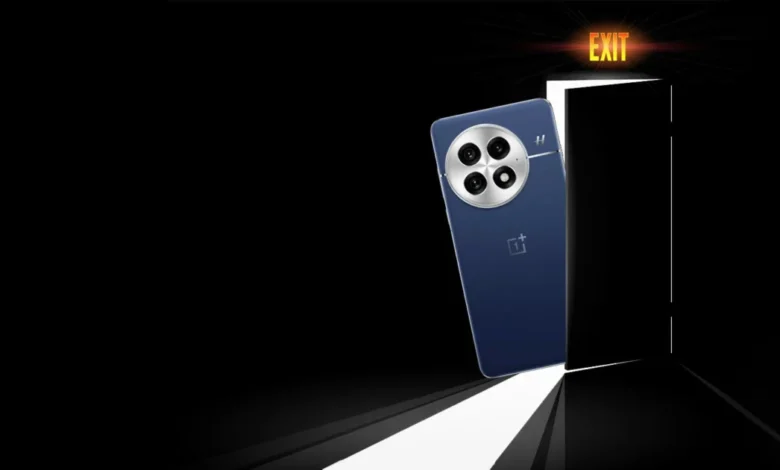
The era of OnePlus as a prominent player in the North American and European smartphone markets has officially concluded. The brand, once lauded for its disruptive "flagship killer" philosophy, has announced its strategic withdrawal from these key regions, a move that signals a profound realignment within the global mobile industry. While the OnePlus brand itself is not defunct, its departure from two of the world’s largest consumer electronics arenas represents a significant loss of competition and a potential harbinger of future market consolidation. This decision, stemming from a complex interplay of market dynamics, strategic shifts within its parent company, and persistent challenges in establishing robust market penetration, underscores the intense pressures facing even established smartphone manufacturers.
The writing on the wall for OnePlus’s Western ambitions had been visible for some time, particularly following the deeper integration with its parent company, Oppo. Both brands, operating under the umbrella of BBK Electronics, have increasingly shared underlying technology and software architecture. This synergy, while potentially offering development efficiencies, blurred the lines between the premium offerings of OnePlus and the broader portfolio of Oppo, particularly in markets like China, India, and parts of Europe where both brands have a strong presence. The strategic decision to "settle" for a more focused global footprint, a stark contrast to its original "Never Settle" slogan, indicates a recalibration of priorities by Oppo, likely prioritizing markets where its brand and distribution networks are more deeply entrenched and profitable.
A History of Disruption and Shifting Strategies
Founded in December 2013, OnePlus burst onto the scene with a bold proposition: to deliver high-end smartphone specifications and premium designs at aggressive price points. The initial success of the OnePlus One was amplified by an invitation-only sales model, a clever strategy to manage demand and cultivate an aura of exclusivity while simultaneously optimizing manufacturing processes. This approach launched in a smartphone market vastly different from today’s, one populated by titans like HTC, Nokia, LG, BlackBerry, and Microsoft, alongside enduring players like Motorola, Sony, and Asus, albeit at significantly different scales.
As the smartphone landscape evolved, marked by the rise of formidable competitors such as Oppo, Xiaomi, Vivo, Huawei, and the emergence of newer entities like Nothing, OnePlus began to broaden its product strategy. Moving beyond its initial focus on affordable and mid-range devices, the company ventured into the premium flagship segment, a significant turning point marked by the release of the OnePlus 7 Pro in 2019. This device, critically acclaimed for its innovative pop-up selfie camera and strong performance, signaled OnePlus’s ambition to compete directly with the established giants.
The subsequent partnership with the renowned camera manufacturer Hasselblad in 2021, a collaboration facilitated by Oppo’s own agreement with the Swedish imaging company, marked a concerted effort to elevate OnePlus’s mobile photography capabilities. While Hasselblad’s involvement primarily focused on software processing, color science, and computational photography enhancements rather than lens hardware, it signaled a serious investment in image quality, a critical battleground in the premium smartphone segment. The OnePlus 13, launched with significant marketing efforts in Canada and the United States, was perceived as a strong statement of intent, showcasing impressive camera hardware and software integration, even pioneering MagSafe-like magnetic charging capabilities for Android devices through accessory cases.
However, the subsequent absence of Hasselblad branding on the OnePlus 15, released just ten months after the OnePlus 13, raised questions about the longevity of this collaboration and potentially signaled internal strategic shifts within Oppo. While the OnePlus 15 still offered competent photography, it was perceived by some reviewers as a step back from the advancements seen in its predecessor, fueling speculation about the brand’s direction and its long-term viability in competitive markets.
The Unseen Barrier: Lack of Carrier Support
A significant and persistent hurdle for OnePlus in North America has been the chronic lack of robust carrier support. In stark contrast to markets in Asia and Europe, where consumers often purchase devices outright, North American consumers heavily rely on carrier subsidies and financing plans. This ecosystem, dominated by Apple, Samsung, and Google, has historically proven impenetrable for brands like OnePlus.
Despite brief partnerships with T-Mobile in the U.S. and a complete absence of carrier presence in Canada, OnePlus struggled to secure consistent distribution channels. This left consumers in both countries with limited options: purchasing devices at full retail price from online retailers like Amazon, Best Buy, or directly from the OnePlus website. For mid-range devices, this was a manageable challenge. However, for premium flagships commanding prices upwards of $800-$1000, the absence of carrier financing represented a substantial barrier to widespread adoption.
This reliance on direct-to-consumer sales, while effective for niche markets and enthusiast communities, proved unsustainable for achieving mainstream market share in the long term. The "Big Three" – Apple, Samsung, and Google – benefit immensely from this entrenched carrier system, which often prioritizes their devices and limits shelf space and promotional efforts for competing brands. Anecdotal evidence from retail observations suggests that even when alternative devices are present in carrier stores, sales staff often lack comprehensive knowledge or are incentivized to push the dominant players, creating a "wall of ignorance" that hinders the promotion and understanding of brands like OnePlus. This market inertia, characterized by resistance to disruption and a lack of broad-based innovation, is a significant factor contributing to the current smartphone market landscape.
The Legacy of Innovation and User Experience
Despite its withdrawal from key Western markets, OnePlus leaves behind a significant legacy of innovation and a devoted enthusiast community. The brand’s commitment to a clean and user-friendly software experience, epitomized by OxygenOS, has long been praised as one of the best Android overlays available, offering a fluid and intuitive interface that prioritized usability over excessive customization or bloatware.
OnePlus was instrumental in popularizing several key smartphone technologies that have now become industry standards. It was among the first to introduce high refresh rate displays, notably bringing 90Hz refresh rates to the mainstream, which significantly enhanced screen fluidity and responsiveness. The company also championed ultra-fast charging technology at a time when competitors were still grappling with slower wired and wireless charging solutions, consistently including charging bricks in the box to facilitate this rapid power-up.
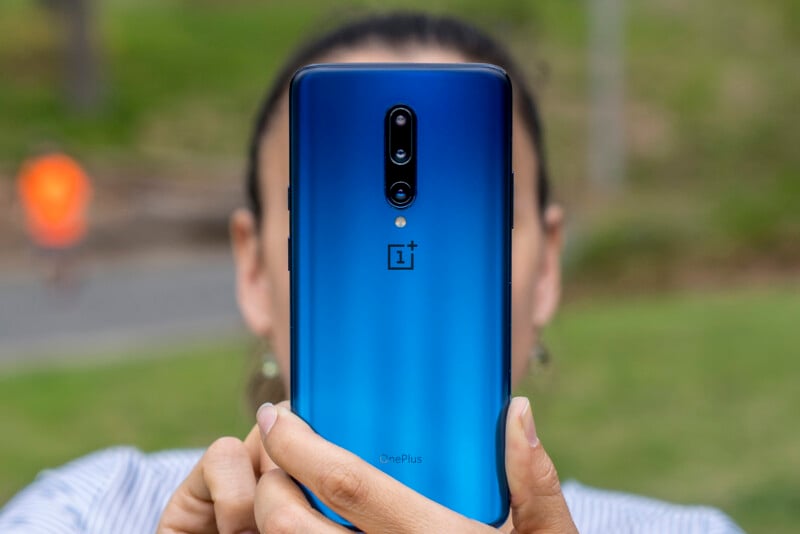
The introduction of the motorized pop-up selfie camera on the OnePlus 7 Pro was a bold design choice aimed at achieving a truly full-screen display without notches or punch-hole cutouts, demonstrating a willingness to explore unconventional engineering solutions, even if this particular design element did not persist in subsequent models. Furthermore, the OnePlus Open, the brand’s foray into the foldable smartphone market, has been lauded for its competitive features and camera performance, continuing the company’s tradition of offering compelling hardware at competitive price points.
The brand’s consistent push for aggressive pricing, coupled with high-end specifications, clean software, and rapid charging, effectively challenged established manufacturers like Samsung, LG, HTC, and Sony. It forced these companies to re-evaluate their pricing strategies and accelerate their own innovation cycles, particularly in areas like camera performance and hardware specifications. The introduction of features like 12-bit RAW capture and advanced color science in its camera partnerships, as well as the widespread adoption of higher RAM and storage configurations by Chinese manufacturers, demonstrably influenced the offerings of global competitors.
Support and Future Outlook for Existing Users
For existing OnePlus users in North America and Europe, the company has assured that its commitment to product support remains. Existing devices will continue to receive software updates, security patches, and applicable support for their promised lifecycles. Warranties will be honored, and the OnePlus support website will continue to operate for repairs. However, the specifics of how repairs will be handled in North America, given Oppo’s limited presence, remain somewhat unclear. Current retail inventory will be available until it is depleted, suggesting a phased withdrawal rather than an abrupt exit.

Users with eligible devices may have the option to transition to Oppo’s ColorOS or revert to OxygenOS, though the long-term implications of not making this switch are not yet fully defined. Older devices that are no longer eligible for major software updates will still receive essential maintenance and security patches, adhering to the original multi-year update commitments.
In Europe, the transition is expected to be smoother, with Oppo anticipated to expand its own product lines to fill the void left by OnePlus. Oppo is expected to strengthen its presence in Central Europe and the Nordic countries, areas where the OnePlus brand is scaling back.
The recent launch of the OnePlus N6 in India indicates that the brand will continue to operate and potentially release new models in key Asian markets, including China, where operations remain unaffected by the Western market changes.
An Unfortunate Conclusion to a Disruptive Chapter
The departure of OnePlus from North America and Europe marks the end of a significant chapter in the smartphone industry’s evolution. The brand consistently pushed boundaries, challenging the status quo with its aggressive pricing, innovative features, and a user-centric software philosophy. Its success in popularizing high refresh rates, ultra-fast charging, and compelling camera technologies has undeniably influenced the entire market, benefiting consumers globally.
OnePlus’s initial "flagship killer" ethos fostered a competitive environment that pressured larger, more established brands to innovate and offer better value. While the company’s strategic shifts and eventual withdrawal from major Western markets are a testament to the harsh realities of the global smartphone business, its legacy of disruption and its contributions to advancing smartphone technology are undeniable. The market will undoubtedly feel the absence of a brand that consistently strove to offer more for less, a dynamic that ultimately benefits all consumers through increased competition and accelerated innovation.
Related posts: