The Evolution of Polar Tourism From Digital Influence to Expedition Guiding and Specialized Consulting

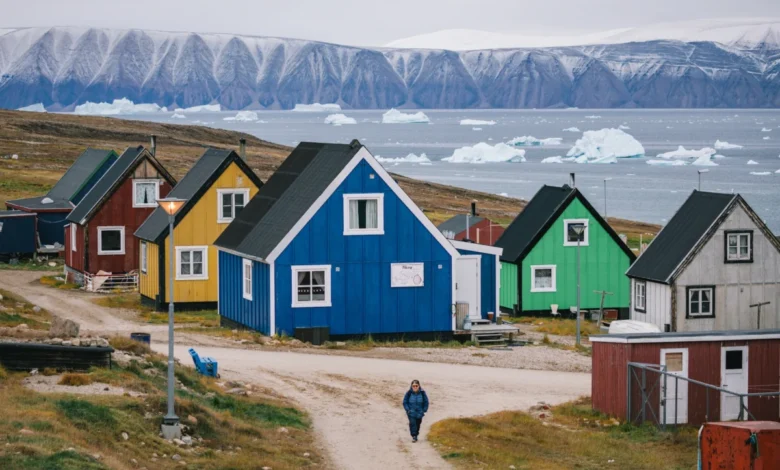
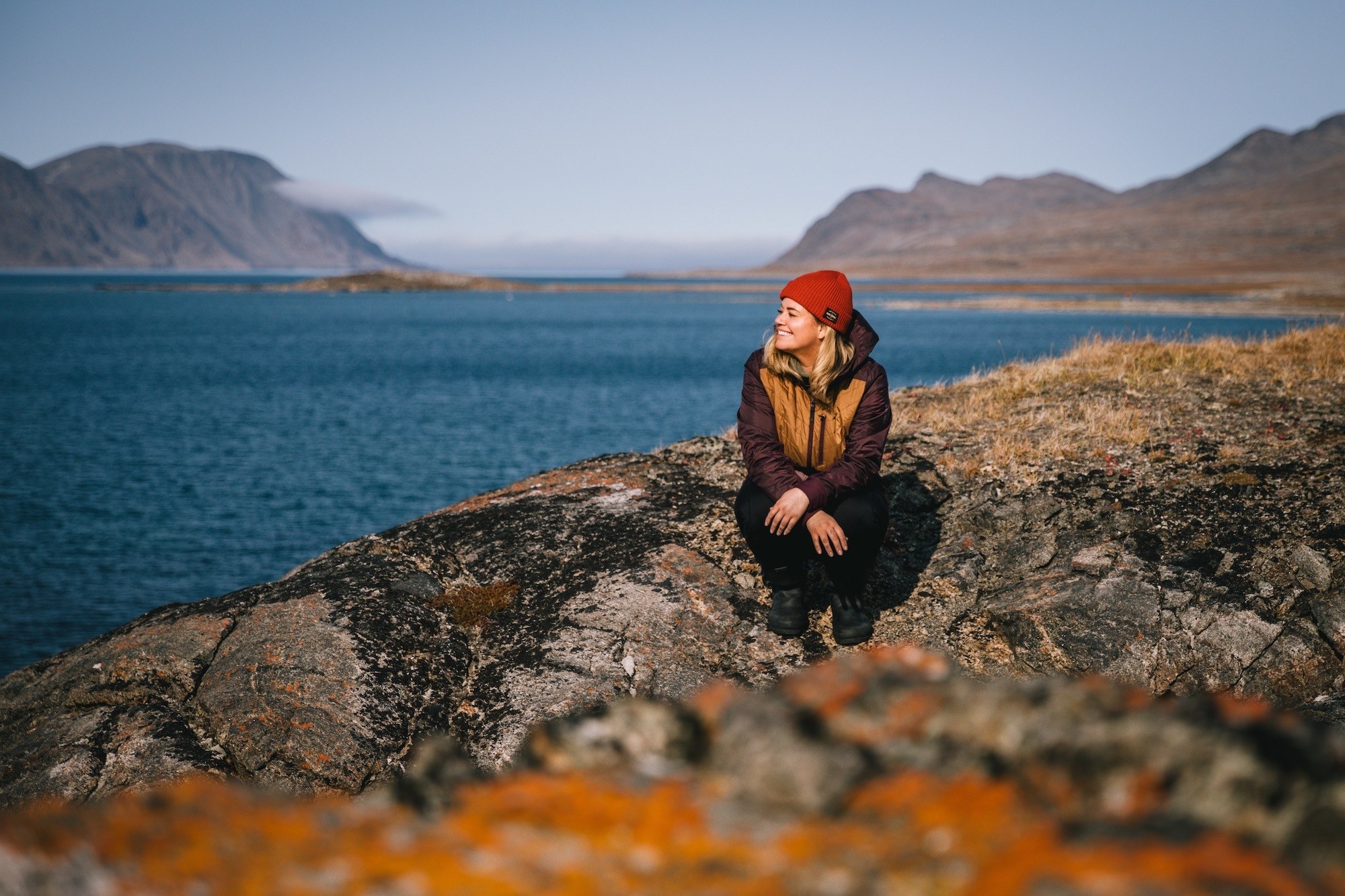
The landscape of high-latitude travel is undergoing a significant professionalization as seasoned travel experts transition from traditional digital media roles into specialized expedition guiding and bespoke travel consulting. This shift is exemplified by the career evolution of industry figures like Liz Carlson, a prominent travel writer who has pivoted from a decade of digital "influencing" to a dual role as an expedition guide and polar travel consultant. Working with established operators such as Adventure Canada, these professionals are responding to a growing demand for authentic, expertise-driven experiences in the world’s most remote regions, including the Canadian Arctic, Greenland, and Antarctica. This transition highlights a broader trend within the travel industry: a move away from the high-volume "hustle" of social media toward a community-centric model that prioritizes environmental stewardship, indigenous engagement, and deep subject-matter expertise.
The Growth of the Polar Expedition Sector
The surge in interest regarding polar travel is not an isolated phenomenon but part of a documented increase in expedition cruising. According to data from the International Association of Antarctica Tour Operators (IAATO) and the Association of Arctic Expedition Cruise Operators (AECO), visitor numbers in polar regions have seen a steady rise over the last decade, barring the temporary cessation of travel during the global pandemic. In the 2022-2023 Antarctic season, visitor numbers exceeded 100,000 for the first time, signaling a robust recovery and an appetite for "frontier" destinations.
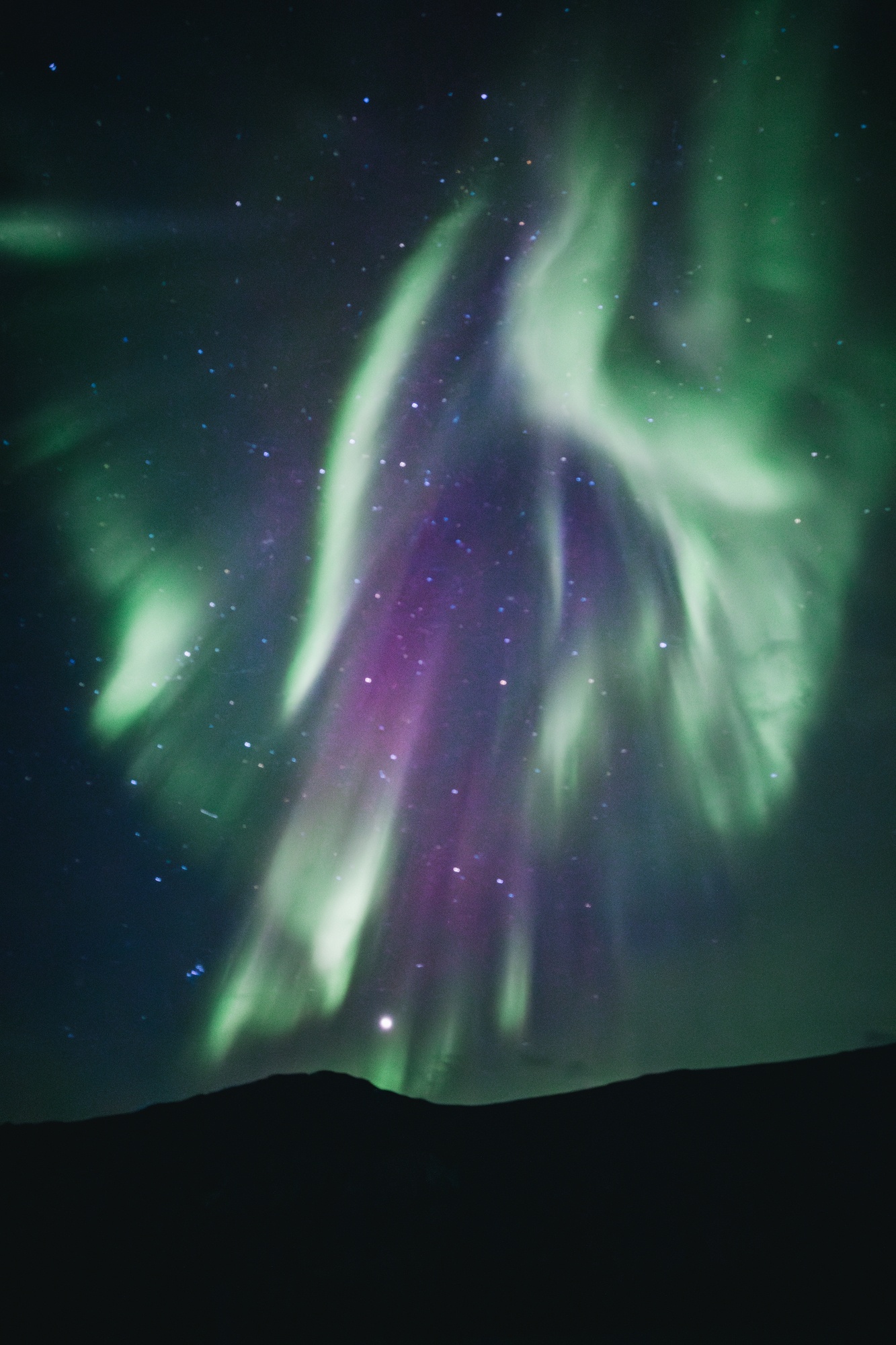
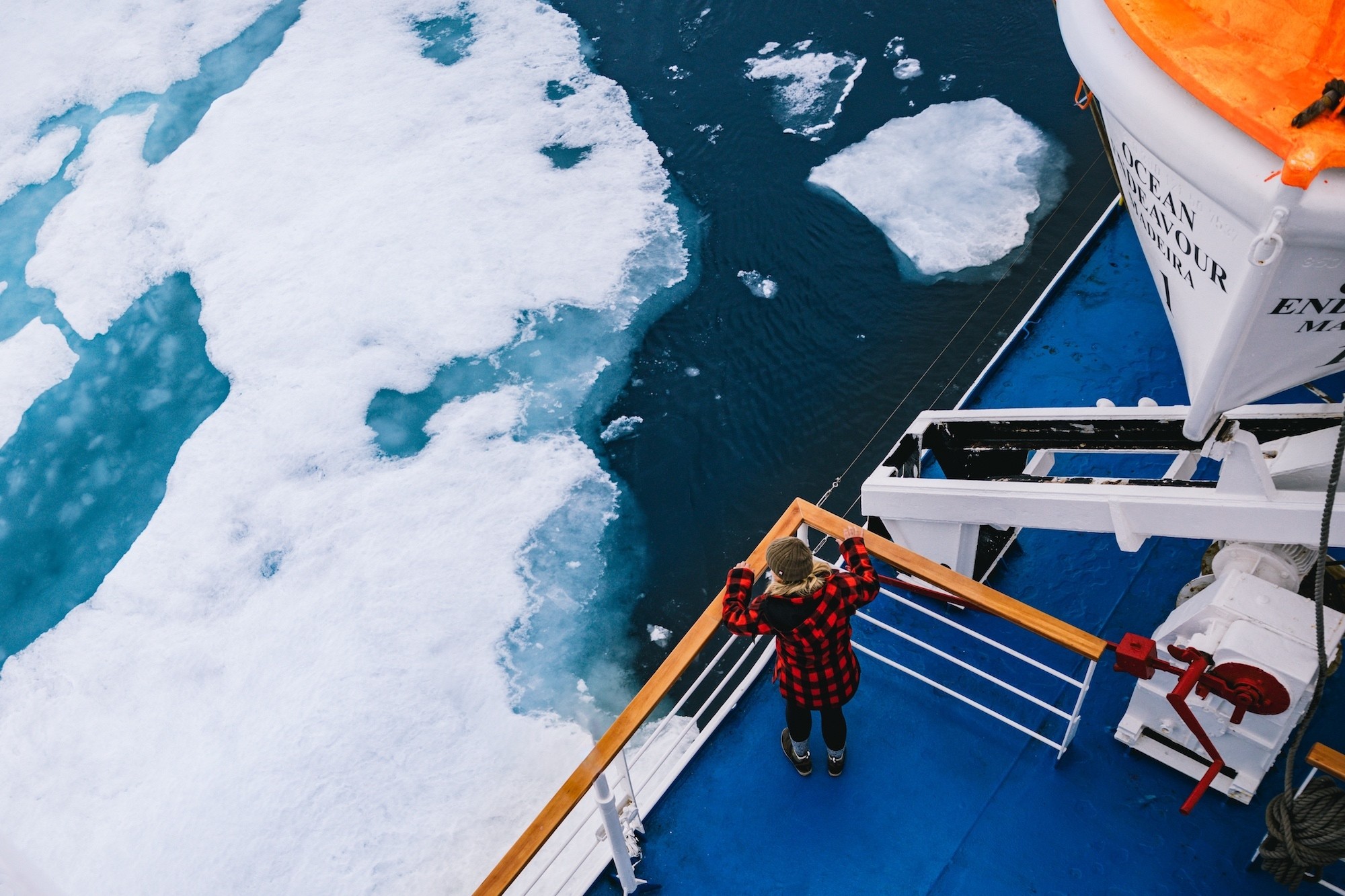
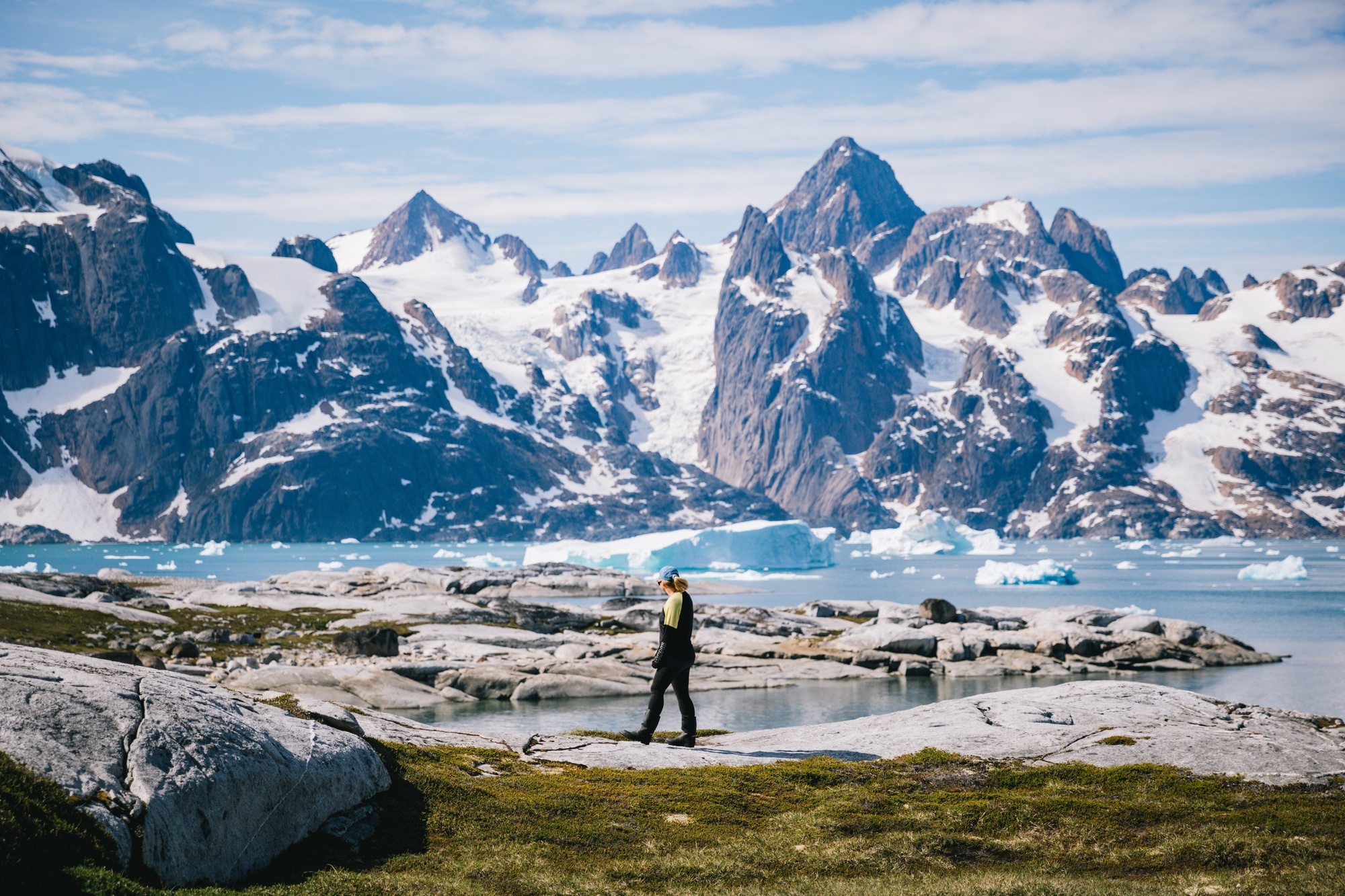
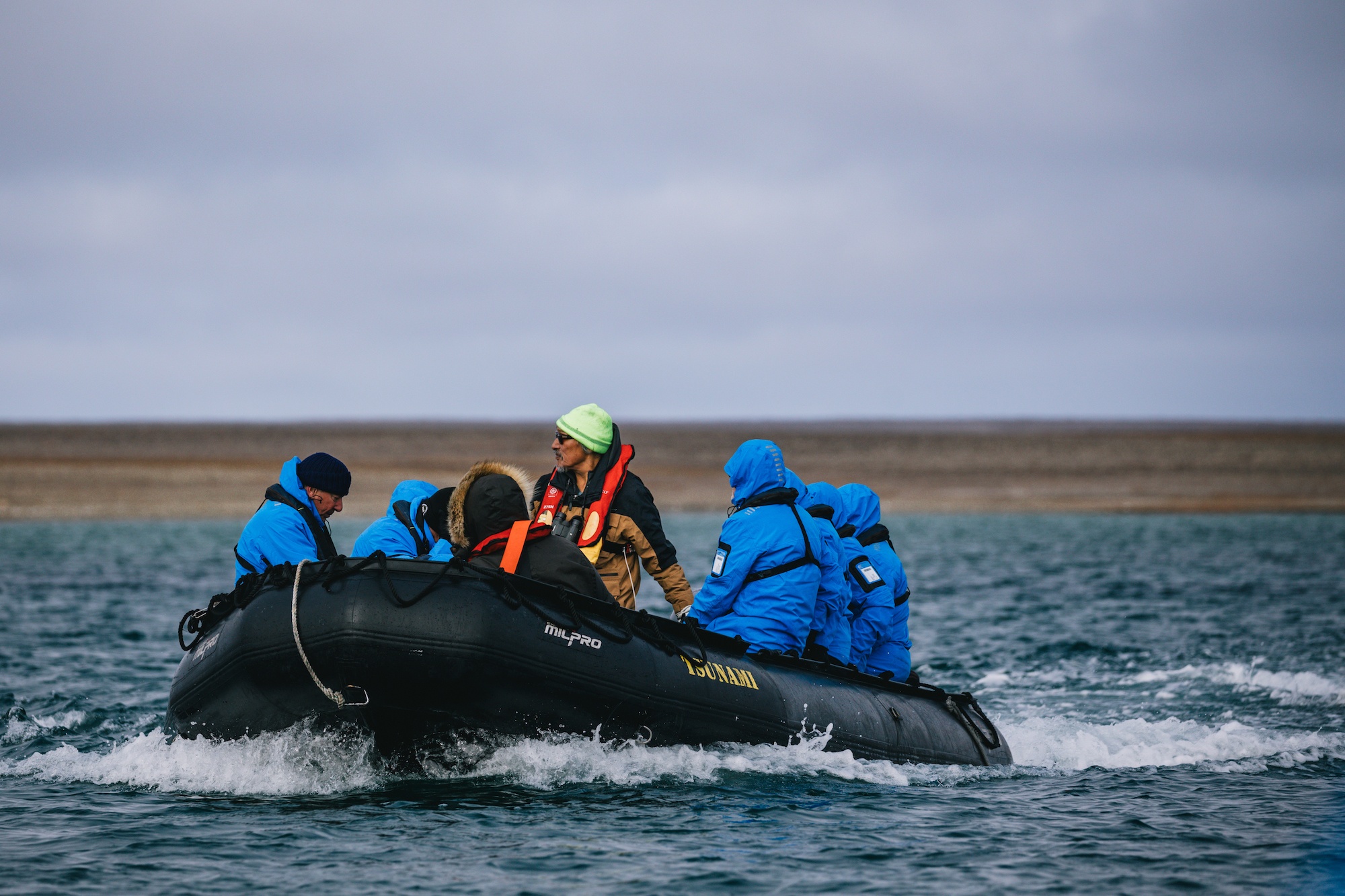
In the Arctic, the logistics are even more complex due to the seasonal nature of sea ice. Most regions are only accessible for a brief window during the boreal summer when the ice melt permits passage for ice-strengthened expedition ships. During these months, travelers seek out the Northwest Passage, the fjords of Greenland, and the high-latitude archipelagoes of Canada. The reliance on specialized vessels is a logistical necessity; without the infrastructure of traditional ports, these ships serve as floating basecamps, utilizing Zodiacs (heavy-duty inflatable boats) to facilitate landings and wildlife viewing.
A Chronology of Professional Transition
The transition from a digital content creator to a professional guide typically follows a multi-year trajectory of immersion. For many in the industry, the journey began in the early 2010s during the "blogging boom," where travel stories were primarily monetized through advertising and brand partnerships. However, the post-pandemic landscape has fostered a sense of "influencer fatigue," characterized by a desire for more stable, meaningful engagement with the travel process.

- Initial Immersion (2010-2018): Building a global audience through photography and narrative storytelling, establishing a reputation as a subject matter expert in remote travel.
- The Pandemic Pivot (2020-2022): A period of reflection for the travel industry. The halt in global movement allowed professionals to reassess the sustainability of the "hustle" culture inherent in digital influence.
- Professional Certification and Guiding (2022-Present): Transitioning into formal roles within expedition teams. This requires rigorous training in small-boat handling, polar bear safety, wilderness first aid, and regional history.
- The Consultant Model: Integrating referral-based consulting with active guiding. By acting as an intermediary between the traveler and the cruise operator, experts provide a layer of vetting and personalized advice that traditional travel agencies often lack.
Operational Realities of Arctic Expeditions
Working in the Arctic is characterized by extreme unpredictability and physical demand. Expedition guides are responsible for more than just lecturing on geography; they are operational linchpins. A typical day for a guide involves scouting landing sites for polar bear activity, navigating Zodiacs through fields of skyscraper-sized icebergs, and managing the safety of passengers in volatile weather conditions.
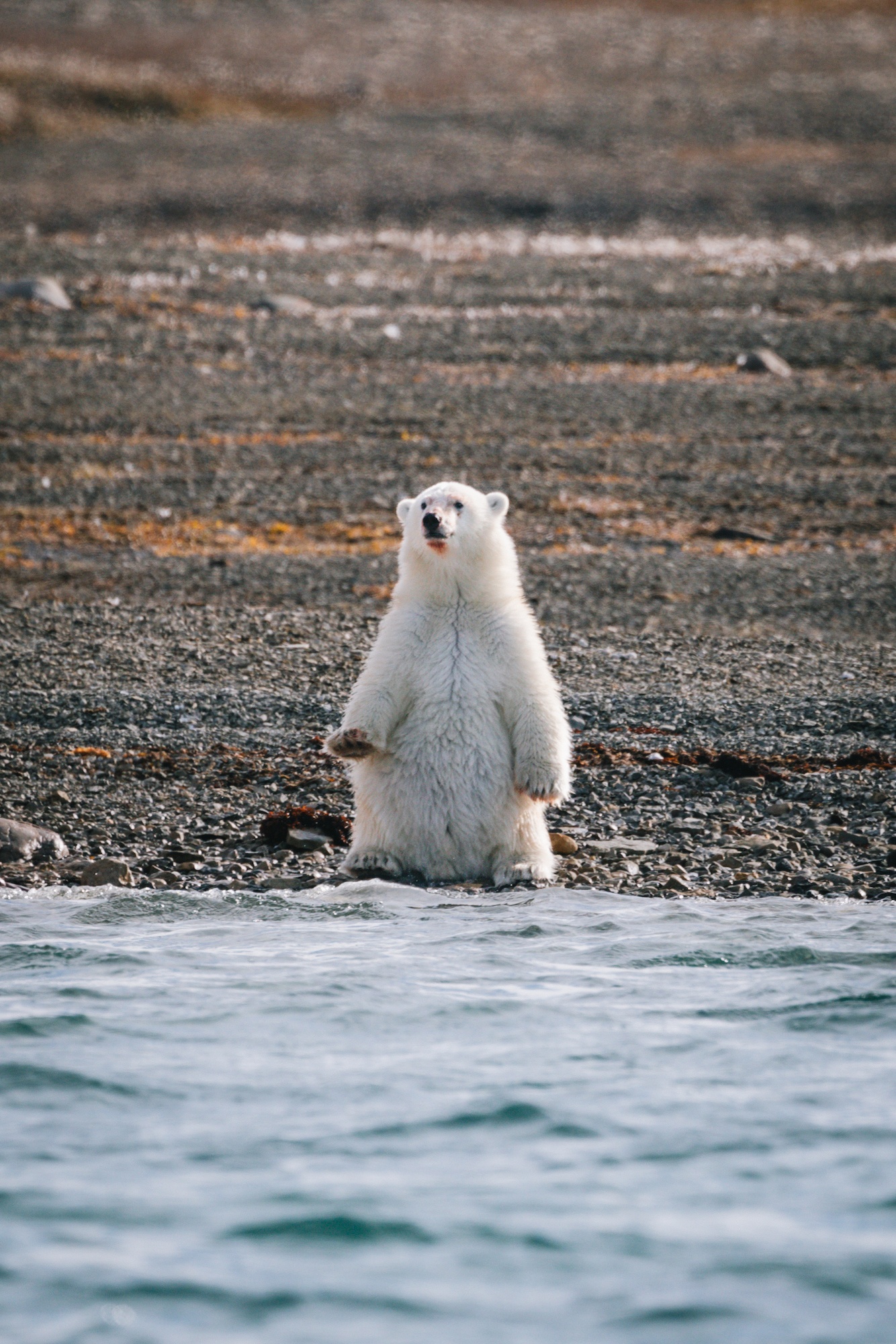
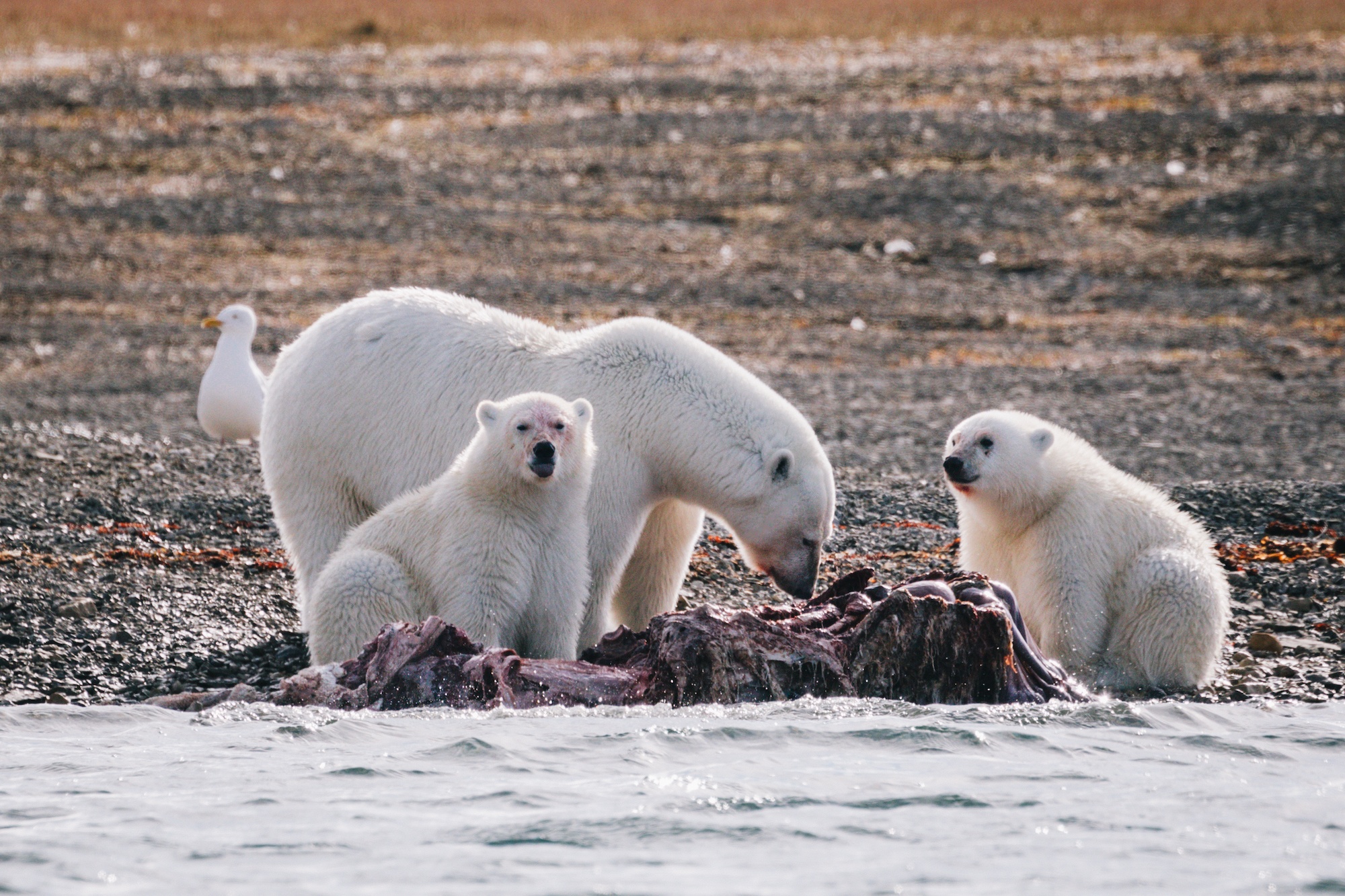
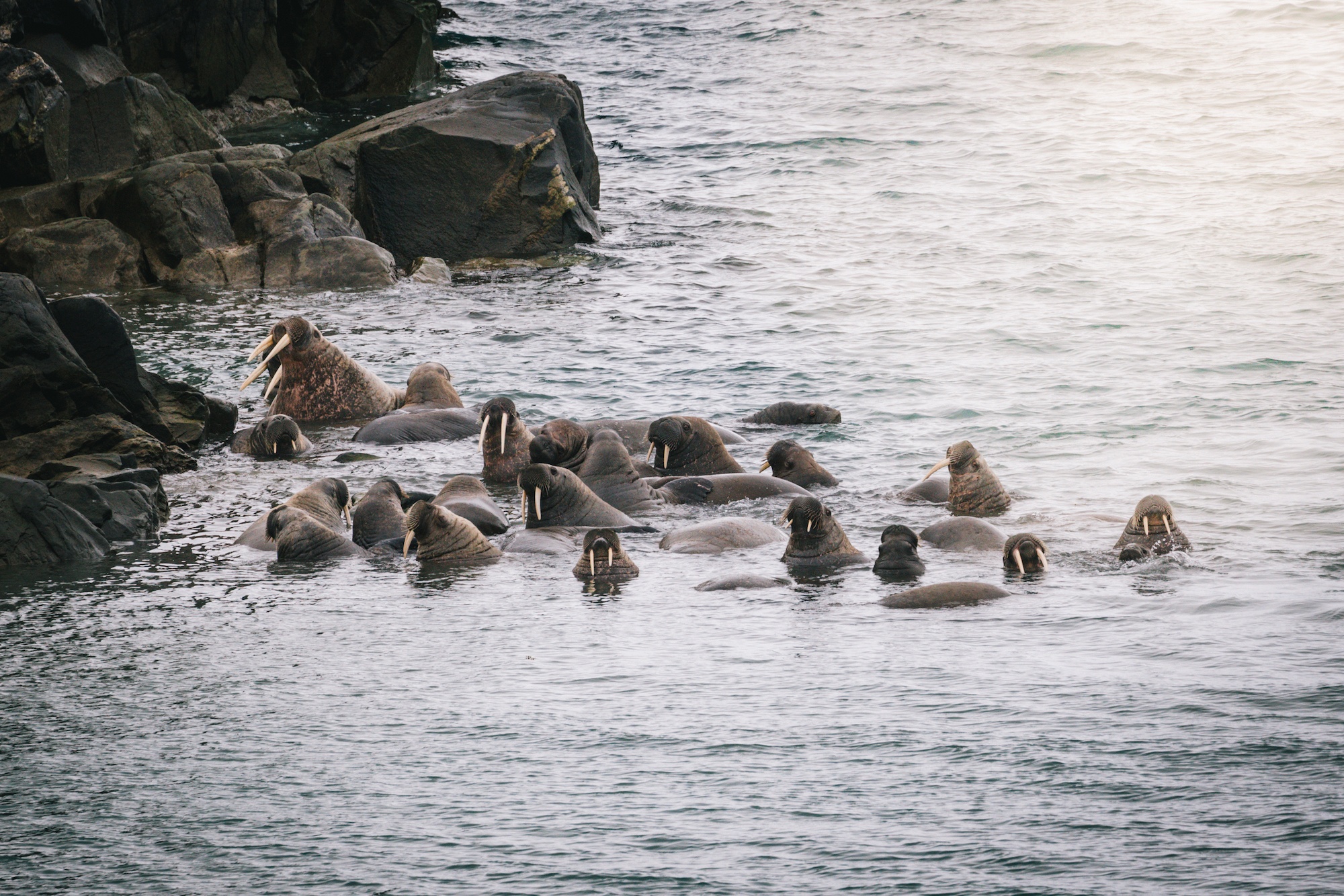
The Arctic environment is a "vast, wild, and unpredictable" theater where wildlife sightings, such as the 20 polar bears recently observed in a single season by industry professionals—including a rare sighting of a mother and cubs scavenging a beluga whale—drive the itinerary. These experiences are increasingly coupled with historical education, such as visiting Beechey Island, the final resting place of members of the ill-fated Franklin Expedition, which adds a layer of somber historical context to the natural beauty.
Socio-Economic and Environmental Context
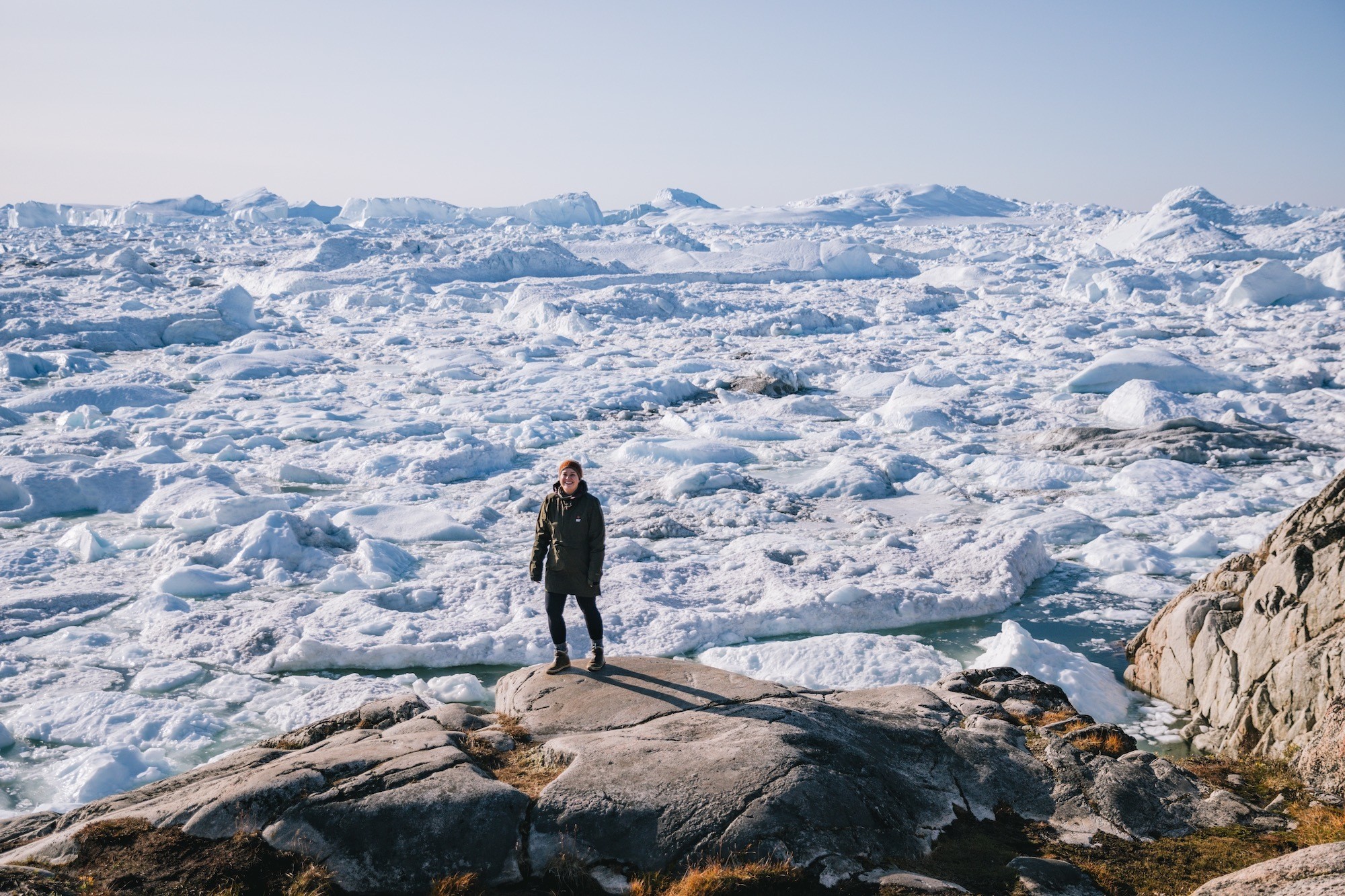
The professionalization of polar travel comes at a critical time for the regions involved. The Arctic is warming at nearly four times the global average, a phenomenon known as Arctic amplification. This has led to the rise of "last-chance tourism," where travelers are eager to see glaciers and sea ice before they are further diminished.
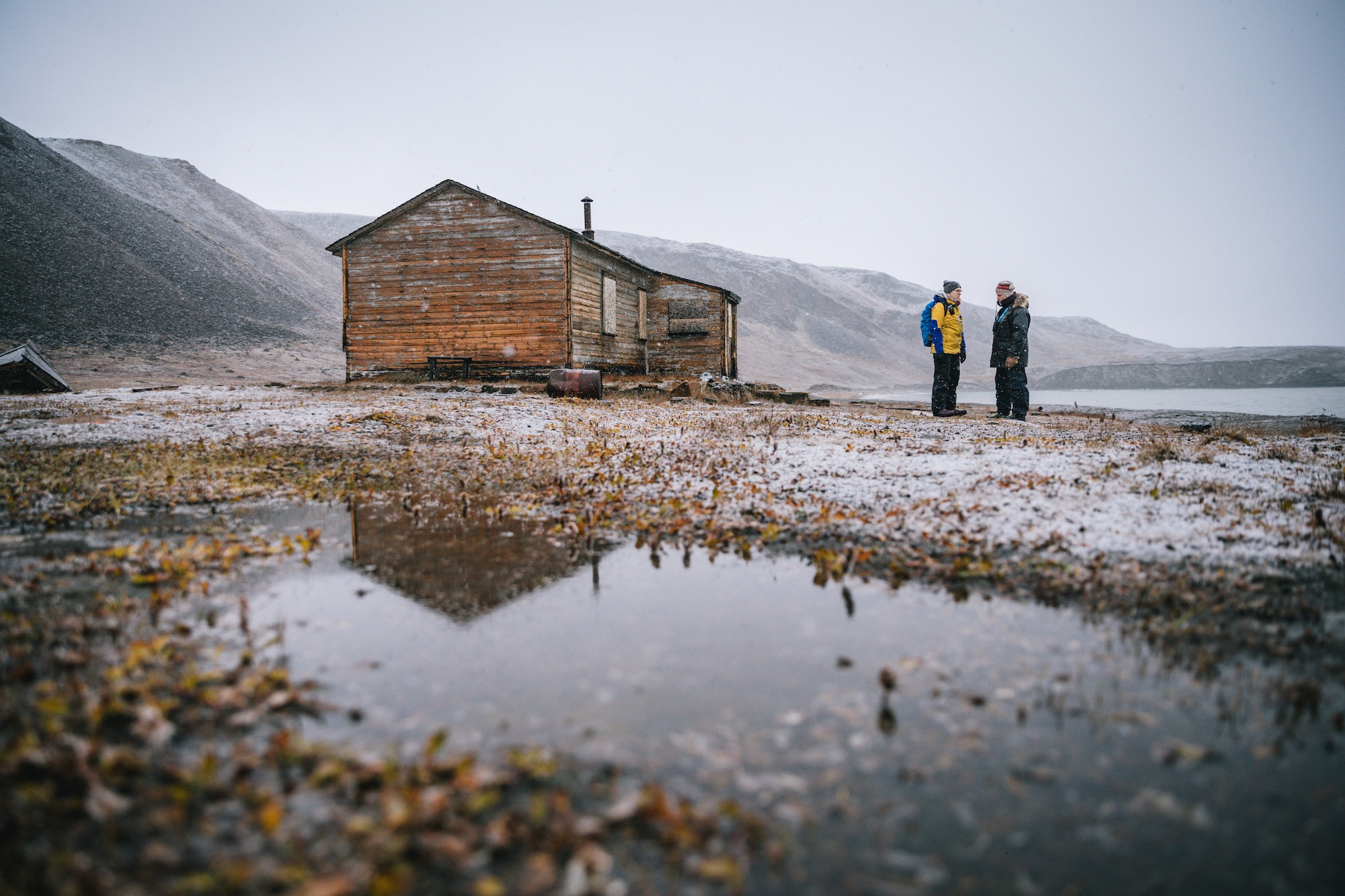
However, modern operators like Adventure Canada emphasize a model that goes beyond mere sightseeing. These expeditions often focus on:
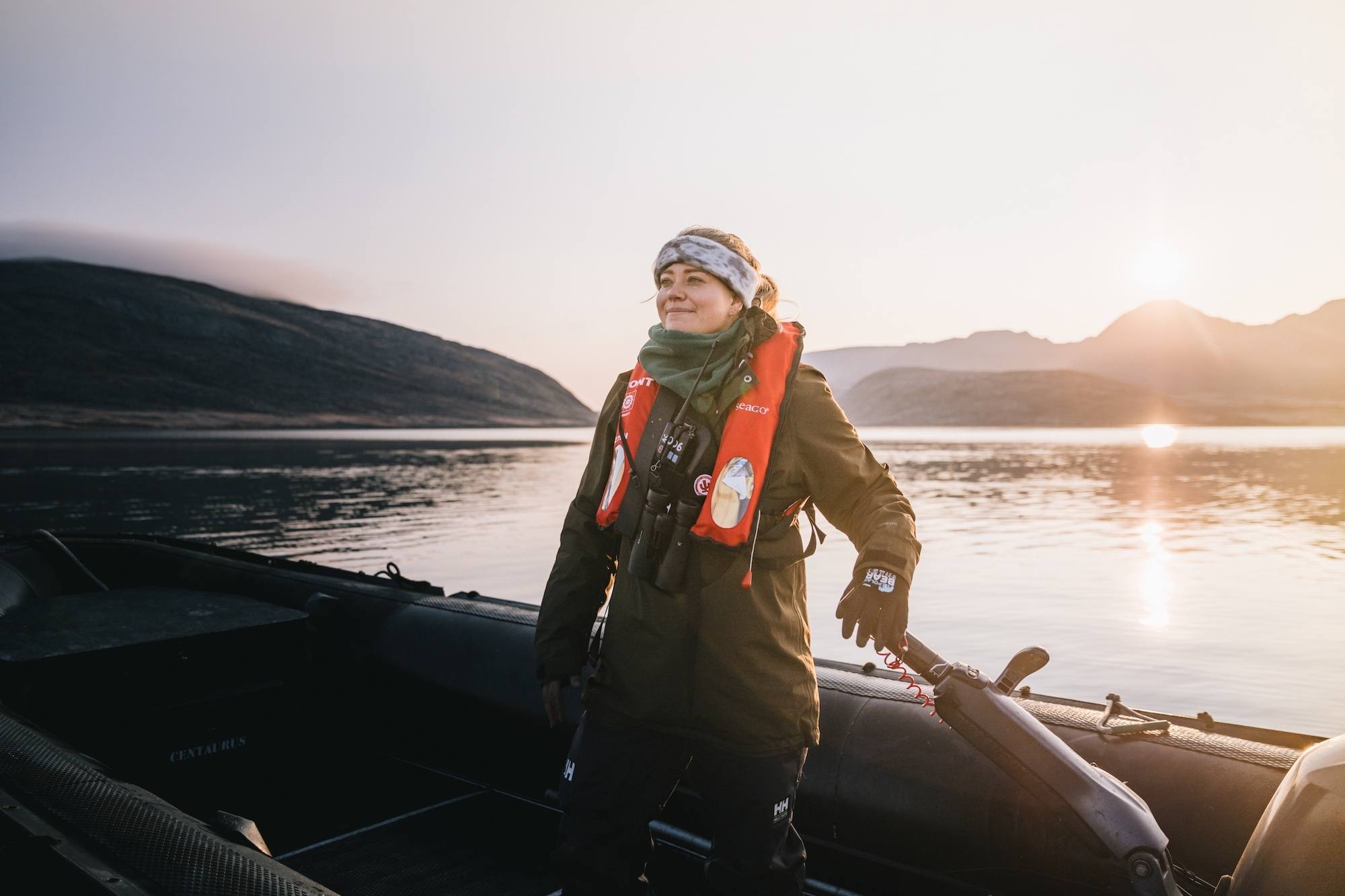
- Indigenous Community Engagement: Visiting northern communities in Nunavut and Greenland to support local economies through the purchase of Inuit art and cultural exchange.
- Scientific Contribution: Many expedition ships now host "scientists-in-residence" or participate in "citizen science" programs, where passengers help collect data on whale migrations or phytoplankton concentrations.
- Environmental Stewardship: The industry consensus is that every visitor must become an "ambassador" for the polar regions. The logic follows that individuals who have witnessed the fragility of the ice and the majesty of polar wildlife are more likely to support conservation policies in their home countries.
The Shift in Travel Media Economics
The move toward commission-based consulting and referral models represents a significant shift in how travel expertise is monetized. In the traditional influencer model, income was often decoupled from the actual booking process, relying instead on "reach" and "engagement" metrics. The new model is more direct and transparent.
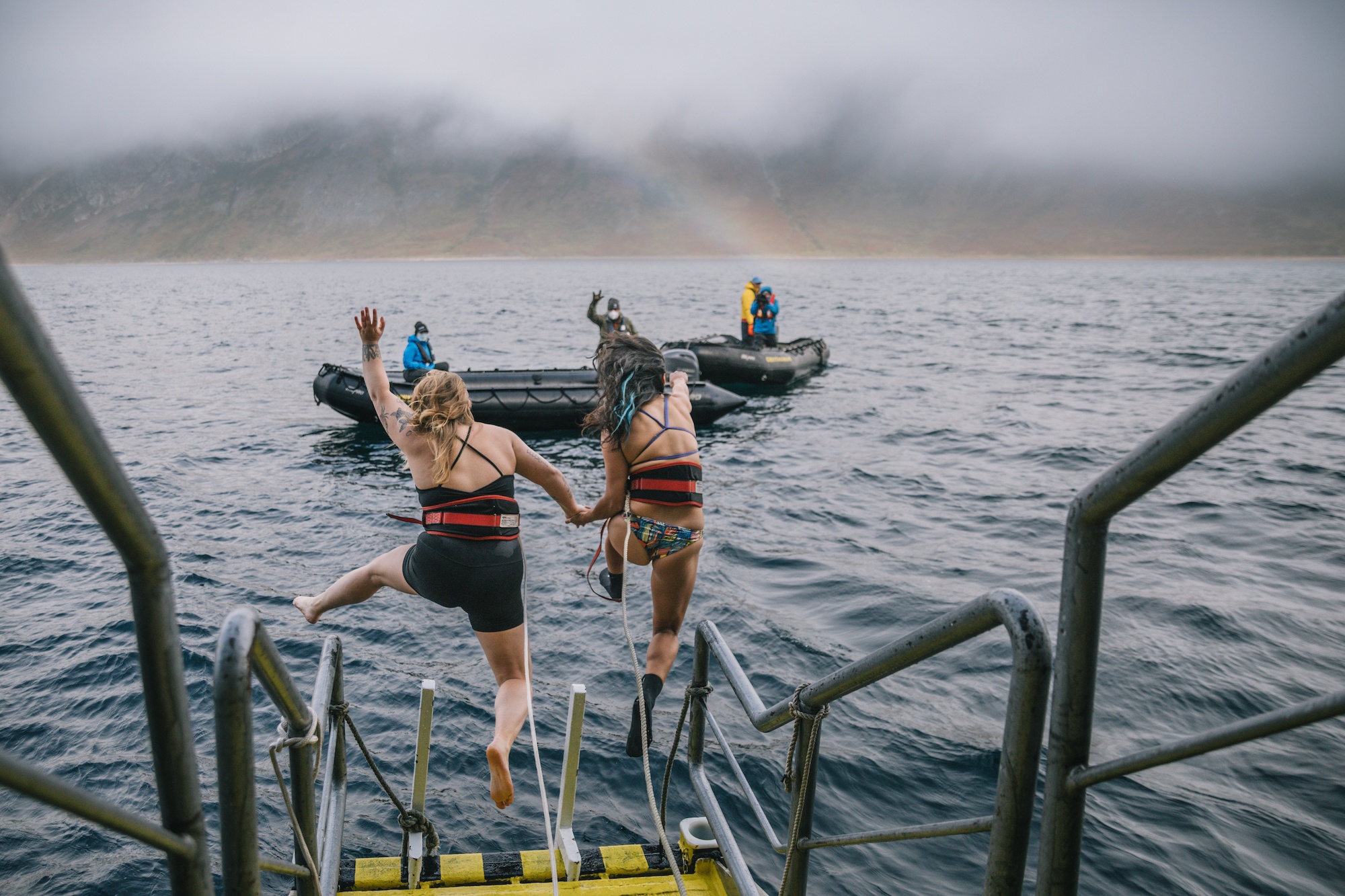
By earning commissions on referrals, travel experts can reduce their reliance on sponsored content, which often requires a high volume of output that can lead to creative burnout. This "hands-on" approach allows for a more curated experience. As Liz Carlson noted in her professional transition, this model provides the financial freedom to step back from "meaningless competition" in the influencer world and focus on the "creativity and fun" of the travel experience itself. This honesty regarding income streams is becoming a hallmark of the new generation of specialized travel consultants.
Inferred Industry Reactions and Broader Implications
While official statements from expedition companies often focus on their commitment to safety and sustainability, the internal sentiment regarding the hiring of former influencers as guides is generally positive. Operators value the communication skills and "storytelling" ability that these individuals bring, which enhances the passenger experience. Passengers, in turn, feel a sense of loyalty and connection to guides they may have followed online for years, leading to high rates of repeat bookings—sometimes as high as 50% for specific operators.
The broader implication for the travel industry is a move toward "hyper-specialization." Generalist travel influencers are being replaced by "niche authorities" who possess both a digital platform and the practical, boots-on-the-ground experience to lead expeditions. This hybrid role ensures that the narrative shared with the public is grounded in the reality of the environment rather than just the aesthetics of a photograph.
Conclusion: The Future of Polar Ambassadorship
As the Arctic and Antarctic continue to face unprecedented environmental challenges, the role of the expedition guide-consultant will become increasingly vital. These professionals serve as the bridge between the remote polar wilderness and the global public. By facilitating responsible travel and providing deep educational context, they ensure that polar tourism contributes to the protection of these regions rather than their degradation.
The trend toward expertise-driven travel suggests that the future of the industry lies in authenticity and community. Whether it is through navigating ice-choked waters or helping a traveler realize a lifelong dream of seeing a polar bear in the wild, the new guard of polar professionals is redefining what it means to travel to the ends of the earth. The Arctic, with its vast scales and "skin-deep" impact, continues to be a primary focus for those who seek to combine a career with a profound sense of purpose and environmental advocacy.