Delta Air Lines Unveils Unprecedented SkyMiles Redemptions to Australia and New Zealand as Carrier Shifts Loyalty Strategy

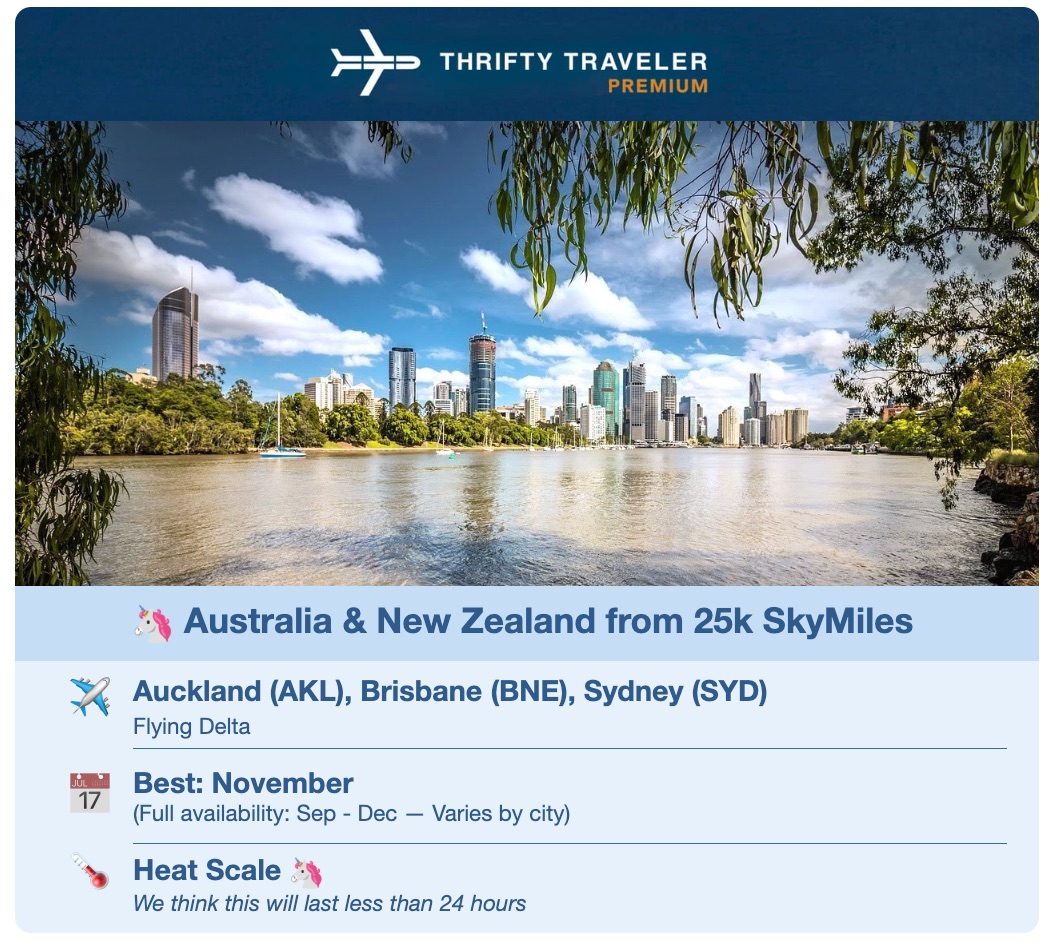
Delta Air Lines has recently executed one of the most significant award seat devaluations in reverse, offering roundtrip flights from the United States to Australia and New Zealand for as low as 25,400 SkyMiles. This unadvertised flash sale, which appeared briefly before being adjusted, represents a historic low for trans-Pacific travel using the carrier’s proprietary currency. The deal extended beyond major international gateways like Los Angeles International Airport (LAX), encompassing nearly 200 departure cities across the United States, ranging from major metropolitan hubs to smaller regional airfields.
The pricing discovered by industry analysts indicates a stark departure from standard redemption rates for the Oceania region. Typically, roundtrip economy tickets to Australia or New Zealand on Delta or its partner airlines require a minimum of 80,000 to 120,000 SkyMiles. In some instances, during peak travel seasons, these rates can exceed 200,000 miles. By pricing the route at 25,400 miles, Delta positioned the cost of a 15-hour international flight below the typical mileage requirement for short-haul domestic routes, such as New York to Chicago or Los Angeles to Las Vegas.
Chronology of the Stealth Award Sale
The emergence of this record-low pricing followed a specific timeline that underscores the increasingly volatile and dynamic nature of airline loyalty programs. The deal was first identified during the early morning hours by flight data specialists who monitor Global Distribution Systems (GDS) and airline booking engines for pricing anomalies.

Upon discovery, the 25,400-mile rate was available for travel to major destinations including Brisbane (BNE) and Auckland (AKL). Initially, the pricing was widespread, allowing travelers in cities like Minneapolis (MSP), Atlanta (ATL), and Detroit (DTW)—traditionally high-priced Delta hubs—to book the same sub-30,000-mile rates.
Within hours of the deal becoming public through specialized travel alert networks, Delta’s revenue management systems began adjusting the inventory. By mid-day, the ultra-low rates had been removed from almost all secondary markets and regional airports, leaving only the nonstop departures from Los Angeles (LAX) at the discounted price. Shortly thereafter, the remaining inventory was exhausted or pulled, returning the routes to their standard market pricing. The rapid lifecycle of the sale suggests it may have been a "targeted" or "tactical" inventory dump designed to fill specific load factors for the upcoming travel season in the Southern Hemisphere.
Comparative Value and Data Analysis
To understand the magnitude of this event, it is necessary to examine the cash-to-miles valuation. During the period this deal was active, cash fares for the same roundtrip routes to Australia were retailing for approximately $1,500 to $1,800. At a redemption rate of 25,400 SkyMiles, travelers achieved a value of approximately 5.9 to 7.0 cents per mile. This is significantly higher than the standard valuation of Delta SkyMiles, which industry benchmarks typically place at 1.2 to 1.5 cents per mile.
The specific figure of 25,400 miles is also indicative of Delta’s "TakeOff 15" program. This benefit, exclusive to Delta SkyMiles American Express Card Members, provides a 15% discount on award bookings. The base rate for the flash sale was likely 30,000 SkyMiles, which was then reduced to 25,400 for cardholders. Even at the 30,000-mile base rate, the deal remains the lowest ever recorded for these specific routes in the history of the SkyMiles program.
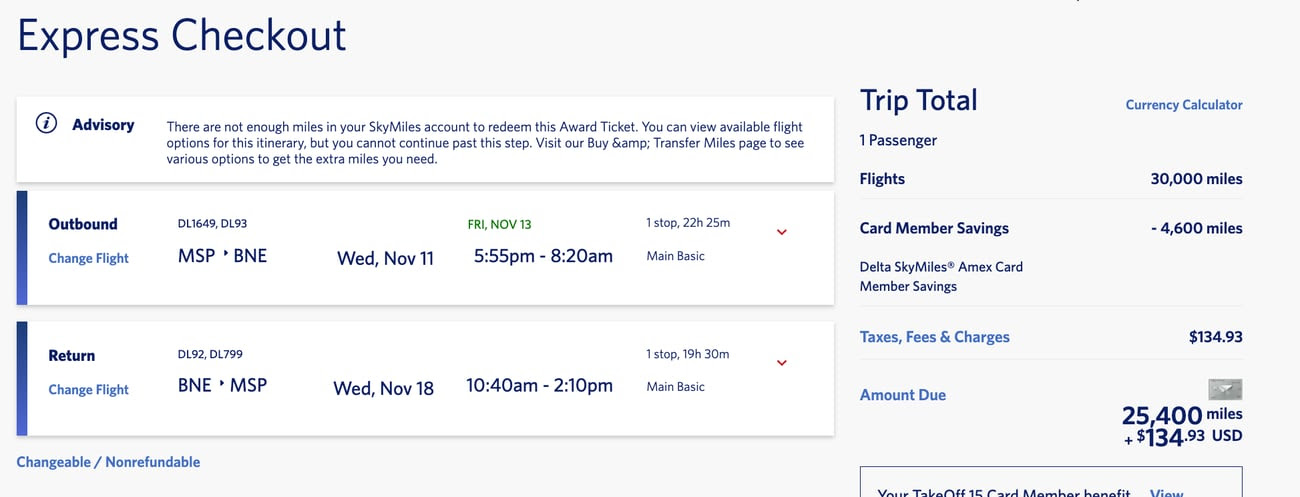
The sale primarily utilized "Basic Economy" award space. However, data shows that many travelers were able to upgrade to a standard Main Cabin fare for an additional 12,000 to 18,000 miles. This upgrade allowed for advanced seat selection and the ability to cancel the ticket for a full refund of miles—a flexibility that has become a cornerstone of traveler demand in the post-pandemic era.
A Strategic Pivot in Delta SkyMiles Management
For much of the last decade, SkyMiles were frequently criticized by loyalty enthusiasts, earning the pejorative nickname "SkyPesos" due to the airline’s move toward dynamic pricing and the removal of published award charts. However, the recent Australia deal is part of a broader trend observed throughout late 2024 and into 2026.
Industry analysts have noted that Delta is increasingly eschewing traditional marketing for its award sales. Previously, the airline maintained a dedicated "Award Deals" page and sent promotional emails to its millions of members. Recently, those channels have remained largely dormant, even as the airline drops "stealth" deals. In the last quarter alone, unadvertised sales have included:
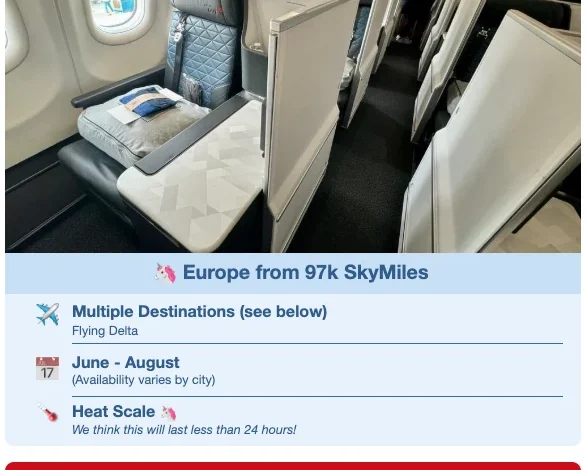
- Delta One (Business Class) to Europe for 80,000 SkyMiles.
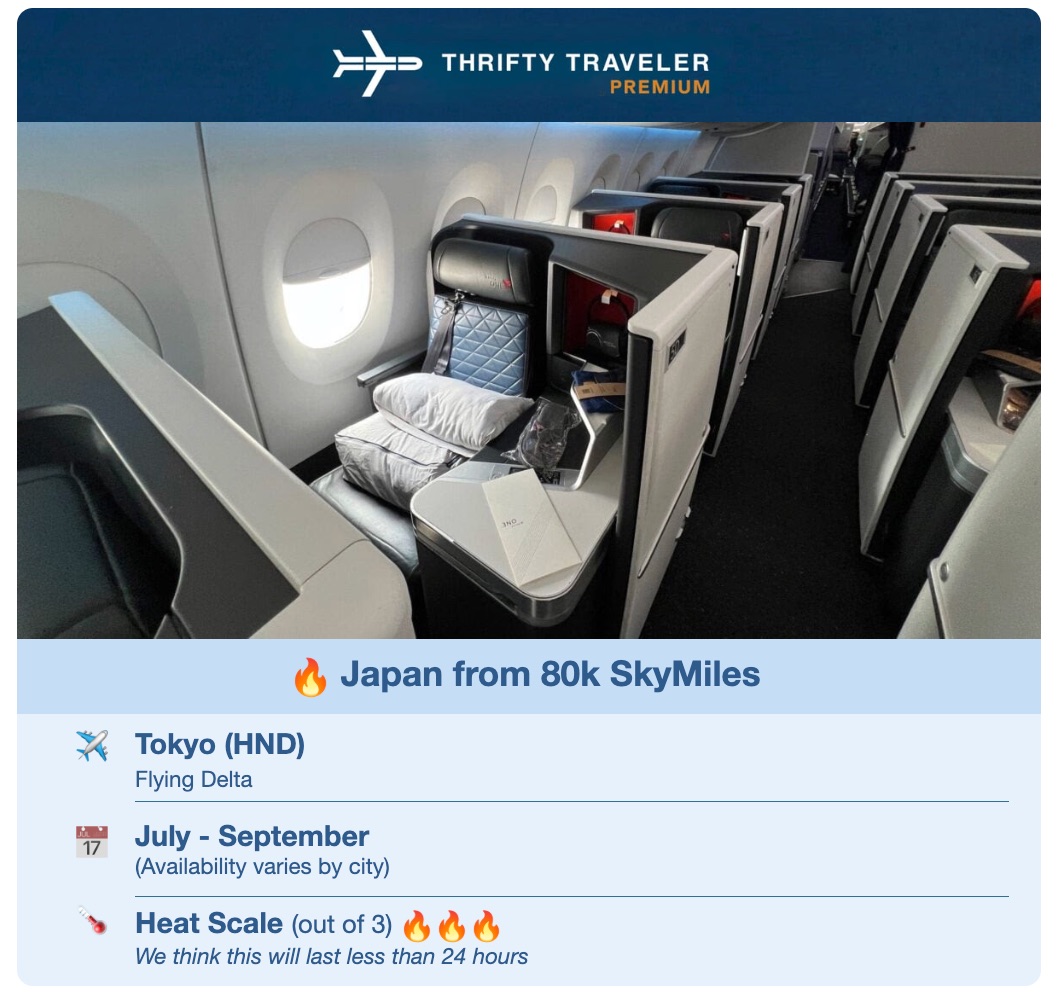
- Roundtrip flights to Tokyo and Hong Kong for 40,000 to 60,000 SkyMiles.
- Domestic transcontinental flights for as low as 5,000 SkyMiles.
This shift suggests a move toward a "flash sale" model where deep discounts are used to incentivize immediate bookings and reward highly engaged members or those subscribed to third-party monitoring services, rather than mass-market advertising which can lead to over-saturation and technical strain on booking engines.
The Erosion of the Hub Penalty
Perhaps the most significant takeaway from the recent Australia sale is the apparent weakening of the "hub penalty." Historically, Delta has charged a premium for passengers flying out of its fortress hubs—airports where it controls a dominant share of the gates and traffic, such as Atlanta, Salt Lake City, and Minneapolis. Travelers in these cities often found it cheaper to book flights on competing airlines or pay a higher mileage rate for the convenience of a nonstop Delta flight.
In this instance, the 25,400-mile rate was accessible from nearly 200 airports, meaning a traveler flying from a small regional airport in the Midwest with a connection in Los Angeles paid the same rate as someone starting their journey in California. This equalization of award pricing suggests Delta may be leveraging its vast domestic network to compete more aggressively with United Airlines and American Airlines on long-haul international routes. By offering the same low rate to passengers regardless of their starting point, Delta maximizes the utility of its fleet and captures market share from regional markets that might otherwise look to competitors.
Broader Market Implications and Competitive Response
The decision to slash rates to Australia and New Zealand also reflects the heightened competition in the trans-Pacific corridor. Since 2023, there has been a surge in capacity between the United States and Oceania. United Airlines has significantly expanded its footprint in Australia, while Qantas and Air New Zealand have introduced new ultra-long-haul routes and updated cabin products.
By offering a "unicorn" deal of 25,400 miles, Delta is effectively generating "buzz" and brand loyalty at a time when consumers are increasingly price-sensitive. While only a few hundred or thousand passengers may have successfully booked the lowest rate before it vanished, the psychological impact on the SkyMiles member base is profound. It refutes the narrative that the currency is devalued and encourages members to maintain their co-branded credit cards and continue accruing miles in anticipation of the next unadvertised drop.
Furthermore, this strategy places pressure on other "Big Three" carriers. If Delta continues to offer high-value "stealth" redemptions, United and American may be forced to reconsider their own award pricing structures to prevent a migration of high-value loyalty members.
Conclusion for the Modern Traveler
The 25,400-mile roundtrip to Australia serves as a case study in the evolution of modern airline loyalty programs. It highlights a move away from transparency and toward algorithmic, high-value, short-duration opportunities. For the consumer, this requires a shift in strategy: the most valuable redemptions are no longer found through casual searching or waiting for promotional emails, but through constant monitoring and the ability to book instantaneously.
As Delta continues to rethink the SkyMiles ecosystem, the value of the currency appears to be bifurcating. While "standard" redemptions remain high, the "floor" for promotional redemptions has dropped to levels previously thought impossible. For those who can navigate this new landscape, the potential to reach "bucket-list" destinations for a fraction of the traditional cost has never been higher. The Australia deal was not an isolated incident but a clear signal that the rules of the loyalty game have changed, favoring the fast and the informed.