Madrid: A Comprehensive Guide to Spain’s Dynamic Capital, From Ancient Art to Modern Gastronomy and UNESCO Wonders


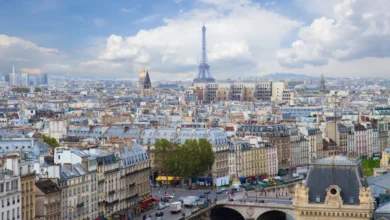
As the vibrant heart of Spain, Madrid stands as a sprawling metropolis of approximately 3.5 million residents within its city limits, expanding to nearly 6.7 million in its broader metropolitan area, making it the country’s largest urban center. This energetic capital annually draws over 10 million visitors, captivated by its striking architecture, world-class culinary scene, and an unparalleled nightlife that often extends into the early hours. Distinct from many European cities, Madrid operates on a unique rhythm, embracing a leisurely pace where evenings begin late, and social gatherings flourish long after sunset. This inherent "night owl" culture is not merely a preference but a fundamental aspect of an authentic Madrid experience, inviting visitors to immerse themselves in slow meals, late-night revelry, and a profound connection to the city’s cultural pulse. The city’s enduring appeal lies in its dynamic blend of historical grandeur, artistic innovation, and a palpable sense of contemporary coolness, consistently captivating those who explore its multifaceted offerings.
The Art Walk: A UNESCO World Heritage Immersion
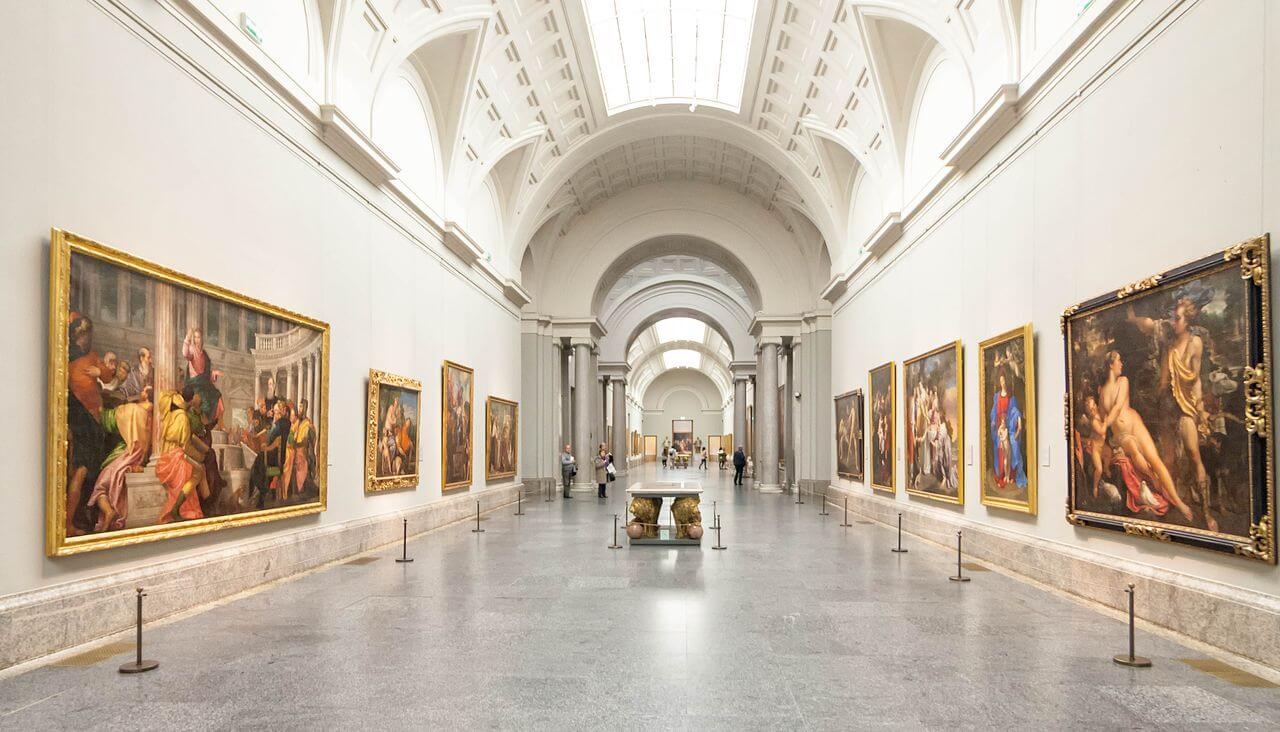
Madrid’s cultural prominence is underscored by its prestigious Art Walk, a designated UNESCO World Heritage site since 2021. This area, encompassing over 40 monuments and buildings, represents one of the city’s most historically rich and visually stunning districts. The cornerstone of this cultural corridor is the Prado Museum, globally recognized as one of the finest art institutions. Housing an unparalleled collection of European art, the Prado features masterpieces from Spanish luminaries such as El Greco, Velázquez, and Goya, alongside works by international masters including Rubens, Botticelli, and Caravaggio. Its sheer scale and artistic depth necessitate several hours for even a cursory visit, making it an indispensable stop for any cultural itinerary.
A mere ten-minute stroll along the scenic Paseo del Prado leads to the Thyssen-Bornemisza Museum. This institution offers a sweeping panorama of art history, drawn from a private collection that ranges from the Renaissance to the avant-garde movements of Pop Art. Complementing these classical and modern collections, the journey culminates at the Reina Sofía Museum, the national center for modern art. Here, visitors encounter pivotal works by 20th-century titans such as Picasso, Miró, Kandinsky, Dalí, and Bacon. The museum’s undeniable centerpiece is Picasso’s monumental 1937 oil painting, Guernica, widely regarded as one of the most powerful anti-war artworks ever created. Its stark depiction of the bombing of Guernica during the Spanish Civil War serves as a poignant historical testament and a compelling artistic statement.
Following a rich morning of museum exploration, Madrid’s diverse culinary landscape beckons. Establishments like Taberna La Fragua de Vulcano offer a rustic ambiance perfect for sampling cocido madrileño, a traditional chickpea stew. Near the Reina Sofía, Arzábal’s vibrant garden terrace is celebrated for its exceptional croquetas. For an unparalleled atmospheric dining experience, Bodega de los Secretos, situated conveniently close to the Prado, allows patrons to dine within restored 17th-century wine caves.
The afternoon presents an opportunity to delve into Madrid’s unique "House Museums," former private palaces meticulously preserved to reflect the intimate lives of their original inhabitants. The Sorolla Museum, once the sun-drenched residence of Joaquín Sorolla, "the painter of light," is a prime example. Currently undergoing a significant architectural renovation, this underrated gem is slated to reopen in 2026, promising a refreshed perspective on its exquisite gardens and Mediterranean-inspired canvases. Alternatively, the Museum of Romanticism offers a tranquil escape, complete with a charming secret garden café. The Lázaro Galdiano Museum further enriches this category, showcasing a private collection featuring works by Goya, Murillo, Velázquez, El Greco, and Bosch within a magnificent neo-Renaissance mansion.
The Grandeur of the Historic Center: Tracing Habsburg Madrid
Day two of a Madrid exploration unveils the city’s medieval and Renaissance foundations, famously known as Habsburg Madrid (Madrid de los Austrias). The journey commences at Puerta del Sol, a bustling public square that serves as a symbolic and literal heart of Spain. Here, visitors can capture a mandatory photograph at "Kilometer Zero," the official starting point for all of Spain’s national highways and railways, effectively marking the geographical center of the entire country. Nearby stands El Oso y el Madroño (The Bear and the Strawberry Tree), an iconic statue depicting a bear reaching for fruit from a madroño tree, symbols deeply embedded in Madrid’s coat of arms, representing the city and its natural surroundings.
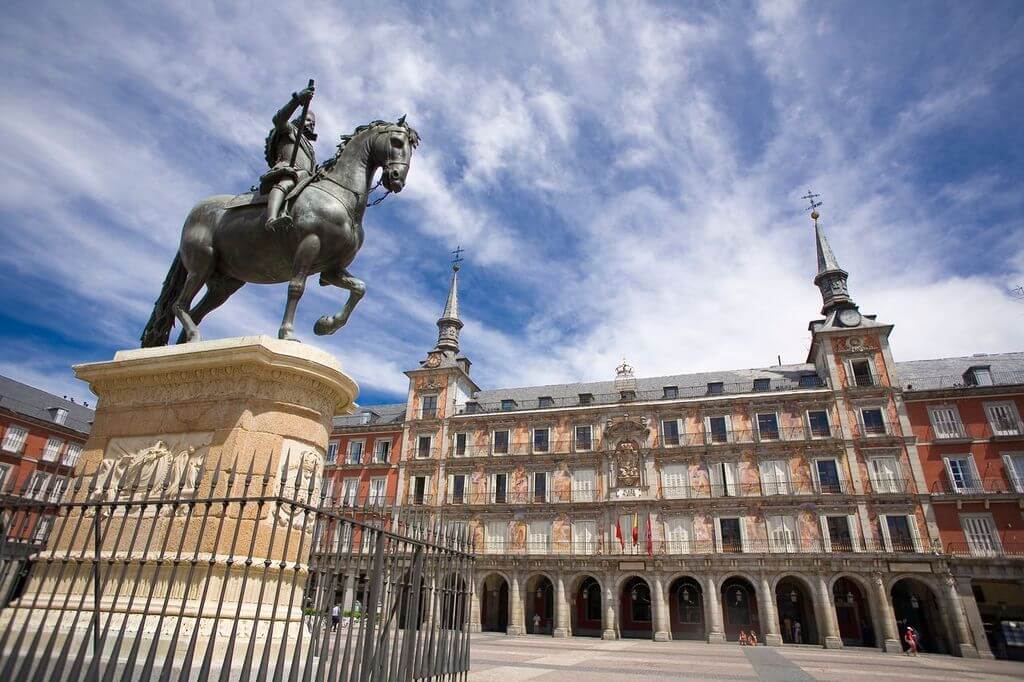
From Puerta del Sol, a short walk leads to the majestic Plaza Mayor. This grand porticoed square, completed in 1619, has historically served as a focal point for public life, hosting diverse events ranging from bullfights and markets to theatrical performances, royal ceremonies, and even executions. Today, it is encircled by cafes, restaurants, and shops, providing an ideal setting for people-watching and occasional cultural events. A quintessential local experience involves savoring a calamari sandwich (bocadillo de calamares) from one of the adjacent alleyways, a simple yet iconic Madrid delicacy.
The afternoon is dedicated to the Royal Palace of Madrid, the largest functioning royal palace in Western Europe. Constructed in the 18th century in a resplendent Baroque style, it boasts over 3,400 lavishly decorated rooms. Built on the site of a 9th-century Muslim fort, the palace now functions predominantly as a museum, exhibiting an extensive collection of art, including pieces by Caravaggio, Juan de Flandes, and Francisco Goya. While it remains the official residence of the Spanish royal family, it is primarily used for state functions, allowing public access to its opulent staterooms, grand stairway, and the Royal Armory, which houses an impressive collection of medieval weaponry and armor.
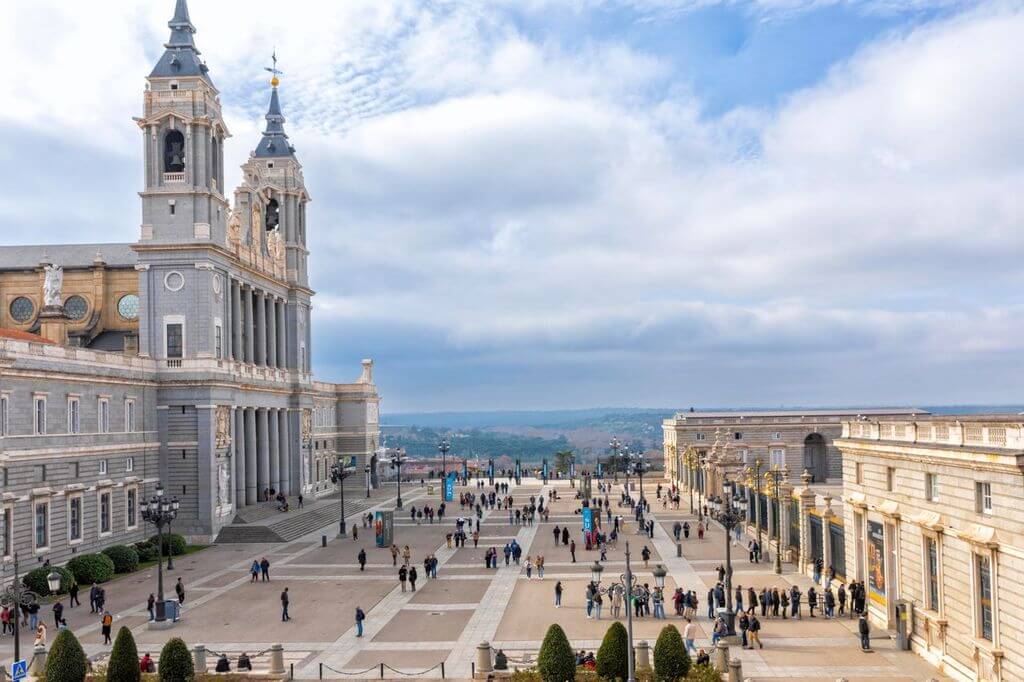
Concluding the day, the Almudena Cathedral offers a blend of architectural styles. Unlike many ancient European cathedrals, its construction began in the late 19th century and was only consecrated by Pope John Paul II in 1993. Its Neo-Classical exterior harmonizes with the adjacent Royal Palace, while its interior features a distinctive Neo-Romanesque crypt supported by over 400 columns. A visit to the cathedral’s dome provides panoramic views across the city, encompassing the Royal Palace and beyond.
Culinary Discovery: A Foodie’s Paradise
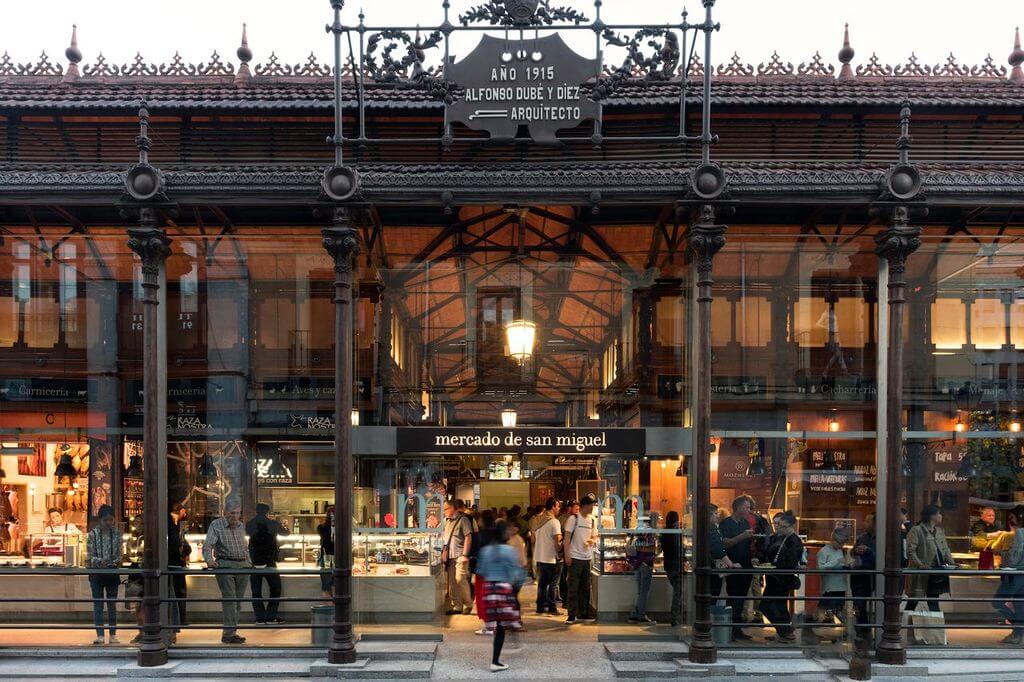
Madrid’s reputation as a gastronomic haven is well-earned, offering an extraordinary array of culinary experiences that draw visitors repeatedly. While organized food tours are plentiful, independent exploration of the city’s markets provides an authentic and immersive culinary journey. The glass-walled Mercado de San Miguel, located near Plaza Mayor, is a gourmet tapas market and a popular gathering spot for the after-work crowd, renowned for its diverse selection of high-quality small bites. For a deeper dive into regional flavors and a more local atmosphere, Mercado de San Antón in Chueca and Mercado de Vallehermoso offer a vibrant insight into Madrid’s daily culinary life.
For dinner, a visit to Sobrino de Botín is a historical imperative. Recognized by Guinness World Records as the world’s oldest continuously operating restaurant, it famously counted Ernest Hemingway among its patrons. For a more casual yet equally authentic experience, "tapas crawling" through the historic streets of La Latina or Barrio de las Letras offers a delightful way to sample diverse Spanish small plates and soak in the local atmosphere.
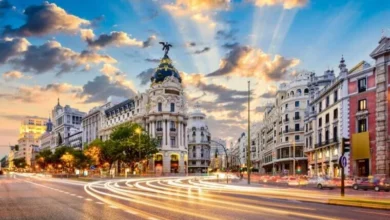
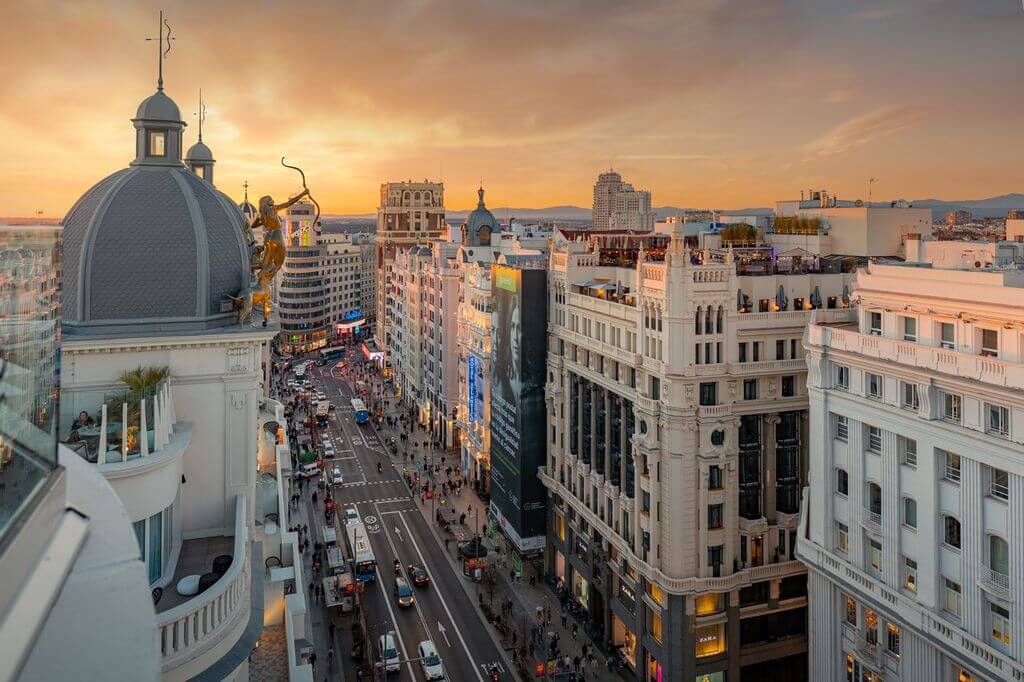
As evening descends, the Gran Vía transforms into a hub of sophisticated rooftop culture. Venues such as The Roof at Picalagartos and the RIU 360º Sky Bar provide breathtaking panoramic views of the Madrid skyline, complemented by signature cocktails and refined dinner options, encapsulating the city’s vibrant urban energy.
Madrid’s culinary evolution also caters to a growing demand for plant-based options. The city has emerged as a significant vegetarian and vegan hub in Europe, particularly in neighborhoods like Malasaña. Here, innovative chefs craft plant-based versions of traditional Spanish dishes, reflecting the city’s diverse and progressive culinary identity.
UNESCO World Heritage Wonders: Beyond the City Limits
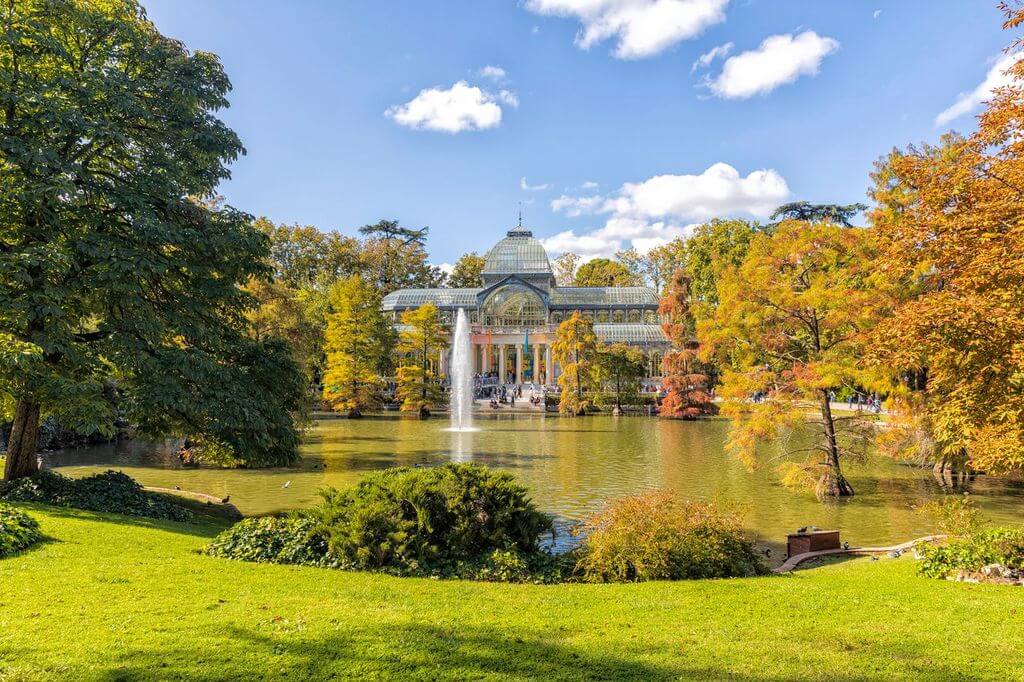
Madrid is unique among European capitals for its seamless integration of nature, science, and royal history within its urban fabric, particularly within the Paisaje de la Luz (Landscape of Light), a UNESCO World Heritage site encompassing the iconic El Retiro Park and the Paseo del Prado. However, Spain’s monumental legacy extends further, offering several UNESCO World Heritage sites within a short day trip from the capital.
One such indispensable destination is the Monastery of San Lorenzo de El Escorial, a sprawling imperial complex located just an hour’s drive from Madrid. Commissioned by King Philip II in the 16th century, El Escorial is an architectural marvel that functions as a monastery, library, palace, basilica, and the royal pantheon for Spanish monarchs. Its austere granite walls and symmetrical layout convey a sense of gravitas and power, a stark contrast to other more ornate palatial complexes, reflecting the strong influence of the Counter-Reformation.
Another compelling option is the Royal Palace and Gardens of Aranjuez, a World Heritage Cultural Landscape situated an hour south of the city. Originally conceived as a royal hunting lodge in the 16th century by Philip II, it evolved into a magnificent blend of Renaissance and Baroque styles. The palace’s lavish rooms are adorned with exquisite tapestries, porcelain, and intricate decorations, while its extensive, meticulously maintained gardens provided the Spanish royal family with a verdant spring residence, rivaling the grandeur of Versailles.
Lastly, the historic university city of Alcalá de Henares, a mere 45 minutes from Madrid, holds its own UNESCO World Heritage status. As the birthplace of Miguel de Cervantes, the celebrated author of Don Quixote, Alcalá de Henares offers a remarkably preserved glimpse into the Spanish Golden Age (1492–1659), with its historic university, charming squares, and traditional architecture.
Off-the-Beaten-Path Treasures: Unveiling Hidden Madrid
For those seeking to explore beyond the most frequented landmarks, Madrid offers a selection of hidden treasures that provide a deeper insight into its rich history and cultural tapestry. Stepping back into the Golden Age, the Monastery of Las Descalzas Reales and the nearby Royal Monastery of La Encarnación are two cloistered palaces that house breathtaking royal art collections.
The Monastery of Las Descalzas Reales, founded in 1559 by Joanna of Austria, sister of Philip II, was a convent for aristocratic women who often brought their valuable artworks and possessions upon entering. This practice transformed the convent into an unexpected repository of exquisite art, making it a veritable treasure trove. The name "Royal Barefoot Ladies" refers to the austere Order of Saint Clare nuns who resided there.
The Royal Monastery of La Encarnación, established in 1611 by Margaret of Austria, wife of Philip III, was a royal convent directly supported by the monarchy. Despite its austere Baroque exterior, the interior is sumptuously decorated with ornate chapels, vibrant frescoes, and a wealth of religious sculptures and paintings. It also houses notable relics, including a vial believed to contain the blood of Saint Januarius. While parts of it remain an active convent, tours are available, offering a rare glimpse into a living historical institution.
To conclude a Madrid itinerary with a local touch, the vast Casa de Campo park provides an ideal setting. As the largest public park in the city, established in 1931, it spans an impressive 17 square kilometers (6.5 square miles), featuring an artificial lake, extensive paths, a zoo, and an amusement park. Lakeside terraces offer scenic lunch or dinner options, providing unrivaled views of the Royal Palace and Almudena Cathedral across the skyline, a perfect culmination to an enriching visit to Spain’s historic capital.
Broader Implications and Enduring Appeal
Madrid’s status as a premier European destination is not merely a matter of its individual attractions but also its unique cultural fabric. The city’s dedication to art, its meticulously preserved historical core, and its dynamic culinary scene collectively contribute to a robust tourism industry that significantly bolsters the Spanish economy. Tourism-related activities generate substantial revenue and employment, reinforcing Madrid’s role as a vital economic engine for the nation.
Beyond economic metrics, Madrid embodies a distinct way of life that balances tradition with modernity. Its late-night culture fosters a vibrant social cohesion, encouraging community interaction and celebration. The continuous efforts to preserve and highlight its UNESCO World Heritage sites demonstrate a commitment to safeguarding its historical legacy while simultaneously innovating in areas such as gastronomy, evidenced by the burgeoning vegan scene. As Madrid continues to evolve, it retains its core identity as a welcoming, energetic, and culturally profound capital, offering an inexhaustible array of experiences for every visitor.
Related posts: