The Congo River, a massive hydrological artery carving through the heart of Africa, represents one of the world’s last great wilderness frontiers. As the deepest river on the planet, reaching depths exceeding 220 meters, and the second-largest by discharge volume after the Amazon, the Congo serves as the primary logistical and biological spine of a rainforest that spans nearly 500 million acres. For travelers departing from the sprawling metropolis of Kinshasa, the transition from urban density to the vast, silent expanse of the river basin offers a profound shift in perspective. This journey is not merely a sightseeing tour but a complex navigation of a landscape where geography, culture, and ecology are inextricably linked.
The Hydrological and Ecological Significance of the Congo Basin
To understand the experience of a Congo River expedition, one must first grasp the staggering scale of the environment. The river discharges approximately 41,000 cubic meters of water per second into the Atlantic Ocean, a volume that dictates the climate and agriculture of an entire continent. The Congo Basin is often referred to as the "second lung" of the Earth, following the Amazon, and it plays a critical role in global carbon sequestration. Recent scientific data highlights the importance of the Cuvette Centrale, a massive complex of peatlands within the basin that stores an estimated 30 billion tons of carbon—equivalent to three years of global fossil fuel emissions.
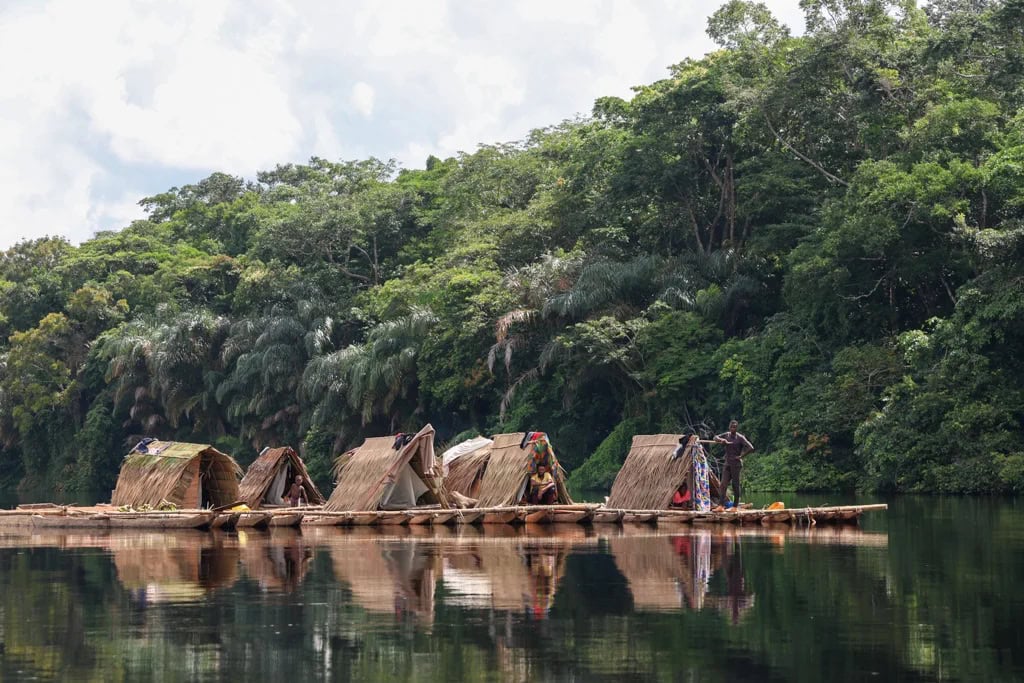
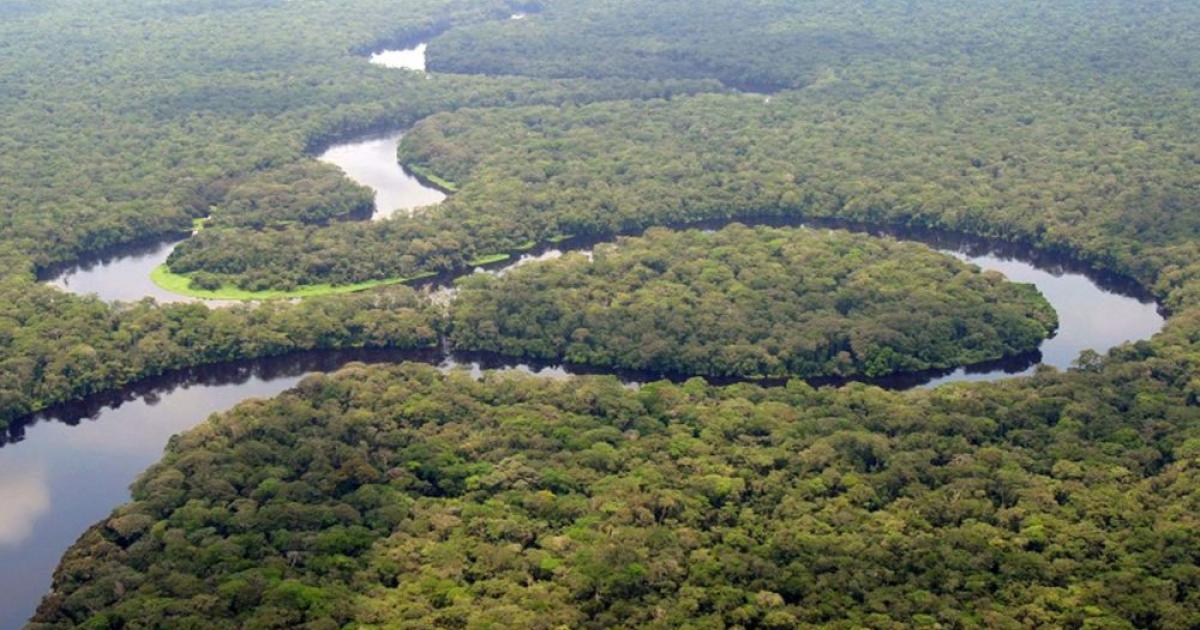
When travelers embark on multi-day expeditions, the conceptual data of the river’s scale becomes a physical reality. By the second day on the water, the urban noise of Kinshasa is replaced by an unbroken horizon of green. The river frequently widens to the point where the opposite bank is no longer visible, creating the illusion of an inland sea. This vastness is punctuated by a network of channels, islands, and sandbars that shift with the seasons, requiring expert navigation by local captains who read the water’s color and current to avoid grounding.
A Chronology of the Modern River Expedition
A standard high-end expedition, such as those currently being organized by regional operators like DRCTourism, typically spans six to seven days and combines river navigation with terrestrial wildlife observation. The itinerary serves as a microcosm of the DRC’s diverse geography.
- Departure and Urban Exit: The journey begins in Kinshasa, where travelers board private vessels. The initial hours involve navigating the "Pool Malebo," a lake-like widening of the river that separates Kinshasa from Brazzaville, the capital of the Republic of the Congo.
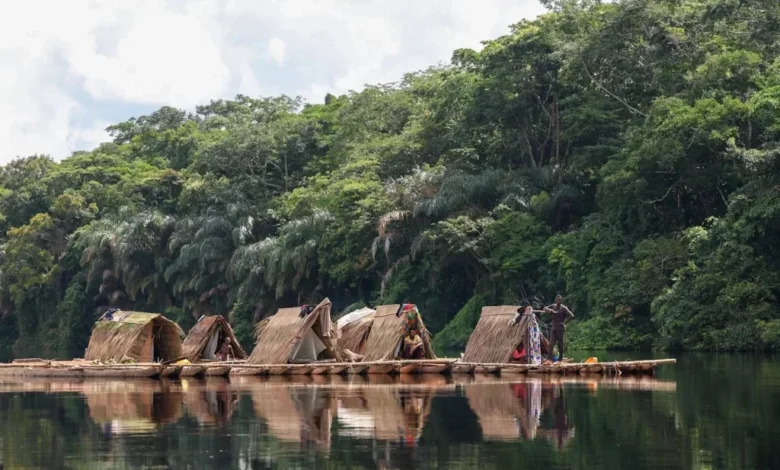
- The Deep Forest Transition: By day two and three, the vessel moves into more remote territory. This phase focuses on the "pathway" aspect of the river. It is here that floating markets appear—traders in wooden pirogues lashing themselves to larger vessels to sell freshwater fish, cassava, and tropical fruits.
- Terrestrial Integration: Expeditions often diverge from the main river to visit the Nsele Valley Park and the Bombo-Lumene Reserve. These areas provide a controlled environment to observe zebras, buffalo, and ostriches, species that are being reintroduced or protected within these managed landscapes.
- Hydrological Landmarks: The route often includes the Zongo and Vampa Falls. Zongo Falls, in particular, showcases the sheer power of the Congo’s tributaries, with water dropping 65 meters into a mist-shrouded basin.
- Cultural and Botanical Heritage: The final stages often include the Kisantu Botanical Garden, established in 1900, which houses an extensive collection of endemic flora and serves as a center for botanical research in Central Africa.
The Socio-Economic Role of the River: "Ebale ya Congo ezali nzela"
In the Democratic Republic of the Congo, the river is less a boundary and more a vital infrastructure. The Lingala proverb, Ebale ya Congo ezali lopango te, kasi ezali nzela (The Congo River is not a border; it is a pathway), encapsulates the socio-economic reality of the region. In a country where road infrastructure is often hindered by dense forest and heavy seasonal rains, the river remains the most reliable method for transporting goods and people.
The Wagenia fishermen, located near Boyoma Falls, exemplify the human adaptation to this powerful environment. For generations, they have utilized a unique system of wooden tripod scaffolds wedged into the rapids. From these structures, they suspend large basket traps to catch heavy river fish. This technique requires an intimate knowledge of the river’s hydraulics—a skill set that is increasingly recognized as a form of intangible cultural heritage. Observations of these fishermen provide travelers with a case study in sustainable, traditional resource management that has remained largely unchanged despite the pressures of modernization.
Biodiversity and Wildlife Observations
The Congo Basin is a hotspot of endemism, hosting species that exist nowhere else on Earth. While the dense canopy makes wildlife spotting more challenging than on the open savannas of East Africa, the river provides a unique vantage point.
- Avian Life: The river is a corridor for migratory and resident birds. Sightings of African grey parrots, various kingfisher species, and large wading birds are frequent.
- Primates: Along the banks, several species of monkeys, including colobus and mangabeys, are often visible in the gallery forests that line the water’s edge.
- Mega-fauna: While forest elephants and the elusive okapi (the "forest giraffe") inhabit the basin, they generally require deep-forest trekking to locate. However, their presence is felt in the vast, undisturbed stretches of the riverbanks where human encroachment is minimal.
The environmental impact of tourism in this region is a subject of ongoing analysis. Proponents argue that high-value, low-volume expeditions provide an economic incentive for local communities to protect the forest from logging and poaching. "When the river is seen as a source of sustainable income through tourism, the motivation to preserve the ecosystem increases," states a local conservation official.
Practical Logistics and Safety Considerations
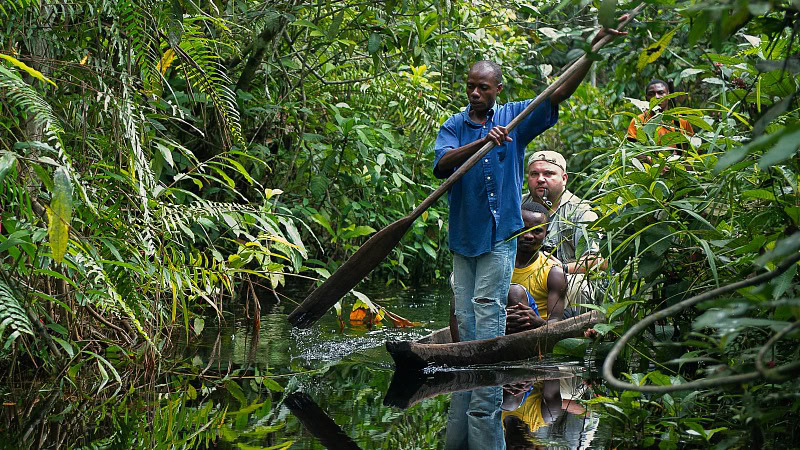
Navigating the Congo River requires rigorous planning and adherence to health and safety protocols. The Democratic Republic of the Congo remains a challenging environment for independent travel, making organized expeditions the primary mode of entry for international visitors.
- Health Requirements: A Yellow Fever vaccination certificate is mandatory for entry. Due to the high prevalence of malaria in the river basin, prophylaxis is strongly advised.
- Climate and Timing: The optimal window for travel is the dry season, from June to September. During this period, navigation is more predictable, and the lower humidity makes the tropical heat more manageable (typically ranging from 25°C to 32°C).
- Equipment: Travelers are advised to use quick-dry, neutral-colored clothing and high-quality waterproof bags. Given the irregular access to electricity in remote areas, portable solar chargers and extra batteries are essential for photographic equipment.
- Economic Context: Costs for these expeditions are reflective of the complex logistics involved. While day trips from Kinshasa may cost between $150 and $200, comprehensive multi-day safaris can range from $3,000 to over $7,000 per person, covering private 4×4 transport, specialized river guides, and security permits.
Broader Impact and the Future of Congo Tourism
The emergence of structured river expeditions represents a significant step in the DRC’s efforts to diversify its economy beyond mining. Tourism officials in Kinshasa have expressed a desire to position the Congo River as a premier destination for "extreme" eco-tourism and cultural immersion. However, this ambition faces headwinds from infrastructure deficits and international perceptions of regional instability.
The success of these expeditions hinges on the delicate balance between providing a "raw" wilderness experience and ensuring the safety and comfort of international guests. As more travelers return with accounts of the river’s immense beauty and the hospitality of its riverside communities, the narrative of the DRC is slowly shifting from one of conflict to one of untapped natural wonder.
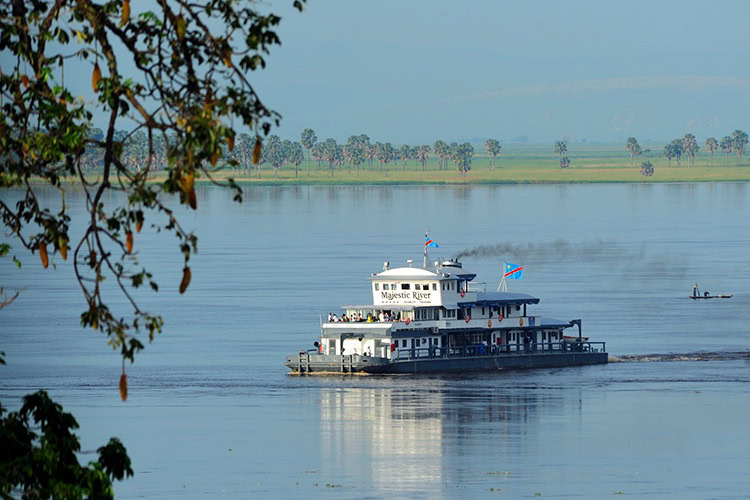
The emotional impact of the Congo River often stems from its "untouched" quality. In an era of over-tourism, the Congo Basin remains a place where the rhythm of life is dictated by the flow of water and the rising of the sun. For the visitor, the journey provides a rare opportunity to witness a landscape that operates on a geological timescale, offering a profound sense of connection to the natural world. Long after the boat returns to the docks of Kinshasa, the memory of the river—its vastness, its depth, and its life—remains a testament to the enduring power of the African heartland.