The Vespa’s Silent Revolution: How Rome is Embracing Electric Mobility to Combat Air Pollution and Congestion

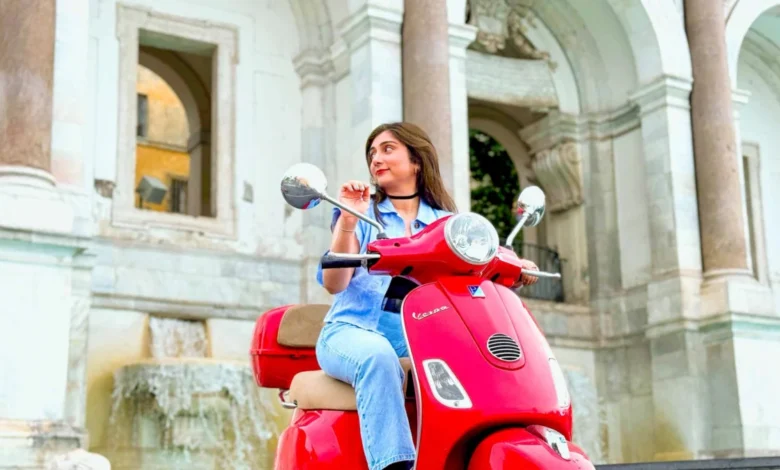
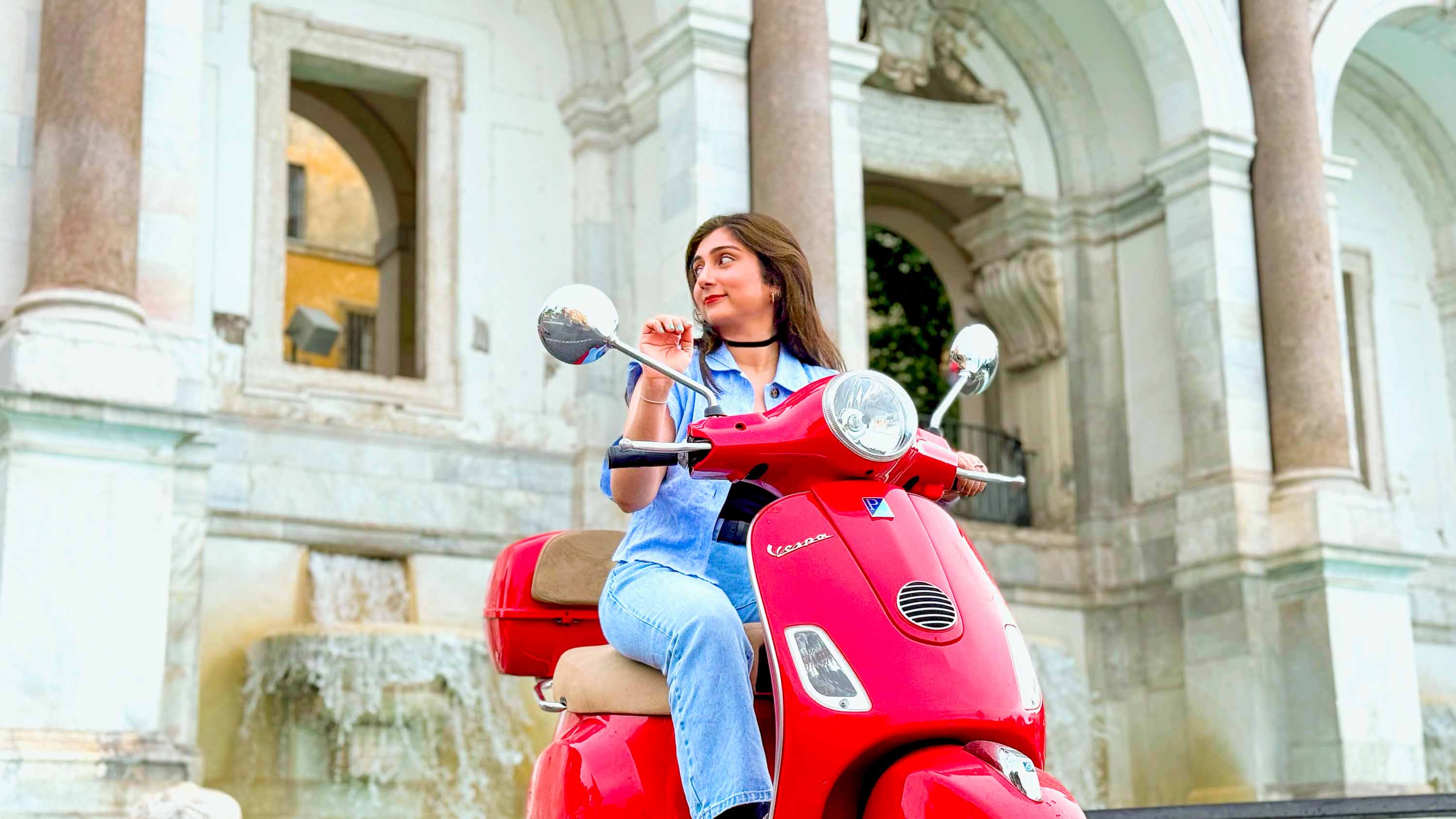
Rome, Italy – As the iconic Vespa scooter approaches its 80th anniversary, the timeless vehicle that once symbolized Italy’s post-war resurgence is now spearheading a new kind of revolution: the fight against urban air pollution and congestion. This transformation is unfolding across the Eternal City, where a concerted effort to curb emissions is visibly reshaping daily life and mobility. Queenie Shaikh, reporting from the heart of the capital, experienced this evolution firsthand, navigating Rome’s historic thoroughfares on an electric Vespa, observing how the city is tackling its pressing environmental challenges.
A Quieter, Cleaner Trastevere: Rome’s Green Transformation
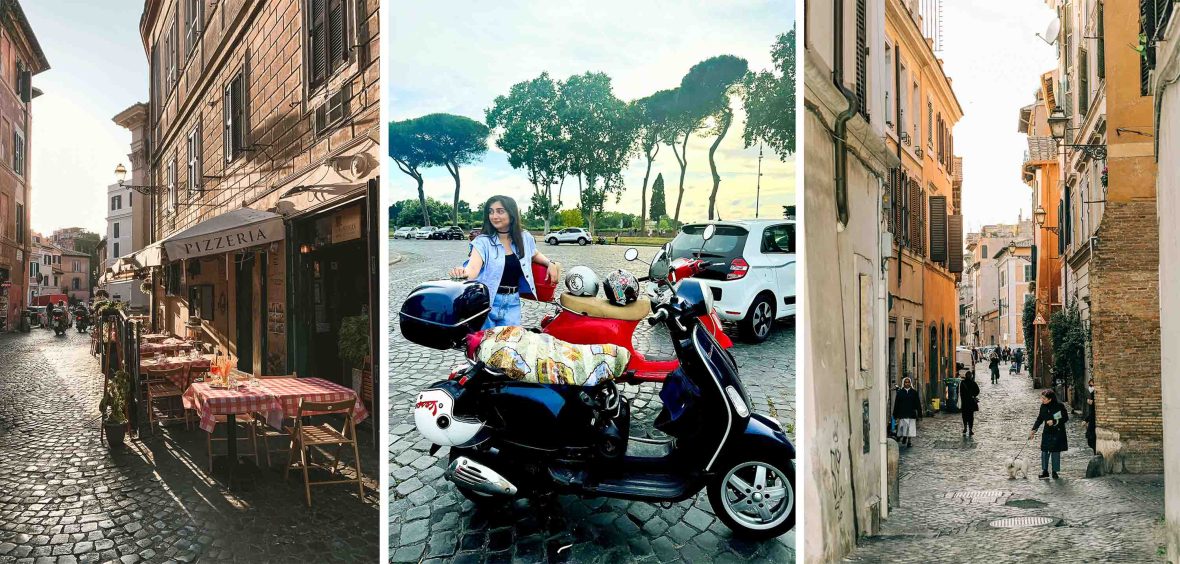
The sensory tapestry of Rome has long been defined by the aromatic blend of freshly cooked pizza, strong espresso, and the persistent hum of internal combustion engines. Yet, in neighborhoods like Trastevere, renowned for its winding cobbled streets, vibrant trattorias, and lively evening atmosphere, a palpable shift is underway. On a recent afternoon, just before the customary Roman rush hour, the usual cacophony of traffic was noticeably subdued. Conversations drifted more clearly from shuttered windows, and the clinking of Aperol Spritz glasses resonated more distinctly as locals and tourists spilled onto the streets.
This noticeable reduction in noise and vehicular congestion is no accident. It is the direct result of Rome’s ambitious environmental policies, particularly the implementation of the Fascia Verde (Green Zone). My previous extended stay in the Italian capital in 2018 presented a very different picture, where navigating Trastevere felt like a complex game of chess, dodging constant traffic and bracing against relentless noise. Now, the district, once a dense labyrinth of exhaust fumes and engine roars, offers a glimpse into a more sustainable urban future, with the beloved Vespa, in its electric incarnation, playing a pivotal role.
Rome’s Progressive Environmental Timeline: A Decade of Policy Evolution
Rome’s commitment to sustainable mobility has been a gradual but accelerating process, building on decades of traffic management. The city has long utilized Limited Traffic Zones (ZTLs) to regulate access to its historic core, but recent years have seen these efforts expand significantly in scope and ambition.
-
Pre-2022: Foundations of Traffic Control. For decades, Rome maintained various ZTLs, primarily to protect its ancient monuments and reduce congestion in sensitive areas. These zones typically restricted vehicle access during specific hours, mainly targeting non-residents or those without special permits. However, these measures often proved insufficient to tackle the pervasive issues of air pollution and noise across the broader urban landscape.
-
2022: The Dawn of the Fascia Verde. A pivotal moment arrived in 2022 with the introduction of the Fascia Verde, or Green Zone. This comprehensive initiative dramatically expanded environmental restrictions beyond the old city center, encompassing a much larger portion of the capital, including historically dense areas like Trastevere. Under the initial phase, access was restricted for the oldest and most polluting petrol and diesel cars, as well as older petrol-powered mopeds and motorcycles, from Monday to Saturday. Electric vehicles, conversely, were granted easy access, incentivizing the adoption of cleaner transport. The primary objective was to significantly reduce levels of nitrogen oxides (NOx) and particulate matter (PM2.5), which frequently exceeded European Union air quality standards.
-
225: Reinforcing Commitment with "Ecological Sundays". Building on the success and lessons learned from the initial Fascia Verde rollout, the city renewed the scheme in 2025. This renewal saw the reintroduction of "Ecological Sundays" during the winter season, a popular initiative that involved a city-wide ban on internal combustion engine vehicles during set hours. These car-free days were more than just traffic restrictions; they were designed as community engagement events. Urban treks encouraged residents to explore their city on foot, neighborhood farmers’ markets promoted local produce and sustainable consumption, and information sessions raised awareness about environmental issues, fostering a deeper connection between citizens and their urban environment. These Sundays aimed to demonstrate the tangible benefits of reduced traffic, from improved air quality to a more peaceful urban soundscape.

-
July 1, 2026: Tightening the Reins for a Greener Future. The most significant tightening of regulations is set to take effect on July 1, 2026. This phase will see even fully electric and hydrogen-powered cars no longer automatically exempt from ZTL access. Drivers without existing ZTL rights will require an annual permit, costing up to €1,000 (approximately USD 1,145), to enter these zones. This move, while seemingly counter-intuitive for electric vehicles, highlights Rome’s dual challenge: not just reducing emissions, but also managing chronic urban congestion and easing pressure on limited central city parking. Crucially, electric Vespas, mopeds, and motorcycles will remain exempt from this new permit requirement, solidifying their status as preferred modes of sustainable urban transport and acknowledging their minimal footprint. This exemption underscores the city’s strategic encouragement of agile, low-impact electric two-wheelers.
The Vespa: An Enduring Icon Reimagined for the 21st Century
The timing of these intensified environmental policies aligns perfectly with a significant milestone for Italy’s most cherished vehicle: the Vespa’s 80th anniversary. From June 25 to 28, 2026, Rome’s historic Foro Italico will transform into a "Vespa Village," hosting stages, displays, food stalls, and events celebrating eight decades of the scooter’s influence. Amidst this wave of nostalgia, Piaggio’s electric models stand as a testament to the brand’s adaptability and relevance in a rapidly changing urban landscape.
The original Vespa, the Vespa 98, was born in 1946 out of post-war necessity. Enrico Piaggio commissioned aeronautical engineer Corradino D’Ascanio to design an affordable, practical vehicle that could help Italians rebuild their lives and move freely. The result was an instant classic, a symbol of freedom, style, and the sheer pleasure of independent mobility. For generations, the Vespa has been more than just a scooter; it’s been a cultural icon, a backdrop to countless films, and a symbol of Italian dolce vita.
The Vespa Elettrica, launched in 2018, represents a natural evolution of this legacy. It retains the classic, beloved Vespa silhouette and the inherent sense of independence it conveys but replaces the traditional combustion engine with a clean, silent electric motor and integrated connected technology. This transition is not limited to the Elettrica model alone; Piaggio has also introduced electric versions within its popular Primavera and Sprint S ranges, some featuring convenient removable batteries for easier charging, alongside their petrol counterparts. This strategic shift ensures that the Vespa remains at the forefront of urban mobility, blending its timeless appeal with contemporary environmental responsibility.
A New Urban Soundscape: Data and Anecdotes of Change
The impact of Rome’s green initiatives extends far beyond air quality, profoundly altering the city’s acoustic environment. The once ubiquitous roar of engines is slowly giving way to a quieter hum, a shift that is enhancing the quality of life for residents and visitors alike.
-
The Rise of Shared Electric Micro-mobility: Beyond privately owned electric Vespas, Rome has witnessed a boom in shared electric micro-mobility options. From January to September 2024, the city recorded an astonishing 6.7 million trips on shared electric kick scooters, significantly outstripping the 1.8 million trips made by bicycle during the same period. This data underscores a widespread public adoption of convenient, emission-free transport solutions. The presence of Lime electric scooters and bikes is now a common sight, weaving silently through traffic, while public transport is also rapidly decarbonizing, with buses proudly displaying "bus elettrico" (electric bus) and "bus ibrido" (hybrid bus) signs.
-
"Hunting Pollution": Art as a Symbol of Change: The commitment to a cleaner Rome is also visually articulated through public art. In Ostiense, a former industrial district, the "Hunting Pollution" mural by Milanese artist Iena Cruz serves as a powerful symbol. Painted across a residential building near a busy junction, the artwork depicts a heron surrounded by polluted water and oil barrels. Crucially, the mural utilizes Airlite, a specialized paint activated by light and titanium dioxide, designed to break down pollutants from passing vehicles and prevent dirt from settling. Rome’s Fascia Verde rules directly complement this artistic statement by reducing the very sources of pollution that the mural’s paint combats, thereby helping to preserve its brightness and effectiveness.
-
Personal Testimonies of a Quieter City: The anecdotal evidence from locals reinforces the data. Lorelei Greco, a Roman resident, switched to an electric Vespa during the pandemic and eloquently states, "It makes sense here. Vespa’s electric version keeps its heritage alive but also gives it a new purpose in how Romans and visitors move through the city." Her grandmother, Nonna Maria Greco, a former market trader near the old Mercato Testaccio site, vividly recalls the incessant "engines, horns, and shouting from morning until evening" that characterized her working life. Now, amidst the vibrant stalls of Mercato Testaccio, she observes a profound difference. "I wish we’d had electric scooter sharing and electric Vespas back then," Nonna Maria muses, "It would have been better for the noise and I would have made a much more glamorous entrance!" These sentiments echo a broader appreciation for the improved urban environment. While Rome did introduce electric buses as early as 1989, their early services were limited. The current scale of electric vehicle integration is unprecedented, marking a true paradigm shift.
Implications and the Future of Roman Mobility
Rome’s journey towards sustainable urban mobility carries multifaceted implications, touching upon environmental health, urban planning, economic dynamics, and cultural identity.
-
Environmental Impact: The most immediate and significant implication is the improvement in air quality. Reduced emissions of nitrogen dioxide (NO2), particulate matter (PM10 and PM2.5), and carbon monoxide (CO) directly translate to better public health outcomes, fewer respiratory illnesses, and a cleaner urban environment. The commitment to further restricting polluting vehicles underscores Rome’s determination to meet and exceed EU air quality standards, safeguarding its rich heritage from the corrosive effects of pollution.
-
Urban Planning and Livability: The shift towards electric and shared micro-mobility is inherently reshaping Rome’s urban planning. Quieter streets encourage more walking and cycling, fostering a more pedestrian-friendly environment. The focus on reducing congestion, even for electric cars, suggests a long-term vision of prioritizing public transport, active mobility, and shared services over private car ownership in the dense city center. This could lead to the reclaiming of public spaces for community use, green infrastructure, and cultural activities, enhancing the overall livability of the city.
-
Economic Considerations: The transition has economic ripples. While some traditional automotive businesses may face challenges, there is a growing market for electric vehicle sales, charging infrastructure development, and shared mobility services, potentially creating new jobs in the green economy. The permit system for ZTLs generates revenue that can be reinvested in sustainable transport initiatives. For tourism, a cleaner, quieter Rome offers an enhanced visitor experience, potentially attracting a new demographic of environmentally conscious travelers.
-
Cultural Evolution: The Vespa’s transformation is emblematic of a broader cultural evolution. The romanticized image of speeding through Rome on a petrol Vespa, as seen in films like "The Lizzie McGuire Movie," is being updated. The new fantasy involves a silent, emission-free ride, seamlessly integrated with rental apps, offering the same sense of freedom but with a clear conscience. This reframing allows Rome to preserve its iconic imagery while embracing modern values of sustainability.
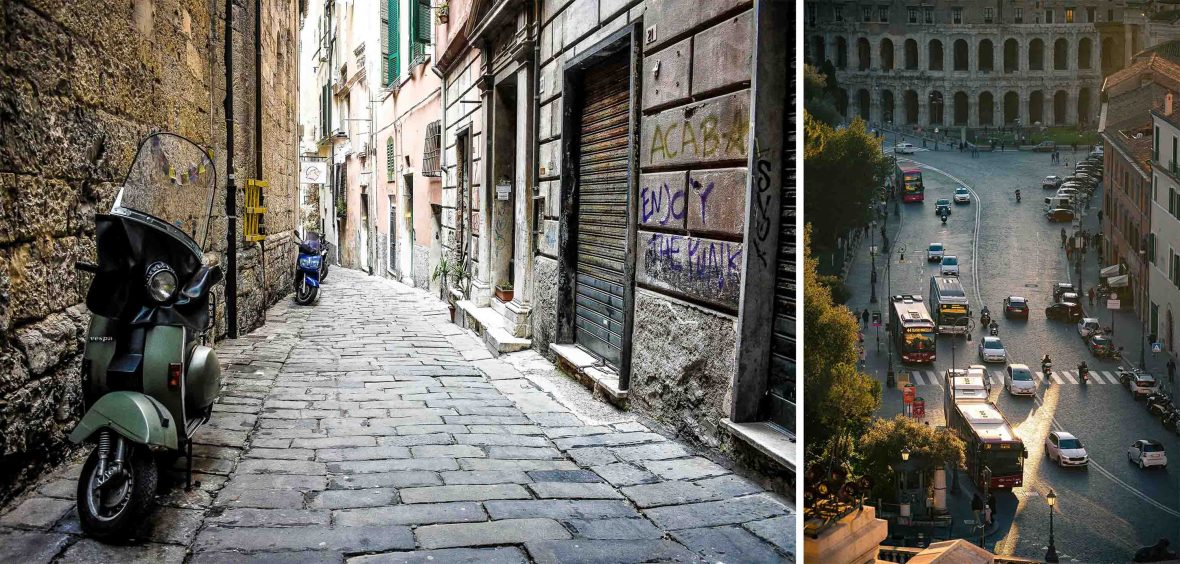
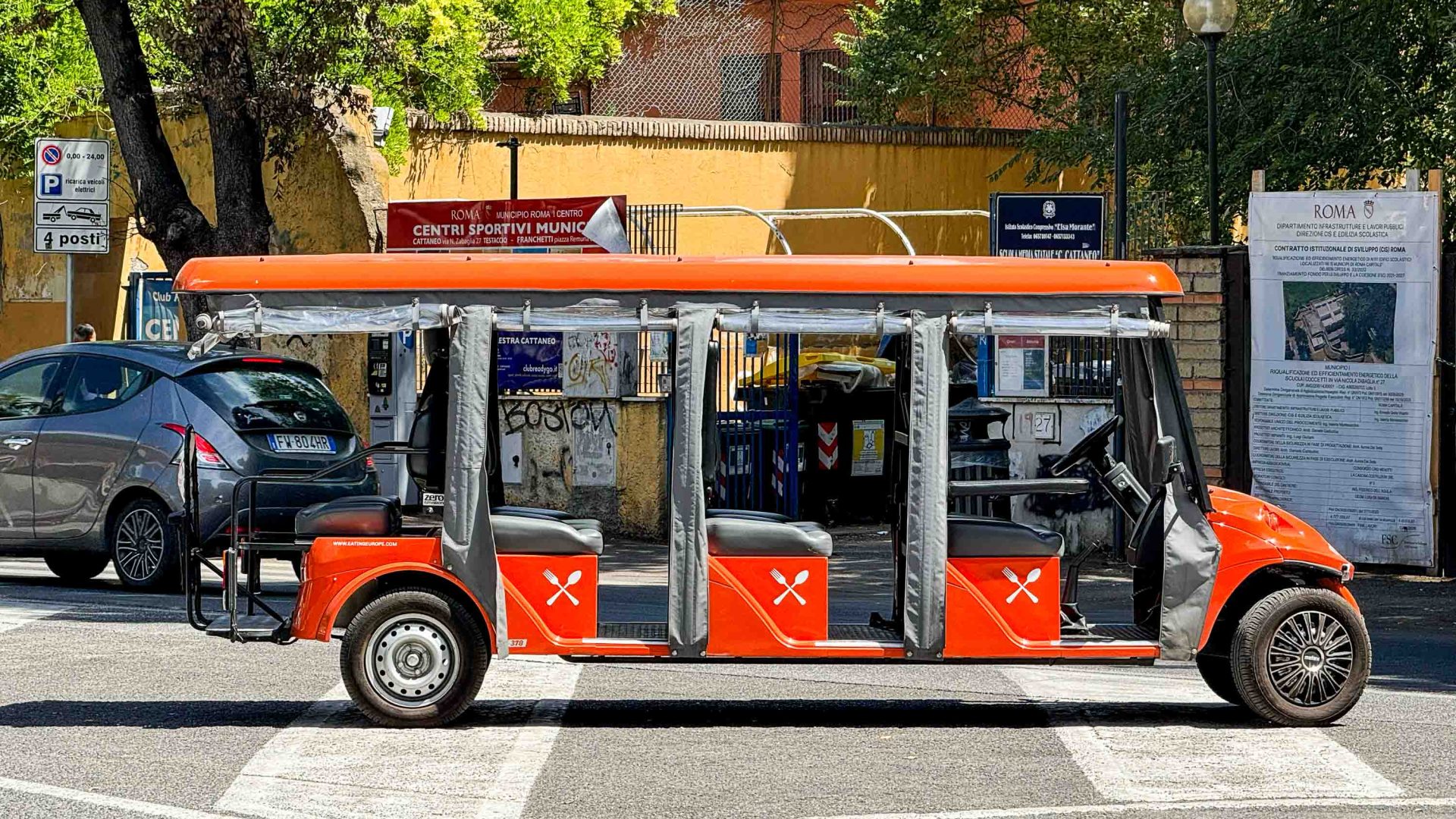
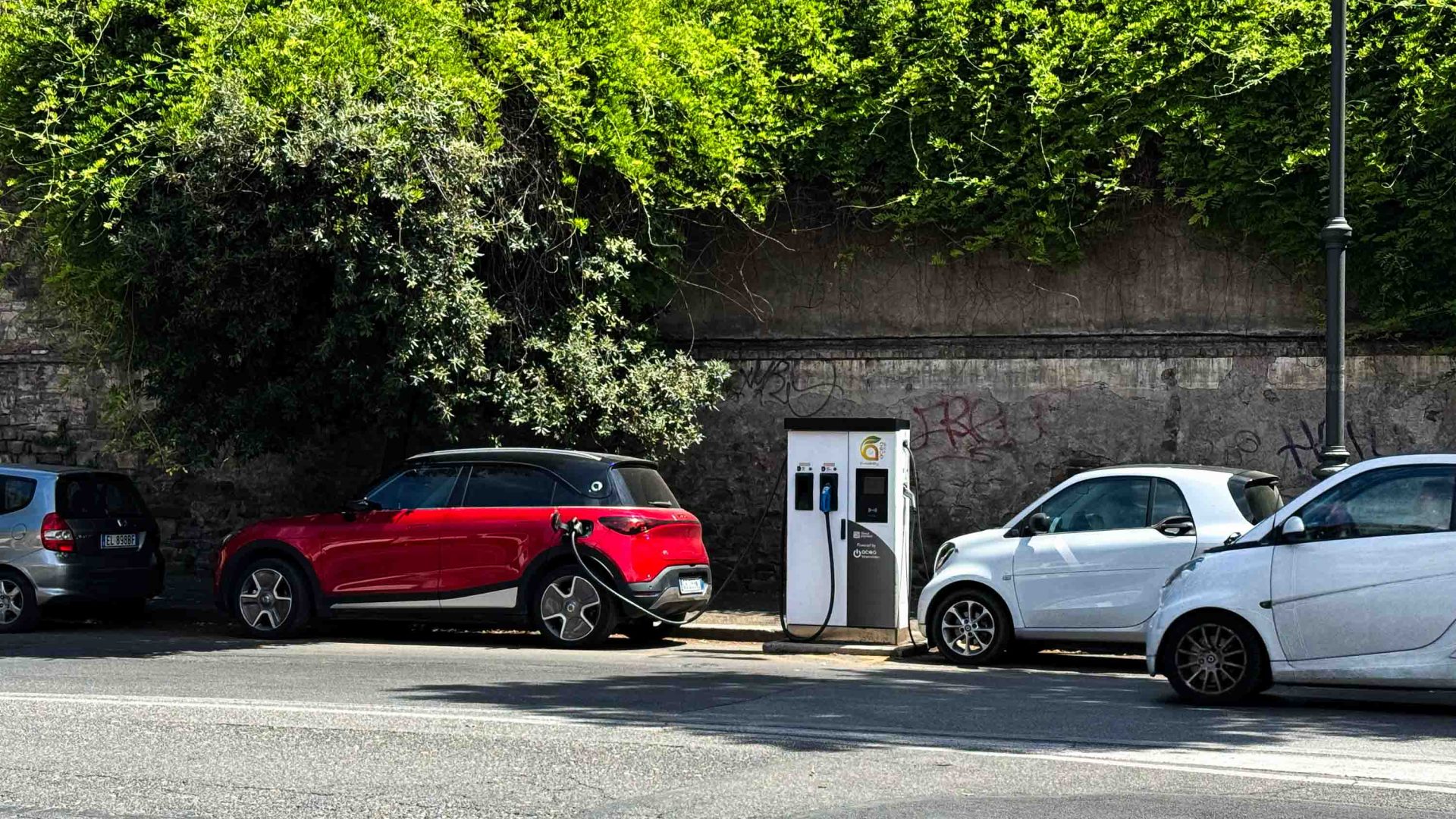
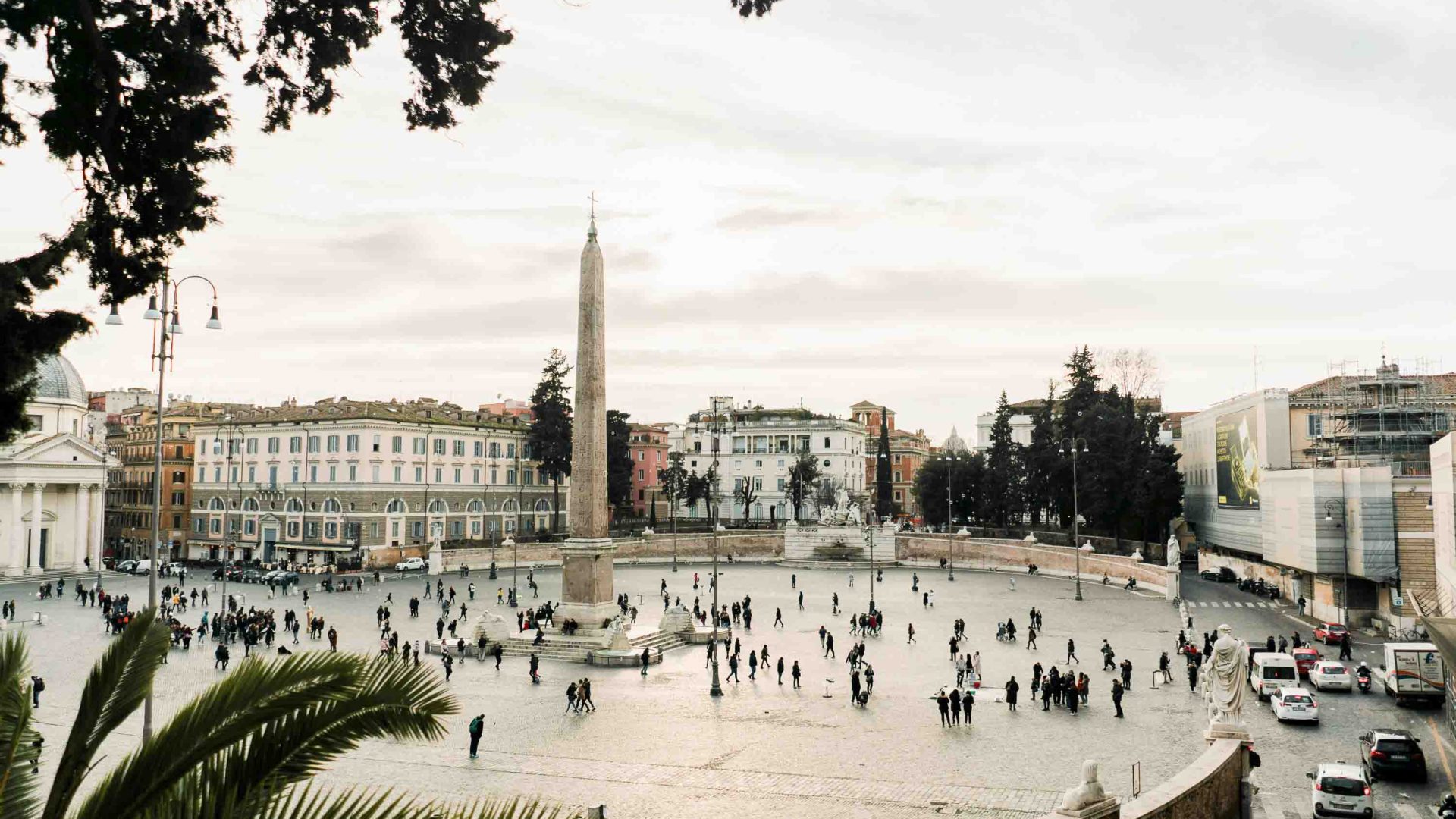
As I sped back towards the city center on my rented red Vespa, past recycling units, electric charging points, and a steady stream of open-top electric cars, Rome felt profoundly different from the city Nonna Maria described. Arriving at Piazza del Popolo, where the grand avenues of Via del Babuino, Via di Ripetta, and Via del Corso converge, the streets were bustling with people. Yet, for one of Rome’s most vibrant and historically busy areas, the traffic noise was remarkably subdued. The clinking of glasses, the distant chime of church bells, the murmur of conversations, and even the rush of air against my face were all distinctly audible.
In 1946, the Vespa answered Italy’s urgent call for mobility in the wake of war. Eighty years later, as Rome grapples with the imperative of environmental sustainability, the electric Vespa symbolizes a renewed response to necessity: how to navigate a historic city without sacrificing its health, its tranquility, or its future. It is a testament to Italy’s enduring spirit of innovation, proving that even the most cherished traditions can evolve to meet the challenges of a new era, ensuring that the Eternal City remains vibrant and breathable for generations to come.
Adventure.com strives to be a low-emissions travel publication. We are powered by, but editorially independent of, Intrepid Travel, the world’s largest travel B Corp, who help ensure Adventure.com maintains high standards of sustainability in our work and activities. You can visit our sustainability page or read our Contributor Impact Guidelines for more information.
About the Author
Queenie Shaikh is a multi-award-winning travel journalist from London. Her bylines appear in The Independent, The i Paper, The New Zealand Herald and Hyphen Online, among others, and her writing often explores themes of ethnic and religious diversity, heritage tourism, positive impact and film and entertainment.

The Vespa’s Silent Revolution: How Rome is Embracing Electric Mobility to Combat Air Pollution and Congestion
Rome, Italy – As the iconic Vespa scooter approaches its 80th anniversary, the timeless vehicle that once symbolized Italy’s post-war resurgence is now spearheading a new kind of revolution: the fight against urban air pollution and congestion. This transformation is unfolding across the Eternal City, where a concerted effort to curb emissions is visibly reshaping daily life and mobility. Queenie Shaikh, reporting from the heart of the capital, experienced this evolution firsthand, navigating Rome’s historic thoroughfares on an electric Vespa, observing how the city is tackling its pressing environmental challenges.
A Quieter, Cleaner Trastevere: Rome’s Green Transformation
The sensory tapestry of Rome has long been defined by the aromatic blend of freshly cooked pizza, strong espresso, and the persistent hum of internal combustion engines. Yet, in neighborhoods like Trastevere, renowned for its winding cobbled streets, vibrant trattorias, and lively evening atmosphere, a palpable shift is underway. On a recent afternoon, just before the customary Roman rush hour, the usual cacophony of traffic was noticeably subdued. Conversations drifted more clearly from shuttered windows, and the clinking of Aperol Spritz glasses resonated more distinctly as locals and tourists spilled onto the streets.
This noticeable reduction in noise and vehicular congestion is no accident. It is the direct result of Rome’s ambitious environmental policies, particularly the implementation of the Fascia Verde (Green Zone). My previous extended stay in the Italian capital in 2018 presented a very different picture, where navigating Trastevere felt like a complex game of chess, dodging constant traffic and bracing against relentless noise. Now, the district, once a dense labyrinth of exhaust fumes and engine roars, offers a glimpse into a more sustainable urban future, with the beloved Vespa, in its electric incarnation, playing a pivotal role.
Rome’s Progressive Environmental Timeline: A Decade of Policy Evolution
Rome’s commitment to sustainable mobility has been a gradual but accelerating process, building on decades of traffic management. The city has long utilized Limited Traffic Zones (ZTLs) to regulate access to its historic core, but recent years have seen these efforts expand significantly in scope and ambition.
-
Pre-2022: Foundations of Traffic Control. For decades, Rome maintained various ZTLs, primarily to protect its ancient monuments and reduce congestion in sensitive areas. These zones typically restricted vehicle access during specific hours, mainly targeting non-residents or those without special permits. However, these measures often proved insufficient to tackle the pervasive issues of air pollution and noise across the broader urban landscape. Data from the European Environment Agency consistently highlighted Rome as one of Europe’s cities with persistently high levels of nitrogen dioxide (NO2) and particulate matter (PM10 and PM2.5), primarily from vehicular traffic.
-
2022: The Dawn of the Fascia Verde. A pivotal moment arrived in 2022 with the introduction of the Fascia Verde, or Green Zone. This comprehensive initiative dramatically expanded environmental restrictions beyond the old city center, encompassing a much larger portion of the capital, including historically dense areas like Trastevere. Under the initial phase, access was restricted for the oldest and most polluting petrol and diesel cars, as well as older petrol-powered mopeds and motorcycles, from Monday to Saturday. Electric vehicles, conversely, were granted easy access, incentivizing the adoption of cleaner transport. The primary objective was to significantly reduce levels of nitrogen oxides (NOx) and particulate matter (PM2.5), which frequently exceeded European Union air quality standards. City officials, in their public statements, emphasized the urgent need to protect public health and preserve Rome’s architectural heritage from the corrosive effects of air pollution.
-
2025: Reinforcing Commitment with "Ecological Sundays". Building on the success and lessons learned from the initial Fascia Verde rollout, the city renewed the scheme in 2025. This renewal saw the reintroduction of "Ecological Sundays" during the winter season, a popular initiative that involved a city-wide ban on internal combustion engine vehicles during set hours. These car-free days were more than just traffic restrictions; they were designed as community engagement events. Urban treks encouraged residents to explore their city on foot, neighborhood farmers’ markets promoted local produce and sustainable consumption, and information sessions raised awareness about environmental issues, fostering a deeper connection between citizens and their urban environment. These Sundays aimed to demonstrate the tangible benefits of reduced traffic, from improved air quality to a more peaceful urban soundscape, often accompanied by public statements from the Mayor’s office highlighting the positive impact on community well-being and historical preservation.

-
July 1, 2026: Tightening the Reins for a Greener Future. The most significant tightening of regulations is set to take effect on July 1, 2026. This phase will see even fully electric and hydrogen-powered cars no longer automatically exempt from ZTL access. Drivers without existing ZTL rights will require an annual permit, costing up to €1,000 (approximately USD 1,145), to enter these zones. This move, while seemingly counter-intuitive for electric vehicles, highlights Rome’s dual challenge: not just reducing emissions, but also managing chronic urban congestion and easing pressure on limited central city parking. Crucially, electric Vespas, mopeds, and motorcycles will remain exempt from this new permit requirement, solidifying their status as preferred modes of sustainable urban transport and acknowledging their minimal footprint. This exemption underscores the city’s strategic encouragement of agile, low-impact electric two-wheelers, with city planners noting that the sheer volume of vehicles, regardless of their emission profile, contributes to gridlock in the city’s narrow streets.
The Vespa: An Enduring Icon Reimagined for the 21st Century
The timing of these intensified environmental policies aligns perfectly with a significant milestone for Italy’s most cherished vehicle: the Vespa’s 80th anniversary. From June 25 to 28, 2026, Rome’s historic Foro Italico will transform into a "Vespa Village," hosting stages, displays, food stalls, and events celebrating eight decades of the scooter’s influence. Amidst this wave of nostalgia, Piaggio’s electric models stand as a testament to the brand’s adaptability and relevance in a rapidly changing urban landscape.
The original Vespa, the Vespa 98, was born in 1946 out of post-war necessity. Enrico Piaggio commissioned aeronautical engineer Corradino D’Ascanio to design an affordable, practical vehicle that could help Italians rebuild their lives and move freely. The result was an instant classic, a symbol of freedom, style, and the sheer pleasure of independent mobility. For generations, the Vespa has been more than just a scooter; it’s been a cultural icon, a backdrop to countless films, and a symbol of Italian dolce vita.
The Vespa Elettrica, launched in 2018, represents a natural evolution of this legacy. It retains the classic, beloved Vespa silhouette and the inherent sense of independence it conveys but replaces the traditional combustion engine with a clean, silent electric motor and integrated connected technology. This transition is not limited to the Elettrica model alone; Piaggio has also introduced electric versions within its popular Primavera and Sprint S ranges, some featuring convenient removable batteries for easier charging, alongside their petrol counterparts. This strategic shift ensures that the Vespa remains at the forefront of urban mobility, blending its timeless appeal with contemporary environmental responsibility. A representative from Piaggio, during a recent press event, stated, "The Vespa Elettrica is not just a scooter; it is a statement. It embodies our heritage of innovation and our commitment to sustainable urban living, proving that style and ecological responsibility can go hand in hand."

A New Urban Soundscape: Data and Anecdotes of Change
The impact of Rome’s green initiatives extends far beyond air quality, profoundly altering the city’s acoustic environment. The once ubiquitous roar of engines is slowly giving way to a quieter hum, a shift that is enhancing the quality of life for residents and visitors alike.
-
The Rise of Shared Electric Micro-mobility: Beyond privately owned electric Vespas, Rome has witnessed a boom in shared electric micro-mobility options. From January to September 2024, the city recorded an astonishing 6.7 million trips on shared electric kick scooters, significantly outstripping the 1.8 million trips made by bicycle during the same period. This data underscores a widespread public adoption of convenient, emission-free transport solutions. The presence of Lime electric scooters and bikes is now a common sight, weaving silently through traffic, while public transport is also rapidly decarbonizing, with buses proudly displaying "bus elettrico" (electric bus) and "bus ibrido" (hybrid bus) signs. This surge in micro-mobility is supported by a robust network of charging points and dedicated parking zones, indicating substantial municipal investment in the infrastructure necessary for these sustainable alternatives.
-
"Hunting Pollution": Art as a Symbol of Change: The commitment to a cleaner Rome is also visually articulated through public art. In Ostiense, a former industrial district, the "Hunting Pollution" mural by Milanese artist Iena Cruz serves as a powerful symbol. Painted across a residential building near a busy junction, the artwork depicts a heron surrounded by polluted water and oil barrels. Crucially, the mural utilizes Airlite, a specialized paint activated by light and titanium dioxide, designed to break down pollutants from passing vehicles and prevent dirt from settling. Rome’s Fascia Verde rules directly complement this artistic statement by reducing the very sources of pollution that the mural’s paint combats, thereby helping to preserve its brightness and effectiveness. This synergistic approach between urban policy and public awareness through art highlights the multi-pronged strategy employed by the city.
-
Personal Testimonies of a Quieter City: The anecdotal evidence from locals reinforces the data. Lorelei Greco, a Roman resident, switched to an electric Vespa during the pandemic and eloquently states, "It makes sense here. Vespa’s electric version keeps its heritage alive but also gives it a new purpose in how Romans and visitors move through the city." Her grandmother, Nonna Maria Greco, a former market trader near the old Mercato Testaccio site, vividly recalls the incessant "engines, horns, and shouting from morning until evening" that characterized her working life. Now, amidst the vibrant stalls of Mercato Testaccio, she observes a profound difference. "I wish we’d had electric scooter sharing and electric Vespas back then," Nonna Maria muses, "It would have been better for the noise and I would have made a much more glamorous entrance!" These sentiments echo a broader appreciation for the improved urban environment. While Rome did introduce electric buses as early as 1989, their early services were limited. The current scale of electric vehicle integration is unprecedented, marking a true paradigm shift. Environmental advocacy groups like Legambiente have lauded these efforts, noting that initial data suggests a measurable decrease in ambient noise levels in restricted zones.

Implications and the Future of Roman Mobility
Rome’s journey towards sustainable urban mobility carries multifaceted implications, touching upon environmental health, urban planning, economic dynamics, and cultural identity.
-
Environmental Impact: The most immediate and significant implication is the improvement in air quality. Reduced emissions of nitrogen dioxide (NO2), particulate matter (PM10 and PM2.5), and carbon monoxide (CO) directly translate to better public health outcomes, fewer respiratory illnesses, and a cleaner urban environment. Preliminary reports from ARPA Lazio (Regional Agency for Environmental Protection of Lazio) indicate a reduction of up to 15% in NO2 concentrations in some Fascia Verde areas since 2022. The commitment to further restricting polluting vehicles underscores Rome’s determination to meet and exceed EU air quality standards, safeguarding its rich heritage from the corrosive effects of pollution.
-
Urban Planning and Livability: The shift towards electric and shared micro-mobility is inherently reshaping Rome’s urban planning. Quieter streets encourage more walking and cycling, fostering a more pedestrian-friendly environment. The focus on reducing congestion, even for electric cars, suggests a long-term vision of prioritizing public transport, active mobility, and shared services over private car ownership in the dense city center. This could lead to the reclaiming of public spaces for community use, green infrastructure, and cultural activities, enhancing the overall livability of the city. Urban planners are now actively exploring opportunities to convert former parking areas into small parks or public gathering spaces.
-
Economic Considerations: The transition has economic ripples. While some traditional automotive businesses may face challenges, there is a growing market for electric vehicle sales, charging infrastructure development, and shared mobility services, potentially creating new jobs in the green economy. The permit system for ZTLs generates revenue that can be reinvested in sustainable transport initiatives. For tourism, a cleaner, quieter Rome offers an enhanced visitor experience, potentially attracting a new demographic of environmentally conscious travelers. Local businesses in newly pedestrianized or low-emission zones often report an increase in foot traffic and a more pleasant shopping environment.
-
Cultural Evolution: The Vespa’s transformation is emblematic of a broader cultural evolution. The romanticized image of speeding through Rome on a petrol Vespa, as seen in films like "The Lizzie McGuire Movie," is being updated. The new fantasy involves a silent, emission-free ride, seamlessly integrated with rental apps, offering the same sense of freedom but with a clear conscience. This reframing allows Rome to preserve its iconic imagery while embracing modern values of sustainability. This shift reflects a global trend towards mindful travel and responsible consumption, aligning Rome with other forward-thinking European capitals.
As I sped back towards the city center on my rented red Vespa, past recycling units, electric charging points, and a steady stream of open-top electric cars, Rome felt profoundly different from the city Nonna Maria described. Arriving at Piazza del Popolo, where the grand avenues of Via del Babuino, Via di Ripetta, and Via del Corso converge, the streets were bustling with people. Yet, for one of Rome’s most vibrant and historically busy areas, the traffic noise was remarkably subdued. The clinking of glasses, the distant chime of church bells, the murmur of conversations, and even the rush of air against my face were all distinctly audible.
In 1946, the Vespa answered Italy’s urgent call for mobility in the wake of war. Eighty years later, as Rome grapples with the imperative of environmental sustainability, the electric Vespa symbolizes a renewed response to necessity: how to navigate a historic city without sacrificing its health, its tranquility, or its future. It is a testament to Italy’s enduring spirit of innovation, proving that even the most cherished traditions can evolve to meet the challenges of a new era, ensuring that the Eternal City remains vibrant and breathable for generations to come.
Adventure.com strives to be a low-emissions travel publication. We are powered by, but editorially independent of, Intrepid Travel, the world’s largest travel B Corp, who help ensure Adventure.com maintains high standards of sustainability in our work and activities. You can visit our sustainability page or read our Contributor Impact Guidelines for more information.
About the Author
Queenie Shaikh is a multi-award-winning travel journalist from London. Her bylines appear in The Independent, The i Paper, The New Zealand Herald and Hyphen Online, among others, and her writing often explores themes of ethnic and religious diversity, heritage tourism, positive impact and film and entertainment.