Priceline Relaunches Iconic Negotiator Campaign Under New CEO Brigit Zimmerman, Emphasizing Value in Evolving Travel Landscape

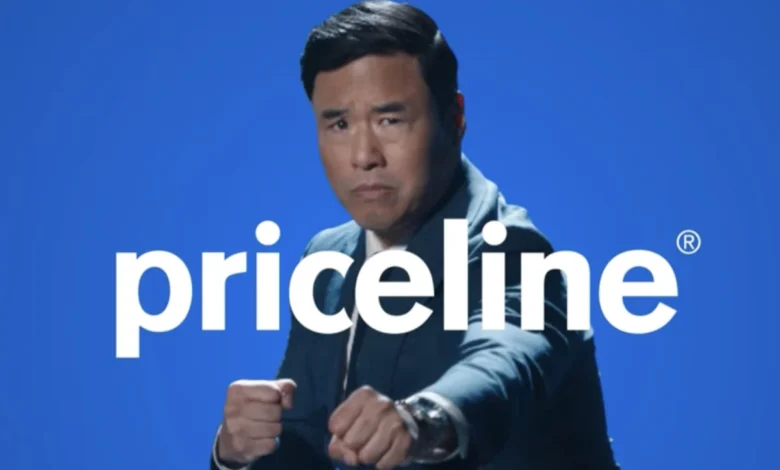
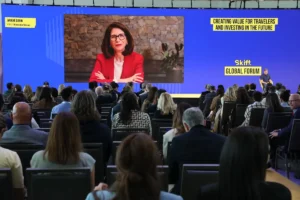
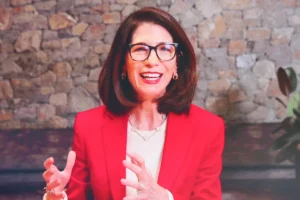
Priceline, a pioneering force in online travel agencies, has revitalized its celebrated "Negotiator" advertising campaign, a strategic move coinciding with the leadership transition to new CEO Brigit Zimmerman. The relaunch, announced on Tuesday, signifies a deliberate effort to reposition value-focused travel as paramount in the contemporary consumer mindset, with Zimmerman asserting its unprecedented relevance. Marking her inaugural interview as chief executive, Zimmerman exclusively detailed to Skift the intricacies of the revamped campaign, underscored Priceline’s unique standing among online travel agencies (OTAs)—including its sister company Booking.com—and outlined the Connecticut-based brand’s ongoing transformation. This strategic pivot aims to capture a growing segment of travelers who, amidst global economic shifts, are prioritizing cost-effectiveness more than ever before.
New Leadership and a Refreshed Strategic Vision
Brigit Zimmerman, who previously served as Priceline’s chief commercial officer, assumed the helm in January, succeeding Brett Keller, who had guided the company as CEO for nearly a decade. Her ascension marks a new chapter for Priceline, one that immediately prioritizes injecting fresh energy into the brand by leveraging its deep-seated legacy. Zimmerman’s leadership transition comes at a pivotal moment for the travel industry, which is navigating complex economic currents and shifting consumer priorities following a period of unprecedented disruption. Her strategic emphasis on value is not merely a marketing tactic but a foundational element of Priceline’s renewed brand identity and market proposition. She is keen to harness the power of an iconic campaign to communicate a refreshed, yet historically resonant, message to a generation of travelers grappling with inflationary pressures and budget constraints.
The Evolution of an Icon: From Shatner to Park
Central to the campaign’s revival is the symbolic handover of the Negotiator mantle. William Shatner, whose portrayal of the enigmatic pitchman for Priceline’s "Name Your Own Price" product first captivated audiences in 1997, has officially passed the torch to actor Randall Park. Known for his roles in popular productions like "Fresh Off the Boat," Park embodies the "modern with a twist" approach Zimmerman described. "We’re bringing it back in a way that’s modern with a twist, with new talent, and with a different comedic approach," Zimmerman stated, signaling a departure from the original campaign’s often quirky and sometimes aggressive humor, towards a more contemporary and broadly appealing style. This casting decision reflects a conscious effort to resonate with a wider demographic, potentially attracting younger travelers and those who appreciate a fresh, relatable comedic voice that aligns with current cultural sensibilities.
A Legacy of Innovation: The Original Negotiator’s Enduring Impact
To fully appreciate the significance of the current relaunch, it is essential to revisit the profound impact of the original Negotiator campaign. When William Shatner first appeared as Priceline’s spokesperson in 1997, the internet was still a burgeoning frontier for commerce, and online travel booking was in its nascent stages. Priceline’s "Name Your Own Price" model, which allowed consumers to bid on flights, hotels, and rental cars, was revolutionary. It introduced an element of gamification and perceived control to travel planning, offering opaque deals that often yielded significant savings for flexible travelers. Shatner’s character, the suave, slightly eccentric, and relentlessly deal-focused Negotiator, became an instant pop culture icon. His memorable jingles, dramatic delivery, and often humorous interactions cemented Priceline’s brand in the public consciousness, making it synonymous with value and savvy travel planning. The campaign’s longevity and widespread recognition contributed significantly to Priceline’s growth and established it as a major player in the nascent online travel market. Its success demonstrated the power of a strong brand personality and a clear value proposition, even for a relatively complex and novel service. The original Negotiator campaign not only sold travel but also educated an entire generation on the possibilities of online booking, fundamentally altering consumer expectations regarding travel deals.
Priceline’s Distinctive Position in the OTA Ecosystem and Its Remaking
In her exclusive interview, Zimmerman articulated how Priceline differentiates itself from other online travel agencies, a crucial point given its affiliation with Booking Holdings, one of the world’s largest travel tech conglomerates. Booking Holdings owns a diverse portfolio of brands, including the globally dominant Booking.com, meta-search engine Kayak, restaurant reservation platform OpenTable, and car rental service Rentalcars.com. Within this expansive ecosystem, Priceline has historically carved out a niche as the "deals-focused" or "value-oriented" brand, a positioning Zimmerman is keen to reinforce and modernize. While Booking.com excels in providing a vast inventory of accommodation options with transparent pricing and global reach, Priceline has often leaned into opaque deals, bundled packages, and discounts that cater specifically to budget-conscious travelers or those seeking significant savings.
Zimmerman’s strategy appears to sharpen Priceline’s identity as the go-to platform for travelers who prioritize getting the best possible price without compromising on quality or experience. This emphasis is particularly pertinent in an economic climate where discretionary spending is under scrutiny, and consumers are increasingly seeking ways to maximize their travel budgets. The concept of "remaking itself," as mentioned by Zimmerman, likely encompasses several strategic pillars. Technologically, this could involve leveraging advanced artificial intelligence and machine learning algorithms to offer more personalized and dynamically priced deals, moving beyond generic discounts to truly tailored savings. Enhancements to the user experience, particularly on mobile platforms, will also be critical to ensure seamless deal discovery and booking. Furthermore, Priceline may further refine its product offerings, potentially expanding its range of bundled travel packages – combining flights, hotels, and rental cars – as a clear and transparent value proposition that simplifies planning while delivering substantial savings. This multifaceted approach aims to solidify Priceline’s position not only against external competitors like Expedia Group but also as a distinct and indispensable offering within the Booking Holdings family, ensuring it remains relevant and competitive in a crowded market. The challenge, and opportunity, for Zimmerman will be to communicate this unique value proposition clearly and consistently.
The Modern Traveler and the Quest for Value
The decision to relaunch the Negotiator campaign and pivot towards a renewed emphasis on value is deeply rooted in current macroeconomic conditions and evolving consumer behavior. The global travel industry has experienced a tumultuous few years, from the near-total shutdown during the pandemic to a robust "revenge travel" resurgence. However, this recovery is now tempered by significant economic headwinds. Inflation has surged across major economies, eroding purchasing power. Interest rates have risen, increasing the cost of borrowing. These factors collectively put pressure on household budgets, making consumers more discerning about their discretionary spending, especially on travel.
Data from various market research firms consistently indicate a growing trend towards budget-consciousness among travelers. A recent survey by the American Hotel & Lodging Association (AHLA) found that a significant percentage of travelers are planning to adjust their travel habits due to inflation, with many opting for shorter trips, cheaper destinations, or more budget-friendly accommodations. Similarly, reports from industry analysts like Phocuswright and Skift Research highlight the increasing importance of price and value in booking decisions across all travel segments, even for those in higher income brackets. For Priceline, this environment presents both a challenge and a significant opportunity. By explicitly re-embracing its value proposition through a widely recognized campaign, the company aims to position itself as the solution for millions of travelers seeking to navigate these economic realities without sacrificing their desire to explore.
Chronology of Priceline’s Negotiator and Leadership
- 1997: Priceline.com is founded. The "Name Your Own Price" model is introduced, allowing users to bid for travel services. William Shatner debuts as the "Negotiator" pitchman, becoming an iconic figure for the brand and a symbol of online travel innovation.
- Early 2000s: Priceline diversifies its business model beyond solely opaque bidding, integrating more traditional booking options and expanding its product offerings to include retail-priced travel. This period saw the company adapt to changing market demands while maintaining its core value proposition.
- 2014: Booking Holdings (then The Priceline Group) acquires OpenTable, further expanding its portfolio beyond core travel services into the dining sector.
- 2016: Brett Keller is appointed CEO of Priceline, leading the company through a period of sustained growth and technological evolution, including adapting to the rise of mobile booking and personalized recommendations.
- Late 2010s – Early 2020s: The travel industry undergoes significant transformation, culminating in the dramatic impact of the COVID-19 pandemic, which forced OTAs to rapidly adapt to travel restrictions and changing consumer confidence. Priceline, under Keller’s leadership, navigated these unprecedented challenges.
- January [Current Year]: Brigit Zimmerman, formerly Priceline’s Chief Commercial Officer, assumes the role of CEO, signaling a new era of leadership and strategic direction for the company. Brett Keller transitions out after nearly a decade at the helm.
- Tuesday [Specific Date of Relaunch]: Priceline officially relaunches the "Negotiator" ad campaign. Actor Randall Park takes over the role from William Shatner, ushering in a "modern with a twist" approach focused on contemporary comedy and emphasizing value-focused travel. Zimmerman gives her first exclusive interview as CEO, detailing the strategic rationale behind the relaunch and Priceline’s future direction, tying it directly to current market needs.
The Mechanics of the New Campaign and Randall Park’s Role
The choice of Randall Park for the new Negotiator is a deliberate strategic move, aimed at refreshing the campaign’s appeal while retaining its core essence. Park, widely recognized for his nuanced comedic timing and approachable persona, particularly from his lead role in the critically acclaimed sitcom "Fresh Off the Boat," brings a different energy to the character. Where Shatner’s Negotiator was often grand, theatrical, and sometimes bordering on the absurd, Park’s iteration is expected to be more grounded, relatable, and perhaps subtly subversive in its humor. This aligns with Zimmerman’s vision for a "different comedic approach" and a campaign that feels "modern." The new ads are anticipated to focus less on the original "Name Your Own Price" opaque bidding model, which, while still existing in some form through Express Deals, is no longer Priceline’s sole or primary offering. Instead, the campaign is likely to highlight Priceline’s broader array of value propositions: deeply discounted hotels, flights, rental cars, and vacation packages; exclusive member deals; and smart bundling options. The humor will likely derive from Park’s character navigating the complexities of modern travel planning while still delivering on the promise of exceptional value. This shift reflects the evolution of online travel booking, where transparency, ease of use, and comprehensive offerings are as important as the ultimate discount. The campaign will need to clearly articulate how Priceline delivers on value in today’s multi-faceted travel marketplace, ensuring the message resonates with a diverse audience.
Broader Implications for Priceline and the OTA Market
The relaunch of the Negotiator campaign and Brigit Zimmerman’s articulated strategy carry significant implications for Priceline, its parent company Booking Holdings, and the broader online travel agency landscape.
For Priceline, this move is a powerful brand revitalization effort. It leverages deep brand equity and nostalgia while signaling a fresh, forward-looking direction. By re-emphasizing its value proposition, Priceline aims to solidify its position as a leading choice for budget-conscious travelers, a demographic that is expanding amidst economic uncertainty. A successful campaign could lead to increased brand awareness, higher traffic to its platforms, and ultimately, greater market share in a highly competitive sector. It also serves to differentiate Priceline more clearly within the Booking Holdings portfolio, ensuring it doesn’t get overshadowed by the global might of Booking.com and maintaining its unique identity in the market.
For Booking Holdings (BKNG), the successful relaunch and strategic clarity for Priceline reinforce its diversified portfolio strategy. Each brand under the Booking Holdings umbrella is designed to serve a distinct segment or need within the travel ecosystem. Priceline’s renewed focus on value ensures that Booking Holdings can effectively capture the budget-sensitive market, complementing Booking.com’s broader appeal and Kayak’s meta-search capabilities. This internal differentiation minimizes cannibalization and maximizes the group’s overall reach and resilience across various market conditions, allowing Booking Holdings to address a wider spectrum of traveler preferences effectively.
For the Online Travel Agency (OTA) Market, Priceline’s move could intensify competition, particularly in the value segment. Other OTAs, including Expedia Group’s various brands, will be closely watching the impact of this high-profile campaign. A successful relaunch might prompt competitors to revisit their own brand messaging, loyalty programs, or discount strategies to compete more effectively for value-seeking customers. It also underscores a broader industry trend: while convenience and personalization remain important, the fundamental human desire for a good deal, especially on big-ticket items like travel, remains a powerful driver of consumer choice. The campaign’s success could also inspire other legacy brands across various industries to reconsider the strategic value of reviving iconic advertising figures in a modernized context, demonstrating the enduring power of brand heritage when thoughtfully reinterpreted.
Conclusion: Navigating the Future of Value Travel
Brigit Zimmerman’s decision to relaunch the Negotiator campaign as her first major strategic initiative as CEO is a bold and calculated move. It demonstrates a clear understanding of Priceline’s heritage, its core strengths, and the evolving needs of the modern traveler. By tapping into the enduring appeal of the Negotiator while introducing a contemporary twist with Randall Park, Priceline aims to bridge its storied past with a future focused on innovation and relevance. As global economic conditions continue to shape consumer spending habits, Priceline’s renewed commitment to value-focused travel positions it strongly to capture a significant share of the market. The success of this strategy will not only define Zimmerman’s early tenure but also contribute to shaping the competitive dynamics of the online travel industry for years to come, affirming that in the dynamic world of travel, a good deal never truly goes out of style.