The Quest for Outdoor Comfort: An In-Depth Look at Modern Wilderness Sleeping Solutions

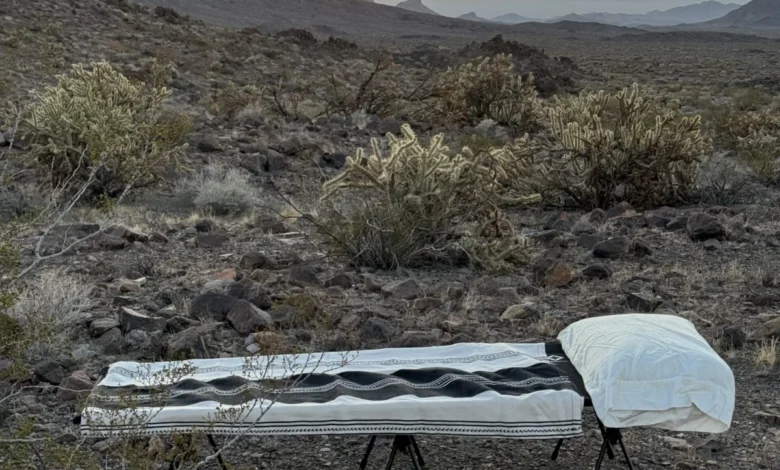
The pursuit of optimal comfort and restorative sleep in outdoor environments has become a central focus for adventurers and casual campers alike, sparking widespread discussion among outdoor enthusiasts. This evolving dialogue, often amplified through social media platforms, highlights the diverse strategies and specialized equipment utilized to achieve quality rest under the stars. A recent Instagram post by outdoor photographer and writer Stephen Casimiro, featuring his minimalist yet effective sleeping setup in the Mojave Desert, garnered significant attention, prompting an in-depth examination of contemporary outdoor sleeping philosophies and gear innovations. Casimiro’s approach, characterized by a meticulous selection of cots, pads, and insulation tailored to specific conditions, serves as a compelling case study in balancing portability, durability, and comfort in the wilderness.
The Evolving Landscape of Outdoor Recreation and Sleep Technology
Outdoor recreation has witnessed a significant surge in popularity over the past decade, driven by increased interest in wellness, environmental connection, and the allure of remote work opportunities fostering a "van life" culture. According to reports from the Outdoor Industry Association, participation in outdoor activities has steadily grown, with camping remaining one of the most popular pursuits. This burgeoning interest has, in turn, fueled rapid advancements in outdoor gear technology, particularly in the realm of sleep systems.
Historically, outdoor sleeping was often synonymous with ruggedness and discomfort. Early pioneers relied on rudimentary ground sheets, wool blankets, or simple straw beds. The mid-20th century brought innovations like air mattresses and closed-cell foam pads, offering basic insulation and cushioning. However, the modern era has ushered in a new generation of sophisticated gear, characterized by lightweight materials, superior thermal efficiency (quantified by R-values), and ergonomic designs. This evolution reflects a broader understanding of the critical role sleep plays in physical recovery, mental acuity, and overall enjoyment of outdoor experiences.
The demand for versatile solutions that cater to different outdoor activities—from car camping and overlanding to ultralight backpacking and bikepacking—has pushed manufacturers to innovate continuously. The challenge lies in creating products that are not only comfortable and warm but also compact, durable, and increasingly sustainable. This dynamic market means that outdoor enthusiasts are faced with an ever-expanding array of choices, each promising a better night’s sleep.
Car Camping Comfort: Casimiro’s Strategic Approach
For many, car camping offers the luxury of transporting more substantial gear, allowing for a greater emphasis on comfort. Stephen Casimiro’s preferred car camping setup exemplifies this strategy, particularly suited for the arid environments of the American Southwest, where he frequently camps. His experiences in locations like the Mojave’s Turtle Mountains Wilderness highlight specific environmental considerations: the general absence of rain and biting insects reduces the need for comprehensive shelter, shifting the primary focus to temperature regulation and wind protection.
Casimiro’s foundation for comfort begins with the Helinox Cot One Convertible, often paired with leg extensions that elevate the sleeping surface 8.5 inches off the ground. This elevation is not merely for comfort; it provides crucial airflow underneath, preventing heat buildup in warmer conditions and reducing conductive heat loss to the cold ground in cooler temperatures. Furthermore, it offers a degree of separation from ground-dwelling critters and moisture. The Helinox cot is highly regarded for its exceptional portability, breaking down into a remarkably small package and weighing approximately five pounds, making it a permanent fixture in his vehicle. This stands in stark contrast to other high-comfort options, such as the REI Co-op Wonderland Comfort Cot, which Casimiro notes for its superior adjustability and padding, making it an excellent lounge chair. However, its significant bulk and weight, even when folded, rendered it impractical for his mobile lifestyle, illustrating the perennial trade-off between absolute comfort and ease of transport.
To further enhance thermal insulation and cushioning, Casimiro integrates advanced sleeping pads atop his cot. The Exped MegaMat, a four-inch thick inflatable pad with an R-value of 8.1, represents a pinnacle of car camping luxury. R-value, a measure of a material’s resistance to heat flow, is critical for outdoor sleeping, with higher values indicating better insulation from cold ground. An R-value of 8.1 is suitable for extreme cold conditions, providing substantial warmth even when temperatures plummet.
More recently, Casimiro has been experimenting with the Hest Foamy, a foam-based pad boasting an R-value of 8.8. The Foamy’s construction, featuring a waterproof bottom layer, offers a distinct advantage: imperviousness to punctures, a common vulnerability of inflatable pads. Its inherent durability also makes it a versatile option for direct ground camping on surfaces like slickrock, offering a reliable alternative when a cot setup is deemed unnecessary or cumbersome. This choice reflects a growing trend in the industry towards hybrid or more robust foam options that mitigate the risks associated with inflatable technology while still delivering high performance.
Insulation and Accessories: Tailoring for the Elements
Beyond the sleeping surface, the choice of insulation layers is paramount for adapting to varied temperatures. Casimiro’s strategy involves a flexible layering system:
- Warm Nights: A simple cotton blanket provides adequate coverage and breathability.
- Cooler Conditions: A wool blanket offers superior warmth and moisture-wicking properties, or a sleeping bag is deployed. His rotation of sleeping bags from reputable brands like NEMO, Marmot, and Exped underscores the importance of having versatile options for different temperature ratings.
The role of a quality pillow is often underestimated but is critical for sleep quality. Casimiro, like many experienced campers, recognizes this necessity. While he has historically relied on a traditional house pillow for familiarity, his recent testing of the Hest Camp Pillow highlights the industry’s response to this need. Designed to fit comfortably within a sleeping bag hood, these specialized pillows aim to provide ergonomic support in a compact form factor, though personal preferences regarding firmness can vary.
Minimalist Aspirations vs. Practical Realities
While the allure of sleeping directly on the ground with minimal gear—a romanticized image often associated with seasoned outdoorsmen—persists, Casimiro’s personal experiences reveal the practical challenges. His anecdote about a mule packer in Durango, Mexico, sleeping soundly with only a wool blanket on the ground, contrasts sharply with his own conclusions after similar attempts: "no." This discrepancy often boils down to individual physiology and sleeping habits. Back sleepers may find minimalist ground sleeping more tolerable, while side sleepers, like Casimiro, typically require more cushioning to alleviate pressure points. This ongoing personal experimentation, driven by a desire to "sleep well in nothing but the clothes I’m wearing or a simple poncho," reflects a deeper yearning for simplicity and resilience in the face of nature.
The industry itself is constantly grappling with this dichotomy, developing products that aim to bridge the gap between ultralight minimalism and essential comfort. The psychological benefits of a good night’s sleep cannot be overstated; it impacts mood, decision-making, and physical endurance, making it a non-negotiable component for extended outdoor trips.
Backpacking and Bikepacking: The Weight-to-Comfort Conundrum
When the mode of travel involves carrying all gear on one’s back or bicycle, the weight and bulk of sleeping equipment become critical factors. The trade-offs between comfort, insulation, durability, and weight are amplified in backpacking and bikepacking.
For inflatable pads, Casimiro remains a proponent of Therm-A-Rest NeoAirs, an industry benchmark for ultralight inflatable sleeping pads. These pads are celebrated for their exceptional warmth-to-weight ratio, utilizing advanced baffle designs and reflective insulation to trap heat efficiently. However, their primary vulnerability lies in their susceptibility to punctures, necessitating careful site selection and repair kits.
His recent experiences also include the Exped Flex 1.5R closed-cell foam pad, used during an overnight trip in Grand Staircase. While adequate on soft ground like sand, he found it "a little thin" on harder surfaces. This feedback aligns with a common critique of closed-cell foam pads: their inherent firmness and limited cushioning compared to inflatables. Exped’s introduction of the Flex R3, twice as thick as its predecessor, addresses this concern directly, offering enhanced comfort and insulation. However, this comes with a weight penalty; at 18 ounces, it is significantly heavier than comparable inflatable pads. This highlights the fundamental choice facing ultralight adventurers: prioritize minimal weight with the risk of punctures, or opt for bombproof durability and reliability at the cost of increased bulk and weight.
The broader discussion among outdoor enthusiasts extends to other specialized gear:
- Bivouac Sacks (Bivies) vs. Tents: Bivies offer ultralight, compact shelter for minimalists, trading space and ventilation for weight savings.
- Quilts vs. Sleeping Bags: Quilts eliminate the back fabric, reducing weight for those who sleep on pads, but may be less versatile in extreme cold or windy conditions.
- Waterproof Bags: While offering some protection, they are typically not standalone sleep systems but rather components of a broader layering strategy.
These ongoing debates and product innovations underscore the dynamic nature of outdoor gear development, driven by a community constantly seeking marginal gains in efficiency, comfort, and safety.
The Unending Quest: Maximizing Sleep Quality in the Wild
Ultimately, as Stephen Casimiro aptly concludes, there is no singular "perfect setup." The ideal outdoor sleeping system is a highly individualized equation, influenced by a multitude of variables: the specific biome (desert, forest, alpine), the individual’s body type and sleeping preferences, the goals of the adventure (speed, comfort, exploration), and the unpredictable nuances of nightly weather conditions. The ability to adapt and "make do" through miserable nights is a rite of passage for any seasoned outdoor enthusiast, yet it does not diminish the value of striving for optimal sleep quality.
Casimiro’s personal goal of achieving 100 nights of camping within a year serves as a testament to this ongoing process of experimentation and refinement. Such dedication not only enhances personal comfort but also contributes valuable real-world feedback to the outdoor gear community. This continuous cycle of innovation, user testing, and refinement ensures that manufacturers continue to push the boundaries of design and material science, leading to more comfortable, safer, and more accessible outdoor experiences for everyone. As the outdoor community continues to grow, the quest for a restorative night’s sleep under the open sky remains a fundamental and inspiring endeavor.