Europe registered an impressive resurgence in its tourism sector, welcoming over 793 million international arrivals in 2025, a figure that significantly surpasses pre-pandemic levels and underscores the continent’s enduring appeal as a premier global destination. This remarkable recovery, driven by pent-up demand and strategic industry efforts, positions several key cities at the forefront of the continent’s travel landscape, with Paris officially claiming the top spot as Europe’s most visited urban center.
The comprehensive data informing this assessment originates from a 2024 study conducted by Euromonitor International, further corroborated by insights from various "Top 100 Cities in The World" studies and statistics provided by individual city tourism offices. These sources collectively paint a picture of a continent that has not only recovered from the global travel slump but is actively setting new benchmarks for visitor numbers, reflecting robust health in its travel and hospitality industries.
The Resurgent European Travel Landscape
The rebound in European tourism represents a pivotal moment for the continent’s economy. The 793 million international arrivals in 2025 mark a substantial increase from the approximately 746 million recorded in 2019, prior to the widespread impact of the COVID-19 pandemic. This growth trajectory is attributed to several factors, including the gradual relaxation of international travel restrictions, the rollout of effective vaccination campaigns, and a profound global desire for travel and cultural experiences after periods of lockdown. The tourism sector, a significant contributor to Europe’s GDP and employment, is demonstrating resilience and adaptability, with many destinations implementing innovative strategies to attract and manage visitor flows sustainably.
Spotlight on Europe’s Top Destinations
The list of most-visited cities highlights diverse attractions, from historical marvels and cultural hubs to vibrant nightlife and gastronomic delights. Each city offers a unique tapestry of experiences, contributing to Europe’s multifaceted charm.
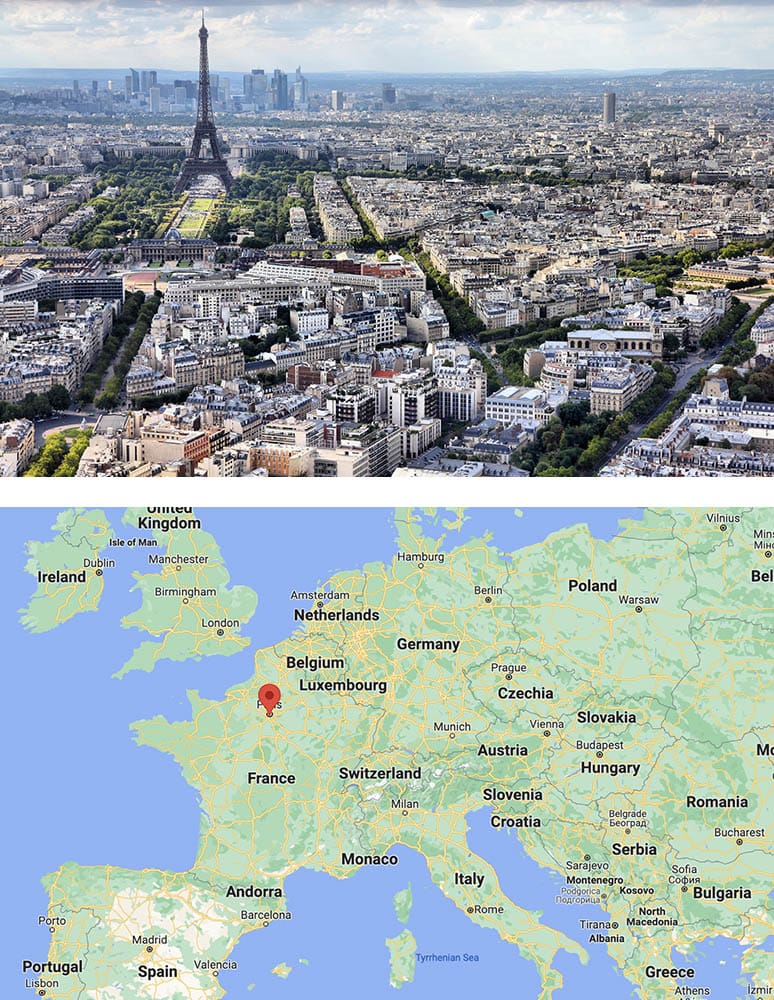
Paris, France: The Reigning Capital (50 Million Annual Visitors)
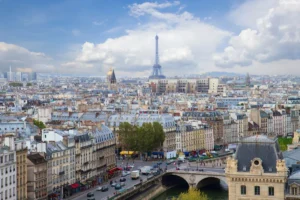
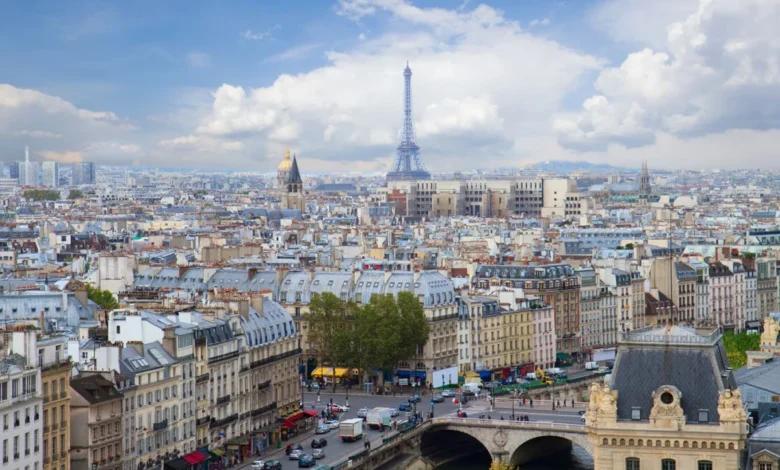
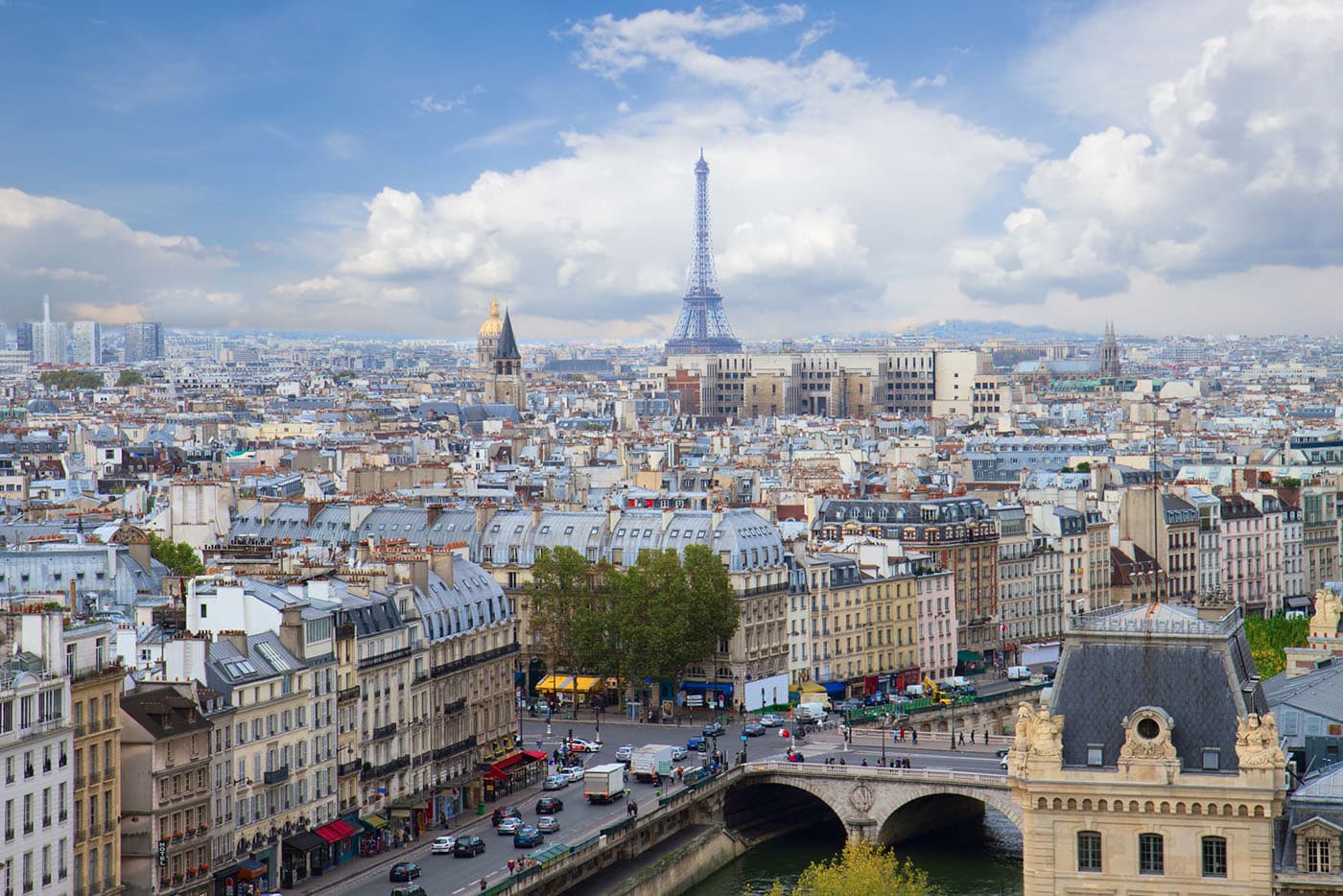
The "City of Light" has reaffirmed its status as Europe’s undisputed tourism champion, attracting an astounding 50 million visitors annually. Paris’s enduring allure stems from its iconic landmarks such as the Eiffel Tower, the Louvre Museum, and Notre Dame Cathedral, combined with a rich tapestry of art, fashion, and culinary excellence. Its highly efficient public transportation system and extensive accommodation options further enhance its accessibility and appeal, solidifying its position as France’s and Europe’s leading destination. The city’s continuous investment in infrastructure and cultural events ensures its sustained popularity.
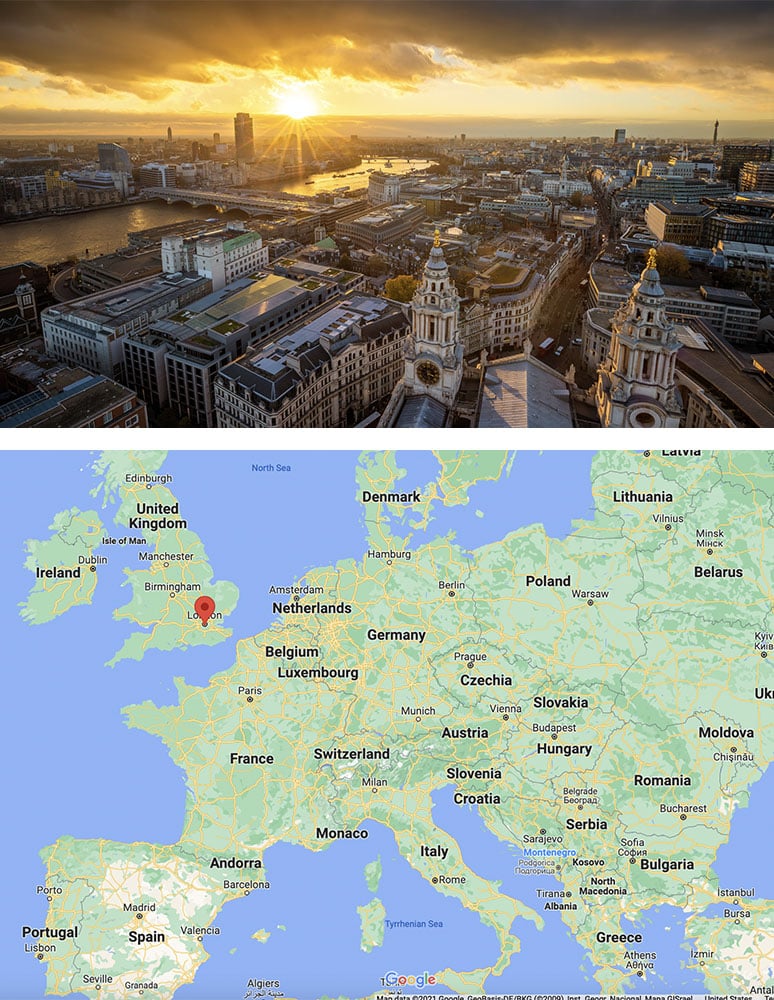
London, United Kingdom: A Global Gateway (40 Million Annual Visitors)
Though recently surpassed by Paris, London remains a colossal force in European tourism, drawing 40 million visitors annually. Its position as a major international air hub, coupled with the absence of a language barrier for many global travelers, makes it an ideal entry point into Europe. The city boasts a staggering array of world-class attractions, from historical sites like the Tower of London and Buckingham Palace to renowned museums, vibrant West End theatre, and diverse culinary scenes. London’s multicultural fabric and dynamic urban energy ensure a truly global experience for every visitor.
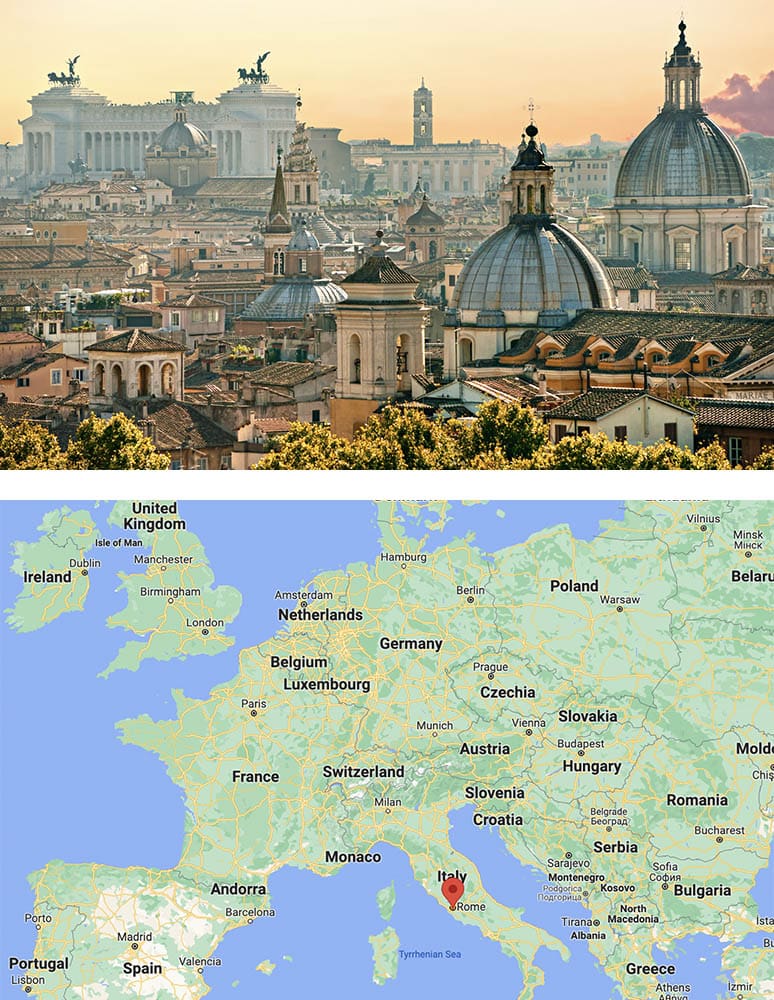
Rome, Italy: The Eternal City’s Enduring Allure (35 Million Annual Visitors)
With 35 million annual visitors, Rome continues to captivate with its unparalleled historical depth and cultural significance. Often referred to as the "world’s second most historically, educationally, and culturally interesting and beautiful city," Rome offers an immersive journey through millennia of civilization. The Colosseum, Roman Forum, Vatican City, and countless baroque fountains and piazzas provide a living museum experience. Its excellent connectivity within Italy also positions it as a perfect starting point for exploring the rest of the country’s rich heritage.
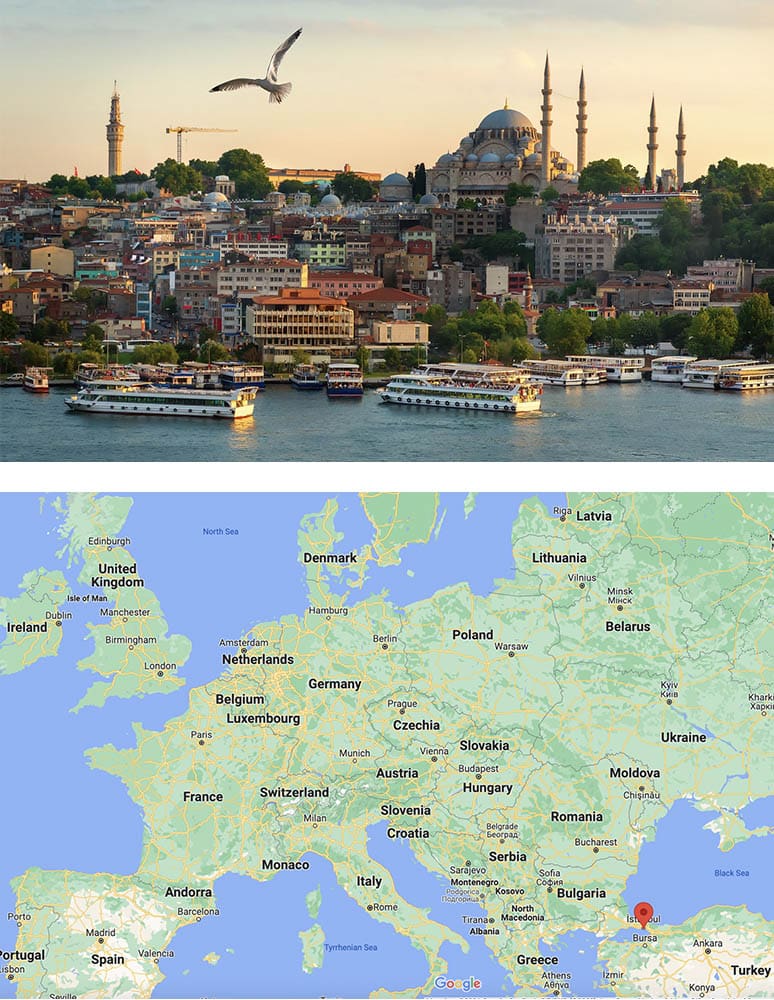
Istanbul, Turkey: Where East Meets West (20 Million Annual Visitors)
Istanbul, a city straddling two continents, has witnessed a remarkable resurgence, attracting 20 million annual visitors. Its unique blend of European and Asian cultures, coupled with historical sites like the Hagia Sophia, Blue Mosque, and Grand Bazaar, offers a distinct "East meets West" experience. The city’s recovery from past political instabilities and security concerns has bolstered tourist confidence, making it a compelling destination for those seeking a vibrant cultural fusion and a rich imperial past, from Byzantine to Ottoman empires.
Barcelona, Spain: Catalan Charm and Modern Flair (16 Million Annual Visitors)
Barcelona’s vibrant character, iconic Gaudí architecture, beautiful Mediterranean beaches, and world-class nightlife attract 16 million annual visitors. The city’s dynamic food scene, unique historical districts like the Gothic Quarter, and artistic heritage make it a perennial favorite. While hugely popular, Barcelona has also grappled with the challenges of overtourism, leading to local discussions and initiatives aimed at balancing visitor enjoyment with resident quality of life.
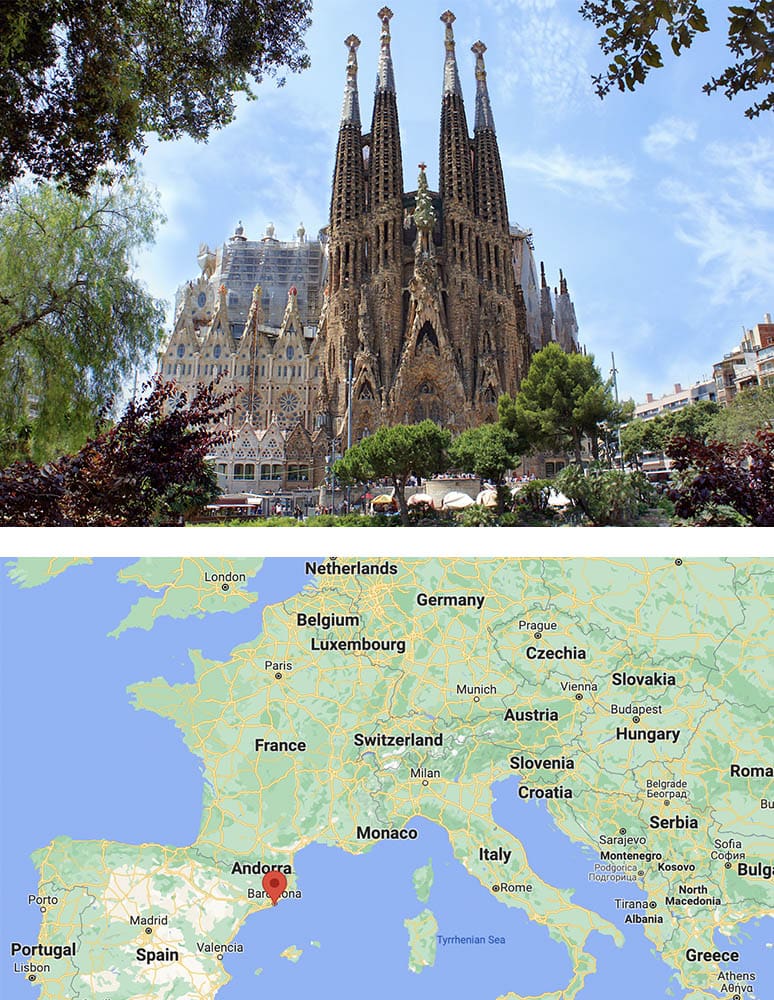
Lisbon, Portugal: The Ascendant Atlantic Pearl (14 Million Annual Visitors)
Lisbon’s meteoric rise as a top European destination is evident in its 14 million annual visitors. Known for its charming pastel buildings, historic tramways, soulful Fado music, and picturesque coastal vibes, Lisbon offers a captivating experience. Its relative affordability compared to other Western European capitals for accommodation and dining, combined with a burgeoning cultural scene, makes it particularly attractive to a diverse range of travelers.
Amsterdam, Netherlands: Navigating Popularity (8.9 Million Annual Visitors)
Despite its compact size, Amsterdam draws 8.9 million annual visitors, celebrated for its iconic canals, historic architecture, world-class museums (Rijksmuseum, Van Gogh Museum), and liberal social policies. The city consistently ranks high in livability, a testament to its quality of life. However, Amsterdam is acutely aware of the pressures of overtourism, especially given its relatively small size, and has implemented measures to manage visitor impact and promote more sustainable travel practices.
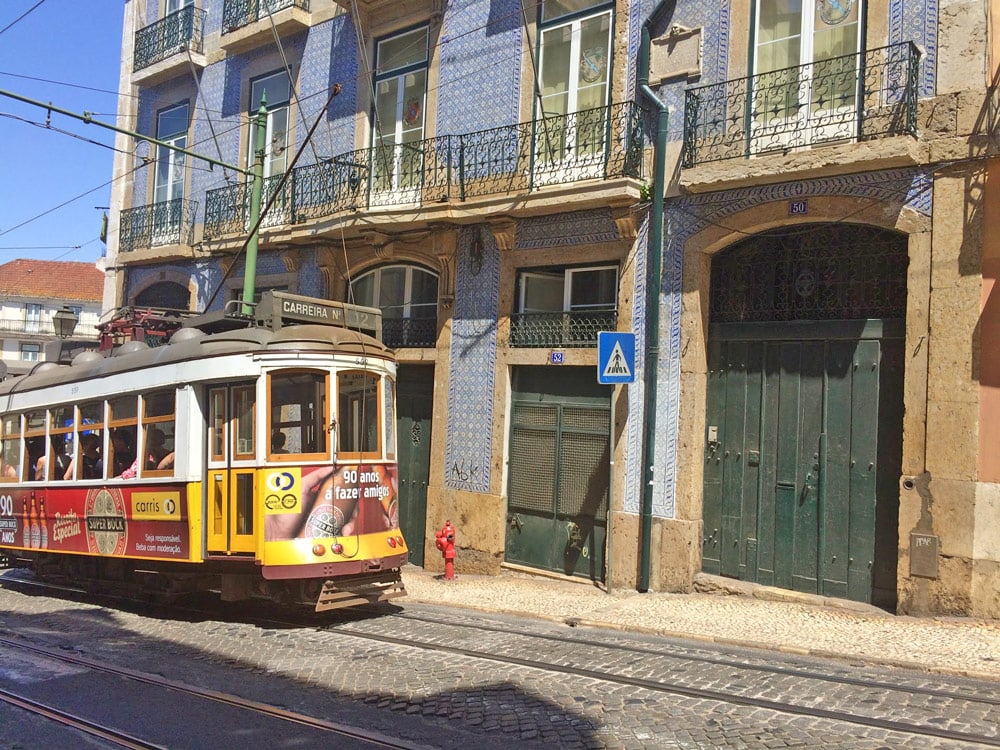
Milan, Italy: Fashion, Finance, and Culture (8.2 Million Annual Visitors)
As Italy’s financial and fashion capital, Milan attracts 8.2 million annual visitors, offering a distinct Italian experience centered on design, business, and sophisticated culture. While its vibe is more buttoned-up than other Italian cities, Milan boasts impressive architectural marvels like the Duomo, world-renowned opera at La Scala, and significant art collections including Leonardo da Vinci’s "The Last Supper." It serves as a crucial gateway for business travelers and luxury shoppers alike.
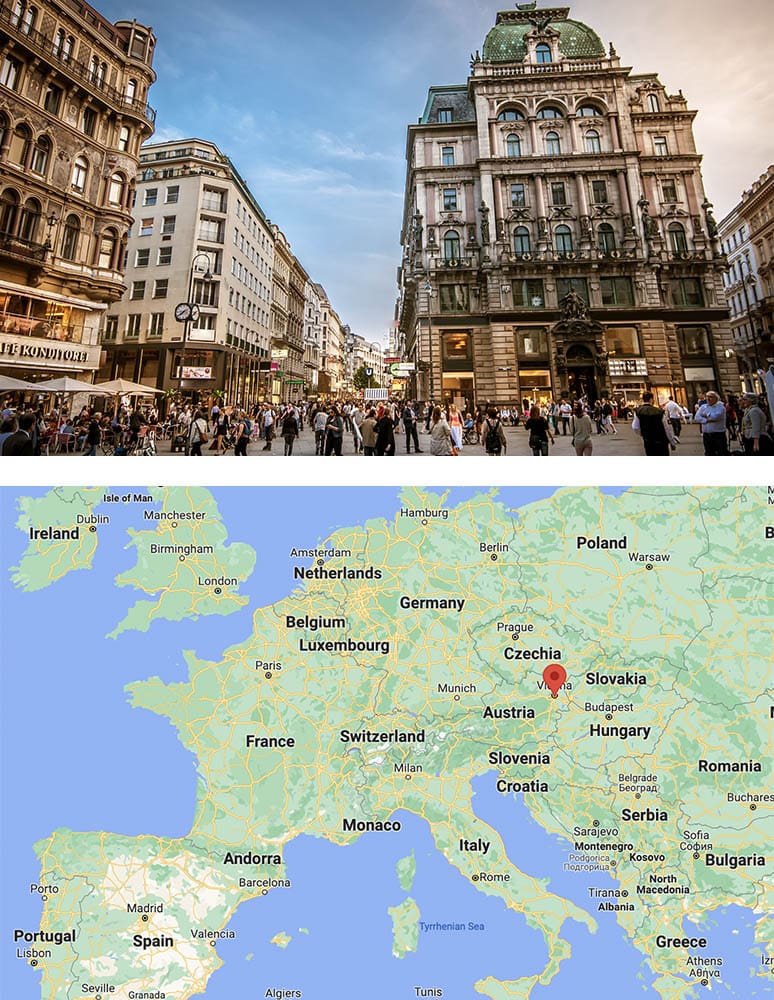
Vienna, Austria: Imperial Grandeur and Cultural Riches (8.2 Million Annual Visitors)
Vienna, with 8.2 million annual visitors, is consistently recognized as one of the most livable cities globally and a major cultural hub. Its imperial past is evident in stunning Baroque palaces like Schönbrunn and the Hofburg, alongside Art Nouveau masterpieces. The city’s profound legacy in classical music, vibrant coffee house culture, and numerous museums make it a magnet for those seeking elegance, history, and artistic inspiration.
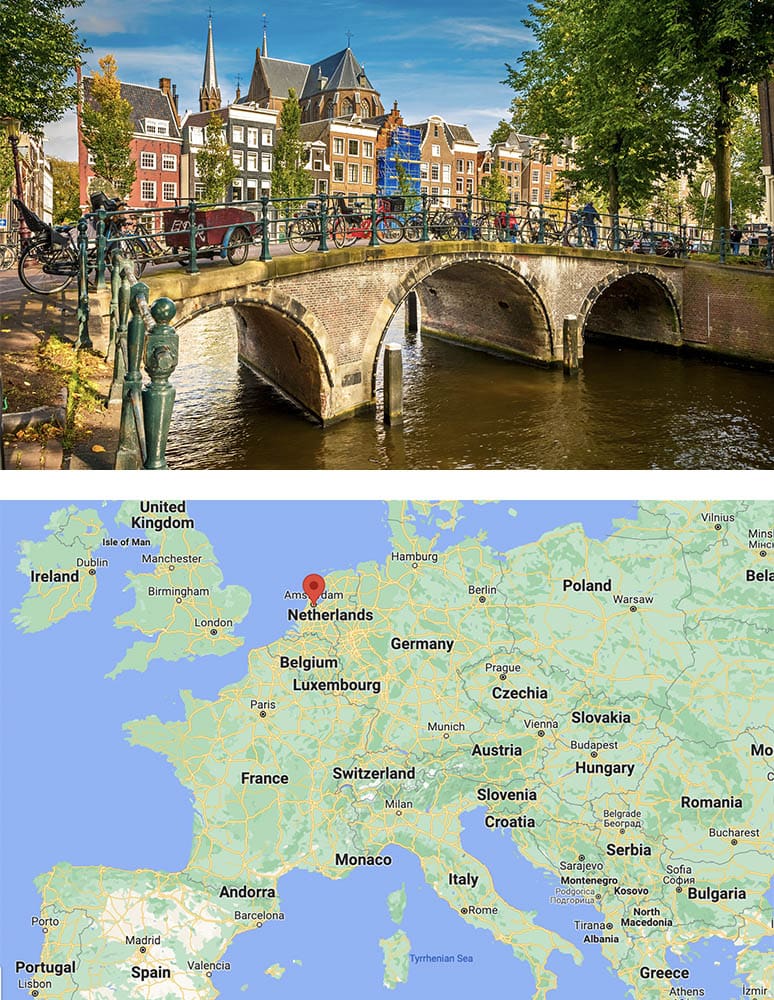
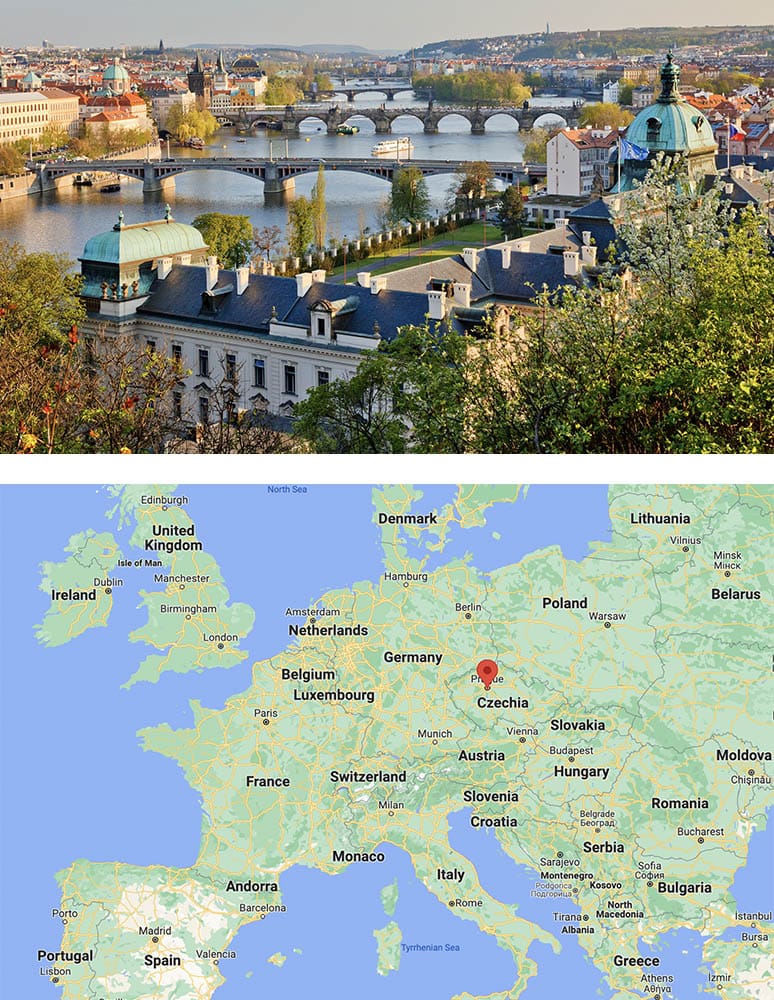
Prague, Czech Republic: A Bohemian Dream (7.5 Million Annual Visitors)
Often described as a "fairy tale" city, Prague captivates 7.5 million annual visitors with its medieval charm, Charles Bridge, and Prague Castle. While no longer as inexpensive as it once was, it still offers good value compared to many Western European counterparts, particularly in gastronomy and nightlife. Its rich history, stunning architecture, and vibrant cultural scene solidify its position as a beloved Central European destination.
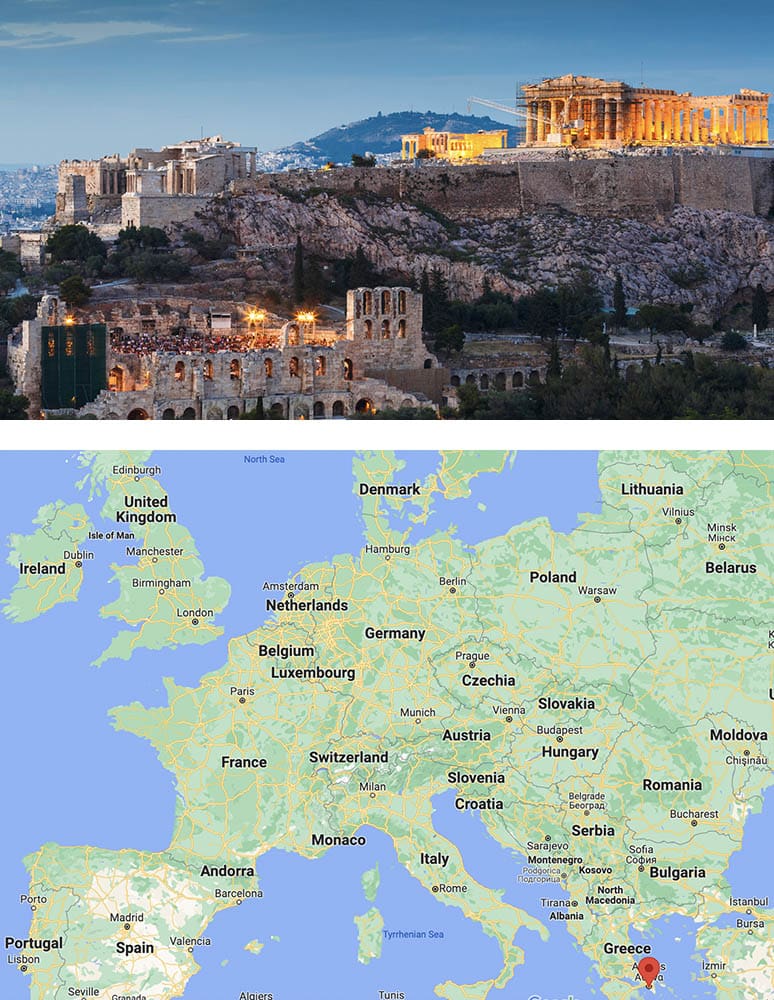
Athens, Greece: Cradle of Civilization (6.5 Million Annual Visitors)
Athens, the historical capital of Europe and the birthplace of democracy, attracts 6.5 million annual visitors primarily for its ancient wonders like the Acropolis and Parthenon. While often serving as a jumping-off point for the Greek Islands, the city itself offers a deep dive into Western civilization’s origins. Despite its gritty urban character, the historical significance and archaeological treasures make it an essential stop for history enthusiasts.
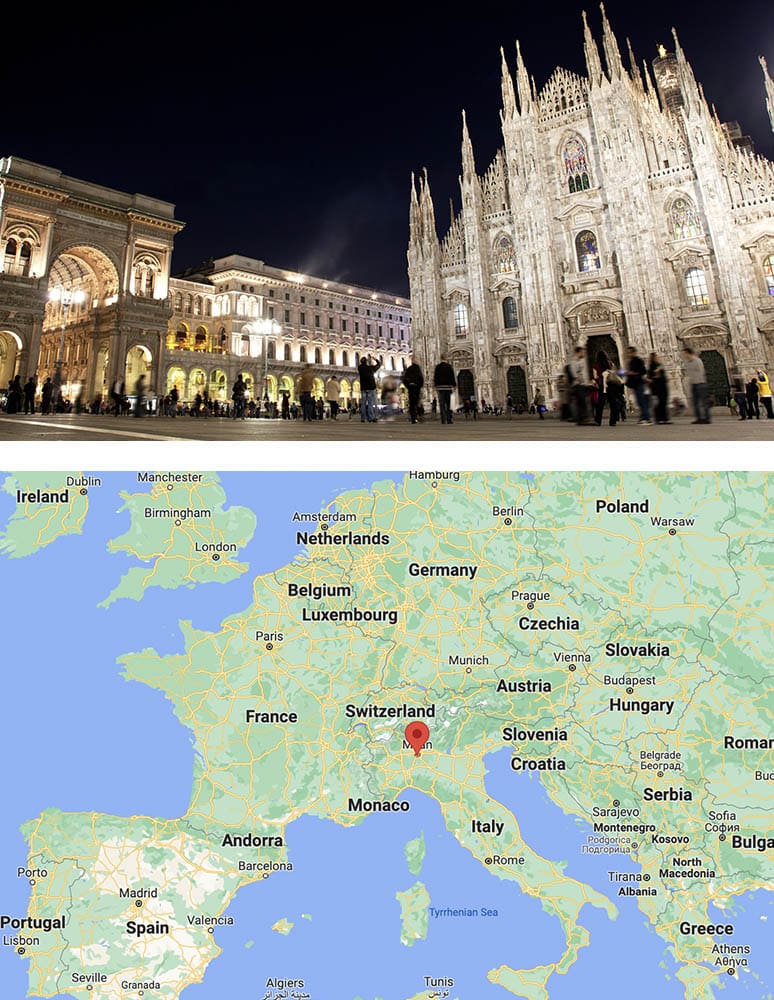
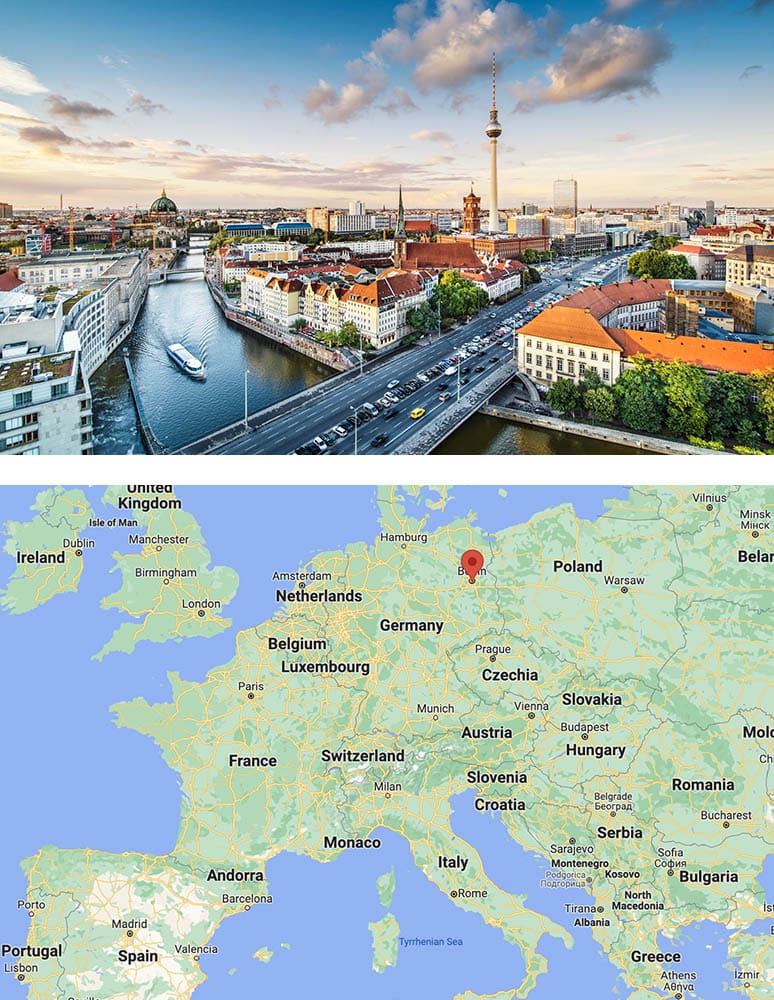
Berlin, Germany: A City Reimagined (6.3 Million Annual Visitors)
Berlin, drawing 6.3 million annual visitors, has transformed from a divided city into a vibrant hub of history, art, and innovation. Famous for its edgy nightlife and techno scene, it also offers a wealth of cultural activities, from world-class museums on Museum Island to poignant historical sites like the Brandenburg Gate and remnants of the Berlin Wall. Its evolving identity, combined with a relatively affordable cost of living for a major capital, continues to attract a diverse demographic.
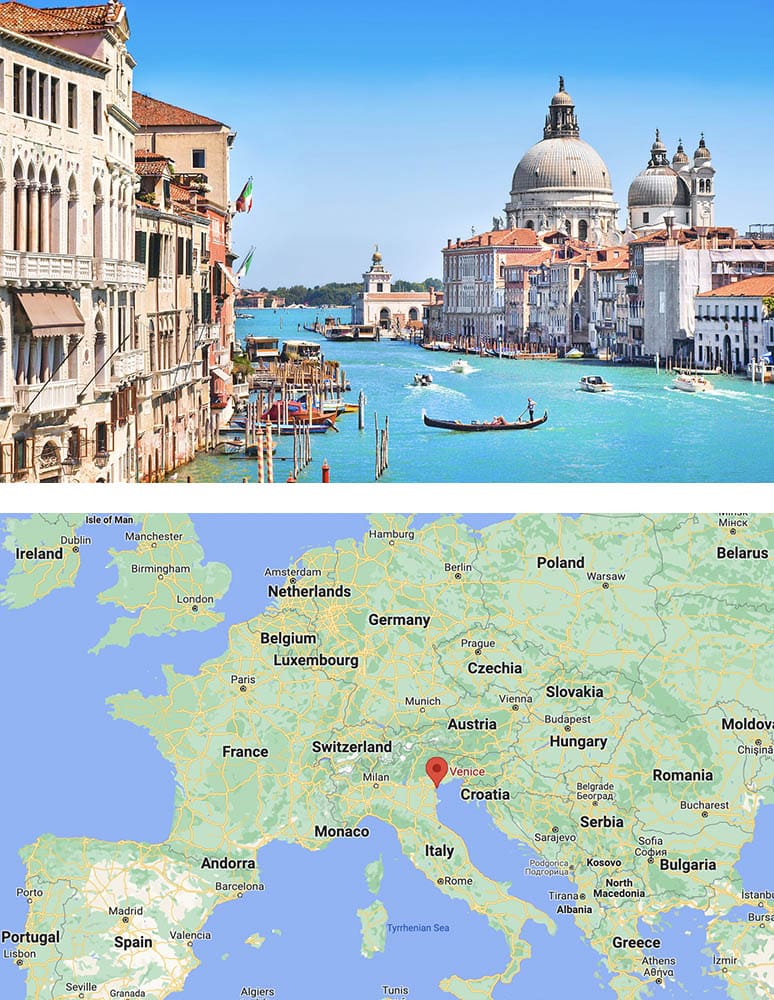
Venice, Italy: A Fragile Masterpiece (5.6 Million Annual Visitors)
The uniquely beautiful city of Venice welcomes 5.6 million annual visitors, who come to marvel at its canals, gondolas, and stunning architecture. However, Venice faces severe challenges from overtourism and environmental threats, including rising sea levels. The city’s efforts to manage visitor impact, such as regulating cruise ship access and promoting overnight stays, aim to preserve its delicate ecosystem and unique character for future generations.
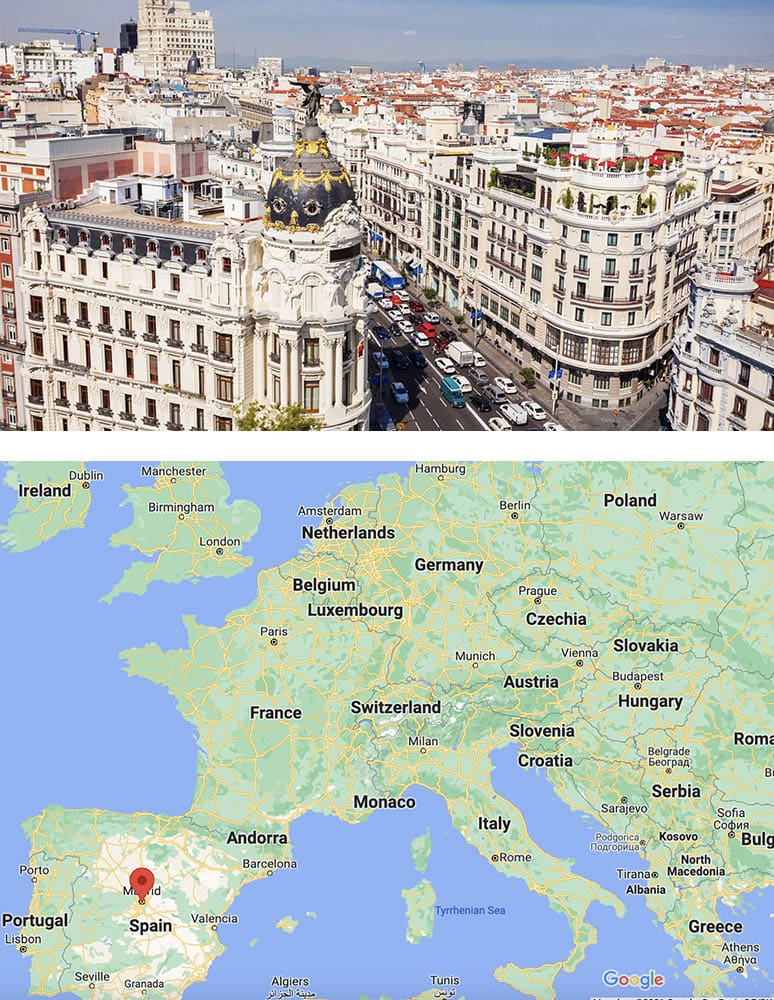
Madrid, Spain: Dynamic Heart of Spain (5.6 Million Annual Visitors)
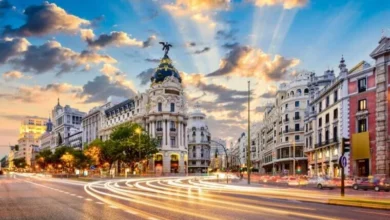
Spain’s bustling capital, Madrid, attracts 5.6 million annual visitors with its vibrant blend of outstanding culture, world-class art museums (Prado, Reina Sofía), impressive architecture, and lively nightlife. While much of its urban fabric is more modern than other European capitals, Madrid exudes an undeniable energy and a unique charm that makes it a compelling destination for both cultural immersion and contemporary urban exploration.
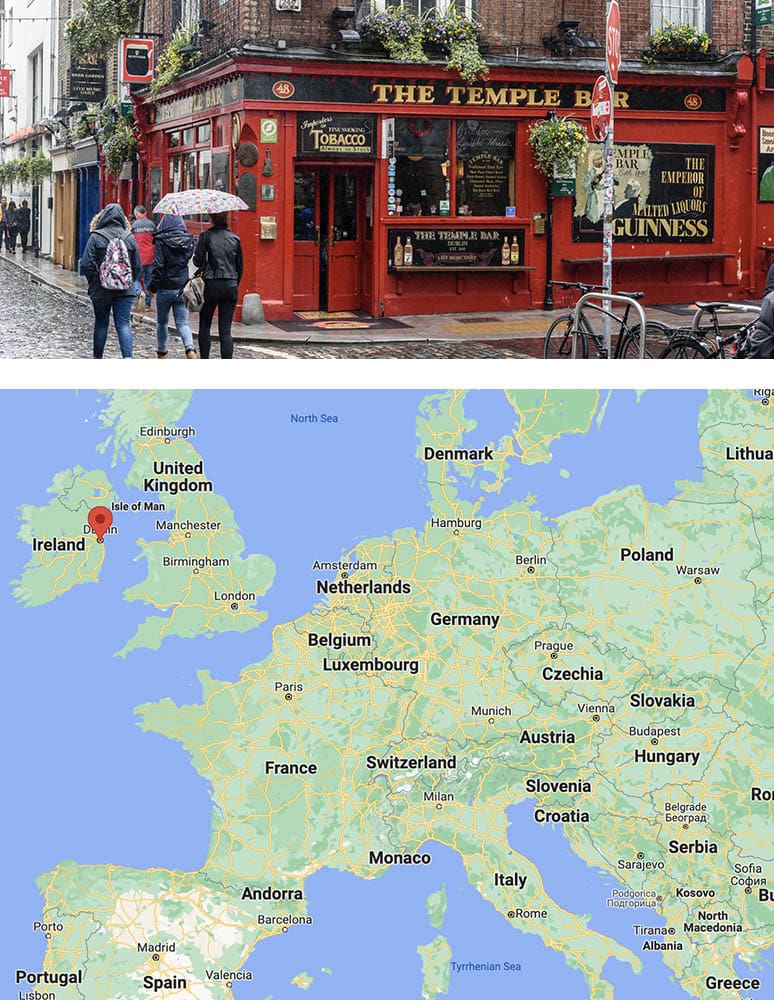
Dublin, Ireland: The Emerald Isle’s Welcoming Capital (5.5 Million Annual Visitors)
Dublin, a compact yet vibrant city, charms 5.5 million annual visitors with its friendly locals, rich literary heritage, and thriving pub culture. Its manageable size makes it ideal for exploration on foot, offering a welcoming atmosphere and a diverse nightlife fueled by a large student population. While it can be an expensive city, particularly for food and drink, its unique character and cultural warmth ensure a memorable experience.
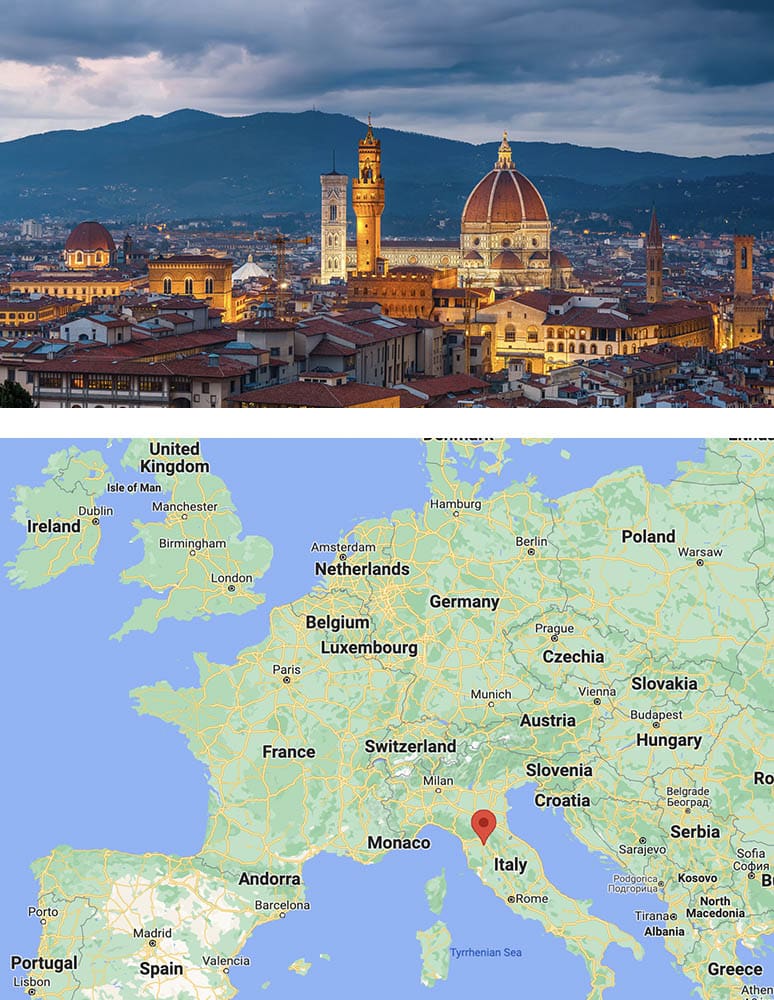
Florence, Italy: Renaissance Jewel of Tuscany (5.1 Million Annual Visitors)
Florence, the heart of the Italian Renaissance, draws 5.1 million annual visitors eager to experience its unparalleled art, architecture, and culinary traditions. Home to masterpieces like Michelangelo’s David and Brunelleschi’s Duomo, Florence is a living museum. While a popular day-trip destination, spending a few days allows visitors to fully absorb its beauty and enjoy the culinary scene, especially as crowds thin out in the evenings.
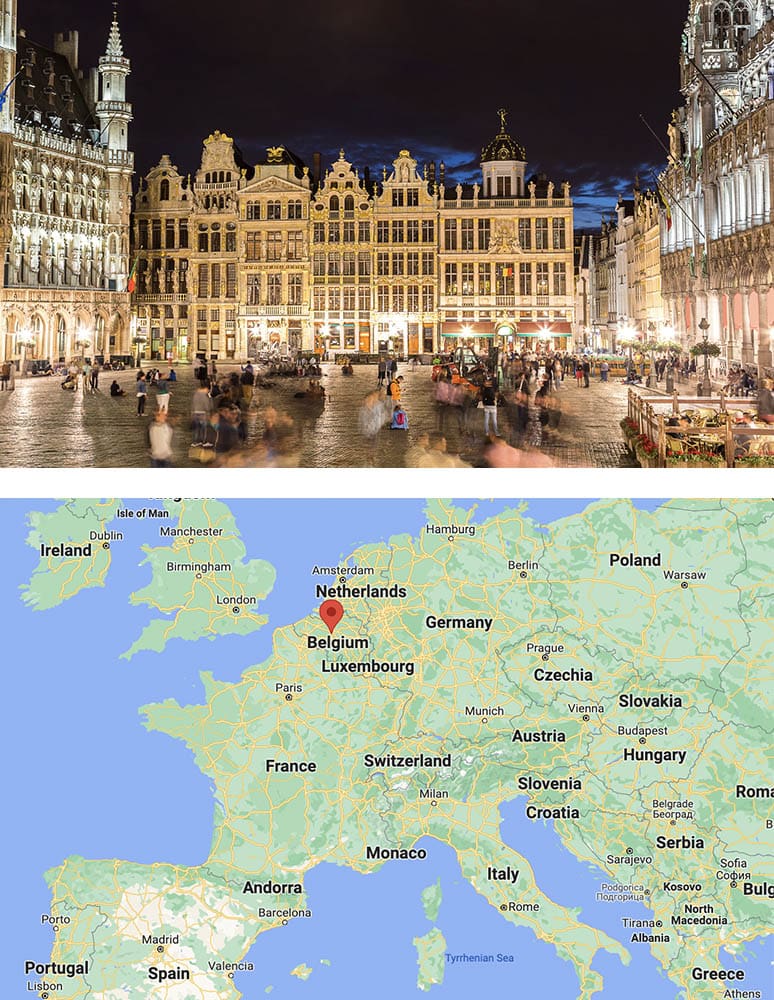
Brussels, Belgium: European Crossroads (4.3 Million Annual Visitors)
As the de facto capital of the European Union, Brussels attracts 4.3 million annual visitors. While sometimes perceived as a more business-centric city, it is shedding its staid image, cultivating a growing creative class and a vibrant cultural scene. Visitors are consistently drawn to its Grand Place, iconic Atomium, and, of course, its world-renowned culinary delights: exceptional beers, artisanal chocolates, crispy fries, and delicious waffles.
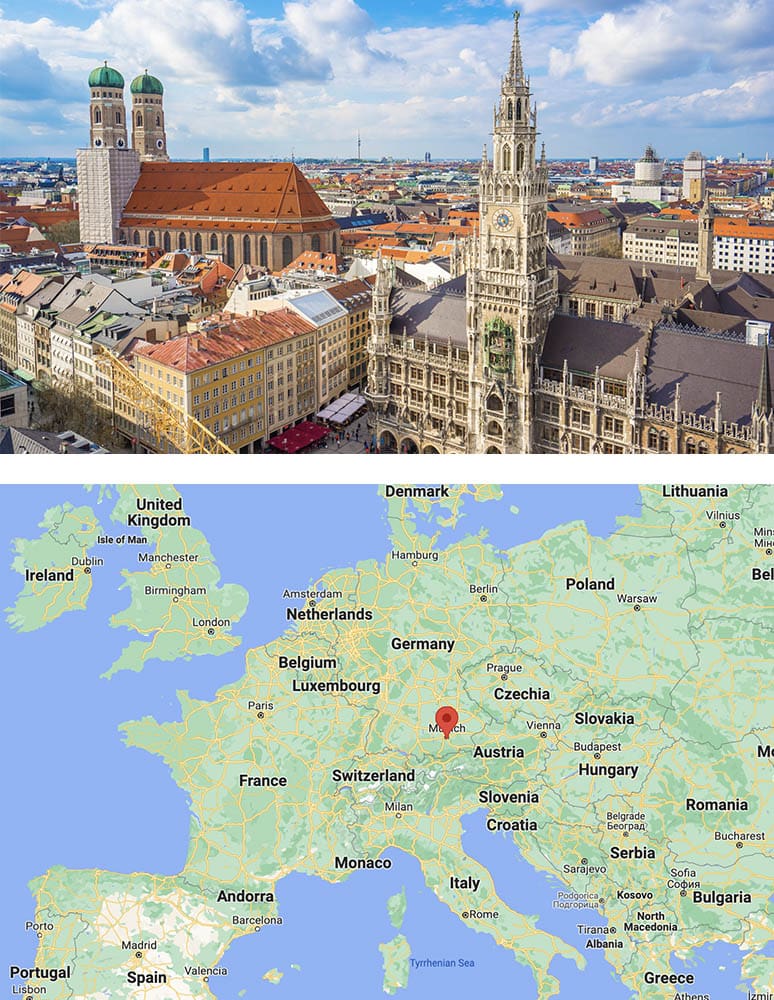
Munich, Germany: Bavarian Heartbeat (4.2 Million Annual Visitors)
Munich, the picturesque capital of Bavaria, welcomes 4.2 million annual visitors, celebrated for its centuries-old architecture, multiple museums, and its legendary Oktoberfest. Beyond the famous beer festival, Munich offers a relaxed yet refined atmosphere with beautiful parks, royal palaces, and an abundance of traditional beer gardens, making it a paradise for beer enthusiasts and culture seekers alike.
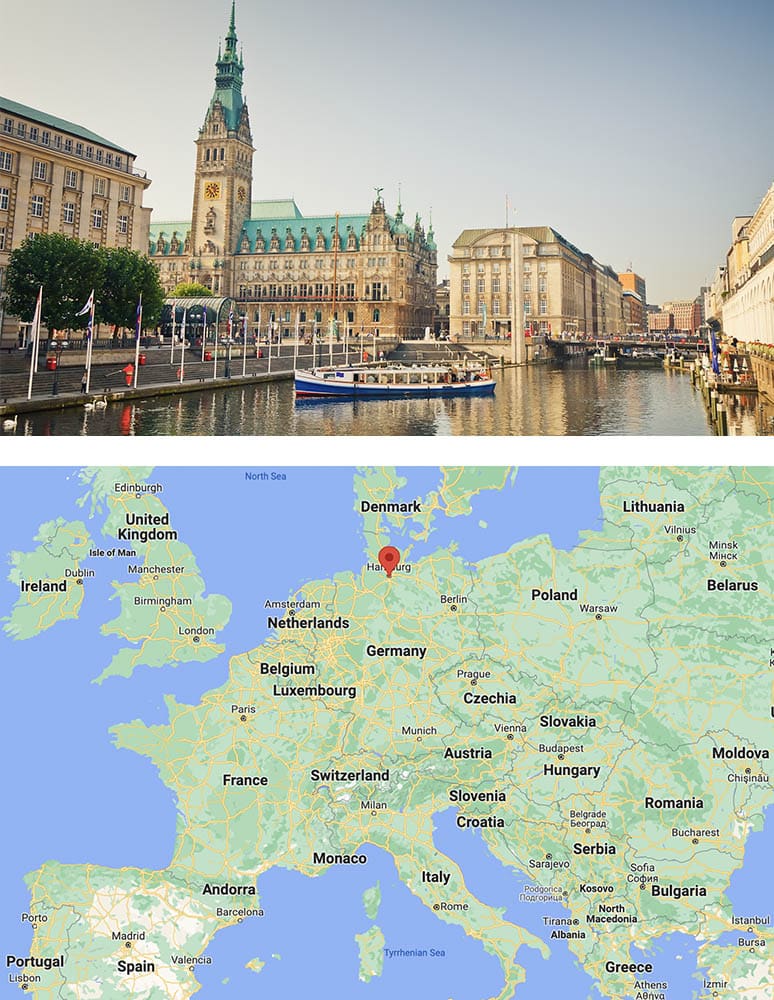
Hamburg, Germany: Port City’s Modern Revival (4 Million Annual Visitors)
Germany’s second-largest city, Hamburg, attracts 4 million annual visitors, having undergone a significant transformation from a traditional port city to a vibrant cultural hub. While retaining its maritime heritage, Hamburg has embraced urban regeneration, particularly in areas like the HafenCity district, boasting new restaurants, bars, and clubs. It is now often hailed as Germany’s hippest city, offering a dynamic blend of old and new.
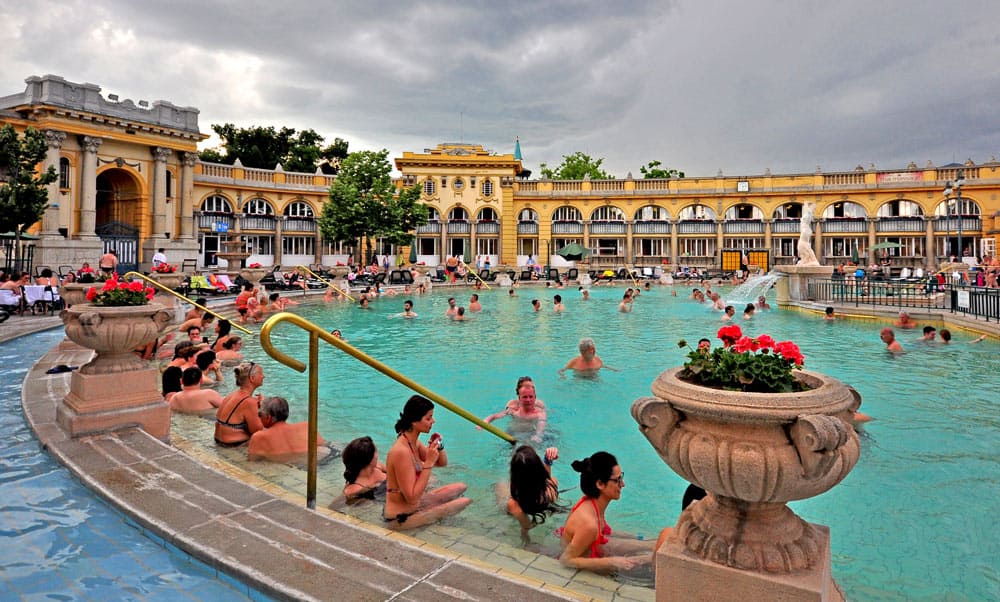
Budapest, Hungary: Danube’s Dual City (4 Million Annual Visitors)
Often dubbed the "Paris of the East," Budapest draws 4 million annual visitors with its elegant boulevards, stunning architecture, and thermal baths. The city offers a unique blend of imperial grandeur and a gritty, resilient charm shaped by its history. As one of Europe’s more affordable capitals, it’s also renowned for its vibrant ruin bar scene and lively nightlife, making it a favorite among budget travelers and party-goers.
Tallinn, Estonia: Medieval Baltic Gem (4 Million Annual Visitors)
Tallinn, nestled between Stockholm and St. Petersburg, attracts 4 million annual visitors with its alluring mix of Nordic and Russian influences. It is celebrated for its remarkably preserved medieval Old Town, complete with ancient walls and numerous historic buildings. The recent development of a cruise ship dock has increased day-tripper numbers, making an overnight stay essential to experience the city’s quieter, more authentic charm.
Copenhagen, Denmark: Nordic Design and Hygge (3.2 Million Annual Visitors)
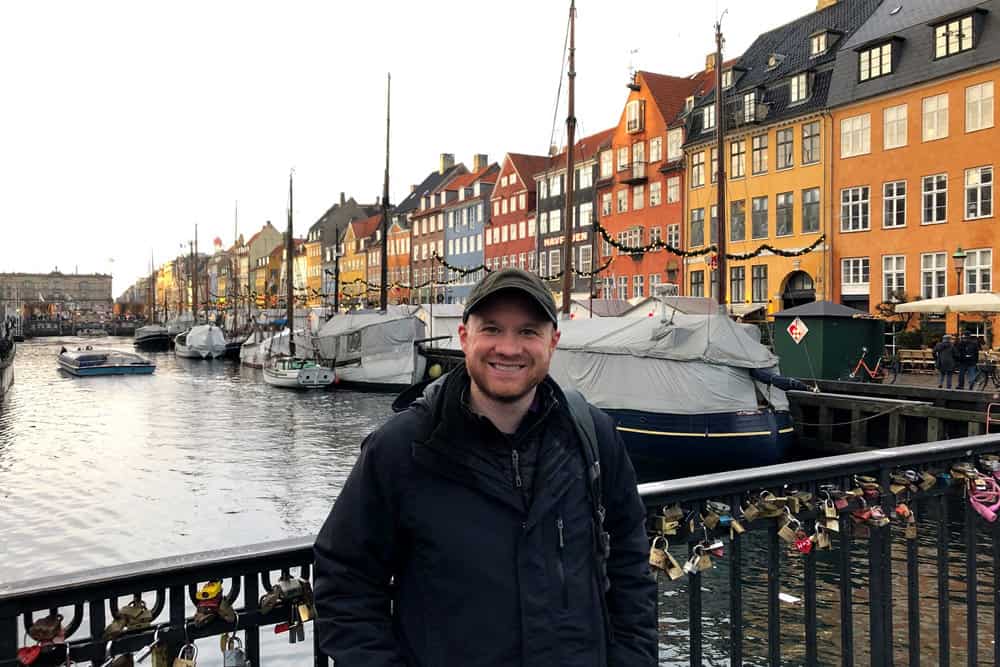
Copenhagen’s high quality of life, innovative design, thriving culinary scene, and "hygge" lifestyle attract 3.2 million annual visitors. The Danish capital boasts a harmonious blend of historic architecture and cutting-edge design, numerous museums, vibrant coffee and craft beer scenes, and an exceptional biking culture. Its focus on sustainability and friendly locals further enhance its appeal as a must-visit Nordic destination.
Edinburgh, Scotland: Historic Highlands Gateway (3.1 Million Annual Visitors)
Edinburgh, Scotland’s captivating capital, welcomes 3.1 million annual visitors to its magical medieval Old Town, elegant Georgian New Town, and the iconic Edinburgh Castle. The city comes alive during the Edinburgh Festival in August, attracting thousands of arts enthusiasts. Known for its welcoming locals and excellent Scottish pubs, Edinburgh offers a rich historical experience alongside a vibrant contemporary culture.
Heraklion, Greece: Crete’s Ancient Gateway (3 Million Annual Visitors)
As the capital of Crete, Heraklion sees 3 million annual visitors, many of whom use it as a strategic base to explore the island’s renowned archaeological sites, such as the Palace of Knossos, and beautiful beaches. While often a transit point, the city itself offers a fascinating blend of Venetian and Ottoman influences, with a bustling port and interesting museums that delve into Minoan civilization.
Kraków, Poland: Cultural Heart of Poland (2.9 Million Annual Visitors)
Kraków, Poland’s cultural and intellectual capital, attracts 2.9 million annual visitors with its beautiful Old Town, Wawel Castle, and vibrant market square. Despite Warsaw being the official capital, Kraków’s historical preservation and lively atmosphere, partly fueled by its large university student population, give it a distinct appeal. It also maintains a reputation as an affordable and enjoyable party town.
Warsaw, Poland: Reborn Capital (2.8 Million Annual Visitors)
Warsaw, Poland’s sprawling capital, draws 2.8 million annual visitors, a testament to its remarkable reconstruction following extensive destruction during WWII. While it may require more effort to navigate than older European cities, Warsaw offers a compelling narrative of resilience and rebirth. Its diverse architectural styles, cultural institutions, and burgeoning tourism infrastructure make it an increasingly popular destination for those interested in 20th-century history and contemporary Polish life.
Frankfurt, Germany: Financial Powerhouse (2.7 Million Annual Visitors)
Frankfurt, Germany’s financial capital, attracts 2.7 million annual visitors, largely due to its business-centric nature and status as a major European transport hub. While predominantly modern, it offers a respectable array of cultural attractions, including excellent museums along the Main River and a charming reconstructed Old Town. It serves as an important gateway for international travel, even if not always a primary tourist destination.
Stockholm, Sweden: Northern Beauty on Water (2.7 Million Annual Visitors)
Stockholm, a stunning city spread across 14 islands, draws 2.7 million annual visitors with its picturesque waterways, elegant architecture, and rich cultural offerings. Home to the Vasa Museum and Nobel Museum, it combines historical depth with contemporary design. Despite its relatively remote location and high cost of living, Stockholm’s unique archipelago setting and vibrant urban life make it a truly captivating Nordic experience.
Nice, France: Riviera’s Coastal Charm (2.6 Million Annual Visitors)
Nice, a jewel of the French Riviera, attracts 2.6 million annual visitors, drawn by its beautiful beaches, Mediterranean climate, and artistic heritage. A long-standing favorite European summer destination, Nice offers a blend of upscale glamour and accessible charm. It provides numerous budget-friendly options, including excellent museums and easy train access to other scenic coastal towns, making the luxurious Riviera more approachable.
Porto, Portugal: Douro’s Historic Appeal (2.5 Million Annual Visitors)
While Lisbon leads in Portugal, the historic and atmospheric city of Porto welcomes 2.5 million annual visitors. Famed for its port wine cellars, the picturesque Ribeira district along the Douro River, and its charmingly dilapidated beauty, Porto offers a captivating experience. Its growing reputation for affordability and an emerging culinary scene attracts a younger demographic and those seeking authentic Portuguese charm.
Bruges, Belgium: Fairytale Flanders (2.5 Million Annual Visitors)
Despite its small size, the medieval "fairytale" town of Bruges captivates 2.5 million annual visitors. Its perfectly preserved canals, cobblestone streets, and historic market squares make it an incredibly popular destination, especially for day-trippers. Staying overnight, however, offers a more intimate and less crowded experience, allowing visitors to fully appreciate its romantic ambiance and delicious Belgian chocolates and beers.
Reykjavik, Iceland: Volcanic Vistas and Vibrant Culture (2 Million Annual Visitors)
Reykjavik, Iceland’s capital, has seen a tourism explosion, attracting 2 million annual visitors – a remarkable number for a city with a population just over 100,000. Surrounded by breathtaking natural landscapes, from geothermal areas to the Northern Lights, Reykjavik also pulses with a vibrant cultural scene. While known for being a super expensive destination, its unique blend of urban life and access to incredible natural wonders makes it an unforgettable journey.
Seville, Spain: Andalusian Passion (2 Million Annual Visitors)
Seville, Spain’s fourth-largest city and the heart of Andalusia, attracts 2 million annual visitors. This laid-back city is celebrated for its stunning Alcázar palace, the magnificent Seville Cathedral (with its Giralda tower), vibrant flamenco culture, and delicious tapas. While offering a wealth of attractions, visitors are advised to consider spring or fall travel to avoid the intense summer heat that characterizes Southern Spain.
Lyon, France: Gastronomic Capital (1.6 Million Annual Visitors)
Lyon, often hailed as the gastronomic capital of France, draws 1.6 million annual visitors with its unparalleled culinary scene, rich Roman history, and vibrant cultural life. Beyond its culinary fame, Lyon is a hub for art, winemaking, and commerce, boasting numerous museums and a youthful energy thanks to its large university population. Many travelers find Lyon’s welcoming atmosphere a delightful contrast to the bustle of Paris.
Dubrovnik, Croatia: Adriatic’s Walled Wonder (1.5 Million Annual Visitors)
Dubrovnik, the "Pearl of the Adriatic," has experienced a surge in popularity, attracting 1.5 million annual visitors, partly due to its stunning walled Old Town and its role as a filming location for popular culture (e.g., Game of Thrones). This increased demand has led to higher prices and concerns about overtourism. Visiting during the shoulder seasons offers a chance to explore its breathtaking beauty with fewer crowds.
Broader Implications and Future Outlook
The significant increase in European tourism, while economically beneficial, also presents challenges. Issues such as overtourism, particularly in historically sensitive and geographically constrained cities like Venice and Amsterdam, necessitate careful management. Local authorities are increasingly exploring strategies like visitor caps, dynamic pricing for attractions, and promotion of off-season travel to disperse crowds and ensure sustainable growth. The balance between welcoming visitors and preserving the unique character and quality of life for residents remains a critical ongoing discussion.
Economically, tourism’s robust recovery is a boon for Europe. The sector supports millions of jobs directly and indirectly, from hospitality and transport to cultural institutions and local businesses. It fuels investment in infrastructure, encourages cultural preservation, and promotes cross-cultural understanding.
In conclusion, Europe’s tourism industry is thriving, surpassing previous benchmarks and demonstrating its enduring allure to travelers worldwide. While the continent celebrates this recovery, it also stands at a crucial juncture, tasked with leveraging this growth responsibly to ensure that its iconic cities and natural landscapes remain vibrant, welcoming, and sustainable for generations of visitors and residents to come.