Mount Everest Drone Operations Halted Amidst Licensing Revocation, Sparking Frustration and Safety Concerns

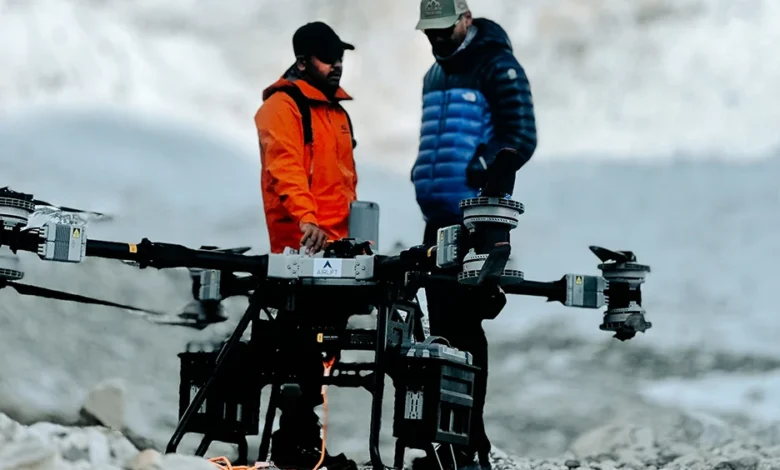
Just when a semblance of operational rhythm was returning to Mount Everest Base Camp, Nepalese authorities have unexpectedly revoked the license permitting outfitters to deploy cargo drones for transporting supplies up the treacherous Khumbu Icefall. This abrupt decision has once again stalled critical logistical progress, spreading palpable frustration among expedition teams, Sherpas, and the drone operators themselves, who are now actively seeking to overturn the ruling. The move comes at a particularly challenging time, as the climbing season has already faced significant delays, placing immense pressure on the intricate supply chain essential for high-altitude ascents.
Unexpected Reversal Stalls Crucial Everest Logistics
The revocation, which targets the drone services provided by Airlift Technologies, has left stakeholders in a state of shock and uncertainty. Raj Bikram Maharjan, CEO of Airlift Technologies, conveyed the depth of the frustration to ExplorersWeb, stating, "We don’t know the exact reason. This season is already delayed… so all the Sherpas and expedition operators depended on us to help them deliver oxygen cylinders and gear." His remarks underscore the critical role these drones had rapidly assumed within the Everest logistical framework. Beyond delivering vital supplies, Maharjan highlighted a significant environmental initiative now jeopardized: "We also planned to bring down 10,000kg of garbage this year," a testament to the drones’ multi-faceted utility in the fragile mountain ecosystem. The unexpected halt not only complicates the ascent for climbers but also severely impacts efforts to mitigate the environmental footprint of expeditions.
The Promise of Aerial Logistics: Drones on the Khumbu Icefall
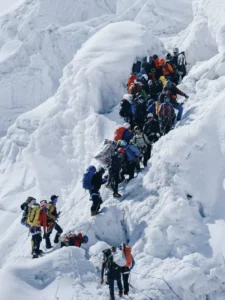
The introduction of drone technology to Everest’s lower slopes represented a significant leap forward in expedition logistics and safety. The Khumbu Icefall, a constantly shifting glacier notorious for its deep crevasses, unstable seracs, and frequent avalanches, is widely regarded as one of the most dangerous sections of the ascent. Traditional methods of transporting gear through this labyrinthine terrain rely heavily on the "Icefall Doctors" – a specialized team of Sherpas who establish and maintain the route with ladders and ropes – and human porters, who brave the shifting ice multiple times daily, carrying heavy loads. This arduous work exposes them to extreme risks, including falls into crevasses, being crushed by collapsing ice towers, or swept away by avalanches.
A Lifeline for the Dangerous Khumbu Icefall
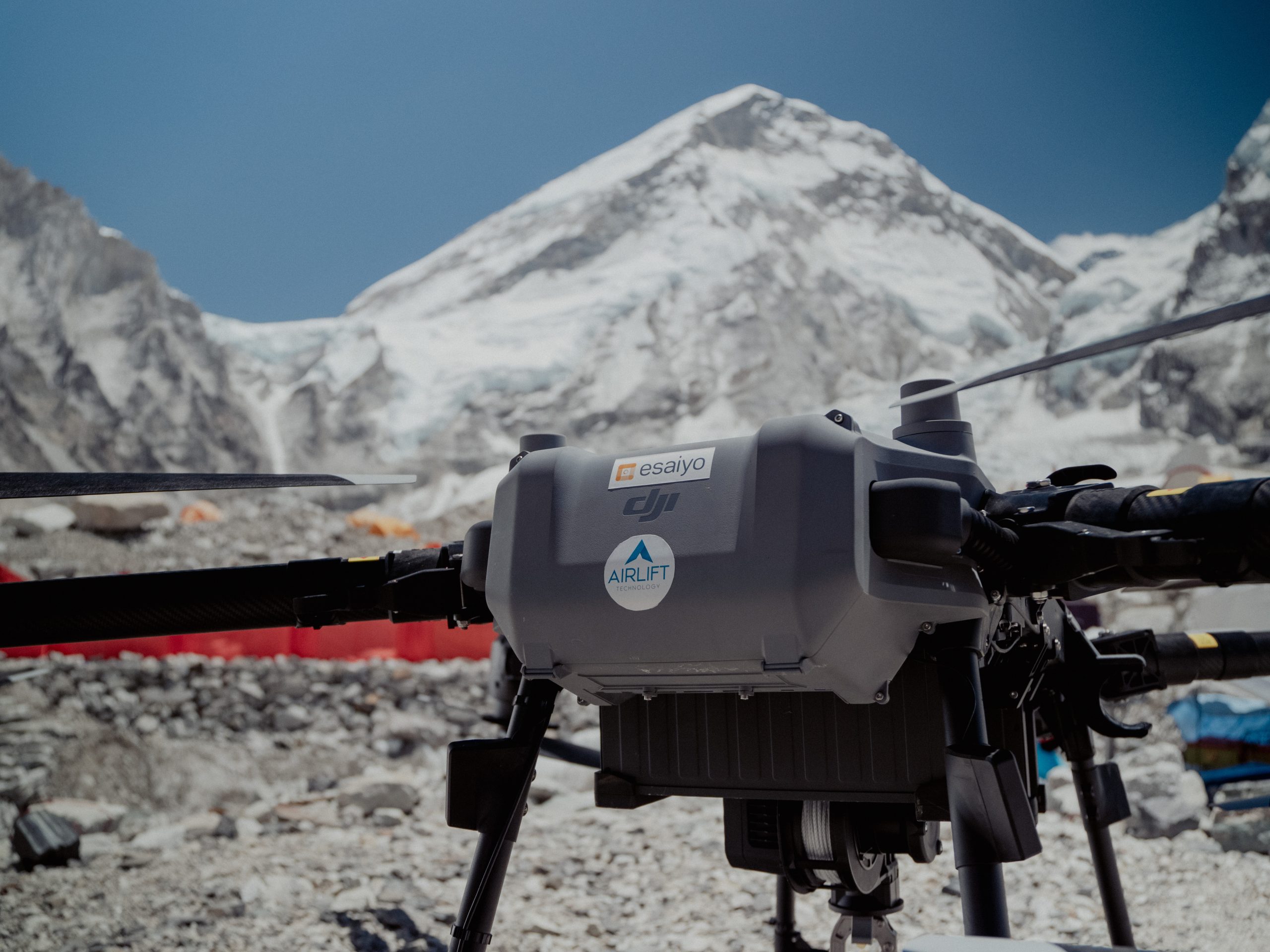
The drone service, initially piloted last year, was conceived precisely to alleviate these inherent dangers. Its primary purpose was to assist the Icefall Doctors by carrying essential route-fixing equipment, such as ropes, ladders, and anchors, and to provide aerial reconnaissance for identifying safer passages and potential hazards. The initial trials proved remarkably successful, demonstrating the technology’s viability and its potential to reduce human exposure to risk. This success prompted Airlift Technologies, the local company licensed for these operations, to expand its fleet and service capabilities. They acquired larger, more powerful drones and extended their operational range from Base Camp (at 5,350m) to Camp 1 (at approximately 6,000m), offering a more efficient and safer alternative for airlifting oxygen, critical supplies, and personal gear. The service was priced competitively at 1,000 rupees (approximately $6.50) per kilogram, making it an attractive option for expedition operators seeking to optimize their logistics and enhance safety.
Technological Leap: The DJI FlyCart 100 and FreeFly Alta X Gen 2
The drones at the heart of this innovation were specifically chosen for their heavy-lift capabilities and performance in high-altitude environments. The primary workhorse, the DJI FlyCart 100, a Chinese-made drone, boasts a substantial carrying capacity. While it can lift up to 100kg at sea level, the pilots meticulously set a more conservative load limit of 50kg for operations between Base Camp and Camp 1, acknowledging the reduced atmospheric density at those extreme altitudes. This careful calibration ensured both safety and efficiency. Furthermore, Airlift Technologies had plans to introduce a second, U.S.-made model, the FreeFly Alta X Gen 2, to further enhance their service, signaling a commitment to robust and diverse aerial logistics solutions. The strategic integration of these advanced aerial platforms was set to revolutionize how supplies moved across the lower reaches of Everest, offering a glimpse into a future of safer, more sustainable expedition management.
A Season Beset by Delays: The Chronology of Challenges
The current climbing season on Everest has been fraught with challenges, making the drone license revocation particularly impactful.
Initial Success and Expansion
The season began with promising signs for drone integration. Following last year’s successful pilot program, Airlift Technologies had scaled up its operations. Their enhanced fleet and expanded service to Camp 1 were ready to support the numerous expeditions converging on Base Camp. Expedition operators had factored this drone service into their logistical planning, relying on it to streamline the movement of essential equipment, reducing the burden and risk on their Sherpa teams.
Icefall Blockade Highlights Drone’s Indispensability
However, the early weeks of the season saw significant setbacks for the traditional route. The crucial work on the Khumbu Icefall route ceased for an extended period – first for three weeks due to severe weather conditions, and subsequently because of an acutely unstable serac (a large block of glacial ice) that loomed precariously over the established path. This blockade brought all ground-based transport through the Icefall to a standstill, creating a massive backlog of supplies and personnel at Base Camp. During this critical period, the drones became an indispensable tool. They offered the only reliable means of ferrying lighter, yet crucial, supplies to the upper camps, maintaining some semblance of progress for the expeditions. Their ability to bypass the immediate danger zone of the unstable serac and navigate the treacherous icefall without risking human lives underscored their value.
The Revocation: Unpacking the Official Stance
The Khumbu Icefall route finally reopened earlier this week, but the cumulative delays had already caused significant congestion and heavy traffic of porters navigating the recently secured path. It was against this backdrop that the authorities delivered the unexpected blow: the revocation of the operating license for the Chinese-made DJI FlyCart 100 and the outright rejection of a second license application for the U.S.-made FreeFly Alta X Gen 2.
According to The Tourism Times, the reasons cited for this decision by the Civil Aviation Authority and the Department of Tourism were "concerns related to the Unmanned Aerial Vehicle Operations Regulations" and "security sensitivities requiring wider stakeholder consultation." These phrases, while seemingly bureaucratic, hint at complex underlying issues that extend beyond mere logistical efficiency. The immediate consequence is that everything a drone could have carried to Camp 1 will now once again fall to human porters, forcing them back onto the dangerous route through the Icefall, a path made even more perilous by the still-unstable serac and increased traffic.
Reactions from Base Camp and Industry Stakeholders
The decision has reverberated through Base Camp, impacting not only the drone operators but also the multitude of climbers, Sherpas, and expedition companies that rely on a smooth logistical flow.
Airlift Technologies Expresses Dismay
Raj Bikram Maharjan’s statements reflect a deep sense of dismay and confusion. His company had invested significantly in the technology and personnel, confident in the benefits their service brought to the region. The sudden nature of the revocation, coupled with a lack of clear, actionable reasons, has made it difficult for them to respond effectively or plan for the future. The loss of revenue from a delayed and now suspended operation, along with the investment in a fleet of high-altitude drones, represents a significant financial blow to Airlift Technologies.
Impact on Expedition Operators and Sherpas
For expedition operators, the decision is a logistical nightmare. Many had adjusted their strategies to incorporate drone transport, anticipating reduced costs, faster delivery times, and, most importantly, enhanced safety for their Sherpa teams. With drones grounded, these plans are now in disarray. The immediate impact will be felt by the Sherpas and high-altitude porters, who will now bear the full brunt of transporting hundreds of kilograms of oxygen cylinders, tents, food, and climbing gear through the perilous Khumbu Icefall. This increases their exposure to risk and adds to an already strenuous workload in a season already characterized by delays and bottlenecks. The "heavy traffic" already observed in the Icefall will only intensify, further increasing the potential for accidents.
The Environmental Setback
The planned removal of 10,000kg of garbage by drones represented a significant environmental initiative. Mount Everest’s status as the world’s highest rubbish dump is a persistent problem, with past expeditions leaving behind vast quantities of waste. Drones offered an efficient and less labor-intensive method to airlift accumulated trash from the higher camps, contributing to the long-term sustainability and cleanliness of the mountain. With the drone service suspended, this ambitious environmental goal is now in jeopardy, potentially leading to a greater accumulation of waste on the mountain this season.
Navigating Regulatory Hurdles and Geopolitical Undercurrents
The official explanations provided for the license revocation—"concerns related to the Unmanned Aerial Vehicle Operations Regulations" and "security sensitivities requiring wider stakeholder consultation"—are highly suggestive of a more complex scenario at play, possibly extending beyond immediate operational safety.
"UAV Operations Regulations" and "Security Sensitivities"
Nepal, like many nations, is in the nascent stages of developing comprehensive regulatory frameworks for Unmanned Aerial Vehicles (UAVs), especially in sensitive high-altitude and border regions. The existing regulations might not have fully anticipated the scale and nature of cargo drone operations on Everest. "Wider stakeholder consultation" could imply that various governmental bodies, including defense, aviation, and tourism ministries, need to align on policies regarding drone use, particularly concerning foreign-made technology. This process can be slow and bureaucratic, especially when new technologies present unforeseen challenges or perceived risks.
The Broader Context of Tech Rivalry
However, the explicit mention of "security sensitivities" and the fact that the two drones involved are Chinese (DJI FlyCart 100) and American (FreeFly Alta X Gen 2) strongly hint at geopolitical undercurrents. Nepal is strategically located between two major global powers, India and China, and is often a stage for subtle geopolitical maneuvering. The global technological rivalry, particularly between the US and China, frequently manifests in concerns over data security, surveillance capabilities, and the potential for foreign technology to be used for purposes other than those officially stated.
For instance, governments worldwide have raised concerns about data privacy and potential espionage risks associated with certain Chinese-made drones. Conversely, the deployment of advanced US technology might also trigger scrutiny regarding data control or potential dual-use capabilities. In a sensitive region like the Himalayas, near international borders and of strategic importance, authorities may be exercising extreme caution, seeking to avoid entanglement in broader geopolitical disputes or perceived breaches of national security. This could explain the simultaneous revocation of the Chinese drone’s license and the rejection of the American one, indicating a desire for neutrality or a comprehensive reassessment of all foreign drone technology in a sensitive zone.
The Human Cost: Renewed Risks for Porters
The immediate and most tangible impact of this decision is the increased risk to human life. With drones grounded, the traditional method of transporting goods through the Khumbu Icefall becomes the only viable option for a significant portion of the supplies.
The Perilous Path of the Khumbu Icefall
The Icefall, described by legendary mountaineers as a "living beast," presents daily dangers. The route changes constantly, requiring continuous monitoring and re-fixing by the Icefall Doctors. The presence of a still-unstable serac above the route adds another layer of extreme peril. Climbers and porters are advised to move through this section "as quickly as possible," a grim reminder of the constant threat of collapse. By removing the drone option, authorities are effectively increasing the number of human hours spent in this high-risk zone, directly elevating the chances of accidents, injuries, or fatalities among the Sherpa community, who are the backbone of Everest expeditions.
Helicopters as a Costly Alternative
In an attempt to mitigate the severe delays and logistical bottlenecks, the Civil Aviation Authority and the Department of Tourism had tentatively granted permission for a total of 10 helicopter flights to Camp 1. These flights, if they occur, could carry gear and potentially some workers, offering an alternative to human porters. However, helicopters present their own set of challenges. They are significantly more expensive than drone services, a cost that will inevitably be passed on to expedition operators and, ultimately, the climbers. Furthermore, helicopter operations in the Khumbu Icefall region are complex, weather-dependent, and carry a higher environmental and noise pollution footprint compared to electric drones. Some companies have reportedly applied for these airlifts, but as of the latest reports, no flights have yet occurred, leaving expedition logistics in a state of precarious uncertainty.
Looking Ahead: Dialogue and Uncertainty
Airlift Technologies CEO Raj Bikram Maharjan remains hopeful, stating that the drone pilots intend to speak with authorities on Monday, aiming to present their case and convince officials to reinstate the drone operations on Everest. This meeting will be crucial in determining the immediate future of high-altitude drone logistics on the world’s highest peak. The outcome will not only affect the current climbing season but also set a precedent for future technological innovations in mountaineering.
The Future of High-Altitude Logistics and Environmental Stewardship
The Everest drone controversy highlights the complex interplay between innovation, safety, regulation, and geopolitical realities in one of the world’s most iconic and sensitive environments. While drones offer undeniable advantages in terms of safety, efficiency, and environmental stewardship (particularly in waste removal), their integration into such a high-stakes environment demands robust regulatory frameworks and clear communication between all stakeholders. The decision to revoke the license underscores the cautious approach authorities are taking, perhaps reflecting an evolving understanding of the broader implications of advanced technology in remote and strategically sensitive areas.
As the climbing season progresses, the international mountaineering community will be closely watching how this situation unfolds. The resolution of this issue will not only impact the immediate safety and success of this year’s expeditions but also shape the future trajectory of logistics, environmental management, and technological adoption in high-altitude mountaineering for years to come. The goal of a safer, cleaner Everest hangs in the balance, awaiting clarity from the regulatory bodies on the very technology that promised to deliver it.