Optimizing Outdoor Comfort: A Deep Dive into Advanced Sleeping Systems for Wilderness Adventures

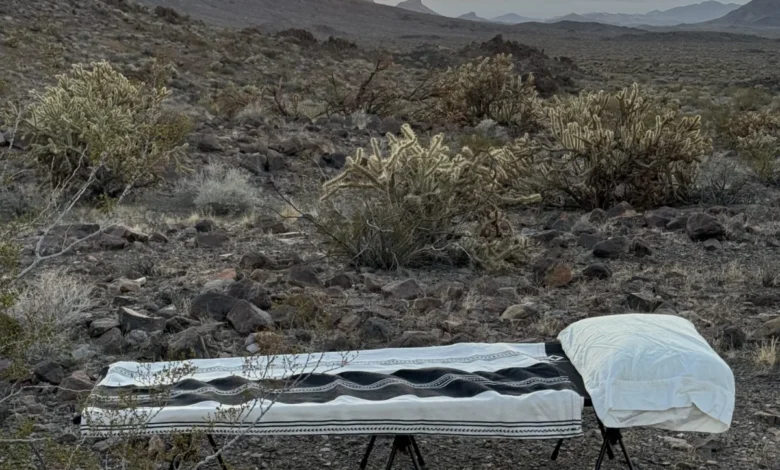
The pursuit of optimal comfort in the wilderness, particularly regarding sleep, has become a significant focus for outdoor enthusiasts. A recent social media post featuring an outdoor sleeping setup in the Mojave’s Turtle Mountains Wilderness ignited considerable discussion, prompting an in-depth exploration of modern camping sleep systems. The image, shared on Instagram by outdoor writer Stephen Casimiro with the caption “we need not be pagans,” garnered unexpected attention, including a direct request from Alaska-based woodworker and artist Zach LaPerrière for details on the setup. This incident highlights a broader trend in outdoor recreation: the increasing demand for sophisticated, comfortable, and adaptable gear that allows adventurers to maximize restorative sleep, even in challenging environments. This article delves into the components, considerations, and innovations driving this evolution in outdoor sleeping, moving beyond rudimentary approaches to embrace engineered solutions for enhanced wilderness experiences.
The Genesis of Comfort: Social Media Sparks a Deeper Dive
The initial Instagram post served as a catalyst, tapping into a collective desire among outdoor enthusiasts to improve their overnight experiences. While traditional camping often implies a degree of roughing it, contemporary trends indicate a growing preference for systems that mitigate discomfort without sacrificing the essence of wilderness immersion. The Mojave Desert setting, characterized by its arid climate and temperature fluctuations, provided a specific context for the discussion. In such environments, where precipitation and insect concerns are often secondary, temperature regulation and wind protection become paramount. This scenario underscores the fundamental principle guiding outdoor sleep choices: adaptability to prevailing conditions, with the overarching goal of achieving consistent, high-quality rest under the open sky. The discussion initiated by Casimiro’s post reflects a community-driven inquiry into practical solutions for a common challenge faced by all who venture into nature’s embrace.
Foundational Comfort: The Cot Conundrum
At the core of many comfortable outdoor sleeping setups, especially for car camping or overlanding, is the sleeping cot. Cots elevate the sleeper off the ground, providing insulation from cold surfaces and often a flatter, more supportive platform than direct ground sleeping. The market offers a spectrum of cots, each designed with different priorities in mind.
One prominent example is the Helinox Cot One Convertible, frequently chosen for its balance of comfort and portability. This cot, when combined with optional leg extensions, raises the sleeping surface by 8.5 inches, further enhancing thermal regulation by creating an air gap beneath. Its design emphasizes breakdown capability, allowing it to pack into a compact, five-pound package that is easily stored and transported. This attribute makes it a staple for those who prioritize minimal bulk while maintaining a robust sleep platform. The engineering behind the Helinox cot focuses on lightweight yet durable aluminum alloys and tensioned fabric, providing a surprisingly firm and supportive surface.
In contrast, the REI Co-op Wonderland Comfort Cot represents the pinnacle of luxury and space. This cot is renowned for its adjustable features and substantial padding, often eliminating the need for additional sleeping pads. Its multi-functional design allows it to double as a lounge chair, catering to a more relaxed camping style. However, its significant size and weight, even when folded, present a logistical challenge for those with limited vehicle space. This trade-off between ultimate comfort and portability is a recurring theme in outdoor gear selection. The Wonderland Comfort Cot, while offering unparalleled rest, is emblematic of gear designed for base camps or situations where vehicle capacity is not a constraint, contrasting sharply with the Helinox’s emphasis on expeditionary compactness.
The decision between such cots hinges on an adventurer’s specific needs: the type of trip (car camping vs. extended overland journeys), available vehicle space, and personal priorities regarding sleep quality versus gear footprint. Both options highlight advancements in cot technology, moving far beyond rudimentary canvas stretchers to offer engineered solutions for varied outdoor scenarios.
The Crucial Layer: Sleeping Pads and Insulation Science
While cots provide structural support, sleeping pads are instrumental in delivering insulation and cushioning, directly impacting sleep quality. Modern sleeping pads are engineered with advanced materials and designs to maximize thermal resistance (R-value) and comfort while minimizing weight and packed size.
The Exped MegaMat exemplifies a high-performance inflatable pad, boasting an R-value of 8.1. The R-value quantifies a material’s resistance to heat flow; a higher number indicates better insulation. An R-value of 8.1 is indicative of a pad designed for extreme cold conditions, providing substantial warmth even when temperatures drop significantly. These pads typically feature internal foam baffles that expand when unrolled, drawing in air for self-inflation, and then can be topped off manually for desired firmness. The MegaMat’s four-inch thickness offers plush cushioning, making it a popular choice for those seeking near-home comfort in the outdoors.
A more recent innovation in the market is the Hest Foamy, a foam-based pad with an impressive R-value of 8.8. Unlike inflatable pads, foam pads like the Foamy are impervious to punctures and leaks, offering a robust and reliable alternative. The Foamy’s design, featuring a waterproof bottom layer, makes it particularly versatile for ground camping, allowing it to be directly placed on slickrock or other surfaces without concern for moisture ingress. This inherent durability and simplicity of use—no inflation required—make it an attractive option for situations where reliability and ease of setup are prioritized over ultimate packed volume. The trade-off is often in weight and bulk compared to ultra-light inflatables, but for car camping or situations where a quick, hassle-free setup is desired, foam pads like the Hest Foamy excel.
The science behind these pads involves trapping air within cells or foam matrices to create thermal barriers. Inflatable pads use internal baffles or synthetic insulation to prevent convective heat loss, while closed-cell foam pads rely on countless tiny, sealed air pockets within the foam itself. The choice between inflatable and foam often comes down to a balance between packed size, weight, R-value, durability, and the specific terrain anticipated.
Insulation and Accessories: Beyond the Pad
Beyond the primary sleeping surface and pad, the choice of insulation layer and accessories significantly contributes to overall sleep comfort. This includes blankets, sleeping bags, and pillows, each selected based on expected temperatures and personal preference.
For mild conditions, a simple cotton blanket, as seen in the Mojave photo, can suffice, offering breathability and a familiar sense of comfort. As temperatures drop, wool blankets provide superior warmth-to-weight ratio and retain insulating properties even when damp. For colder nights, a dedicated sleeping bag becomes essential. The market offers a vast array of sleeping bags, categorized by temperature rating, fill material (down or synthetic), and shape (mummy, semi-rectangular, rectangular). Brands like NEMO, Marmot, and Exped are known for producing high-quality bags across various temperature ranges, allowing adventurers to select based on specific environmental needs. Down bags offer excellent warmth-to-weight and compressibility but lose insulation when wet, while synthetic bags perform better in damp conditions but are typically heavier and bulkier. The rotation of different bags, as practiced by experienced campers, allows for optimal insulation tailored to the forecast.
A quality pillow is often overlooked but crucial for neck support and overall comfort. While some opt for a standard house pillow for car camping, specialized camp pillows, such as the Hest Camp Pillow, are designed for portability and integration with sleeping systems. The Hest pillow, engineered to fit snugly within a sleeping bag hood, offers a balance of support and packability, though personal preferences regarding firmness can vary. Inflatable pillows offer extreme compactness but can feel less natural, while foam-filled camp pillows provide more consistent support at the expense of slight bulk.
The Backpacking and Bikepacking Imperative: Weight, Bulk, and Durability
For endeavors like backpacking and bikepacking, where every ounce and cubic inch of space is meticulously considered, the priorities shift dramatically. The balance between weight, bulk, durability, and comfort becomes a critical decision-making matrix.
Inflatable pads, particularly those from the Therm-A-Rest NeoAir series, have long been the gold standard for ultralight backpacking. Products like the NeoAir XLite NXT are celebrated for their exceptionally low weight and remarkable warmth for their size, achieved through reflective layers and complex internal baffling that minimizes convective heat loss. These pads require inflation, a minor inconvenience, and carry the inherent risk of punctures, though modern materials have significantly improved their resilience. The ability to pack down to the size of a water bottle makes them indispensable for long-distance treks.
Closed-cell foam pads also play a role in lightweight adventures, particularly as a reliable, puncture-proof option. Exped’s Flex series offers a compelling example. The Flex 1.5R, a thinner version, is adequate for softer ground like sand but can be perceived as thin on hard surfaces. Recognizing this, Exped introduced the Flex 3R, which is twice as thick. While offering enhanced comfort and an R-value of 3.0 (suitable for three-season use), its weight of 18 ounces is considerably higher than comparable ultralight inflatable pads. This illustrates the fundamental trade-off: foam offers unparalleled reliability and no-fuss setup, but at a greater weight and bulk penalty compared to the cutting-edge inflatable technologies.
The broader discussion in lightweight adventuring often extends to other gear choices: Is a bivy sack (a minimalist shelter) superior to a tent for solo trips? Does a quilt, which eliminates the back fabric of a sleeping bag, offer a better warmth-to-weight ratio for specific conditions? Can a waterproof bag alone suffice as an all-in-one shelter and sleep system? These questions reflect an ongoing, dynamic experimentation within the outdoor community to optimize gear for specific pursuits, pushing the boundaries of what is possible with minimal load.
The Quest for Minimalist Comfort: An Ongoing Experiment
Despite the advancements in sophisticated gear, the allure of achieving comfortable sleep with minimal equipment persists. The idea of sleeping well with only the clothes on one’s back or a simple poncho, reminiscent of traditional or indigenous approaches to outdoor living, remains a fascinating challenge for many. A historical anecdote from a 1990s mule-packing trip in Durango, Mexico, where a mule packer slept soundly on the ground with only a wool blanket, highlights this aspiration. Such feats often depend on factors like body type (back sleepers typically find ground sleeping less challenging than side sleepers) and extreme physical exertion leading to deep fatigue.
However, modern experience often dictates that direct ground sleeping without padding is generally uncomfortable, leading to pressure points and inadequate insulation. This reinforces the value of even basic insulation and cushioning. The ongoing personal experimentation, including setting ambitious goals like 100 nights of camping per year, provides continuous opportunities to test new gear combinations and refine approaches to outdoor sleep. This iterative process of trying, evaluating, and adapting is central to advancing personal comfort in the wilderness and contributes to the broader knowledge base of the outdoor community.
Industry Trends and Consumer Demand: A Market Overview
The evolution of outdoor sleeping gear is a direct response to a burgeoning outdoor recreation market. The global camping equipment market, valued at approximately $15 billion in 2022, is projected to grow significantly, driven by increasing participation in outdoor activities and a desire for more comfortable and convenient solutions. This growth fuels innovation among manufacturers, who continually invest in research and development to produce lighter, warmer, more durable, and more compact gear.
Brands are differentiating themselves not only through technical specifications like R-values and weight but also through design aesthetics, sustainability initiatives, and modularity. The concept of a "sleep system" – where cot, pad, bag, and pillow are considered as integrated components – is gaining traction, allowing consumers to mix and match for optimal performance across various conditions. The industry also sees a push towards more environmentally friendly materials and manufacturing processes, aligning with the values of many outdoor enthusiasts. The feedback loop between experienced adventurers, like the author of the original post, and gear manufacturers is crucial for this innovation, as real-world testing informs future product development.
Maximizing Outdoor Wellness: The Broader Implications of Quality Sleep
The pursuit of comfortable outdoor sleep is not merely about luxury; it has significant implications for physical and mental well-being in the wilderness. Quality sleep is foundational for recovery, cognitive function, and maintaining morale, all of which are critical for safe and enjoyable outdoor adventures. Inadequate sleep can impair judgment, reduce physical performance, and heighten the perception of discomfort, potentially turning an otherwise pleasant trip into a miserable ordeal.
By investing in appropriate sleeping gear, adventurers can mitigate the physiological stress of exposure and physical exertion, allowing their bodies to repair and minds to reset. This focus on wellness aligns with broader trends in outdoor recreation, where experiences are increasingly valued for their restorative and health-promoting qualities. The ability to achieve consistent, quality sleep transforms the outdoor experience from mere survival to genuine enjoyment and rejuvenation.
Conclusion: The Dynamic Pursuit of the Perfect Night
Ultimately, there is no universal "perfect" outdoor sleeping setup. The ideal configuration is a dynamic interplay of environmental conditions, individual physiology, adventure objectives, and personal preferences. Whether it’s the robust portability of a Helinox cot paired with an Exped MegaMat for car camping, or the ultralight efficiency of a Therm-A-Rest NeoAir for backpacking, each piece of gear serves a specific purpose in the grander scheme of outdoor comfort.
The continuous experimentation by seasoned adventurers, coupled with ongoing innovation from outdoor gear manufacturers, ensures that the quest for a truly restorative night under the stars remains an evolving journey. The shared experiences and insights from the outdoor community, sparked by simple social media posts, contribute significantly to this collective pursuit, empowering more people to embrace the wilderness with confidence and comfort. The goal remains constant: to maximize sleep quality, making every outdoor night an opportunity for rejuvenation and deeper connection with the natural world.