The West Estonian Archipelago: Europe’s Enigmatic Islands Where Maps Lie and Heritage Rises

In the heart of the Baltic Sea, a chain of islands known as the West Estonian Archipelago emerges as a captivating blend of pristine wilderness, ancient history, and cultural resilience. This UNESCO Biosphere Reserve, encompassing approximately 900 islands and islets, most of them uninhabited, defies simple categorization. From a meteorite crater revered as a pagan holy site to a sovereign "kingdom" born from a bureaucratic oversight, the archipelago, particularly its largest island Saaremaa, presents an intricate historical puzzle, where the official maps often fail to capture the full truth of its deep-rooted heritage.
Geological Tapestry: A Landscape in Motion
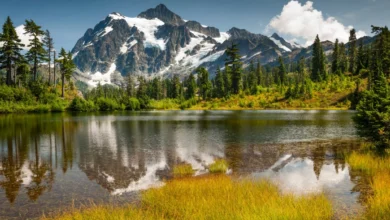
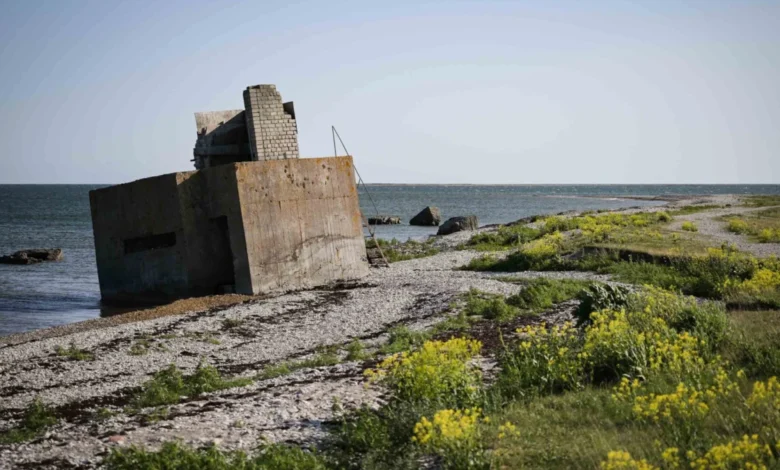
The journey to the West Estonian Archipelago typically begins as the bright orange ferry slices through the Baltic waves, leaving mainland Estonia behind. This steady progression feels like a voyage to the continent’s fringe, yet it leads to a region that some contend is Europe’s geographical center. The islands’ allure lies largely in their untamed wilderness: dramatic cliffs meet crashing waves, abandoned lighthouses stand sentinel against the elements, and dense pine forests vie for space with fertile agricultural lands. This dynamic landscape is continually reshaped by post-glacial rebound, a geological phenomenon where the land slowly rises each year, springing back from the immense weight of the ice sheets that covered it during the last glacial period. This ongoing uplift, typically occurring at a rate of a few millimeters per year, perpetually alters coastlines and shallow marine areas, adding to the islands’ ever-evolving character.
The West Estonian Archipelago was designated a UNESCO Biosphere Reserve in 1990, acknowledging its unique biodiversity and the harmonious coexistence of human activity with nature. The reserve plays a crucial role in conservation, sustainable development, and environmental research, protecting diverse ecosystems ranging from coastal meadows and alvar grasslands to extensive forests and wetlands. These habitats support a rich array of flora and fauna, including numerous migratory bird species, making the islands a vital ecological corridor in the Baltic region.
Saaremaa: Europe’s Enigmatic Heart
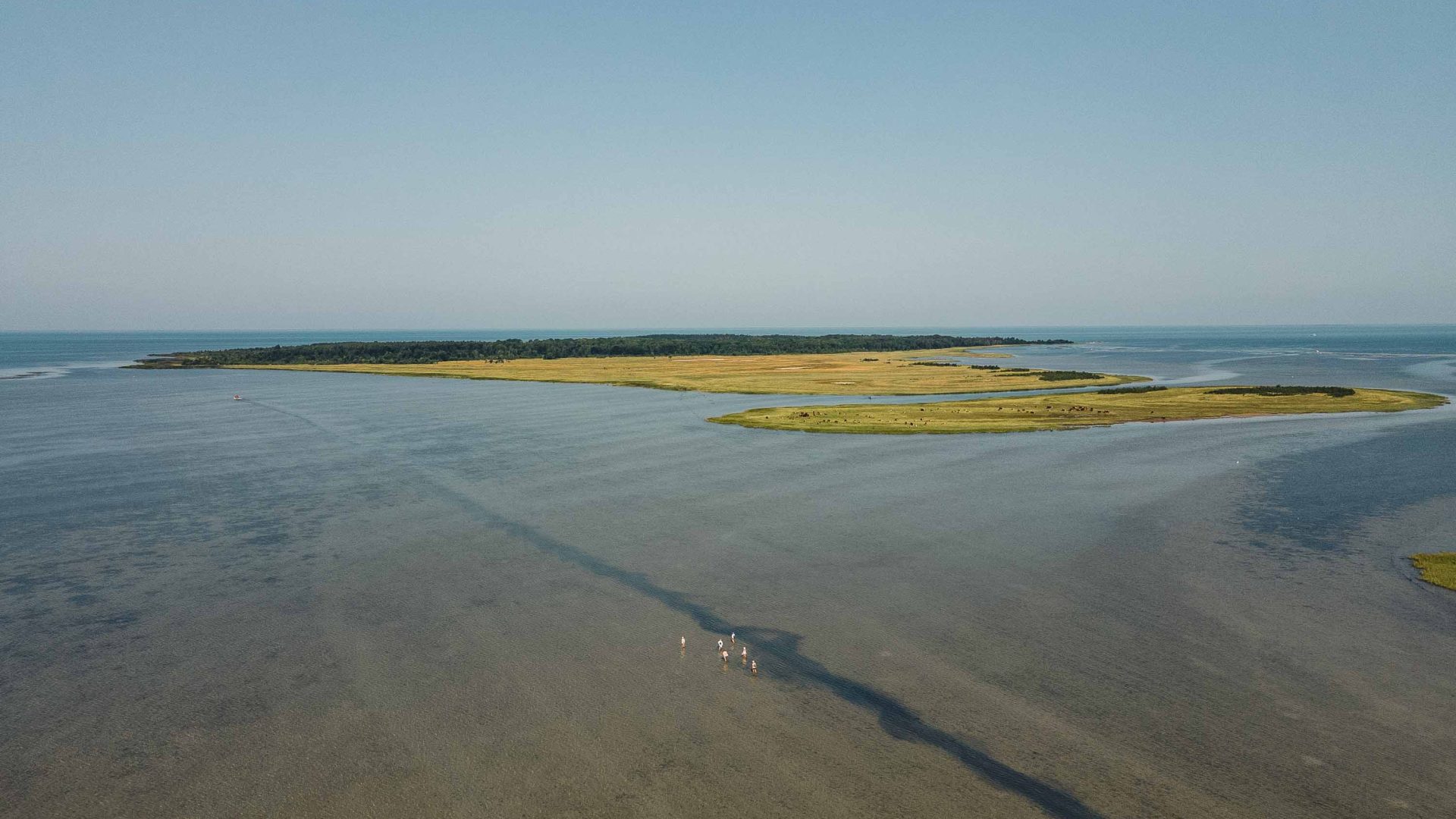
Saaremaa, the largest island in the archipelago, holds a unique claim as one of the contenders for Europe’s geographical midpoint. This central location, ironically, has subjected much of its heritage to the crushing weight of 20th-century geopolitical upheavals. The island’s strategic position made it a battleground during numerous conflicts, most notably the Nazi-Soviet clash from 1941-1945, followed by decades of Stalinist terror and Soviet occupation. These grand events led to widespread destruction, forced evacuations, and the deliberate suppression of local cultures, pushing many traditions to the brink of oblivion. However, like the limestone crust that lifts millimeter by millimeter each year, this buried heritage is now slowly, powerfully, re-emerging.
Echoes of Resilience: The Sõrvemaa Heritage Society’s Mission
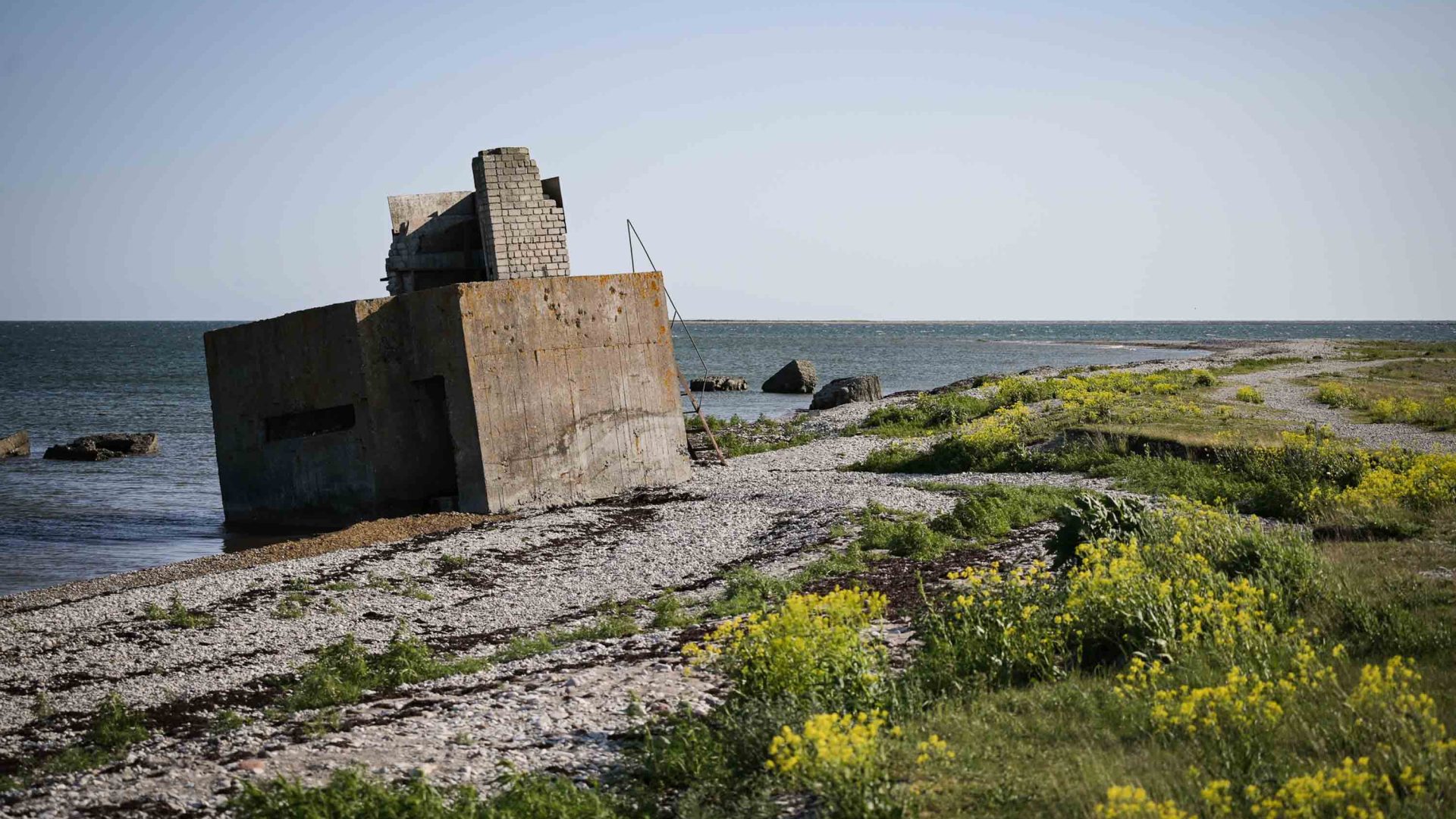
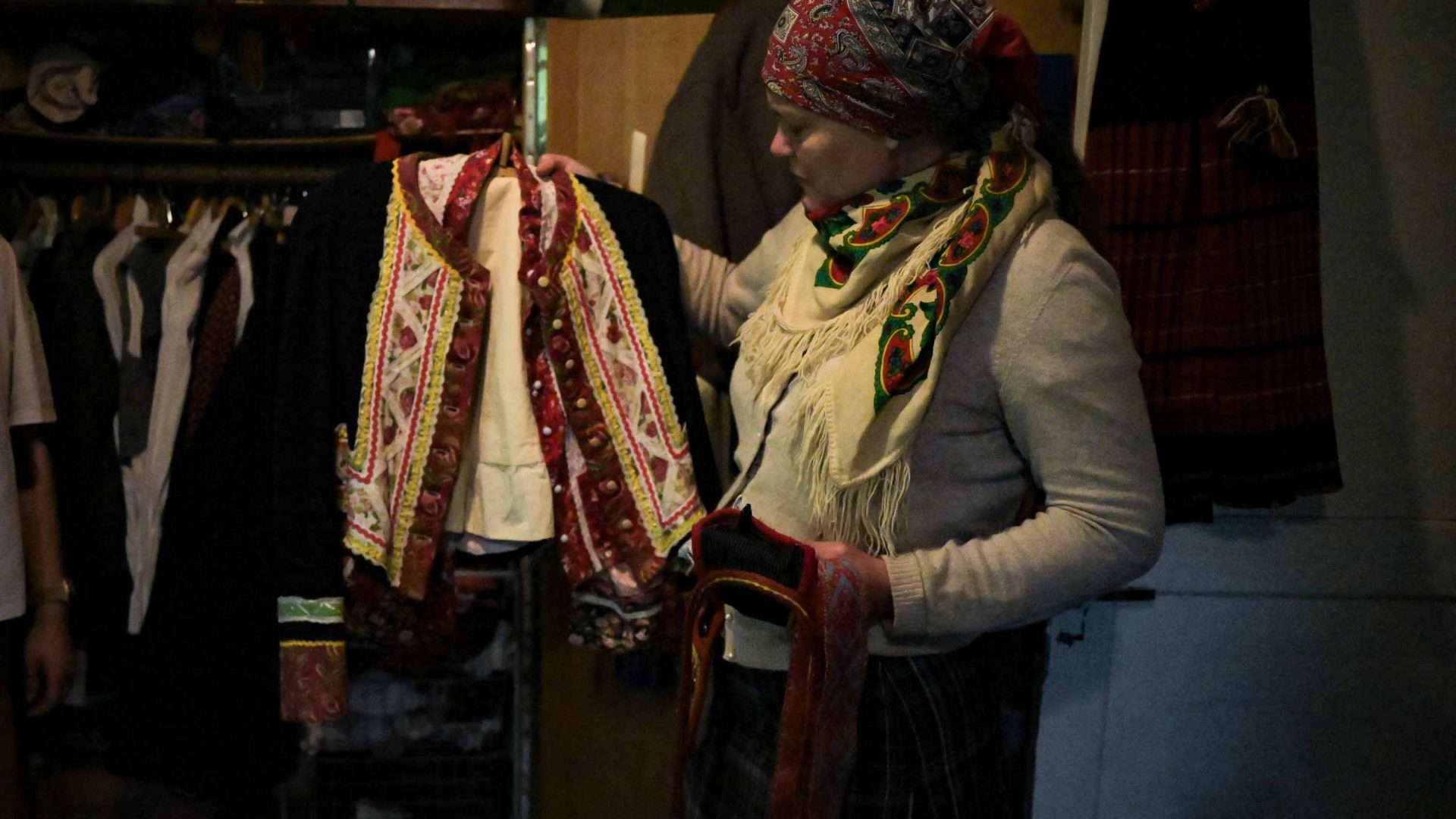
The Sõrve Peninsula, located in western Saaremaa, bears indelible scars from its past as a World War II frontline. Mari Lepik, a co-founder of the Sõrvemaa Heritage Society, an NGO established in 2009, recounts the devastation. "This was the front line," she explains, describing a landscape ravaged by conflict where "no trees, no posts. Everything was gone." Only a few hundred people reside permanently in Sõrve today, a testament to the region’s harrowing history. The society is dedicated to preserving the nearly lost traditions of this area, understanding that while material traces may have vanished, memory has survived through a collection of "dead songs" – melodies and lyrics that were no longer sung but preserved just in time.
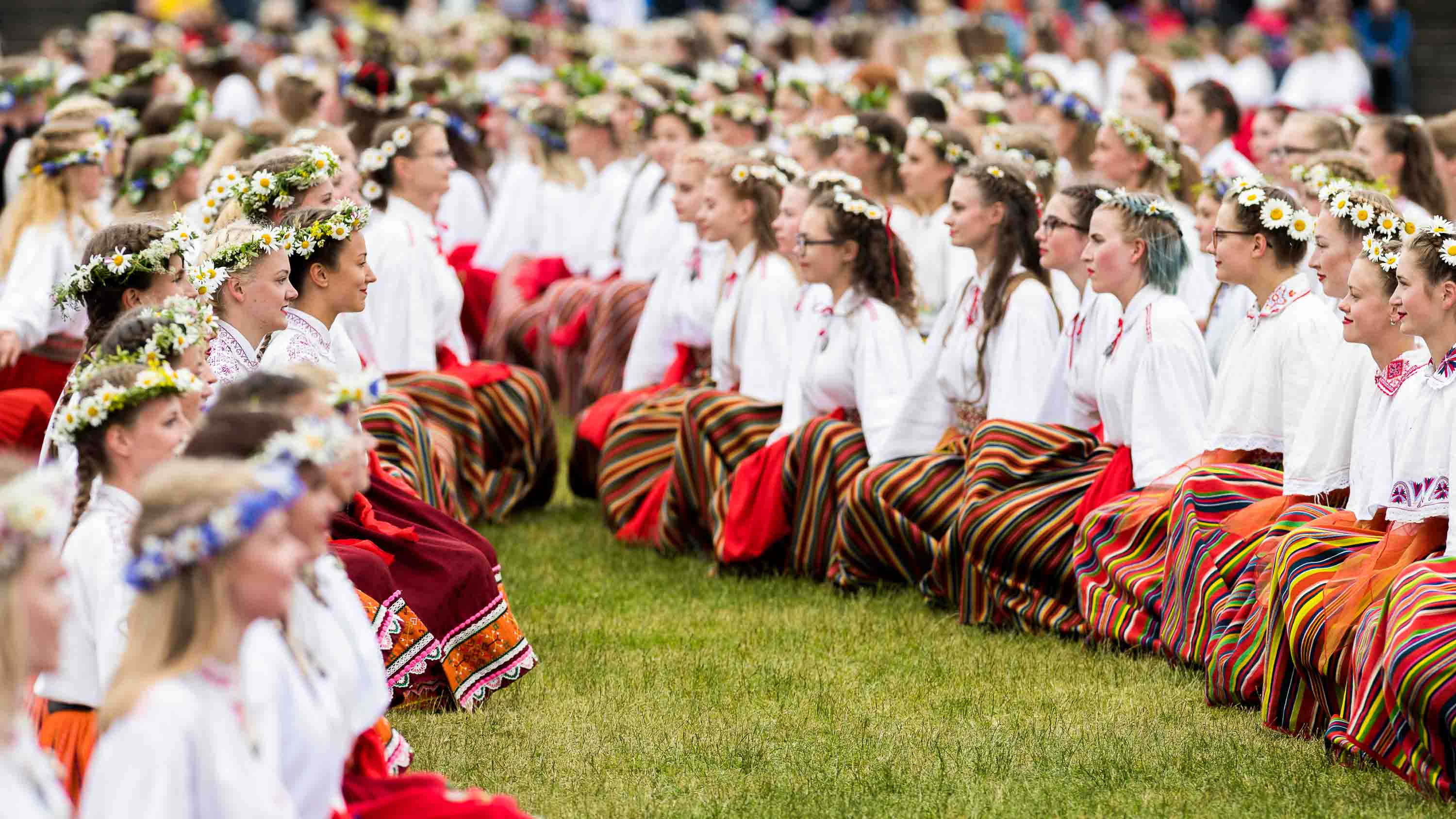
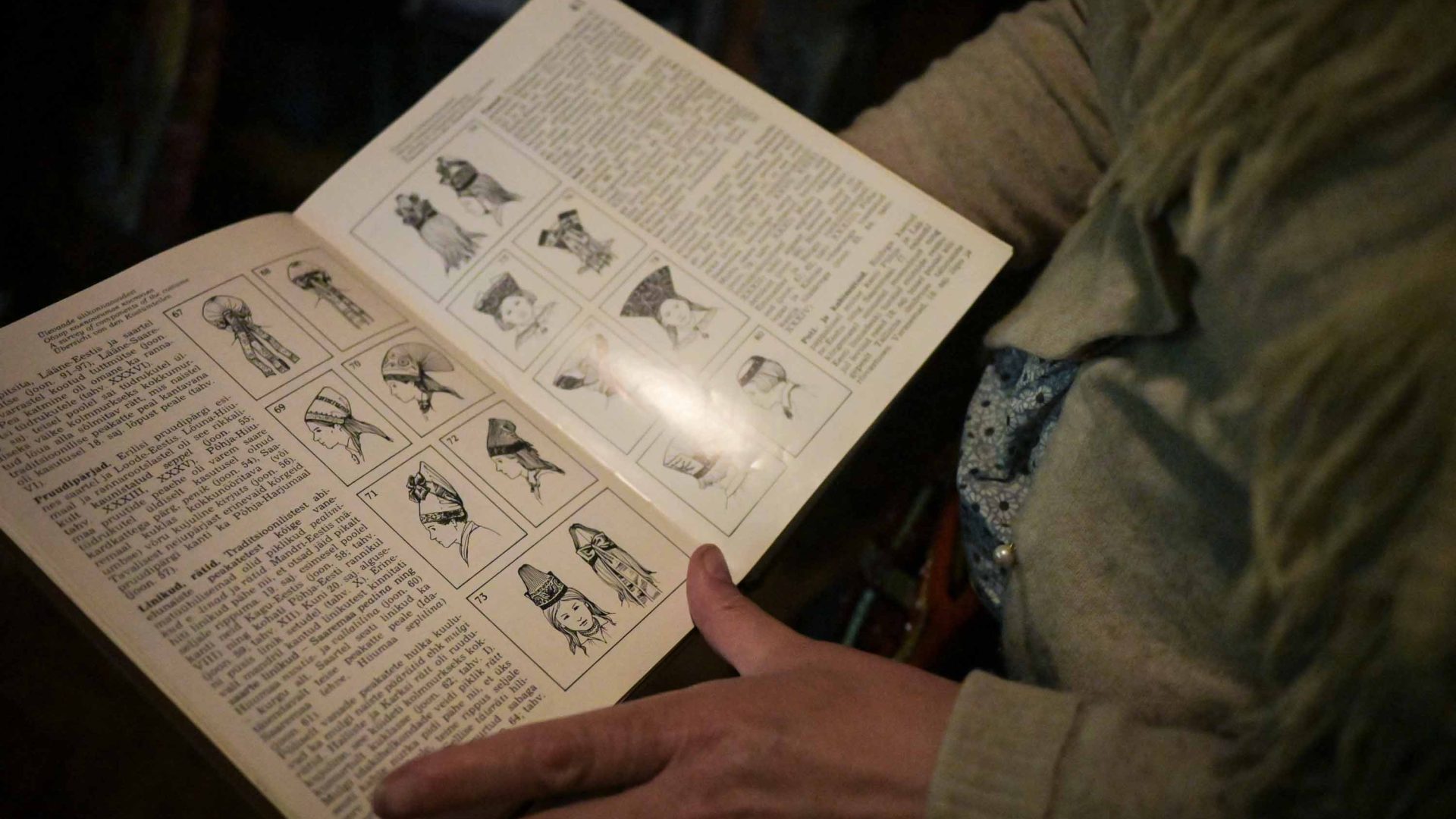
Lepik’s family has inhabited their village for approximately ten generations, a lineage that highlights the deep historical roots of local peculiarities. Until the mid-19th century, Estonians endured serfdom under the Baltic German nobility. This enforced isolation created fertile ground for the flourishing of distinct microcultures. "In Saaremaa, every parish has different traditional clothing, because people couldn’t move across parish lines," Lepik elaborates. "They developed their own dialects, songs, dress, and separated between parishes." These unique cultural expressions, however, faced severe threats from war evacuations and Sovietization, which sought to homogenize and control cultural narratives.
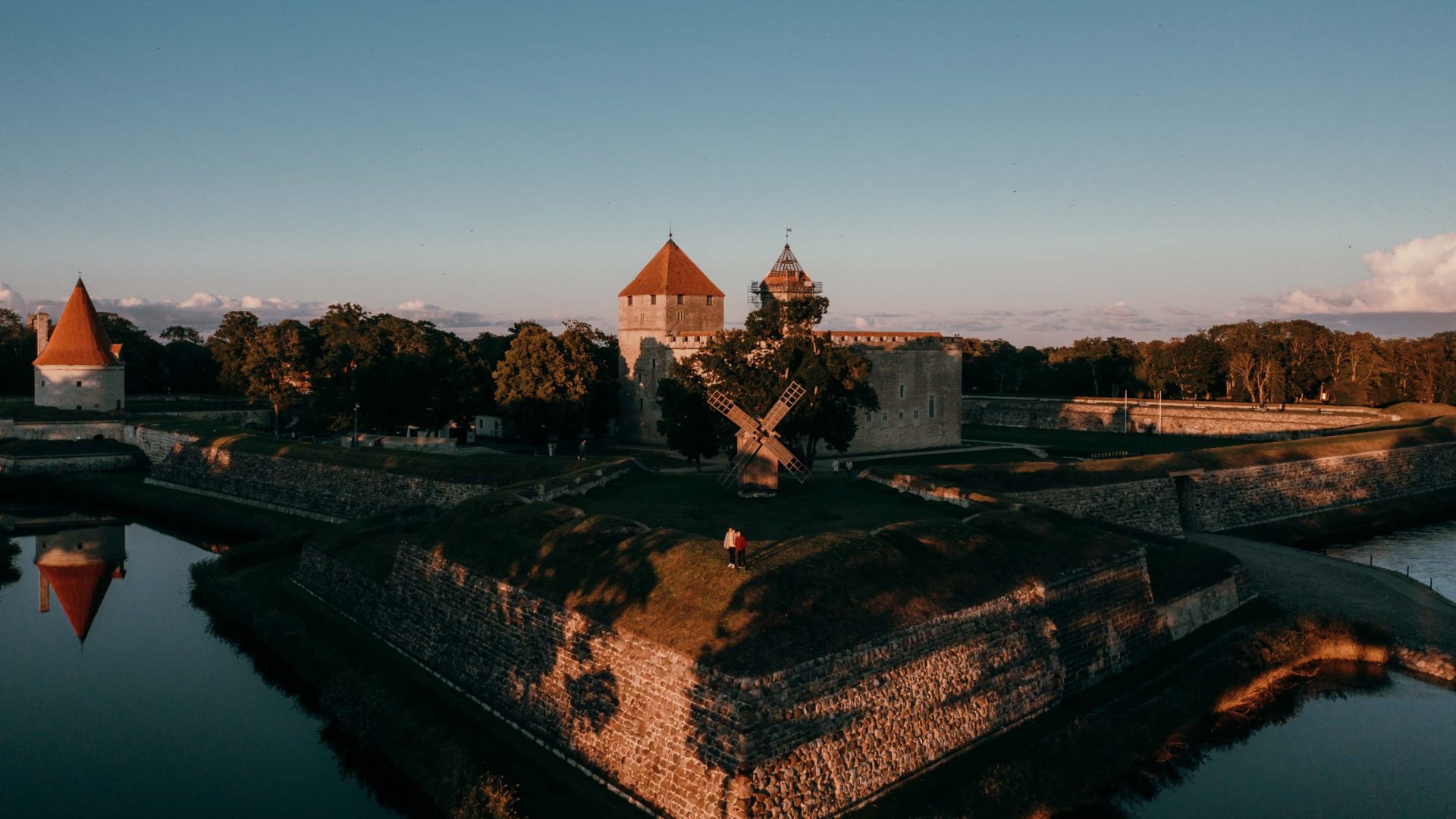
The Sõrvemaa Heritage Society’s efforts exemplify a broader cultural revival. Lepik and a group of twelve other women recently released "Siiruviiruline," the first music album featuring these rediscovered songs from Saaremaa, performed in the local dialect. This project was the culmination of fifteen years of dedicated research and practice, studying and learning old Runo songs. Runo songs, or regilaul, are an ancient form of Estonian folk song, characterized by an alliterative and quantitative verse form, often passed down orally through generations. The lyrics of these "dead songs" were painstakingly retrieved from the archives of Tartu’s Literature Museum, which houses millions of verses collected by folklorists like Jacob Hurt. Hurt, a significant figure in Estonia’s 19th-century "national awakening," began his extensive collection around 1880, recognizing the immense value of these oral traditions as pillars of national identity. Lepik emphasizes, "The most valuable thing in Estonia are these songs. Every region has its own."
The Power of Song: Estonia’s Enduring Revolution
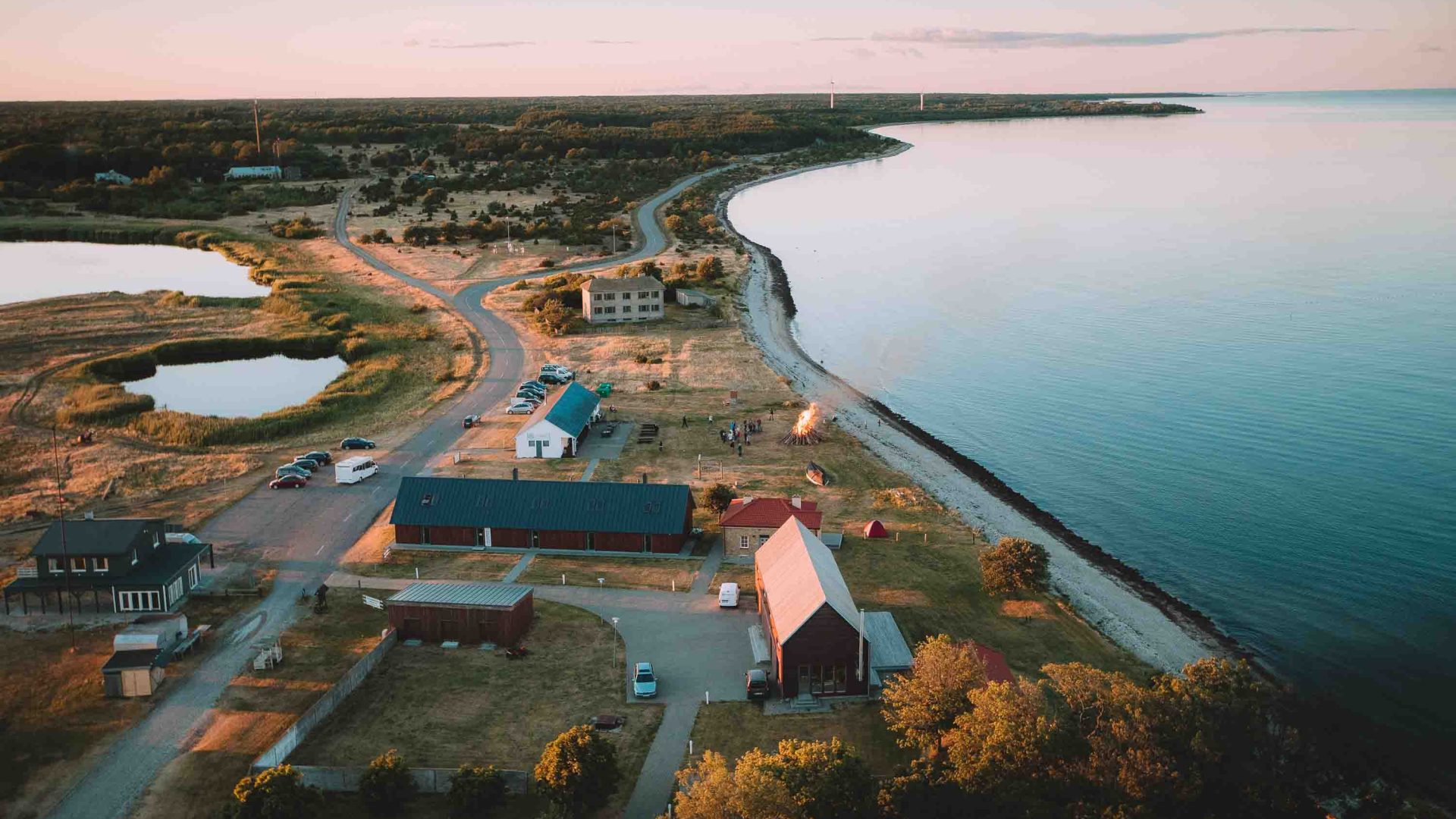
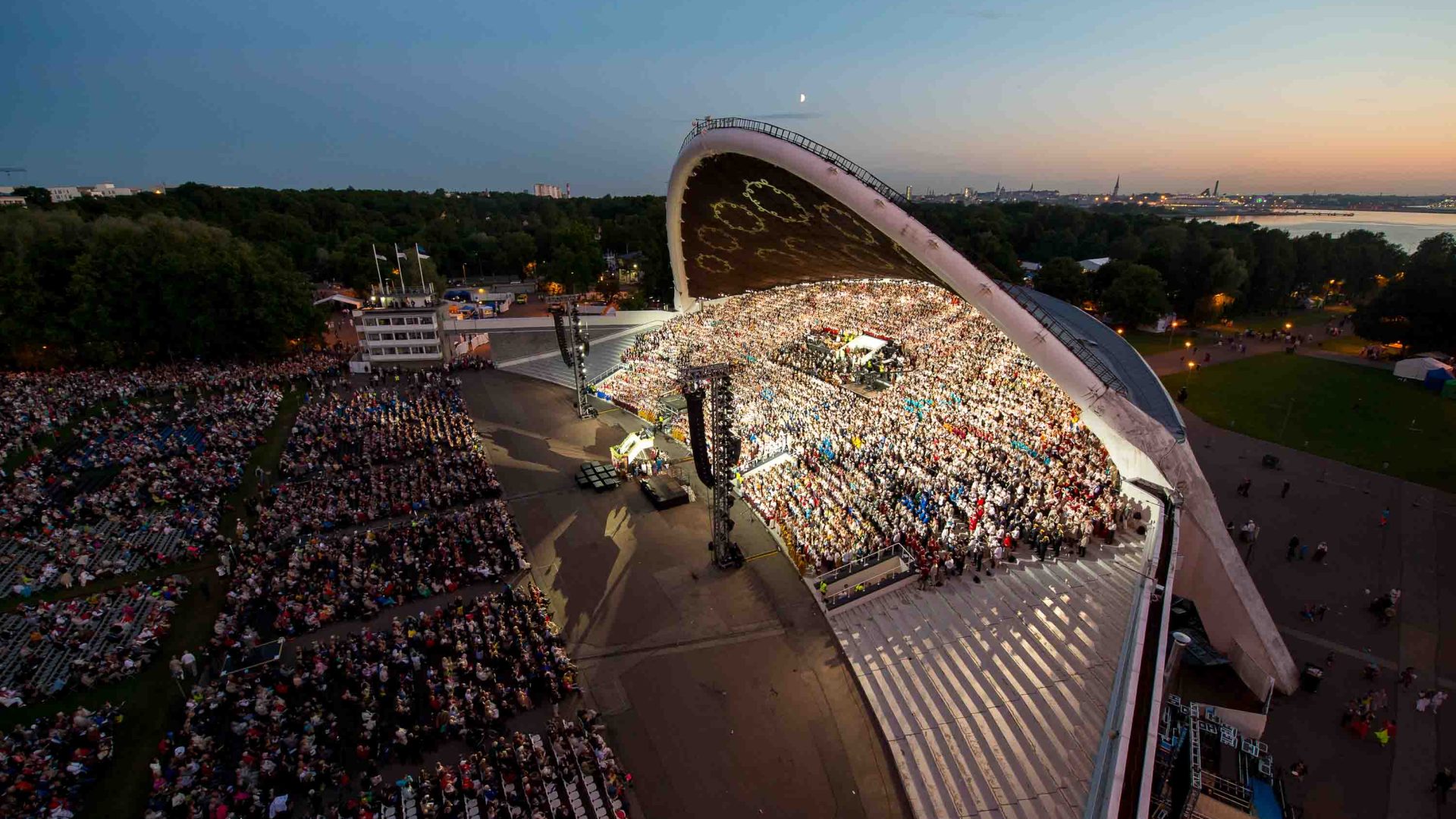
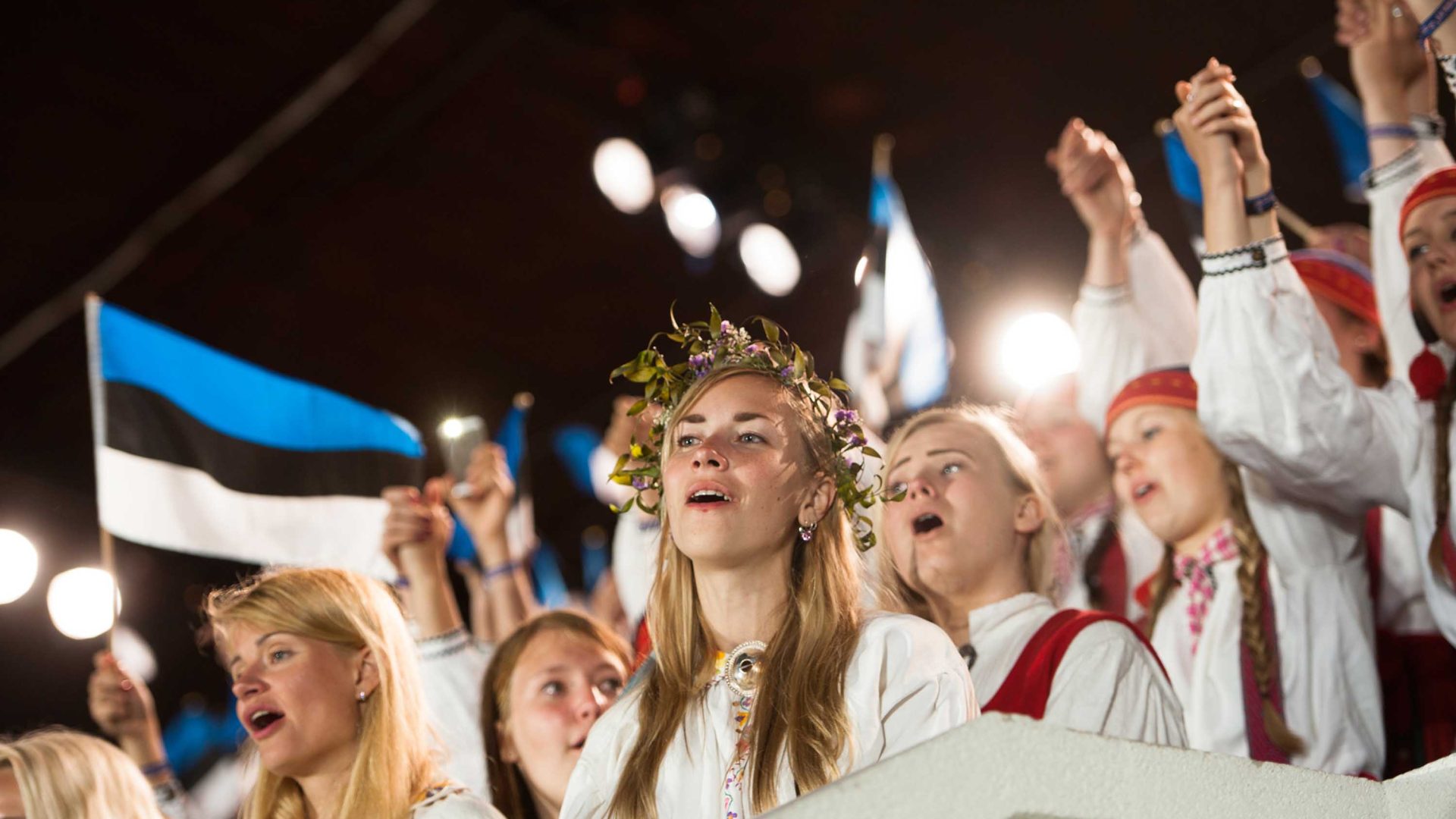
The profound importance of music in contemporary Estonian culture cannot be overstated, particularly since the "Singing Revolution" of 1988-1991. This remarkable period of non-violent resistance saw hundreds of thousands of Estonians gather publicly to sing national hymns and patriotic songs, using the collective power of music to defy Soviet rule and ultimately regain independence. These mass demonstrations, held in places like the Tallinn Song Festival Grounds, were powerful assertions of national identity and a refusal to be silenced.
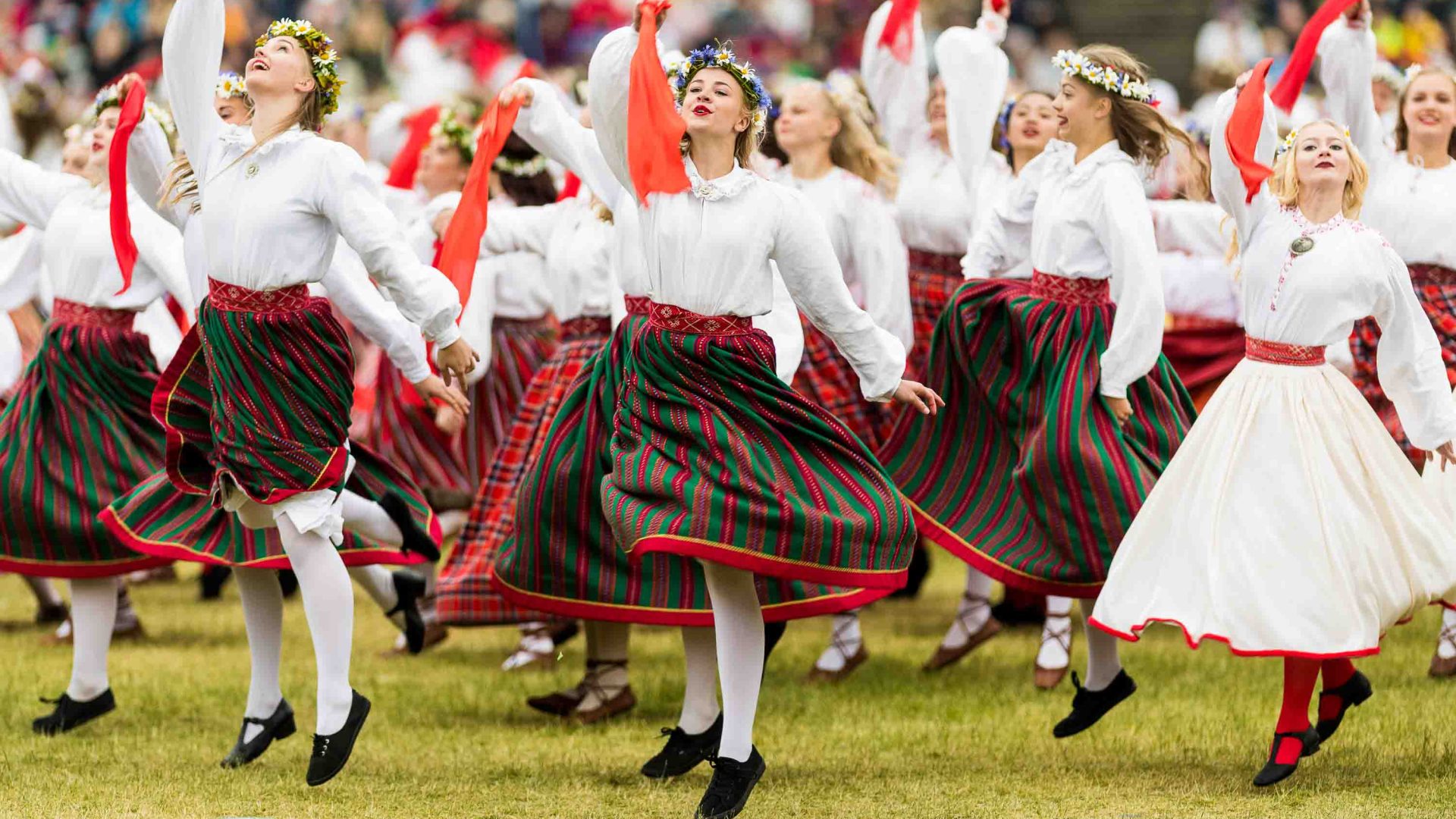
Today, the legacy of the Singing Revolution endures in the Estonian Song Festival, one of the world’s largest choral music events. Every five years, tens of thousands of singers from all corners of the country converge in Tallinn to perform together, a vibrant reaffirmation of national unity and cultural heritage. The festival, which traces its roots back to 1869, embodies the spirit of collective memory and the enduring power of music to unite a people. The next festival, scheduled for 2025, is anticipated to draw even larger crowds, showcasing the continued vitality of this cherished tradition.
The idea that orally transmitted stories and songs could become instruments for preserving a community’s identity is deeply ingrained in Saaremaa’s history, stretching back millennia to a catastrophic cosmic event: the Kaali Crater.
Cosmic Impact and Mythical Roots: The Kaali Crater
The Kaali Crater, located in the eerily quiet interior of Saaremaa, is one of Europe’s most unique natural wonders. A narrow, dusty path leads down to a murky lake, the largest of nine craters formed approximately 7,500 years ago by the impact of a meteorite. This event, estimated to have unleashed energy comparable to a tactical nuclear weapon, left an indelible mark on the island, not only physically but also culturally. Archaeological findings, including animal bones believed to be linked to sacrificial ceremonies, suggest the crater lake was considered sacred by ancient inhabitants.
The profound impact of the meteorite is believed to have woven itself into the fabric of oral traditions, eventually forming a cornerstone of Finno-Ugric mythology. Former Estonian president Lennart Meri explored this connection in his 1978 speculative history book, "Silverwhite" (Hõbevalge), which saw its first English translation released in 2025. Meri theorized that the spectacular collision of the "fallen sun" (as the inflamed meteorite might have been perceived) was so immense that its sight could have reached across the Baltic Sea, influencing mythologies recounted in the Finnish national epic, the Kalevala, and the Estonian national epic, the Kalevipoeg. While "Silverwhite" may lack the definitive "cold proofs" of carbon dating, it served as a powerful cultural manifesto during the Soviet era. At a time when Estonian identity faced systematic erasure, Meri’s work provided a compelling narrative that reframed Estonia not as a peripheral territory of the USSR but as a central protagonist in northern Europe’s ancient history, leveraging the mythologizing power of collective memory to assert national pride.
A Kingdom Born of Bureaucracy: The Tale of Torgu
Ironically, as Estonia embarked on the crucial process of nation-building after the collapse of the USSR in 1991, not all voices within Saaremaa were equally represented. This oversight led to the curious birth of the "Kingdom of Torgu" at the westernmost edge of the island. Following the restoration of independence, the new Estonian government initiated administrative reforms to define the territories of the newly free country. In a bureaucratic lapse, the remote parish of Torgu, a territory spanning 54 square miles (140 square kilometers), was inadvertently omitted from the new administrative map. Torgu, for a brief period, became technically stateless.
This administrative error, though quickly rectified, was not swift enough to prevent the spirited residents of Torgu from taking matters into their own hands. In a symbolic act of self-determination and wry humor, they elected their own king, local policeman Kirill Teiter, who became known as King Kirill I. The "kingdom" even issued its own currency, famously tied to the price of half a liter of Viru Valge vodka. Kirill I reigned until his passing, and in August 2022, his son, Kristian I, ascended to the symbolic throne. The 35-year-old joke, echoing from the Sõrve Lighthouse to the farthest corners of the peninsula, carries a profound local truth. In a land historically subjected to the whims of Teutonic Knights, Swedish kings, Tsarist emperors, and Stalinist commissars, the message is clear: if a community does not assert its own identity and claim its place, someone else will inevitably define it. The black-and-white Sõrve Lighthouse, a 52-meter (171-foot) cylindrical concrete tower rebuilt in 1960 after its predecessor was destroyed in WWII, stands as a silent monument to this enduring spirit of independence.
Implications and Future Outlook
The West Estonian Archipelago serves as a microcosm of Estonia’s broader struggle for identity and self-determination. The islands’ geological dynamism, from post-glacial rebound to meteorite impacts, parallels the resilience of its people in the face of historical traumas. The dedicated efforts of individuals like Mari Lepik and the Sõrvemaa Heritage Society underscore the critical importance of preserving microcultures, ensuring that the unique tapestry of local dialects, songs, and customs continues to enrich the national narrative. This grassroots cultural revival, bolstered by national institutions like the Estonian Song Festival, demonstrates how historical memory and artistic expression can serve as powerful bulwarks against assimilation and historical revisionism.
The symbolic "Kingdom of Torgu" exemplifies a defiant, yet humorous, assertion of local autonomy, a reminder that even in modern nation-states, local identities and self-governance hold significant cultural weight. As Estonia continues to navigate its path as a vibrant, independent European nation, the West Estonian Archipelago stands as a testament to the enduring power of its heritage – a land where ancient myths intertwine with modern resilience, and where every rising coastline and rediscovered song tells a story of survival and cultural pride. The archipelago is not just a collection of islands; it is a living archive, continuously revealing layers of history and identity to those willing to look beyond the conventional map.