Polar Expeditions and the Evolution of Arctic Tourism A Comprehensive Analysis of the 2023 Adventure Canada Season

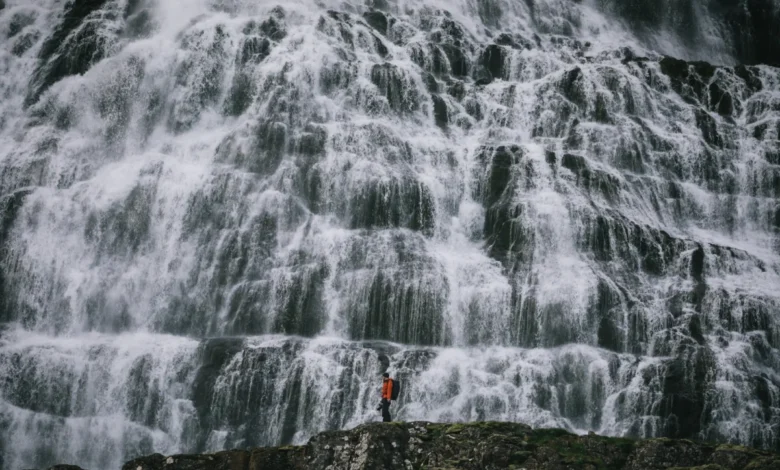
The 2023 Arctic expedition season marked a significant milestone in high-latitude maritime travel, characterized by a shift toward deeper cultural integration, citizen science, and the observation of unprecedented environmental phenomena. Central to this season was the deployment of the Ocean Endeavour, an ice-class expedition vessel that traversed a multi-month route encompassing the northern Scottish Isles, the Faroe Islands, Iceland, Greenland, and the Canadian Arctic. This expansive itinerary provided researchers, educators, and expedition teams with a unique longitudinal perspective on the current state of the North Atlantic and Arctic ecosystems. As the tourism industry moves away from traditional "sightseeing" toward "experiential education," the 2023 season highlighted the complexities of operating in remote regions where climate change and Indigenous sovereignty are reshaping the narrative of exploration.
Chronological Overview of the 2023 Expedition Route
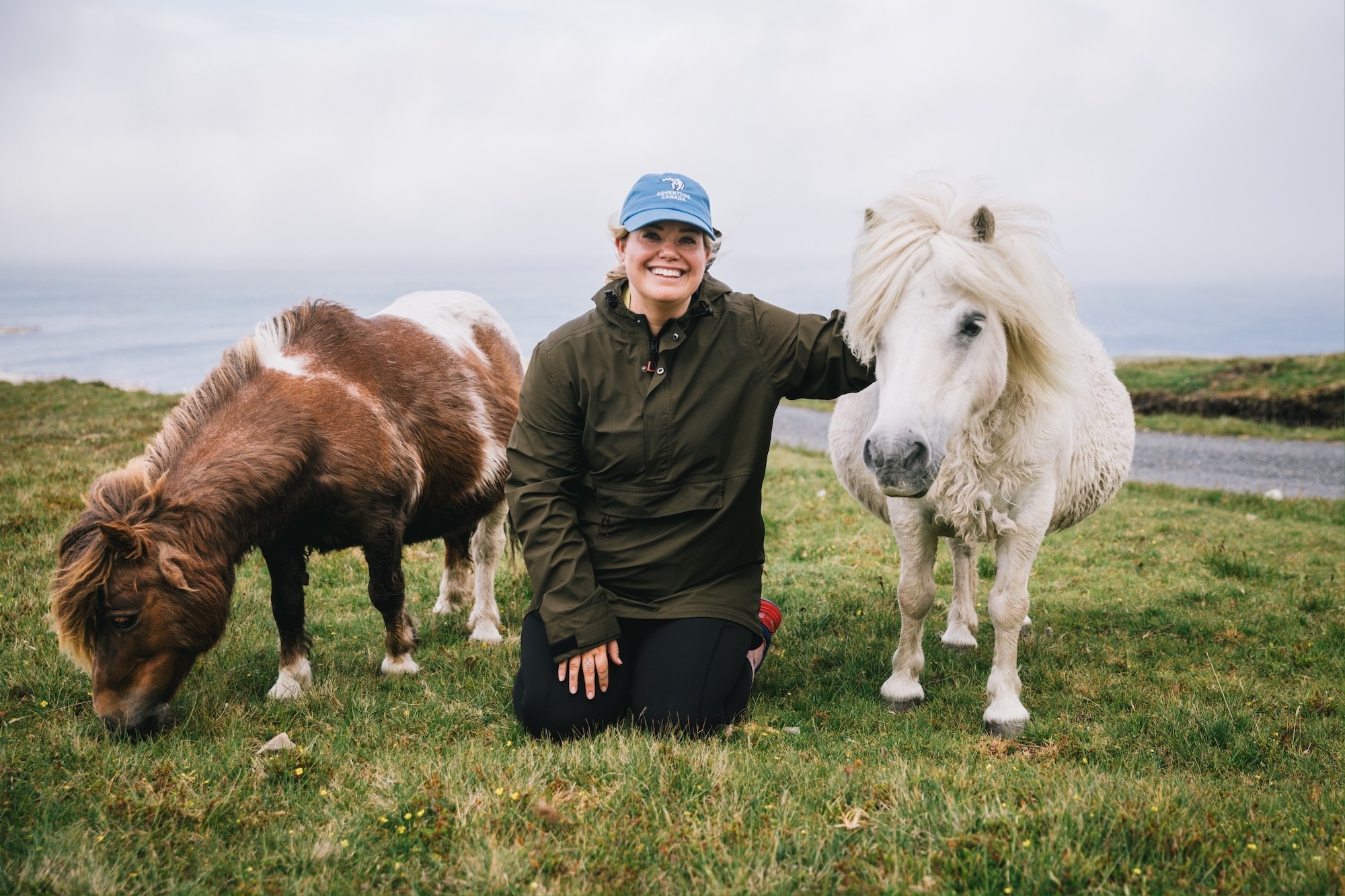
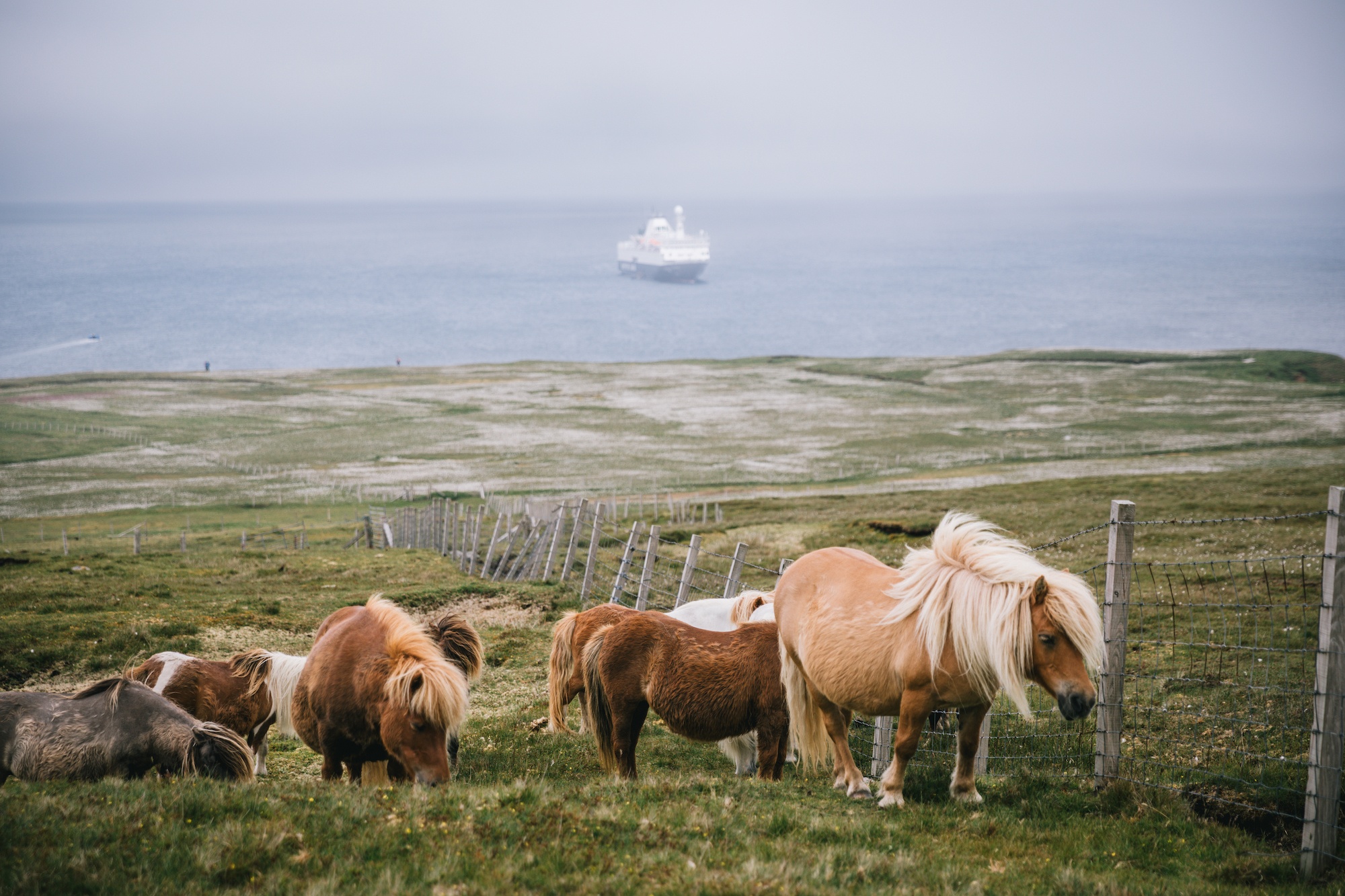
The expedition cycle commenced in the late spring with a focus on the North Atlantic islands. The journey began with the "Scotland Slowly" itinerary, which utilized the Ocean Endeavour’s maneuverability to access the more isolated regions of the Shetland Islands. A primary focal point was the island of Foula, situated approximately 20 miles west of the main Shetland archipelago. Known for its extreme isolation and dramatic bird cliffs, Foula serves as a critical habitat for the Shetland pony, a breed that has remained genetically distinct due to the island’s restricted access.
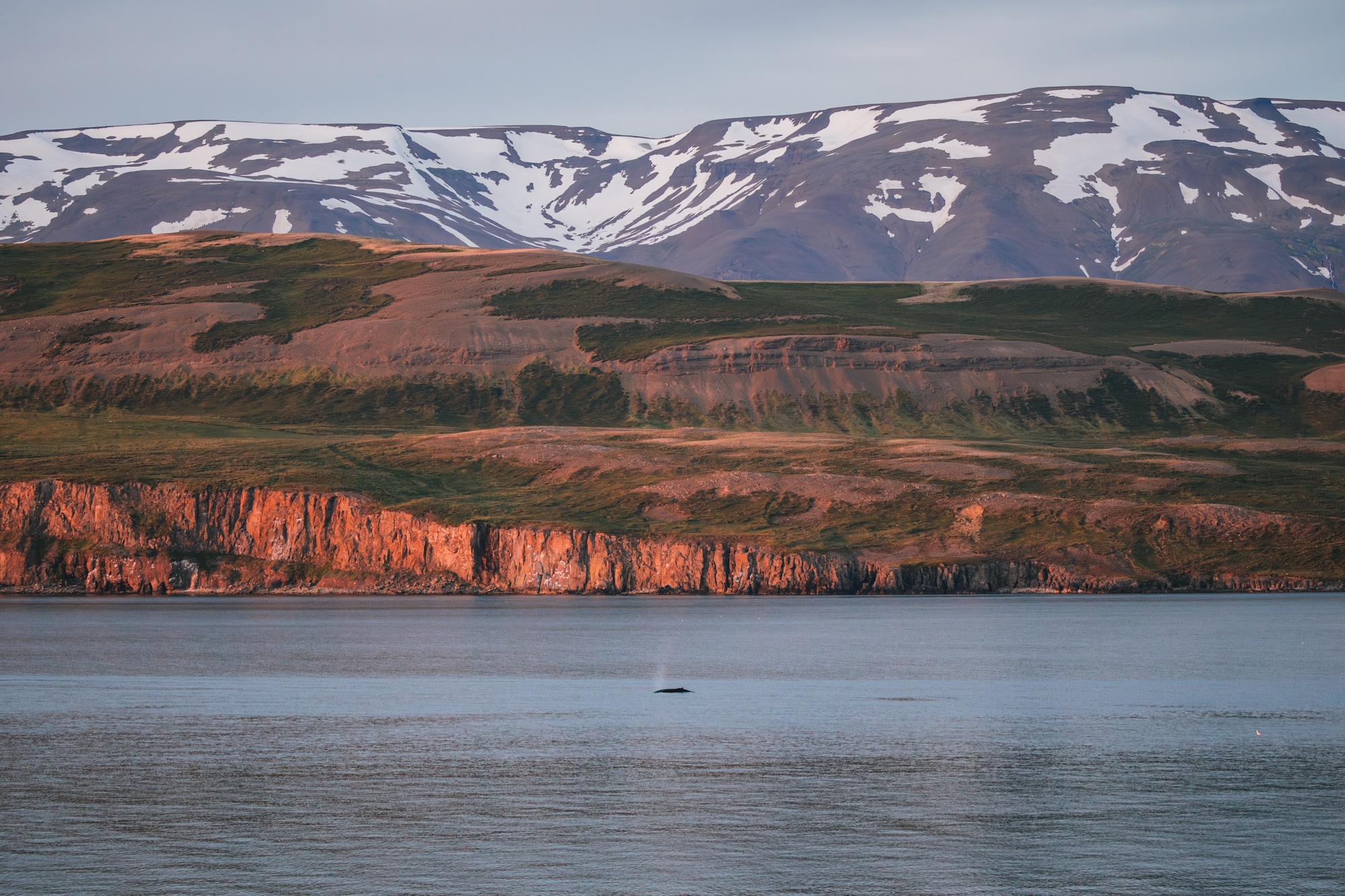
Following the Scottish leg, the vessel transitioned to the Faroe Islands and Iceland, where the focus shifted to ornithology and volcanic geology. By mid-summer, the expedition moved into the high Arctic, crossing the Denmark Strait to reach East Greenland. This region, characterized by its sparse human population and dense sea ice, provided a stark contrast to the verdant landscapes of the North Atlantic. The season concluded in the Canadian Arctic, navigating the Northwest Passage and the Labrador coast, finishing in the Torngat Mountains National Park during the onset of the autumn transition in September.
Biological Observations and Wildlife Dynamics
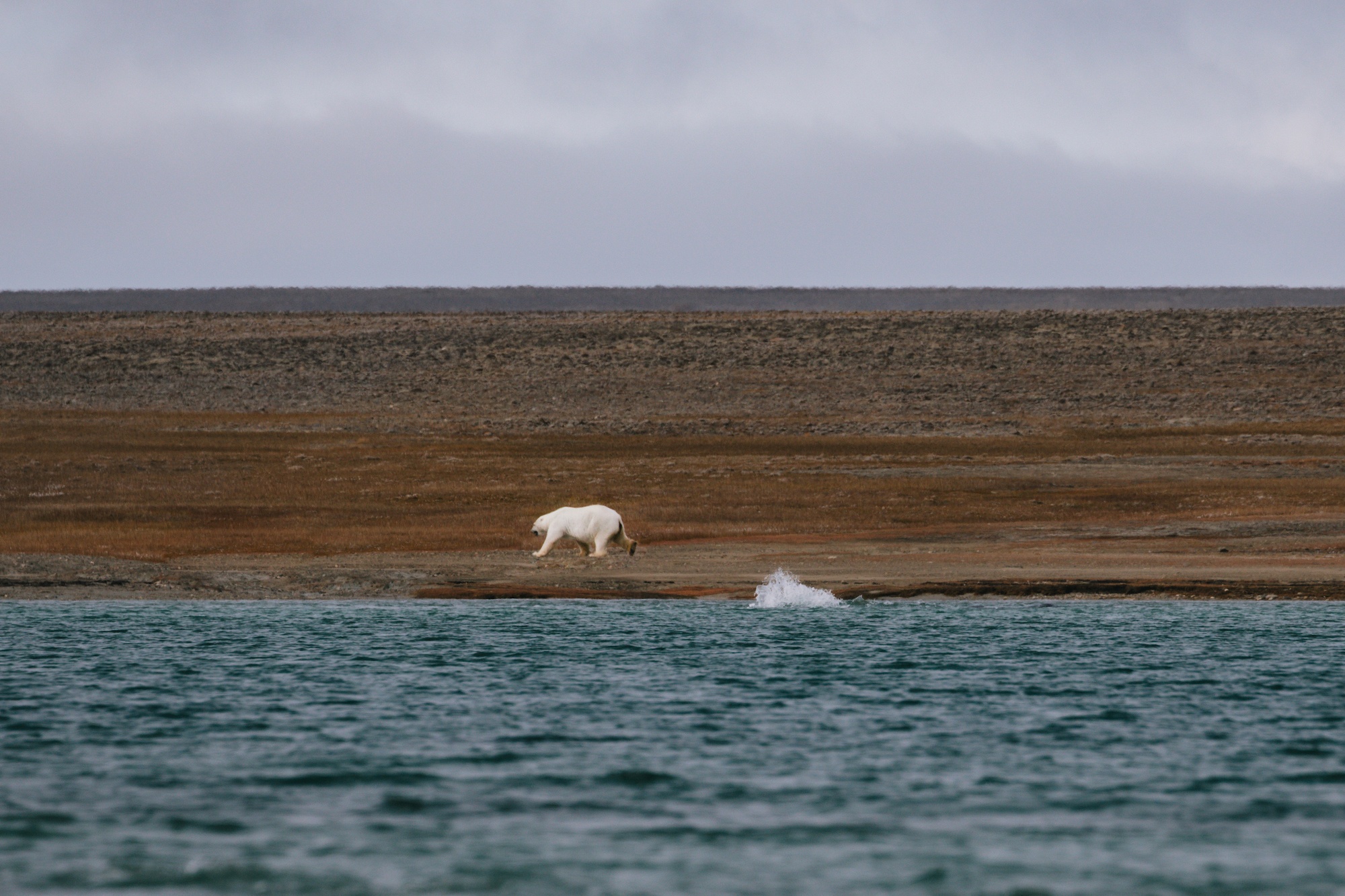
One of the most significant biological events recorded during the 2023 season occurred in Coningham Bay, located along the Northwest Passage. Expedition teams observed a rare and concentrated interaction between polar bears (Ursus maritimus) and beluga whales (Delphinapterus leucas). Coningham Bay is a shallow, restricted inlet where beluga whales frequently congregate to rub against the limestone shallows to facilitate the molting of their skin.
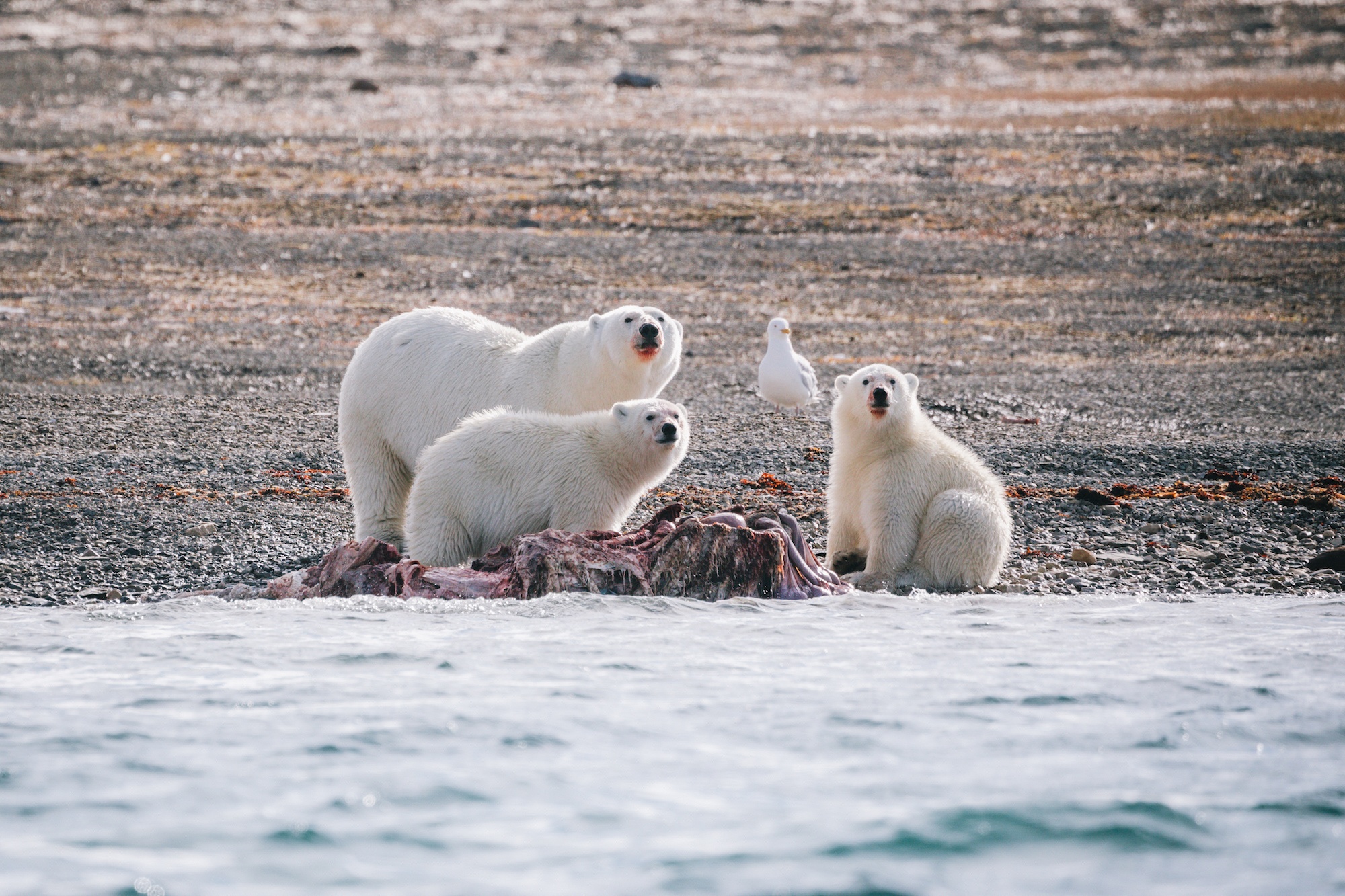
During low tide, these whales often become temporarily trapped in the shallow waters, making them vulnerable to predation. In September 2023, the expedition recorded over a dozen polar bears, including females with cubs, scavenging on beluga carcasses. This event is a critical indicator of the opportunistic feeding strategies polar bears must employ as their traditional hunting platforms—stable sea ice—continue to decline. According to data from the World Wildlife Fund (WWF), the Arctic is warming nearly four times faster than the global average, leading to a 13% decline in sea ice extent per decade. Such terrestrial feeding events are becoming increasingly documented as bears are forced to remain on land for longer durations.
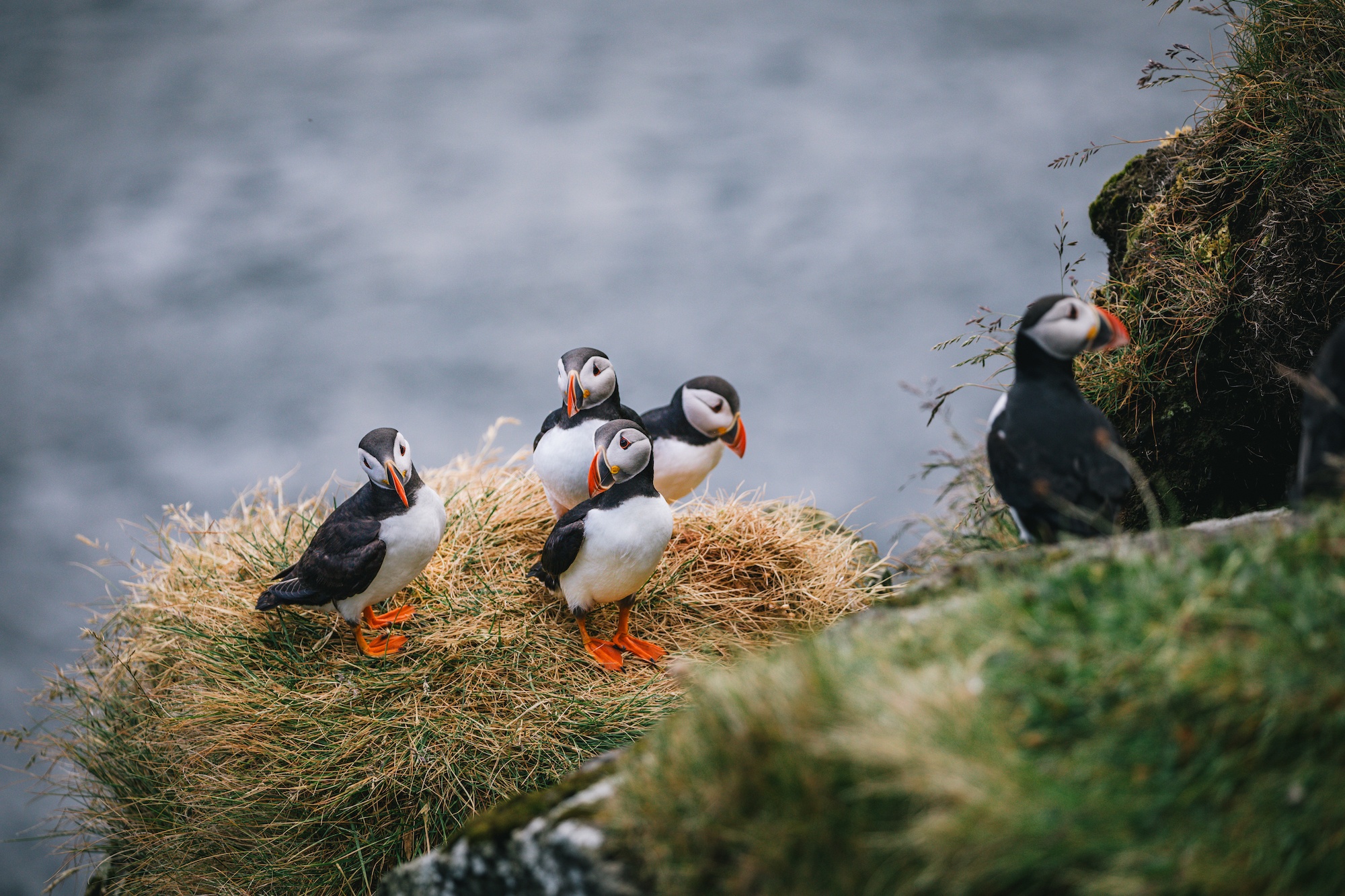
Furthermore, the expedition provided extensive opportunities for the study of Atlantic puffins (Fratercula arctica) in the Faroe Islands and Iceland. While these populations remain a staple of Arctic tourism, scientists have raised concerns regarding their long-term viability due to shifts in sand eel populations, their primary food source, caused by rising sea temperatures.
Environmental Anomalies and the Impact of the 2023 Wildfire Season
The 2023 season was overshadowed by the most catastrophic wildfire year in Canadian history. By the end of the summer, over 18.5 million hectares of land had burned across Canada, surpassing the previous record set in 1989. The environmental impact of these fires extended far beyond the Canadian mainland, affecting atmospheric conditions across the North Atlantic.
Expedition members in East Greenland reported persistent haze and unusually vibrant, "misty" sunsets, a direct result of particulate matter and smoke being carried across the Davis Strait by prevailing winds. This phenomenon, while visually striking, served as a grim reminder of the interconnectedness of the global climate system. The presence of wildfire smoke in the Arctic is particularly concerning for glaciologists, as the deposition of "black carbon" (soot) on ice sheets reduces the albedo effect—the ability of ice to reflect sunlight—thereby accelerating melting.
Cultural Sovereignty and Indigenous-Led Tourism
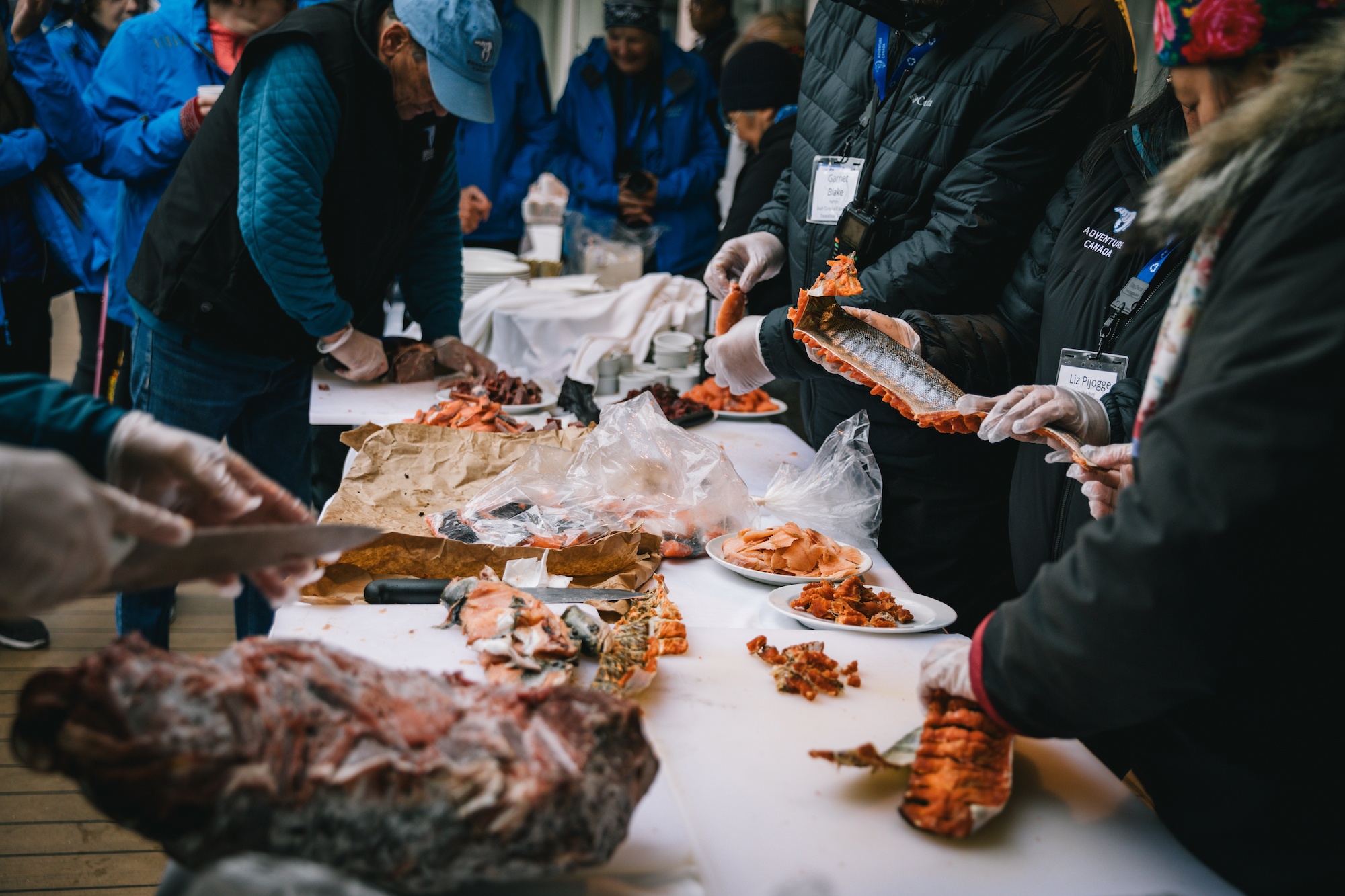
A pivotal shift in the 2023 Arctic season was the emphasis on "Inuit-led" tourism. Adventure Canada and other expedition operators have increasingly integrated Inuit cultural educators and guides into their core leadership teams. This movement aligns with the broader goals of the Truth and Reconciliation Commission of Canada (TRC), aiming to ensure that tourism in the North provides economic benefits to Indigenous communities while respecting their land and history.
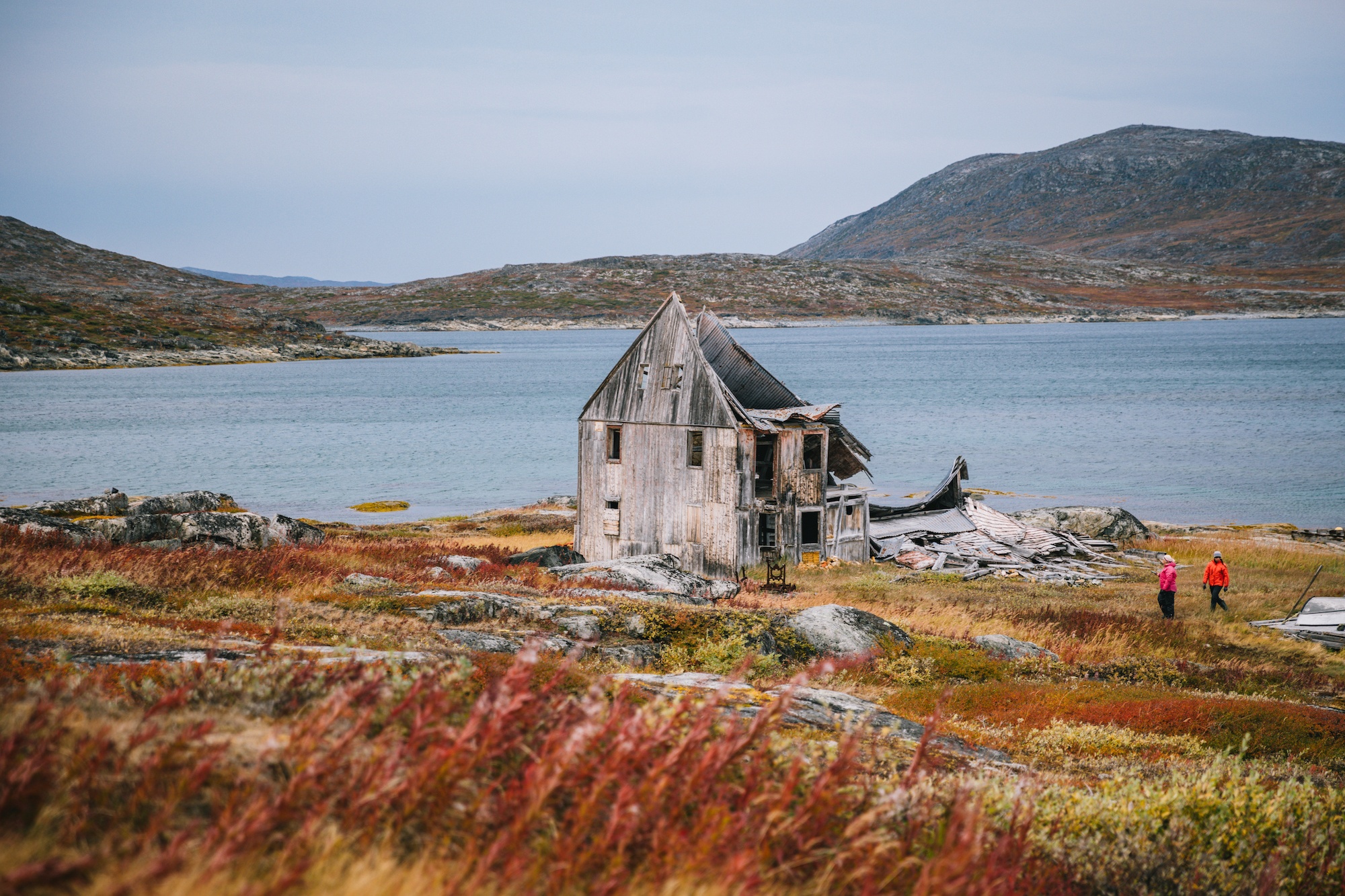
The expedition visited several abandoned communities in the Canadian Arctic where Inuit residents were historically subjected to forced relocations by the federal government during the mid-20th century. Having Inuk guides present to narrate these histories provided a layer of authenticity and gravity that traditional tourism often lacks. This approach transforms the Arctic from a "wilderness" into a "homeland," challenging the colonial narrative of the North as an empty space waiting to be discovered.
The season also highlighted the importance of the Torngat Mountains National Park in Labrador. As an Inuit-owned and operated park, the Torngats represent a model for future Arctic conservation. The park is highly protected, with no road access, ensuring that the ecological integrity of the Inuit homeland remains intact while allowing for controlled, educational tourism.
Technical Milestones in Maritime Exploration
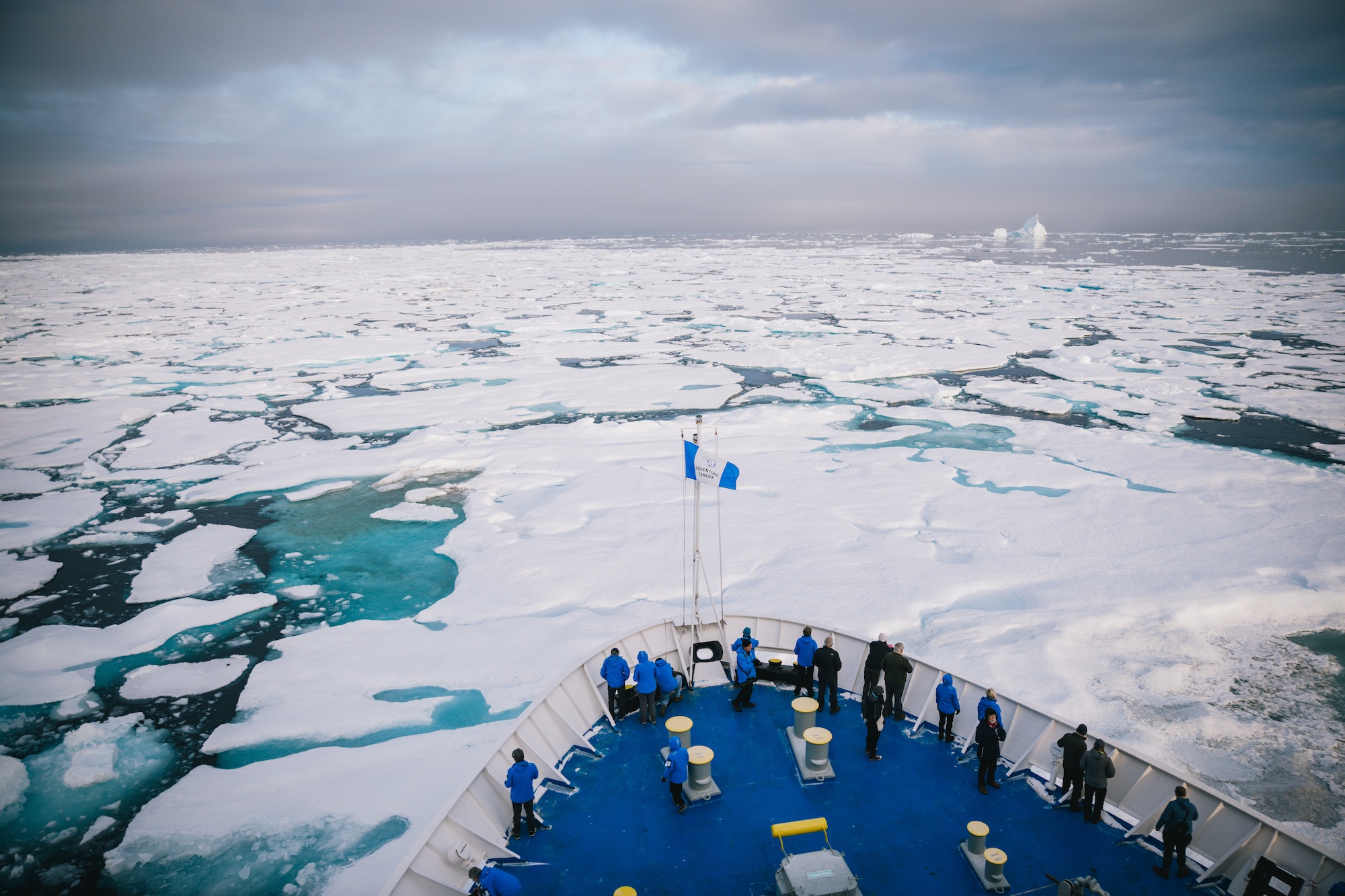
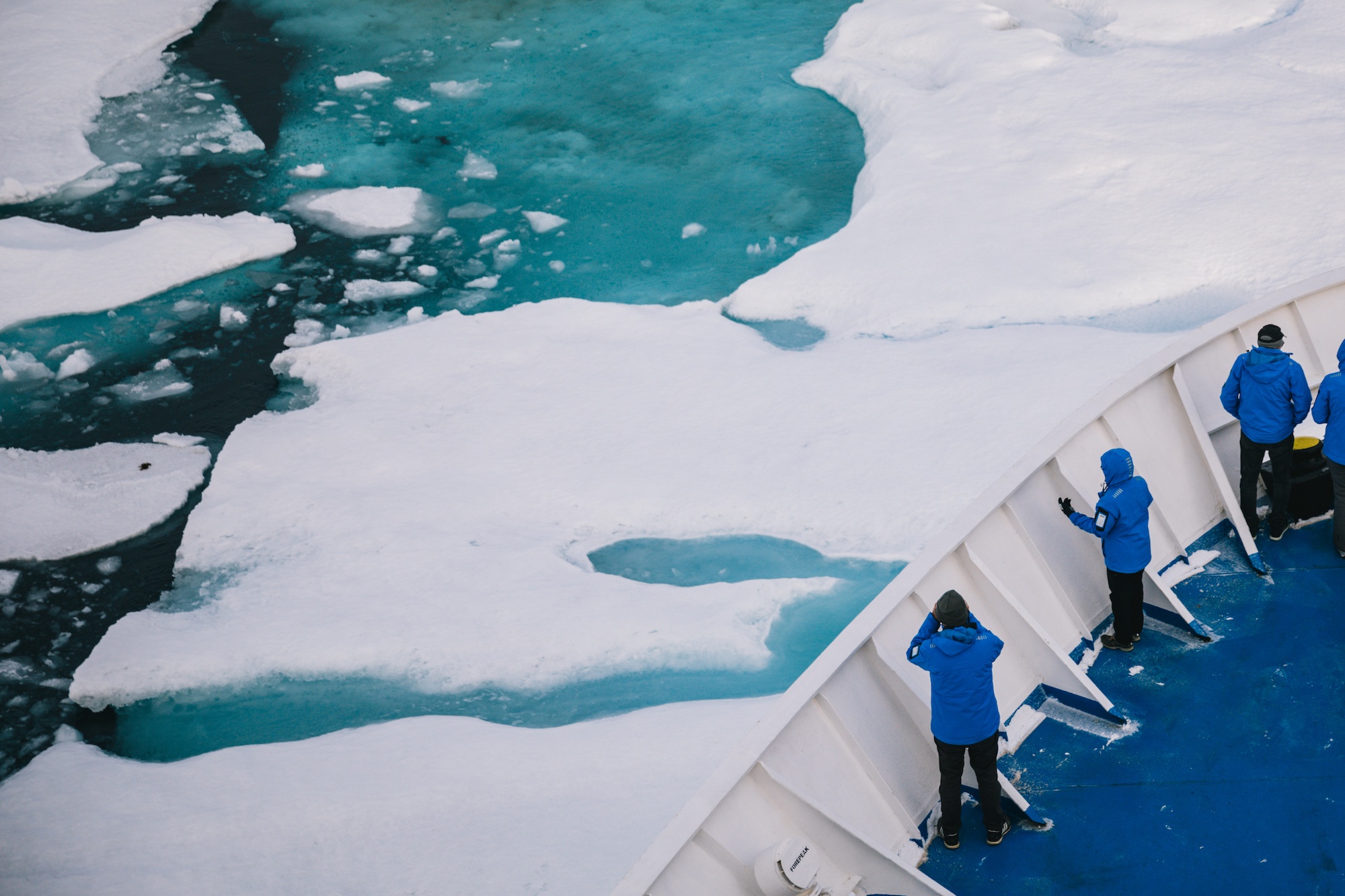
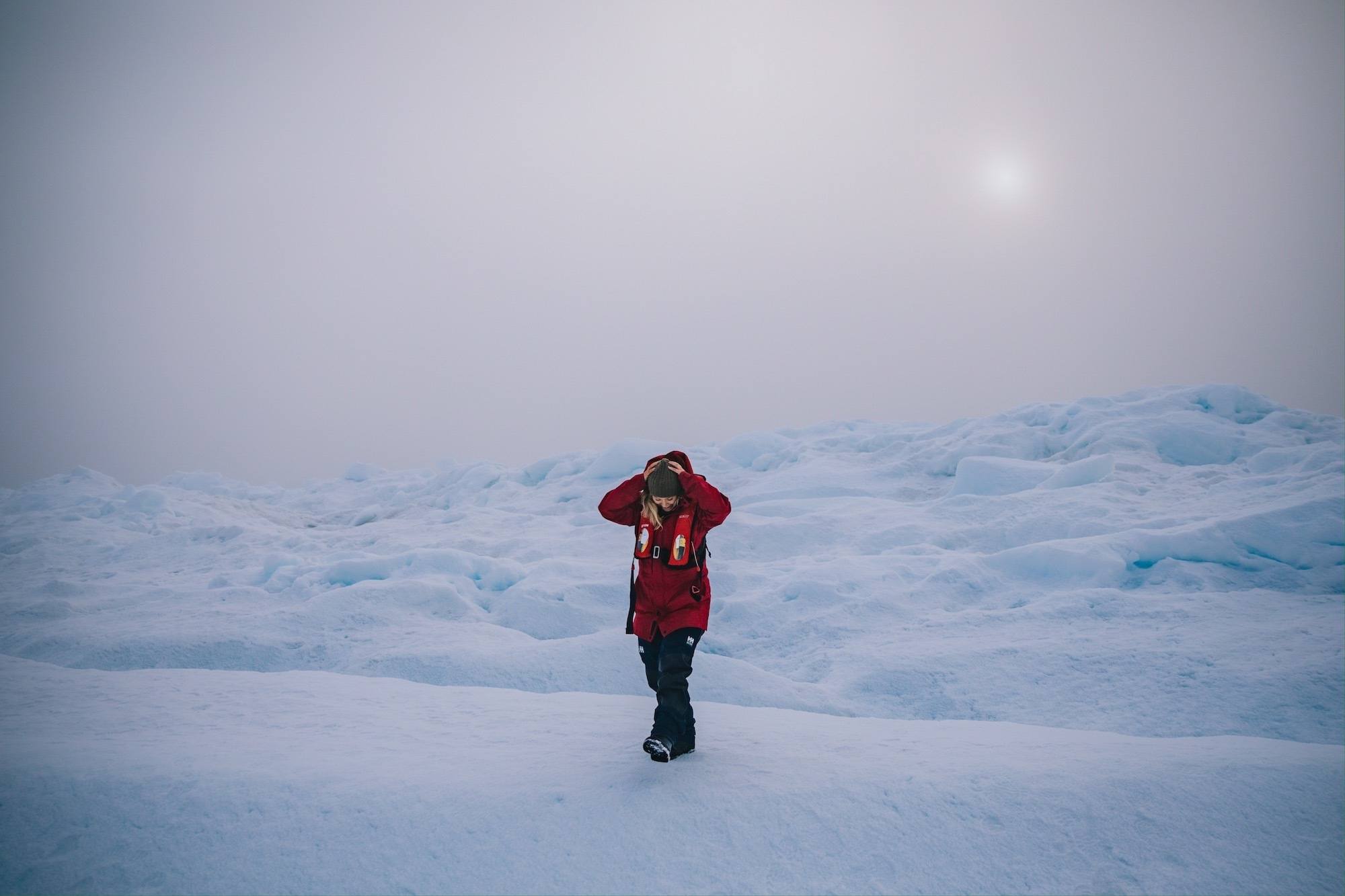
Navigating the Arctic requires specialized equipment and expertise. The Ocean Endeavour, with its 1B ice class rating, was essential for the 2023 operations, particularly in Baffin Bay. The season saw a rare "ice landing," where the vessel nudged into stable, thick sea ice, allowing passengers and staff to disembark directly onto the frozen surface.
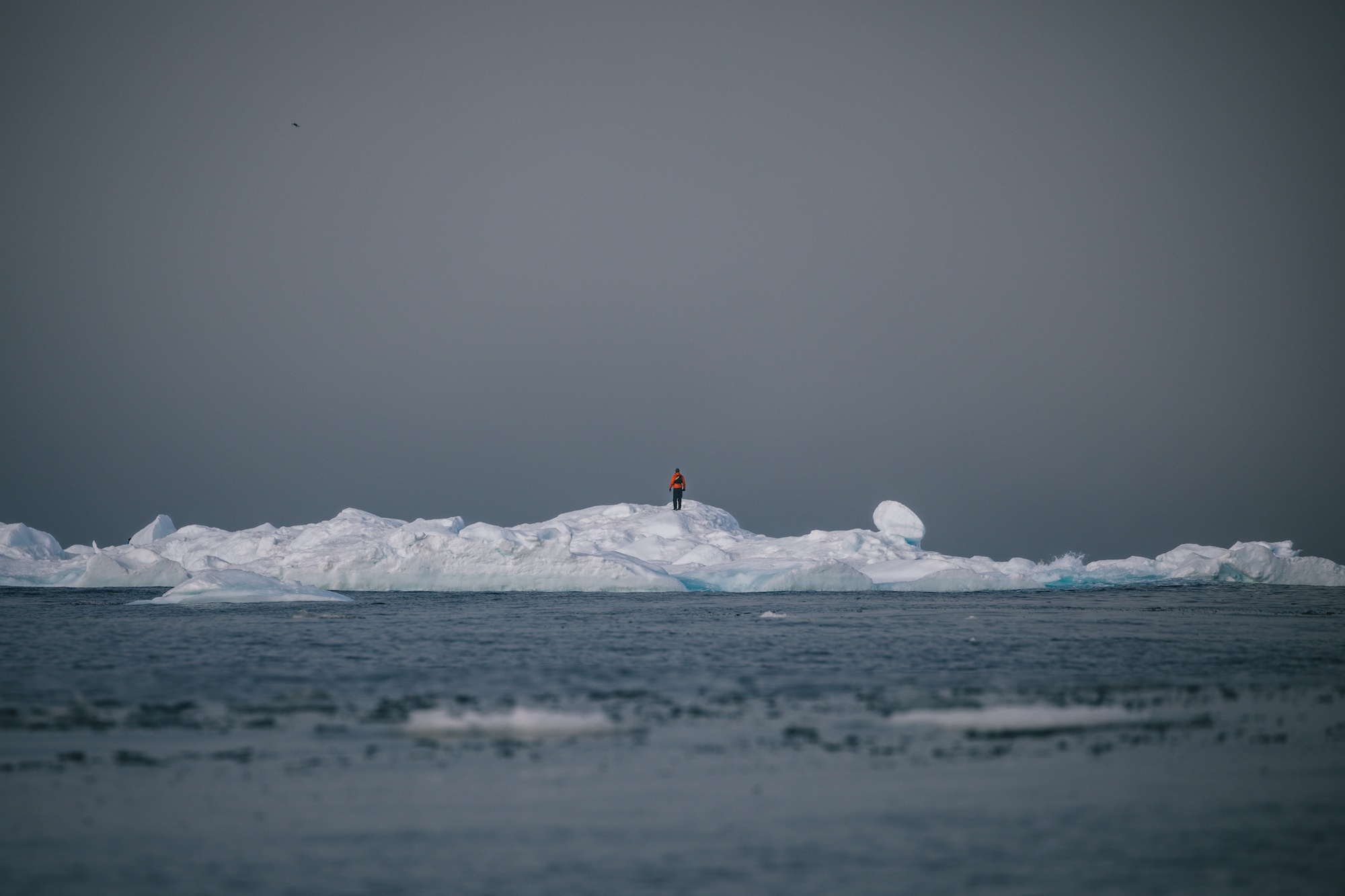
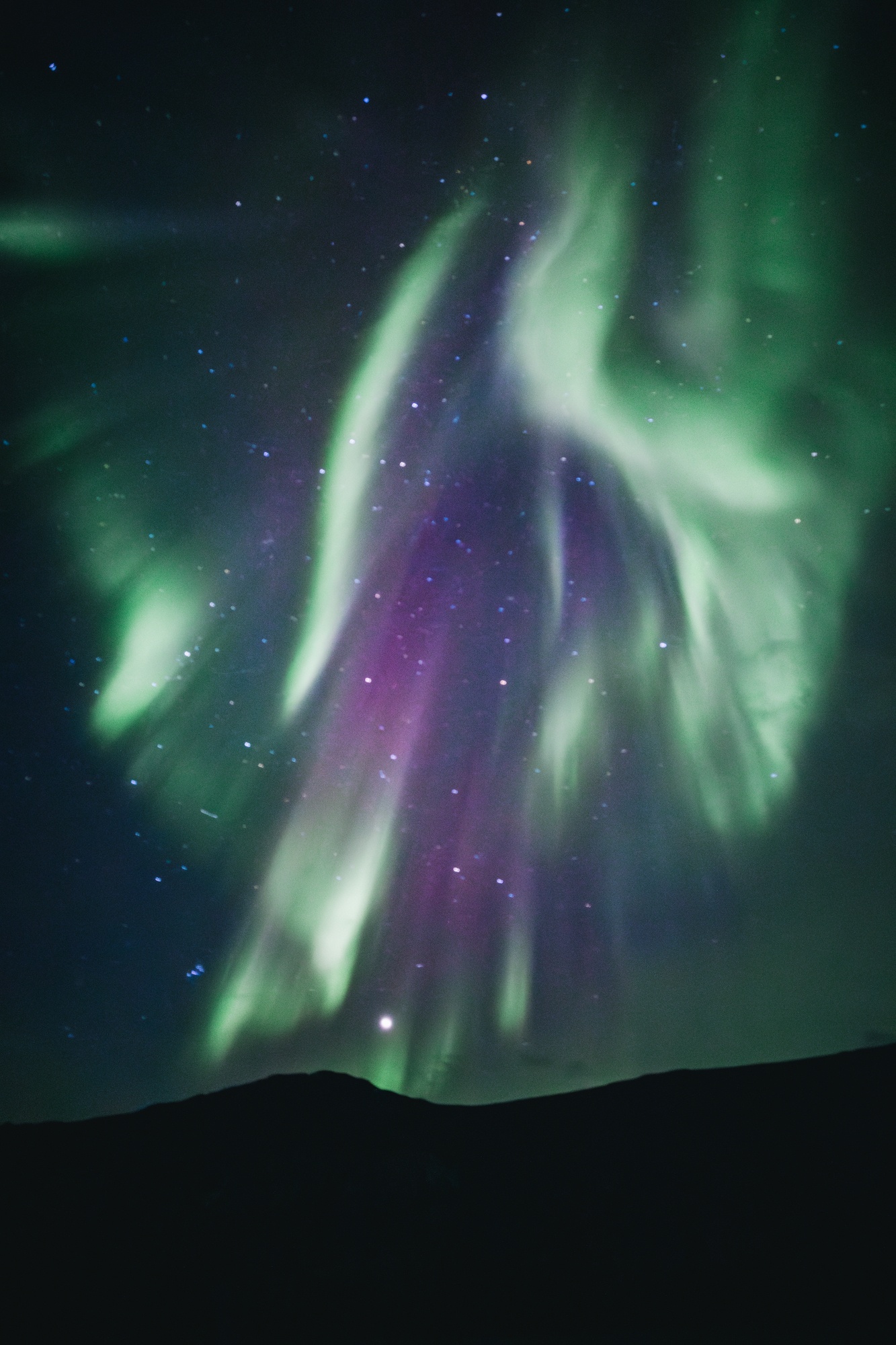
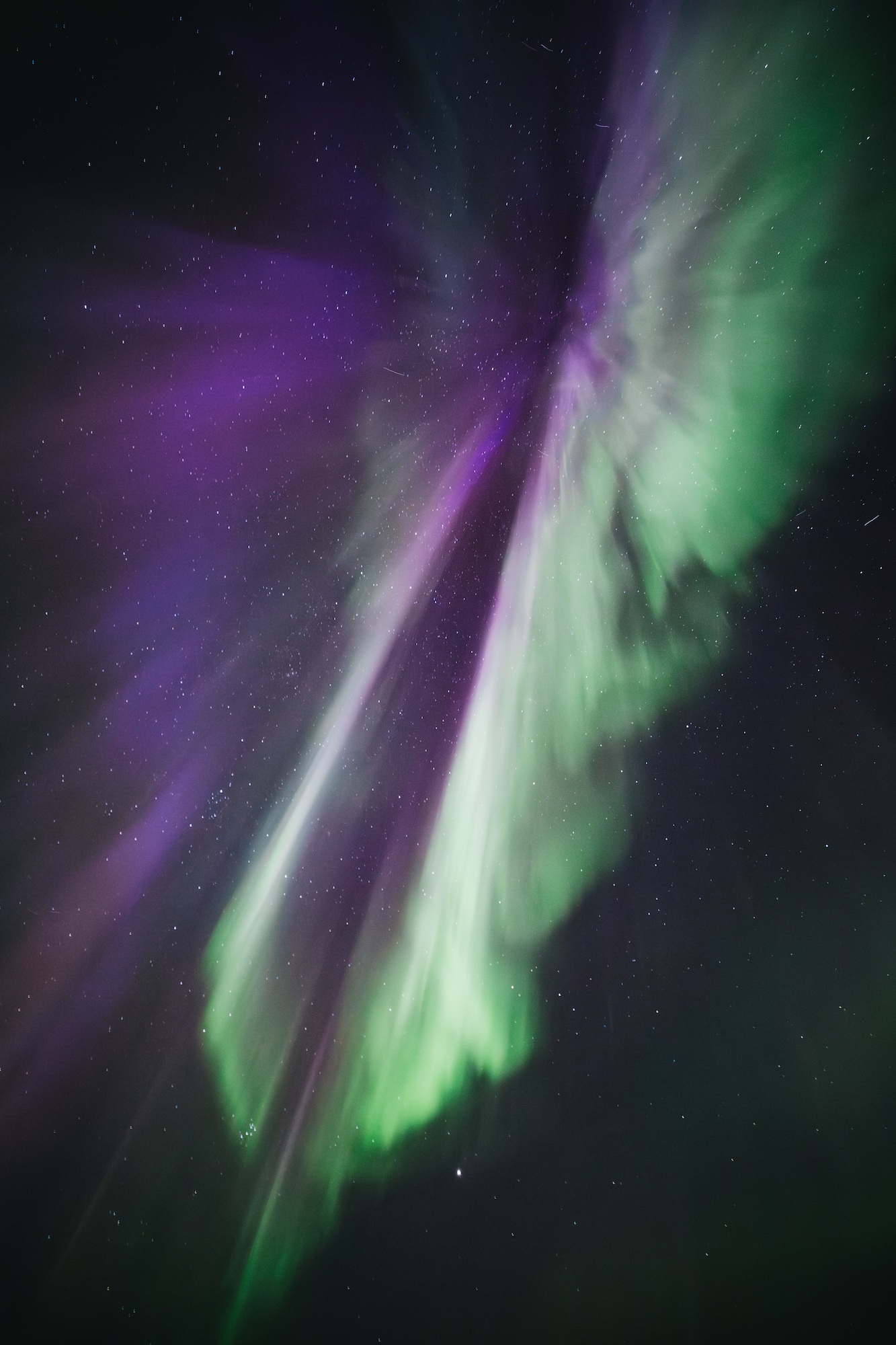
Such operations require rigorous safety protocols and an understanding of ice morphology. Ice must be tested for thickness and stability to ensure it can support the weight of a group. These landings provide a platform for educators to discuss the different types of ice—multi-year ice versus first-year ice—and the role each plays in the Arctic ecosystem. The 2023 season benefited from a "Solar Maximum" phase in the solar cycle, which resulted in highly active Aurora Borealis displays during the September voyages along the Greenlandic and Canadian coasts, providing additional data points for atmospheric studies.
The Intersection of Literature, Conservation, and Science
The 2023 season also saw the participation of prominent figures in conservation and the arts, most notably Canadian author Margaret Atwood. A long-time advocate for Arctic preservation, Atwood’s presence underscored the role of storytelling in environmental advocacy. Her involvement highlights a growing trend where "specialized guests" on expeditions are no longer just lecturers but active participants in the conservation dialogue.
Atwood, whose work often explores the darker themes of human-nature interactions, has previously used her Arctic experiences to inform her writing, such as the short story "Stone Mattress," which is set on an Arctic expedition ship. Her participation in the 2023 season served to bridge the gap between scientific observation and cultural reflection, emphasizing that the protection of the Arctic requires both data and a narrative that resonates with the public.
Broader Impact and Future Implications
The data and observations gathered during the 2023 Arctic season contribute to a larger understanding of a region in flux. As the "Last Chance Tourism" trend grows—where travelers seek to see endangered landscapes before they disappear—the responsibility of expedition operators increases. The transition from 2023 into future seasons will likely see an even greater focus on decarbonization in maritime travel and more stringent regulations regarding wildlife distances and community engagement.
The 10 key highlights of the 2023 season—ranging from the predatory dynamics at Coningham Bay to the cultural immersion in the Torngat Mountains—demonstrate that the Arctic is not a static environment. It is a dynamic, inhabited, and deeply threatened landscape. The success of future expeditions will be measured not by the number of sights seen, but by the degree to which they contribute to the preservation of the Arctic’s ecological and cultural heritage. The 2023 season established a high benchmark for how maritime exploration can serve as a tool for global education and Indigenous empowerment.