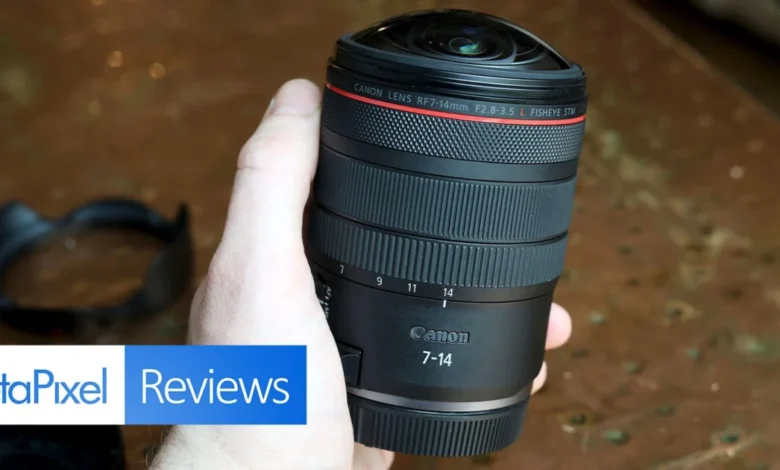
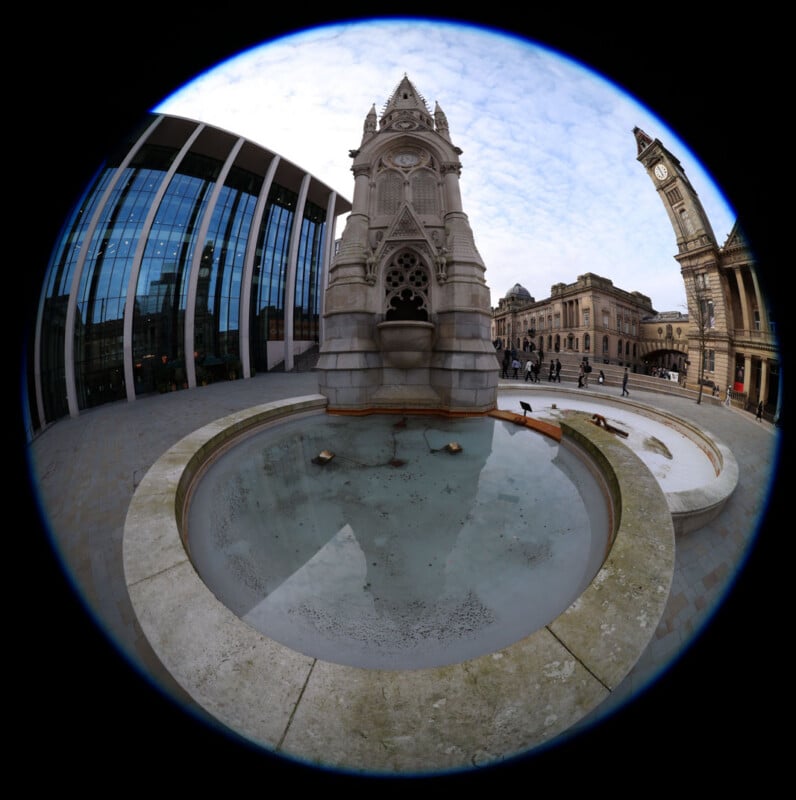
The Canon RF 7-14mm f/2.8-3.5L STM lens represents a significant advancement in ultra-wide-angle photography, pushing the boundaries of what is possible with a zoom lens. As the world’s widest-angle zoom lens, it offers a staggering 190-degree field of view, transforming the viewing experience into something akin to stepping back from the scene itself. This extreme perspective is achieved through a unique dual-focal length design, offering both a diagonal fisheye at 14mm and a circular fisheye at its widest 7mm setting.
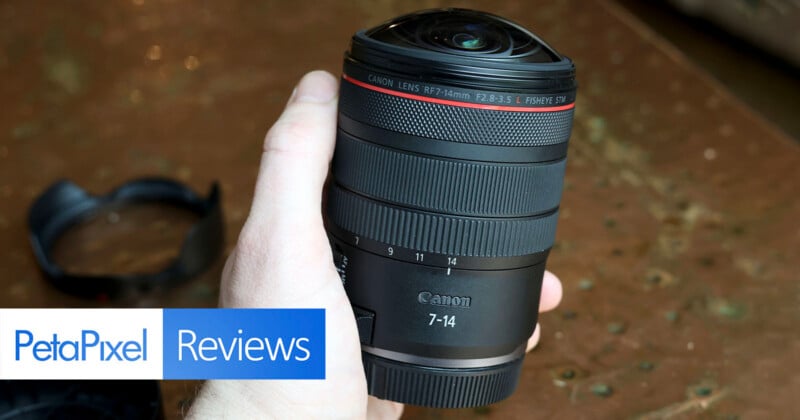
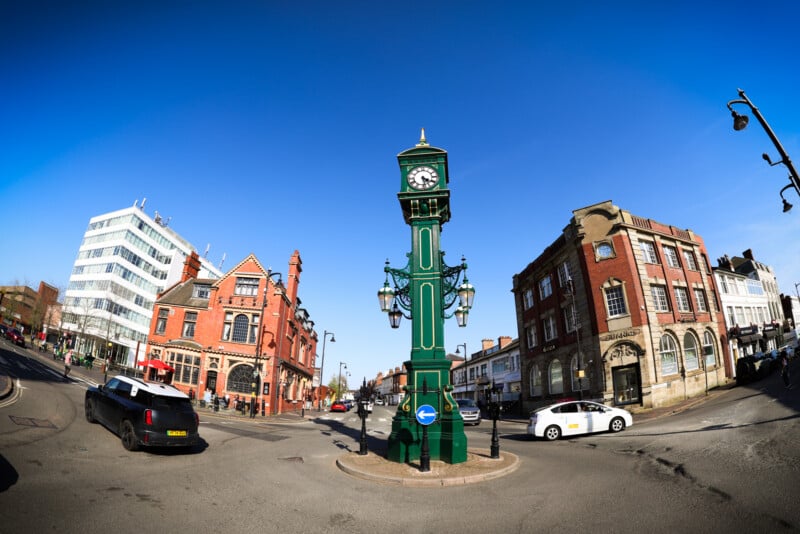
At the 14mm end, the lens delivers ultra-wide, exceptionally sharp images that maintain impressive clarity across the entire frame. This setting is ideal for capturing expansive landscapes, architectural marvels, and immersive environmental portraits where the goal is to encompass as much of the scene as possible without the extreme distortion of a full circular fisheye.
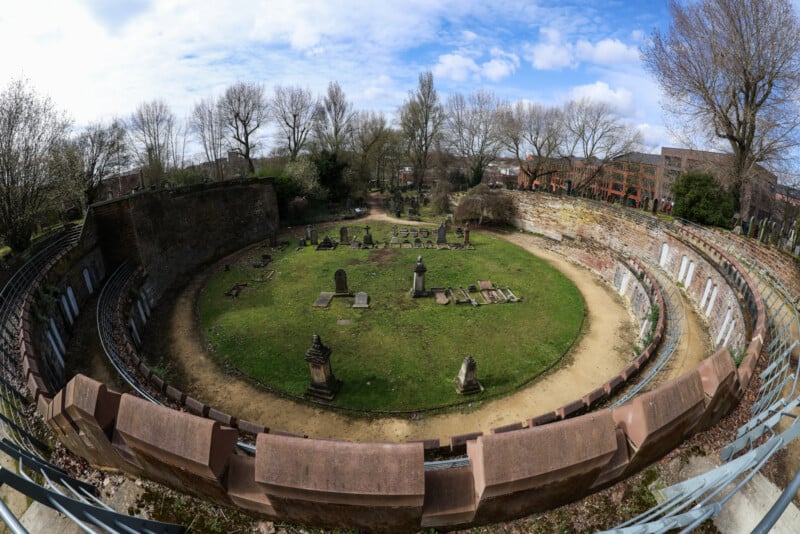
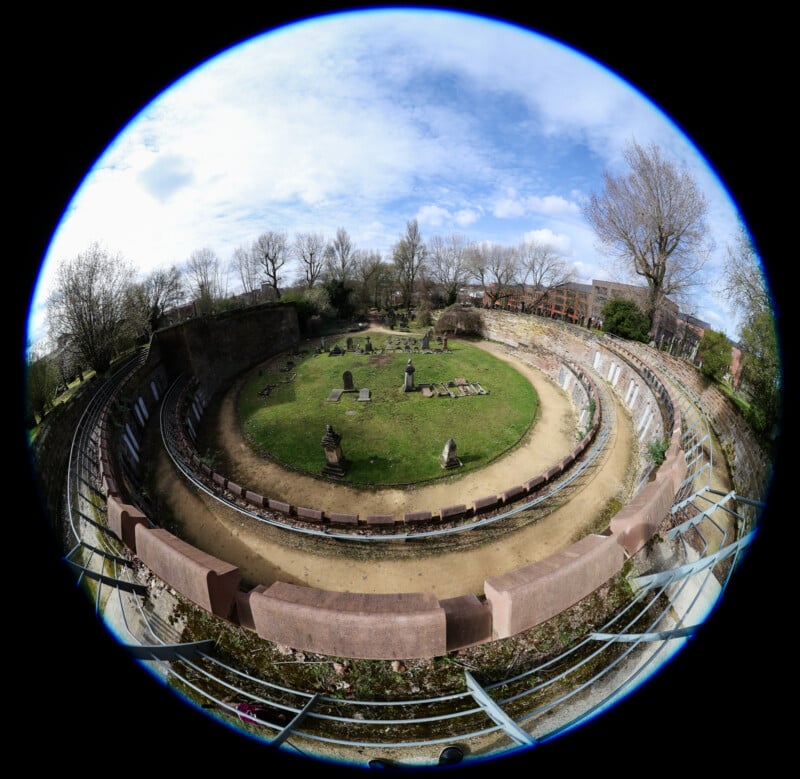
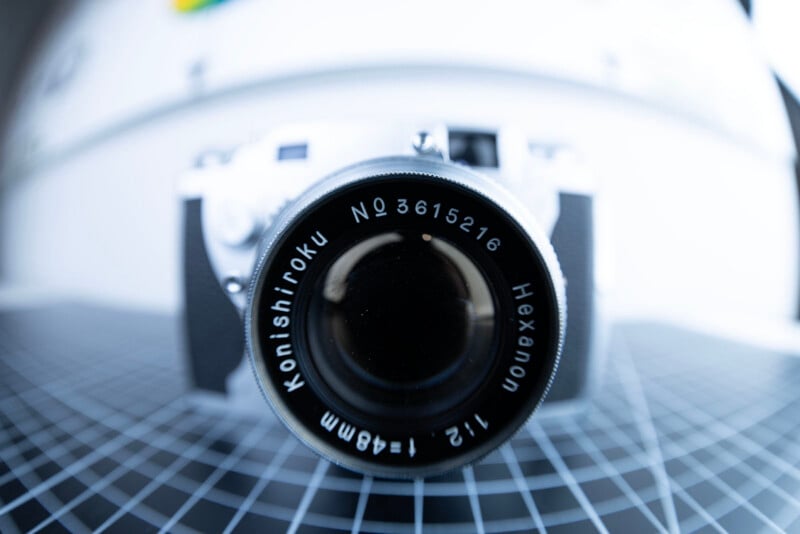
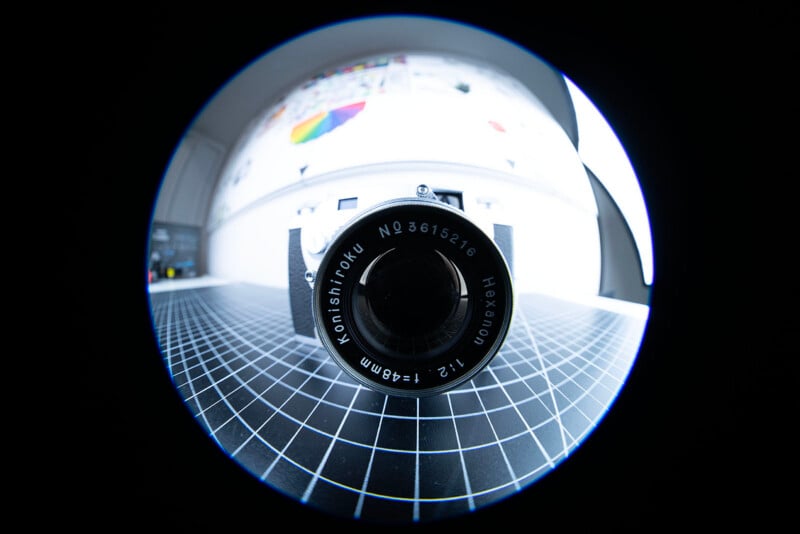
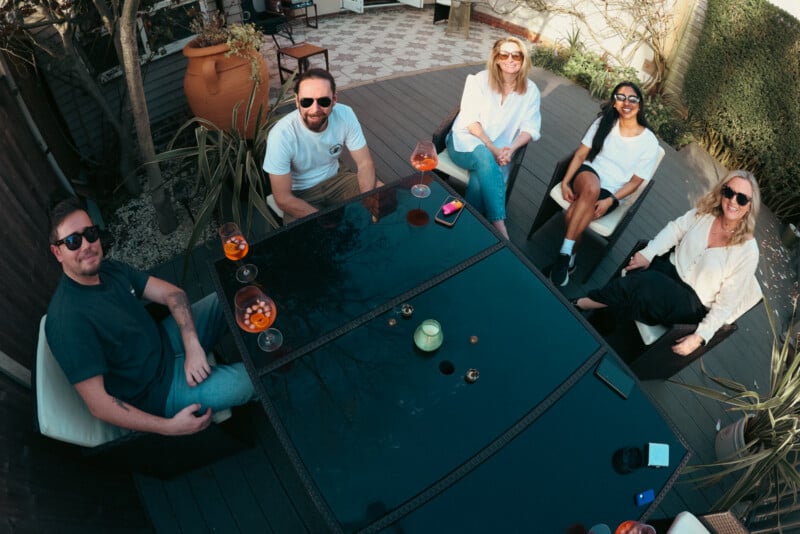
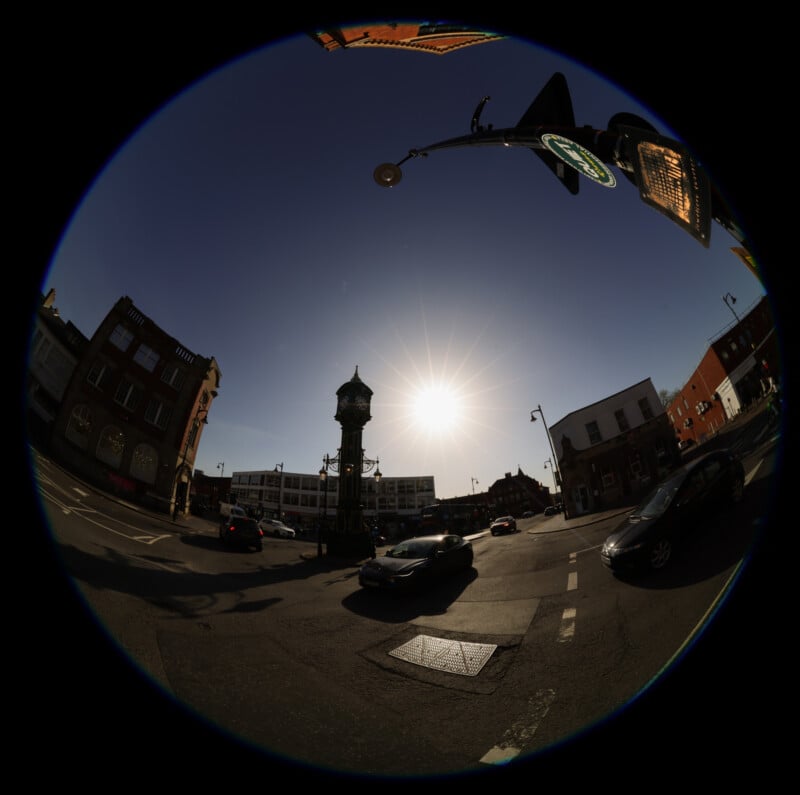
However, it is at the 7mm focal length that the lens truly enters territory previously reserved for specialized circular fisheye lenses. This setting captures a distinct circular image within the frame, a perspective that can even include the photographer and their immediate surroundings. This unique characteristic demands a conscious awareness of composition, as the edges of the frame become dramatically distorted, pulling in elements that would typically be outside the photographer’s view. The ability to photograph oneself within the frame at this extreme wide angle opens up creative possibilities for self-portraits or dynamic perspectives where the photographer’s presence is integral to the narrative.
Optical Engineering and Design Innovations
The Canon RF 7-14mm f/2.8-3.5L STM lens is engineered with Canon’s renowned L-series quality, ensuring robust construction and exceptional performance. Weighing in at a mere 476 grams (16.8 ounces), it is remarkably portable, easily fitting into most camera bags with a camera body attached. Its dust and weather-resistant build further enhances its suitability for a wide range of shooting conditions.
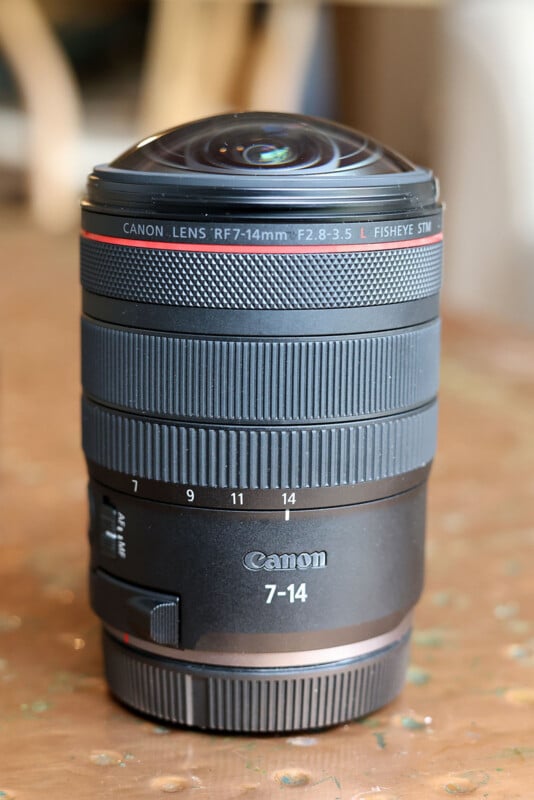
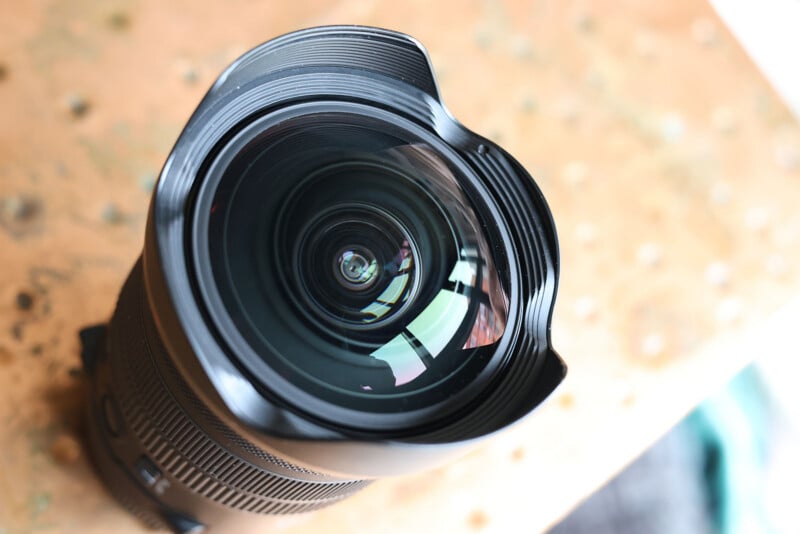
A key design element is the prominent, bulbous front element, the architectural marvel responsible for the lens’s extraordinary field of view. This curved glass necessitates a specialized lens cap that slips over the element rather than attaching directly. Accompanying this is an integrated lens hood, which, unlike typical hoods designed for constant use, requires careful management. At the 7mm setting, the hood can create a distracting "butterfly" vignette, prompting photographers to frequently attach and detach it to achieve optimal results. This necessitates a deliberate workflow, especially when shooting in rapidly changing light conditions or when aiming for specific framing.
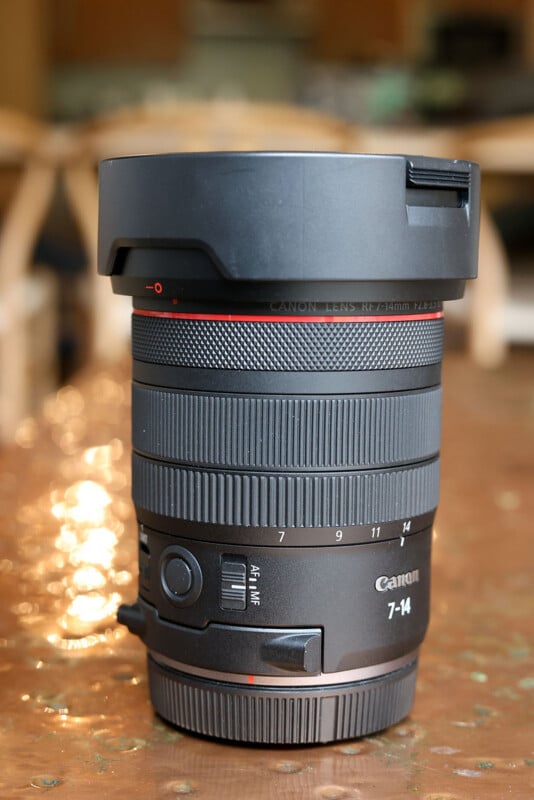
Further enhancing its functionality are several user-centric features. A programmable control ring, situated on the lens barrel, offers customizable control over aperture, shutter speed, or ISO, allowing for quick adjustments without diverting attention from the subject. A lens function button, by default set to pause autofocus, can be reassigned to other functions, providing further customization. A zoom limiter switch offers an intriguing feature: when set to full-frame, it locks the lens at 7mm, essentially turning it into a fixed circular fisheye. On APS-C bodies, this switch limits the zoom to a diagonal fisheye perspective, offering a more controlled ultra-wide experience.
Perhaps one of the most innovative features for an ultra-wide lens of this caliber is the drop-in filter system. Due to the extreme curvature of the front element, traditional front-mounted filters are impractical. Canon has ingeniously placed a filter slot near the lens mount, allowing photographers to easily insert filters like variable NDs or polarizers at the rear of the lens. This not only protects the delicate front element but also provides a convenient solution for managing light conditions in challenging environments.
Performance in the Field: A New Perspective on Reality

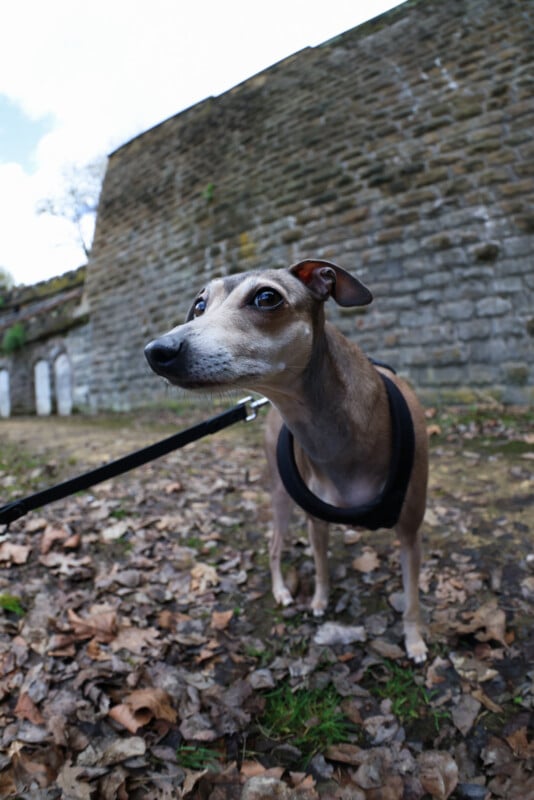
Testing the Canon RF 7-14mm f/2.8-3.5L STM lens on a Canon EOS R6 Mark III revealed its exceptional capabilities across diverse scenarios. The lens’s ability to achieve tack-sharp focus at an astonishingly close distance of less than six inches is particularly noteworthy. While achieving bokeh with fisheye lenses is generally challenging due to their inherent depth of field, this lens demonstrates that it is indeed possible, especially when focusing on very close subjects.
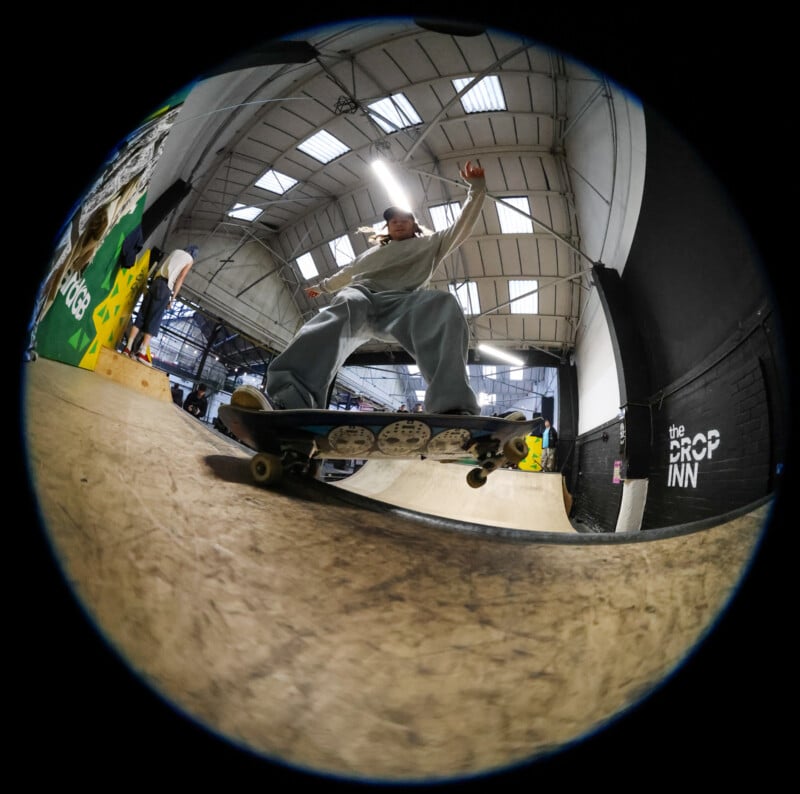
The lens exhibited robust performance even in challenging, low-light conditions, such as at a skateboard event held in a dimly lit warehouse. Despite the demanding environment and the rapid movements of the athletes, the autofocus system proved remarkably reliable, with only a single instance of complete focus loss across hundreds of shots. This suggests a high degree of accuracy and responsiveness, even when tracking fast-moving subjects in suboptimal lighting.

The image quality produced by the RF 7-14mm is consistently impressive, with excellent sharpness extending to the very edges of the frame, even at the extreme 7mm setting. While some chromatic aberration, specifically blue fringing, can be observed at 7mm, Canon has noted this is an intentional inclusion, potentially to aid in post-processing adjustments for those who desire it. Fortunately, this aberration is easily corrected in editing software for photographers who prefer a cleaner image.

The lens also excels at rendering sunstars, a testament to its optical design and its minimum aperture of f/29. This feature is particularly useful given the lens’s expansive field of view, which makes it highly probable that the sun will be included in many compositions. Unlike some other ultra-wide primes, the RF 7-14mm demonstrates remarkable resistance to ghosting, ensuring clear and crisp images even when shooting directly into bright light sources.

Applications Beyond the Conventional

The extreme field of view offered by the Canon RF 7-14mm f/2.8-3.5L STM lens opens up a world of creative possibilities across various photographic disciplines. Its association with action sports is undeniable, making it a prime candidate for capturing the dynamic energy of skateboarding, BMX, and other extreme activities where an immersive perspective is paramount. The lens’s ability to encompass the entire action, including the environment and the athlete’s daring maneuvers, provides a unique narrative quality to such images.
Astrophotography is another natural fit for this lens. Its vast field of view allows for breathtaking captures of star-filled skies, capturing expansive celestial panoramas that would be impossible with standard lenses. For landscape photographers, while the extreme distortion might not always be suitable for traditional scenic shots, it offers a compelling alternative for creating dramatic and abstract interpretations of natural environments. The way it warps and bends terrestrial elements can lead to visually striking and unconventional compositions.

Canon has also suggested its utility for underwater photography, where the expansive field of view can capture more of the underwater environment and its inhabitants. Furthermore, the lens’s capabilities are well-suited for virtual reality (VR) and 180/360-degree content creation, providing the immersive visual data required for these emerging mediums.

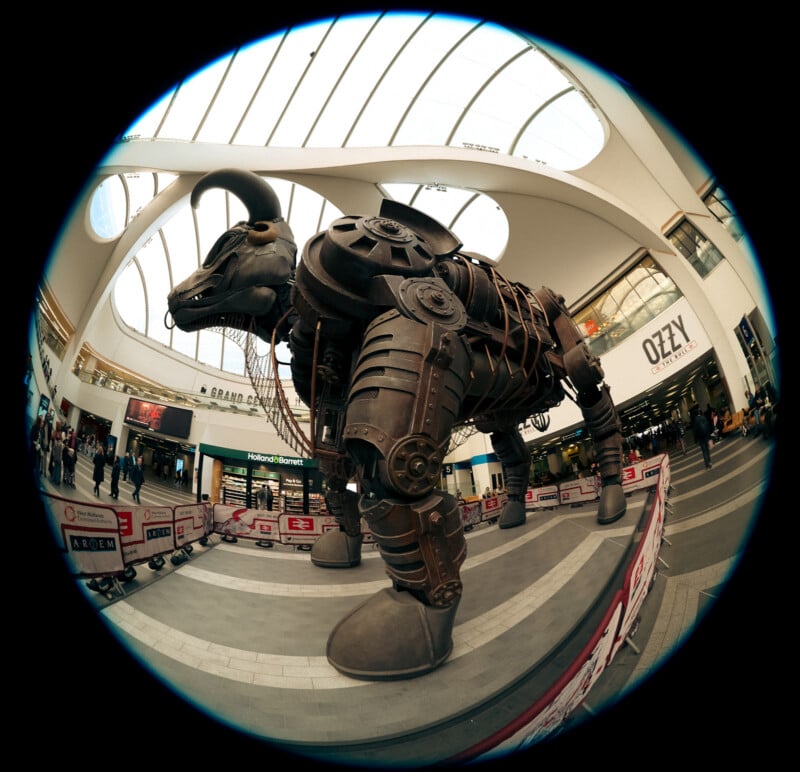
The unique circular image produced at 7mm, while potentially unconventional for some, offers a distinctive aesthetic. This format encourages photographers to think about spherical compositions and to find subjects that lend themselves to such an unusual presentation. A prime example is the shot of the roof of Grand Central in Birmingham, England, showcasing a perspective that no other lens in the Canon RF lineup can replicate.

A Comparative Look at Ultra-Wide Options
For photographers seeking extreme wide-angle capabilities within the Canon RF mount, the RF 7-14mm f/2.8-3.5L STM stands in a class of its own due to its zoom range and fisheye capabilities. A point of comparison for those desiring a very wide, yet less distorted, perspective is the Canon RF 14mm f/1.4L VCM prime lens. While the RF 14mm offers an impressive 114-degree field of view, it lacks the 180-degree diagonal fisheye perspective of the new RF 7-14mm. This distinction highlights that the RF 7-14mm is for photographers who intentionally seek the dramatic effects of a fisheye lens.
Canon’s existing RF 15-35mm f/2.8L IS lens, a popular choice for many professionals, offers a wide zoom range but operates at a significantly less extreme focal length. The RF 7-14mm forces a fundamentally different approach to composition and subject positioning, pushing photographers to explore new visual paradigms.
For those who wish to retain autofocus capabilities with a fisheye lens on an EOS R body, the options are somewhat limited. The Canon EF 8-15mm f/4L Fisheye USM, when used with an EF-to-RF adapter, presents a more budget-friendly alternative. However, it is slower, offers a narrower field of view, and generally exhibits a lower level of image quality compared to the newer RF lens.
Photographers open to manual focus have a few more accessible options. The 7Artisans 10mm f/2.8 Mark II prime offers a 185-degree field of view in a diagonal fisheye format. The AstrHori 6mm f/2.8 circular fisheye boasts an astonishing 220-degree field of view, while TTArtisan offers an 11mm f/2.8 diagonal fisheye. These third-party manual focus lenses, priced between $235 and $299, provide an affordable entry point into fisheye photography for Canon EOS R users, allowing them to experiment with the format before committing to the higher investment of Canon’s zoom offering.

Conclusion: A Specialized Tool for Visionary Photographers

The Canon RF 7-14mm f/2.8-3.5L Fisheye STM is a highly specialized lens that, while not intended as a primary workhorse for every photographer, offers unparalleled capabilities for specific applications. Its extreme zoom range and dual fisheye perspectives cater to niche genres such as action sports, astrophotography, and creative architectural or urban exploration. The lens’s impressive optical quality, robust build, and innovative features like the drop-in filter system solidify its position as a unique and valuable tool.
Given Canon’s closed system regarding third-party lens development for its RF mount, the RF 7-14mm faces little direct competition. However, its inherent strengths and the creative possibilities it unlocks make it a compelling choice for photographers who require its distinctive perspective. While its $1,899 price point positions it as a significant investment, for those whose work demands its extraordinary capabilities, it represents a powerful addition to their photographic arsenal, enabling them to capture the world in ways previously unimaginable.