The Definitive Guide to the Best Backpacking Packs of 2026: Innovations in Comfort, Durability, and Sustainability

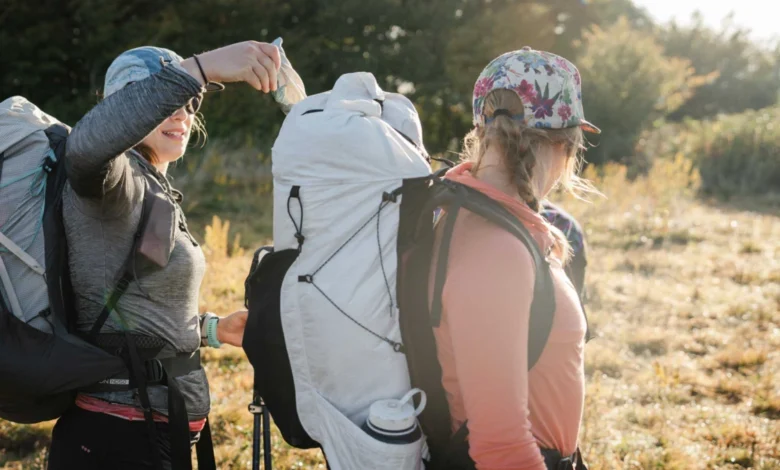
April 2026: The annual review of backpacking packs reveals a dynamic landscape where innovation in comfort, durability, and sustainability continues to redefine the outdoor experience. This year, the Gregory Paragon 60 / Maven 58 has once again claimed the coveted title of Best All-Around backpacking pack, lauded for its exceptional blend of comfort, robust durability, and superior load-carrying capabilities. For those embarking on their first multi-day adventures, the Rab Exion 55 emerges as the top budget-friendly starter pack, offering generous weekender capacity and intelligent organizational features. A significant new entry to the market, the Fjällräven Kajka X-Latt 45L, has been recognized as the category leader for "Most Eco-Friendly," marking a pivotal shift towards sustainable design in outdoor gear. This comprehensive update reflects current market pricing and introduces cutting-edge models that promise to elevate any backcountry excursion.
The Evolution of the Backcountry Home: Why Your Pack Matters

In the realm of multi-day expeditions, a backpacking pack transcends mere equipment; it becomes a mobile home, encapsulating the essentials of kitchen, living room, bedroom, and pantry. The profound importance of this singular piece of gear cannot be overstated. Carrying one’s entire support system on their back demands a pack that not only bears the weight but does so with unwavering comfort, efficiency, and resilience. As seasoned adventurers know, the right pack can transform a challenging trek into a profound journey, while a poorly chosen one can quickly lead to discomfort, frustration, and even jeopardize safety.
The quest for the ideal backpacking pack mirrors the serious undertaking of house-hunting. For years, industry experts and dedicated testers have meticulously evaluated the myriad options available, subjecting them to rigorous real-world and laboratory conditions. Packs are scrutinized across critical metrics including price-to-performance ratio, innovative features, ergonomic comfort, and practical load-carrying capacity. The ten models highlighted in this 2026 review represent the pinnacle of current design and engineering, each selected for its proven ability to transport all necessary provisions, and often more, for trips ranging from a single night to extended fortnights. These are the vanguard of backpacking packs, meticulously assessed to ensure they possess the fortitude and functionality to support adventurers in 2026 and beyond.
At a Glance: Top Picks for 2026
This year’s top selections showcase a diverse range of packs, each excelling in specific areas to meet varied hiker needs and preferences.
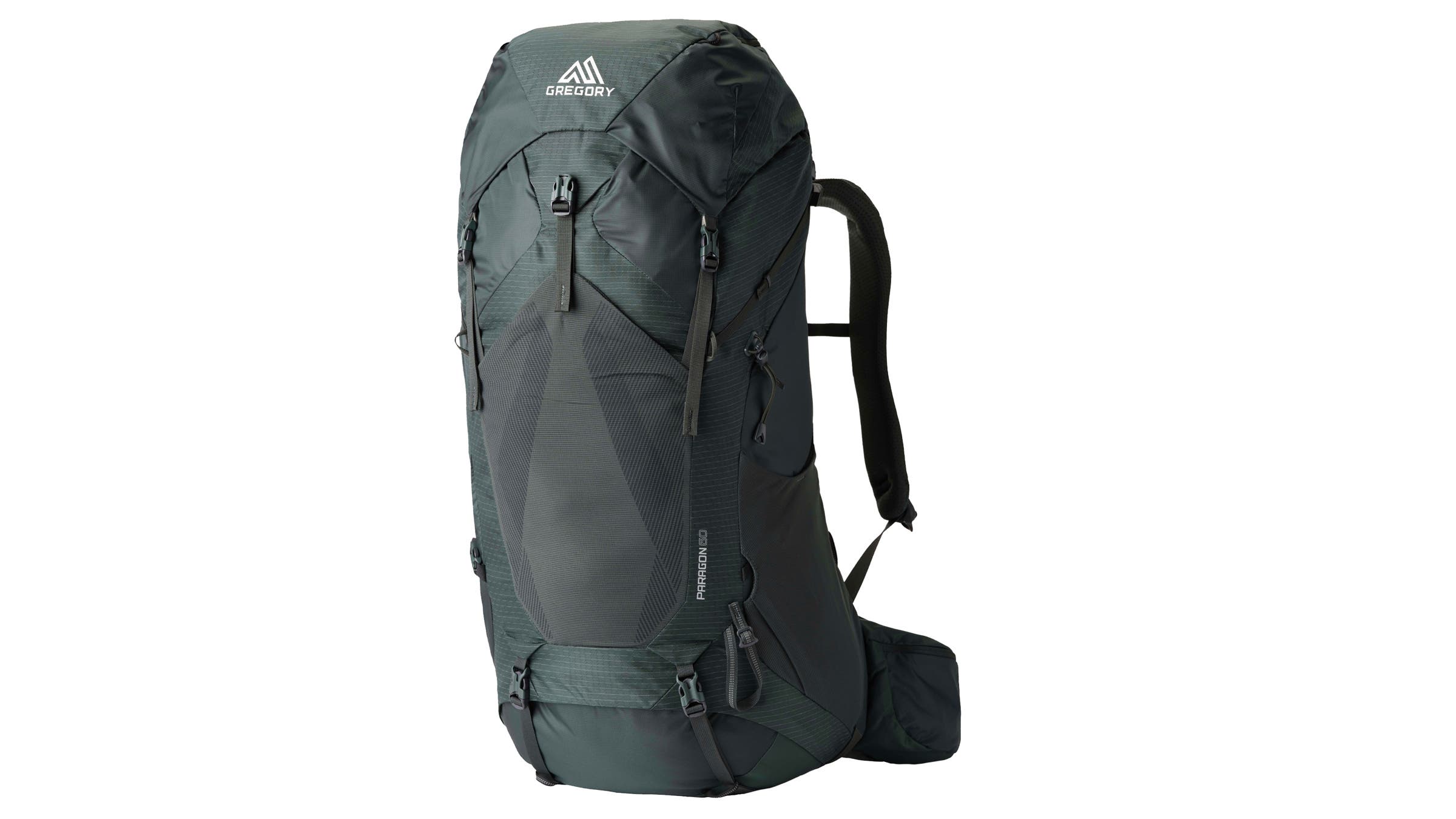
Best All-around: Gregory Paragon 60 / Maven 58
- Lab-Tested Weight: 3 lbs, 12 oz (Paragon S/M)
- Lab-Tested Volume: 67.5 L and two 1 L bottle pockets
- Lab-Tested Comfortable Load Capacity: 40 lbs
- Sizes: Men’s Paragon S/M – M/L; women’s Maven XS/S – S/M
- Pros: Exceptional sway-free carry, decent breathability, incorporates recycled fabric.
- Cons: No integrated rain cover, main fabric durability could be enhanced.
The Gregory Paragon/Maven series has consistently set benchmarks in backpacking pack design. Building on its legacy, including an Editor’s Choice award in 2020 for its previous iteration, the 2026 model of the Paragon 60 / Maven 58 demonstrates a significant evolution. Testers universally praised the updated seamless, EVA-padded, wrap-around harness, which molds to the hips, virtually eliminating hot spots even under heavy loads. The intuitive Velcro backpanel adjustment system, though initially requiring a slight learning curve, allows for up to three inches of back length expansion, ensuring a highly customizable fit.
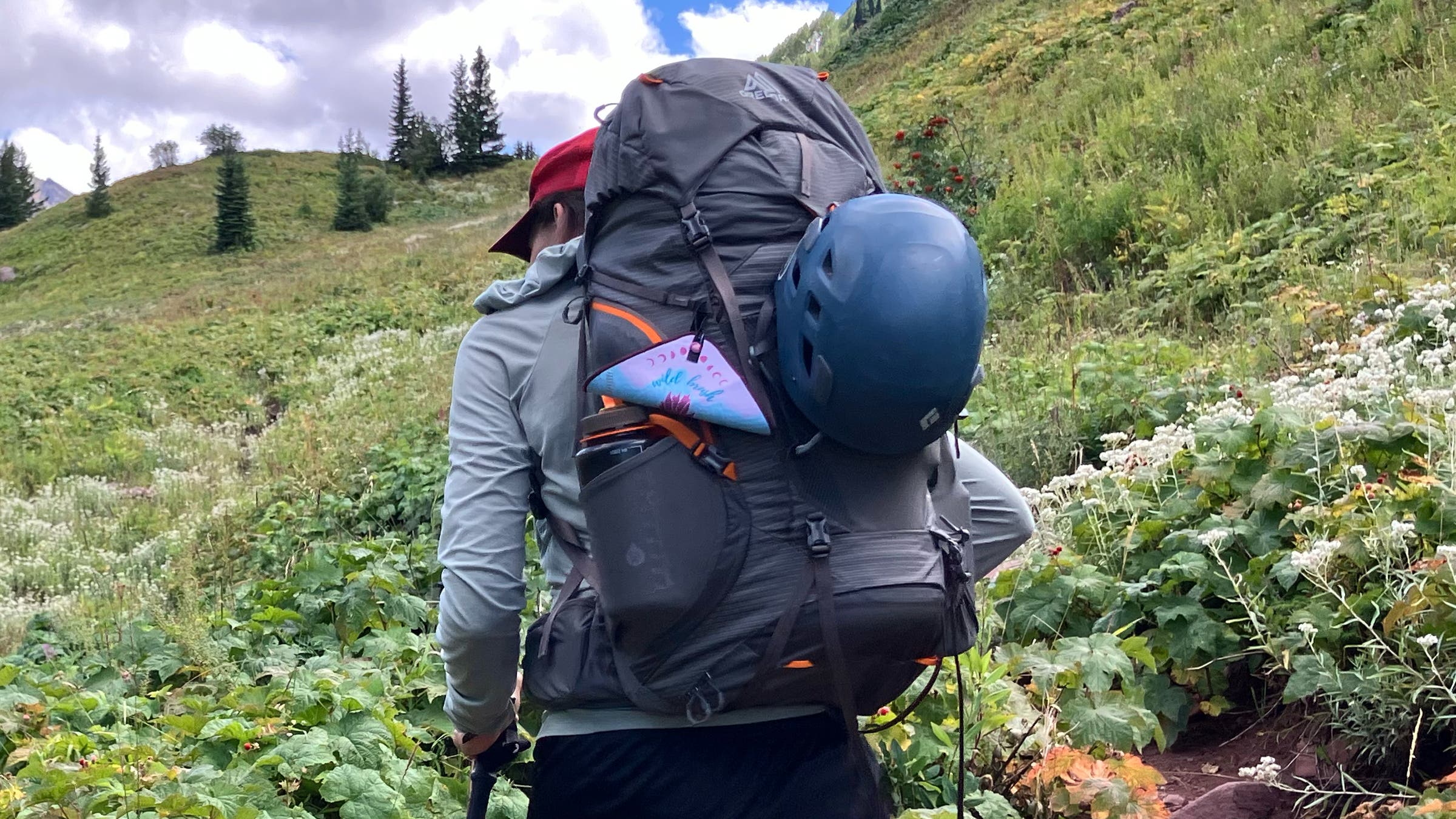
A robust steel perimeter frame proved instrumental in comfortably managing loads up to 40 pounds during challenging ascents and descents, notably on Mt. Rainier. A new, foam-free, honeycombed mesh backpanel dramatically improved airflow, preventing excessive perspiration even during demanding 5,000-foot descents in 70-degree Fahrenheit conditions. The pack’s floating hipbelt design delivered remarkably smooth and stable carry, effectively negating pack sway even when navigating dense bushwhacks in Idaho’s Panhandle National Forest. Tester Jim Pierce noted its impressive stability, stating, "It stayed secure even when I was crawling on my hands and knees under deadfall." While the updated 40-percent recycled, 210-denier nylon main fabric exhibited commendable resistance to snagging branches, the 330-denier boot fabric showed minor pinprick holes after a rigorous 100-foot butt scoot along a narrow mountain ridge, suggesting a slight area for future reinforcement.
Organizational features are thoughtfully integrated, including a convenient shoulder-strap pocket for quick access to small items like sunglasses. A full-length external zipper provides unhindered access to the main compartment. Dual hipbelt pockets accommodate smartphones (though larger models can be a snug fit), and twin side bottle pockets now feature a forward opening, making mid-stride access easier, albeit still challenging when the pack is fully stuffed. The roomy top lid and dorsal shove-it pocket, with its single-way stretch mesh, were highly appreciated for their capacity and durability, swelling laterally without the material compromise often seen in four-way stretch fabrics. This comprehensive overhaul, combining material advancements, intelligent feature updates, and significantly enhanced comfort, positions the Gregory Paragon 60 / Maven 58 as a leading contender, continually refining its approach to backcountry perfection.
Best for Beginners: Rab Exion 55
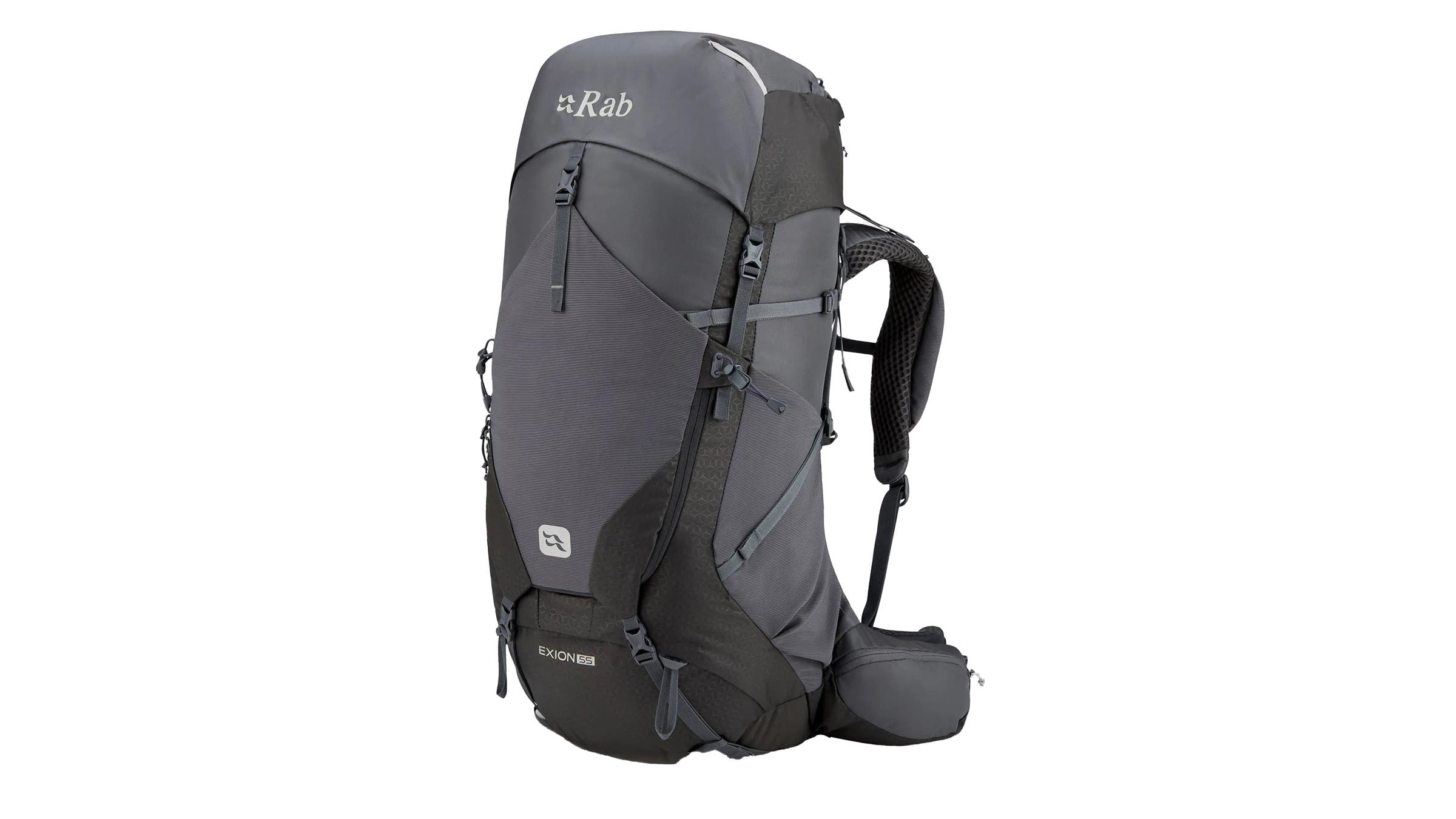
- Lab-Tested Weight: 4 lbs, 8 oz (men’s S/M)
- Lab-Tested Volume: 63 L and two 1 L bottle pockets
- Lab-Tested Comfortable Load Capacity: 35 lbs
- Sizes: Men’s regular and L/XL, Women’s regular
- Pros: High comfort, robust durability, excellent organization.
- Cons: Relatively heavy, women’s version only comes in one size.
For those new to the rigors of long-distance hiking, the Rab Exion 55 offers an unparalleled entry point. Its thickly-padded hipbelt and ergonomically contoured shoulder straps provide an immediate sense of comfort, minimizing rubbing or chafing even after extensive use by guides and testers across Arizona and Colorado. This "out-of-the-box" comfort, combined with a competitive price point and an interior capacity perfectly suited for long weekends, secured its position as the top choice for novice backpackers this season.
The Exion’s 40-pound carrying capacity offers a generous buffer for new hikers still refining their packing lists. Tester and guide Jeanelle Carpentier successfully carried up to 44 pounds during a demanding water carry in the Grand Canyon, noting that while manageable, slightly less weight would optimize comfort. The pack’s extensive pocket system facilitates easy organization, a crucial benefit for those new to backpacking. Water bottle pockets are accessible mid-stride, while large hipbelt pockets comfortably fit a smartphone or multiple snack bars. Twin chest pockets, though smaller, are ideal for sunscreen, lip balm, and a headlamp. A rear shove-it sleeve provides quick access to rain layers, and a bottom-access zipper allows for convenient retrieval of sleep gear.
Despite its impressive features, the Exion’s breathability was noted as a limitation in temperatures exceeding 90°F. However, thick mesh lining the hipbelt and backpanel effectively wicked away some sweat and maintained a slight lift from the back, allowing for minimal airflow. Durability proved to be a strong suit, with the 330-denier nylon exterior and 600-denier canvas base resisting abrasion from granite talus in the Rockies and sand-blasting winds in the desert. The primary criticism centered on the women’s pack’s single-size offering. While the hook-and-loop backpanel system provided sufficient adjustability for testers ranging from 5’6” to 6’1”, shorter female testers found the backpanel too tall for comfortable head tilt, indicating a need for a smaller size option.
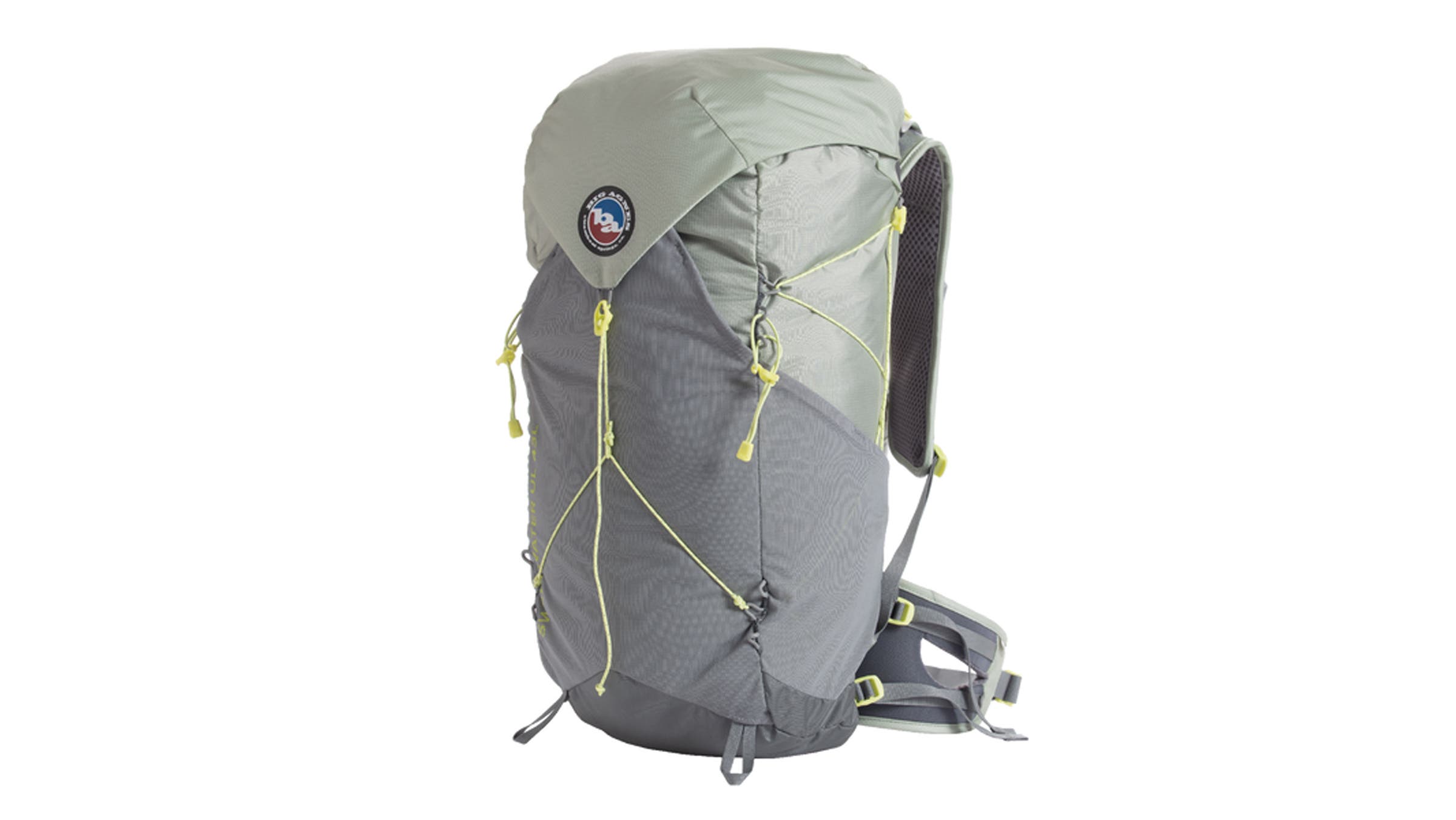
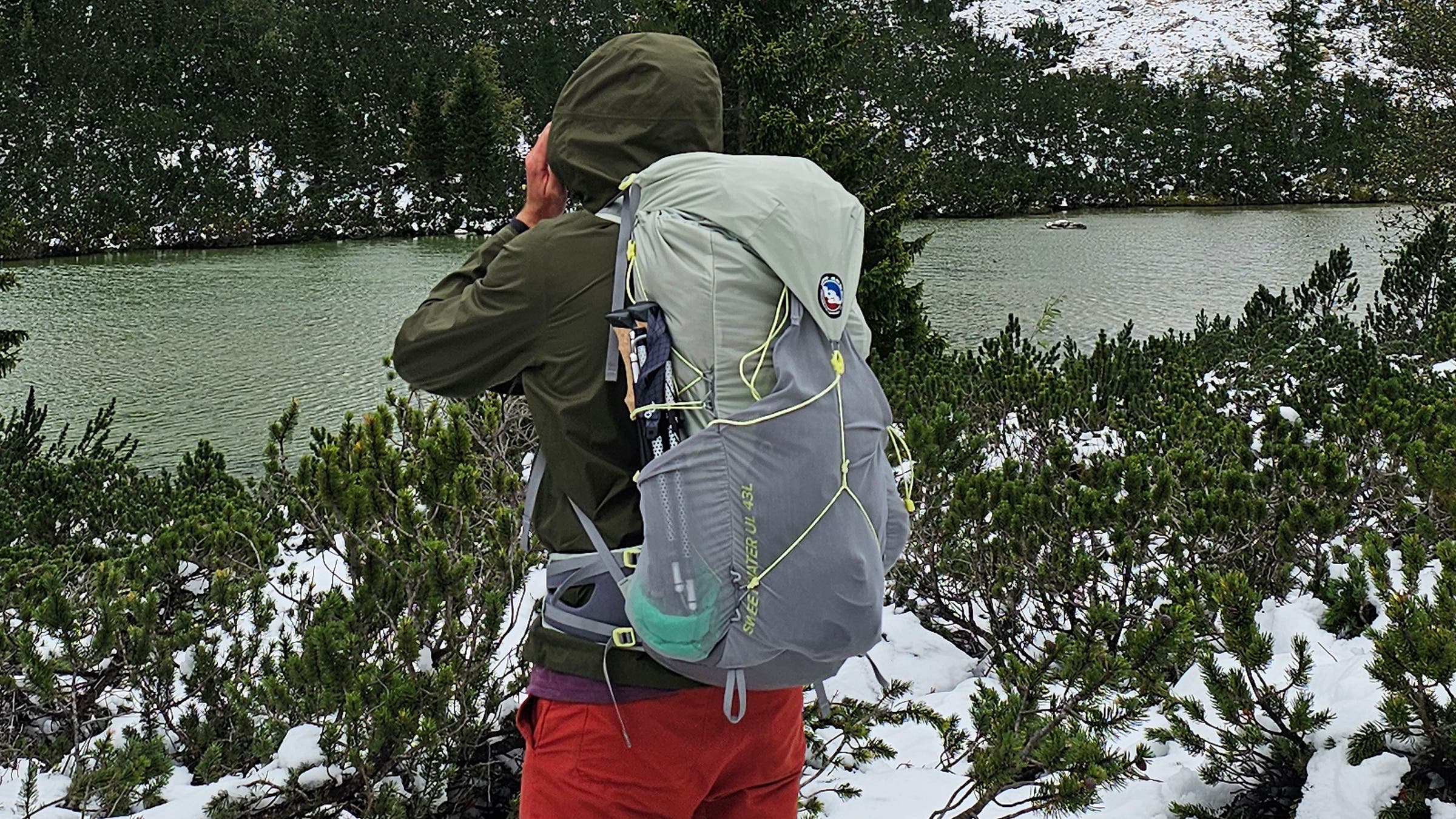
Lightest: Big Agnes Sweetwater UL 43
- Lab-Tested Weight: 2 lbs, 12 oz (Unisex M)
- Lab-Tested Volume: 45 L and two 3 L bottle pockets
- Lab-Tested Comfortable Load Capacity: 30 lbs
- Sizes: Unisex S-L
- Pros: Even weight distribution, exceptionally lightweight, generous chest pockets.
- Cons: Lacks hipbelt pockets.
The Big Agnes Sweetwater UL 43 innovatively blends the characteristics of a running vest with a backpacking pack, catering to hikers who prioritize speed and distance. Its vest-style harness features broad shoulder straps that evenly distribute weight across the chest and shoulders. Dual sternum straps, a common feature in running vests but rare in multi-day packs, securely snug loads to the torso. Despite the absence of a traditional frame, a stiff, injection-molded framesheet and load-lifter straps enable the Sweetwater UL to comfortably carry up to 30 pounds of overnight gear.
A key advantage of the broad shoulder straps is the integration of capacious chest pockets. While hipbelt pockets are notably absent, testers found ample space to store a phone, personal locator beacon, sunscreen, and an entire day’s worth of snacks upfront. This design allows testers to access essentials without needing to remove the pack, a significant benefit highlighted during an unexpected snowstorm in the Italian Dolomites. The included raincover and DWR coating effectively weatherproofed gear, with tester David Perillo expressing surprise at the thin raincover’s efficacy: "I was sure I would have wet gear, but the cover kept the bag totally dry." The pack’s gossamer mesh on lateral pockets and straps demonstrated remarkable resilience, enduring rough treatment, including being slung onto planes and trains, and tossed against ice and rocks without showing any runs or damage.
Most Durable: REI Co-op Traverse 60
- Lab-Tested Weight: 4 lbs, 6 oz (men’s S/M)
- Lab-Tested Volume: 65.5 L and two 1 L bottle pockets
- Lab-Tested Comfortable Load Capacity: 30 lbs
- Sizes: Men’s S-3X; women’s XS-3X
- Pros: Superior comfort, exceptional durability, budget-friendly price.
- Cons: Limited breathability.
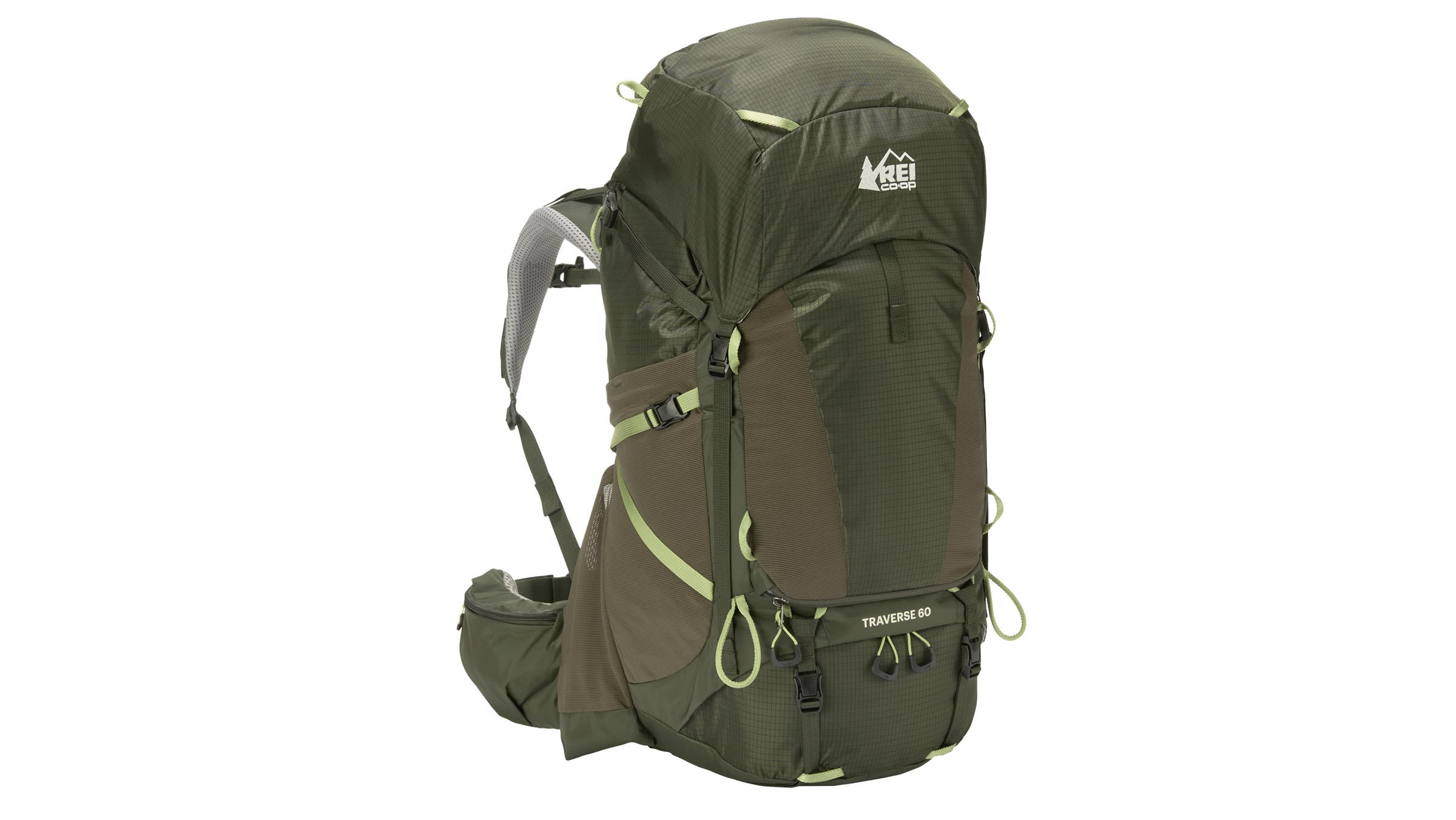
The REI Co-op Traverse 60 stands out for its exceptional comfort, rugged durability, and accessible price point, making it the preferred choice for navigating challenging terrain. Over a five-month testing period, both professional guides and novice backpackers were consistently impressed. One tester encapsulated the sentiment, describing the Traverse as "a combination of all the best features from every pack I have ever owned." Its four inches of adjustability, twin hipbelt pockets, hydration sleeve, and two mesh side pouches (each accommodating a Nalgene bottle) contribute to its versatility. Trekking guide Samantha Cooke utilized the generous dorsal sleeve for maps, emergency gear, and bathroom supplies, appreciating the bottom-access zipper for quick retrieval of a first-aid kit.
The aluminum perimeter frame easily managed loads up to 40 pounds, including provisions for seven guests on a Bryce Canyon trip. Cooke remarked on its comfort, stating, "I felt like I was being hugged by the hipbelt, and the backpanel was very cush. It hit all the right places." While the 210-denier ripstop nylon wasn’t the absolute burliest in the test, it proved highly resistant to ripping or tearing across 100 miles of testing and numerous scrapes in rough sandstone canyons. The durable water-repellent (DWR) coating effectively repelled light drizzle and protected gear during partial submersion in Zion’s narrows. The primary drawback was the heavily padded backpanel’s limited breathability, leading to significant back sweat during humid hikes in the Adirondacks.
Most Versatile: Pingora Outro 55
- Lab-Tested Weight: 4 lbs (Unisex M)
- Lab-Tested Volume: 55.75 L and two 1 L bottle pockets
- Lab-Tested Comfortable Load Capacity: 35 lbs
- Sizes: Unisex S-L torso and S-L belt
- Pros: Highly customizable fit, good durability.
- Cons: Shoulder harness may be too wide for some, limited water resistance.
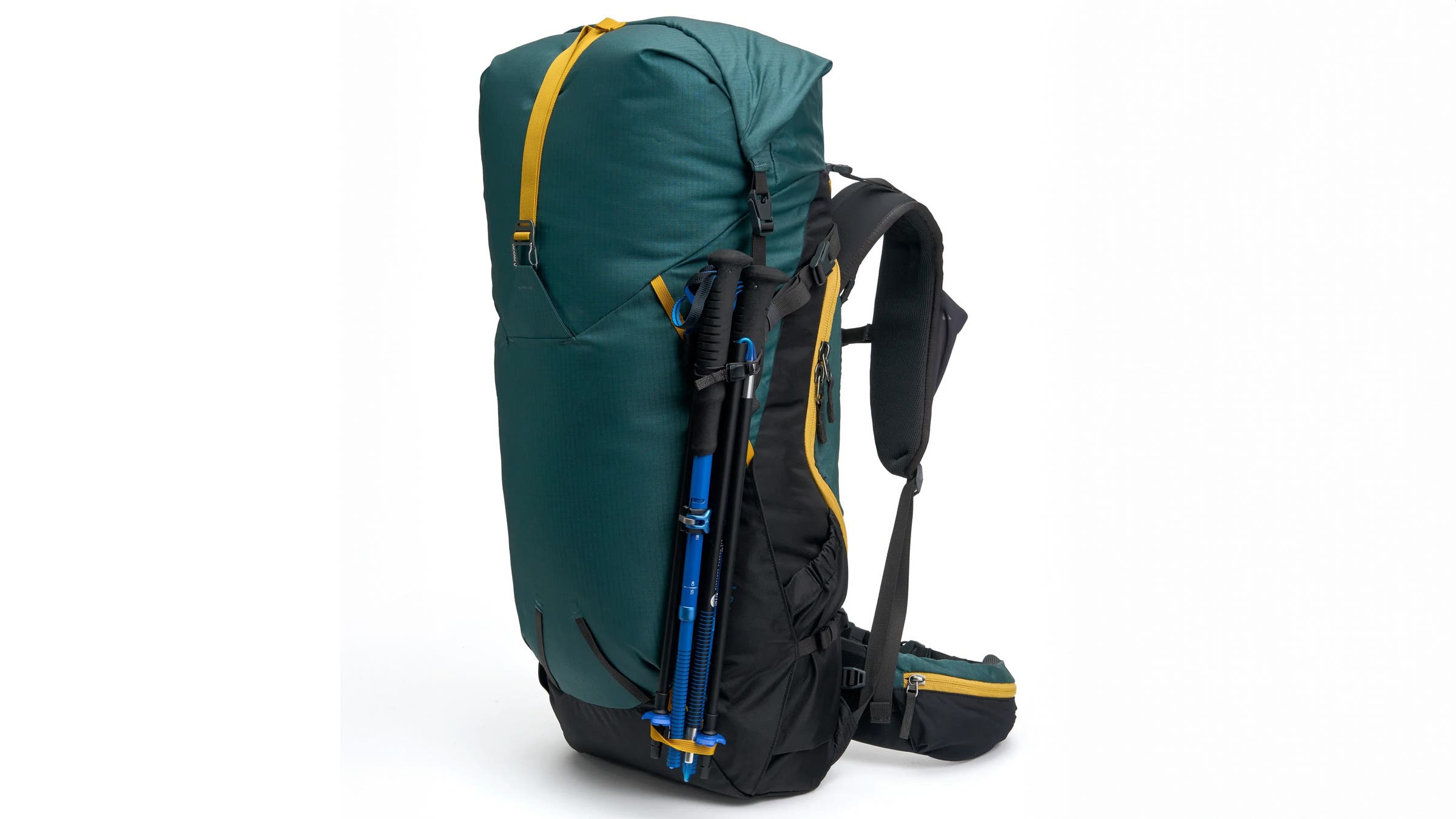
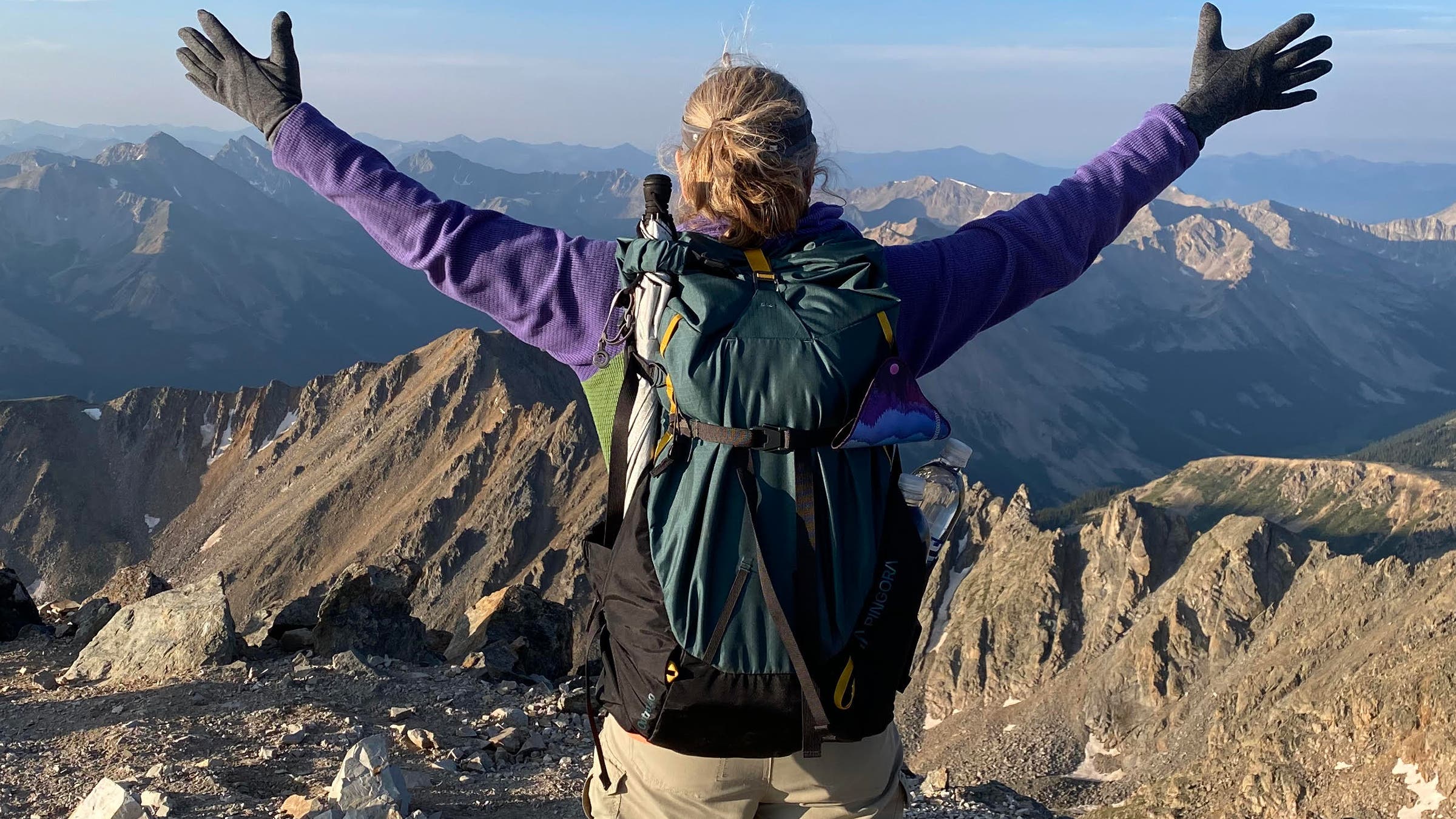
The Pingora Outro 55 is a true chameleon, designed to adapt to a wide array of adventures, from weekend excursions to alpine climbing and four-season day-hiking. Its modular features allow it to seamlessly transition between bushwhacking and alpine scrambling. Two lateral pockets fit SmartWater bottles, though re-stuffing them often required assistance. An internal zippered divider separates the pack into distinct in-camp and on-trail compartments. The three-liter top lid ingeniously converts into a daypack for peakbagging side-quests. Four chest pockets and two hipbelt pockets provide convenient access to snacks and sunscreen, particularly useful during scrambles in Rocky Mountain National Park. Double sets of loops and bungees facilitate easy stowage of trekking poles or ice axes on technical terrain. The pack’s streamlined silhouette and back-contouring aluminum frame maintained 30-pound loads close to the body, preventing sway even on precarious ridges.
Beyond its adventure versatility, the Outro also excels in customizable fit. Unlike many packs where optimal fit is confined to the middle of the adjustment range, the Outro 55 maintains its shoulder-harness geometry throughout, achieved by relocating the adjustment mechanism to the bottom of the backpanel. This ensures consistent load-lifter angles across all sizes. Users can also customize their hipbelt size and choose whether to include the top lid upon ordering. However, the lack of width adjustment meant some female testers and those with narrower shoulders found the harness too wide for optimal comfort. Water resistance was a notable concern, with some testers experiencing wet gear after torrential Alaskan rainstorms. Despite this, the pack’s 420-denier nylon body fabric (210-denier on the roll-top) proved exceptionally durable during bushwhacks. Tester Robin Mino reported, "The pack held up well—not even a scratch on the fabric despite plowing through lots of brush" during a demanding off-trail hike near Pear Lake.
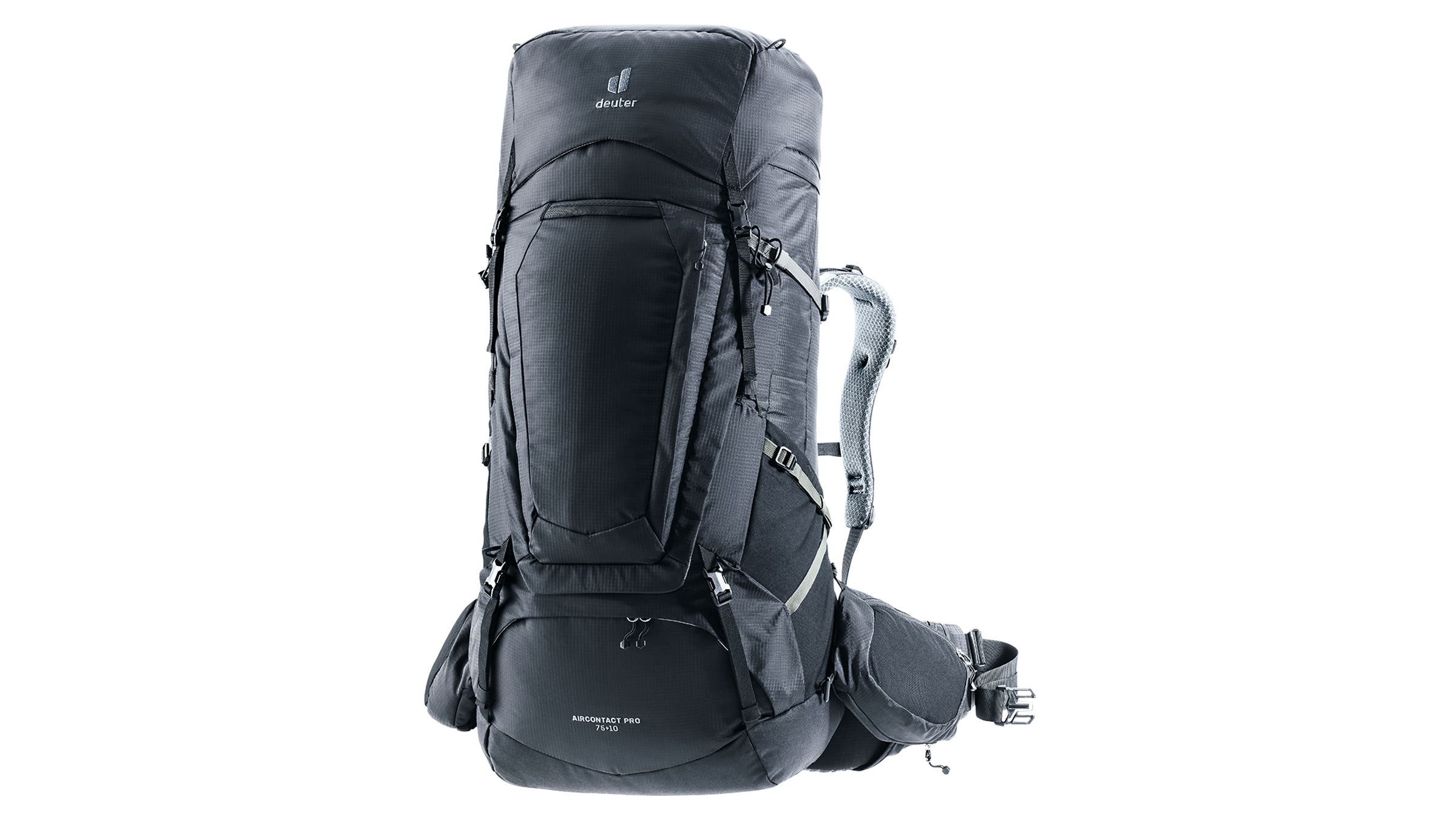
Biggest: Deuter Aircontact Pro 65+10 SL / 75+10
- Lab-Tested Weight: 6 lbs, 6 oz (75+10)
- Lab-Tested Volume: 80.5 L and three 1 L water bottle pockets
- Lab-Tested Comfortable Load Capacity: 45 lbs
- Sizes: Men’s and women’s (SL), one size each
- Pros: Extensive zipper access to main compartment, included raincover, excellent durability.
- Cons: Some pockets are difficult to access when fully loaded.
While ultralight packs have their niche, certain expeditions demand substantial cargo capacity. Whether preparing for a massive water carry or leading a group of first-timers, a gear-swallowing bag is indispensable. The Deuter Aircontact Pro 75+10 (and its 65+10 SL women’s counterpart) is the unrivaled choice for such endeavors. Starting at 75 liters (or 65 liters for the SL), an extendable collar adds another 10 liters for gear-intensive trips. Its 6.4-pound weight is average for its size but well justified by its capacity. The main compartment effortlessly accommodated bear canisters and 60 pounds of glamping equipment for a large family trip in southern Alaska. A Y-shaped internal frame efficiently transfers weight to the center of a pivoting hipbelt, ensuring the pack moves synergistically with the wearer, even on rocky, unstable terrain.
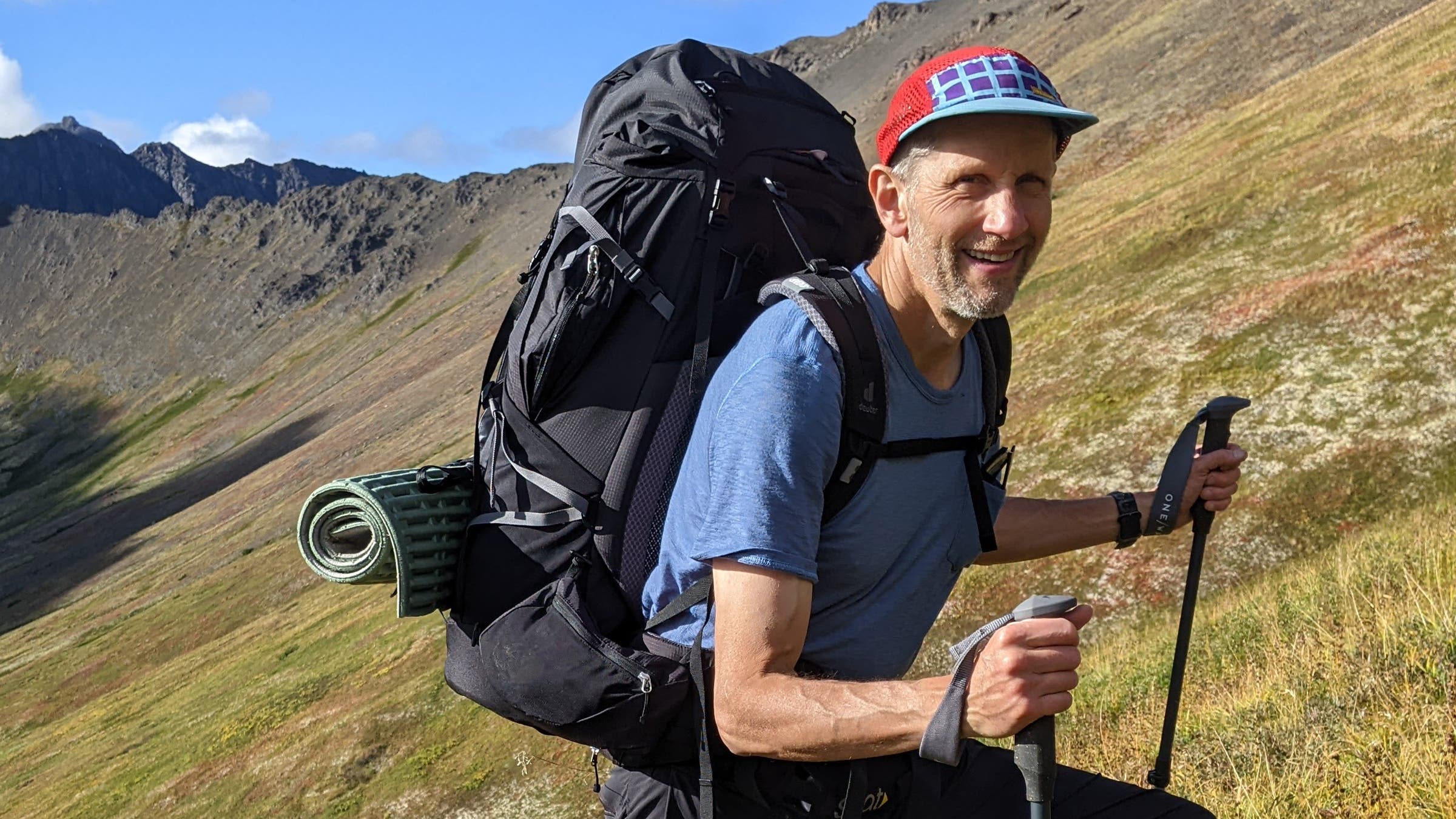
Anchorage-based geology professor Dorn Van Dommelen praised its comfort during a challenging, trail-less ascent out of Ship Lake in Alaska’s Chugach National Park: "The Aircontact Pro 75+10 was comfortable and made the push out easy." Thick padding behind the lumbar and shoulder blades lifted the pack off the back, providing some airflow, though testers noted perspiration under heavy loads. The 200-denier ripstop nylon body and 500-denier ripstop boot fabric proved robust enough to deflect dense willows during off-trail traverses.
Beyond its robust carrying capabilities, the Aircontact Pro boasts intelligent design details, including a removable, accordioning water bottle pocket on the hipbelt and an easy-adjust backpanel utilizing carabiners instead of Velcro. Included straps convert the top lid into a daypack for side trips, and a built-in raincover offered vital protection during Alaskan squalls. Removable hipbelt pockets and four side pockets (two zippered, two stretch-mesh) keep essentials handy. A U-shaped external zipper allows quick access to the main compartment. Internal organization includes a zippered valuables pocket, a dedicated sleeping bag compartment, and a three-liter hydration sleeve. While some testers appreciated the extensive organization, others found some side pockets difficult to access when fully loaded, and the hipbelt pockets protruded noticeably, potentially hindering movement if overstuffed.
Paid Advertisement by KUIU
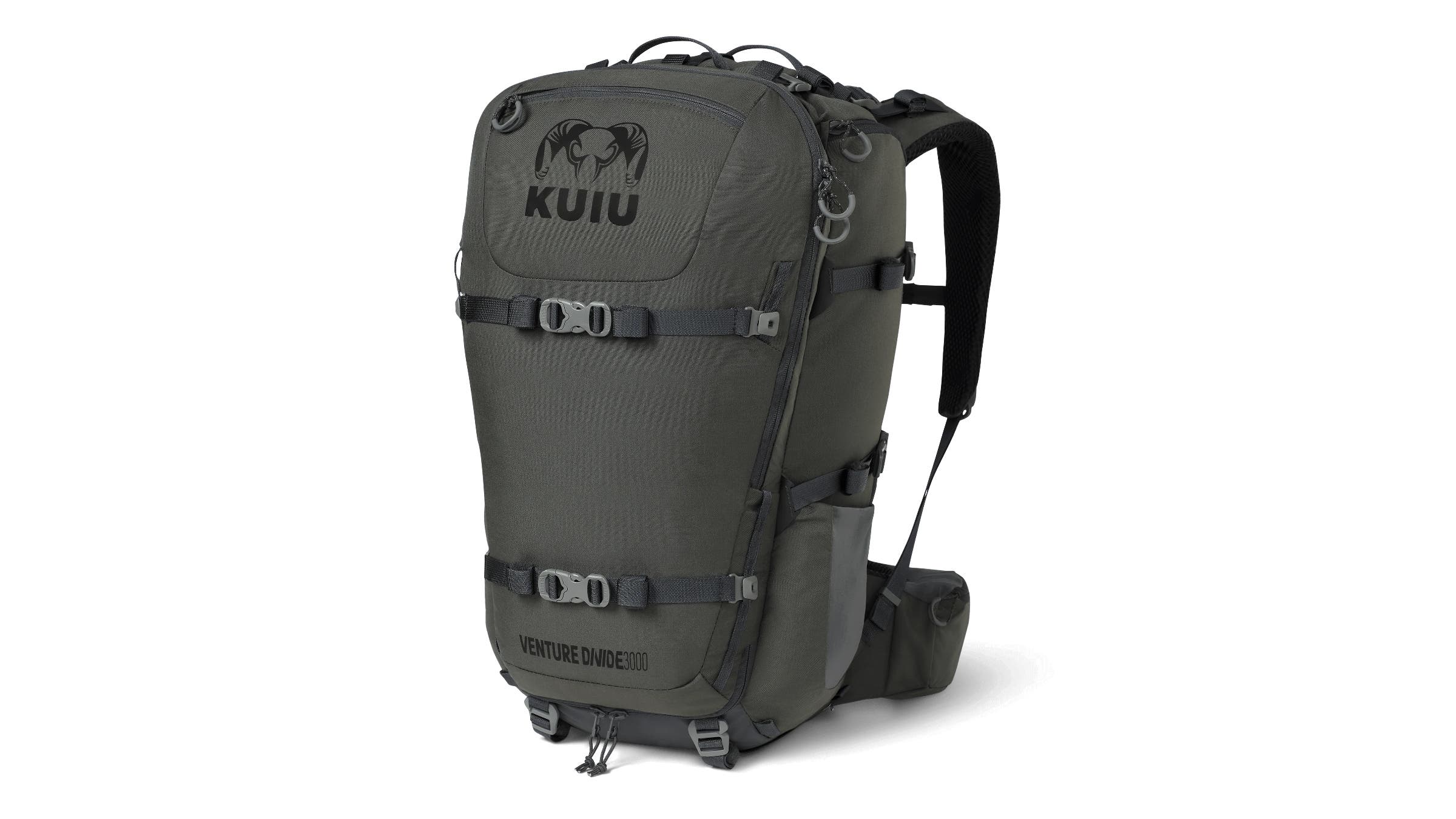
KUIU Venture Divide 3000
The KUIU Venture Divide pack is engineered for serious backcountry adventure, seamlessly blending rugged durability with intelligent, trail-ready design. Featuring expandable storage, versatile carry options, and intuitive access points, it ensures gear remains organized and within easy reach. Constructed with tough CORDURA®ï¸Ž fabric and offering ergonomic support, this pack delivers all-day comfort and unwavering reliability, no matter where the journey leads.
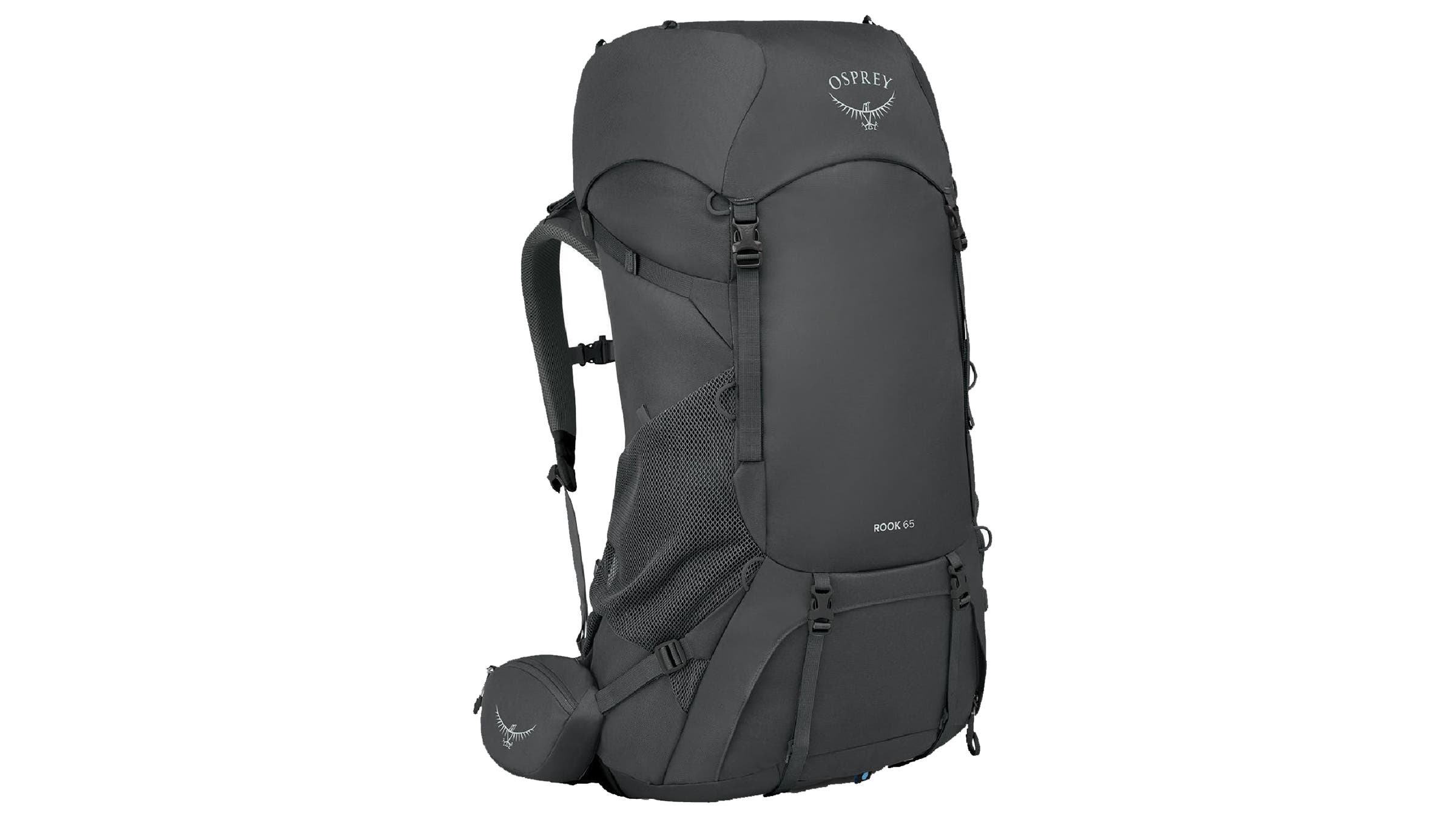
Best for Bigger Bodies: Osprey Rook/Renn 65L Extended Fit
- Lab-Tested Weight: 4 lbs 9 oz (Rook)
- Lab-Tested Volume: 63 L and two 1 L water bottle pockets
- Lab-Tested Comfortable Load Capacity: 35 lbs
- Size: Men’s and Women’s, one size each
- Pros: Adjustable backpanel, included raincover, good load carry, affordable price.
- Cons: Subpar breathability.
The Osprey Rook/Renn 65L Extended Fit is a commendable example of inclusive design, specifically engineered to meet the needs of bigger bodies rather than being an afterthought. Its hip pockets are strategically positioned for accessibility even when the waist belt is fully extended to 70 inches. Similarly, the harness padding is extended and contoured to comfortably embrace broader shoulders and waists. Despite being offered in a single size per gender, the pack features four inches of torso-length adjustability. Testers found the adjustment system—two parallel ladders with plastic toggles—simple to manipulate. The 4-millimeter aluminum perimeter frame enabled testers of all sizes to carry exceptionally heavy loads. Diandra Oliver, a tester based in British Columbia, reported, "I packed about 45 pounds of gear to an alpine hut. I had plenty of room left in the bag and could have carried more."
Oliver also praised the abundant organizational features that facilitated quick gear stuffing for early starts. Deep bottle pockets, a massive top lid, and a stretchy dorsal sleeve accommodated extra layers. A 3-liter hydration sleeve and an included raincover further enhance its functionality. The primary drawback was breathability; the backpanel’s hourglass-shaped mesh trampoline inadvertently restricted airflow on either side for larger bodies, resulting in testers concluding humid Adirondacks hikes soaked with sweat. Despite this, the pack’s robust 600-denier recycled polyester has proven highly resistant to scrapes throughout a season of rigorous use. Oliver affirmed its durability: "I threw it on rocks and packed my axe inside with a cereal box for a blade cover. No holes or wear."
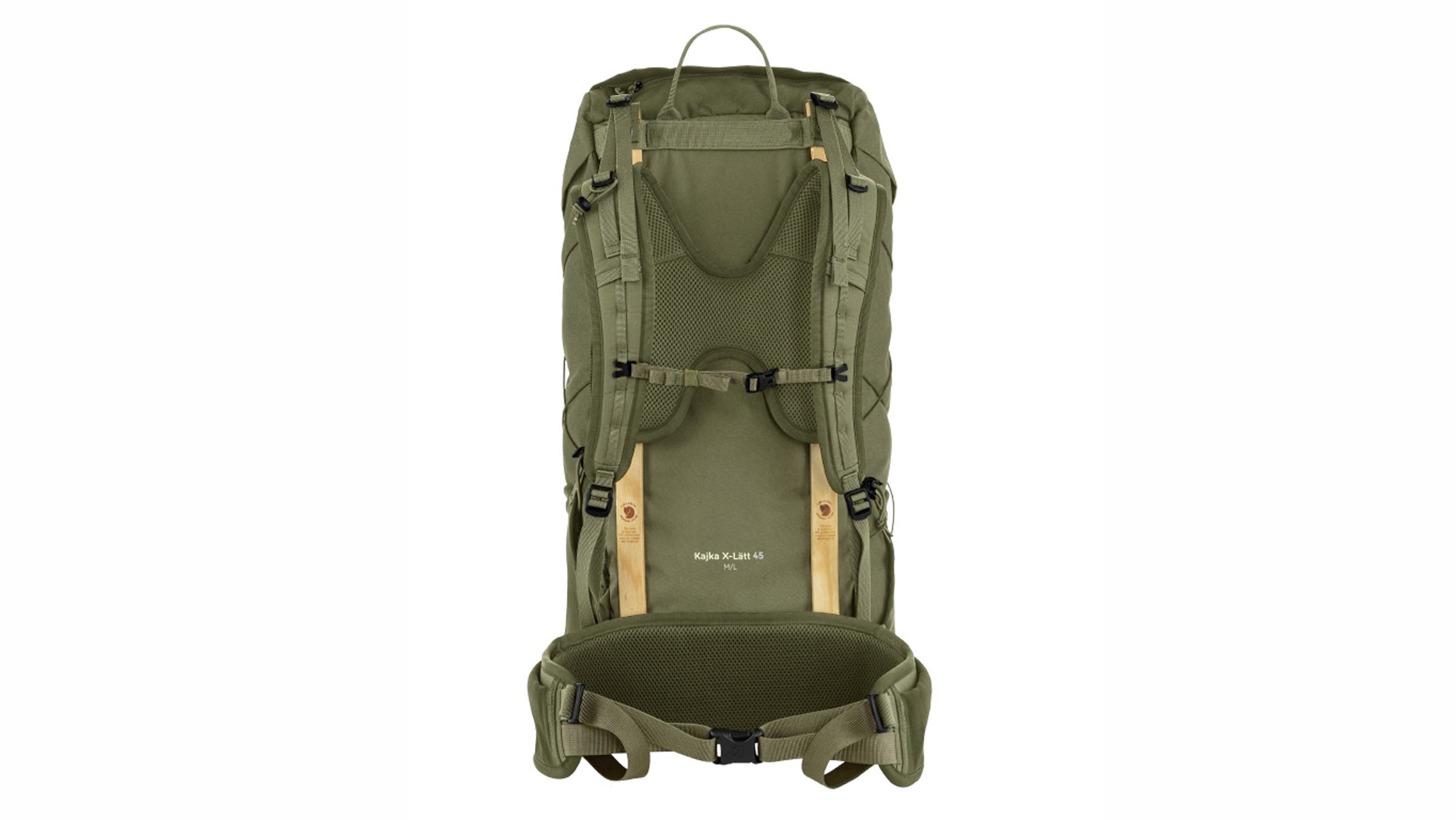
Most Eco-Friendly: Fjällräven Kajka X-Latt 45
- Lab-Tested Weight: 2 lbs 11 oz
- Lab-Tested Volume: 52 L including stretch mesh front pocket
- Lab-Tested Comfortable Load Capacity: 25 lbs
- Sizes: S/M, M/L
- Pros: Highly durable and repairable, eco-friendly materials, adjustable backpanel, removable pocket converts to crossbody bag.
- Cons: Limited organization, higher price point.
The Fjällräven Kajka X-Latt 45 sets a new standard for sustainable outdoor gear, demonstrating that environmental responsibility can coexist with high performance. This pack is entirely PFC-free, features stays crafted from thin strips of polished birchwood, and incorporates recycled nylon in its base, backpanel, and hipbelt. These thoughtful material choices minimize its ecological footprint without compromising functionality.
The X-Latt boasts superior load-carrying capacity, attributed to its wide (approximately one-inch) stays securely anchored into the center of a robust, hip-wrapping waistbelt. A Colorado-based search and rescue tester comfortably loaded the pack with up to 50 pounds—including stretcher parts, first aid equipment, and overnight gear—without experiencing strain or damage. However, for extended overnights on the Colorado Trail, he found approximately 30 pounds to be more comfortable. The canvas-like Vilnylon F fabric on the main pack body exhibited exceptional resilience throughout the testing season, enduring being thrown on sharp talus, slung from a helicopter, and stuffed with rescue gear across Colorado’s Western Slope, showing no holes or damage to the Vinylon F or the recycled polyamide fabric reinforcing the base and back panel. The stretch mesh, however, was noted as being prone to snags.
The breezy, open-cell foam backpanel is adjustable, a welcome feature. While organization is minimalist, it includes mesh side pockets (each holding a 32-ounce Nalgene), a stretchy dorsal sleeve for rain gear, and twin hipbelt pockets for snacks and sunscreen. The top lid contains a shallow valuables pocket, and a removable internal zippered sleeve transforms into a crossbody bag, ideal for adventure travel or town trips during section hikes. Some testers desired more external pockets, but off-trail users appreciated the streamlined design, which facilitated snag-free bushwhacking. A significant advantage is the X-Latt’s enhanced repairability compared to many counterparts. Many components are sewn rather than laminated, simplifying restitching or replacement, thus extending the pack’s lifespan and diverting it from landfills.
How to Select Your Ideal Backpacking Pack: A Comprehensive Guide
Choosing the right backpacking pack is paramount to the success and enjoyment of any wilderness excursion. It directly influences comfort, efficiency, and overall experience. Here’s a detailed approach to making an informed decision:
1. Capacity Assessment: Matching Pack Size to Trip Duration and Gear Needs
The initial step involves accurately determining the required capacity, measured in liters.
- 1-3 Night Trips: A pack ranging from 40 to 55 liters is typically sufficient for short to medium duration trips, accommodating essentials for a couple of nights.
- Gear-Intensive or Week-Long Trips: For longer excursions, winter trips requiring bulkier insulation, or those with specialized equipment, a capacity of 60 to 70 liters is usually necessary.
- Pre-Purchase Test: When shopping, bring your entire kit—including clothes, water, sleeping bag, tent, cooking system, and any other essentials. Load it into the prospective pack to ensure everything fits comfortably and efficiently before committing to a purchase. This practical test prevents unpleasant surprises on the trail.
2. Achieving the Perfect Fit: Prioritizing Ergonomics and Comfort
Comfort is non-negotiable. An ill-fitting pack can lead to chafing, pressure points, and severe discomfort, regardless of its other features.
- Professional Measurement: Visit a reputable gear shop and have an employee measure your torso length. This measurement, from the prominent vertebra at the base of your neck to the point midway between your iliac crests (the top of your hip bones), typically falls between 16 and 21 inches.
- Cross-Reference Specs: Ensure your measured torso length aligns with the manufacturer’s specified range for the pack you are considering.
- Dynamic Trial: Once adjusted, wear the loaded pack in the store. Perform a series of movements: swing your arms, tilt your head back, bend, and even mimic hiking motions. The pack should feel snug and integrated with your body, moving fluidly without restricting motion or causing any discomfort. Pay attention to how the hipbelt and shoulder straps interact with your body.
3. Understanding Load-Carrying Capacity: Beyond Just Volume
While volume dictates how much can fit, load-carrying capacity indicates how much weight a pack can comfortably support.
- Ultralight vs. Heavy-Duty: Lightweight and ultralight packs, while appealing for their minimal bulk, often have a comfortable load limit around 25 pounds. This can be challenging to adhere to if you prefer certain creature comforts or are carrying group gear.
- Beefier Frames: Packs designed for heavier loads, often featuring more robust internal or external frames, can comfortably manage 50 to 60 pounds. However, this increased capacity comes with a trade-off: these packs are inherently heavier even when empty.
- The 80/20 Rule: Ideally, 80 percent of the pack’s weight should rest on your hips, with only 20 percent on your shoulders. Understanding a pack’s effective load capacity (the point at which this distribution begins to falter) is crucial for long-term comfort.
4. Feature Set: Tailoring to Your Backpacking Style
Consider your personal backpacking style and priorities when evaluating a pack’s features.
- On-the-Go Access: If you frequently snack or need quick access to small items, prioritize packs with easily accessible hipbelt and chest pockets.
- Hydration Preferences: For those who prefer hydration reservoirs over bottles, ensure the pack has a dedicated hydration sleeve and a convenient hose port.
- Tool Attachment: If you plan to carry ice axes, trekking poles, or other specialized tools, look for integrated stowage loops and attachment points.
- Accessibility: Consider top-loading versus front/side panel access zippers. Some packs offer both, providing versatile entry points to your gear.
- Weather Protection: An integrated rain cover can be a significant advantage, or you may need to budget for a separate one.
- Modularity: Packs with removable top lids that convert to daypacks or other modular components offer enhanced versatility for side trips or varied adventures.
Your preferences may evolve with experience, but ensure your chosen pack meets your immediate and anticipated fundamental needs.
Rigorous Evaluation: How Backpacks are Tested in the Field and Lab
The selection of the best backpacking packs is the culmination of an intensive and multi-faceted testing process, combining real-world abuse with precise laboratory analysis. This rigorous approach ensures that recommendations are based on objective performance and extensive user feedback.
Field Testing: The Ultimate Proving Ground
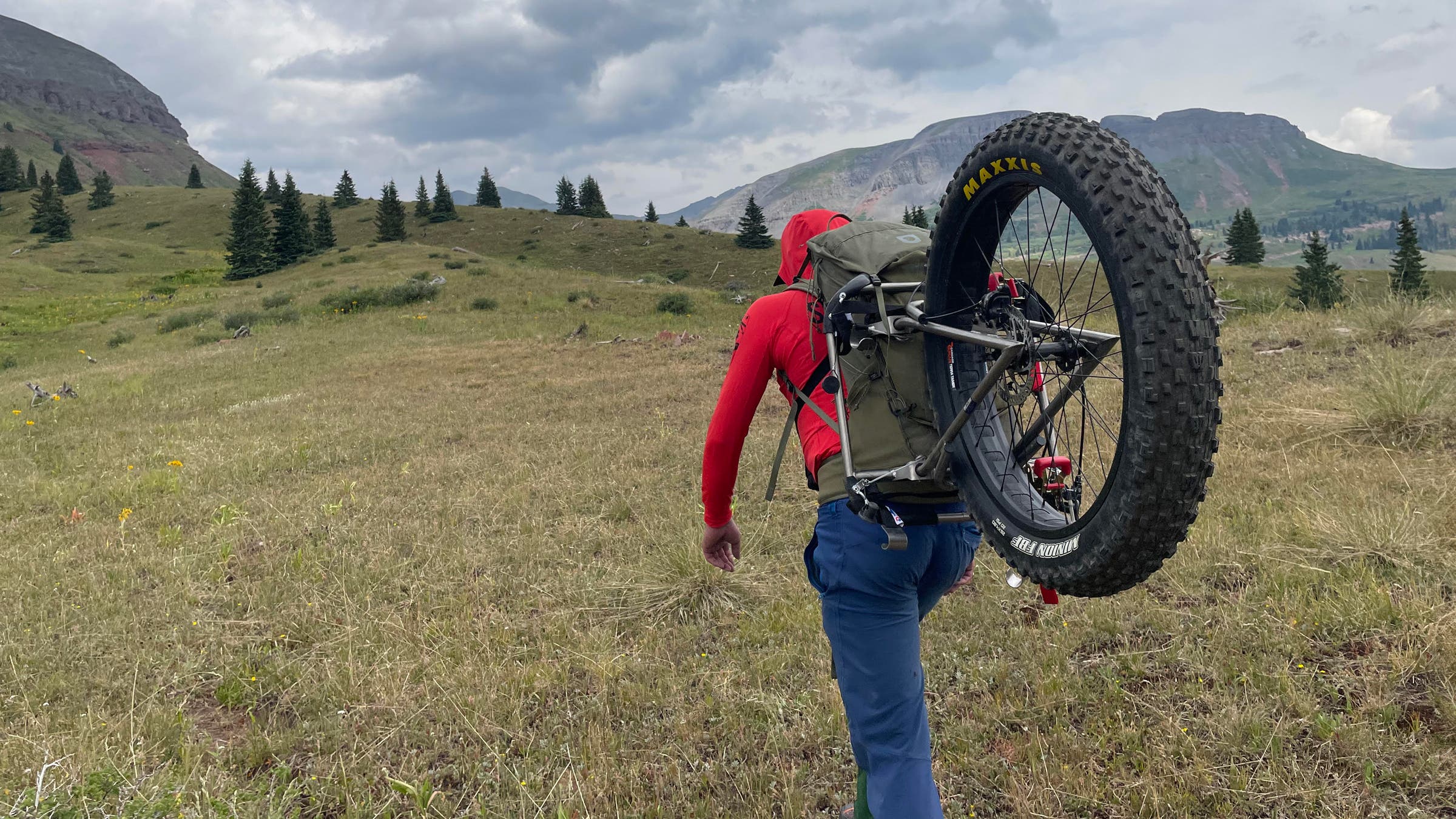
Backpacking packs are among the most challenging gear items to thoroughly test within a single season due to their complexity, the time required for pain points to emerge, and the numerous features that demand extensive evaluation. To achieve comprehensive results, each pack is typically subjected to testing by at least two hikers, accumulating a minimum of 60 to 100 miles of cumulative trail use.
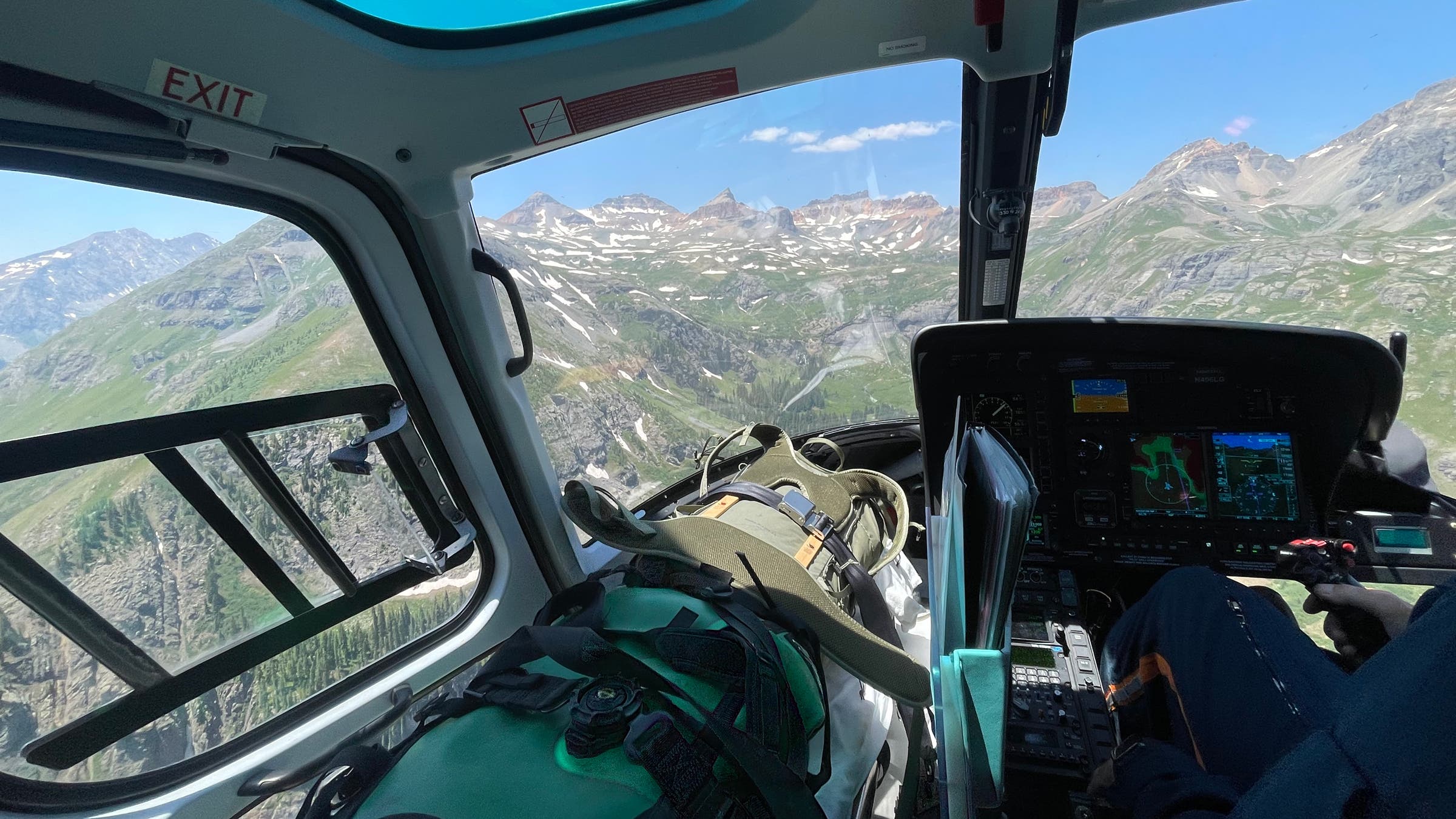
The testing season is a relentless race against deadlines. Samples begin arriving in early summer, initiating a "hot potato" game as packs are rotated among a diverse pool of testers across the country. The goal is to maximize trail time on as many varied trips as possible before final recommendations are due. Over recent years, dozens of new multi-day packs have been evaluated, compared against top-performing models from previous years. Initial screening eliminates packs lacking essential technical features, load-bearing hip belts, or suspension systems inadequate for their advertised carrying capacity. The remaining candidates are then distributed to experienced testers, whose collective feedback forms the bedrock of the reviews.
Outside Lab Testing: Scientific Precision in Performance Measurement
Volume Measurement: The ASTM F2153-07 Standard
Pack volume is quantified using the ASTM F2153-07 standard, which involves filling each compartment with uniform, 20-millimeter-diameter spheres (approximately half the size of a ping pong ball). The total number of spheres indicates the volume in liters. The process begins with the main compartment, followed by all other pockets: water bottle pockets, lid, hip pockets, front stretch mesh, and any other external pouches. Pockets are considered at capacity when they can no longer be properly closed—either fully zipped, with drawstrings tightened to a maximum remaining diameter of 2.5 inches, or with roll-top bags secured with two rolls/folds and buckling. The lab utilizes a modified version of this standard to include all pockets, even those typically excluded (open, mesh, or smaller than 4L), to provide a truly comprehensive total measured volume and illustrate how that volume is distributed.
Weight Capacity: The "Effective Load" Assessment
For optimal comfort, a pack loaded with gear should adhere to the "80/20 Rule": 80 percent of the load on the hips, and 20 percent on the shoulders. While every pack has a maximum load it can theoretically carry, this often involves a disproportionate amount of weight on the shoulders. Packs do not transition instantaneously from comfortable to catastrophic failure; their ability to transfer weight to the hips diminishes progressively. The "effective weight load" is defined as the point at which comfort begins to wane, using total load percentage as a metric, providing a crucial baseline for pack selection.
To determine effective load, mannequins are outfitted with flexible force sensors. Each pack is meticulously fitted, with the hip belt tightened, torso adjusted, and load lifters (if present) properly tensioned. Starting at 15 pounds, weight is added in 5-pound increments, with shoulder force recorded and any hip strap slippage noted. Sleeping pads are placed at the bottom of the bag to simulate realistic packing. Side compression straps are tightened as needed to center the weight against the mannequin’s back and prevent outward sagging. Packs are loaded up to a maximum of 60 pounds unless failure occurs earlier. It is important to note, as Outside Lab Test Editor Adam Trenkamp highlights, that this is a static load test and does not fully account for how a pack’s design or frame affects the feel of the load during dynamic movement. A pack performing well statically might feel off-balance with a heavy load while hiking.
- Ideal Carry (20% or less on shoulders): The majority of the load is comfortably supported by the hips.
- Comfortable Carry (20-30% on shoulders): Still manageable, but the shoulder straps are bearing a noticeable portion.
- Less Ideal (30-40% on shoulders): May cause soreness over long distances, especially with heavier packs.
- Beyond Capacity (40-50% on shoulders): Painful to carry, putting excessive stress on pack components and risking buckle or strap failure.
Meet Our Expert Testers
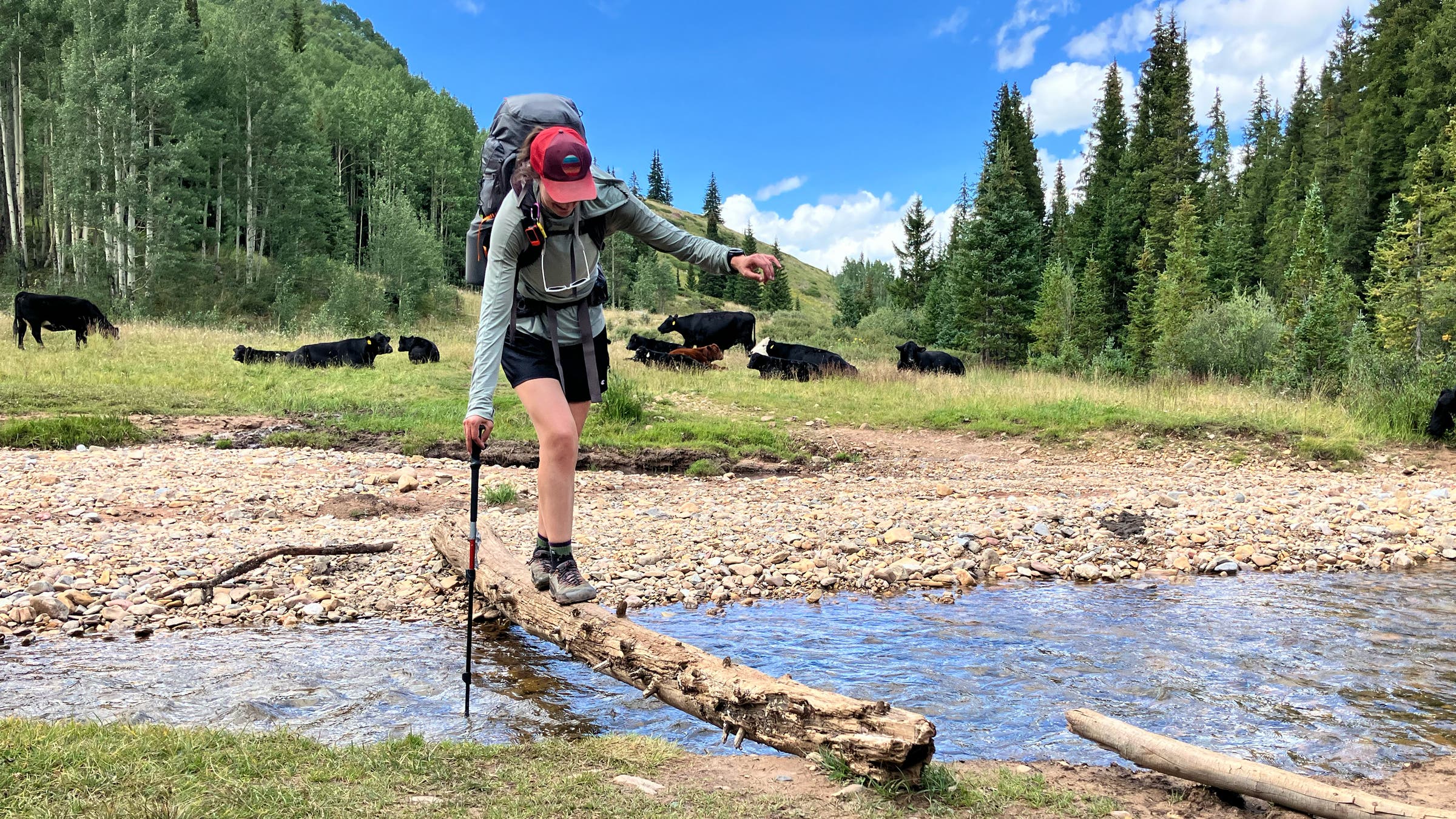
The insights and evaluations presented in this review are a testament to the dedication of our diverse team of expert testers:
- Corey Buhay: A former Backpacker editor and co-author of the hiking guidebook Colorado Rockies, Corey has managed the packs category for Backpacker since 2019, developing strong opinions on hipbelt pocket design. Based in Boulder, Colorado, her extensive experience informs her rigorous assessments.
- Reid Kalmus: A gear tester and search and rescue volunteer from Western Colorado, Reid spends his winters splitboarding and ice climbing, and his summers relentlessly challenging packs in the most rugged, off-trail environments he can find.
- Puck Van Dommelen: Part of a family of dedicated gear testers in Anchorage, Alaska, Puck balances his work making maps for the US Fish and Wildlife Service with extensive outdoor pursuits. An avid backpacker, hiker