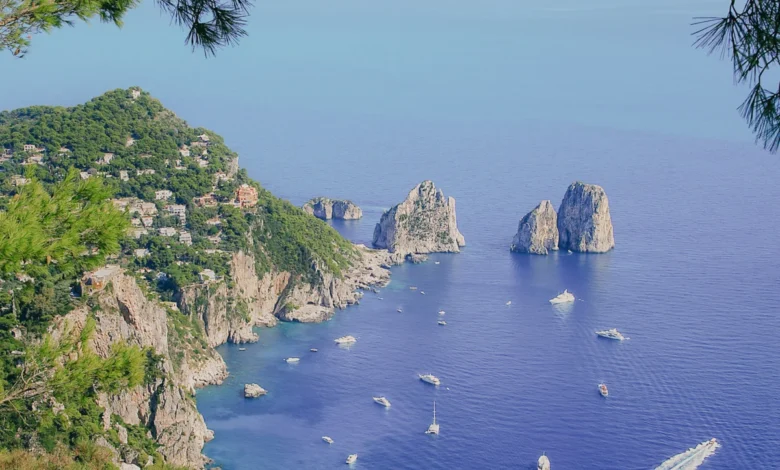
Capri, a jewel in Italy’s Bay of Naples, captivates millions with its dramatic cliffs, azure waters, and vibrant towns. However, its immense popularity, especially during peak season, often leads to overcrowding, diminishing the tranquil charm many seek. This article explores effective strategies for experiencing Capri’s iconic beauty while minimizing encounters with its busiest periods, ensuring a more intimate and authentic visit.
The Enduring Appeal and Challenges of Capri Tourism

Capri’s status as a premier Mediterranean destination is deeply rooted in its rich history and breathtaking natural landscape. From Roman emperors like Tiberius, who established imperial villas here, to the jet-setters of the mid-20th century, the island has long been a haven for those seeking beauty and exclusivity. Today, this legacy attracts a diverse influx of visitors, primarily day-trippers from nearby Naples and the picturesque Amalfi Coast, alongside a significant number arriving via large cruise ships docking in Naples. While this robust tourism contributes substantially to the local economy, supporting countless businesses and residents, it simultaneously poses considerable challenges, particularly in managing visitor flow and preserving the island’s delicate environment and unique character. The summer months, especially July and August, witness the highest concentration of tourists, transforming serene pathways and charming piazzas into bustling thoroughfares. This seasonal congestion not only impacts visitor experience but also strains local infrastructure and resources.

Strategic Timing: Embracing the Shoulder Seasons

To truly appreciate Capri’s splendor without the overwhelming crowds, the timing of one’s visit is paramount. Opting for the shoulder seasons—typically April to May and September to October—offers a markedly calmer experience compared to the peak summer months. During these periods, the island benefits from pleasant weather, fewer large cruise ship arrivals, and a more relaxed atmosphere.

- Spring (April-May): The island awakens with vibrant blooms, lush greenery, and comfortable temperatures, ideal for exploring on foot. The sea is warming, making early dips possible, and outdoor activities are highly enjoyable. Most tourist services are fully operational, but the sheer volume of visitors is significantly lower than in high summer.
- Autumn (September-October): The intense summer heat subsides, leaving behind warm, inviting weather. The sea remains warm enough for swimming, and the vineyards are often in harvest, adding a unique cultural dimension. The number of day-trippers begins to dwindle, and the island regains a sense of its traditional Italian rhythm.
- Off-Season (November-March): While many services may be reduced or closed, visiting in the deep off-season provides an unparalleled sense of tranquility. It’s a time for quiet contemplation, long walks, and experiencing Capri through the eyes of its residents. However, visitors should be prepared for cooler weather and limited tourist infrastructure.
Optimizing Your Daily Itinerary: The Early Bird and Evening Serenity

Even if travel dates are fixed within the popular summer months, strategic daily planning can significantly mitigate the impact of crowds. A key observation is that most cruise ship excursions and day trips from the mainland arrive between 10:00 AM and 11:00 AM and depart around 4:00 PM to 5:00 PM. This "day-tripper window" is when the island is at its busiest.

- Early Morning Advantage: For those not on a cruise, booking the earliest available ferry from Naples or the Amalfi Coast is highly recommended. Arriving in Marina Grande by 8:00 AM or 9:00 AM allows for several hours of relatively peaceful exploration before the main influx of visitors. Imagine strolling through the Piazzetta di Capri, enjoying a coffee in solitude, or visiting popular sites like the Gardens of Augustus with fewer people.
- Embracing the Evening: The island undergoes a magical transformation as the day-trippers depart. Capri becomes a haven of sophisticated calm, ideal for those staying overnight. Sunset dinners, leisurely evening passeggiate (strolls), and enjoying cocktails in the quieter squares offer a completely different, more luxurious experience. This shift highlights the distinct advantage of an overnight stay versus a rushed day trip.
- Independent Exploration vs. Organized Excursions: Cruise ship excursions often herd large groups to predetermined, popular spots, creating bottlenecks. Instead, consider booking independent small-group or private tours in advance. Websites like GetYourGuide or local tour operators offer more flexible and personalized experiences, often at a more competitive price point than those offered by cruise lines. This allows for greater control over itinerary and pacing, enabling visits to key attractions during less crowded times or exploring lesser-known gems.
Exploring Capri’s Diverse Landscapes and Cultural Richness

Capri is more than just a single destination; it’s an island with distinct areas, each offering unique attractions and experiences.

1. Capri Town: The Heart of the Island
Capri Town, the island’s bustling administrative and social hub, is often the first major stop for visitors after arriving at Marina Grande. Its central square, the Piazzetta di Capri, famously known as the "world’s living room," is a vibrant gathering place, perfect for people-watching and soaking in the island’s glamorous atmosphere. However, to truly enjoy it, an early morning visit or a late evening aperitif is advisable.

- Cultural Highlights: Explore the historic Church of Santo Stefano, a beautiful baroque structure showcasing impressive architecture. Wander through the town’s labyrinthine alleys, discovering hidden boutiques and charming cafes.
- Luxury Shopping: Capri Town is synonymous with high-end fashion. Streets like Via Camerelle host an array of Italian designers such as Dolce & Gabbana, Versace, and international luxury brands like Louis Vuitton and Fendi. Non-EU visitors can benefit from tax-free shopping, though carrying a passport for such transactions is essential.
- Culinary Delights: For authentic Caprese cuisine, Buca di Bacco offers freshly made pizza and pasta at reasonable prices. Al Grottino is another local favorite, celebrated for its fresh seafood, including exquisite calamari. For a more upscale dining experience with a modern twist, Godò Capri specializes in Japanese fusion, boasting an impressive cocktail menu and delectable sushi. For wine enthusiasts, Salotto Bohémien, located conveniently near the Piazzetta, provides an extensive selection of Italian wines, perfect for an evening tipple.
- Accommodation: Villa Marina Capri is highly recommended for its boutique charm, stunning architecture, and an iconic pool that serves as a refreshing oasis after a day of island exploration. Its authentic Caprese vibe makes it a truly special stay.
2. Anacapri: The Serene Heights
Perched at a higher altitude, Anacapri offers a quieter, more traditional Caprese experience away from the main town’s hustle. Accessing Anacapri typically involves a scenic, albeit winding, bus journey or a private taxi from Marina Grande or Capri Town. The island’s narrow, challenging roads are navigated by skilled local drivers with remarkable speed, which can be an experience in itself for those unaccustomed to such routes.

- Central Piazza: Piazza della Vittoria serves as the main square and a convenient drop-off point for most transportation. From here, visitors can explore the charming local shops and artisan workshops.
- Dining in Anacapri: Casa Orlandi is praised for its freshly prepared pizzas, while Sciue’ Sciue’ offers another excellent option for a relaxed lunch, serving wholesome local dishes.
- Historical Churches: Anacapri is home to several beautiful churches, including the Church of Saint Sophia and the nearly 300-year-old Church of San Michele, notable for its stunning majolica tiled floor depicting the Garden of Eden. These offer a glimpse into the island’s religious and artistic heritage.
3. Monte Solaro Chair Lift and Hike: Panoramic Vistas
The Monte Solaro Chair Lift, accessible from Anacapri, is arguably one of Capri’s most captivating attractions, offering unparalleled panoramic views from the island’s highest point. The 13-15 minute ascent, while exhilarating, might be daunting for those with a fear of heights due to the open-air design.

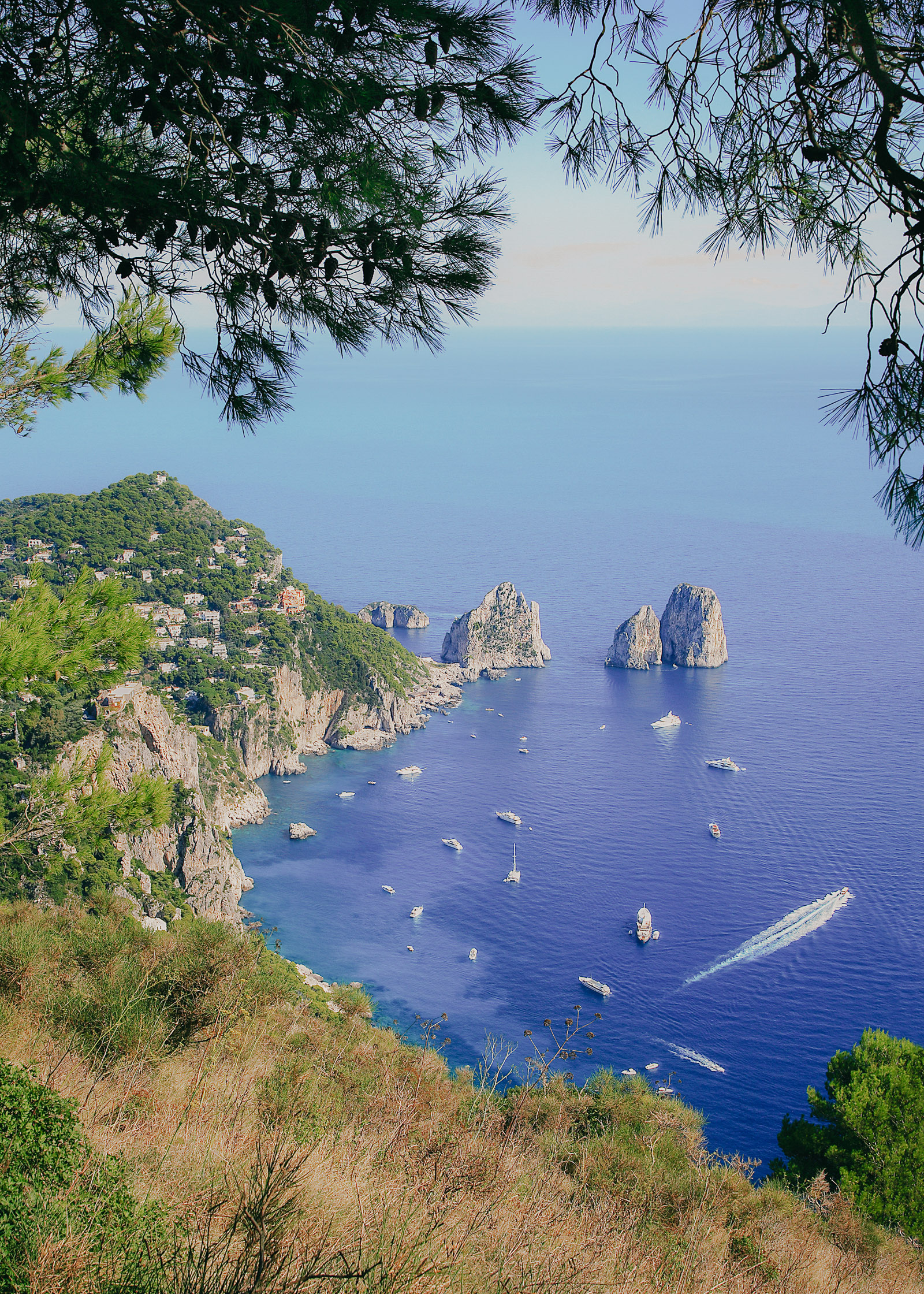
- Summit Experience: At the summit, a paved area awaits, providing breathtaking 360-degree vistas encompassing the entire island of Capri, the dramatic Faraglioni rocks, the sprawling Bay of Naples, and even Mount Vesuvius in the distance on a clear day. This viewpoint is a photographer’s paradise.
- Hiking Alternative: For the more adventurous, a hike to Monte Solaro’s summit from Anacapri offers a rewarding challenge. While not excessively long, the ascent can be demanding, especially under the summer sun. Adequate hydration and appropriate footwear are crucial. Websites like AllTrails provide detailed routes for planning. The reward is the same magnificent view, earned through physical exertion.
- Accommodation with a View: Hotel San Michele in Anacapri is an excellent choice for a clifftop stay, boasting some of the island’s most spectacular views. Its traditionally styled rooms offer a blend of comfort and authentic Caprese charm.
4. Villa San Michele: A Swedish Legacy
Just a short walk from the Monte Solaro chairlift station in Anacapri lies Villa San Michele, a historic property steeped in the fascinating story of Swedish physician and author Axel Munthe. Maintained as it was in the 1800s, the villa and its exquisite gardens offer a unique cultural experience.

- Gardens and Artifacts: The grounds are a testament to Munthe’s eclectic taste, filled with ancient Roman and Egyptian artifacts, classical sculptures, and Mediterranean flora. The famous sphinx offers a stunning vantage point over Marina Grande and the Gulf of Naples.
- Historical Insight: A visit, typically lasting about 30 minutes, provides insights into Capri’s past residents, their lives, and the island’s evolution into a celebrated destination.
5. Gardens of Augustus and Via Krupp: Botanical Beauty and Engineering Marvel
The Gardens of Augustus, located in Capri Town, are renowned for their meticulously manicured botanical gardens and, more importantly, for their spectacular viewpoints. A small entry fee grants access to these serene gardens.

- Iconic Views: From here, visitors are treated to incredible vistas of the iconic Faraglioni rock formations and the intricate, hairpin bends of Via Krupp. Via Krupp, a historic pedestrian pathway carved into the cliff face, is a marvel of engineering, though it is frequently closed for safety reasons due to rockfall risk. Even when closed, the view of the path from the gardens remains impressive.
6. Capri Boat Tours: Unveiling the Coastline
To truly grasp Capri’s dramatic beauty, a boat tour around the island is indispensable. The rugged cliffs, hidden coves, and sea caves are best appreciated from the water.

- Must-See Grottos and Formations: Popular tour stops include the world-famous Blue Grotto (Grotta Azzurra), known for its ethereal blue light (be prepared for potential queues and small boat transfers to enter), the Green Grotto (Grotta Verde), and the White Grotto (Grotta Bianca). Passing through the natural arch of the Faraglioni rocks is a quintessential Capri experience. Tours also often pass by Casa Malaparte, an architectural masterpiece built directly into a rocky promontory.
- Booking in Advance: Given the high demand, especially during peak season, it is highly recommended to book these boat tours in advance through independent operators to secure a spot and potentially avoid larger, less personal excursions.
7. Marina Grande: The Gateway to Capri
Marina Grande is the primary port of arrival for ferries from Naples and the Amalfi Coast. While often a bustling hub of activity, it also offers a few attractions worth exploring.

- Beach Clubs and Swimming: For a relaxed afternoon, Le Ondine Beach Club provides a chilled atmosphere for an aperitif or lunch, with opportunities for a dip in the sea. Be aware that most Capri beaches are stony rather than sandy, and sun lounger rentals can be expensive (typically €75-€100). Alternatively, Cala Grande Beach, a 10-minute walk from the ferry terminal, offers public access for swimming.
8. Marina Piccola: Southern Charm and Iconic Views
Located on Capri’s picturesque south coast, Marina Piccola is a stunning shoreline offering sheltered bays and warm Mediterranean waters ideal for swimming.

- Scenic Beauty: It boasts incredible views of the Faraglioni rocks from yet another perspective, making it a popular spot for relaxation.
- Dining and Relaxation: While the restaurants here are often priced for tourists, simple dishes like pizza are generally reliable. La Palma Beach Club is a notable option for renting sun loungers and enjoying refreshments in a beautiful setting. Despite the rocky terrain, the crystal-clear waters make it a delightful place for a swim.
Broader Implications: Balancing Tourism and Preservation

Capri’s continued allure underscores the delicate balance between fostering a thriving tourism economy and preserving the island’s natural beauty and authentic character. Local authorities and environmental groups are increasingly focused on sustainable tourism practices, including managing visitor numbers, promoting responsible waste management, and encouraging off-season visits. The aim is to ensure that Capri remains a desirable destination for generations to come, offering its magic to visitors without succumbing to the pressures of overtourism. By adopting the strategies outlined, visitors can contribute to this balance while enjoying a more profound and less hurried appreciation of this magnificent Italian island.