Exploring the Cultural and Historic Legacy of Santiago de Querétaro A Comprehensive Guide to Mexicos Rising Tourism Destination

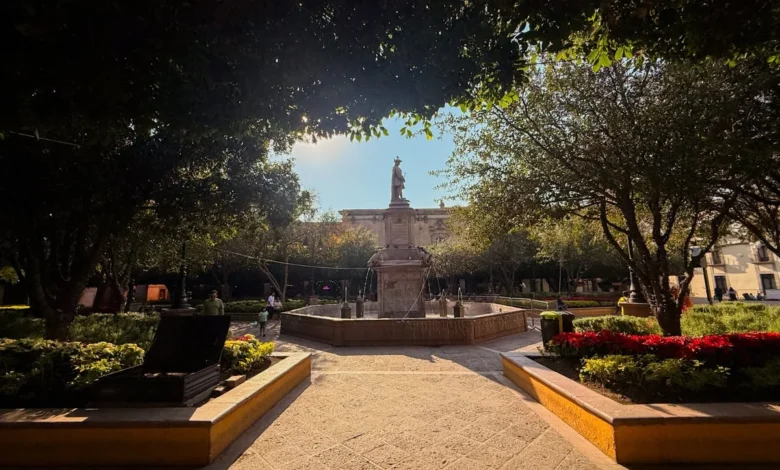
Santiago de Querétaro, the capital of the state of Querétaro in Central Mexico, has emerged as a critical destination for travelers seeking a balance between colonial history, modern infrastructure, and authentic cultural connection. Founded in 1531, the city serves as a geographic and historical crossroads, linking the central valley of Mexico to the northern mineral-rich regions. In 1996, the Historic Monuments Zone of Querétaro was designated a UNESCO World Heritage site, a recognition of its unique urban layout that preserves both the geometric street plan of the Spanish conquerors and the winding alleys of the indigenous Otomí and Chichimeca quarters. Today, the city offers a multifaceted experience ranging from 18th-century architectural marvels to cutting-edge contemporary art and upscale suburban developments.
The Architectural Foundation of the Centro Histórico
The heart of Santiago de Querétaro is its Centro Histórico, a district characterized by its walkability and remarkably preserved Spanish colonial architecture. Unlike many colonial cities that underwent radical modernization, Querétaro has maintained the integrity of its 17th and 18th-century structures. The district is anchored by a series of interconnected plazas and "andadores" (pedestrian walkways) that facilitate a communal atmosphere.
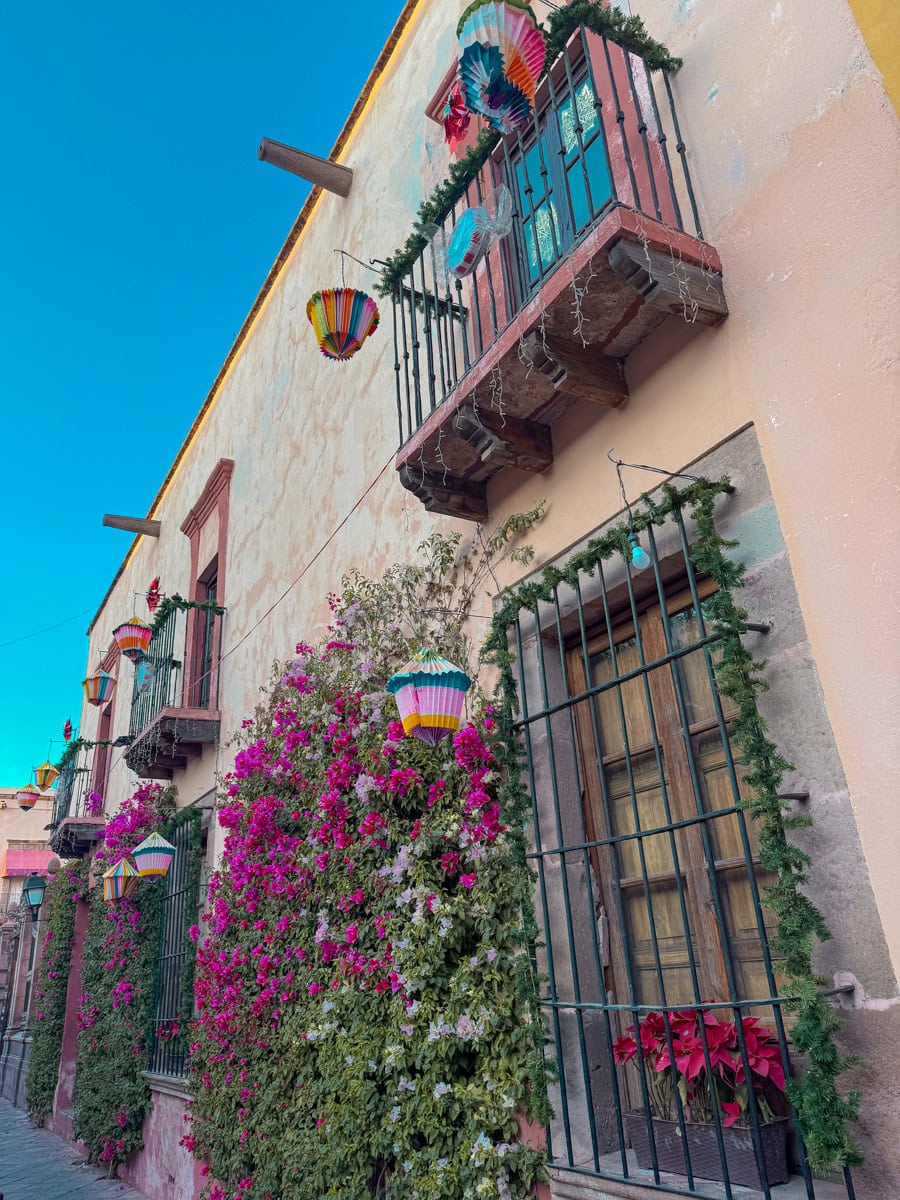
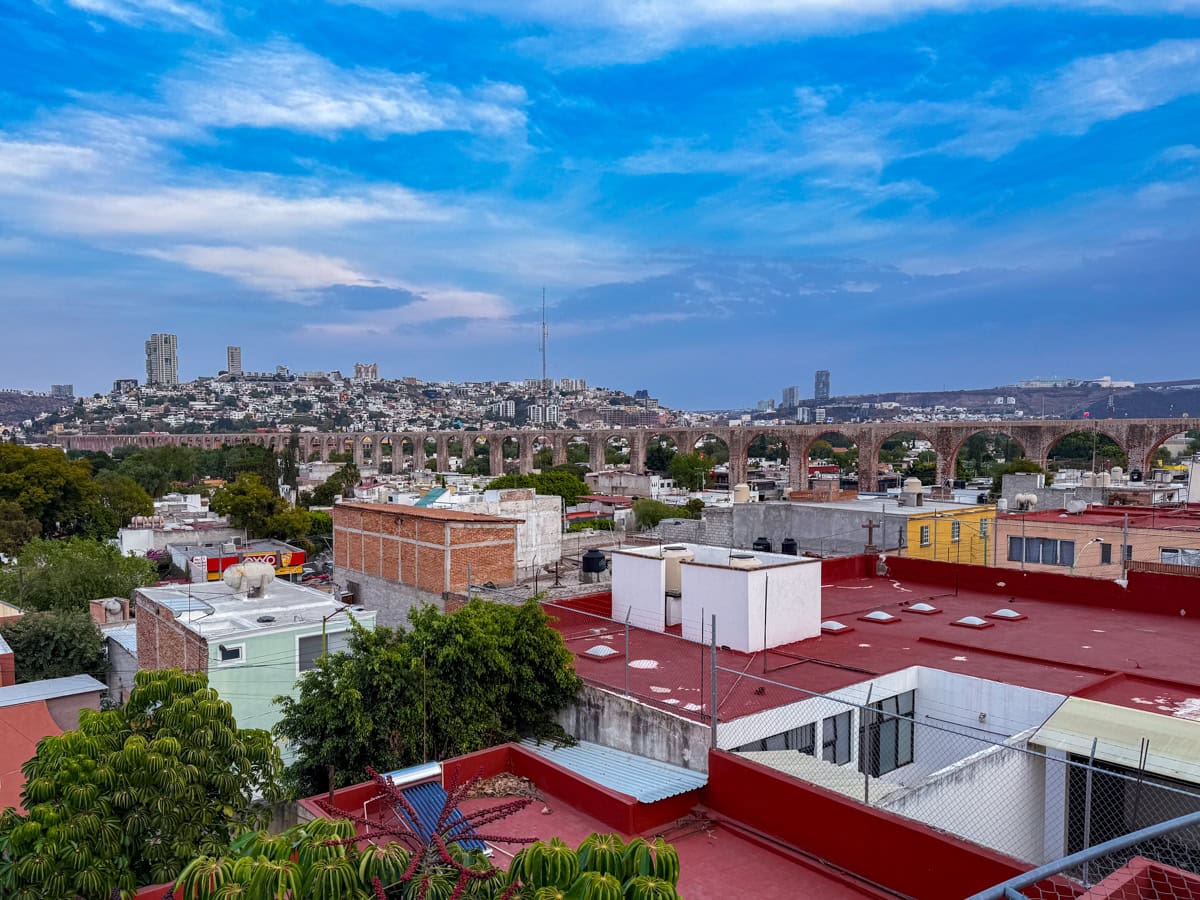
Among the most significant landmarks is the Acueducto de Querétaro, completed in 1738. This massive stone structure, consisting of 74 towering pink sandstone arches, stretches 1,280 meters and reaches a maximum height of 23 meters. It was commissioned by the Marqués de la Villa del Villar del Águila to transport potable water to the city’s convents and residents. Today, the aqueduct remains the city’s most iconic symbol. For a panoramic view of this engineering feat, visitors frequent the Mirador de los Arcos in the Barrio de la Cruz, a vantage point that highlights the scale of the structure against the city’s skyline.
The Role of Civic Spaces and Plazas
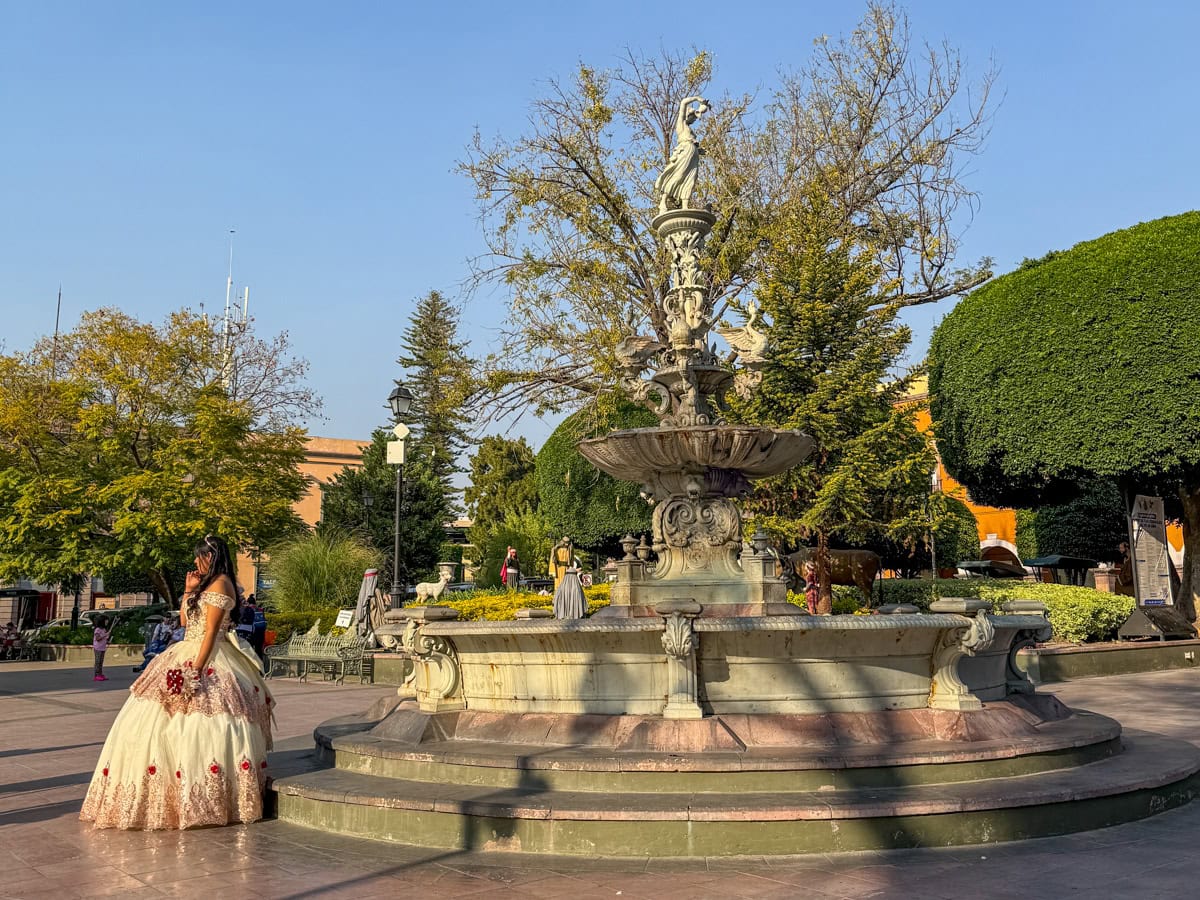
Querétaro’s urban design relies heavily on its plazas, which serve as the primary venues for social interaction and cultural expression.
Plaza de Armas
Considered the most elegant square in the city, the Plaza de Armas is flanked by 18th-century mansions, including the Casa de la Corregidora, which now serves as the state’s government palace. At the center of the plaza sits the Fuente de los Perritos (Dog Fountain), dedicated to the Marqués who funded the aqueduct. The plaza is a hub for high-end dining and serves as the formal face of the city.
Jardín Zenea and Jardín Guerrero
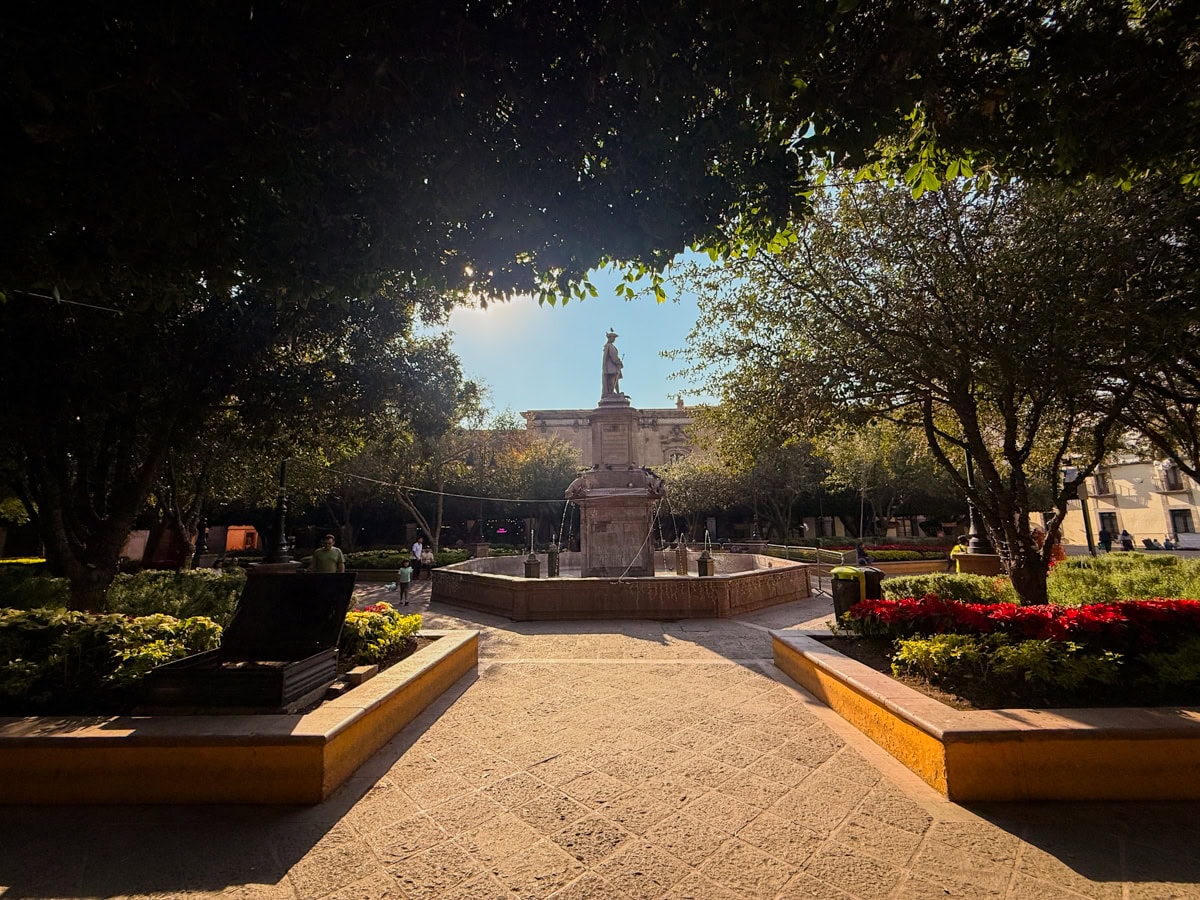
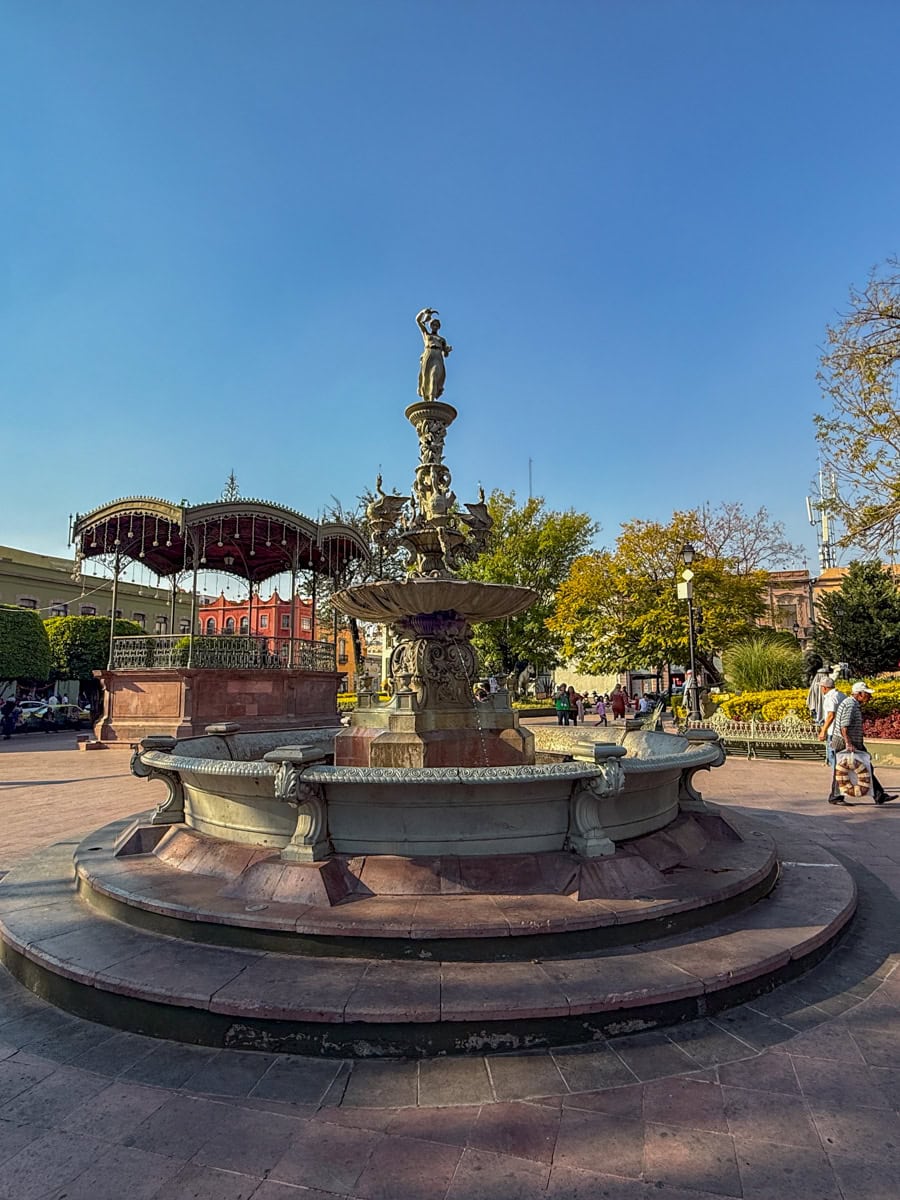
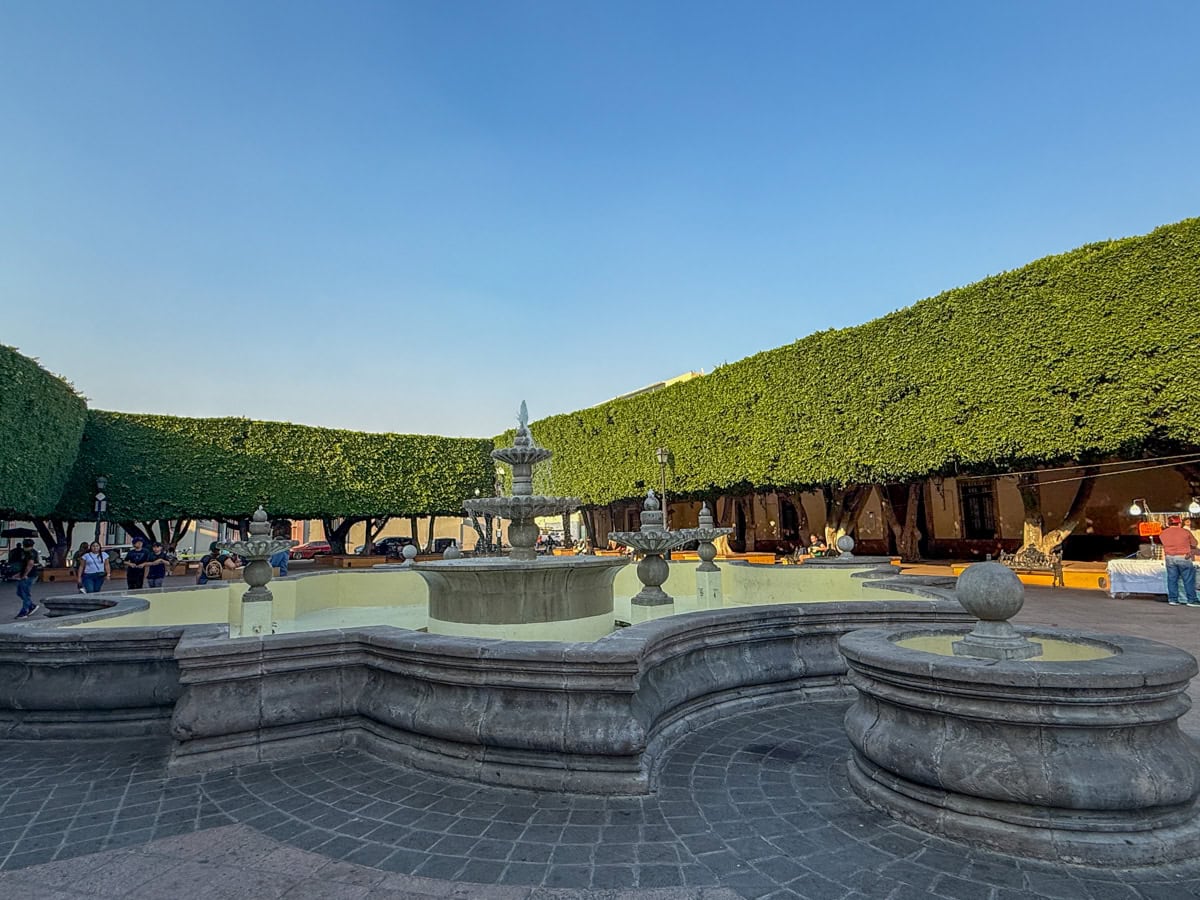
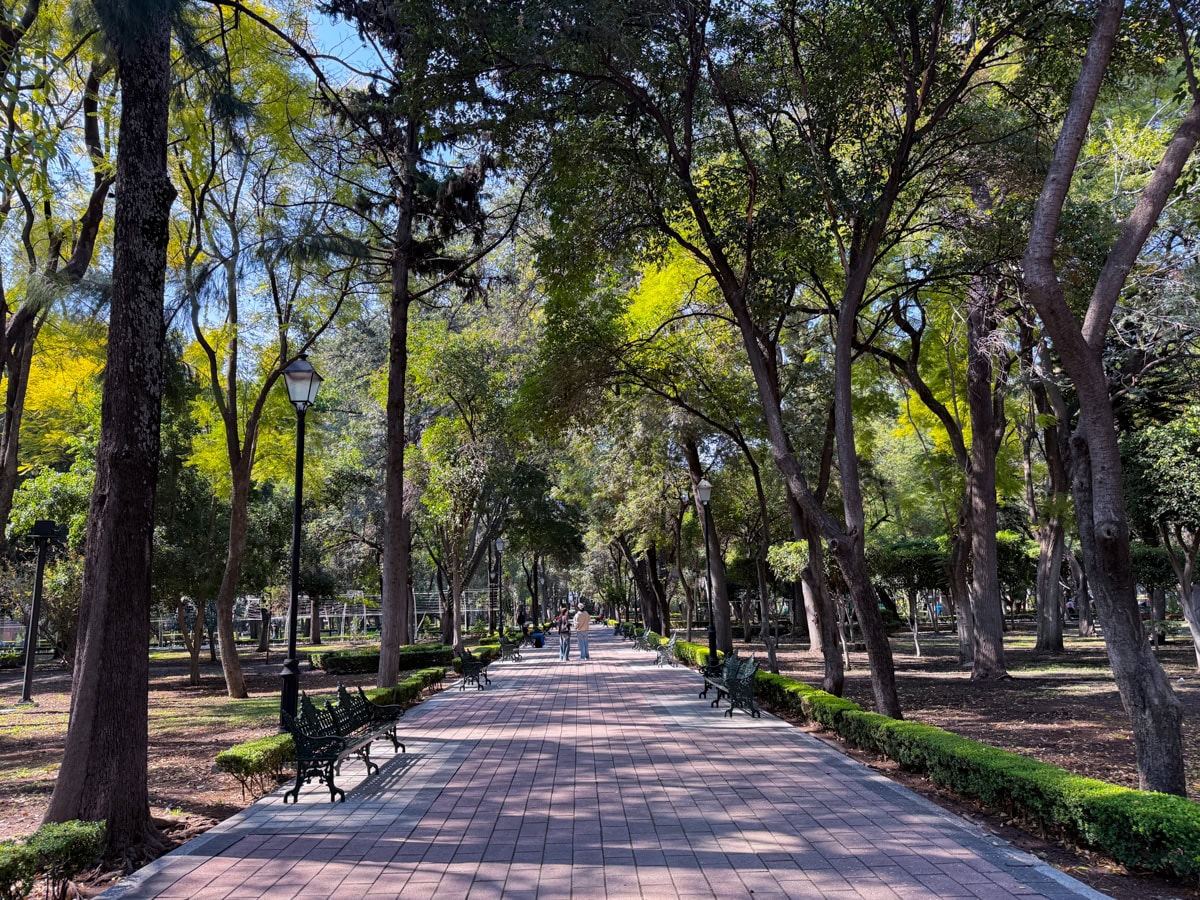
Jardín Zenea is the city’s most vibrant public space, featuring a 19th-century porfirian-style bandstand. It is a focal point for community life, often hosting live music and traditional dance performances. A few blocks away, Jardín Guerrero offers a more tranquil environment. Located in front of the former City Hall, it is known for its spacious layout and ornamental stone fountains, providing a reprieve from the density of the surrounding commercial streets.
The Trio of Plazas in La Cruz
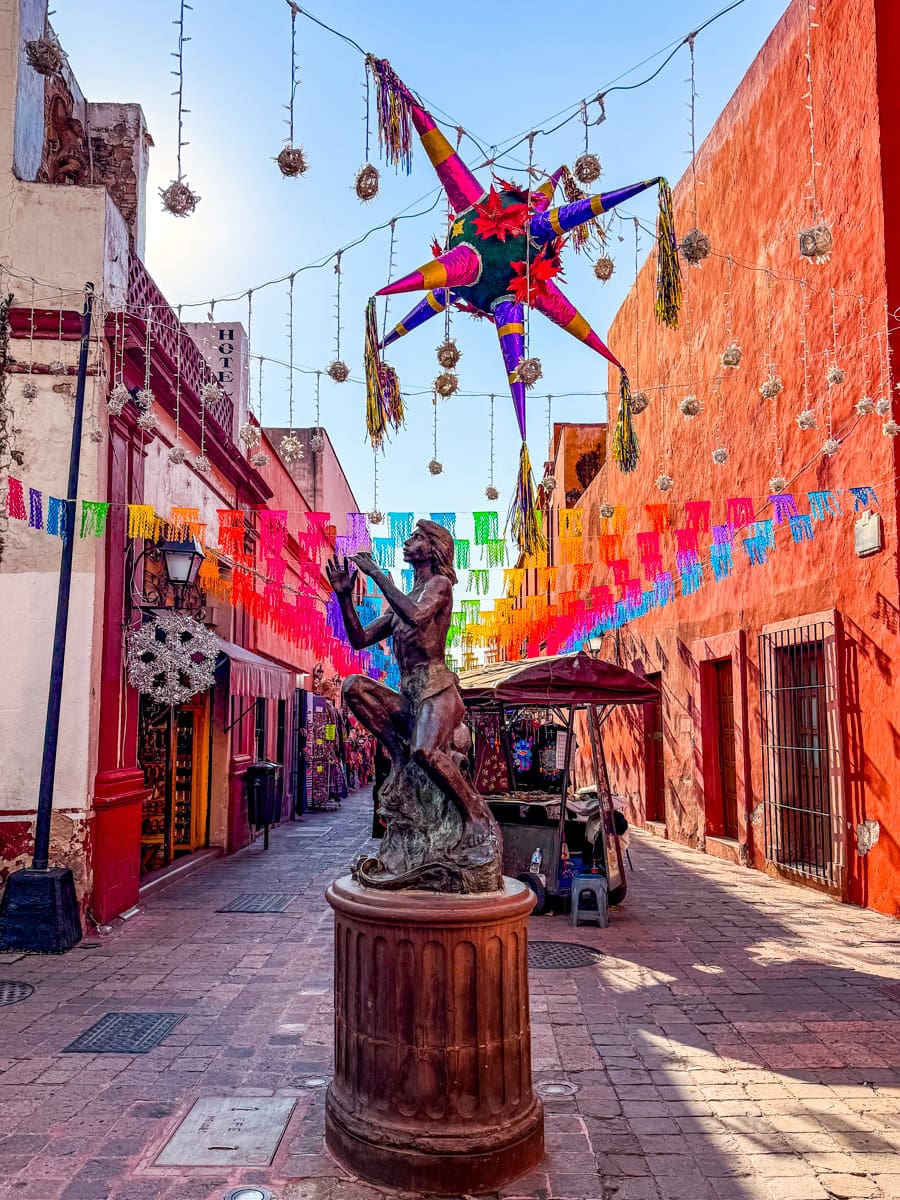
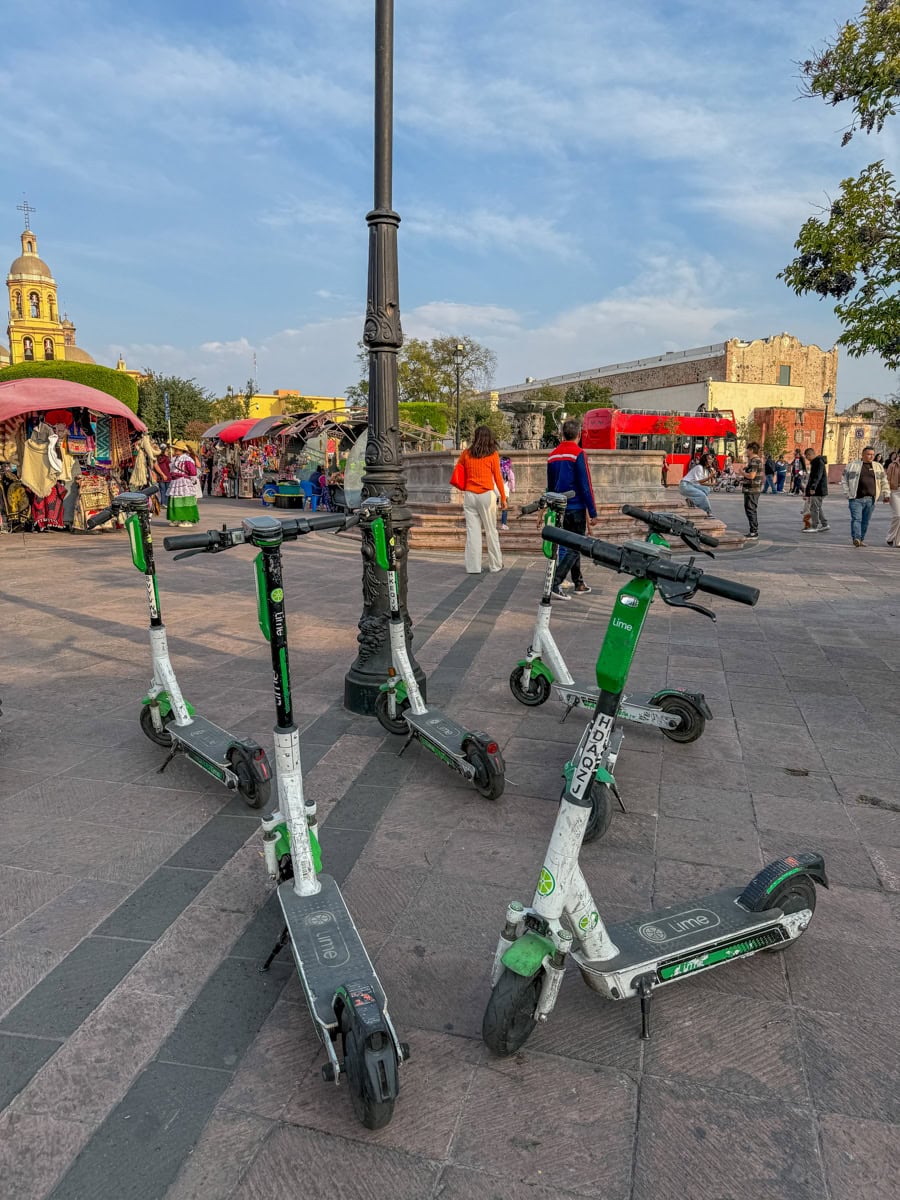
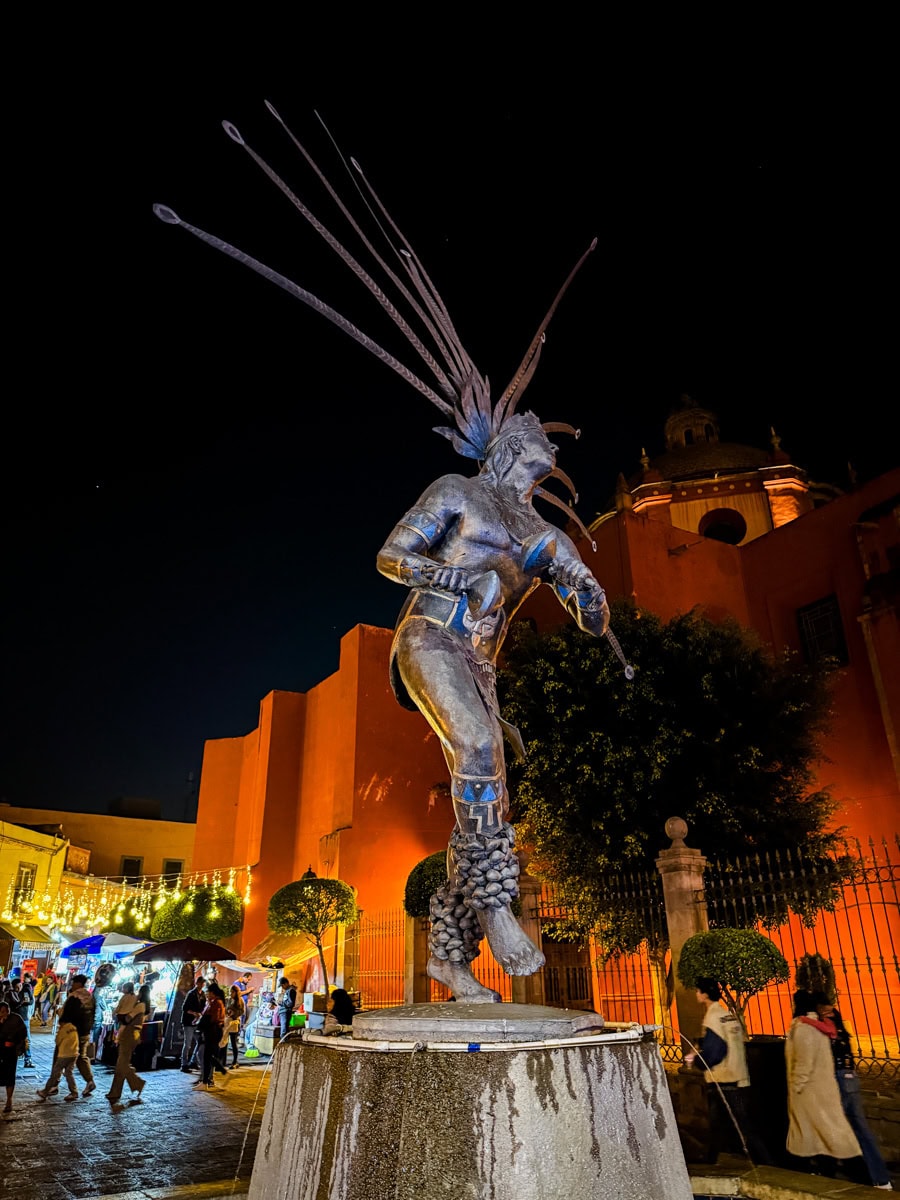
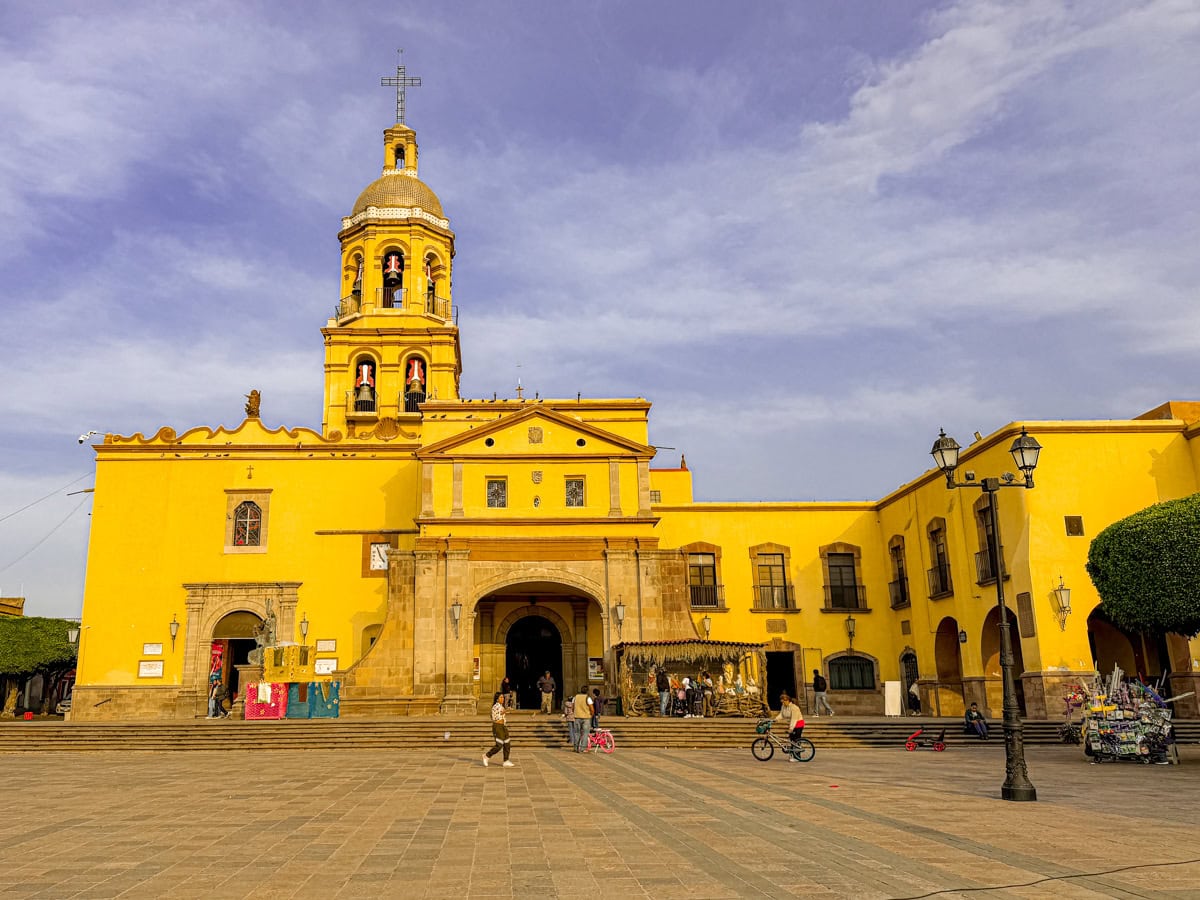
On the eastern edge of the center, the neighborhood of La Cruz hosts three distinct public spaces: Plaza de la Constitución, Plaza de la Cruz, and Plaza Fundadores. This area is historically significant as the site where the city was founded following a legendary battle between the Spanish and the Chichimecas. Plaza Fundadores is particularly noted for its bronze statues depicting the city’s founders and its proximity to the Templo de la Cruz, a monastery famous for its "trees with cross-shaped thorns."
Cultural Preservation Through Museums and Arts
Querétaro supports a robust network of nearly 20 museums, many of which are housed in restored religious and residential buildings, providing a dual experience of art and history.
Museo de Arte de Querétaro (MAQRO)
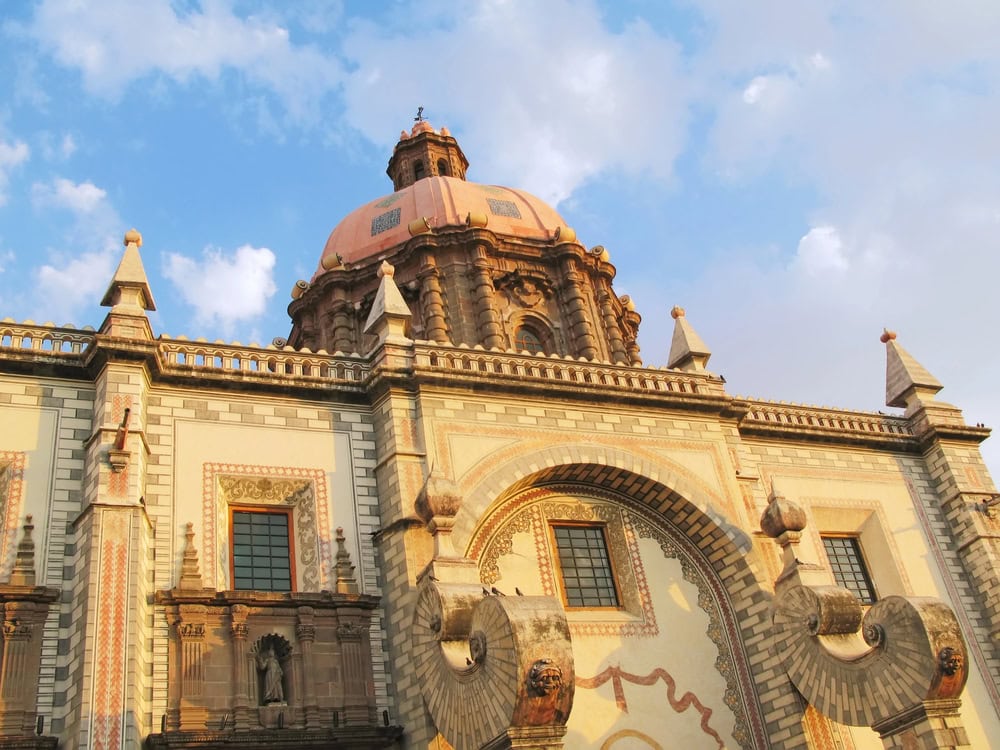
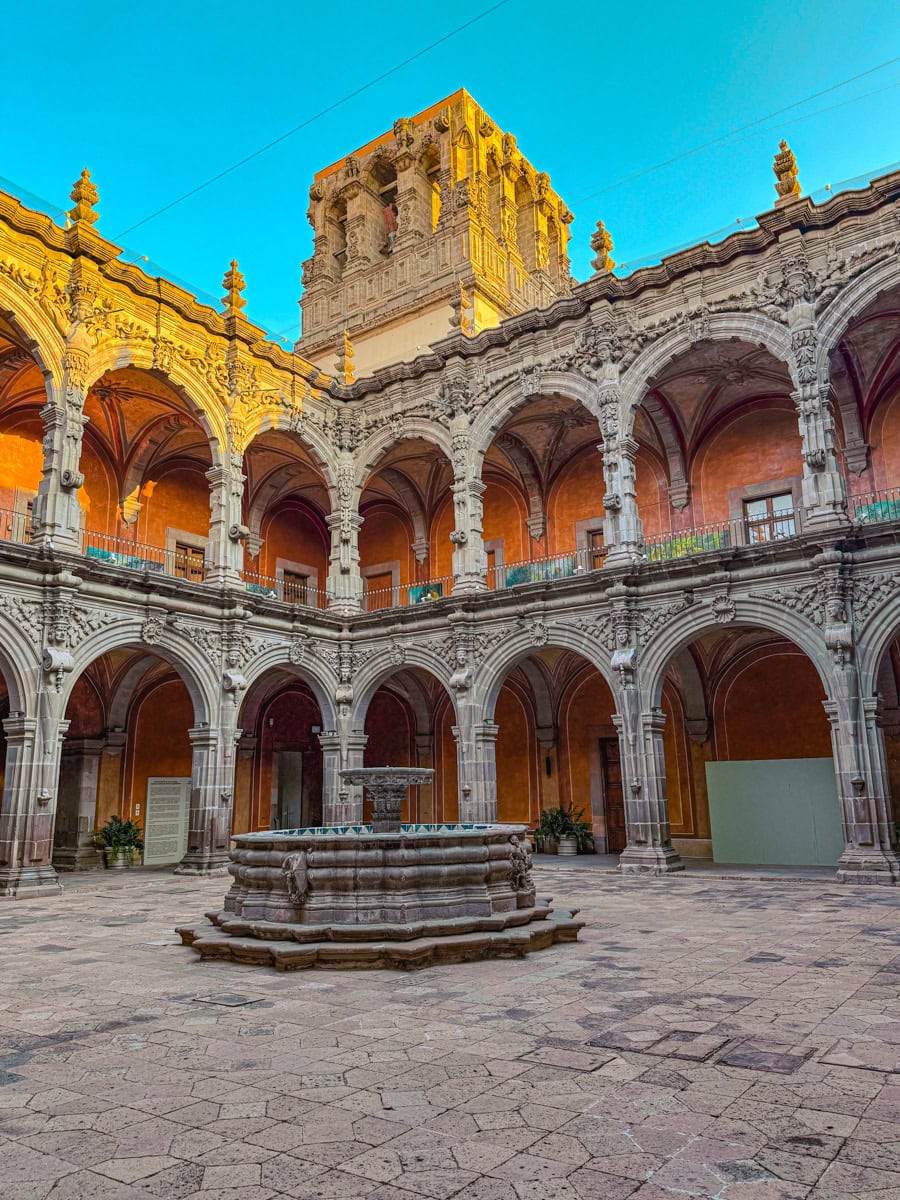
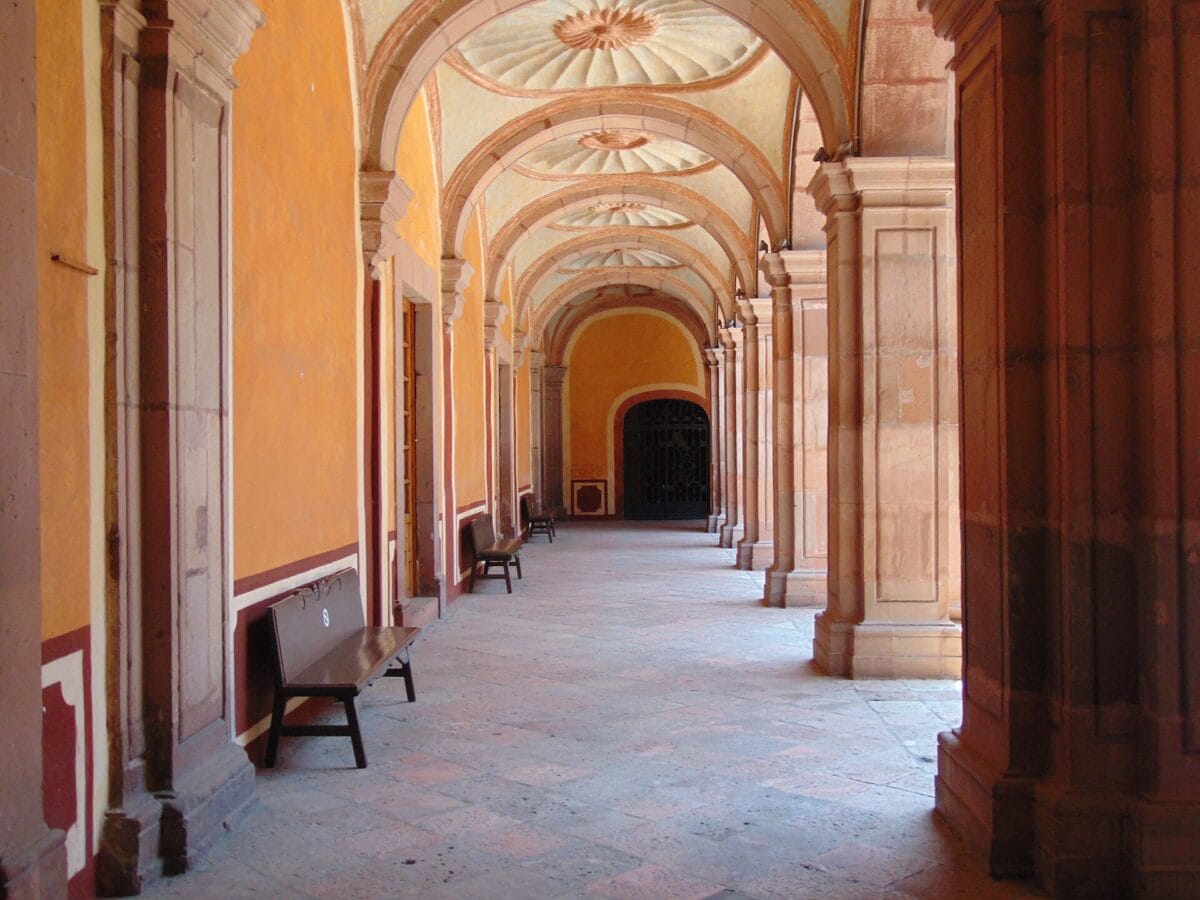
Housed in the former cloister of San Agustín, MAQRO is widely regarded as one of the most beautiful examples of Baroque architecture in the Americas. The museum’s collection spans colonial-era religious art to modern Mexican masterpieces. The courtyard, with its intricate stone carvings and dramatic arches, is an architectural destination in its own right.
Museo del Calendario (MUCAL)
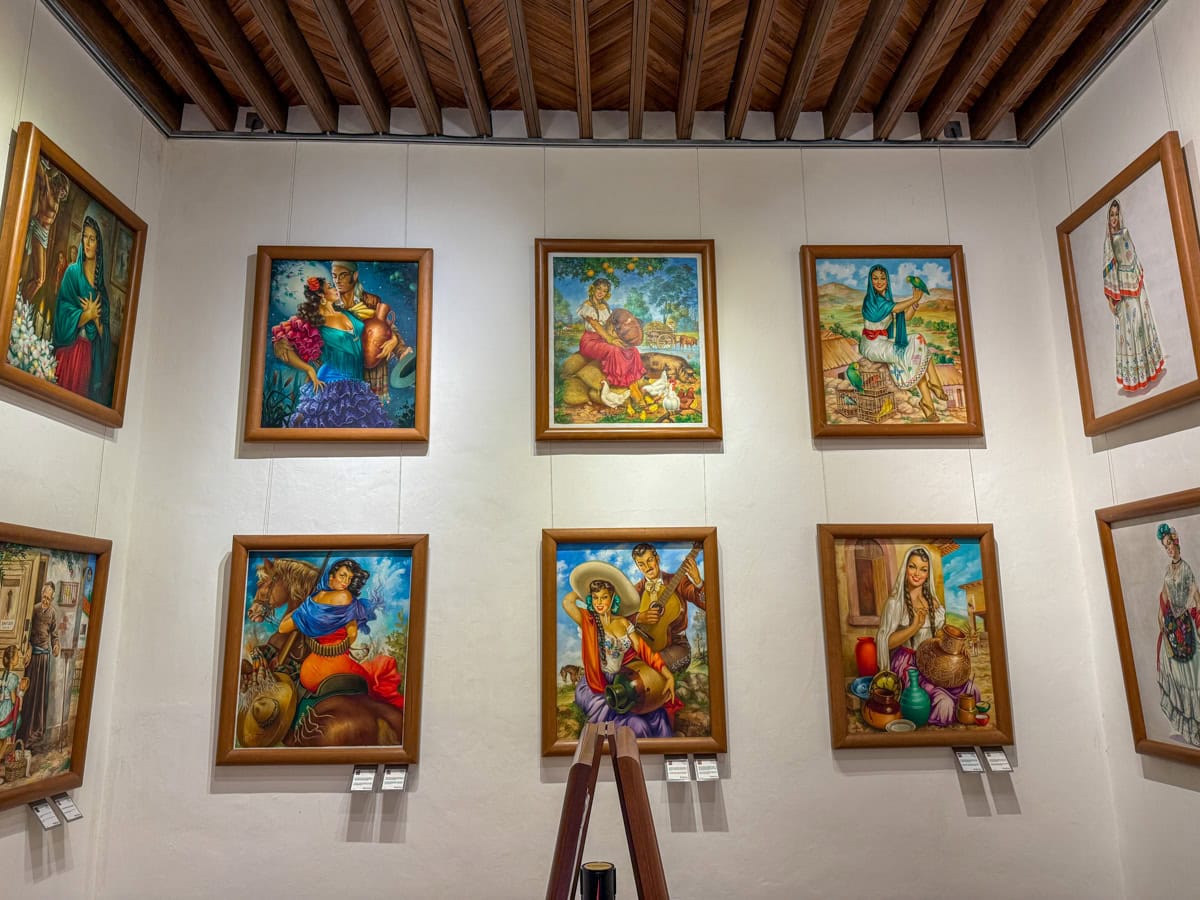
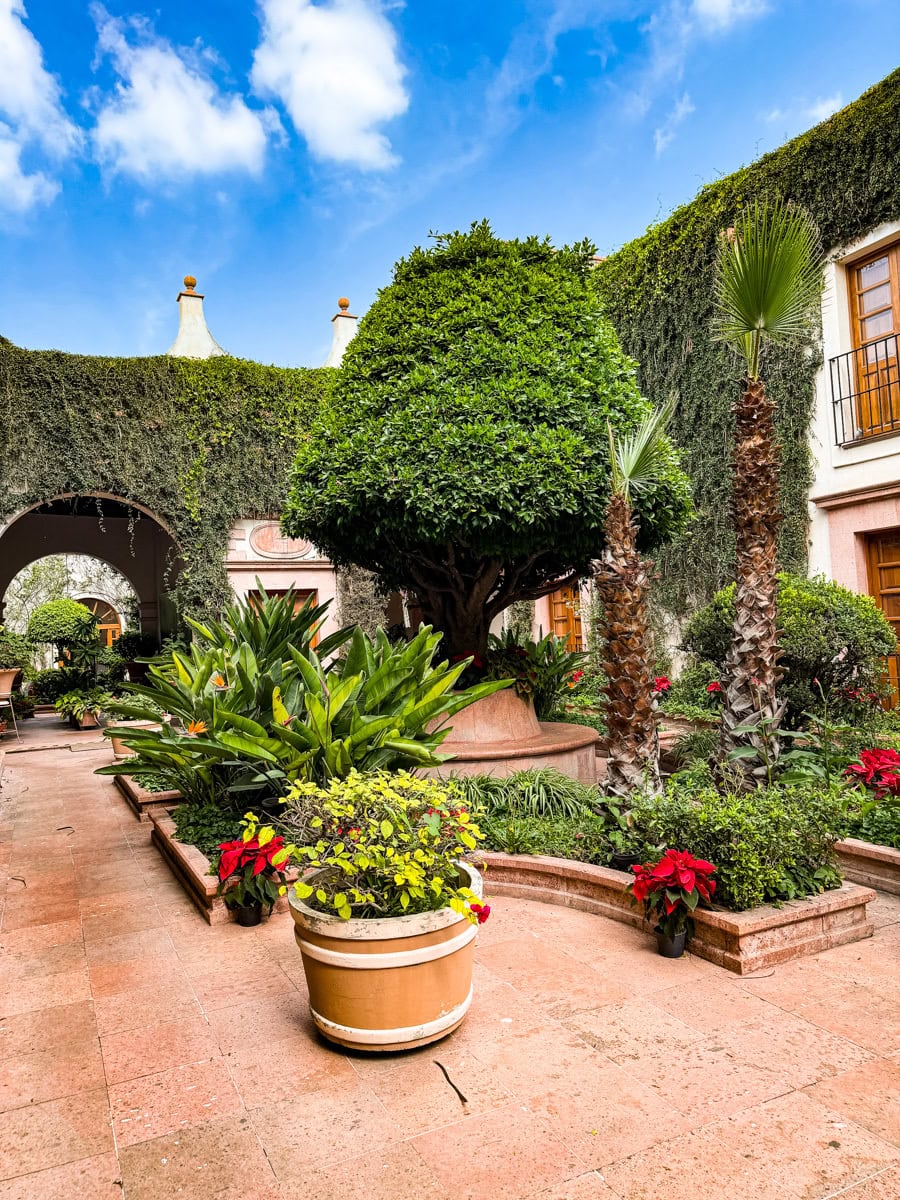
The MUCAL is a unique institution situated in a restored 17th-century mansion. It explores the history of timekeeping, from pre-Hispanic solar calendars to the golden age of Mexican calendar art in the 20th century. The museum’s gardens and courtyards provide a quiet space for reflection, reflecting the city’s commitment to preserving residential heritage.
Museo de Arte Contemporáneo (MACQ) and Museo de los Conspiradores
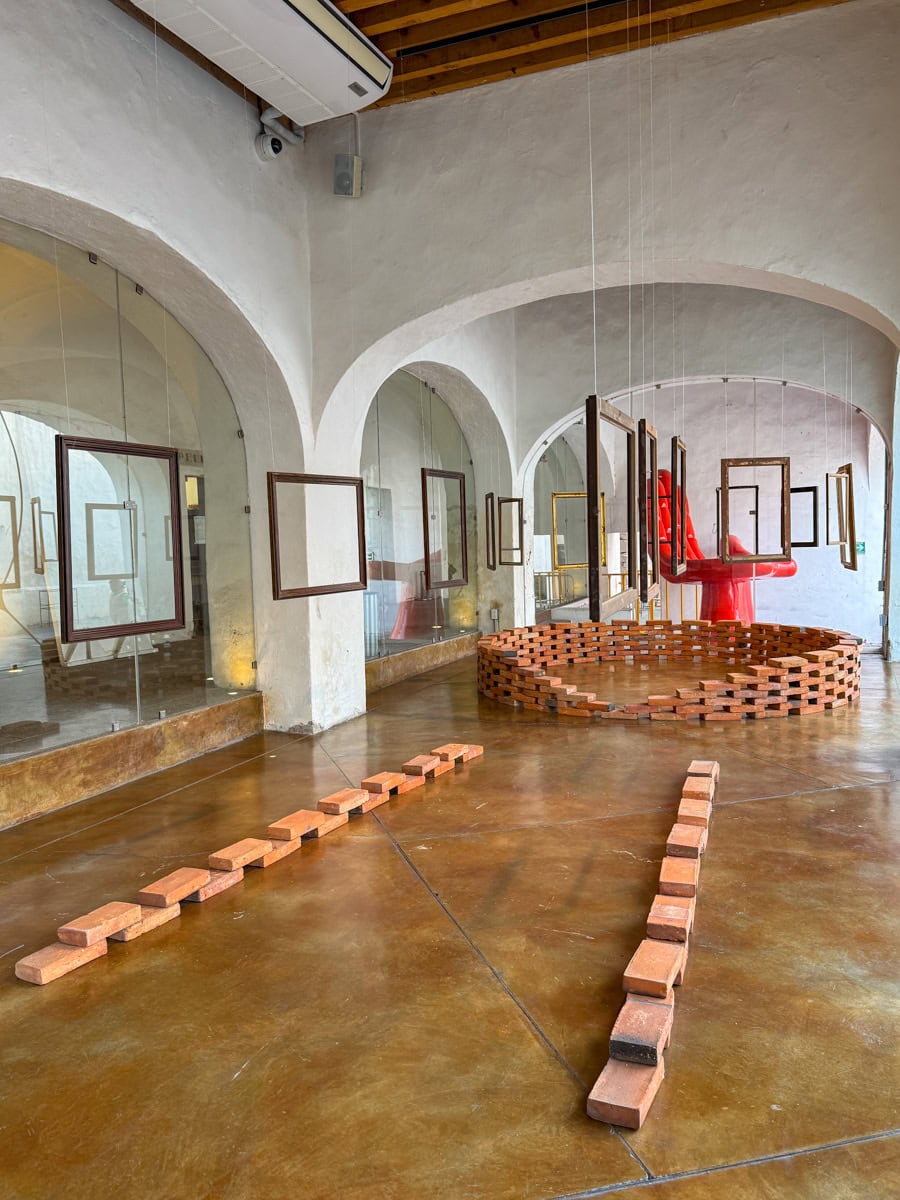
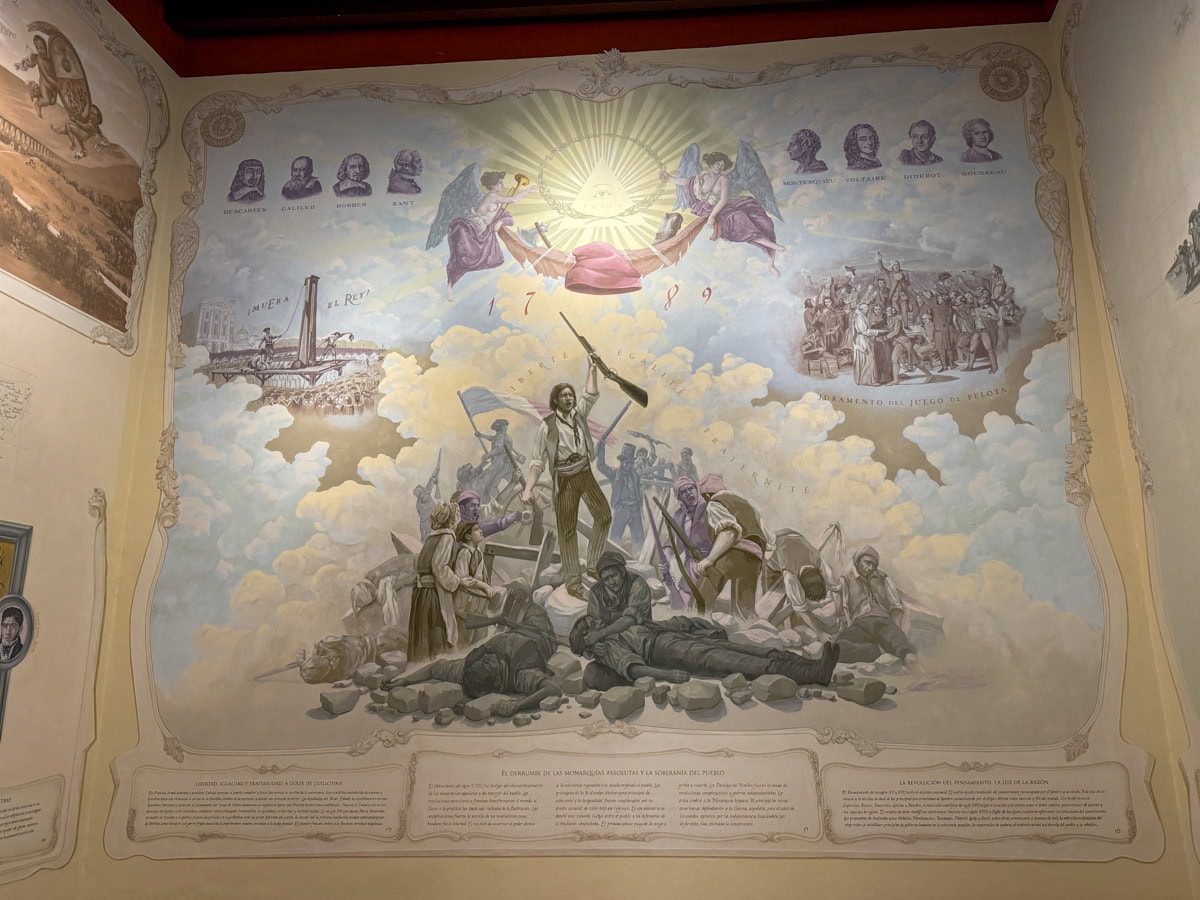
The MACQ represents the city’s forward-looking cultural stance, featuring rotating exhibitions of avant-garde photography and installations. In contrast, the Museo de los Conspiradores focuses on the city’s pivotal role in the Mexican War of Independence. Querétaro was the site of the "Conspiracy of 1810," where figures like Josefa Ortiz de Domínguez plotted the movement to overthrow Spanish rule. The museum utilizes hand-painted murals to narrate these historical events.
Political Significance: Teatro de la República
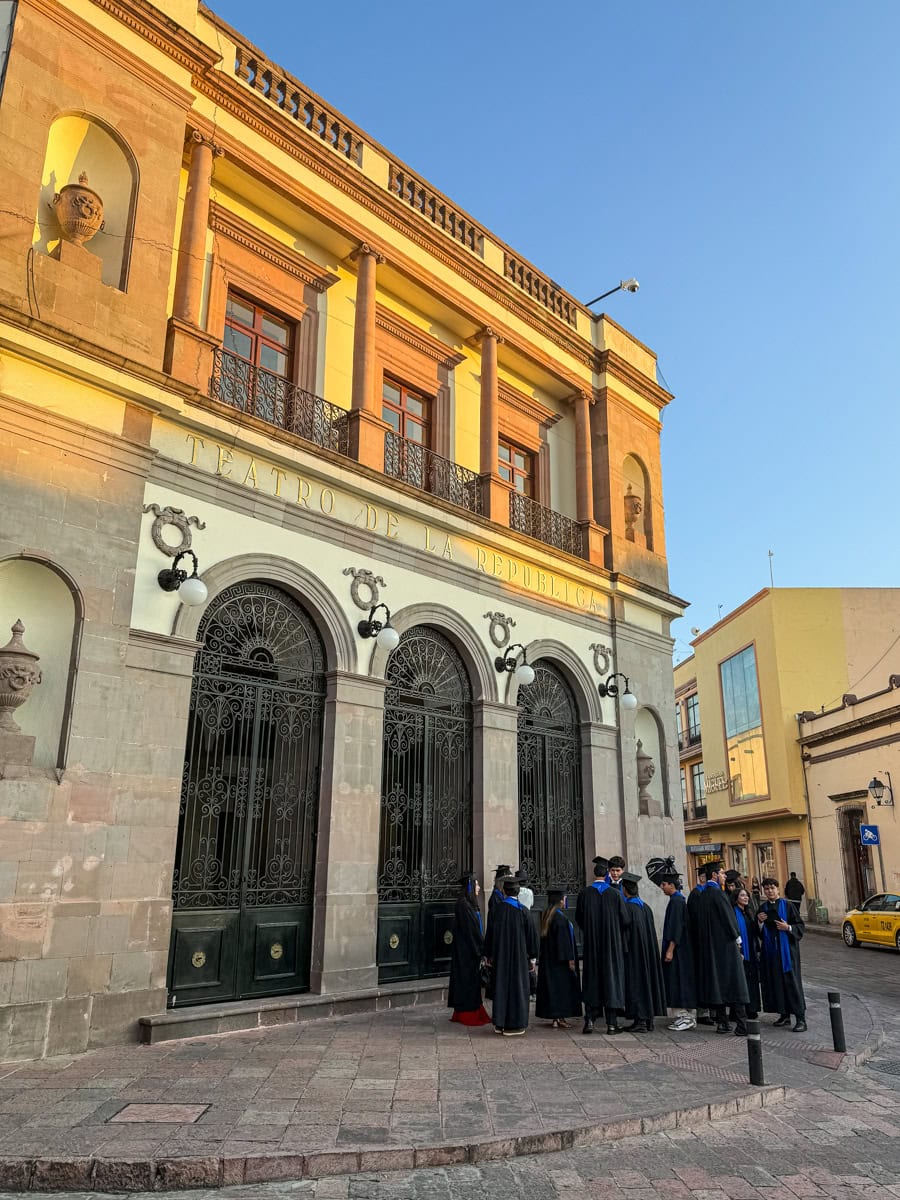
The Teatro de la República is perhaps the most politically significant building in the city. Built in the mid-19th century, it has been the stage for several defining moments in Mexican history. It was here that the Mexican National Anthem was first performed in 1854, and more importantly, it was the site where the current Constitution of Mexico was drafted and signed in 1917. The theater continues to host state functions and high-level cultural events, serving as a living monument to the nation’s legal and social framework.
Socio-Cultural Symbols: The Lele Doll
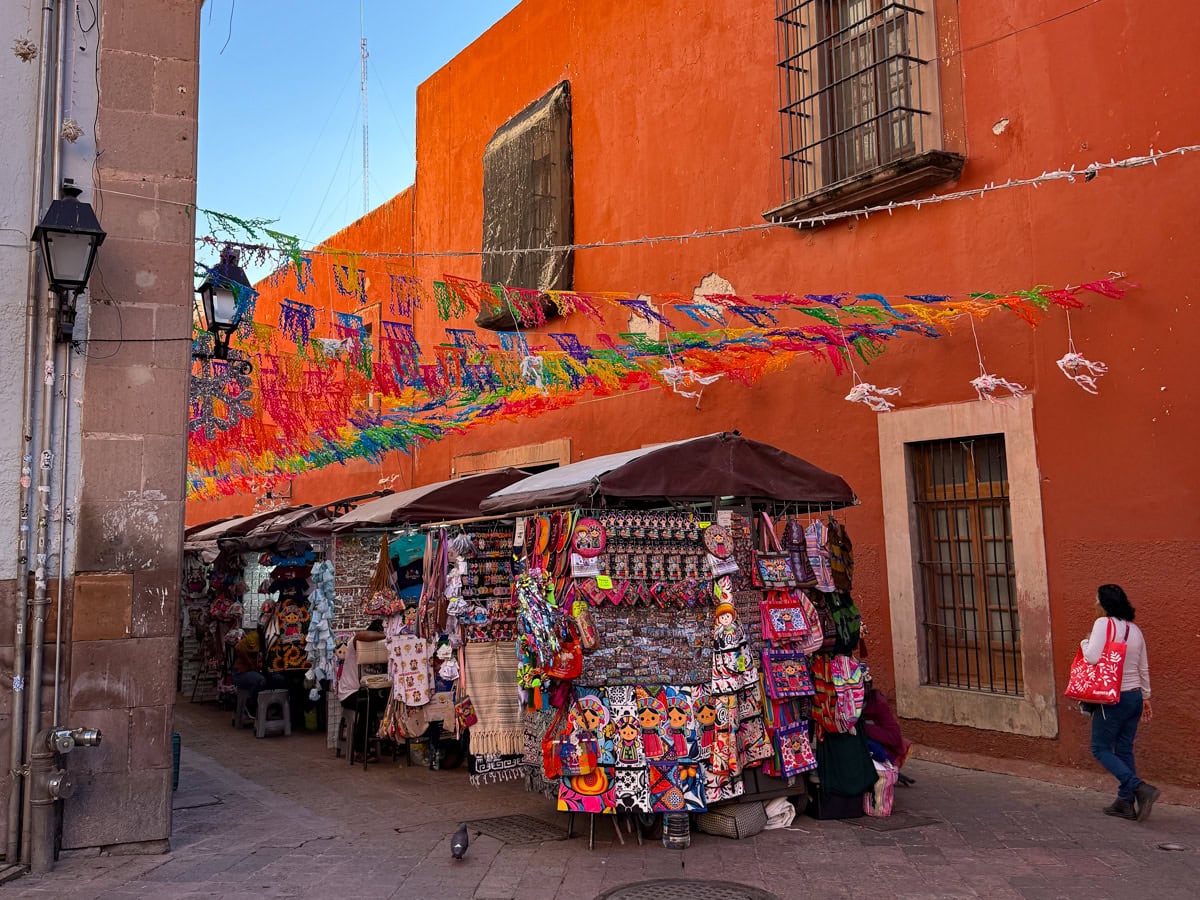
A key element of Querétaro’s cultural identity is the Lele doll, an indigenous Otomí handicraft originating from the municipality of Amealco de Bonfil. Recognized as a Cultural Heritage of the state, the Lele doll—characterized by its colorful ribbons and traditional dress—has become a global ambassador for Querétaro. The city honors this heritage through the Danzante Otomí statue in Plaza Fundadores, which celebrates the indigenous roots that continue to influence the region’s contemporary identity.
Modern Expansion: Juriquilla and Zibatá
While the historic center remains the primary draw for tourism, the northern and northeastern sectors of the metropolitan area represent Querétaro’s economic modernization. Juriquilla is an upscale district known for its golf courses, international schools, and the Antea Lifestyle Center, one of the largest and most sophisticated shopping malls in Latin America.
Adjacent to this is Zibatá, a master-planned community that emphasizes sustainable urban living. These areas attract a significant number of expatriates and professionals working in the region’s booming aerospace and automotive sectors. The contrast between the colonial center and these modern developments illustrates Querétaro’s successful navigation of rapid economic growth without sacrificing its historical core.
Gastronomic Landscape and Regional Cuisine
The culinary scene in Querétaro is a synthesis of regional Mexican traditions and international influences. While not as internationally famous as Oaxacan or Yucatecan cuisine, Querétaro offers distinct flavors, such as "enchiladas queretanas" and "gorditas de migajas."
Establishments like Tikua Sur Este provide a platform for southern Mexican flavors (Oaxacan and Yucatecan) within the city, while Blue Fish Restaurante is noted for bringing high-quality seafood traditions to the landlocked state. The city’s bakery culture, exemplified by La Dulce Compañía, reflects a European influence that dates back to the 19th century, offering artisan breads and pastries that remain a staple of the local diet.
Strategic Tourism: Day Trips and the Wine Route
Querétaro’s location makes it a strategic base for exploring the "Pueblos Mágicos" (Magic Towns) of Central Mexico. The state is a leader in the Mexican wine industry, particularly known for its sparkling wines.
Bernal and Tequisquiapan
The town of Bernal is home to the Peña de Bernal, one of the world’s tallest monoliths. This site attracts hikers and spiritual seekers alike. Nearby, Tequisquiapan serves as the center of the Wine and Cheese Route, where local vineyards like Freixenet and De Cote offer tours and tastings. This industry has become a significant driver of rural economic development in the state.
Proximity to San Miguel de Allende
Located just one hour away in the state of Guanajuato, San Miguel de Allende is a frequent addition to Querétaro itineraries. The proximity of these two UNESCO sites creates a powerful tourism corridor that showcases the best of Mexico’s colonial heartland.
Implications for Future Growth and Infrastructure
The growth of Querétaro’s tourism sector is supported by robust infrastructure, including the Querétaro Intercontinental Airport (AIQ) and a well-maintained highway system connecting it to Mexico City (approximately 3 hours away). The city’s reputation for safety and cleanliness—it is frequently cited as one of the best cities to live in Mexico—has made it an attractive alternative to the more crowded coastal resorts.
As the city continues to evolve, the challenge remains the preservation of its UNESCO-protected heritage in the face of rapid industrialization. However, current urban policies emphasize the revitalization of the Centro Histórico and the promotion of sustainable tourism. For the traveler, Santiago de Querétaro offers a sophisticated, safe, and deeply historical experience that captures the complexity of modern Mexico. Whether through the quiet study of its baroque altars or the vibrant energy of its public fairs, the city remains a testament to the enduring power of connection and community in the Mexican highlands.