A deeply concerning incident unfolded during Wisconsin’s statewide youth turkey hunt on April 12, 2026, when a 3-year-old participant discharged a 12-gauge semi-automatic shotgun, injuring two individuals in Rochester Township. The Wisconsin Department of Natural Resources (DNR) has launched an active and ongoing investigation into the shooting, which occurred on state forest land within the Honey Creek Wildlife Area in Racine County, casting a spotlight on youth hunting regulations, mentor responsibilities, and critical firearm safety protocols.
Incident Details and Chronology
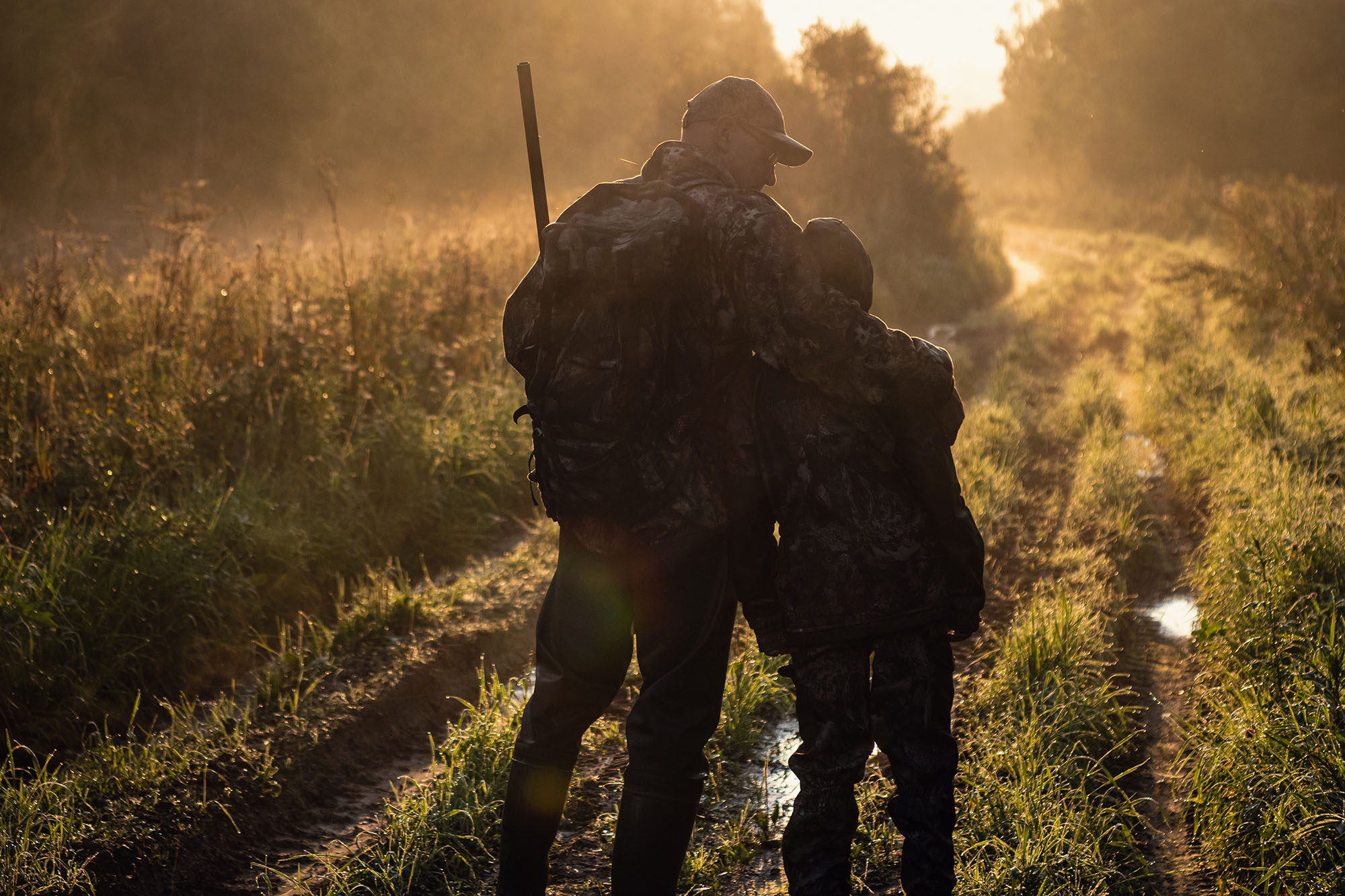
The unfortunate event transpired on the second day of the youth turkey season, a period specifically designated for hunters under the age of 16. According to an incident synopsis provided by Lt. Renee Thok of the Wisconsin DNR, a 34-year-old male mentor was accompanying the 3-year-old hunter. The mentor reported observing what he believed to be a turkey fan and movement in the dense woods. Acting on this perceived sighting, the mentor reportedly knelt down and assisted the young child in positioning, aiming, and ultimately firing the shotgun.
Tragically, the target was not a turkey. Instead, the shotgun blast struck a 40-year-old male turkey hunter and his 7-year-old child, who were also hunting in the area. Both victims sustained pellet wounds to their back, hand, and head. Emergency services were immediately dispatched to the scene, and both injured individuals were transported to a local hospital for treatment. At the time of the initial report, their injuries were described as non-life-threatening, though the trauma and potential long-term effects remain a significant concern. The incident underscores the critical importance of absolute target identification, a foundational principle of firearm safety.
Victims and Their Condition
The two victims, a 40-year-old father and his 7-year-old child, received medical attention for pellet wounds. While their injuries were not classified as life-threatening, the nature of shotgun pellet wounds, particularly to the head and hands, can necessitate extensive medical care and potentially lead to lasting complications. The emotional impact on the victims, their families, and indeed on all parties involved in the incident is undoubtedly profound. Lt. Thok confirmed a notable detail: one of the injured individuals was an off-duty law enforcement officer. She emphasized, however, that this specific detail does not alter the impartiality or direction of the ongoing investigation, maintaining that the DNR’s focus remains solely on the facts of the incident.
The Ongoing Investigation
The Wisconsin DNR’s investigation is comprehensive and continuing, meticulously examining all aspects of the shooting. Investigators are likely reviewing the sequence of events, the actions of the mentor, the environmental conditions at the time of the incident, and adherence to all applicable hunting regulations. As of the current update, the case has not yet been referred to the Racine County District Attorney’s office for potential charges. Lt. Thok indicated that it remains unclear whether Racine County or a neighboring jurisdiction would ultimately handle any legal review, suggesting the complexity of jurisdictional procedures in such cases. The DNR’s findings will be crucial in determining if any violations of state law occurred and what, if any, legal consequences may arise for the mentor or other responsible parties.
Wisconsin’s Mentored Hunting Program: Legal Framework
The incident has inevitably drawn significant attention to Wisconsin’s mentored hunting program, particularly its provisions regarding age and hunter education. Wisconsin law explicitly permits mentored hunting without prior hunter education certification for participants under certain conditions. The 2026 youth turkey hunt, which ran from April 11 to 12, is open to hunters younger than 16. A key requirement is that youth hunters must be accompanied by an adult aged 18 or older. Furthermore, the state’s statutes, specifically Wisconsin Statute 29.592, stipulate that a hunter can participate in the mentored program without hunter education if they are with a qualified mentor and remain within the mentor’s arm’s reach. This provision aims to introduce new, often young, hunters to the sport under direct, close supervision, fostering a pathway to participation and conservation.
In this specific case, Lt. Thok confirmed that the 34-year-old mentor did not possess hunter education certification. However, he was exempt from this requirement due to military training. The 3-year-old mentee, as allowed by Wisconsin’s hunting mentorship law, also did not have hunter education certification. This legal framework, while designed to be inclusive, now faces intense scrutiny in the wake of this severe accident, prompting a broader discussion about the practical implications of age limits and mentor qualifications.
Hunter Education Requirements and Exemptions
Hunter education programs across the United States are foundational to promoting safety, ethics, and conservation within the hunting community. These courses typically cover firearm safety, wildlife identification, hunting ethics, first aid, and conservation principles. The requirement for hunter education is almost universal for new hunters, particularly those under a certain age. However, many states, including Wisconsin, offer exemptions for individuals with prior military or law enforcement training, assuming that such training provides an equivalent level of firearm proficiency and safety knowledge.
The debate sparked by this incident questions whether military training, primarily focused on tactical combat or law enforcement scenarios, adequately translates to the specific demands of safe and ethical hunting mentorship in a civilian context. Hunting requires unique skills in fieldcraft, target identification in dynamic environments, and a deep understanding of wildlife behavior that may not be central to military or police training curricula. This particular incident highlights the gap that might exist between general firearm proficiency and specialized hunting safety knowledge, especially when mentoring a very young child.
The Ethics and Safety Debate: Age, Judgment, and Target Identification
The core of the controversy swirling around this incident revolves around fundamental questions of ethics and safety.
-
Age of the Hunter: A 3-year-old child’s cognitive development, impulse control, and capacity for judgment are inherently limited. While physically capable of pulling a trigger with assistance, their ability to understand the gravity of handling a firearm, the distinction between a game animal and a human, or the consequences of their actions is virtually non-existent. The incident forces a critical re-evaluation of what constitutes a "responsible hunter" and at what developmental stage a child can truly begin to grasp the immense responsibility that comes with hunting. While the law permits it, the ethical implications of entrusting a firearm, even under direct supervision, to a child of such tender age are now at the forefront of public discussion.
-
Mentor’s Role and Responsibility: The mentor bears the ultimate responsibility for the safety of the mentee and others. The decision to allow a 3-year-old to fire a shotgun, especially without absolute certainty of the target, represents a profound lapse in judgment. The mentor’s exemption from traditional hunter education due to military training further complicates the discussion. While military training instills discipline and firearm proficiency, it may not adequately prepare an individual for the specific nuances of turkey hunting, such as identifying a camouflaged target in dense woods or recognizing the risks posed by other hunters in shared public land. This event will likely prompt a re-examination of the adequacy of military exemptions for civilian hunting mentorship.
-
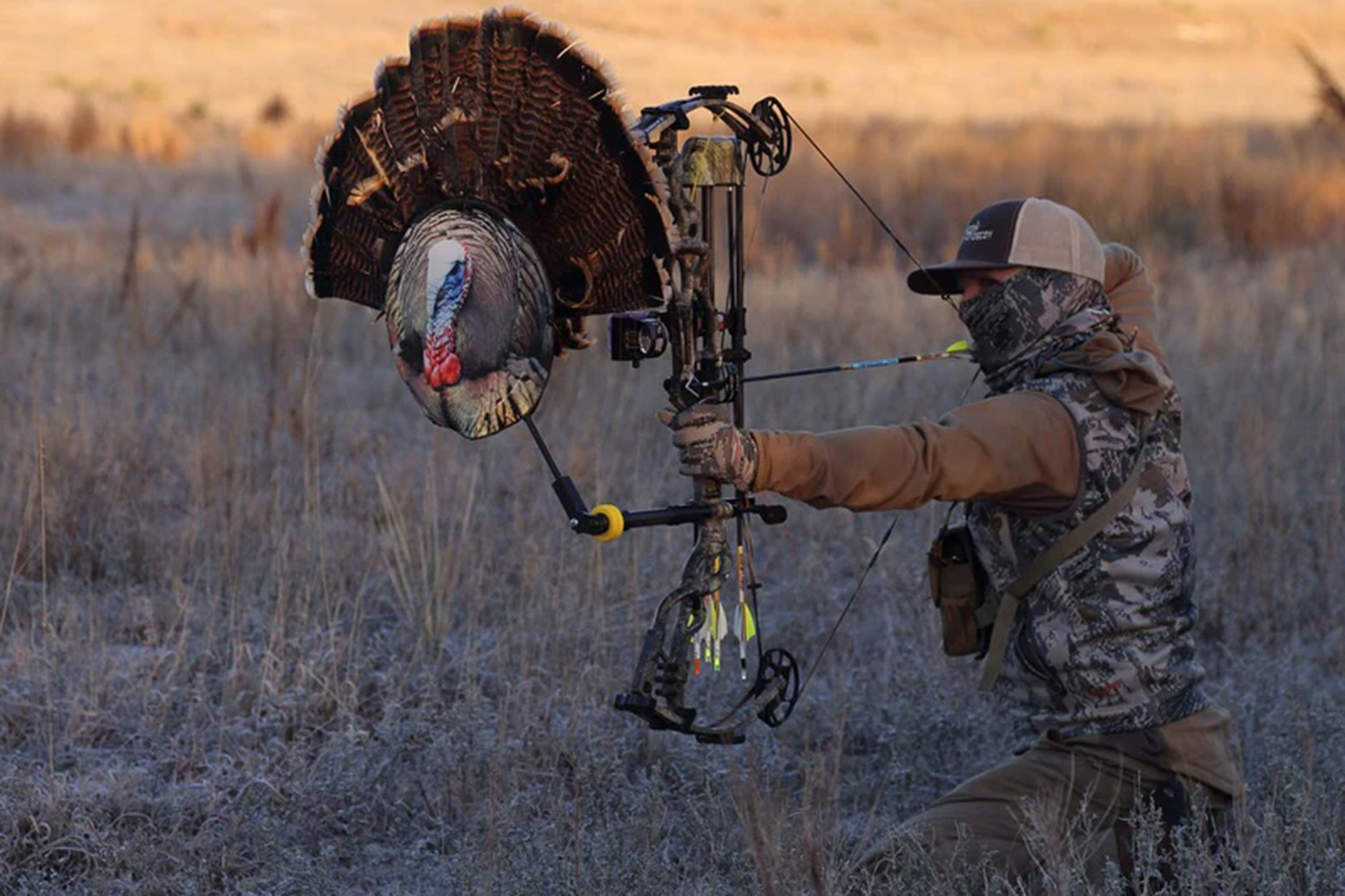
Target Identification and Turkey Reaping: The mentor’s claim of seeing a "turkey fan and movement" points directly to a critical failure in target identification. The cardinal rule of firearm safety is to always be certain of your target and what is beyond it. Mistaking another hunter, especially one with a child, for a game animal is an egregious violation of this fundamental principle. The incident also brings into sharp focus the controversial hunting tactic known as "turkey reaping" or "fanning." This method involves a hunter using a turkey fan or decoy as cover to stalk closer to a turkey. While legal in Wisconsin, the DNR explicitly warns against its use on public lands or in areas with high hunter density due to the inherent safety risks. By imitating a turkey, hunters using this tactic can inadvertently become targets themselves, as other hunters might mistake the decoy or the moving fan for an actual bird. In this instance, it appears the victims may have been using such a decoy, or their movement was misinterpreted, contributing to the tragic misidentification. The DNR’s longstanding warnings about the dangers of this practice are tragically validated by this event.
Broader Implications and Public Discourse
This incident carries significant implications for the hunting community, wildlife management agencies, and public perception of hunting.
- Impact on Hunting Community: Responsible hunters universally condemn accidents of this nature. The incident could fuel negative stereotypes about hunting and gun ownership, potentially undermining efforts to promote hunting as a safe, ethical, and valuable conservation tool. Hunting organizations will likely double down on safety education campaigns and emphasize the critical importance of responsible mentorship.
- Legislative Review: The accident may prompt Wisconsin legislators to review and potentially revise the state’s mentored hunting laws, particularly concerning the minimum age for participants and the qualifications required for mentors, including the scope of military training exemptions. Other states might also examine their own youth hunting regulations in light of this event.
- Public Perception: For the non-hunting public, an incident involving a 3-year-old firing a shotgun and wounding two people is likely to generate outrage and calls for stricter gun control or bans on youth hunting. It presents a challenge for the hunting community to articulate its values of safety, responsibility, and conservation effectively.
- Safety Protocol Reinforcement: This tragic event serves as a stark reminder for all hunters to re-familiarize themselves with and rigorously adhere to the four cardinal rules of firearm safety:
- Treat every firearm as if it were loaded.
- Always point the muzzle in a safe direction.
- Be sure of your target and what is beyond it.
- Keep your finger off the trigger until you are ready to shoot.
In the context of hunting, "be sure of your target" is paramount, requiring positive identification of the animal and ensuring no human is in the line of fire.
Preventative Measures and Best Practices
To prevent future tragedies, several preventative measures and best practices should be reinforced:
- Age-Appropriate Participation: While legal, the ethical appropriateness of a 3-year-old actively participating in a hunt needs serious reconsideration within the hunting community. Mentorship should focus on gradual introduction to the outdoors, wildlife observation, and basic safety before handling firearms.
- Enhanced Mentor Training: Beyond basic hunter education, specific training for mentors on how to supervise very young children, manage firearms in dynamic field conditions, and make critical judgment calls under pressure could be beneficial.
- Universal Target Identification Emphasis: Agencies should intensify campaigns emphasizing the absolute necessity of positive target identification, especially during turkey season when hunters often use camouflage and decoys that can be mistaken for game.
- Turkey Reaping Warnings: The DNR’s warnings about turkey reaping on public land should be amplified, potentially through mandatory education modules or explicit restrictions in certain areas.
- Visibility: Hunters, particularly those using decoys or engaging in tactics that involve movement, should consider wearing highly visible blaze orange or pink when moving through the woods to make their presence known to other hunters.
Conclusion
The shooting incident during Wisconsin’s youth turkey hunt is a grave reminder of the inherent dangers associated with firearms and the immense responsibility that comes with hunting. As the Wisconsin DNR continues its investigation, the findings will undoubtedly shape future discussions around hunting regulations, mentor accountability, and the broader culture of firearm safety. This unfortunate event serves as a somber call to action for all involved in the hunting community to reinforce safety protocols, re-evaluate ethical standards, and ensure that the pursuit of outdoor traditions never comes at the cost of human life or well-being.