A Look Back at a Summer of Intense Global Travel and the Challenges of Maintaining a High-Frequency Itinerary

The summer of 2026 has been marked by an exceptionally dense period of international travel for digital nomads and travel professionals, a trend exemplified by the recent experiences of travel content creators who have traversed multiple continents in a single month. This period, spanning from late May through late September, has seen a convergence of high-profile social events, personal celebrations, and professional commitments that have forced a reevaluation of the sustainable pace of modern travel. For many, the month of July served as a pivot point, characterized by a rapid succession of arrivals and departures across Europe.
A Chronology of July Travel Movements
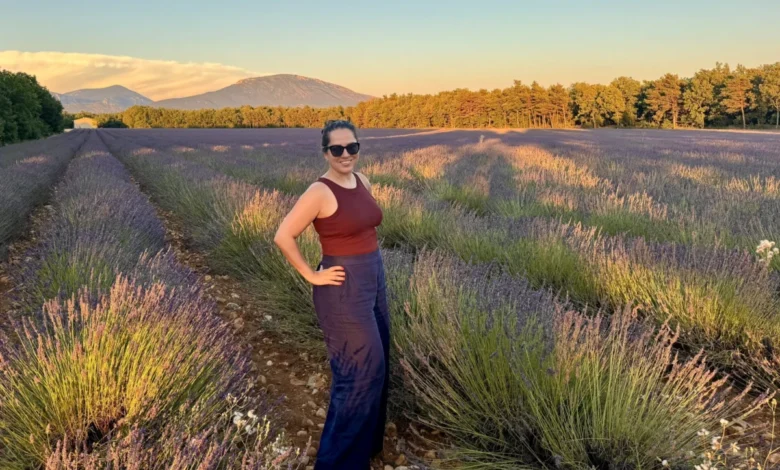
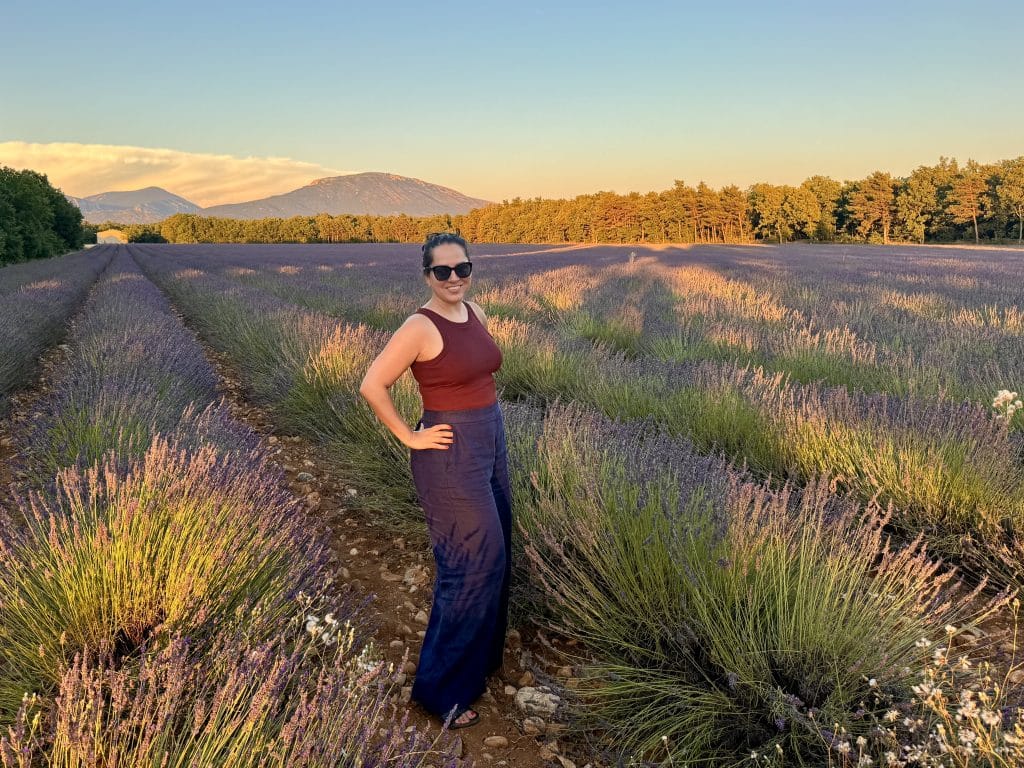
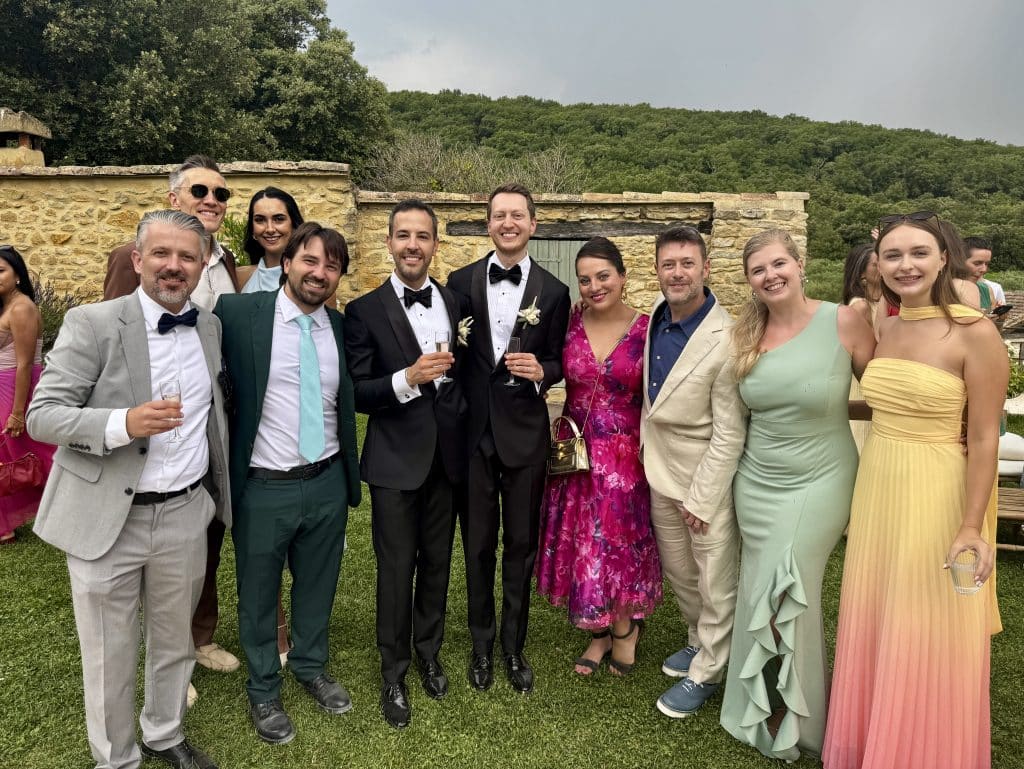
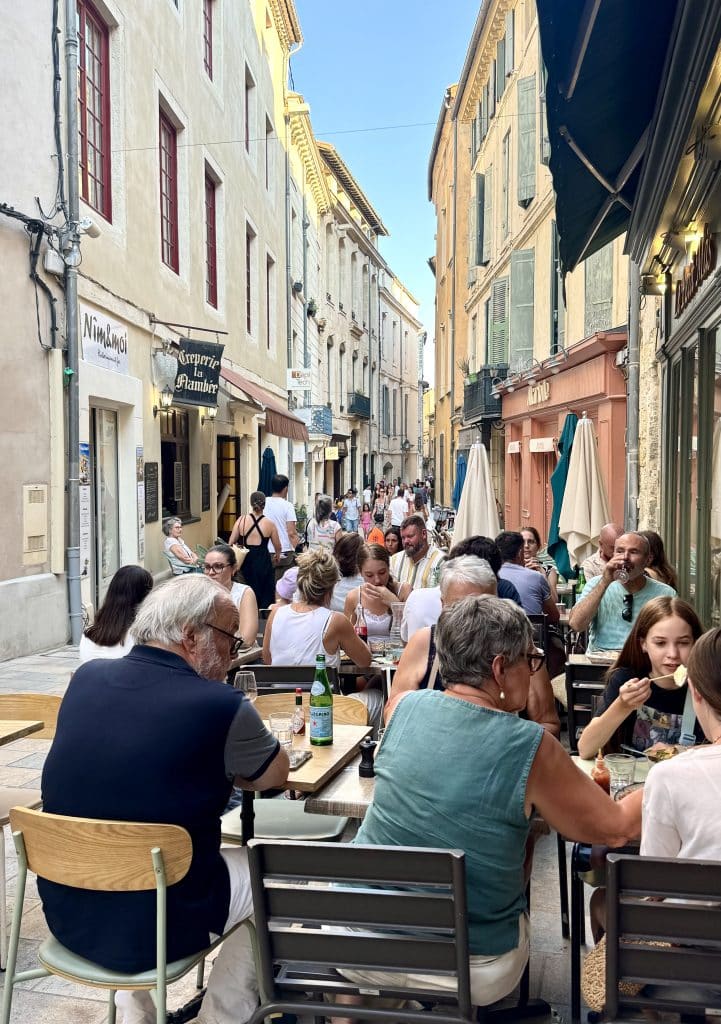
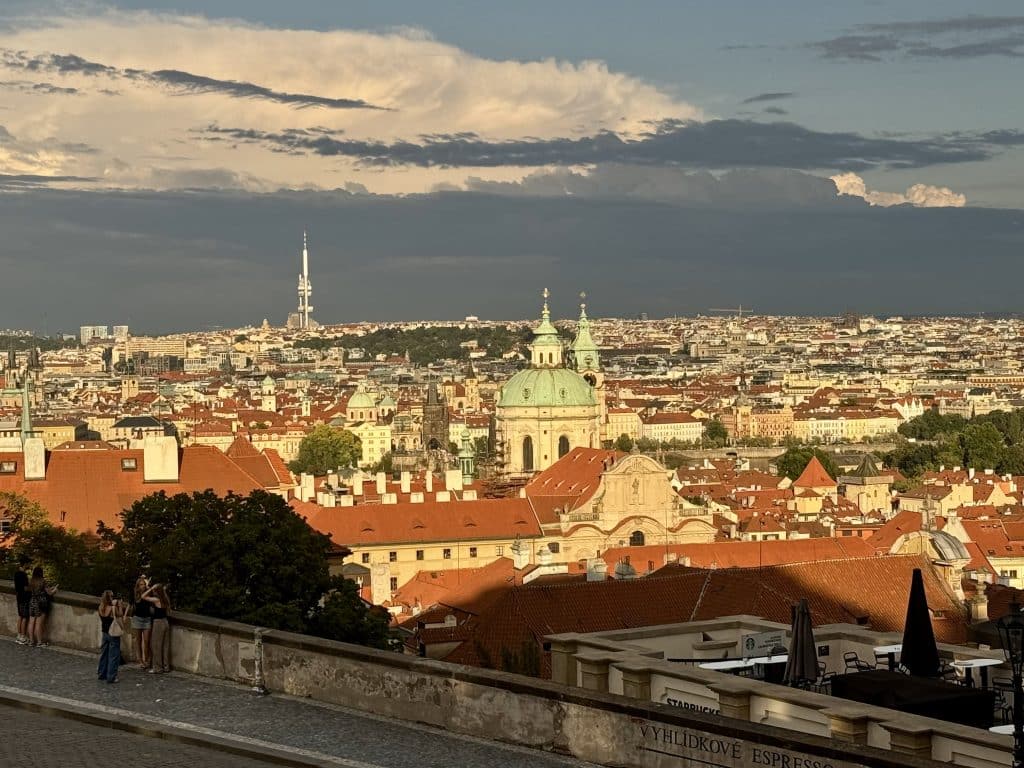
The travel sequence during July 2026 was defined by a series of geographic shifts. The month began in the Czech Republic, specifically in Prague, where logistical and cultural engagement took place. This was followed by a transition to the Provence region of France. The itinerary in France was not merely recreational; it served as a hub for social gatherings, including the wedding of Patrick and Grégory at the Domaine de Valbonne. This weeklong excursion included regional exploration through the Gorges du Verdon, visits to the coastal towns of La Ciotat and Saint-Cyr-sur-Mer, and cultural stops in Arles and Nîmes.
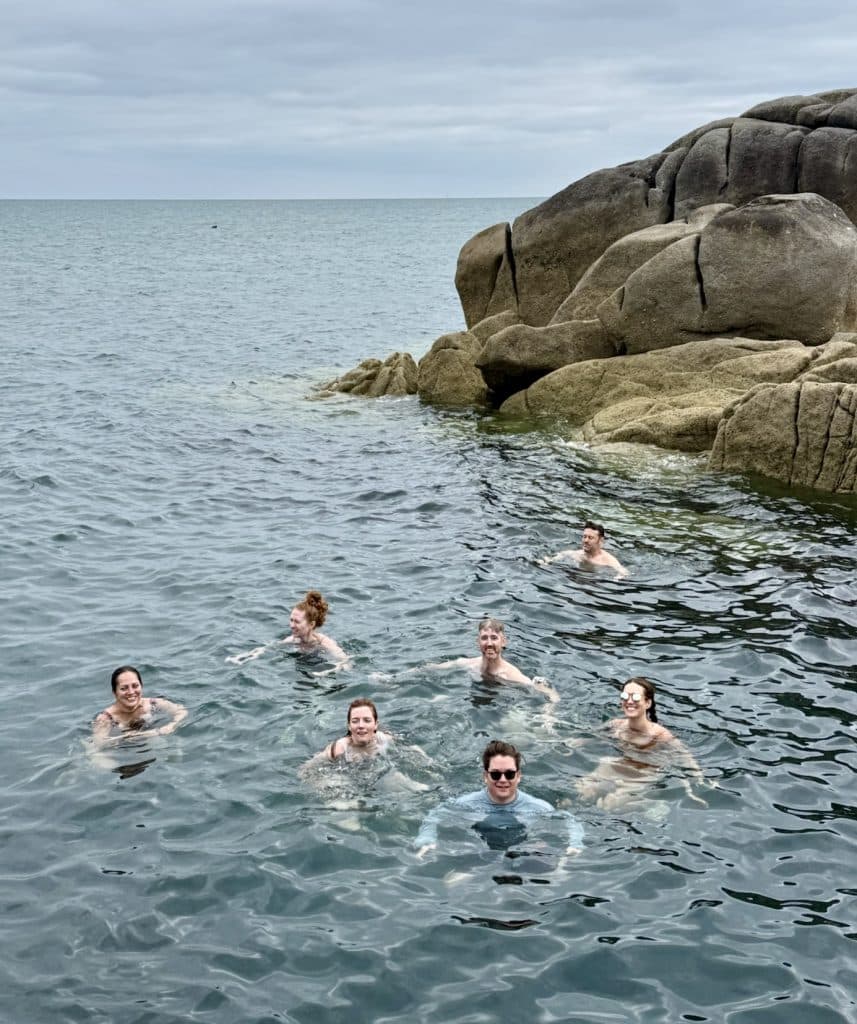
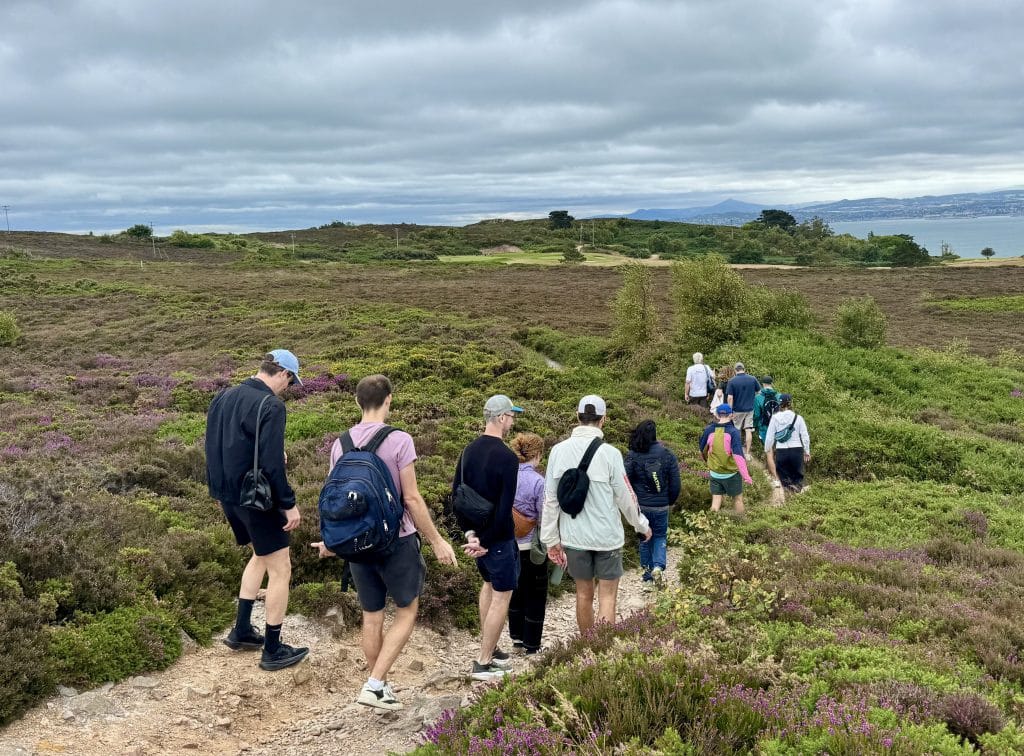
Following the French leg, the focus shifted to Dublin, Ireland, for a multi-day series of events centered on a milestone 40th birthday celebration. This portion of the itinerary highlighted the importance of localized tourism, with excursions to the Forty Foot in Sandy Cove and hiking trails in Howth, alongside visits to the Teeling Whiskey Distillery and the Guinness Storehouse. The month concluded with a return to Italy, specifically Naples and the island of Ischia, providing a bookend to the summer travel season before a transition into August.
Data and Infrastructure Context
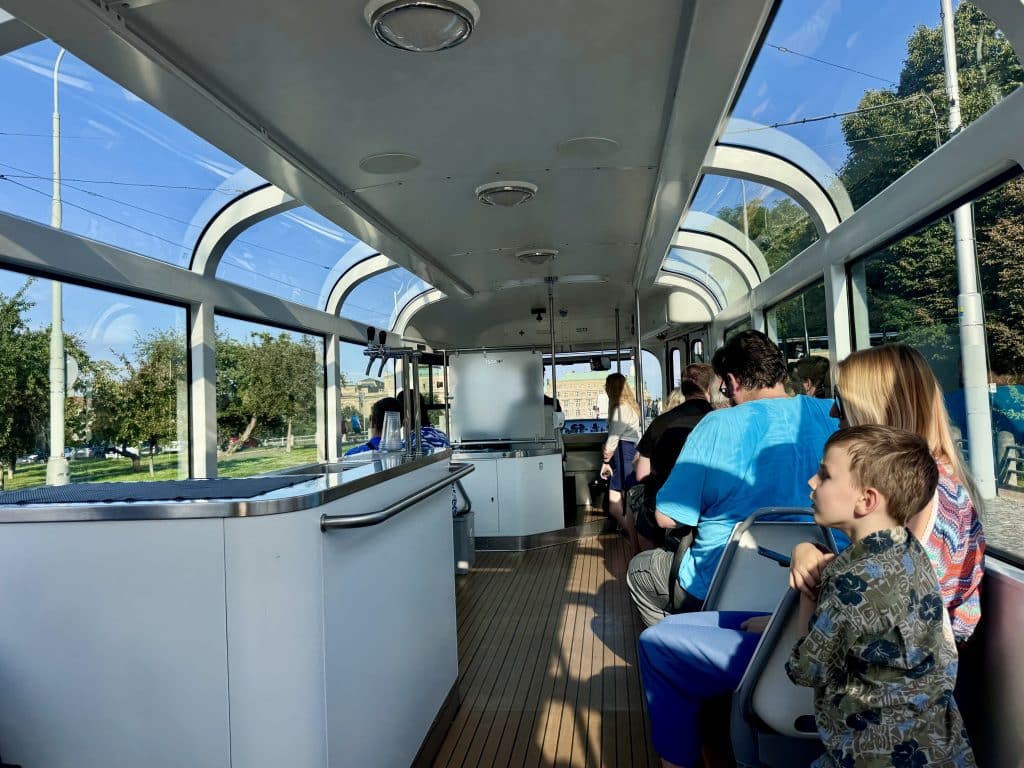
The logistical demands of such a schedule require significant infrastructure support. For instance, the use of specialized transportation, such as the T3 Coupé tram in Prague, underscores the availability of niche public transit services that cater to both tourists and residents. Public records indicate that private rentals of such historic or modern municipal assets in Prague typically cost approximately 7,700 CZK (USD $367) per hour, a figure that becomes economically viable for larger groups.
Furthermore, the surge in travel to Provence during the summer months presents recurring challenges regarding climate management. As temperatures in Southern France regularly exceed 38°C (100°F), the lack of air-conditioned infrastructure in older, rural properties remains a significant concern for the hospitality sector. Industry analysts suggest that travelers are increasingly prioritizing climate-controlled accommodations as extreme heat waves become more frequent in Mediterranean regions.
Professional and Personal Implications
The intensity of the 2026 summer travel season has prompted a broader conversation regarding "travel burnout." For professionals whose income is derived from documenting these journeys, the pressure to maintain a consistent digital output often conflicts with the need for recovery and stability. The professional consensus, as observed in recent trends, is that the lack of downtime—defined as extended periods in a primary residence—leads to diminished productivity and a feeling of professional disconnection.

This phenomenon is exacerbated by the logistical hurdles of modern travel, including the increased reliance on constant connectivity. The adoption of eSIM technology has become a standardized requirement for international travelers. Current market data shows that travel-specific eSIM providers, such as Holafly, are seeing increased demand as users seek to avoid roaming charges and maintain seamless digital access.
Sociocultural Observations and Media Consumption
Beyond the travel itself, the summer provided a window into broader cultural consumption patterns. Observations of media, such as the analysis of the Netflix production Outlast: The Jungle, highlight a growing interest in social psychological experiments framed as reality entertainment. When participants are placed in high-stress, survival-oriented environments, the resulting gender dynamics and team structures offer a microcosmic view of workplace and social cooperation.
Simultaneously, the engagement with archival music projects—such as the systematic review of the Rolling Stone 500 Greatest Albums of All Time—reflects a trend toward curated, long-form content consumption. For many, these projects serve as a grounding mechanism during periods of travel-induced instability, providing a consistent intellectual pursuit regardless of one’s physical location.
Future Projections and Strategic Scaling
As the third quarter of 2026 draws to a close, there is a strategic shift toward a more sustainable travel model. The upcoming period will see a focus on large-scale, long-duration expeditions rather than high-frequency, short-term trips. Specifically, the focus will turn to Southern Africa, including South Africa, Botswana, Zambia, and Zimbabwe.

This shift is calculated to minimize the "discombobulation" associated with frequent changes in lodging and routine. The planned route includes a multi-week engagement starting in Cape Town, followed by a guided tour through Botswana and the Victoria Falls region. This itinerary is expected to reach a milestone of 100 visited countries, marking a significant statistical achievement in the field of global tourism.

Conclusion on Industry Trends
The current state of international travel suggests a move toward quality over quantity. The challenges faced in July—ranging from minor automotive incidents on European highways to the physiological strain of summer illnesses and heat exhaustion—serve as a reminder of the inherent risks of a fast-paced nomadic lifestyle. Moving into the final months of 2026, the industry anticipates that seasoned travelers will continue to consolidate their schedules, opting for longer, more intentional visits that allow for deeper regional immersion while mitigating the risks of burnout. The coming months in Africa will act as a test case for this refined approach to global mobility.